
Reviewed · AUSCHWITZ-BIRKENAU MEMORIAL TOURS
Krakow: Wieliczka Salt Mine and Auschwitz-Birkenau Tour
Auschwitz-Birkenau and Wieliczka Salt Mine make an unusual pair: one confronts the darkest crimes of 20th-century Europe, while the other reveals a remarkable underground world carved from salt. I like that you can see the original camp buildings and Birkenau railway ramp, then move on to chapels and statues far below the ground. I also like the practical package: transport, two licensed guides, and entrance tickets are covered.
The catch is the pace. This is a 12-hour day with two major sites, and the Auschwitz visit may feel hurried if you need quiet time to take it all in. The tour is also non-refundable, meeting-point pickup can go wrong, and the schedule is not suitable for children under 13, people with mobility impairments, or anyone with claustrophobia.
Key points to know before booking
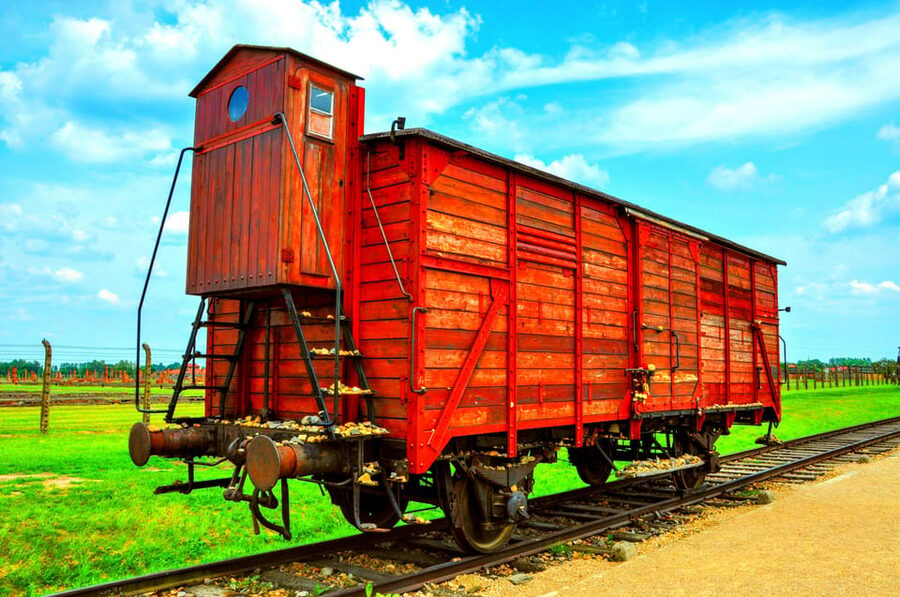
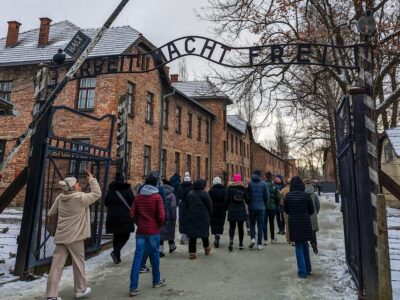
- Auschwitz and Birkenau are the emotional center: Expect original buildings, prison blocks, gas chamber remains, and the railway ramp where deportees arrived.
- Wieliczka is more than a mine: Its underground route includes salt-carved chapels, statues, and air containing salt and other mineral elements.
- The day lasts 12 hours: You are fitting two substantial visits into one outing from Krakow.
- Transport saves planning time: An air-conditioned vehicle connects the sites, with pickup from a Krakow meeting point.
- The lunch break lasts 40 to 60 minutes: Food and drinks are not included, so bring money or a packed meal.
- Names must match your ID: Auschwitz admission can be refused if the booking name and passport or identity card do not match.
One long day from Krakow
This is a serious sightseeing day, not a casual half-day outing. You leave Krakow from a designated meeting point, travel in an air-conditioned vehicle, visit Auschwitz-Birkenau and Wieliczka Salt Mine with separate guides, take a 40 to 60-minute lunch break, and return to Krakow after roughly 12 hours.
That structure is useful if you have limited time in southern Poland. Arranging both places yourself means dealing with separate tickets, transport, and schedules. Here, the main pieces are bundled together for $111 per person. The price is not low, but it can be fair if you value convenience and want both major sites on the same day.
The tradeoff is simple: you save planning time but give up flexibility. You cannot linger for half a day at Auschwitz, then decide to skip the mine. The day runs to a fixed timetable, and the first part may affect how much energy you have for the second.
Pickup is from a meeting point in Krakow rather than a guaranteed hotel pickup. Check the exact meeting instructions carefully and arrive early. One serious booking problem has been reported, involving a one-hour wait at the meeting point with no successful contact by phone. That does not tell you how often such problems happen, but it is a good reason to save the operator’s contact details, confirm the meeting place, and avoid arriving at the last second.
A more positive practical point is communication around pickup and a clean, comfortable coach, which can make a long day easier. The English-speaking driver can answer questions during the road portions, while licensed local guides handle the actual visits.
Other ways to visit Auschwitz-Birkenau from Wieliczka:
- Auschwitz-Birkenau & Salt Mine Tour in One Day from Krakow
★ 4.9 · 38 reviews - Kraków: Jewish Quarter, Auschwitz, And Salt Mine 3-Day Tour
★ 4.8 · 5 reviews - From Krakow: Auschwitz-Birkenau Guided Tour & Hotel Pickup
★ 4.5 · 33,358 reviews
Auschwitz: a place that demands attention
Auschwitz-Birkenau is not a normal sightseeing stop. The purpose of the visit is to understand the Nazi system of imprisonment, forced labor, and mass murder, using the surviving camp structures and museum displays as evidence.
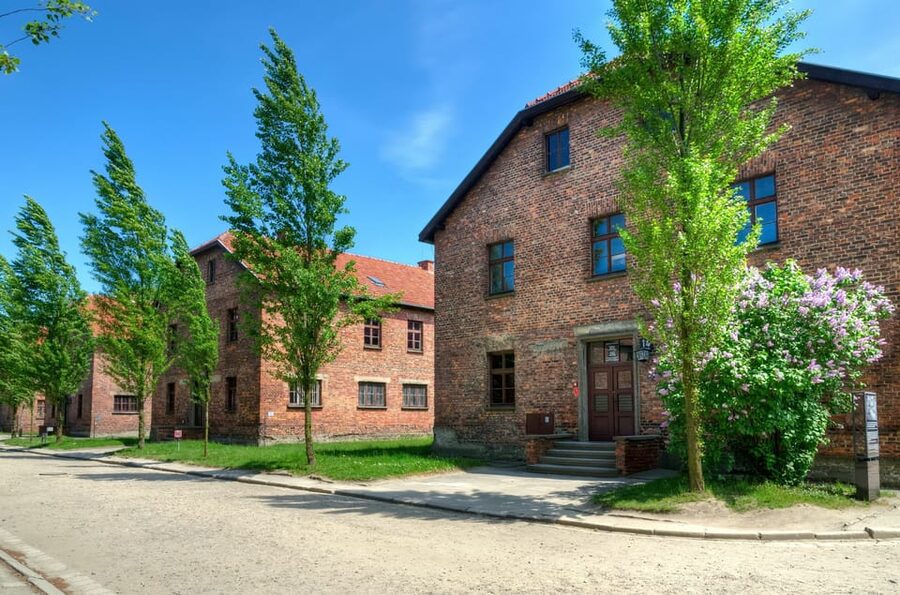
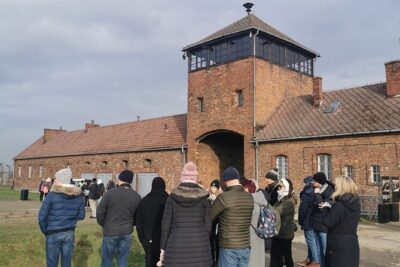
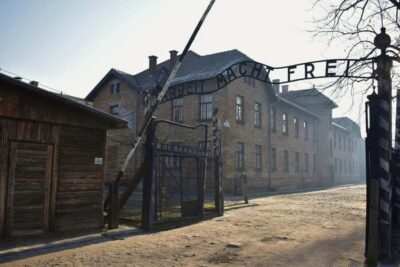
At Auschwitz, you can expect to see original buildings, prison blocks, and remains connected with the gas chambers. The licensed guide explains how the camp operated and places the individual buildings within the wider story of the genocide during World War II.
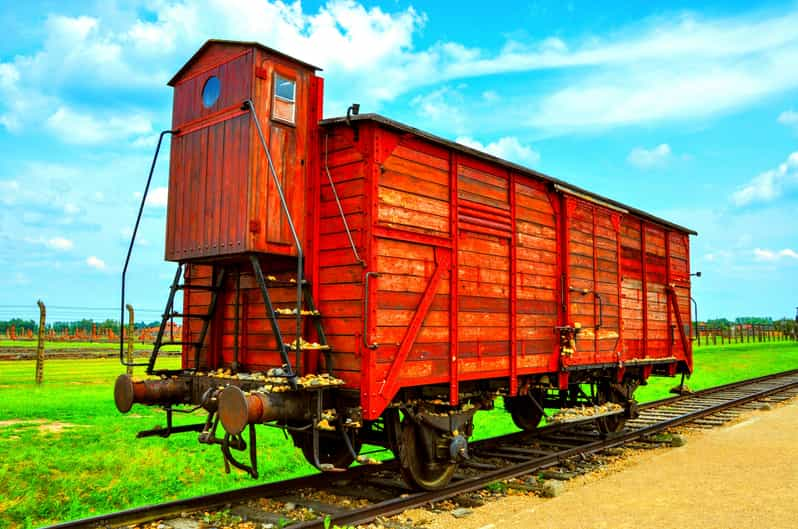
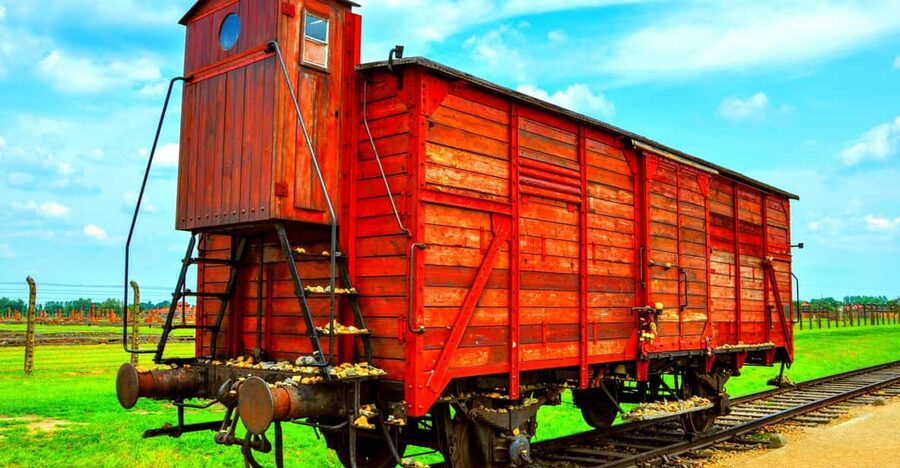
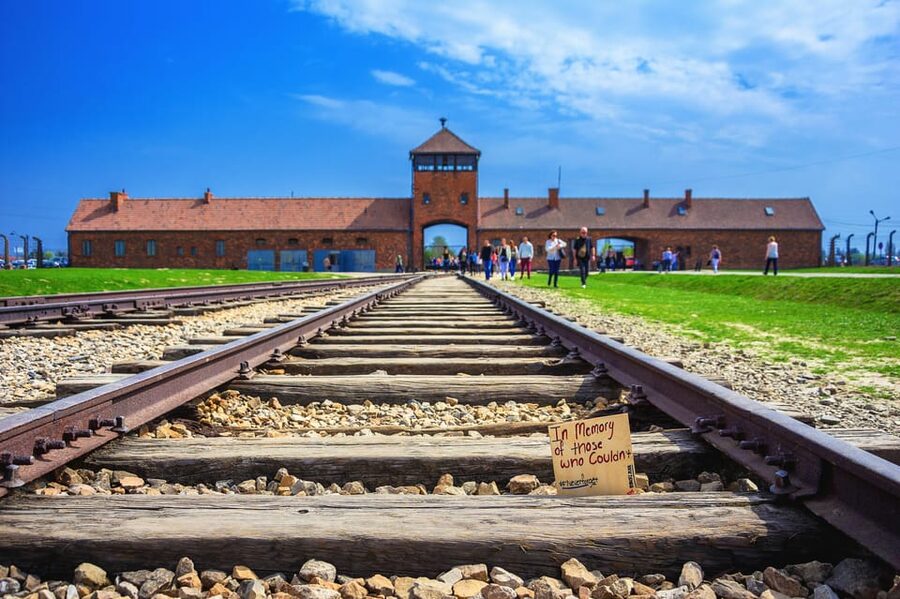
The experience then continues at Birkenau, the larger camp site. The railway ramp is one of the most powerful physical details here. It was where prisoners arrived by train before selection and imprisonment, and seeing the tracks and remains in person gives the historical account a stark physical setting.
You should expect walking between buildings and across exposed areas. Comfortable shoes matter, and warm clothing is sensible even when Krakow feels mild. The day can involve long periods outdoors, and the site is not designed as a light or entertaining attraction.
This is also why the tour’s pace deserves attention. The French review describing the guided visit as at a run points to the main risk of combining both destinations in one day. A guide-led visit gives you structure and essential context, but you may have limited time to stop, read, or sit quietly.
If you want a slow, reflective visit to Auschwitz, a dedicated Auschwitz tour is likely a better choice. If you want to see the camp as part of a wider Krakow history day, this format gives you the main sites without requiring another full day.
What the Auschwitz guide adds
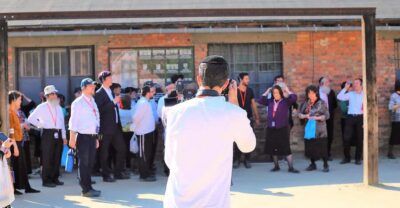
The guide is not just there to lead you from one building to another. At a place as large and complicated as Auschwitz-Birkenau, a licensed guide helps explain what you are seeing and why it matters.
You will learn about both camps, the prison system, forced labor, and the mass murder carried out during the war. The guide also helps connect the surviving blocks, gas chamber remains, and railway ramp to the sequence of events experienced by prisoners.
The driver is English-speaking, while the site visits use live English-speaking guides. No individual guide names are provided, so you should not book expecting a particular person. The useful distinction is between the driver, who handles the journey and general questions, and the licensed guides, who lead the historical visits.
Auschwitz admission has strict identity rules. You must provide your full name and contact details when booking, bring the same passport or identity card, and make sure the name is spelled identically. A mismatch can result in refusal at the entrance.
The tickets are non-refundable because of the museum’s requirements, and the activity itself is listed as non-refundable. Treat the booking as fixed. If your plans may change, this is an important weakness compared with a more flexible independent visit.
Wieliczka Salt Mine: art below the surface
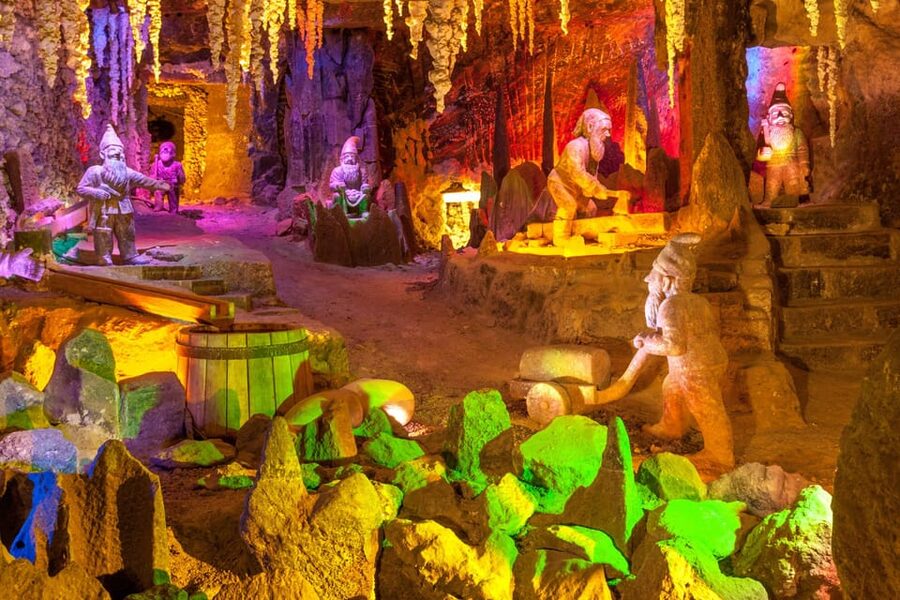
Wieliczka changes the tone of the day completely. Instead of prison blocks and memorial spaces, you enter an underground former salt mine with passages, statues, and chapels carved from rock salt.
The mine’s salt extraction story reaches back to the Middle Ages. Your local guide explains how the mine developed and how workers cut and removed salt over the centuries. The underground route is memorable because the mine is not simply a series of industrial tunnels. Human figures, decorative details, and religious spaces were carved into the salt itself.
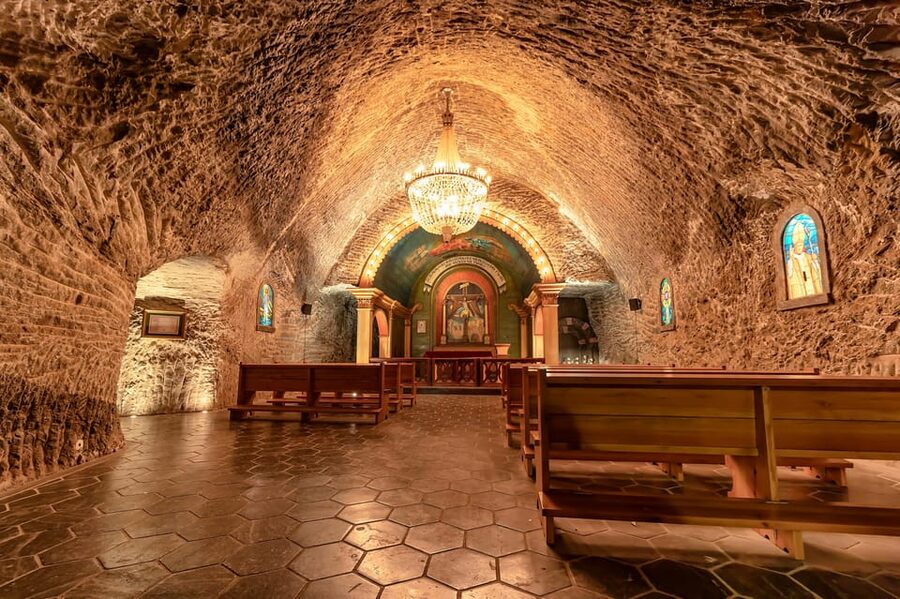
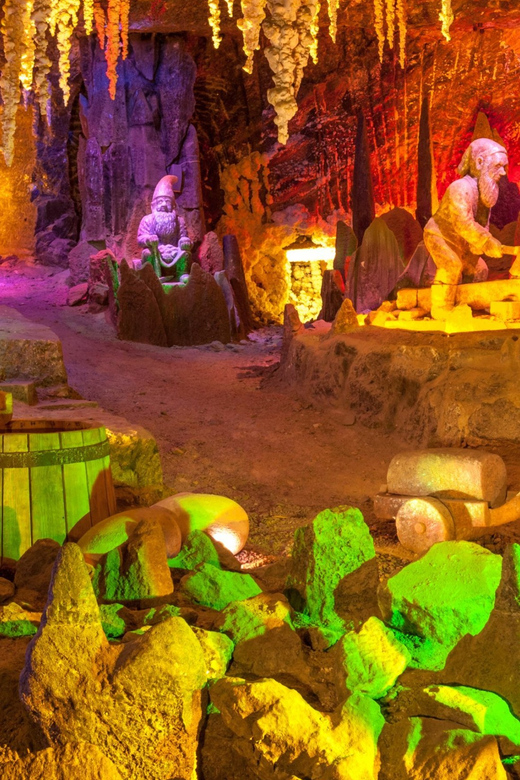
The chapels are the visual highlight. Salt is not just a raw material here. It becomes the walls, sculptures, and decorative surfaces of an underground place of worship. The statues can look surprisingly detailed, especially after spending the morning among the plain, functional structures of Auschwitz.
The tour description also points to the mine’s special climate and air containing salt and other mineral elements, sometimes associated with healing properties. You should treat that as part of the mine’s character rather than a medical promise. This is a historic underground attraction, not a health treatment.
Claustrophobia is a genuine concern. The route takes you below ground, and people who dislike enclosed spaces may find the setting uncomfortable. Mobility is another issue, since the tour is not recommended for people with mobility impairments. Comfortable footwear is essential.
The mine’s atmosphere also makes warm clothing a good idea. Even if you start the day in mild weather, underground conditions can feel cool. Bring layers rather than relying on a light summer outfit.
Other trips down the salt mine from Wieliczka:
- Wieliczka Salt Mine: Guided Tour Fast-Track Ticket
★ 4.5 · 600 reviews - Krakow: Wieliczka Salt Mine Skip-the-Line Live Guided Tour
★ 4.5 · 462 reviews - From Krakow: Wieliczka Salt Mine Guided Tour
★ 4.4 · 323 reviews - From Krakow: Wieliczka Salt Mine Half-Day Trip with Pickup
★ 4.5 · 140 reviews
The lunch break between two demanding visits
A 40 to 60-minute lunch break is included between the site visits. Food and drinks are not included, so you need to budget separately for this part of the day.
That break is more than a minor detail. Auschwitz is emotionally tiring, and Wieliczka requires continued walking and attention. Use the pause to eat properly, drink water, and reset before the second guided visit.
Because the break can vary from 40 to 60 minutes, do not plan a long meal or complicated stop. A simple lunch is the safest approach. The supplied information does not name a specific restaurant or say whether the break takes place near Wieliczka or Auschwitz, so you should not count on a particular menu or dining setting.
If you have dietary needs, carrying a suitable snack may be wise, provided it can remain with you during the transport portions. Large bags are not allowed inside the sites, so keep anything you bring small and practical.
Is $111 good value for this day?
At $111 per person, the tour asks you to pay for more than entry. The package includes transport from a Krakow meeting point, an air-conditioned vehicle, an English-speaking driver, live guides, and entrance tickets for both Auschwitz-Birkenau and Wieliczka Salt Mine.
That is useful value if you want both places and prefer not to arrange the connections yourself. The two destinations are different enough that doing them in one organized day removes several planning jobs. You also receive the benefit of site-specific guides rather than trying to interpret everything alone.
The value is weaker if you care most about a relaxed pace. Twelve hours is a lot, and the combined schedule leaves less room for private reflection at Auschwitz or a leisurely look around Wieliczka. You are paying for coverage and convenience, not spacious timing.
The overall rating of 4.3 from 34 reviews suggests a generally positive experience, but the range matters. One recent booking received a top score for a clean, comfortable coach and clear communication about pickup. Another gave the lowest score after a serious missed pickup problem. A third described the guided visit as too fast.
I would call this a reasonable price for an efficient two-site day, provided you accept the fixed schedule and confirm the pickup details carefully. It is less attractive for anyone who wants a slow, highly personal visit.
Who should book this tour?
I would recommend it to an adult or older teenager who has one free day in Krakow and wants to see both Auschwitz-Birkenau and Wieliczka without arranging separate transport.
It suits you especially well if:
- You want an English-speaking guide at both sites.
- You prefer a planned day to separate tickets and connections.
- You can manage a long day with considerable walking.
- You want historical context rather than only photo stops.
- You are comfortable visiting an underground attraction after a difficult memorial site.
I would not choose it for young children. The experience is not recommended for children aged 13 and under, and Auschwitz is emotionally demanding even for older children.
It is also a poor fit if you have a walking disability, claustrophobia, or trouble with long days. Baby carriages are not permitted inside, and families bringing a baby or child must use their own child seat or sling.
Students aged 25 or younger can use a student ticket only with valid student identification. Anyone who is 25 should purchase an adult ticket, according to the stated rules.
What to bring and what to leave behind
Bring your passport or identity card, comfortable shoes, warm clothing, and student identification if you are using a student fare. Your identification is particularly important at Auschwitz, where the booking name must match the document exactly.
Do not bring pets, smoking materials for use on the tour, or large luggage. Bags larger than 30 by 20 by 10 centimeters are not permitted inside, and baby carriages are also excluded.
Travel light. A small bag with water, a snack, documents, and an extra layer is more practical than a daypack packed for every possibility. The vehicle can carry what you need during the road portions, but the sites have their own restrictions.
Should you book it?
Book this tour if your priority is seeing both major sites in one organized day. The included transport, entrance tickets, and live English guides make the $111 cost easier to justify, especially when your Krakow schedule is short.
Skip it if Auschwitz deserves a slower visit for you, or if you dislike fixed timetables. The possibility of a rushed feel is real, and the non-refundable terms mean you should be certain before paying.
If you do book, double-check the meeting point, arrive early, enter your name exactly as shown on your passport or identity card, and wear shoes and clothing suited to a full day of walking and changing temperatures. With those precautions, this is an efficient, weighty, and visually varied introduction to two of Lesser Poland’s most important places.
FAQ
How long does the Krakow tour last?
The tour lasts 12 hours, including transportation, both guided visits, and a 40 to 60-minute lunch break.
What sites does the tour visit?
It visits the Auschwitz-Birkenau Concentration Camp and the Wieliczka Salt Mine in Lesser Poland.
Is transportation included?
Yes. Pickup from a meeting point in Krakow and transportation in an air-conditioned vehicle are included.
Are entrance tickets included?
Yes. Entrance tickets for both Auschwitz-Birkenau and Wieliczka Salt Mine are included.
Is the tour conducted in English?
Yes. The activity has live English-speaking guides, and the driver also speaks English.
Is lunch included?
No. The tour provides a 40 to 60-minute lunch break, but food and drinks are not included.
What identification should I bring?
Bring your passport or identity card. The name on your document must match the full name provided during booking.
Can children join the tour?
The tour is not recommended for children aged 13 and under.
Can I bring a large bag or baby carriage?
No. Baby carriages and luggage larger than 30 by 20 by 10 centimeters are not permitted inside. If traveling with a baby or child, bring your own child seat or sling.
Just added in Wieliczka
- Krakow: Wieliczka Salt Mine Tour with Private Transfers★ 4.7 · 6 reviews
- Krakow: Vistula River Cruise and Wieliczka Salt Mine Tour★ 4.6 · 3 reviews
- Krakow: Schindler’s Factory, Jewish Ghetto & Salt Mine Tour★ 5.0 · 9 reviews
- Kraków: Street Food and Historical Adventure★ 4.8 · 3 reviews
- Krakow: Schindler’s Factory, Jewish Ghetto & Salt Mine Tour★ 5.0 · 3 reviews
- Krakow: River Cruise and Wieliczka Salt Mine Group Tour★ 3.9 · 5 reviews
- Kraków: Jewish Quarter, Auschwitz, And Salt Mine 3-Day Tour★ 4.8 · 5 reviews
- Krakow: Salt Mine Wieliczka Guided Tour Hotel Pickup★ 4.3 · 13 reviews
Auschwitz-Birkenau Memorial Tours, compared.
Auschwitz-Birkenau Guided Tour & Hotel Pickup
Read the review →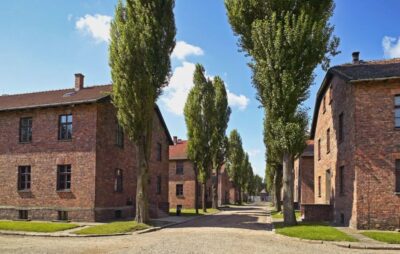
Auschwitz Guided Tour with Optional Hotel Pickup
Read the review →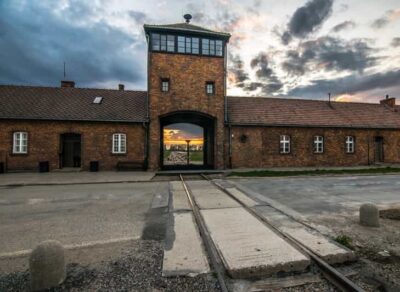
Auschwitz-Birkenau Guided Tour with Pickup & Lunch
Read the review →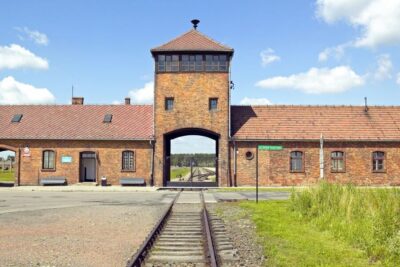
Krakow to Auschwitz Birkenau Guided Tour with Transfer and Ticket
Read the review →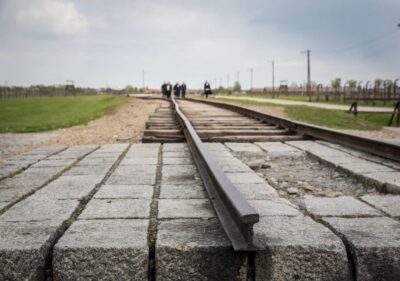
Auschwitz Birkenau Small Group Tour with Pickup
Read the review →Browse the lists this tour appears in