
Reviewed · AUSCHWITZ-BIRKENAU MEMORIAL TOURS
Krakow: Auschwitz-Birkenau and Wieliczka Salt Mine Day Trip
Auschwitz-Birkenau and Wieliczka Salt Mine make an unusual pair: one site forces you to face the worst crimes of the 20th century, while the other shows what miners carved underground over hundreds of years. This 11-hour day packs two major Polish sights into one outing, with transport and guides included.
I like the licensed guides at both sites, since these places need more than a quick walk and a few signs. I also like the practical door-to-door transport from Krakow, especially when the day includes two separate destinations. The main drawback is simple: this is a long, serious, physically demanding day, and the 800 steps at the salt mine are not a small detail.
Key points to know before booking
- Auschwitz-Birkenau is the emotional center: See original camp buildings, prison blocks, the railway ramp, and the remains of gas chambers with a licensed guide.
- Wieliczka is an active walking tour: You descend roughly 350 steps at the start and about 800 steps over the full visit.
- The order may vary: The day covers both sites, but the mine and camps may come in a different order depending on the schedule.
- Drivers make the logistics easier: Pickup and drop-off are included from the Radisson Blu Hotel or Hotel Maltański.
- Bring food or plan carefully: Food and drinks are not included, and the break between visits can feel short when queues are busy.
- Pack light and bring ID: Auschwitz requires your booking name to match your passport or ID, and large bags are not allowed.
Two major sights, one very full day
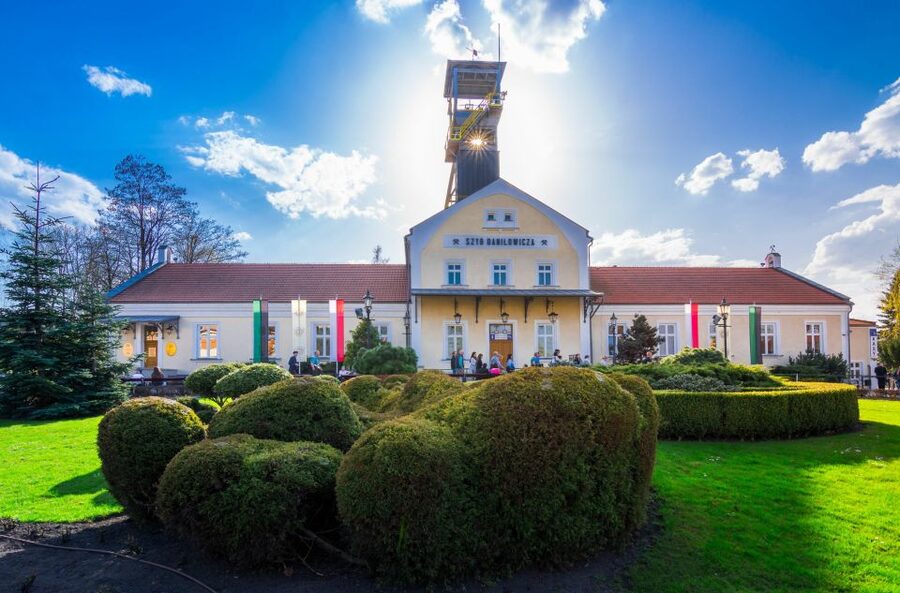
At $131 per person, this is not a cheap sightseeing day. It is a useful package, though, because the price covers transport, entrance tickets, and live English-speaking guides at both places. Booking the two visits separately would also mean arranging roads, timing, tickets, and transfers between Krakow, the mine, and Auschwitz.
The value depends on your schedule. If you have only one full day for these sights, this tour lets you see both without renting a car or working out the connections yourself. If you have several days in Krakow, separate visits would give you more time and a less rushed pace.
The bus is air-conditioned, and the transport has been praised for being clean, comfortable, on time, and well handled. Drivers such as Jacob and Greg have been singled out for being friendly, professional, and helpful. Renata has also been noted as an especially strong guide, though guide assignments can change.
This is a road-and-walking day, not a relaxed coach excursion. Some schedules run close to 12 hours from pickup to return, even though the listed duration is 11 hours. Add the walk from your hotel to the pickup point if needed, and you may have a very full day on your feet.
Other ways to visit Auschwitz-Birkenau from Kraków:
- From Krakow: Auschwitz-Birkenau Guided Tour & Hotel Pickup
★ 4.5 · 33,358 reviews - From Krakow: Auschwitz-Birkenau Guided Tour & Hotel Pickup
★ 4.5 · 29,340 reviews - Krakow: Auschwitz Guided Tour with Optional Hotel Pickup
★ 4.5 · 15,280 reviews
Auschwitz-Birkenau: a place for attention, not entertainment
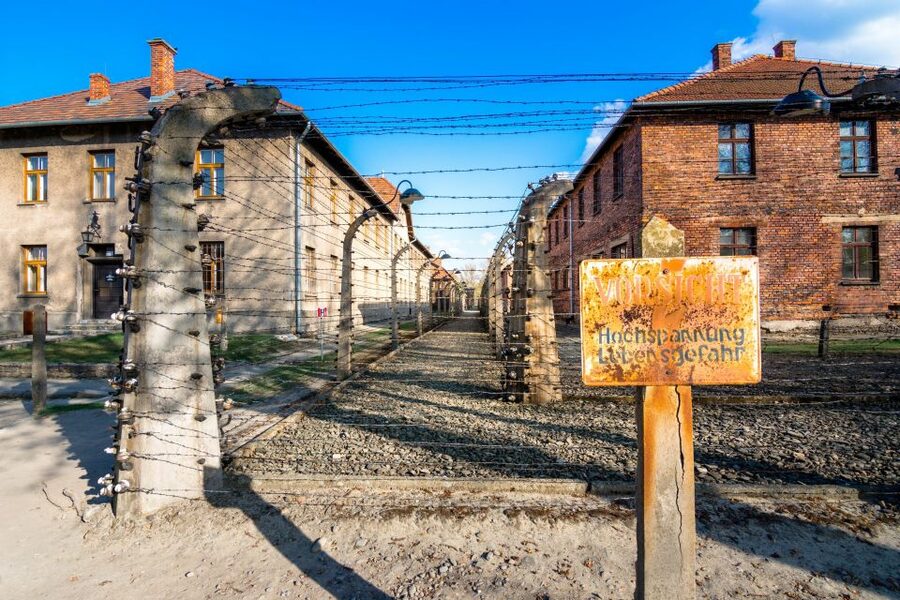
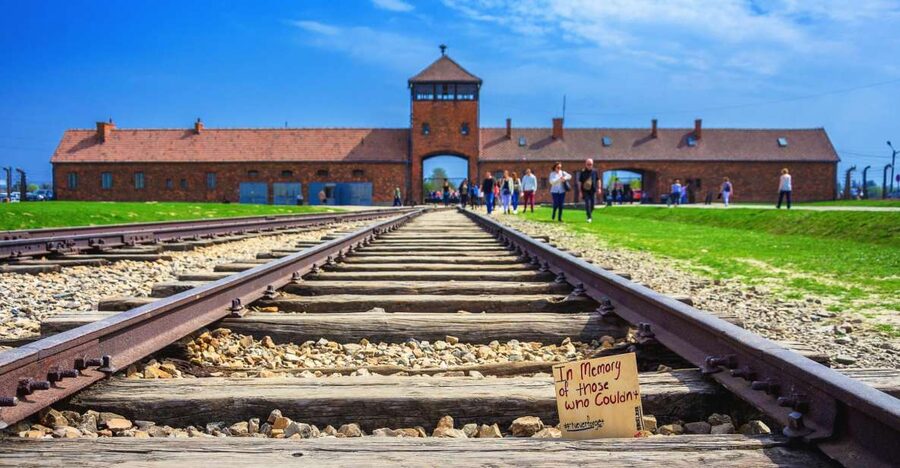
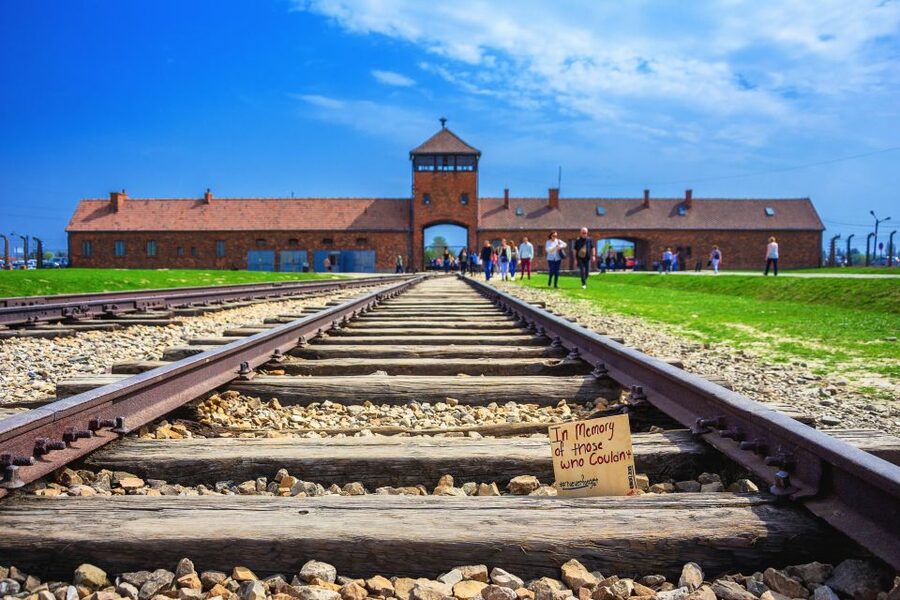
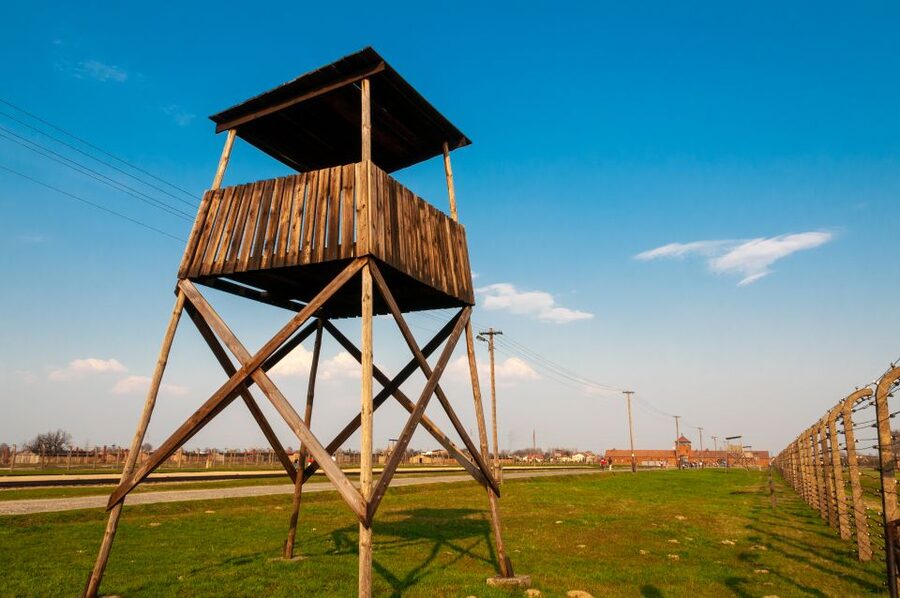
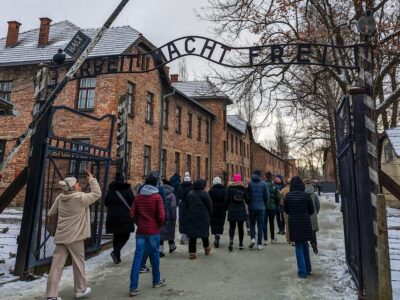
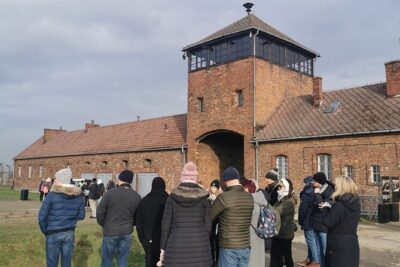
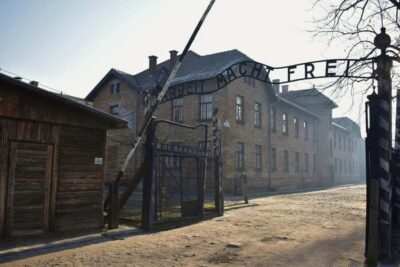
Auschwitz-Birkenau is not a normal sightseeing stop. The visit deals with the Nazi concentration and extermination camp system and the genocide carried out during World War II. You will see original buildings, prison blocks, camp remains, and objects connected to the people imprisoned and killed there.
The licensed guide gives the visit structure and context. That matters because the site is large, the subject is difficult, and a casual walk can leave you with disconnected images instead of a clear understanding of what happened. The guide also leads you through the remains of the gas chambers and explains the function of the camp buildings.
Birkenau adds scale. The railway ramp shows where prisoners arrived, and the open grounds make the size of the camp harder to grasp. The distance between structures and the number of surviving buildings help explain that this was not a single building or isolated prison. It was a large system built for imprisonment, forced labor, and mass murder.
Give this part of the day your full attention. It is not a place for loud conversation, rushed photographs, or treating the visit as just another attraction. You can take photographs in permitted areas, but the main value comes from listening and understanding.
The visit can also be crowded. Guides need to move groups through the main points, especially when several tours arrive at once. A strong guide can keep the route clear and focused, but you should not expect unlimited time at every building or display.
This stop may feel physically easier than the salt mine because it does not involve hundreds of stairs, but there is still substantial walking outdoors. Comfortable shoes are essential. Conditions can also change during the day, so practical clothing is wiser than dressing for photographs.
Wieliczka Salt Mine: chapels, statues, and a long stairway down
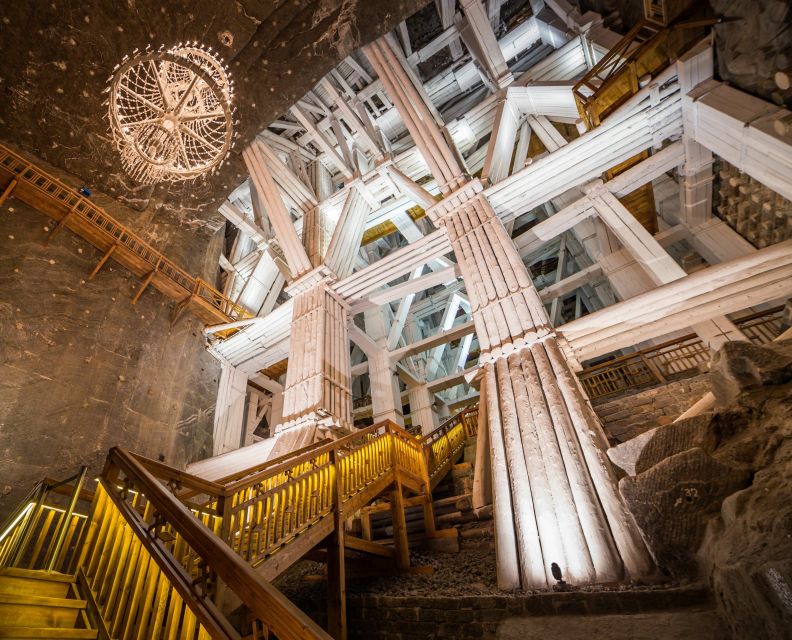
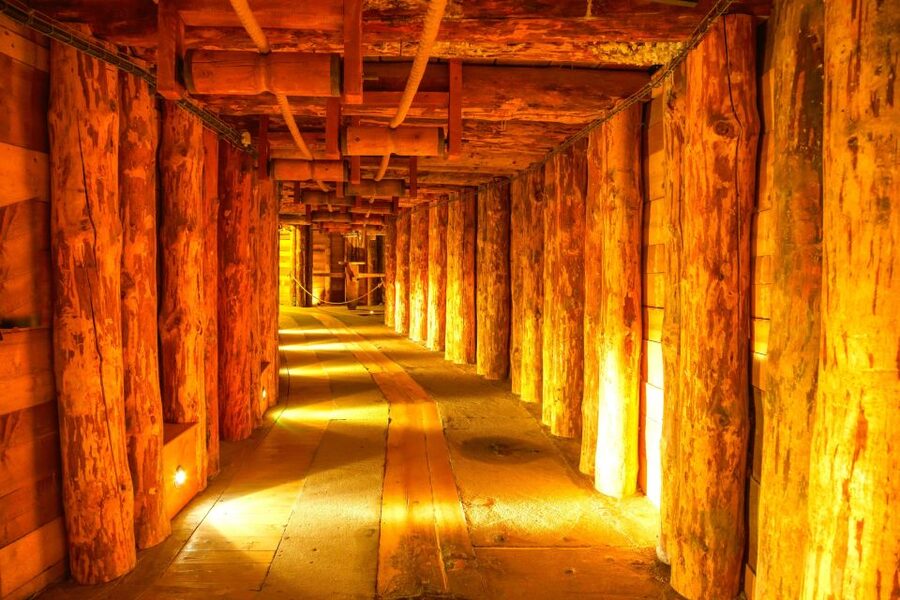
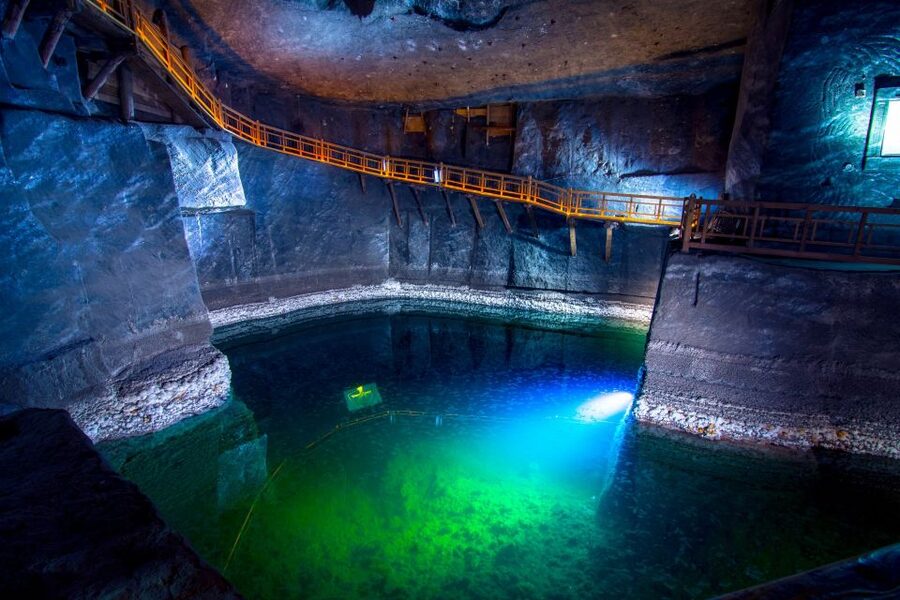
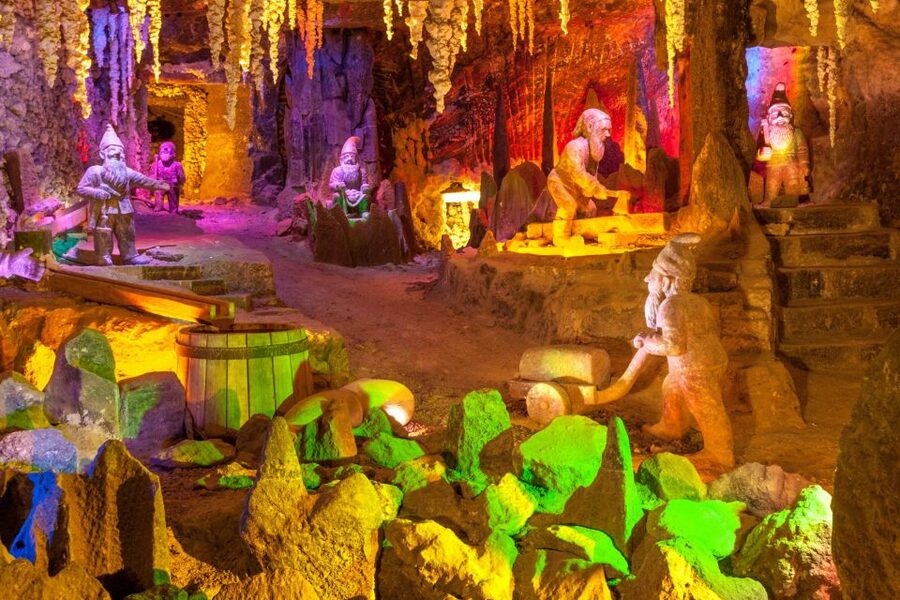
Wieliczka offers a sharp change in mood and setting. Underground, a local guide explains salt extraction and the history of mining at the site, which reaches back to the Middle Ages. The route leads through chambers where miners carved statues, religious scenes, and chapels from rock salt.
The famous underground rooms are the reason this stop works so well beside Auschwitz. The mine is not simply a dark tunnel system. Its carved figures and chapels show how miners used their workplace as a place of faith, art, and community. You will see the marks of human labor everywhere, from the walls to the large decorative spaces.
The air underground is described as containing micro-elements and having healing properties. You should treat that as an interesting feature of the mine’s climate, not the main reason to book the visit. The real draw is the unusual setting and the amount of work cut into the salt.
Now for the practical warning: there are about 800 steps during the visit. Around 350 come at the beginning as you descend into the mine. The route is not recommended for people with mobility impairments or claustrophobia, and tall people may need to watch their heads in places with low ceilings.
The elevator is used to return to the surface from the bottom of the mine. It does not remove the walking involved in reaching it. One account reports another 15 to 25 minutes of walking after the tour before reaching the lift, plus possible waiting time when the mine is busy.
Wear proper walking shoes. This advice is not a polite suggestion for this tour. It is the difference between enjoying the carved chambers and spending the second half of the visit thinking about your feet.
The order of the day can affect the mood
The advertised plan describes travel from Krakow to Auschwitz-Birkenau and then Wieliczka, but the actual route can be arranged differently. Several detailed accounts describe a route from Krakow to the salt mine first, followed by Auschwitz and Birkenau. The key point is that you should not assume the emotional order until you receive the day’s schedule.
If Auschwitz comes first, Wieliczka can provide a change of pace after a difficult visit. The mine’s art, chapels, and underground rooms feel lighter and more visually engaging, though you may be tired by then.
If the salt mine comes first, the day begins with stairs and underground walking before turning to the more demanding subject of Auschwitz. That may suit you if you prefer to handle the physical work early. It can also make the later camp visit feel especially heavy.
Either way, the contrast between the sites is striking. One shows organized cruelty and loss on a vast scale. The other shows generations of skilled labor and religious expression. The pairing is not effortless, but it creates a memorable day with two very different lessons.
Other trips down the salt mine from Kraków:
- From Krakow: Wieliczka Salt Mine Tour
★ 4.6 · 9,393 reviews - Krakow: Auschwitz-Birkenau and Salt Mine Guided Tour
★ 4.7 · 9,020 reviews - Krakow: Wieliczka Salt Mine Guided Tour with Transport
★ 4.4 · 7,429 reviews - Krakow: Wieliczka Salt Mine Fast-Track Ticket & Guided Tour
★ 4.5 · 5,872 reviews
Lunch is practical, but do not expect a long meal
Food and drinks are not included. The tour includes a lunch break listed as 40 to 60 minutes between the major visits, though the available time may feel closer to 30 minutes on a tightly timed day.
That matters because queues at popular sites can eat into a short break. Food may be available at the sites, but you could face lines, and returning to the bus on time matters more than lingering over a meal.
I would bring a sandwich and a bottle of water, subject to the rules for entering each site. Several people found packed food useful, while others found snacks at a café. Do not bring a large picnic bag or suitcase. Bags larger than 30 by 20 by 10 centimeters are not permitted inside both places, and luggage is not allowed.
A small day bag is the safest choice. Carry your passport or ID card, water if permitted, a snack, and any necessary personal items. Keep the bag within the stated size limit.
Pickup, transport, and guide quality
Pickup is included from the Radisson Blu Hotel or Hotel Maltański. Confirm your exact pickup point and time before the day begins, since this is a timed program with tickets and guided entries.
The air-conditioned vehicle is a major part of the tour’s value. You avoid figuring out how to connect Krakow with Wieliczka and then Auschwitz, and you have a driver handling the roads while you rest between visits.
Drivers Jacob and Greg have been praised for keeping the day moving while remaining friendly and helpful. Their role is important because the day involves several transfers, scheduled entries, and a lunch stop. A good driver can make the difference between a calm transfer and a stressful one.
The guides lead the actual site visits. At Auschwitz-Birkenau, you receive an English-language tour from a licensed guide. At Wieliczka, a local licensed guide explains the mine and leads the underground route. Guide quality matters more here than on a simple city walk, and the positive comments about the explanations are one of the strongest reasons to consider this package.
The group may be small, but group size is not guaranteed in the information provided. Busy periods can still mean crowds at both sights, even when your own vehicle is comfortable.
What to bring and what to leave behind
Bring a passport or ID card. Auschwitz-Birkenau requires the full name and contact details of every participant, and the name on the booking must match the identification shown at entry. A mismatch can lead to refused entry.
Bring comfortable shoes with good support. You will walk through camp grounds, buildings, paved areas, corridors, and mine passages. The mine’s stairs make footwear especially important.
Leave pets, baby carriages, and large luggage at home or at your accommodation. Baby carriages and bags over 30 by 20 by 10 centimeters are not permitted inside both sites.
The tour is not recommended for children aged 13 and under. It is also unsuitable for anyone with a mobility impairment or claustrophobia. Student tickets require valid student identification, and the student must be no older than 25.
The experience is non-refundable because museum tickets are issued under strict name requirements. Check every participant’s details carefully before paying. This is not the kind of booking to make casually if your plans may change.
Who will get the most from this day trip
I would choose this tour if you have limited time in Krakow, want both major sights in one day, and prefer a driver and guides to independent planning. It suits adults and older teenagers who can manage a long day, substantial walking, stairs, and a serious historical subject.
It is also a good match if you value explanation. The camps and mine both reward context, and the licensed guides give the sites a clear structure. The transport is another strong point for anyone who does not want to rent a car.
I would not choose it if you want a slow, reflective visit to Auschwitz. A private or separate visit could give you more control over the pace. I would also avoid it if stairs, low ceilings, long walking, or a short meal break will cause problems.
Couples, families with older children, and first-time visitors to Krakow can all find value here, provided they understand the physical and emotional demands. This is not a light day out, even though Wieliczka brings art and visual interest into the schedule.
Should you book this Krakow combination tour?
Book it if you want an efficient, guided day and have only one realistic chance to visit Auschwitz-Birkenau and Wieliczka Salt Mine. The $131 price is reasonable for a package that includes transport, entry, and licensed English guides at two major sites, though you still need to pay for food and accept a packed schedule.
Skip it if you need a flexible pace, have mobility concerns, dislike underground spaces, or want more than a brief break between major visits. For the right person, this is a well-organized way to cover two very different places in one demanding day. Just bring your ID, wear serious walking shoes, pack a small snack, and prepare yourself for Auschwitz before you board the bus.
FAQ
How long does the tour last?
The listed duration is 11 hours. Some schedules may run closer to 12 hours from pickup to drop-off because of traffic, walking, crowds, and waiting at the sites.
Where is pickup available?
Pickup and drop-off are included from the Radisson Blu Hotel or Hotel Maltański in Krakow.
Are entrance tickets included?
Yes. Entrance tickets and licensed live guides are included for both Auschwitz-Birkenau Museum and Wieliczka Salt Mine.
Is lunch included?
No. Food and drinks are not included. A lunch break of about 40 to 60 minutes is scheduled between the major visits, but the available time may feel shorter on a busy day.
How many steps are at Wieliczka Salt Mine?
The visit includes about 800 steps. Around 350 are at the beginning, leading down into the mine.
Can I take luggage or a large bag?
No. Luggage and bags larger than 30 by 20 by 10 centimeters are not permitted inside both places. Baby carriages are also not allowed.
Do I need a passport or ID card?
Yes. You must bring a passport or ID card. Your name on the booking must match the name on the identification shown at Auschwitz-Birkenau.
Is the tour suitable for people with mobility impairments or claustrophobia?
No. The tour is not recommended for people with mobility impairments or claustrophobia because it includes extensive walking, many stairs, underground spaces, and some low ceilings.
Just added in Kraków
- Wawel Castle, Old Town with St. Mary’s Church Guided Tour★ 5.0 · 3 reviews
- Wawel Castle, Old Town with St. Mary’s Church Guided Tour★ 5.0 · 5 reviews
- Wawel Castle, Cathedral, Old Town and St. Mary’s Basilica★ 4.8 · 13 reviews
- Wawel Castle, Cathedral, & Rynek Underground Tour with Lunch★ 4.5 · 10 reviews
- Wawel Castle & Cathedral Skip the Line Small Group Tour★ 5.0 · 3 reviews
- Wawel Castle and Cathedral Guided Tour★ 4.6 · 44 reviews
- Wawel Castle, Cathedral, Rynek Underground Tour with Lunch★ 5.0 · 3 reviews
- Wawel Castle and Cathedral Guided Tour★ 5.0 · 8 reviews
Auschwitz-Birkenau Memorial Tours, compared.
Auschwitz-Birkenau Guided Tour & Hotel Pickup
Read the review →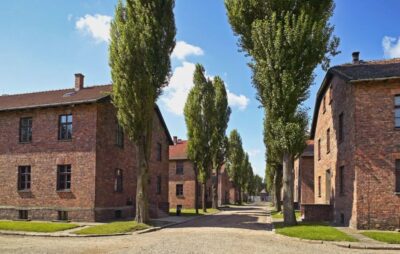
Auschwitz Guided Tour with Optional Hotel Pickup
Read the review →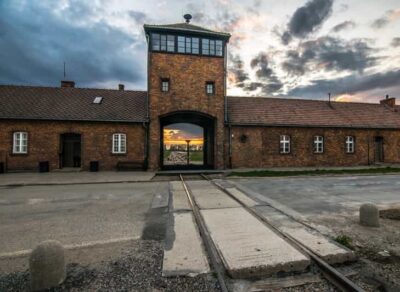
Auschwitz-Birkenau Guided Tour with Pickup & Lunch
Read the review →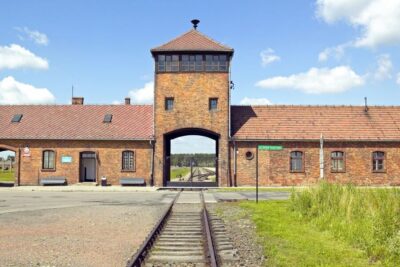
Krakow to Auschwitz Birkenau Guided Tour with Transfer and Ticket
Read the review →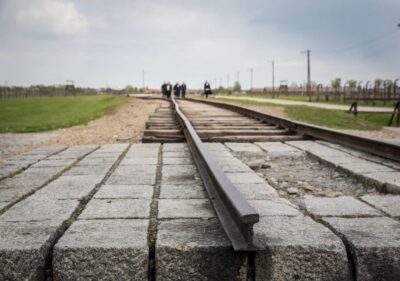
Auschwitz Birkenau Small Group Tour with Pickup
Read the review →Browse the lists this tour appears in