
Reviewed · TRICITY TOURS
Gdansk Sopot and Gdynia 3 Cities Private Full-Day Tour
Gdansk, Sopot, and Gdynia are close together, but each has a different personality. This private tour gives you one packed day to move from Gdansk’s rebuilt medieval center to Sopot’s resort pier and Gdynia’s modern port, with a local guide filling in the stories between stops.
I like the hotel pickup and private vehicle, which save you from sorting out transport across three cities. I also like the mix of walking and riding: you see a lot without spending the entire day on foot. The main drawback is simple: seven hours is a tight window for three cities, so some stops are brief and Gdynia may feel less essential if your main interest is historic Gdansk.
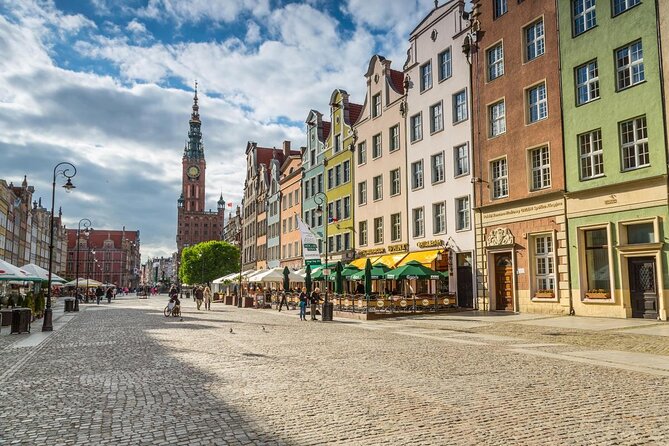
- Gdansk’s Old Town: Spend two hours around Long Street, Neptune’s Fountain, Mary’s Street, the Crane, and the Island of Granaries.
- Solidarity Square: Visit the place tied to the birth of the Solidarity movement and see the Monument to the Fallen Shipyard Workers.
- Oliwa Cathedral: Hear the famous organ concert and visit one of the area’s most important churches.
- Sopot’s wooden pier: Walk Monciak, Poland’s best-known promenade, and reach the long pier by the Baltic shore.
- Gdynia’s port and Orlowo: See naval vessels, the waterfront, and Gdynia’s distinctive cliffs.
- A local guide in a private setting: Guides such as Mike, Mirek, Christopher, and Magda have led this route, with history and flexible pacing at the center of the day.
One day across Poland’s Three Cities
The name Three Cities can make the area sound like one continuous urban center. It is not. Gdansk is the historic anchor, Sopot is the seaside resort, and Gdynia is the newer port city shaped by Poland’s naval and maritime ambitions.
That variety is the reason to book this tour. In a single day, you can move through medieval streets, Communist-era housing, a shipyard district, a church famed for its organ, a beach promenade, and a working harbor. You will not see every museum or linger at every sight, but you will understand how the three places fit together.
The tour lasts about seven hours, though the actual day can run longer if traffic or extra time at important sites requires it. One guide extended a group’s visit to about eight hours so they could cover more ground. That flexibility is useful, but you should still expect an active schedule rather than a slow, leisurely day.
Gdansk Old Town, rebuilt with remarkable care
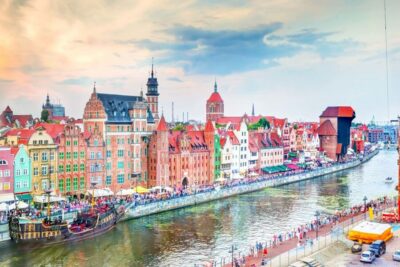
Your longest single stop is Gdansk’s Old Town, where you have about two hours to walk through the city center. Much of what you see was restored after World War II, so the streets look historic while also carrying a modern story of destruction and rebuilding.
Begin along Long Street and Long Market, where tall, narrow houses create the classic Gdansk view. Cafés, bars, and shops make this the easiest part of the day for a coffee or a quick meal, though the tour does not include food or drinks.
Neptune’s Fountain is one of the city’s familiar meeting points. From there, Mary’s Street leads toward St. Mary’s Church, with amber shops and decorative stone-lined entrances. Amber is closely associated with the Baltic coast, and this street is a good place to browse without needing a separate shopping stop.
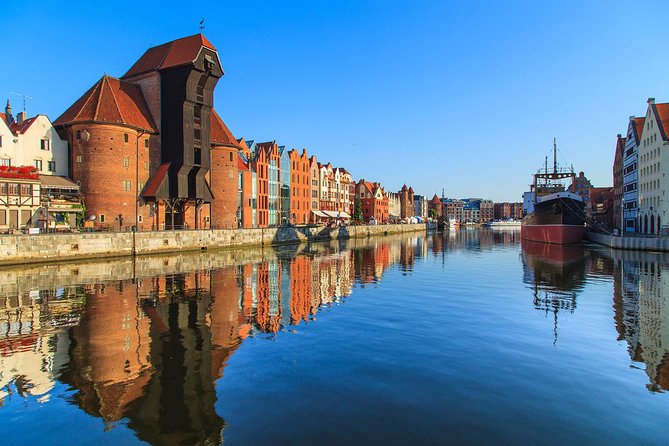
The Crane is another key sight. Its wooden lifting structure recalls Gdansk’s role as a port, while the Island of Granaries shows how trade shaped the city. Your guide can connect these buildings to the wider story of shipping, commerce, and the sea.
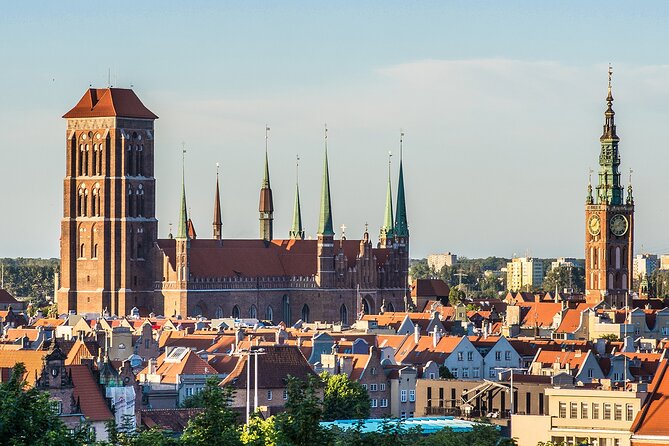
Entrance to St. Mary’s Church is included. The church is vast, spare, and impressive, and it gives the Old Town walk a strong interior stop rather than leaving you with only street views. The time here is enough for a useful introduction, but not for an extended museum-style visit.
Other Tricity days out of Gdańsk:
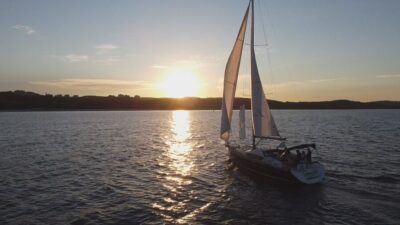
- Sopot: Sunset Yacht Cruise with Welcome Drink
★ 4.7 · 278 reviews - Sopot: Yacht Cruise Around the Bay with Welcome Drink
★ 4.8 · 231 reviews - Highlights of Gdańsk, Gdynia and Sopot 1-day Private Tour
★ 4.9 · 59 reviews
Solidarity Square and the shipyard story
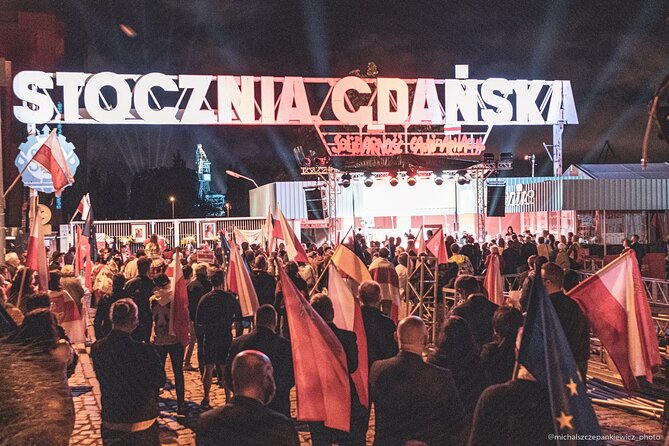
The next major stop is Solidarity Square, where the Monument to the Fallen Shipyard Workers recalls the workers killed during protests. This is not just another monument in a European city center. It marks the shipyard setting in which the Solidarity movement began.
The stop lasts about 30 minutes and admission is free. That may sound short, but the square is best understood through explanation. A guide who can describe Communist Poland, the shipyard strikes, and the rise of Lech Wałęsa adds far more than a quick photograph would.
This was one of the strongest parts of the day for people interested in twentieth-century European politics. Guides such as Mike and Mirek have been praised for explaining how life changed under Communism and how the region moved toward political change. You may also visit the European Solidarity Centre area, where the setting helps make the history more concrete.
The tour does not promise an extended museum visit, so check your expectations. If you want several hours inside the European Solidarity Centre, this itinerary is not designed for that. It gives you the place, the symbols, and the context before moving on.
Gdansk’s modern and Communist-era contrasts
Several short drive-by stops show parts of the Tri-City that do not fit the postcard image.
You pass Polsat Plus Arena Gdansk, also known as the Amber Football Stadium. The stop lasts only about a minute, so treat it as a quick look from the vehicle rather than a stadium visit.
You also pass Falowiec near Galeria Przymorze. This long residential building is a striking example of Communist-era architecture. At about 800 meters long and associated with roughly 3,500 residents, it gives you a sense of the scale of planned housing in the period.
These are brief observations, not full sightseeing stops. That is both their value and their limitation. They break up the historic center with a glimpse of everyday urban planning, but if you prefer more time inside monuments and museums, you may wish to ask your guide about adjusting the route.
Oliwa Park and the cathedral organ
Oliwa is one of the most pleasant changes of pace on the tour. The park is described as the finest in the Tri-City area, and the visit gives you greenery, quiet paths, and a chance to slow down before the coastal stops.
The main attraction is Oliwa Cathedral, where an organ concert is included. This is a real strength of the tour because it turns a church visit into a listening experience. The instrument is famous for its scale, and one account describes it as having about 7,000 pipes.
You have about an hour for Oliwa Park and the cathedral. The church’s interior, altar, and religious objects add visual interest, but the organ performance is the part that gives the stop its character. You do not need to be an organ specialist to appreciate the sound in the large church interior.
Concert times can shape the day, so the exact order may change. One group heard the organs play at 3 p.m., which shows why the guide may rearrange the route around the performance. A private tour is useful here because the schedule can be handled around traffic and the concert rather than forcing everyone through a fixed group timetable.
A few more things to do in Gdańsk worth a look
- From Krakow: Auschwitz-Birkenau Full-Day Guided Tour
★ 4.5 · 3,419 reviews - Kraków: Auschwitz-Birkenau & Salt Mine Full-Day Guided Tour
★ 4.7 · 2,887 reviews - Auschwitz Birkenau and Wieliczka Salt Mine Guided Full Day Tour
★ 5.0 · 2,768 reviews - From Krakow: Auschwitz and Wieliczka Salt Mine Full-Day Trip
★ 4.7 · 1,071 reviews
Sopot’s Monciak and Europe’s long wooden pier
Sopot is the resort stop, and the mood changes as soon as you reach Monciak, the popular name for Monte Cassino Street. The promenade is lined with cafés, shops, and art nouveau buildings, leading toward the waterfront.
You have about an hour in Sopot. That is enough for a walk along the promenade, time near the beach, and a visit to the wooden pier. The pier is described as the longest wooden pier in Europe, and it gives you a broad view back toward the resort and the Baltic shore.
Sopot is a good place to decide how you want to use free time. You can walk, sit with a drink, browse the shops, or simply enjoy the beach atmosphere. Food and drinks are not included, but guides can point you toward places suited to the time available and your budget.
The limitation is that one hour goes quickly. If you want a long beach walk, a full meal, and time inside several cafés, you will need a longer stay than this tour allows. Some groups have preferred spending extra time in Sopot or Gdansk instead of giving as much attention to Gdynia, so tell your guide early if the seaside matters most to you.
Orlowo’s cliffs and Gdynia’s maritime identity
Orlowo is a short stop of about 10 minutes. It gives you a look at the Gdynia district known for its pier and cliffs, which are distinct from the flatter beach setting in Sopot.
This is a photo stop, not a long coastal walk. If you have mobility concerns or simply want more time by the water, ask how far you will walk and how long you can stay. The supplied tour details say most people can participate, but the schedule does not provide much time here.
The final major stop is Gdynia’s central waterfront. Here, the battleship Lightning and the frigate Gift of Pomerania connect the city to Poland’s navy and shipbuilding traditions. You have about an hour in the area, making this a more substantial stop than Orlowo.
Gdynia feels different from Gdansk because it is a newer port city with a more modern maritime identity. The ships, harbor, and boardwalk help explain why the sea matters so much to the entire region. The area also works well for a short walk and photographs before the return to your hotel.
If your main goal is medieval architecture, Gdynia may feel less rewarding than Gdansk. If you want the full picture of the Tri-City, however, it supplies an important third chapter.
What the private format changes
The private setup means only your group participates. That matters most on a day with several transitions. You are not waiting for a large coach group to return, and you can ask questions as they arise.
Hotel pickup and drop-off are included from hotels in Gdansk, Sopot, and Gdynia. You need to provide the meeting point when booking. Private transport also means less concern about navigating between the three cities, particularly when traffic changes the timing.
The guides are a major part of the experience. Mike is repeatedly singled out for his grasp of Polish history, his life experience under Communism, and his ability to keep a running explanation going during the drives. Mirek Kopec is also noted for being punctual, flexible, careful behind the wheel, and attentive to individual needs. Christopher and Magda have also led successful versions of the tour.
That does not mean every booking will have the same person, so ask about the guide when you reserve if a particular style matters to you. The best match is a guide who enjoys history, politics, and local stories, not someone who only points out buildings.
Is $254.64 per person a fair price?
At $254.64 per person, this is not a budget sightseeing bus. The price needs to be judged against what is included: private transportation, hotel pickup and return, a licensed English-speaking guide, St. Mary’s Church admission, and the Oliwa Cathedral concert.
For two people, the cost is substantial. You are paying for time saved, a private vehicle, direct explanations, and the ability to shape the day. If you would otherwise hire separate transport to Sopot and Gdynia, pay for a guide, and arrange the church visits yourself, the price becomes easier to justify.
The value drops if you want slow museum visits or long meals. A cheaper public transport plan could let you spend more time in fewer places. This tour is best value when you have only one day, want an informed local guide, and prefer comfort over independent planning.
Group discounts may be available, and children under seven are free when you inform the operator. Free cancellation is available up to 24 hours before the start time, which gives you some flexibility if your plans change.
Who should book this Tri-City day trip?
I would choose this tour for a first visit to the area, especially if you are staying in Gdansk and want a clear introduction to all three cities. It also suits visitors who do not want lots of walking, since the vehicle handles the long connections and the walking is divided among several stops.
It works well for families and private groups that want to ask questions without a stranger setting the pace. It is also a strong option for anyone interested in Poland’s twentieth-century history, the Solidarity movement, Communist-era architecture, and the continuing importance of the Baltic ports.
I would hesitate if you already know Gdansk well and want a deep museum day. I would also hesitate if you prefer to spend an entire afternoon at the beach or inside the European Solidarity Centre. In those cases, a shorter private tour focused on one city may suit you better.
Should you book it?
Book this tour if you want to cover the whole Tri-City area in one day and value a local guide more than a slow pace. The organ concert, Solidarity Square, Gdansk Old Town, Sopot pier, and Gdynia harbor create a varied day with little planning on your part.
Skip it if seven hours sounds rushed or if Gdynia is not on your list. You can ask for a tailored route, and the guide may adjust the balance, but the tour’s purpose is to show you all three cities. For a first overview with private transport and strong historical commentary, it is a practical and worthwhile choice.
FAQ
How long does the Gdansk, Sopot, and Gdynia tour last?
The tour lasts approximately seven hours. Traffic or extra time at important sites can make the day longer.
Is hotel pickup included?
Yes. Pickup and drop-off are offered from hotels in Gdansk, Sopot, and Gdynia. You should provide your meeting point when booking.
Is this a private tour?
Yes. Only your group participates, and private transportation is included.
What language is the tour offered in?
The tour is offered in English and includes a licensed tour guide.
Are St. Mary’s Church and the Oliwa Cathedral concert included?
Yes. Entrance tickets to St. Mary’s Church and the Oliwa Cathedral concert are included in the tour price.
Is food included?
No. Food and drinks are not included. You have free time in places such as Gdansk and Sopot to buy them yourself.
Are children allowed on the tour?
Yes. Children under seven can participate free of charge, but you need to inform the operator about the children when booking.
Just added in Gdańsk
- Highlights of Gdańsk, Gdynia and Sopot 1-day Private Tour★ 4.9 · 59 reviews
- Malbork Castle Tour from Gdansk★ 4.5 · 52 reviews
- Gdansk: Polish Beer Tasting Tour★ 4.7 · 81 reviews
- Gdansk: Legendary Burger and Zywiec Beer at Hard Rock Cafe★ 4.2 · 32 reviews
- Gdansk: Traditional Polish Food Private Tour★ 4.6 · 33 reviews
- From Gdansk: Malbork Castle Half-Day Private Tour★ 4.8 · 29 reviews
- Gdansk Private Bike Tour★ 5.0 · 21 reviews
- Gdansk Private Polish Beer Tasting Tour at Best Pubs & Bars★ 4.8 · 22 reviews
Tricity Tours, compared.

Highlights of Gdańsk, Gdynia and Sopot 1-day Private Tour
Read the review →Browse the lists this tour appears in