
Reviewed · AUSCHWITZ-BIRKENAU MEMORIAL TOURS
Auschwitz Birkenau Tour with Pickup and Lunch
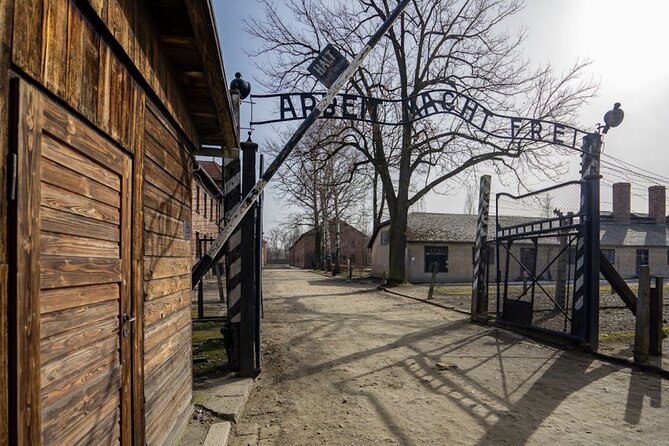
Auschwitz is not a casual sightseeing stop. You pass through the gate marked Arbeit Macht Frei, enter prison blocks, and later walk along the vast Birkenau platform where more than 1.1 million people were murdered. The power of this visit comes from the place itself, but a good guide helps you understand what you are seeing. The museum guide is the heart of the day.
I like the included round-trip minivan transport from Krakow, and I like that lunch, headsets, and museum admission are bundled into the price. Names reported for especially strong guides include Marcin, Magdalena, and Evalina, though your guide will be assigned by the museum. The main caution is organization: pickup times and meeting points can change at short notice, and some groups have faced long waits or a rushed lunch break.
Key points to know before booking
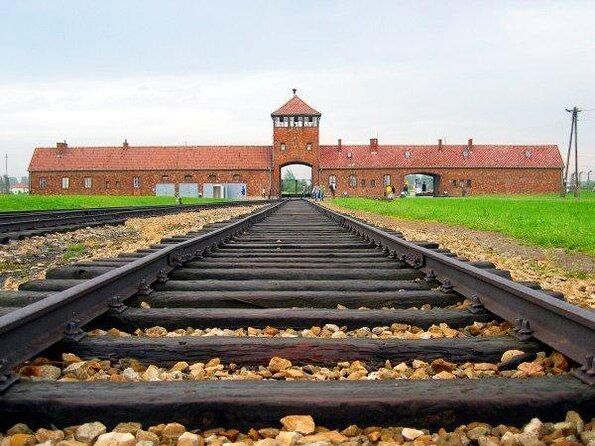
- Auschwitz I and Birkenau are both included: You see the preserved brick camp, Block 11, the gas chamber and crematorium, then the much larger Birkenau site.
- The museum guide leads the historical visit: The guide is provided at Auschwitz, not by the minivan company. Headsets help, but you need to keep close to the group.
- Transport saves effort: An air-conditioned minivan takes you from Krakow and returns you afterward, with hotel pickup available when selected.
- Lunch is simple and portable: Expect two sandwiches, an apple, a dark chocolate wafer, tissues, and a 500-milliliter bottle of still water.
- Timing can move: The exact pickup time is confirmed the day before, and some departures have been shifted by several hours.
- Plan for a lot of walking: The pace and distance may be difficult for anyone with limited mobility, and accessibility arrangements need careful confirmation.
Why this Auschwitz visit matters
Auschwitz-Birkenau is one of the most important historical sites in Europe, but it is also a demanding place to visit. You are not looking at a reconstructed attraction. You are walking through preserved camp buildings, prison spaces, roads, and remains connected to the Nazi genocide.
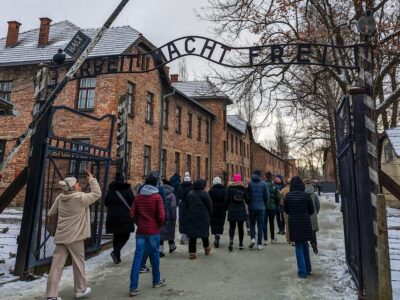
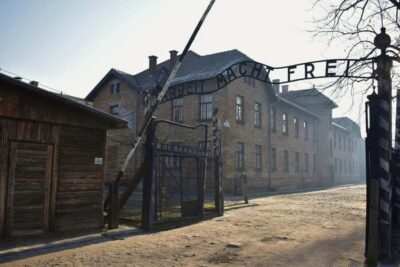
At Auschwitz I, the visit begins beneath the iron gate with the false slogan Arbeit Macht Frei. From there, you move through 22 brick barracks that held hundreds of thousands of prisoners. The buildings contain exhibitions and objects that make the scale of the crimes harder to distance yourself from.
The mood is quiet and serious. This is not a tour where you rush from one photo stop to the next. The guide’s job is to explain the camp system, the treatment of prisoners, and the killing process with care. Strong guides such as Marcin, Magdalena, and Evalina have been praised for combining clear facts with the dignity this subject demands. Your guide may be someone else, but the museum controls the guiding.
I recommend treating this as a memorial visit rather than a standard day trip. Dress for the weather, allow time for long walks, and avoid scheduling a demanding evening activity immediately afterward. The listed duration is four to seven hours, but the exact length depends on pickup, museum timing, transport, and the pace of the group.
Other ways to visit Auschwitz-Birkenau from Kraków:
- From Krakow: Auschwitz-Birkenau Guided Tour & Hotel Pickup
★ 4.5 · 33,358 reviews - From Krakow: Auschwitz-Birkenau Guided Tour & Hotel Pickup
★ 4.5 · 29,340 reviews - Krakow: Auschwitz Guided Tour with Optional Hotel Pickup
★ 4.5 · 15,280 reviews
Auschwitz I: brick barracks and Block 11
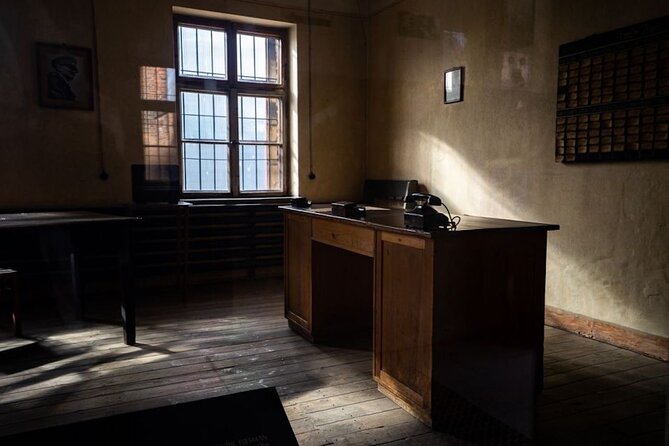
The first section is KL Auschwitz I, the older camp. Its brick buildings and compact layout can make the site feel more contained than Birkenau, but that does not make the visit easier.
You enter through the famous gate and walk between the barracks. Inside, exhibitions explain the lives and deaths of prisoners from across occupied Europe. The tour focuses on the Nazi camp system and the Holocaust, helping you understand that Auschwitz was not simply one isolated prison but part of a much larger program of persecution and mass murder.
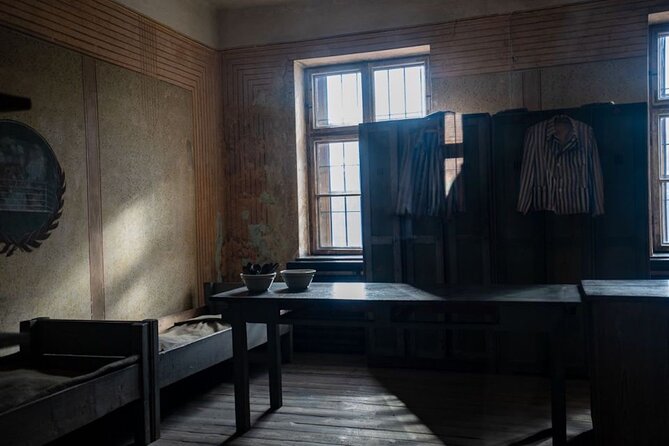
Block 11 is one of the most difficult parts of the visit. Known as the prison within the prison, it contained punishment cells and torture spaces. The dark chambers and standing cells show how prisoners could be confined in brutal conditions. The first attempts to murder people with Zyklon B also took place here.
At the end of the Auschwitz I visit, you see the only preserved crematorium and gas chamber in the camp complex. This is a place for quiet attention. Photography may be possible in some areas, but your focus should be on the memorial itself and on following the museum’s rules.
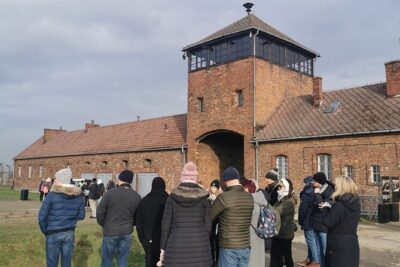
The headset is useful here. Guides may need to speak to a group of up to 30 people, and you can lose the explanation if you fall behind. Several accounts describe the guide moving ahead before everyone had gathered, so stay close and tell the tour leader if you cannot hear.
Birkenau: the scale changes completely
After Auschwitz I, the minivan takes you to KL Auschwitz II Birkenau. This second site is about 25 times larger than Auschwitz I, and the change in scale is striking.
Birkenau opens out into a broad area of railway tracks, barracks, fences, and open ground. The size helps explain the industrial nature of the killing operation. More than 1.1 million people were murdered at Auschwitz-Birkenau, and Birkenau was the largest of the Nazi death camps.
The tour ends at the memorial, where you can pay respect to the victims. The site can feel exposed in bad weather, and the walking may be tiring. Heavy rain has made the visit harder for some people, so sturdy shoes and weatherproof clothing are sensible choices.
You need to stay aware of the group here. The museum guide may be some distance ahead, and the headset signal can weaken if you fall too far back. This matters if you walk slowly, use a mobility aid, or need regular pauses. The tour may be possible for many people with mobility needs, but the arrangements must be confirmed before booking. One group that arrived with a mobility scooter found the pace and distance disappointing despite having mentioned the scooter in advance.
What the minivan transfer adds
The tour includes transport between Krakow and the museum in an air-conditioned minivan. That is a useful part of the package because Auschwitz-Birkenau is outside Krakow, and arranging your own transport adds another task to a serious day.
The group may begin in a smaller minivan and join a larger museum group at Auschwitz. One well-organized outing had only three people in the minivan before joining a group of about 20 for the museum visit. The listed maximum is 30 participants, so the museum portion is not necessarily private or intimate.
Pickup details need close attention. Hotel pickup is available if selected, but some hotels cannot accommodate a bus or minivan directly. In that case, an employee may walk you a short distance to a nearby meeting point. Other bookings have used a designated meeting place rather than the hotel, with the location and time sent the day before.
That last-minute message is important. Departure times have been moved from morning to late morning or afternoon, sometimes by several hours. The provider says museum scheduling controls these changes, but the effect on you is the same: keep the day flexible and check your phone or email the day before.
The transport experience has not been perfectly consistent. Several accounts describe punctual, friendly drivers and comfortable vehicles. One serious complaint described unsafe phone use by a driver, while the operator apologized and said the behavior was unacceptable. I would not ignore that issue. If you see unsafe driving, report it immediately to the tour leader and provider.
Same base, a different kind of day:
- Krakow–Zakopane: Cable Car, Chocholow Baths, Cheese & Vodka
★ 5.0 · 10,720 reviews - Krakow: Auschwitz-Birkenau Guided Tour with Pickup & Lunch
★ 4.5 · 9,800 reviews - From Krakow: Wieliczka Salt Mine Tour
★ 4.6 · 9,393 reviews - Krakow: Auschwitz-Birkenau Guided Tour Pickup/Lunch Options
★ 4.5 · 9,057 reviews
The packed lunch: useful, but basic
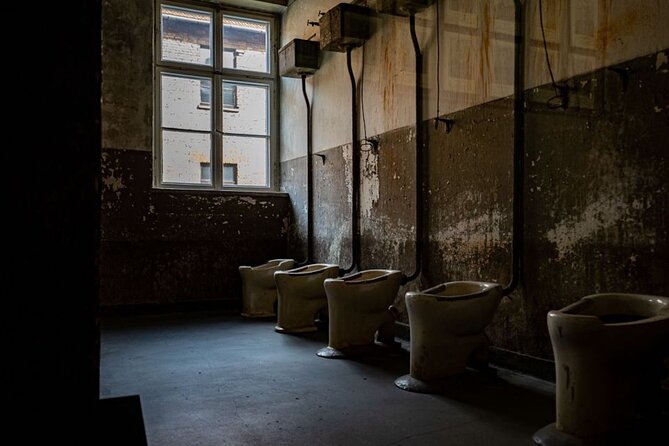
The lunch box is practical rather than substantial. It includes:
- Two sandwiches
- An apple
- A dark chocolate wafer
- A 500-milliliter bottle of still mineral water
- Tissues and a paper bag
Meat, vegetarian, and vegan options are available. For a long outing, this saves you from carrying food, and several people found the lunch convenient or tasty. Others found the bread stale or the portion too small for a six- or seven-hour day.
The timing is the bigger concern. Some groups received lunch promptly, while others had to ask for it. One group had only about 10 minutes to eat between Auschwitz I and Birkenau, which was not enough time for lunch and a toilet stop. Eating and drinking are not allowed inside the museum sections, and some accounts say food and drink were also restricted on the minibus.
I would bring an extra snack and a small bottle of water if allowed by the tour rules, while respecting the museum’s restrictions. Do not count on lunch as a full meal, and do not assume you can eat it whenever you like. Ask the tour leader early when the lunch break will happen.
Guides, headsets, and the pace of the visit
The guide at Auschwitz works for the museum. The transport company provides the minivan, driver, and tour leader, but the person explaining the camp may be assigned separately. That distinction explains why the quality of the museum guiding can be excellent even when the transport arrangements are uneven.
Strong guide reports include Marcin, Magdalena, and Evalina. Magdalena was described as clear, compassionate, and fluent in English. Evalina was praised for using the right tone for an emotional subject. These names are useful examples of what you want from the visit, but you cannot request them based on the information provided.
Headsets are supplied so you can hear the guide. They help in crowded spaces and outdoors, but they are not a cure for poor group control. Keep within range, watch where the guide stops, and speak up if you lose the signal.
The walking pace deserves honest attention. The tour must keep to a schedule, and the guide may begin speaking before the whole group is assembled. If you need more time, have a mobility limitation, or are traveling with a child, tell the tour leader at the start. Children must be accompanied by an adult, and most people can participate, but the day is not easy walking.
Is $71.08 good value?
At $71.08 per person, the package is reasonably priced if you value convenience. You get museum admission, a professional guide, headsets, transport from Krakow, return drop-off, and a packed lunch. Buying each part separately could be more work, even if you might save money with a different transport or ticket arrangement.
The price does not guarantee a private guide or a private group. You are paying for a coordinated visit, and the museum controls the guide and much of the schedule. The value is strongest for someone who wants a single booking and does not want to arrange transport to Oświęcim independently.
The value weakens if your plans cannot absorb a changed departure time, if you need a carefully managed accessible visit, or if a rushed lunch would cause problems. In those cases, flexibility and direct confirmation matter more than the headline price.
Free cancellation is available up to 24 hours before the experience starts. Changes or cancellations inside that period are not accepted for a refund, so check the confirmed time before your deadline.
Who should book this experience?
I would choose this tour if you are staying in Krakow, want both Auschwitz I and Birkenau, and prefer a bundled minivan trip rather than handling the transport yourself. It also suits you if you want an English-speaking museum guide and a headset, but do not need a private tour.
The experience is best for adults and older children who can handle a solemn subject and several hours of walking. It is not a cheerful family outing, and younger children may find the material difficult.
If you use a wheelchair or mobility scooter, do not rely on a general assurance that access will be fine. Give the provider full details before the day, confirm the vehicle and meeting point, and ask how the walking pace will be managed. The available information shows that this is an area where expectations have not always matched reality.
Should you book the Auschwitz-Birkenau tour?
Yes, if the convenience of transport, admission, lunch, and a museum guide is worth more to you than having complete control over the timetable. The historical visit itself can be profoundly important, and the best guides handle it with care and clarity.
Book with open eyes about the logistics. Keep your day free, check the pickup message carefully, prepare for a basic lunch, and stay close enough to hear the guide. If a fixed morning departure, generous meal break, or special accessibility support is essential, confirm those points before paying. For most independent visitors in Krakow, this is a practical way to reach both memorial sites, provided you can accept a schedule that may shift.
FAQ
How long does the Auschwitz-Birkenau tour take?
The experience lasts approximately four to seven hours. The final length depends on the museum schedule, pickup time, walking pace, and transport conditions.
Does the tour visit both Auschwitz I and Birkenau?
Yes. You visit Auschwitz I first, then travel by minivan to Auschwitz II Birkenau, which is much larger.
Is museum admission included?
Yes. Admission to the Auschwitz-Birkenau Memorial and Museum is included.
Is transport from Krakow included?
Round-trip transport in an air-conditioned minivan is included. Hotel pickup is available if selected, while some bookings use designated meeting points.
Will I be picked up directly at my hotel?
Not always. Some hotels cannot accommodate the vehicle, so you may be asked to walk to a nearby meeting point. The precise pickup time and location are provided the day before.
Is lunch included?
Yes. The lunch box includes two sandwiches, an apple, a dark chocolate wafer, tissues, a paper bag, and a 500-milliliter bottle of still water.
Are vegetarian and vegan lunches available?
Yes. Meat, vegetarian, and vegan lunch options are available.
Is the tour in English?
Yes. The experience is offered in English, and headsets are provided so you can hear the museum guide.
Can people with limited mobility join the tour?
Most people can participate, but the visit involves considerable walking and a set pace. If you use a mobility scooter or need special assistance, provide full details and confirm the arrangements before booking.
Just added in Kraków
- Wawel Castle, Old Town with St. Mary’s Church Guided Tour★ 5.0 · 3 reviews
- Wawel Castle, Old Town with St. Mary’s Church Guided Tour★ 5.0 · 5 reviews
- Wawel Castle, Cathedral, Old Town and St. Mary’s Basilica★ 4.8 · 13 reviews
- Wawel Castle, Cathedral, & Rynek Underground Tour with Lunch★ 4.5 · 10 reviews
- Wawel Castle & Cathedral Skip the Line Small Group Tour★ 5.0 · 3 reviews
- Wawel Castle and Cathedral Guided Tour★ 4.6 · 44 reviews
- Wawel Castle, Cathedral, Rynek Underground Tour with Lunch★ 5.0 · 3 reviews
- Wawel Castle and Cathedral Guided Tour★ 5.0 · 8 reviews
Auschwitz-Birkenau Memorial Tours, compared.
Auschwitz-Birkenau Guided Tour & Hotel Pickup
Read the review →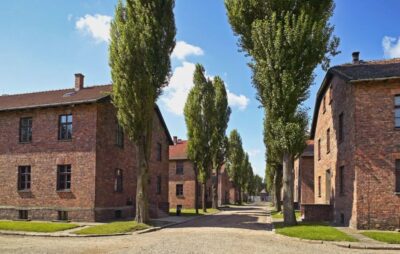
Auschwitz Guided Tour with Optional Hotel Pickup
Read the review →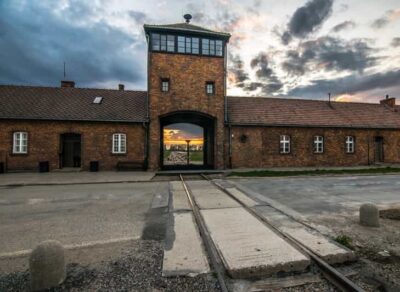
Auschwitz-Birkenau Guided Tour with Pickup & Lunch
Read the review →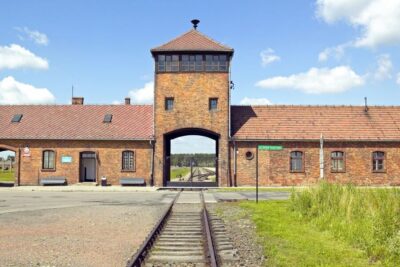
Krakow to Auschwitz Birkenau Guided Tour with Transfer and Ticket
Read the review →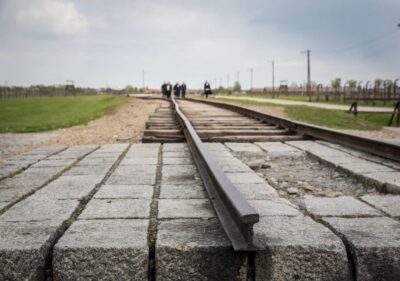
Auschwitz Birkenau Small Group Tour with Pickup
Read the review →Browse the lists this tour appears in