
Reviewed · AUSCHWITZ-BIRKENAU MEMORIAL TOURS
Auschwitz- Birkenau and Wieliczka Salt Mine in One Day
Auschwitz-Birkenau and Wieliczka Salt Mine show two very different sides of Poland in a single day. One is a place of organized murder and remembrance. The other is a vast underground world carved by generations of salt miners. Fitting both into one outing saves you from arranging separate transport and tickets, but it also creates a long, tightly timed day.
I like two things right away: the included transport and tickets remove much of the planning, and the English guides give essential context at places where simply walking around would leave you with too many unanswered questions. The provided headphones are especially useful at Auschwitz, where groups move through crowded rooms and outdoor paths.
The main drawback is the pace. Auschwitz-Birkenau takes about four hours, and Wieliczka adds another three hours underground, with travel and a meal break between them. You will walk, stand, climb stairs, and keep to a schedule. If you have two days available, separating the visits would allow more time for reflection and rest.
Key points to know before booking
- Auschwitz-Birkenau takes about four hours: You visit Auschwitz I for roughly 2.5 hours, then Birkenau for about one hour.
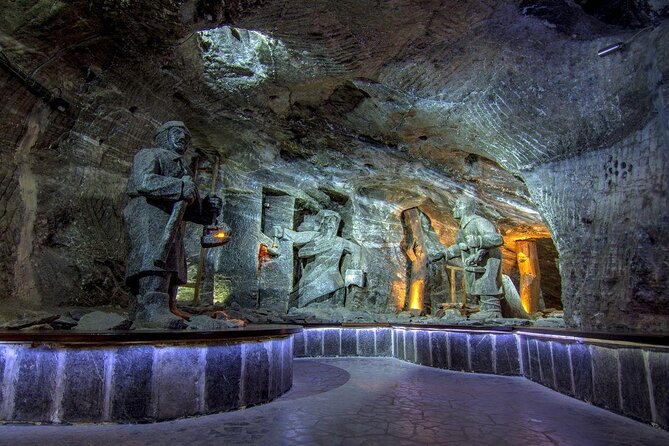
- Wieliczka reaches 140 meters underground: The tourist route runs for more than 2.5 kilometers and includes salt carvings, statues, and chambers.
- Hotel pickup and drop-off are advertised: The listed meeting point is Kiss&Ride Wielopole 2 in Krakow, so confirm the exact pickup arrangement.
- The day is physically demanding: Auschwitz involves extensive walking, while Wieliczka begins with 378 stairs to the first level.
- Lunch is not included: Bring food or arrange a meal. A break is usually built into the day.
- The group can reach 30 people: Headphones help you follow the guide, but crowds can still make it hard to stop at every display.
Why combine these two Polish sights?
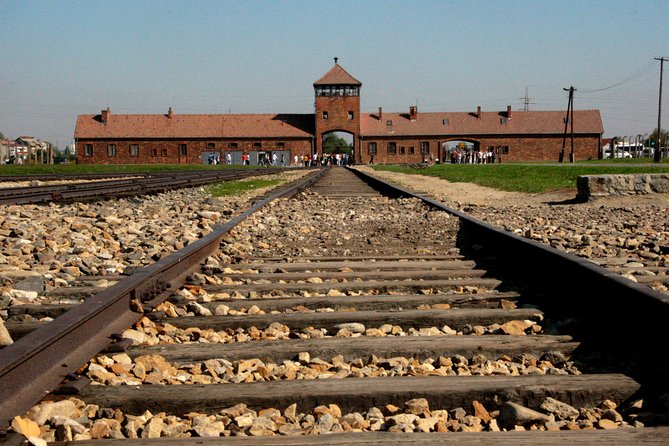
For a short stay in Krakow, this combination makes practical sense. Auschwitz is about 50 kilometers west of the city, while Wieliczka lies close to Krakow in the opposite direction. Booking separate visits means managing two sets of transport, entry times, and meeting instructions.
The tradeoff is emotional and physical. Auschwitz requires quiet attention. Wieliczka is visually striking and easier to enjoy as a traditional sightseeing stop. Moving from one to the other on the same day can feel abrupt, even with a meal break in between.
I would choose this day trip if you have only a few days in Krakow and want to see both places. If you are staying longer, I would prefer one full day for Auschwitz and another for Wieliczka. That gives you more room to pause, read the displays, and recover between visits.
Other ways to visit Auschwitz-Birkenau from Kraków:
- From Krakow: Auschwitz-Birkenau Guided Tour & Hotel Pickup
★ 4.5 · 33,358 reviews - From Krakow: Auschwitz-Birkenau Guided Tour & Hotel Pickup
★ 4.5 · 29,340 reviews - Krakow: Auschwitz Guided Tour with Optional Hotel Pickup
★ 4.5 · 15,280 reviews
Getting from Krakow to Auschwitz-Birkenau
The day normally begins with pickup in Krakow or at the stated meeting point, followed by the drive to Oświęcim. The transport is an air-conditioned minivan, and the driver handles the route and timing. Drivers such as Dawid, Michael, Thomas, and Patrick have been singled out for being punctual, friendly, and clear with instructions, though the assigned driver can vary.
The minivan is convenient, but comfort depends on your seat. One particularly useful warning concerns legroom. Taller passengers may find their knees close to the seat ahead during longer stretches. If you are tall, ask about seating when possible and expect a compact vehicle rather than a large coach.
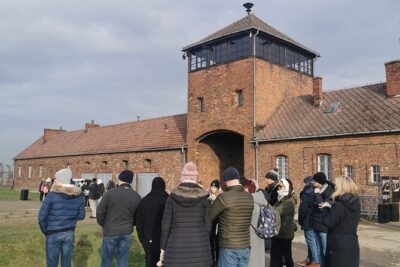
At the museum, you join an English-language tour provided by the Auschwitz Museum. The guide leads you through Auschwitz I for approximately 2.5 hours before the group transfers about two kilometers to Auschwitz II-Birkenau for another hour.
Security checks are required, and you need your passport or another accepted form of identification on the day. Large bags are not permitted inside. The maximum stated size is 30 by 20 by 10 centimeters, so carry only a small bag with essentials.
Auschwitz I: why the guided visit matters
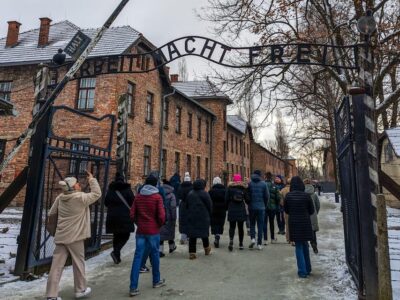
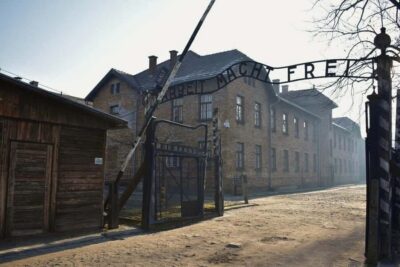
Auschwitz I is the original camp complex. Its buildings, exhibits, and surviving structures present the system behind the camp, the treatment of prisoners, and the scale of the crimes committed there. This is not a casual sightseeing stop. The material is disturbing, and you should give it your full attention.
A museum guide is essential here. You will hear explanations that connect the buildings and objects to the wider system of imprisonment and mass murder. The headphones let you hear clearly without the guide shouting, which helps preserve the solemn mood.
Several departures have featured guides such as Martin, and the Auschwitz guides are often praised for their care, clarity, and respectful tone. Still, the exact guide is not guaranteed, and the museum controls much of the on-site schedule.
The biggest frustration is time. Groups follow one another through the buildings, and the next group may already be waiting nearby. You may have only a short moment at some displays. At especially painful locations, including the gas chamber, the group may move on quickly.
That pace is not always the tour operator’s choice. Auschwitz is a major museum with strict entry times and many visiting groups. Even so, you should know in advance that this is a guided route, not an open-ended visit where you can linger wherever you wish.
Birkenau: scale, distance, and reflection
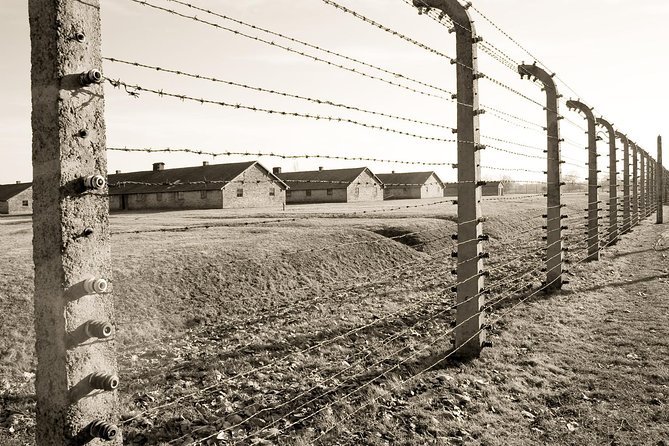
After Auschwitz I, the minivan takes you to Birkenau, about two kilometers away. Birkenau is much more expansive, and its open grounds help you grasp the scale of the camp system. The visit lasts about one hour with the same museum guide.
You will be outdoors for part of this stop, so dress for the weather. Rain, cold, or heat can make the walking harder, particularly after several hours on your feet. Comfortable shoes are not optional here.
Birkenau can be the point where the day becomes emotionally heavy. You are not simply viewing old buildings. You are walking through a place connected to the deaths and suffering of millions of people. The guide provides the necessary setting, but you should allow yourself quiet time afterward if possible.
This is not a suitable outing for young children. The subject matter is severe, and the visit demands maturity and attention. Teenagers and adults should also be prepared for an intense experience rather than a standard historical attraction.
Other trips down the salt mine from Kraków:
- From Krakow: Wieliczka Salt Mine Tour
★ 4.6 · 9,393 reviews - Krakow: Auschwitz-Birkenau and Salt Mine Guided Tour
★ 4.7 · 9,020 reviews - Krakow: Wieliczka Salt Mine Guided Tour with Transport
★ 4.4 · 7,429 reviews - Krakow: Wieliczka Salt Mine Fast-Track Ticket & Guided Tour
★ 4.5 · 5,872 reviews
The break between Auschwitz and Wieliczka
Lunch is not part of the listed price, so plan ahead. You may have a break of about an hour, and the operator may help arrange a restaurant meal, but this should not be treated as guaranteed. Bringing sandwiches, fruit, and water is the safest choice.
One practical detail matters here: some places used for lunch require cash. A traveler who expected to pay by card had to use a nearby fast-food option instead. Carry Polish currency if you want more choice, and ask the driver early about the meal plan.
The break is useful beyond food. You will need to sit down, drink water, and reset before entering the salt mine. The two visits have very different moods, but you still have to move directly from one to the other.
Wieliczka Salt Mine at 140 meters below ground
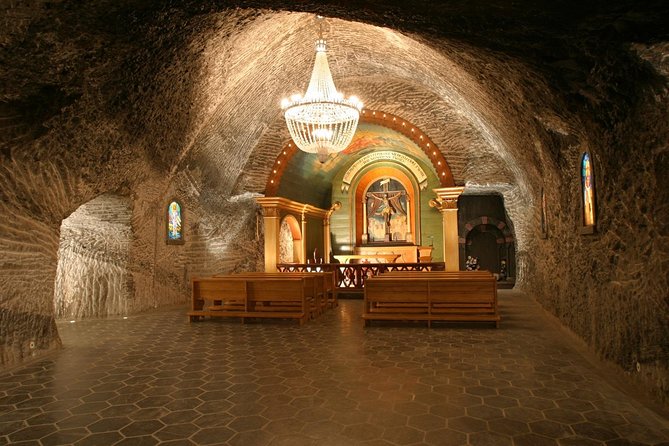
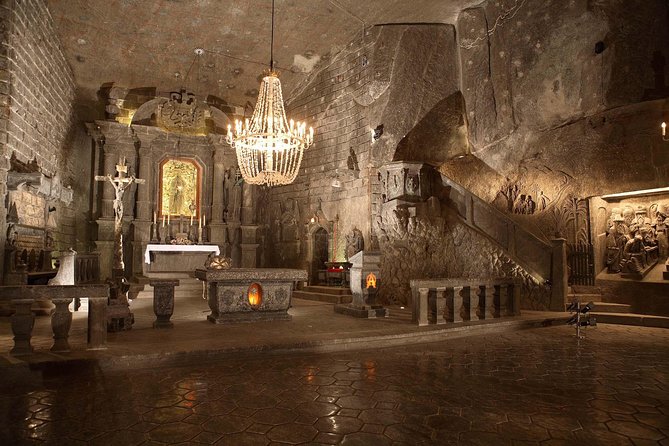
Wieliczka is a working salt mine with more than 700 years of salt production behind it. The tourist route descends to about 140 meters and runs for more than 2.5 kilometers. Along the way, you see chambers, carvings, statues, and other features made from salt.
The first descent is a serious part of the experience. You use a wooden staircase with 378 steps to reach the first level, about 64 meters below ground. After the tour, a lift takes you back to the surface.
The route is not hard in the same way as a mountain hike, but it requires moderate fitness. You will walk for roughly 2.5 hours and spend much of that time standing or moving with the group. If stairs are difficult for you, ask about the physical demands before booking.
The English mine guide explains how the mine was worked and points out the carved details along the route. Guides have included people such as Dominik and Justine, with some departures receiving especially lively and clear explanations. The quality can vary by guide, and the pace may feel brisk in the larger chambers.
The salt mine is a welcome contrast after Auschwitz. Its chapels and underground rooms are visually remarkable, and the sheer amount of labor involved is hard to grasp until you are standing below ground. Yet it is not a leisurely museum visit. Groups keep moving, and you may have limited time for photographs, including in the largest chapel.
There is also a small logistical wrinkle. You may exit the mine at a different location from the entrance and need to find your way back toward the meeting area. Ask your guide or driver where to go before leaving the mine, rather than assuming you will return to the exact starting point.
What is included for $187.53?
The price is $187.53 per person. That is not cheap, but it covers the two major admission tickets, transport in an air-conditioned minivan, an English-speaking driver or tour coordinator, museum guides, headphones, and pickup and drop-off arrangements.
The real value is time and organization. Auschwitz has controlled entry procedures, security checks, and timed museum tours. Wieliczka also uses fixed guided routes. Having one company coordinate both visits reduces the risk of missing an entry slot or losing time between locations.
You are still paying for convenience rather than luxury. The vehicle may have limited legroom, the group can reach 30 people, and lunch is extra. If you value a private guide, a slower pace, or plenty of time for photographs, this is not the right format.
For a short Krakow visit, I think the price is fair if you genuinely want to see both sites in one day. If you have extra time, two separate visits may offer better value for your energy, even if the total cost is higher.
Packing advice for this full-day outing
Wear comfortable shoes with good support. You will walk at Auschwitz, climb 378 stairs at Wieliczka, and spend long periods standing.
Pack light because Auschwitz restricts bags to 30 by 20 by 10 centimeters. Bring water, snacks, identification, and weather protection. A compact rain jacket is more useful than a large umbrella, which can be awkward in a group.
Keep some cash for lunch or drinks. Food and beverages are not included, and card payment may not be available at every suggested stop.
Do not schedule another major activity for the evening. The full day lasts about 12 hours, and the combination of walking, emotional strain, stairs, and road travel will leave you tired.
Pickup, group size, and cancellation terms
The experience is listed with free hotel pickup and drop-off, while the formal meeting point is Przystanek Turystyczny Kiss&Ride Wielopole 2, 31-072 Kraków. Confirm your exact pickup location and return arrangements after booking, especially if you are staying outside the usual hotel area.
The group may include up to 30 people. Headphones make the guides easier to hear, but a large group can make it harder to see every display or stop for long.
Confirmation is provided at booking. You can cancel for a full refund if you do so at least 24 hours before the start time. Changes or cancellations made inside that window are not accepted for a refund.
Should you book this one-day combination?
Book it if your Krakow stay is short, you want both UNESCO sites, and you value having transport, tickets, and timing handled for you. The day is efficient, well structured, and gives you access to two places that are difficult to combine independently.
Think twice if you dislike fixed schedules, have limited mobility, need long breaks, or want quiet time at Auschwitz. The most important weakness is the rushed feel, especially when crowds move through the museum and salt mine at the same time.
My practical choice would be simple: book the combined day when time is tight, but split the visits across two days if you can. Either way, bring food, carry only a small bag, wear strong walking shoes, and treat Auschwitz as a place of remembrance rather than just another stop on a sightseeing list.
FAQ
How long does the full tour last?
The experience lasts approximately 12 hours, including transportation, the two guided visits, and time for a meal or break.
Is hotel pickup included?
Hotel pickup and drop-off are listed as included. The formal meeting point is Przystanek Turystyczny Kiss&Ride Wielopole 2 in Krakow, so confirm the exact arrangements for your booking.
What language are the tours conducted in?
The experience is offered in English. Both Auschwitz-Birkenau and Wieliczka Salt Mine include English guided tours.
How much time is spent at Auschwitz-Birkenau?
The Auschwitz I visit lasts about 2.5 hours, followed by about one hour at Auschwitz II-Birkenau. The transfer between the two sites is approximately two kilometers.
How deep does the Wieliczka Salt Mine tour go?
The route reaches about 140 meters underground. You first descend 378 wooden stairs to the level at approximately 64 meters below ground, then return to the surface by lift after the tour.
Is lunch included?
No. Food and drinks are not included. You should bring snacks or arrange and pay for lunch during the break.
What size bag can I take into Auschwitz?
Large bags are not allowed. The maximum permitted size is 30 by 20 by 10 centimeters.
Do I need identification?
Yes. A passport or identification document is necessary on the day of the tour. Everyone entering the museum grounds must also pass through security checks.
Can I cancel for a full refund?
Yes, if you cancel at least 24 hours before the experience begins. Cancellations or changes made less than 24 hours before the start time are not refunded.
Just added in Kraków
- From Krakow: Guided Tour of Zalipie★ 4.6 · 30 reviews
- From Krakow: Zalipie Village Day-Tour★ 4.9 · 74 reviews
- Krakow: Zalipie Village Tour★ 4.6 · 8 reviews
- ZALIPIE – painted village, unique PRIVATE tour from Krakow★ 5.0 · 20 reviews
- From Kraków: Slovakia Treetop Walk Bachledka and Zakopane★ 5.0 · 73 reviews
- From Krakow: The Black Madonna of Czestochowa & John Paul II Family Home★ 5.0 · 28 reviews
- Energylandia Theme Park Full Day with optional Krakow Pickup★ 5.0 · 38 reviews
- Krakow City Tour on Scooter and Food Tasting with English Guide★ 5.0 · 84 reviews
Auschwitz-Birkenau Memorial Tours, compared.
Auschwitz-Birkenau Guided Tour & Hotel Pickup
Read the review →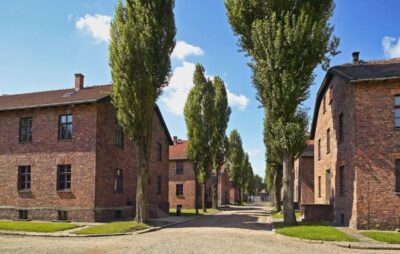
Auschwitz Guided Tour with Optional Hotel Pickup
Read the review →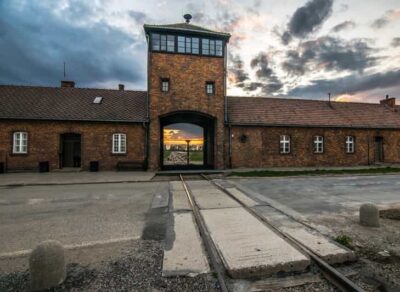
Auschwitz-Birkenau Guided Tour with Pickup & Lunch
Read the review →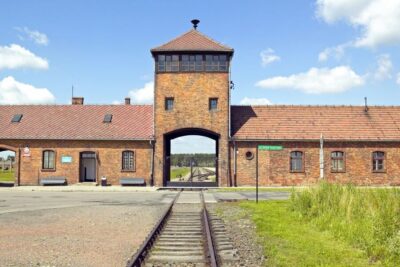
Krakow to Auschwitz Birkenau Guided Tour with Transfer and Ticket
Read the review →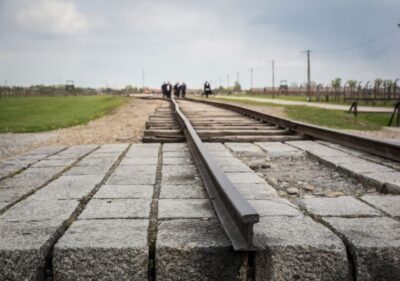
Auschwitz Birkenau Small Group Tour with Pickup
Read the review →Browse the lists this tour appears in