
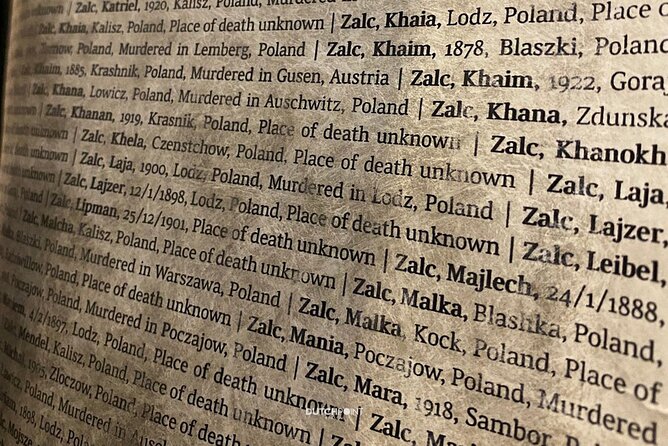
Reviewed · AUSCHWITZ-BIRKENAU MEMORIAL TOURS
from Kraków: Auschwitz excursion with guaranteed Dutch guide
Auschwitz is not a sightseeing stop you check off between cafés. It is a place for quiet attention, and this excursion gives you six guided hours to understand Auschwitz I, Birkenau, and Monowitz rather than rushing through one site. The Dutch guide is central to the experience, with Wesley, Marijke, Jeroen, and Roland among the guides named for this program.
I especially like two things here: the visit goes beyond the familiar Auschwitz I buildings to the vast Birkenau grounds and the lesser-seen Monowitz memorial, and the tour is arranged for Dutch speakers from the start. The main drawback is the demanding schedule. You leave Kraków at 6:00 a.m., spend most of the day on your feet, and visit deeply distressing places. This is not suitable for children under 14 or people with mobility impairments.
Key points to know before booking
- Three sites in one day: Auschwitz I, Birkenau, and Auschwitz III Monowitz are all included.
- Dutch guidance is guaranteed: The tour is designed for Dutch-speaking participants, with a guide system used during the visits.
- Auschwitz I is the most museum-focused stop: You see original barracks, photographs, objects, and a gas chamber.
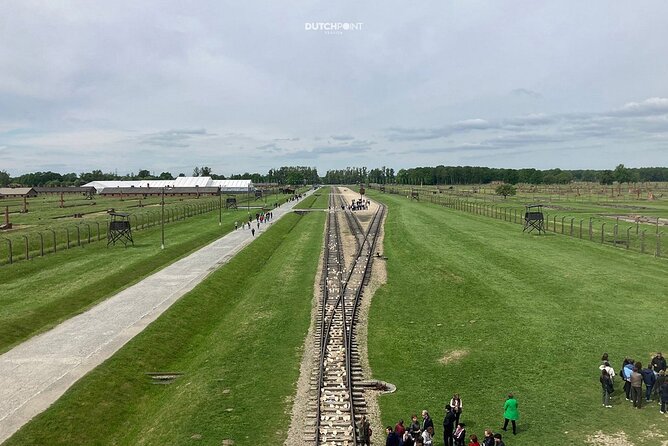
- Birkenau gives the widest physical sense of the camp: The railway area, wooden barracks, crematorium remains, and Dutch monument are part of the walk.
- Monowitz adds an important industrial story: You visit the memorial and see surviving factory and bunker remnants connected with the Buna works.
- Plan for a long, serious day: The full outing takes about eight to nine hours, with roughly six hours at the memorial sites.
Why the Dutch guide matters at Auschwitz
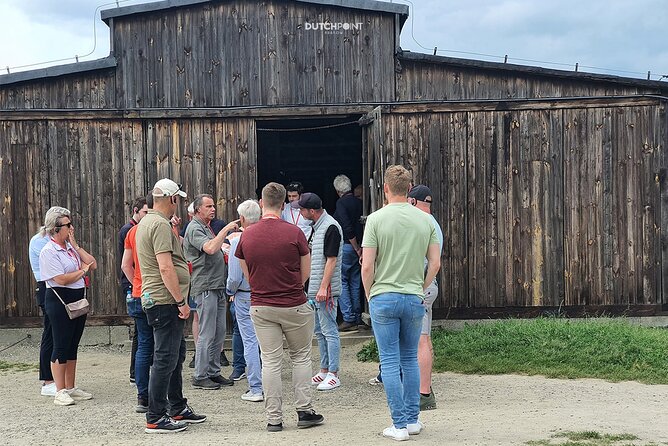
Auschwitz can be visited independently, but the scale and history are difficult to absorb without a clear guide. Here, you are not simply driven to the gate and handed a map. A Dutch-speaking guide stays with the group through the program and uses a tour guide system, which helps you hear explanations even when the group is moving through large spaces.
The guides named for this experience include Wesley, Jeroen, Marijke, and Roland. Their approach, as reflected in the tour information, is calm, detailed, and respectful. Wesley is noted for asking questions that make you think beyond dates and statistics. Marijke is described as using small personal stories alongside the wider events. Roland is praised for combining a pleasant storytelling style with close attention to the group.
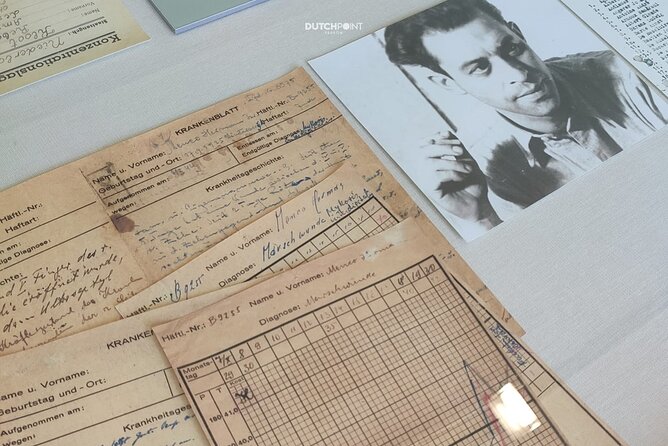
That matters here. Auschwitz is filled with numbers, dates, buildings, and historical terms. The human detail keeps the subject from becoming abstract. You may hear about the person in a photograph or the story connected with an object, rather than receiving only a broad account of Nazi persecution and mass murder.
The program also includes a Polish-speaking official museum guide element where applicable, with Dutch interpretation and explanation from your tour leader. You should expect historical interpretation rather than casual commentary. The tone is serious throughout, as it should be.
Other ways to visit Auschwitz-Birkenau from Kraków:
- From Krakow: Auschwitz-Birkenau Guided Tour & Hotel Pickup
★ 4.5 · 33,358 reviews - From Krakow: Auschwitz-Birkenau Guided Tour & Hotel Pickup
★ 4.5 · 29,340 reviews - Krakow: Auschwitz Guided Tour with Optional Hotel Pickup
★ 4.5 · 15,280 reviews
The early start from Kraków
The meeting point is DutchPoint Kraków at Karmelicka 3, with departure scheduled for 6:00 a.m. That is early, but it is useful. Auschwitz is a popular destination, and an early start gives the group time to complete the full program without trying to squeeze the sites into a short afternoon.
The drive from Kraków to Oświęcim takes about 80 minutes. Transport is by bus or minibus, with a maximum group size of 29 people. That is not an intimate private tour, but it is small enough to move around the sites without the feel of a huge coach excursion.
Before entering Auschwitz I, you have about 15 minutes for the restroom and entry process. Five restroom stops are scheduled during the day, which is a small but welcome practical detail. You should still use each one when you can. The day includes long outdoor walks, and the grounds are not arranged like a compact city museum.
Breakfast and lunch boxes are optional extras rather than part of the base price. Bring food if you need it, or arrange the optional boxes when booking. The day has a short break between major sections, but this is not a leisurely lunch outing.
Auschwitz I: original barracks and the museum story
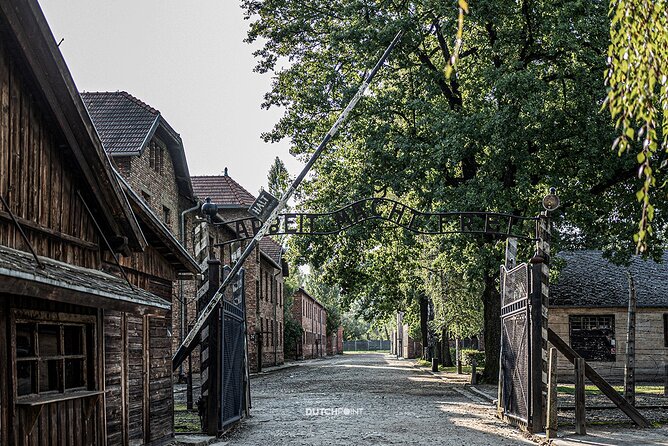
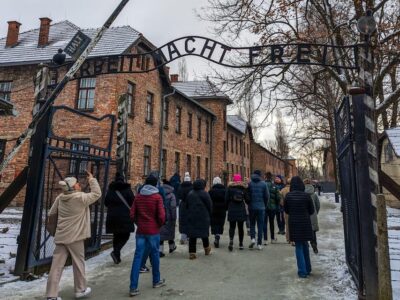
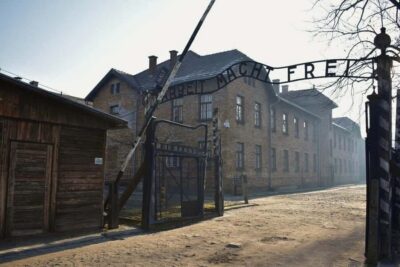
Your first major visit is Auschwitz I, the older camp and the part most people picture when they hear the name Auschwitz. The entrance and brick barracks have a more contained, museum-like character than Birkenau. That can make the first hours feel orderly, but the material inside is severe.
You move through original barracks with photographs, documents, and objects that explain how the camp system developed from the first deportations through liberation on January 27, 1945. The guide helps connect the displays to the people who were imprisoned there. Expect a structured visit rather than free time to wander at your own pace.
The program includes the Dutch barrack for Dutch participants. Belgian participants visit the Belgian barrack. This national focus can make the larger history more personal, especially since the tour explains that around 60,000 Dutch people and 24,000 Belgians were among those murdered at Auschwitz.
You also pass through a gas chamber. This is one of the moments that may affect you most strongly, and you should not treat it as a dramatic photo opportunity. The site asks for restraint. Photography rules and museum instructions apply, and your guide will direct the group.
The Auschwitz I portion lasts about two and a half hours. That is enough time for substantial explanation, but not enough to study every display in detail. If you are a specialist in Holocaust history, you may want more time in the museum. For a first visit, the guided pace gives you a useful framework and prevents the day from becoming an unstructured walk through difficult material.
The Judenrampe: following the arrival route
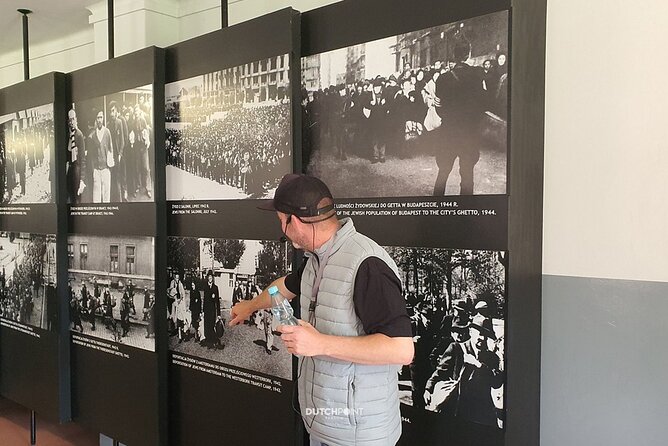
After Auschwitz I, there is a transfer of about 30 minutes, including a break, to the Birkenau area and the Judenrampe. The Judenrampe was the railway unloading point between Auschwitz I and Birkenau where trains arrived and people were selected.
This stop helps you understand that deportation did not end at the camp gate. You walk along the route used by people brought there, moving from the railway area toward Birkenau. The physical distance is important. It turns a historical description into something you can measure with your own steps.
The Judenrampe visit lasts about 30 minutes. It is not as polished or enclosed as the museum buildings at Auschwitz I, and that is part of its value. The open setting and railway context help show the mechanics of arrival, selection, and transport within the camp complex.
Wear shoes that can handle uneven ground. The tour requires a moderate level of physical fitness, and the combination of distance, weather, and emotional strain can make the day tiring even for people who normally walk a lot.
A few more things to do in Kraków worth a look
- Krakow: Auschwitz-Birkenau Guided Tour with Pickup & Lunch
★ 4.5 · 9,800 reviews - Krakow: Auschwitz-Birkenau Guided Tour Pickup/Lunch Options
★ 4.5 · 9,057 reviews - Krakow: Auschwitz-Birkenau and Salt Mine Guided Tour
★ 4.7 · 9,020 reviews - Krakow to Auschwitz Birkenau Guided Tour with Transfer and Ticket
★ 5.0 · 8,197 reviews
Birkenau: scale, barracks, and destruction
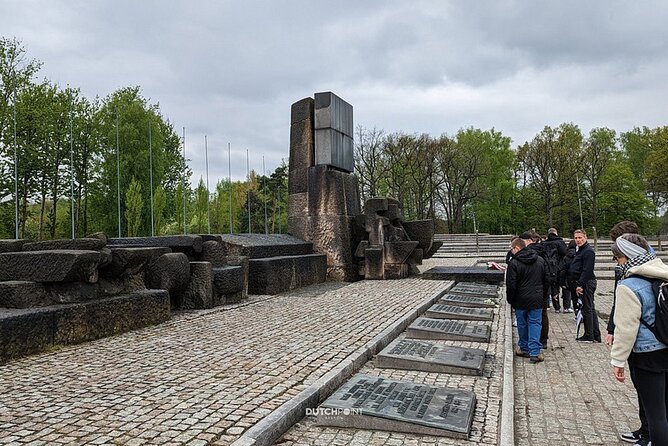
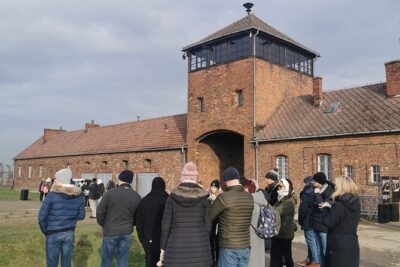
Birkenau is much larger than Auschwitz I. The entrance gate, railway line, long rows of barracks, and open ground give you a physical sense of the camp’s scale that photographs cannot quite provide.
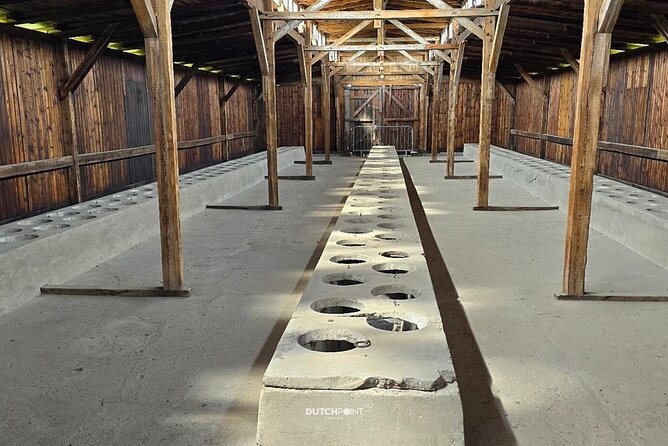
The guided visit lasts about 90 minutes, followed by time at the Judenrampe area as part of the wider Birkenau section. You visit wooden barracks that show the living conditions during the war. These buildings are stark, and the lack of comfort is immediately clear. The guide explains how the barracks functioned and what daily life meant for the people held there.
You then walk past the railway station toward the remains of gas chambers II and III. The structures were destroyed, but the ruins still indicate the size and purpose of the killing facilities. This section requires walking across an exposed site, so the weather matters. The tour runs in different conditions, and you should dress for a long outdoor visit rather than a standard museum morning.
The Dutch monument is another important stop. It gives Dutch participants a direct point of connection, but it also belongs within the wider memorial setting. You are not only hearing a national story. You are seeing how many different communities were drawn into the same machinery of persecution and murder.
At the end of the Birkenau visit, there is a brief stop at the bookstore. This can be useful if you want a serious book or museum publication, but do not expect much time for browsing. The schedule has another major stop ahead.
Monowitz and the Buna works
The visit to Auschwitz III Monowitz is what sets this excursion apart from many shorter Auschwitz trips. After a further break, the bus travels about 10 kilometers from Auschwitz I to Monowitz, where the Nazis established a camp to support the enormous Buna industrial complex.
The barracks are no longer visible, so this is a different kind of memorial visit. You see the factories and remnants of bunkers, then finish at the Monowitz monument. The guide explains how forced labor was tied to industrial production and why Monowitz was considered the most grueling camp to work in.
You should set your expectations correctly. Monowitz is not another preserved camp with rows of buildings to enter. Its importance comes from the connection between the camp system, forced labor, and the industrial site that remains around it.
The transfer and visit take about 45 minutes. This short stop adds context rather than another long museum tour. It is especially worthwhile if you want to understand Auschwitz as a network of camps and economic exploitation, not only as the familiar memorial at Auschwitz I and the killing center at Birkenau.
What the $102.14 price includes
At $102.14 per person, this is not the cheapest way to reach Auschwitz. The value comes from what is bundled into the price: official Auschwitz-Birkenau State Museum tickets, Kraków transport, a Dutch-speaking guide, a guide system, and about six hours of guided study at the sites.
You are also paying for the less obvious work of organizing a full day across three locations. The itinerary includes transfers between Auschwitz I, Birkenau, and Monowitz, rather than leaving you to find separate transport. For a first visit, that coordination can be worth more than a lower headline price.
The group size is capped at 29. A smaller private tour would give you more freedom, but this is still more manageable than a large coach group. The strongest value is for Dutch speakers who want interpretation throughout the day and who would rather have a guide handle the movement between sites.
Lunch is not included, and neither is a tip. Breakfast and lunch boxes can be added optionally. At this price, I would budget for food and keep some flexibility for a long day that may run beyond the planned schedule.
Who should book this excursion
This is a good fit if you:
- Want a Dutch-speaking guide from the start of the visit.
- Prefer a structured historical explanation over independent museum wandering.
- Want to see Auschwitz I, Birkenau, and Monowitz in one day.
- Can manage several hours of walking and outdoor exposure.
- Are at least 14 years old and prepared for difficult subject matter.
- Are staying in Kraków and want transport arranged for you.
It is less suitable if you want a relaxed day, dislike early starts, or need a flexible pace. It is also not appropriate for anyone with mobility impairments, according to the stated restrictions. The camp grounds are extensive, and the program does not offer a shortened route.
Think carefully about your timing in Kraków. The excursion leaves at 6:00 a.m. and returns to the same Karmelicka meeting point. The total outing is about eight to nine hours, though the schedule can be affected by entry procedures, transfers, and the pace of the group.
Practical advice for a respectful visit
Wear comfortable footwear and clothing suited to a full day outside. Birkenau is open and exposed, while the route between sites adds more time on foot. You should not plan a demanding evening activity immediately afterward. The subject matter alone can leave you needing a quiet night.
Listen closely to entry instructions. Auschwitz is a memorial and museum, not an ordinary attraction. Your guide will help you understand where you can stop, what you can photograph, and how to move through the buildings respectfully.
A guide system is included, so keep the receiver with you and check that you can hear clearly before the group sets off. In a place where you may be separated briefly by a doorway or narrow passage, clear audio makes a real difference.
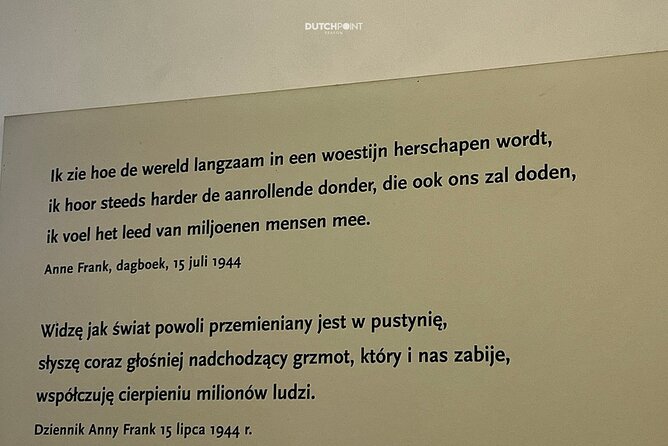
The most useful preparation is emotional rather than logistical. You will see original buildings, personal objects, photographs, barracks, railway areas, and the remains of gas chambers. The tour does not soften the facts, but a calm Dutch explanation can help you place each scene in its proper historical setting.
Should you book it?
Book this excursion if you want a serious, Dutch-language visit that covers the full Auschwitz complex rather than only the most familiar museum section. The inclusion of Monowitz, the Judenrampe, the Dutch or Belgian barrack, and the guide-led structure gives the day unusual depth for a group tour.
I would choose it for a first visit from Kraków, especially if you value clear organization and historical explanation more than free time. I would skip it only if the early departure, long walking day, group format, or difficult subject matter does not suit you. For the right visitor, the price buys more than transport: it buys time, context, and a careful route through a place that deserves both.
FAQ
Where does the Auschwitz excursion start?
It starts at DutchPoint Kraków, Karmelicka 3, 31-133 Kraków, Poland.
What time does the tour begin?
The scheduled start time is 6:00 a.m.
How long does the full excursion take?
The full excursion takes approximately eight to nine hours, including travel from Kraków and transfers between the memorial sites.
How much time is spent at the memorial sites?
The guided study program lasts about six hours, excluding travel time.
Which Auschwitz sites are included?
The program includes Auschwitz I, Auschwitz II Birkenau, the Judenrampe, and Auschwitz III Monowitz.
Is a Dutch-speaking guide guaranteed?
Yes. A Dutch-speaking guide is included and guaranteed.
Are museum admission tickets included?
Yes. Official tickets for the Auschwitz-Birkenau State Museum are included.
Is transportation from Kraków included?
Yes. Transport by bus or minibus from Kraków is included, along with transfers between Auschwitz I, Birkenau, and Monowitz.
Are meals included?
No. Breakfast and lunch boxes are optional, and lunch is not included in the standard tour price.
Is the tour suitable for children or people with mobility impairments?
The tour is not suitable for children under 14 or people with mobility impairments. A moderate level of physical fitness is required.
Just added in Kraków
- From Krakow: Guided Tour of Zalipie★ 4.6 · 30 reviews
- From Krakow: Zalipie Village Day-Tour★ 4.9 · 74 reviews
- Krakow: Zalipie Village Tour★ 4.6 · 8 reviews
- ZALIPIE – painted village, unique PRIVATE tour from Krakow★ 5.0 · 20 reviews
- From Kraków: Slovakia Treetop Walk Bachledka and Zakopane★ 5.0 · 73 reviews
- From Krakow: The Black Madonna of Czestochowa & John Paul II Family Home★ 5.0 · 28 reviews
- Energylandia Theme Park Full Day with optional Krakow Pickup★ 5.0 · 38 reviews
- Krakow City Tour on Scooter and Food Tasting with English Guide★ 5.0 · 84 reviews
Auschwitz-Birkenau Memorial Tours, compared.
Auschwitz-Birkenau Guided Tour & Hotel Pickup
Read the review →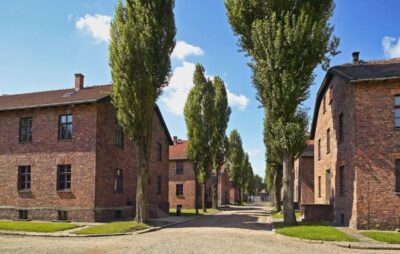
Auschwitz Guided Tour with Optional Hotel Pickup
Read the review →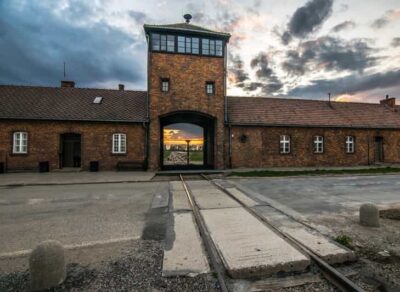
Auschwitz-Birkenau Guided Tour with Pickup & Lunch
Read the review →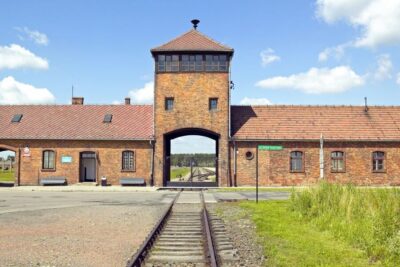
Krakow to Auschwitz Birkenau Guided Tour with Transfer and Ticket
Read the review →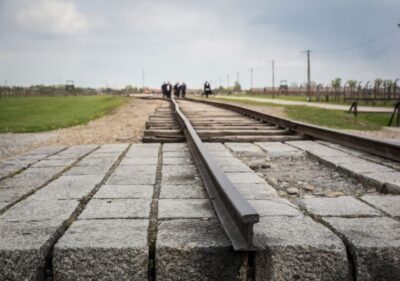
Auschwitz Birkenau Small Group Tour with Pickup
Read the review →Browse the lists this tour appears in