
Reviewed · AUSCHWITZ-BIRKENAU MEMORIAL TOURS
From Krakow: Auschwitz Birkenau Self-Guided Tour
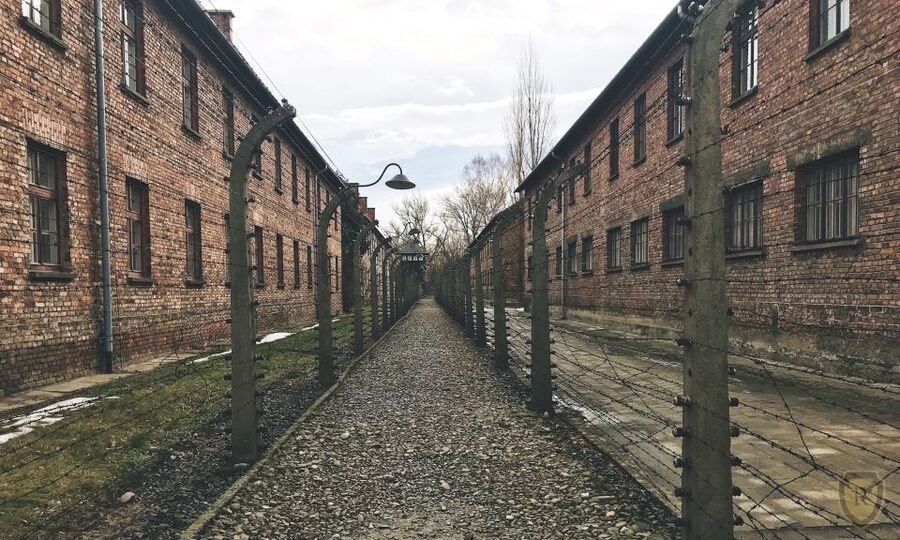
Auschwitz-Birkenau is not a sightseeing stop in the usual sense. It is a place for quiet attention, difficult facts, and respect for the people murdered there. This seven-hour trip from Krakow gives you entry to both camp sites, shared transport, and a guidebook so you can move through the memorial at your own pace.
I like the low $21 price, which covers transport, admission to Auschwitz I and Auschwitz II-Birkenau, and the paper guidebook. I also like having a tour leader available from the Krakow pickup through the return journey, especially when ticket collection or museum procedures are unclear.
The main drawback is the uncertain start time. Your chosen time is only a preference, and the operator may adjust it anywhere from roughly 5:30 AM to 1:30 PM. That makes it harder to plan the rest of your day, and one booking had conflicting pickup messages, so confirm the final time carefully.
Key points to know before booking
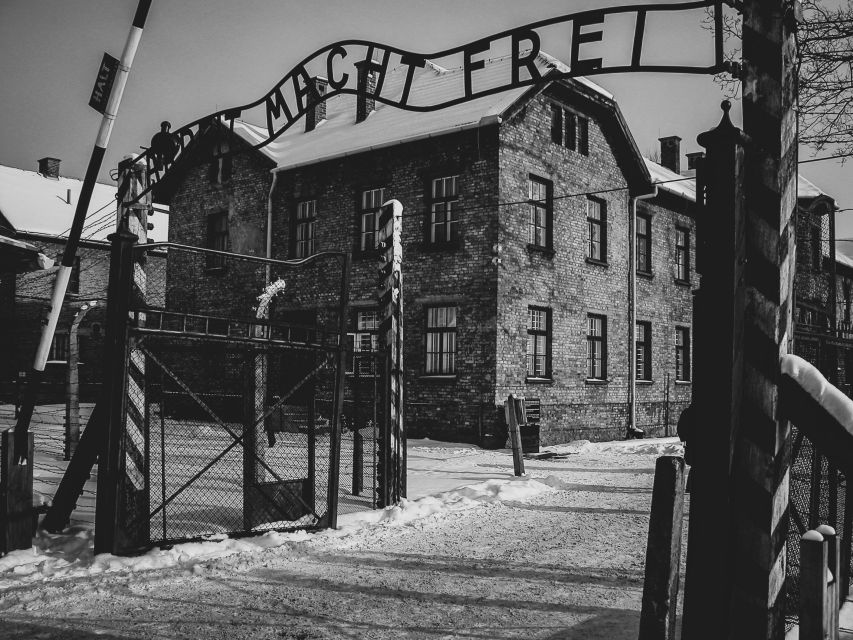
- Two separate memorial sites: You visit Auschwitz I and Auschwitz II-Birkenau, with a short bus ride between them.
- Self-guided by design: Your paper guidebook explains the route and history, while you choose your pace and path.
- Transport begins in central Krakow: Meet at the bus stop in front of the Mercure Hotel and return there after the visit.
- The schedule is approximate: Museum visitor services control the pace and timing, and the pickup hour can change.
- A tour leader handles the practical side: Help is available with admission tickets, directions, and the return journey.
- Travel light: Bring a passport or ID card, but do not bring luggage or large bags.
Why Auschwitz-Birkenau needs a full day
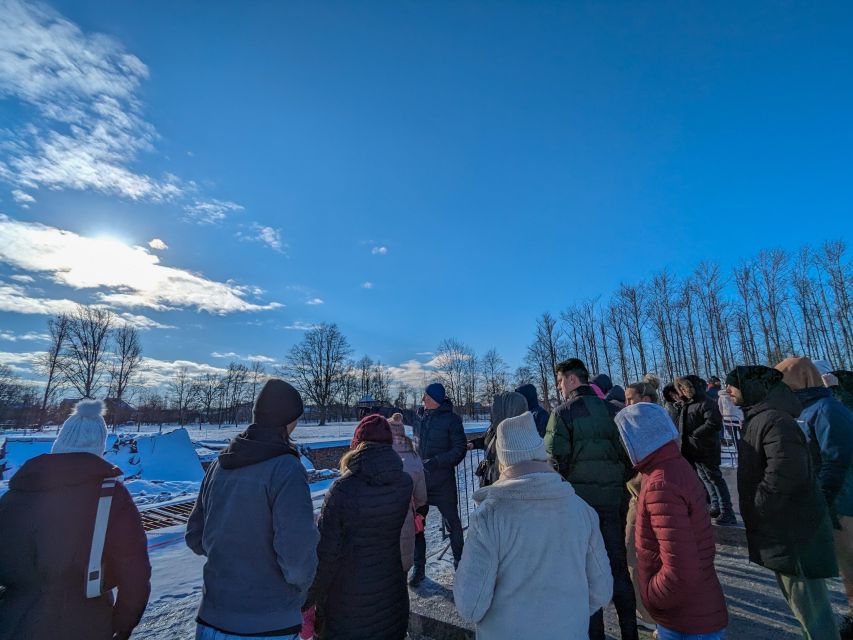
The memorial sits outside Krakow in the Silesian Voivodeship, so this is not a quick side trip. The drive takes about an hour and a half each way, and the visit itself includes three separate walking periods: roughly 45 minutes at the Judenrampe area, 90 minutes at Auschwitz I, and 90 minutes at Auschwitz II-Birkenau.
That length matters. You are not simply entering one museum, taking a few photographs, and leaving. The site includes the former camp at Auschwitz I, the much larger Birkenau camp, and the railway arrival area known as the Judenrampe. Each place carries a different part of the story.
The experience focuses on the Holocaust and the Nazi concentration and extermination camp system during the Second World War. The guidebook lets you read at your own speed, pause when you need to, and spend more time with sections that help you understand what happened.
I would not book this as a casual activity between lunch and an evening show. Give the day room to breathe. The subject is painful, and the amount of walking and information can leave you tired even before the return drive.
Other ways to visit Auschwitz-Birkenau from Kraków:
- From Krakow: Auschwitz-Birkenau Guided Tour & Hotel Pickup
★ 4.5 · 33,358 reviews - From Krakow: Auschwitz-Birkenau Guided Tour & Hotel Pickup
★ 4.5 · 29,340 reviews - Krakow: Auschwitz Guided Tour with Optional Hotel Pickup
★ 4.5 · 15,280 reviews
Leaving Krakow by shared bus
Your day begins at the bus stop in front of the Mercure Hotel, listed as Przystanek Turystyczny. The trip uses shared, air-conditioned coach transport rather than a private car, and the drive to the memorial takes about 1.5 hours.
Shared transport keeps the cost down. At $21 per person, this is one of the cheaper ways to arrange the basic ingredients of an Auschwitz visit: transport, admission, and written guidance. The tradeoff is less control over departure time and no private vehicle waiting only for you.
The pickup time deserves careful attention. You choose a preferred starting time, but it remains approximate, and the possible start window runs from 5:30 AM to 1:30 PM. Check your messages close to departure and confirm the final instruction if the app, email, or WhatsApp message gives different times.
One booking had an original 8:00 AM departure changed to 8:55 AM, followed by another message that still showed 8:00 AM. The issue was eventually sorted out, but it is a useful warning: do not rely on one old confirmation. Make sure you know the current pickup time before standing outside with no bus in sight.
A café break of about 40 minutes is included during the wider transfer schedule. This gives you a chance to get a drink or a small bite, though the exact timing of the break can depend on the day’s operations and museum schedule.
The Judenrampe and the first look at the camp system
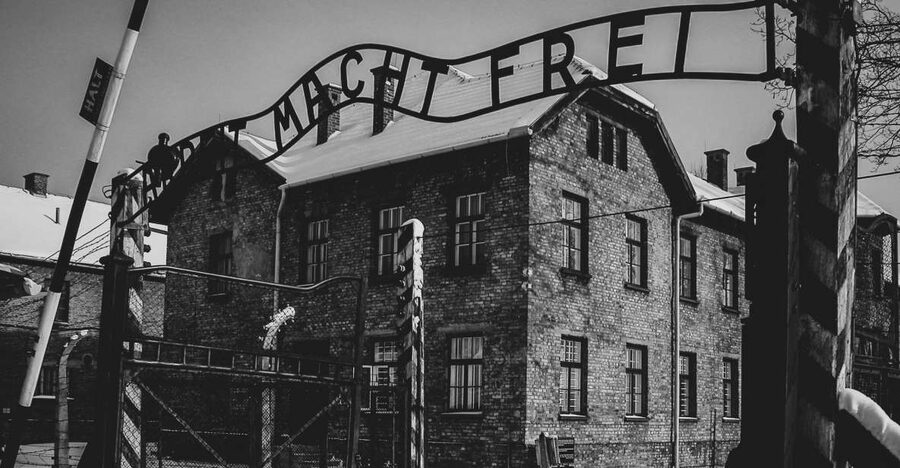
The first memorial stop is the Judenrampe area, with about 45 minutes for a self-guided visit. This part of the day helps set the scene before you enter the main camp buildings.
The Judenrampe was a railway unloading point connected with deportations to Auschwitz. Here, the arrival process becomes easier to picture in physical terms: people were brought by train, removed from the carriages, and subjected to selection and separation. The stop is short, but it gives you an important frame for the two larger sites that follow.
Because this section is self-guided, the paper guidebook matters. Read the relevant pages before walking around rather than treating the stop as a simple photo break. You will get more from the visit if you understand why this arrival point was used and how it relates to Birkenau.
The 45-minute period is also a reminder that you need to manage your own pace. If you read every panel slowly, you may have less time for quiet reflection. If you move too quickly, you risk missing the purpose of the stop. The tour leader can assist with directions, but this is not presented as a continuous spoken tour at every location.
Auschwitz I, where the museum buildings tell the story
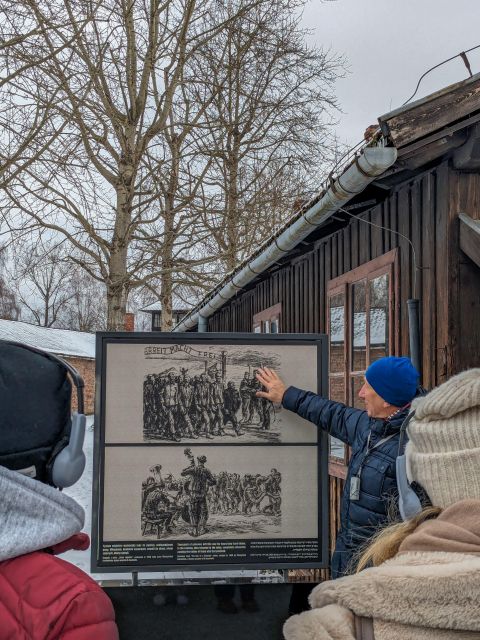
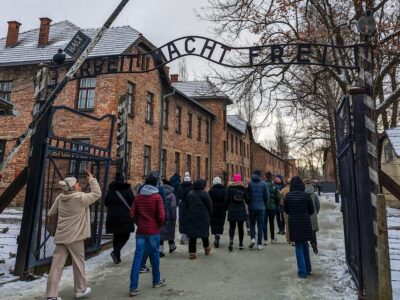
After a short bus ride of about 10 minutes, you reach Auschwitz I. This section receives roughly 1.5 hours of self-guided touring.
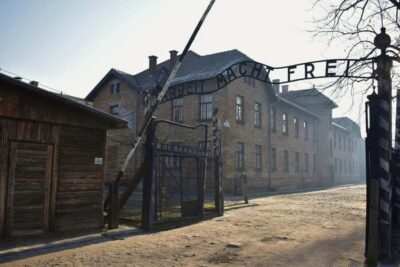
Auschwitz I is the original camp complex and the part most people picture when they think of the memorial. The buildings now house museum displays and historical information. With your guidebook, you follow the established route, learning about the camp, the people imprisoned there, and the Nazi system of persecution and murder.
The guidebook format has one clear benefit: you are not forced to stay beside a guide for every step. You can stop to read, take a moment, or move ahead when a section feels too heavy. That freedom suits people who prefer private reflection over a set spoken presentation.
It also places more responsibility on you. A paper guide cannot respond to your questions or adjust its explanation to your interests. If you want a detailed, live account throughout the visit, this is not the right style of tour. The activity includes an English-speaking tour leader for assistance, but the main museum experience is self-guided.
Allow the full 90 minutes. The buildings and exhibits contain difficult material, and rushing through them can make the visit feel like a checklist. At the same time, you may not be able to linger indefinitely, since the museum’s visitor service controls the timing and the group must continue to Birkenau.
A few more things to do in Kraków worth a look
- Krakow: Vistula River Sightseeing Cruise with Audio Guide
★ 4.4 · 820 reviews - From Krakow: Auschwitz-Birkenau and Self-Guided Day Tour
★ 4.1 · 576 reviews - Krakow: Sightseeing Cruise on Vistula River with Audio Guide
★ 4.4 · 480 reviews - Krakow: Vistula River Sightseeing Cruise with Audio Guide
★ 3.9 · 270 reviews
The short transfer to Auschwitz II-Birkenau
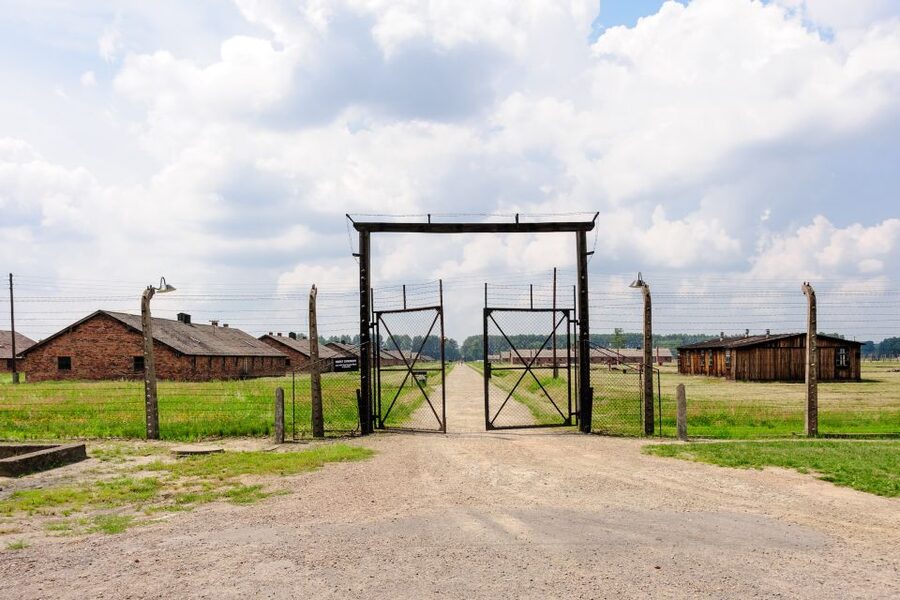
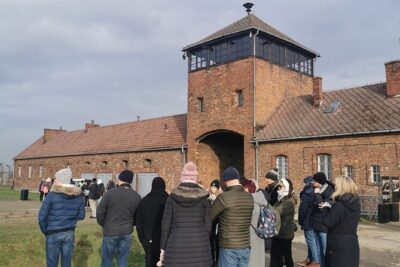
A second 10-minute bus ride takes you to Auschwitz II-Birkenau. The scale changes sharply here. Birkenau was the larger camp, built as part of the Nazi concentration and extermination camp system, and it is the site most closely associated with mass killings.
You have about 1.5 hours for this section. The open setting and long distances make comfortable walking shoes a sensible choice, although the provided information does not specify a recommended dress code or footwear. You should still expect a substantial amount of walking across the memorial grounds.
Your guidebook remains the main source of explanation. Use it to connect the railway arrival point, the camp structures, and the killing process. The value of a self-guided visit here is that you can take in the scale quietly rather than keeping pace with a speaker.
Birkenau can feel more exposed and physically spread out than Auschwitz I. That makes the timing important. You will want enough minutes to understand the layout, but you should not assume you can explore every corner. Follow the route and the tour leader’s instructions so you are ready for the return transfer.
The visit at Birkenau is where the purpose of the day becomes especially direct. You are not looking at a preserved historic district or a restored castle. You are paying respect at a memorial to people who were imprisoned and murdered. Keep photography, conversation, and movement appropriate to the setting.
What the guidebook and tour leader actually add
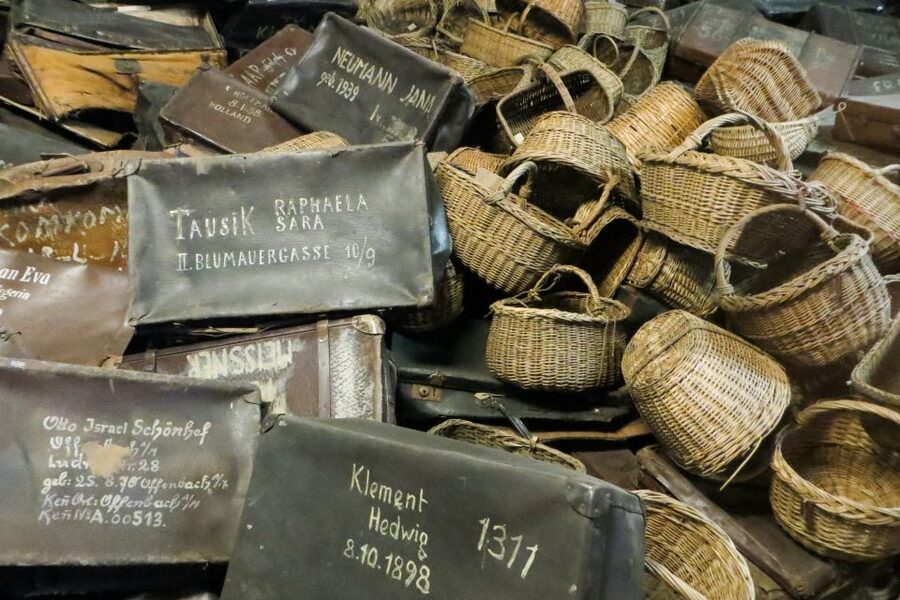
The guidebook is supplied for the duration of the tour and includes a route with detailed descriptions. It is available in your selected language, while the activity itself is listed with English as the live language.
That combination works well if you want independence but do not want to arrive with no context. You can read the pages before entering each area, then use the physical route to connect the explanation with the place in front of you.
The tour leader’s role is practical as much as historical. After arriving, the leader helps you collect or confirm your admission ticket, then remains available during the trip from pickup to drop-off. When entry tickets cannot be booked in advance, the leader helps collect them individually before the visit.
This support can make a real difference at a large memorial site. One booking described initial uncertainty at the first stop, followed by patient explanations from the driver and guide. Another praised a guide named Martyna for giving clear historical information and treating the subject with care. Staff members can vary, so do not assume Martyna will lead your departure, but those details show the kind of support the operator aims to provide.
There is also a practical limit. The tour leader is not necessarily providing a full live commentary inside every building. If you want a historian-led experience with continuous explanation and questions, pay attention to the words self-guided before booking.
Is $21 good value?
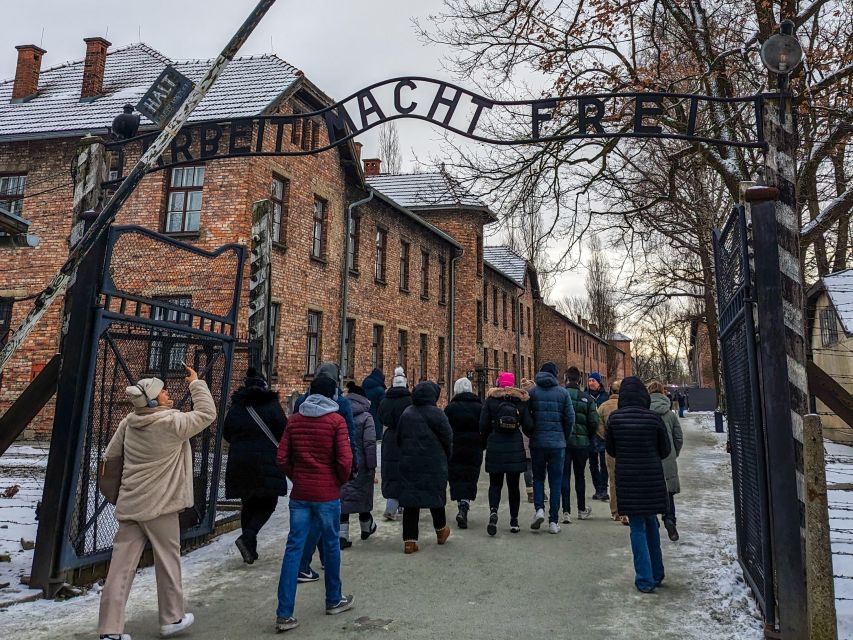
At $21, the price is attractive because it combines several costs that you would otherwise need to arrange separately. You receive shared air-conditioned transport from central Krakow, entry to Auschwitz I and Auschwitz II-Birkenau, the guidebook, and assistance from a tour leader.
The price does not buy privacy or a highly personal tour. You share the vehicle, follow an approximate schedule, and use written guidance rather than a dedicated guide throughout the memorial. For many people, that is a sensible exchange: the hard logistics are handled while the actual visit remains quiet and flexible.
I see this as particularly good value if you are comfortable reading independently and want a simple way to reach both camps. It is less compelling if you want a private vehicle, a guaranteed departure hour, or a continuous expert explanation.
Free cancellation up to 24 hours before departure adds useful flexibility. You can also reserve and pay later, which helps if your Krakow plans are still shifting. Neither option removes the need to confirm the pickup time, especially because the start hour may change.
Practical limits, accessibility, and what to bring
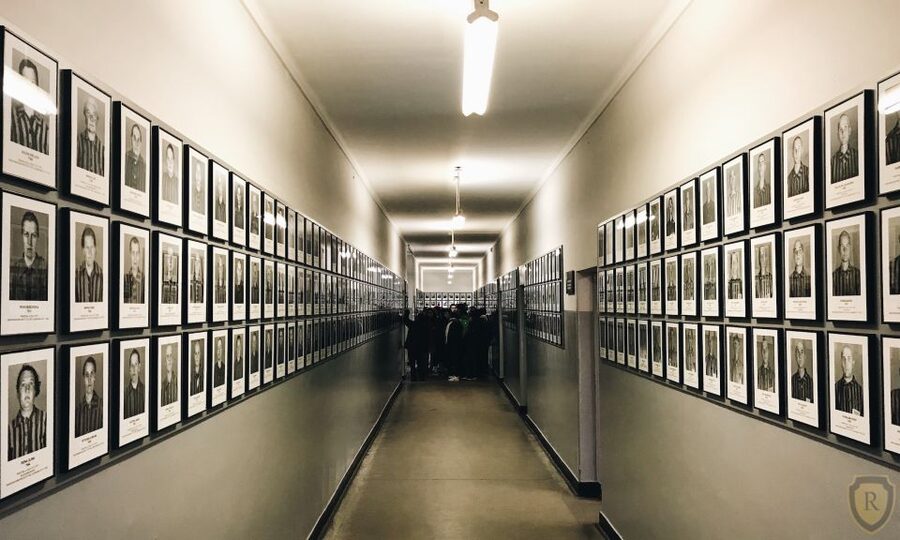
Bring your passport or ID card. You should not bring luggage or large bags, so leave suitcases at your accommodation or arrange storage before meeting the bus.
The experience is not suitable for children under five, and the details also list restrictions for children under two, three, and four. Babies under one year are not suitable either. The repeated age information is awkward, but the safe reading is clear: this is intended for older children and adults, not infants or very young children.
The activity is not suitable for wheelchair users or people with mobility impairments. The memorial visit includes transfers and walking between sites, so anyone who needs accessible transport or a slower physical plan should check for a different arrangement before booking.
The seven-hour duration is approximate. Museum visitor services determine the pace and duration of the tours, so do not schedule a tight appointment immediately after the advertised return time. The final bus ride back to Krakow is listed at about 1.5 hours.
The tour always starts in Krakow. You cannot join the group at Auschwitz, even if you are already nearby. That rule matters if you are staying outside the city or planning to arrive independently.
Who should book this Auschwitz trip?
I would choose this for a Krakow visitor who wants the lowest-cost organized option, values help with transport and tickets, and prefers to walk through the memorial at a personal pace. It is also a good fit if you want a guidebook in your own language rather than an English-only spoken tour.
You should think twice if you need a fixed departure time, accessible arrangements, a private vehicle, or a full live guide. The uncertain pickup hour and approximate museum schedule require some patience.
Most of all, book it only if you are ready for a serious day. Auschwitz-Birkenau is worth visiting for its historical importance and for the chance to pay respect, but it is not light entertainment. The basic logistics are good value, and the self-guided format gives you room to process the place in your own way.
FAQ
Where does the tour start?
It starts at the bus stop in front of the Mercure Hotel, identified as Przystanek Turystyczny in Krakow.
Where does the tour finish?
The activity ends back at the same meeting point in Krakow.
How long does the experience last?
The planned duration is about seven hours, but the schedule is approximate because the memorial’s visitor service controls the pace and duration.
What sites are included?
Admission includes Auschwitz I and Auschwitz II-Birkenau. The route also includes a self-guided stop at the Judenrampe area.
Is transportation included?
Yes. Shared transportation by air-conditioned bus is included, with roughly 1.5 hours of travel each way between Krakow and the memorial.
Is there a live guide?
The activity lists an English-speaking live guide, and a tour leader assists throughout the trip. The memorial visit itself is self-guided with a paper guidebook.
What should I bring?
Bring your passport or ID card. Large bags and luggage are not allowed.
Should you book this tour?
Book it if you want an inexpensive, organized way to reach both Auschwitz sites and you are happy to read and explore at your own pace. Skip it if a fixed schedule, wheelchair access, or continuous live commentary matters more than price and flexibility. Confirm the final pickup time, leave your luggage behind, and set aside the whole day for this important visit.
Just added in Kraków
- Wawel Castle, Old Town with St. Mary’s Church Guided Tour★ 5.0 · 3 reviews
- Wawel Castle, Old Town with St. Mary’s Church Guided Tour★ 5.0 · 5 reviews
- Wawel Castle & Cathedral Skip the Line Small Group Tour★ 5.0 · 3 reviews
- Wawel Castle, Cathedral, Old Town and St. Mary’s Basilica★ 4.8 · 13 reviews
- Wawel Castle, Cathedral, & Rynek Underground Tour with Lunch★ 4.5 · 10 reviews
- Wawel Castle and Cathedral Guided Tour★ 4.6 · 44 reviews
- Wawel Castle, Cathedral, Rynek Underground Tour with Lunch★ 5.0 · 3 reviews
- Wawel Castle and Cathedral Guided Tour★ 5.0 · 8 reviews
Auschwitz-Birkenau Memorial Tours, compared.
Auschwitz-Birkenau Guided Tour & Hotel Pickup
Read the review →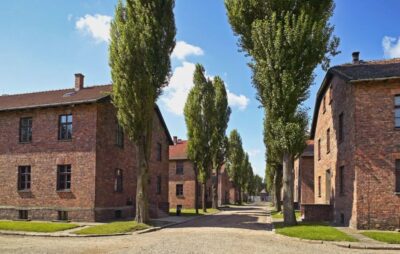
Auschwitz Guided Tour with Optional Hotel Pickup
Read the review →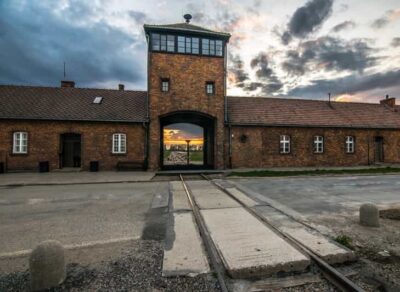
Auschwitz-Birkenau Guided Tour with Pickup & Lunch
Read the review →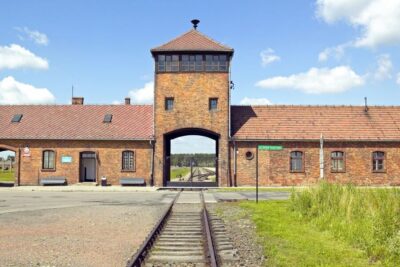
Krakow to Auschwitz Birkenau Guided Tour with Transfer and Ticket
Read the review →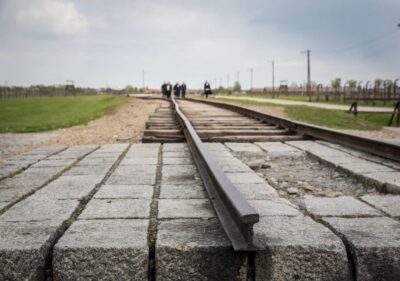
Auschwitz Birkenau Small Group Tour with Pickup
Read the review →Browse the lists this tour appears in