
Reviewed · PIEROGI COOKING CLASSES
Pierogi Cooking Class: Mastering the Art of Polish Dumplings
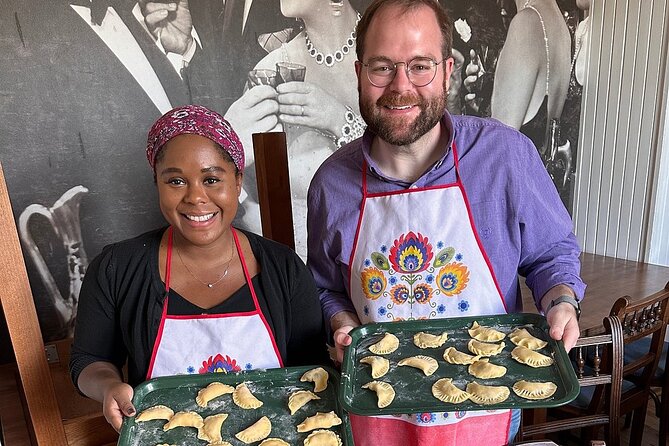
Krakow’s best edible souvenir may be the skill to make pierogi at home. In this roughly two-hour class, you roll dough, prepare savory and sweet fillings, shape the dumplings, boil them, and sit down to eat what you made.
I like the hands-on format and the chance to learn from local instructors such as Olga, Magda, Ania, and Maria. I also like that you make both potato-and-cheese pierogi and seasonal fruit pierogi, then enjoy them with a full beer or glass of wine.
The main caution is practical: the advertised maximum is 50 people, and a larger group can mean shared bowls, less personal workspace, and a less polished class. The 24-hour cancellation rule is also firm, so leave room in your schedule.
Key points to know before booking
- You make pierogi from start to finish: The dough is made from scratch rather than supplied ready to use.
- Two fillings give you a proper Polish introduction: You prepare savory pierogi with potatoes and twaróg, plus sweet fruit pierogi.
- Olga and Magda receive especially warm praise: Their patient, clear teaching style suits first-time cooks.
- Your class ends with a meal: A large beer or glass of wine comes with the dumplings you prepare.
- The meeting point is outside the Old Town core: The class begins at Wavelove, Podchorążych 3, near public transportation.
- Allow for schedule risk: Cancellations made less than 24 hours before the start are not refundable, and the class requires a minimum number of participants.
Why a pierogi class belongs on your Krakow itinerary
Pierogi are more than a restaurant order in Poland. They are everyday comfort food, holiday food, family food, and a dish that changes with the season and the household. A cooking class gives you something a standard meal cannot: a way to understand how the dish is built.
This class focuses on the basic method rather than fancy kitchen tricks. You work with flour and dough, handle fillings, learn how to seal the edges, and see how the dumplings behave in boiling water. That makes the experience useful after you leave Krakow. Several participants found the recipe easy enough to repeat at home, even with little pastry experience.
The class takes place at a local restaurant near the city center, with the listed meeting point at Wavelove, Podchorążych 3. Check the exact route before you set out, since the address is not on Krakow’s main market square. Public transportation is nearby, and the activity ends where it begins.
You should expect instruction in English. The guides do more than hand out ingredients. They explain the food’s place in Polish cooking and share methods learned in their grandmothers’ kitchens. The tone is friendly and informal, with room to ask questions and compare different shapes and fillings.
Other kitchens to make pierogi in around Kraków:
- Pierogi Cooking Class with Market Shopping and Local Snacks
★ 5.0 · 343 reviews - Krakow Pierogi Cooking Class with Market Visit & Home-Cooked Meal
★ 5.0 · 212 reviews - Krakow: Food Tour of 10 Tastings with Pierogi, Vodka & More
★ 5.0 · 169 reviews
Making the dough from scratch
The class begins with the foundation: pierogi dough. This is the part that often worries first-time cooks, especially anyone who feels clumsy with pastry. The useful news is that the instructors break it into manageable steps and help you judge texture by touch.
You will mix and work the dough, then roll it out for filling. That simple process teaches an important lesson: pierogi dough must be thin enough to eat easily but sturdy enough to hold its filling. The class is not built around watching a demonstration from across the room. You take part.
Olga is repeatedly praised for patience, humor, and clear explanations. Magda is also noted for taking time with each stage and helping people who need extra guidance. Ania has been described as especially good at giving straightforward instruction, while Maria adjusts her help to the needs of the group.
That range of instructors matters. Cooking classes can be wonderful with one teacher and flat with another, but the guidance here appears to be a consistent strength. You do not need previous cooking experience, and the class supplies the ingredients, tools, and instruction.
Savory pierogi with potatoes and twaróg
The main savory dish is pierogi ruskie, also called Ruthenian dumplings. The filling combines boiled potatoes with twaróg, a Polish white cheese that is creamy and tangy. It is a classic combination, mild but satisfying, and a good introduction to the Polish style of dumpling.
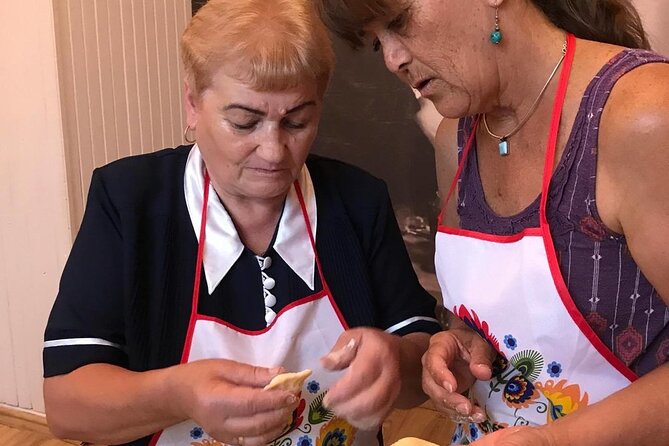
You prepare the filling, portion it into the dough, and seal each dumpling by hand. This is where the class becomes pleasantly practical. A pierogi does not have to look perfect to taste good, but a firm seal keeps the filling inside the dumpling instead of floating away in the pot.
You may also learn different ways to shape the edges. One particularly useful part of the class is the chance to make several forms rather than simply copying one model. The shapes add a bit of fun, but they also help you understand how much filling the dough can hold.
The finished dumplings are boiled before you eat them. The class does not promise an elaborate restaurant meal afterward, so think of the food as the result of your work, served fresh and enjoyed at the same table. That is part of the appeal. You learn the method, then immediately find out how your batch turned out.
Sweet fruit pierogi for the second course
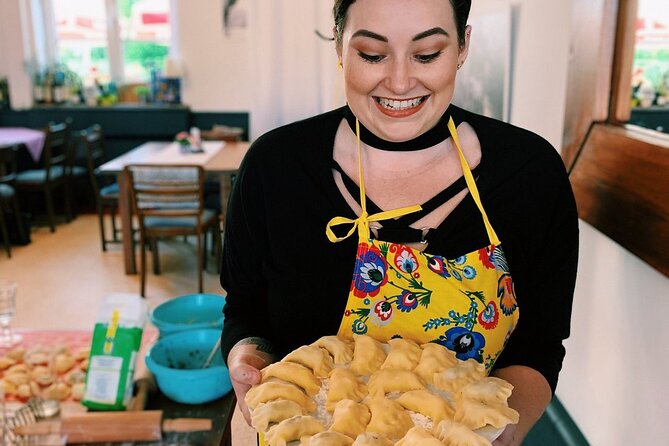
The sweet pierogi use fresh fruit available at the time of year. The exact fruit is not fixed, which is sensible for a seasonal dish. Fruit pierogi are enjoyed as a main course in summer and autumn, not merely as a dessert after a savory meal.
This second filling keeps the class from becoming repetitive. You use the same basic dough technique, but the filling changes the flavor and texture. It also shows how flexible pierogi can be. Once you understand the dough and sealing method, you can adapt the idea at home.
The sweet version is especially helpful for families and mixed groups. Some people may be more interested in the potato and cheese dumplings, while others will remember the fruit-filled ones. Making both means the meal feels like a complete introduction rather than a single recipe repeated for two hours.
Do not expect a long menu of fillings. The strength here is learning two clear, traditional variations well. If you want ten different pierogi styles, a food tour or restaurant crawl would be a better fit.
A few more things to do in Kraków worth a look
- Warsaw’s No 1 cooking class-Polish dumplings with liqueur tasting
★ 5.0 · 576 reviews - Warsaw: Polish Dumplings Cooking Class
★ 4.8 · 151 reviews
Eating your own dumplings with a drink
After the cooking, you sit down to eat the pierogi you have prepared. The included drink is one large beer or one glass of wine. Water is also available, but the package includes only one alcoholic drink.
The drink helps turn the class into dinner rather than a short demonstration followed by a snack. Several people especially enjoyed making both savory and sweet versions, then eating them with wine or beer. At the listed price of $82.72 per person, that matters when judging the value.
You are paying for food, a local guide, the use of the cooking space, equipment, instruction, and the social part of the evening. It is not cheap compared with ordering pierogi at a Krakow restaurant. The value comes from leaving with a repeatable skill and a recipe, not just a plate of dumplings.
One person noted that a second drink would have improved the package. That is a fair point. If you are comparing this with a full food tour that includes many tastings, this class offers less variety. If you want to learn one famous Polish dish and eat a filling meal, the price is easier to justify.
The instructors make the difference
The strongest part of this experience is the teaching. Olga is described as warm, funny, patient, and good at walking the class through each step. Magda receives similar praise for her calm, helpful approach. Ania is noted for clear explanations, and Maria for adapting her instruction to the people at the table.
That is exactly what you want in a short cooking class. Two hours is not enough time for a broad culinary course, so the instructor needs to explain the essentials without slowing the group down. The available feedback suggests that most classes strike that balance.
You may also get filling ideas beyond the two recipes on the menu. One participant who struggled with pastry dough left with enough confidence to try different variations at home. That is a good sign for beginners. The class is meant to be approachable, not a test of kitchen skill.
Recipes have sometimes been sent by email afterward, but this has not happened perfectly every time. If receiving the recipe is important to you, ask the instructor before leaving or confirm how it will be delivered. Do not rely on memory alone.
Group size, families, and the fine print
The experience is promoted as a small-group activity, yet the stated maximum is 50 people. Those two details need to be considered together. A normal smaller class should feel more personal, but a busy session can become a shared-table workshop rather than intimate instruction.
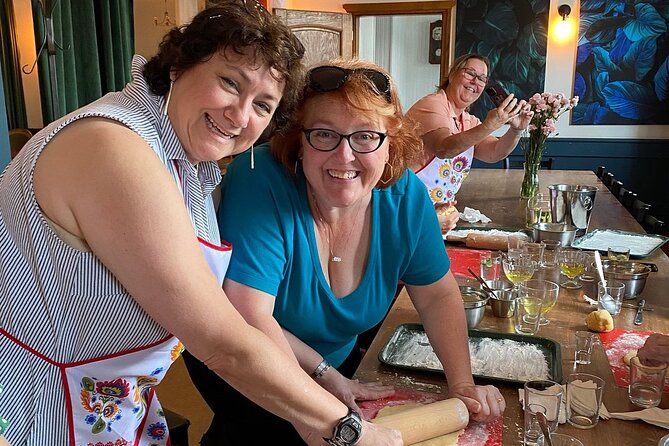
A larger family group had a more difficult experience when extra participants were added. Ingredients and bowls had to be shared, and the teacher was not prepared for each person to work independently. The provider explained that the class normally works in pairs and that children are expected to work with adults, especially because hot water is used in the dough.
That makes this a reasonable family activity, but you should be clear about expectations. Children can join, yet they may need to share a workstation with an adult rather than have a complete set of ingredients and tools of their own. Tell the provider about children and dietary needs when booking.
The dress code is smart casual. You should also advise the provider of dietary requirements in advance. The supplied information does not promise substitutions for every allergy or diet, so ask before paying if you need a strict adaptation.
There are two notable schedule concerns. The class requires a minimum number of participants, and a cancellation for that reason may lead to a different date, a different experience, or a full refund. On the other hand, if you cancel or change plans less than 24 hours before the start, you normally lose the payment.
That rule became important for people whose flights were canceled close to class time. The provider explains that preparation begins before the class and that last-minute refunds are not offered under the policy. Do not book this for the final hours of a tightly packed Krakow visit unless you can accept that risk.
Who will get the most from this class
I would choose this for a first visit to Krakow when you want an activity that combines food, local instruction, and a meal. It works especially well after a morning of sightseeing, since the class gives you a change of pace and something active to do.
It suits:
- First-time cooks who want clear, guided steps
- Couples looking for a shared evening activity
- Families willing to work in pairs
- People who want a Polish recipe they can repeat at home
- Visitors who enjoy beer or wine with dinner
- Anyone who prefers learning one dish in depth rather than sampling many foods
I would think twice if your main goal is a quiet, highly personal lesson. A class near the maximum group size may not provide much one-to-one help. I would also skip it if you need a fully customized dietary menu and cannot confirm the arrangements ahead of time.
Is $82.72 a fair price?
At $82.72, this is a midrange Krakow food experience rather than a bargain meal. You receive a local guide, ingredients, equipment, food tasting, and a large beer or glass of wine. You also get about two hours of instruction and the chance to eat a complete savory and sweet pierogi meal.
The price is fair if you value participation. Ordering the same dishes at a restaurant would cost less, but it would not teach you how to make the dough or seal the dumplings. A cheaper class might also cut the sweet course or the drink.
For the best value, treat the class as both dinner and a practical lesson. Ask for the recipe before you leave, arrive ready to work, and make sure the meeting point fits your route. The more seriously you use what you learn at home, the better the price feels.
Should you book the Krakow pierogi cooking class?
Yes, if you want an easygoing, hands-on introduction to Polish cooking and like the idea of eating what you make. The savory potato and twaróg filling, seasonal fruit pierogi, local beer or wine, and patient instructors give the class a clear purpose.
Book with care if your schedule is fragile. Check the route to Podchorążych 3, mention dietary needs and children in advance, and avoid placing the class immediately before a flight or train. Also ask about the expected group size if personal attention matters to you.
For most visitors, this is a worthwhile Krakow experience because it sends you home with more than a food memory. You get a simple Polish technique, a meal, and a recipe you can try again in your own kitchen.
FAQ
Where does the pierogi cooking class begin?
The class begins at Wavelove, Podchorążych 3, 30-084 Kraków, Poland.
Where does the activity end?
The class ends back at the meeting point.
How long does the class last?
The experience lasts approximately two hours.
Is the class offered in English?
Yes. The class is offered in English.
What types of pierogi will I make?
You will make savory pierogi ruskie with boiled potatoes and twaróg, along with sweet pierogi filled with fresh seasonal fruit.
Is a drink included?
Yes. You can choose one large beer or one glass of wine. Alcoholic beverages are included.
Do I need cooking experience?
No. The class is designed for both aspiring cooks and beginners, and the provider supplies the ingredients, equipment, and instruction.
Can children join the class?
The experience is family friendly. In a larger family group, children may be expected to work with adults at shared stations.
What should I wear?
The stated dress code is smart casual.
Can I cancel for a full refund?
You can cancel at least 24 hours before the start time for a full refund. Cancellations or changes made less than 24 hours before the start are not accepted for a refund.
What happens if the class does not reach its minimum number of participants?
If the class is canceled because the minimum number is not reached, you will be offered another date or experience, or a full refund.
Just added in Kraków
- From Krakow: Zalipie Village Day-Tour★ 4.9 · 74 reviews
- Krakow: Zalipie Village Tour★ 4.6 · 8 reviews
- ZALIPIE – painted village, unique PRIVATE tour from Krakow★ 5.0 · 20 reviews
- From Krakow: Guided Tour of Zalipie★ 4.6 · 30 reviews
- From Krakow: Ojców National Park & Ogrodzieniec Castle Tour★ 4.9 · 64 reviews
- Krakow: Axe Mate Club Shooting Range Entry Ticket★ 4.7 · 60 reviews
- Krakow: Axe Throwing Fun★ 4.9 · 70 reviews
- Krakow: Energylandia Park Entry Ticket and Optional Transfer★ 4.8 · 39 reviews
Pierogi Cooking Classes, compared.
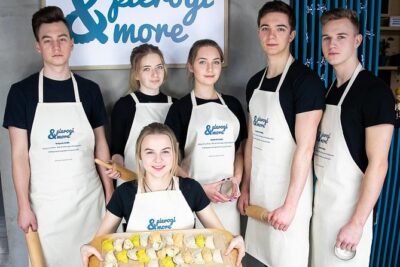
Warsaw’s No 1 cooking class-Polish dumplings with liqueur tasting
Read the review →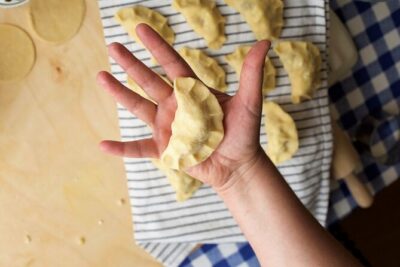
Pierogi Cooking Class with Market Shopping and Local Snacks
Read the review →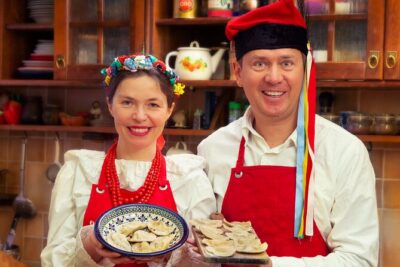
Krakow Pierogi Cooking Class with Market Visit & Home-Cooked Meal
Read the review →
Food Tour of 10 Tastings with Pierogi, Vodka & More
Read the review →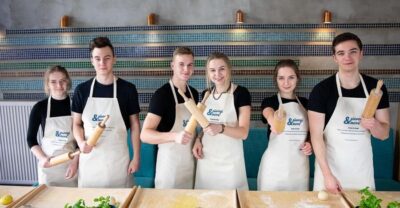
Browse the lists this tour appears in