
Reviewed · AUSCHWITZ-BIRKENAU MEMORIAL TOURS
From Krakow: Auschwitz-Birkenau Tour with Transportation
Auschwitz-Birkenau is not a sightseeing stop in the usual sense. It is a place of evidence, memory, and painful human stories. This tour takes you from Krakow to both parts of the former Nazi camp system, with a museum guide explaining the political background, daily life, deportations, and mass murder behind what you see.
I like the direct transport from Krakow, including the ride between Auschwitz I and Birkenau. I also like the museum-issued headset, which helps you hear the guide clearly among large groups. The main drawback is the pace: with roughly two hours at Auschwitz I and 50 minutes at Birkenau, you get a strong introduction but not time to examine every building.
Key points to know before booking
- Two separate camp sites: You visit Auschwitz I and Auschwitz II-Birkenau, with transport between them.
- About 7.5 hours door to door: The schedule includes roughly 100 minutes going out and 70 minutes returning to Krakow.
- Meeting point only: Departures begin at Plac Matejki 2. Hotel pickup is not provided.
- Museum guide included: English and Spanish options are available, with a portable headset for each person.
- Strict entry rules: Bring matching photo identification, and keep bags under 30 x 20 x 10 centimeters.
- A serious, tiring day: The subject matter is emotionally heavy, and the walking can be more demanding than the timetable suggests.
Why this Krakow day trip matters
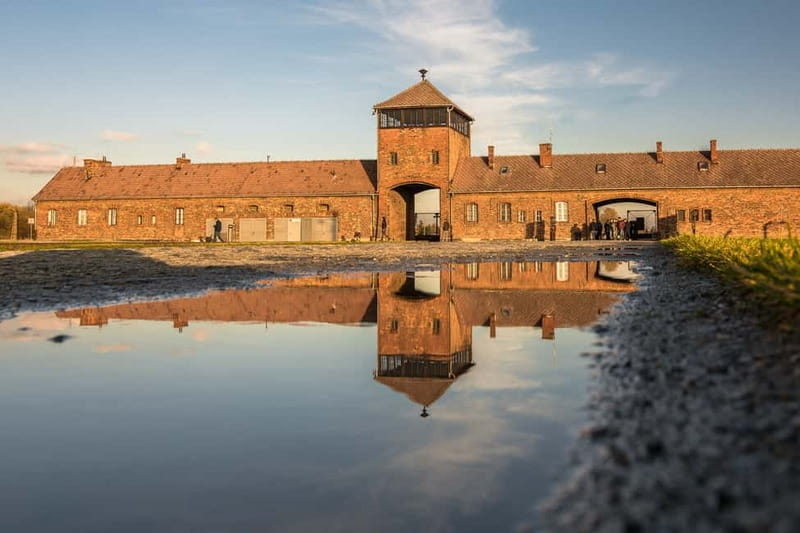
The Auschwitz-Birkenau Memorial and Museum preserves two connected sites created by Nazi Germany during the Second World War. Auschwitz was established near Oświęcim in 1940, initially to imprison large numbers of Poles arrested by the Nazi regime. By 1942, the camp system had become a central site in the Nazi plan to murder Europe’s Jews.
The tour also addresses the persecution and murder of Poles, Roma and Sinti, Soviet prisoners of war, and many other groups. That wider context matters. Auschwitz was not only a place of mass murder, but also a system of imprisonment, forced labor, starvation, punishment, deportation, and organized terror.
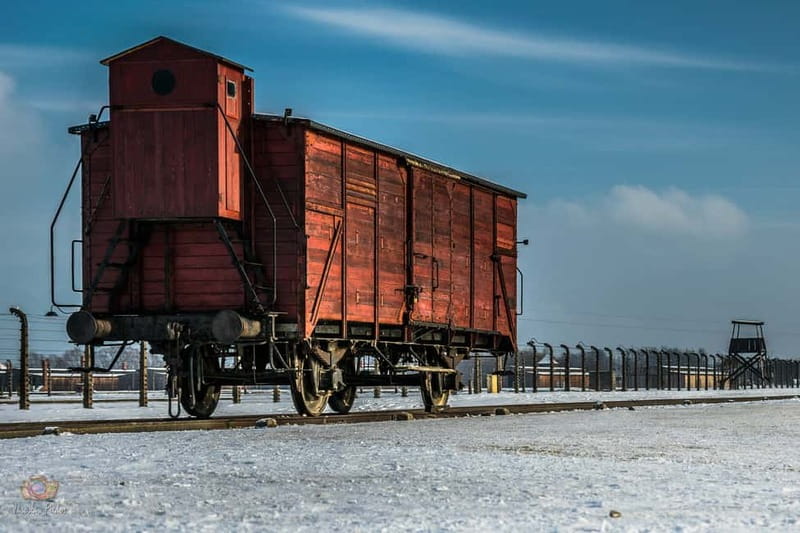
You do not simply arrive, take a few photographs, and leave. The guide connects the surviving buildings and objects to the people who were held there. Prison blocks, luggage, shoes, documents, barracks, railway tracks, crematorium ruins, and fences become part of a larger explanation of how the camp worked.
That is why a guided visit is useful. Without context, the site can feel like a collection of old buildings. With a good guide, the physical remains show how an entire system was planned and operated.
Other ways to visit Auschwitz-Birkenau from Kraków:
- From Krakow: Auschwitz-Birkenau Guided Tour & Hotel Pickup
★ 4.5 · 33,358 reviews - From Krakow: Auschwitz-Birkenau Guided Tour & Hotel Pickup
★ 4.5 · 29,340 reviews - Krakow: Auschwitz Guided Tour with Optional Hotel Pickup
★ 4.5 · 15,280 reviews
Meeting at Plac Matejki 2
The day begins at Plac Matejki 2, on the edge of Krakow’s central area. The office is marked with the Cracow City Tours logo, and the coach departs directly from this one meeting point. There is no hotel pickup, so allow time to reach the square and find the correct vehicle.
The departure area can become confusing when several buses and language groups gather at once. Get there early, confirm your language, and listen carefully for boarding instructions. The English and Spanish groups may not use the same coach or guide.
Once aboard, the road journey to Oświęcim takes about 100 minutes. Some departures may begin very early, with pickup times around 4 a.m. or 6 a.m. An early start can feel rough, but it may get you to an earlier museum entry slot and back in Krakow by early afternoon.
That timing is useful if you have an evening train, another appointment, or simply want some quiet time after the visit. The ride itself is also a chance to rest. Some departures have included an introductory film, though small screens and road noise can make it difficult to hear every word.
Auschwitz I: brick blocks and personal evidence
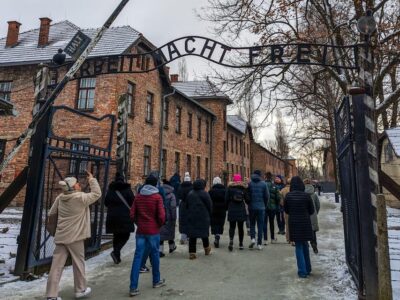
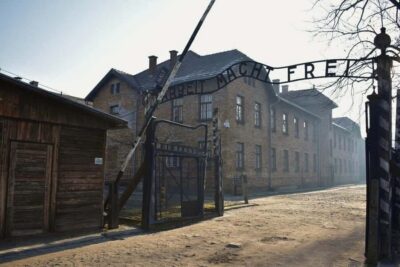
Auschwitz I is the smaller and more enclosed part of the memorial. Its famous entrance gate carries the cruel message Arbeit Macht Frei. From there, the route moves through former prison blocks and exhibition rooms.
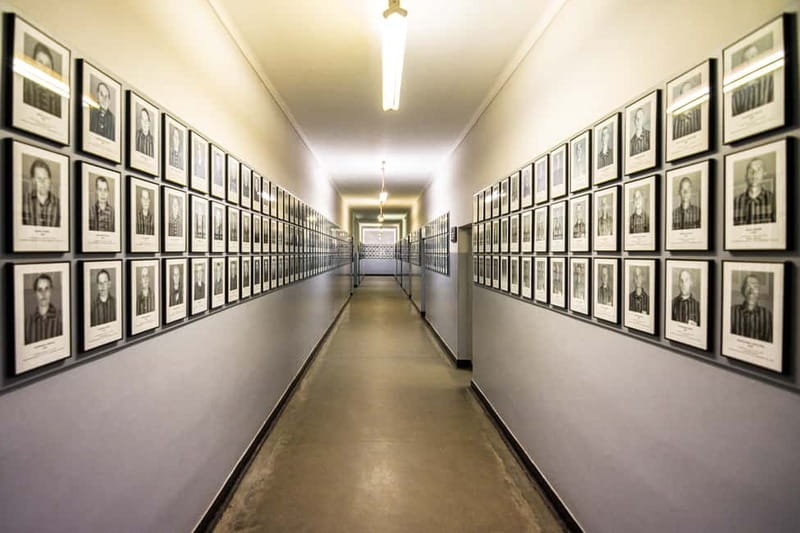
This is where the visit often feels most personal. Inside the blocks, the museum presents objects taken from people who were deported to the camp, along with photographs, records, and explanations of the prison system. The displays show the scale of the crime while also pointing back to individual lives.
You will hear about arrests, selections, forced labor, punishment, starvation, disease, and the use of prisoners in medical experiments. The guide also explains how Nazi authorities built a system that depended on paperwork, transport, guards, barracks, labor, and murder facilities.
The tour includes prison blocks, gas chambers, and a crematorium area. These are not presented as separate curiosities. The guide ties them to the larger process of imprisonment and extermination.
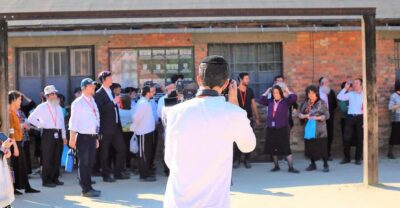
Expect around two hours at Auschwitz I. That sounds generous, but it passes quickly. Groups move through set routes, and the museum regulates visitor flow. You may need to stay close to the guide, especially when several groups are moving through the same buildings.
The portable headset is important here. A guide may be speaking in a quiet voice out of respect for the site, while other groups and visitors are nearby. Headsets have occasionally suffered technical problems, so tell the guide promptly if you cannot hear.
The break between the two camp sites
After Auschwitz I, you have a short break of about 20 minutes before visiting Birkenau. The coach transfers you between the two parts of the memorial, so you do not need to arrange separate transport.
Use this pause for the toilet, water, or a small snack if available. Food and drinks are not included, and food is not allowed inside the museum areas. A bookshop and gift shop may be open during breaks, but keep your visit focused and respectful.
There is another short pause after the Birkenau visit. Smoking is permitted only outside the museum grounds. Large bags should remain on the bus or in lockers, because the museum allows only small bags measuring no more than 30 x 20 x 10 centimeters.
Same base, a different kind of day:
- Krakow–Zakopane: Cable Car, Chocholow Baths, Cheese & Vodka
★ 5.0 · 10,720 reviews - Krakow: Auschwitz-Birkenau Guided Tour with Pickup & Lunch
★ 4.5 · 9,800 reviews - From Krakow: Wieliczka Salt Mine Tour
★ 4.6 · 9,393 reviews - Krakow: Auschwitz-Birkenau Guided Tour Pickup/Lunch Options
★ 4.5 · 9,057 reviews
Birkenau: scale, distance, and silence
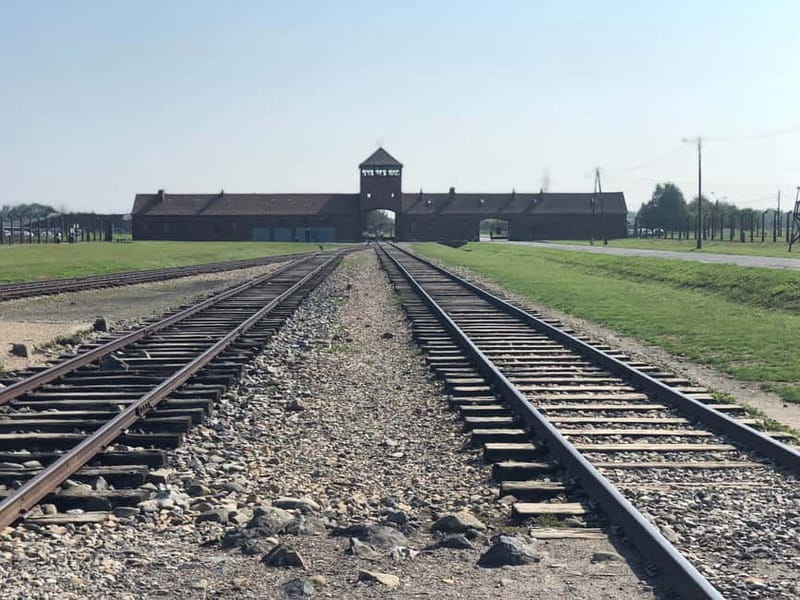
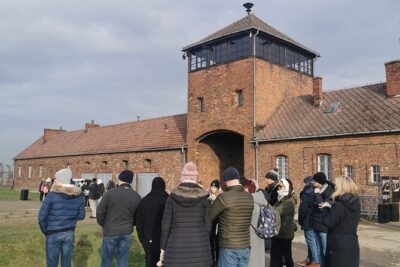
Auschwitz II-Birkenau is much larger and more open than Auschwitz I. The entrance gate, railway area, long fence lines, barracks, watchtowers, and open ground make the scale of the camp easier to grasp.
The railway platform is especially important. Deportees arrived by train, and selections took place soon after arrival. The guide explains how people were divided, often with no clear understanding of what awaited them.
The surviving barracks and ruins show the camp’s size, but the 50-minute visit is necessarily selective. You will see key areas rather than every section. Some earlier visits to the site included more buildings, and visitors who want a slower, more detailed look may find this part hurried.
The short time also reflects practical limits. The site is large, the walking distances are real, and the museum has many groups moving through it. Stay close to the guide and wear sensible shoes. In wet or cold weather, the exposed setting can feel severe. In summer, there is limited shade along some routes.
Birkenau can be less about individual objects than about scale. The wide open area, repeated barracks, railway tracks, and long boundaries help you understand the industrial organization of the camp system. The guide’s explanation gives meaning to a place that might otherwise feel stark and empty.
How the schedule works in real life
The advertised duration is 450 minutes, or 7.5 hours. The listed structure is approximately:
- 100 minutes by coach from Krakow
- 20-minute break at the museum
- Two hours at Auschwitz I
- 20-minute break
- 50 minutes at Birkenau
- 15-minute break
- 70 minutes by coach back to Krakow
The total may vary with traffic, museum entry procedures, and the exact departure time. Still, the fixed structure makes this a practical choice if you need a predictable day.
The coach remains part of the day, rather than leaving you to find your own way between the two sites. Drivers have been praised for being helpful and professional, and some departures use comfortable coaches. Conditions can vary, but organized transport is much simpler than trying to coordinate local buses around timed museum admission.
Expect plenty of walking. This is not a coach-only tour with brief photo stops. You move through blocks, grounds, paths, and open areas. The subject matter adds another kind of fatigue. Planning the Salt Mines or another major attraction on the same day would be too much for many people.
The guide makes the biggest difference
Your museum guide leads the serious portion of the visit. Strong guides explain clearly, answer questions, and know when to pause rather than fill every second with speech.
One guide praised by name was Mateusz, whose clear English and measured approach helped visitors follow both camp sites. Vlad was also singled out for offering an insightful explanation, and Martin received warm praise for his helpful manner on the coach. These names do not guarantee who will lead your group, but they show the level of guide service this operator has provided.
Some guides are Polish, and their personal connection to the place can add weight to the presentation. One Spanish-booked participant was placed in an English group and found the Polish guide’s heartfelt delivery especially affecting. If language matters to you, check the booking carefully and confirm that you selected the right day and language.
The coach tour leader and the museum guide may be different people. The coach leader handles meeting instructions, tickets, timing, and transfers. The museum guide handles the historical tour. On some departures, the same museum guide stays with the group for both Auschwitz I and Birkenau, which makes the explanation easier to follow.
Price and what you receive for $86
At $86 per person, this is not the cheapest way to reach Oświęcim, but it is a fair package for a full day. The cost covers entrance tickets, transport from Krakow, transport between Auschwitz I and Birkenau, a tour leader, museum headsets, and insurance during the activity.
The main value is reduced hassle. You do not need to find a separate museum ticket, work out the transfer between sites, or search for a guide after arriving. The ticket-line access also matters because admission is tied to timed entry and personal details.
The price does not include hotel pickup, food, or drinks. You must reach Plac Matejki 2 yourself. For a solo visitor or anyone uncomfortable arranging regional transport, the all-in-one setup is worth paying for.
The experience is less attractive if you want to explore independently or spend half a day studying individual exhibits. The route and timing are controlled, and the group must follow the museum’s schedule.
Practical advice before you go
Bring a passport, national ID card, or other accepted identification. Children also need identification, and the name on the booking must match the name on the document used at entry. A mismatch can lead to refused admission.
Pack light. The museum does not allow large luggage, and backpacks or handbags must not exceed 30 x 20 x 10 centimeters. Leave suitcases at your accommodation or on the coach if permitted by the driver.
Dress for the weather and choose comfortable shoes. The site includes indoor exhibitions and long outdoor stretches. A winter visit can be bitterly cold, while summer walking may feel exposed.
Photography is allowed, but flash photography is not permitted inside the blocks. Keep your phone quiet and treat the memorial as a place of remembrance, not a normal attraction. The behavior of other groups is outside the operator’s control, so focus on the guide and the people whose lives are being remembered.
The tour is not suitable for children under 14. Even older teenagers may need a conversation beforehand about what they will see and hear. This is an upsetting visit, and feeling sad, angry, or drained afterward is normal.
Who should book this tour?
Book it if you want a structured first visit from Krakow, need dependable transport, or prefer a guide to explain the history as you move through the buildings. It also suits you if your schedule depends on returning to Krakow at a fairly predictable time.
Think twice if you dislike early starts, group pacing, or a fixed route. You should also reconsider if you want extensive time at Birkenau, since 50 minutes there is enough for the main areas but not for a slow survey of the entire camp.
The tour is best for adults and older teenagers who are ready for a serious memorial visit. It is not a fun day out, and no responsible description should pretend otherwise. It is an important one, provided you give it your full attention.
Should you book the Auschwitz-Birkenau tour?
I would book this tour if convenience and historical guidance matter more to you than independence. The transport is straightforward, the entry arrangements remove much of the uncertainty, and the guide-led route gives useful context to both Auschwitz I and Birkenau.
The tradeoff is pace. You will see the essential sections, but you will not have unlimited time for reflection or every exhibition. Bring identification, travel light, wear good shoes, and leave space in your day afterward. At $86, it offers solid value for a carefully organized introduction to one of Europe’s most important memorials.
FAQ
Where does the tour leave from in Krakow?
The meeting point is Plac Matejki 2, also called Matejki Square 2. This is the only meeting point, and hotel pickup is not provided.
How long does the Auschwitz-Birkenau tour last?
The scheduled duration is 450 minutes, or about 7.5 hours. This includes the coach journey from Krakow, visits to both camp sites, breaks, and the return journey.
Does the tour visit both Auschwitz I and Birkenau?
Yes. The schedule includes about two hours at Auschwitz I and about 50 minutes at Auschwitz II-Birkenau, with transport between the two sites.
Is transport included?
Yes. Transportation from Krakow to Oświęcim, between Auschwitz I and Birkenau, and back to Krakow is included.
Is a guide included?
Yes. An English-speaking tour leader is included, and museum guiding is available in English or Spanish. Each visitor receives a portable headset.
What identification should I bring?
Bring your passport, ID card, or driver’s license. Children must also bring a passport or ID card. The name on your booking must match the identification used at entry.
Can I bring a large backpack or suitcase?
No. Backpacks or handbags brought into the museum must not exceed 30 x 20 x 10 centimeters. Large bags and oversize luggage should be left on the coach, in your accommodation, or in the available lockers.
Is the tour suitable for children?
The activity is not suitable for children under 14. The subject matter is distressing, so consider the age and emotional readiness of older children carefully.
Just added in Kraków
- From Krakow: Guided Tour of Zalipie★ 4.6 · 30 reviews
- From Krakow: Zalipie Village Day-Tour★ 4.9 · 74 reviews
- Krakow: Zalipie Village Tour★ 4.6 · 8 reviews
- ZALIPIE – painted village, unique PRIVATE tour from Krakow★ 5.0 · 20 reviews
- From Krakow: The Black Madonna of Czestochowa & John Paul II Family Home★ 5.0 · 28 reviews
- Energylandia Theme Park Full Day with optional Krakow Pickup★ 5.0 · 38 reviews
- Krakow City Tour on Scooter and Food Tasting with English Guide★ 5.0 · 84 reviews
- Ojców National Park and Ogrodzieniec Castle Tour from Krakow★ 5.0 · 21 reviews
Auschwitz-Birkenau Memorial Tours, compared.
Auschwitz-Birkenau Guided Tour & Hotel Pickup
Read the review →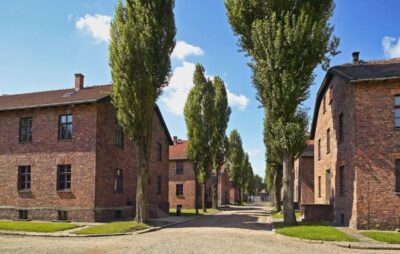
Auschwitz Guided Tour with Optional Hotel Pickup
Read the review →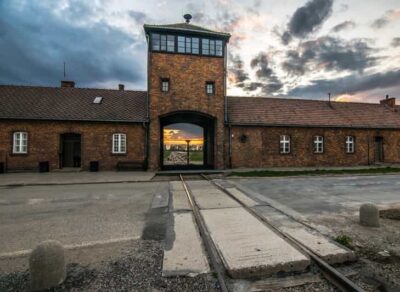
Auschwitz-Birkenau Guided Tour with Pickup & Lunch
Read the review →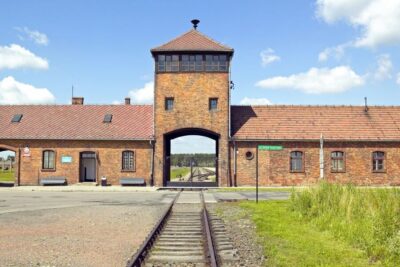
Krakow to Auschwitz Birkenau Guided Tour with Transfer and Ticket
Read the review →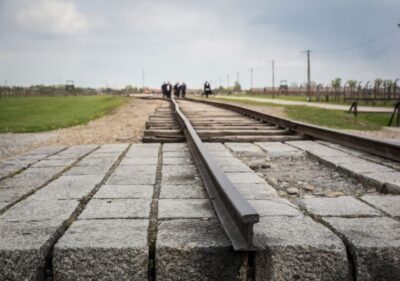
Auschwitz Birkenau Small Group Tour with Pickup
Read the review →Browse the lists this tour appears in