Reviewed · TOURS IN KRAKÓW
The best view of Krakow from Golf Cars
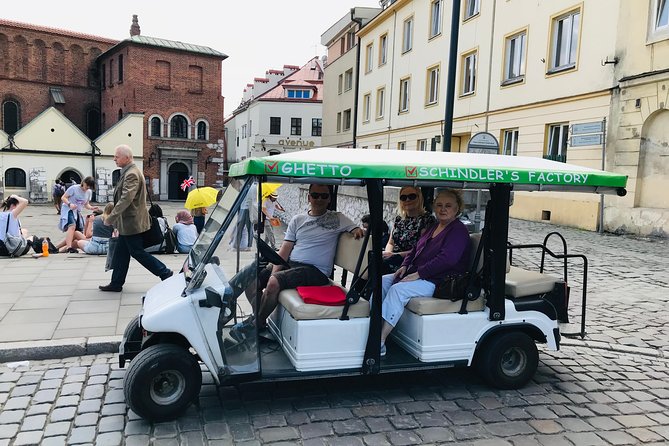
Krakow is easiest to understand from street level, and this small electric golf cart reaches lanes and squares that a full-size sightseeing bus cannot. In about two hours, you move from the medieval Old Town to Wawel Hill, across Kazimierz, and into Podgórze, the district once occupied by the Krakow Ghetto.
I like the seven-person maximum, which keeps the ride more personal than a standard city bus. I also like the mix of live commentary and audio guide support, including 26 languages, plus short stops at the Wawel Dragon, Church on the Rock, Szeroka Street, and Plac Bohaterow Getta.
The main caution is reliability. The published score is 3.7 out of 5 from 11 ratings, and two serious accounts report that booked carts never arrived. If you book, confirm the meeting details and leave enough flexibility in your day to handle a possible change.
Key points to know before booking
- A route across three distinct parts of Krakow: You see the Old Town, royal Wawel, Jewish Kazimierz, and Podgórze in one compact outing.
- A true small-group format: The vehicle carries a maximum of seven people, with the price set per group rather than per passenger.
- English help plus 26-language audio: The driver provides live information in English, while the audio guide covers many other languages.
- Useful in poor weather: The carts have special covers for cold or rainy conditions, though cancellation remains possible if weather is judged unsuitable.
- Short stops rather than long visits: Most stops last five or ten minutes, so this is an orientation tour, not a substitute for museum visits.
- Good value for a private group: At $103.03 for up to seven people, the cost works out well for a full group, but less so for one or two people.
Why a golf cart works well in Krakow
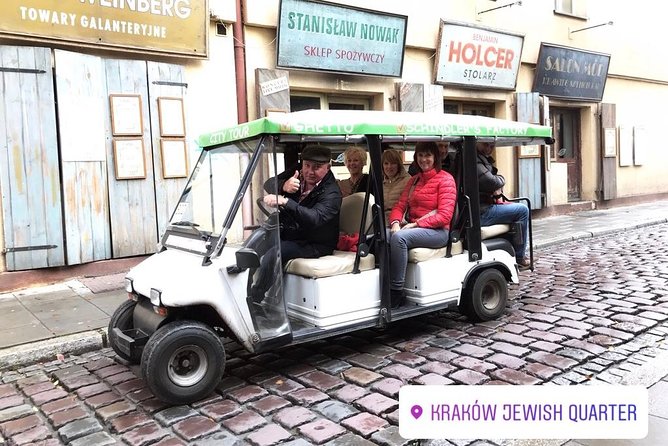
Krakow’s historic center is compact, but its most important sights are spread across several districts. A bus can cover the distance, yet it may be unable to enter the narrower streets around Kazimierz or stop close to smaller churches and squares.
The golf cart gives you a useful middle ground. You are not walking the entire route, but you are also not sealed inside a large coach. You can look up at buildings, take photographs during the stops, and hear commentary while moving between sights.
This matters most in Kazimierz and Podgórze. The districts are close enough to connect in one tour, but far enough apart that covering them on foot takes time. The cart lets you see the broad pattern of Krakow’s past without using half a day simply to get from one area to another.
The experience is best viewed as a first look at Krakow. You get names, stories, photographs, and a sense of direction. You do not get enough time to tour every church, synagogue, or museum interior.
Other trips people book in Kraków:
- From Krakow: Auschwitz-Birkenau Guided Tour & Hotel Pickup
★ 4.5 · 33,358 reviews - From Krakow: Auschwitz-Birkenau Guided Tour & Hotel Pickup
★ 4.5 · 29,340 reviews - Krakow: Auschwitz Guided Tour with Optional Hotel Pickup
★ 4.5 · 15,280 reviews
Starting at Matejki Square and entering the Old Town
The meeting point is at plac Jana Matejki 2, near public transportation. The first sights introduce the medieval city and its later national symbolism.
You pass the historic gateway built around 1498, one of the entrances leading into Krakow’s Old Town. This is a useful opening because it shows how the old city was once approached and protected. The route then reaches the Grunwald Monument, a large memorial to the Battle of Grunwald, one of medieval Europe’s major conflicts and an important symbol of Polish national pride.
Next comes Planty Park, the broad green belt that circles the Old Town. It follows the line of the medieval walls, most of which disappeared in the early nineteenth century. From a moving cart, the park helps you read the shape of Krakow: the old fortified core is inside, while the later city grew beyond it.
The stop is more about orientation than close inspection. If you want detailed time at the monument or the park, return on foot later.
Wawel Hill and the dragon by the Vistula
Wawel Castle is the tour’s grandest historical sight. For centuries, it served as the residence of Poland’s kings and became a national symbol. Today, it houses one of Poland’s major art museums and forms part of the UNESCO-listed Historic Centre of Krakow.
The cart gives you an outside view and a chance to place the castle above the Vistula River. Admission to the castle is not included, and the schedule does not allow time for an interior visit. That is not a flaw if you want a city overview, but you should plan a separate visit if the royal collections or castle rooms matter to you.
The Wawel Dragon receives a ten-minute stop. In Polish folklore, the dragon lived in a cave at the foot of Wawel Hill. The monument is a light, memorable change after the weightier castle story, and its position near the river makes it a convenient photo stop.
The Bernardine Church follows near the base of the hill. The current building dates from the second half of the seventeenth century. You also pass a baroque church built between 1719 and 1728, giving you a quick look at the religious architecture clustered around Wawel.
Church on the Rock and the river crossing
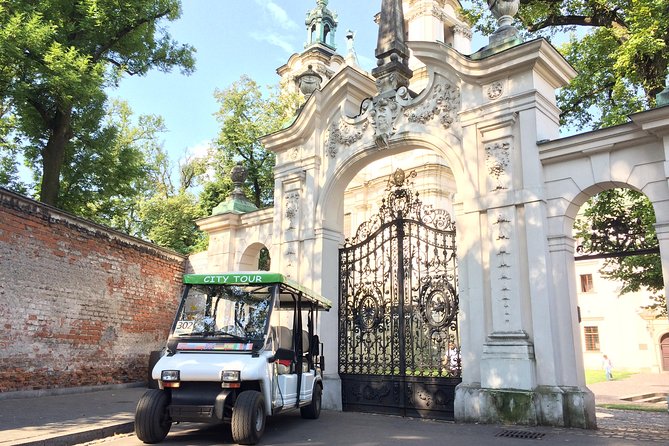
Church on the Rock, or Kosciol na Skalce, is one of Poland’s best-known sanctuaries. A church has occupied this site for centuries, and the Pauline Fathers have held it since 1472. The current interior received its baroque decoration between 1733 and 1751.
You have ten minutes here, enough to appreciate the setting and take photographs. The tour does not include admission, and the short schedule means you should not expect a full examination of the art or religious history.
The route then reaches Wolnica Square, part of the former market area of Kazimierz. This is where the atmosphere shifts from royal Krakow to the old district that developed as a separate Jewish city from the late sixteenth century through the mid-nineteenth century.
The Father Bernatek Footbridge links Kazimierz with Podgórze across the Wisła River. The stop lasts five minutes, so think of it as a quick landmark pause rather than a bridge walk. It helps you understand how the districts connect and gives you a clear sense that Krakow’s story continues across the river.
Same base, a different kind of day:
- Krakow–Zakopane: Cable Car, Chocholow Baths, Cheese & Vodka
★ 5.0 · 10,720 reviews - Krakow: Auschwitz-Birkenau Guided Tour with Pickup & Lunch
★ 4.5 · 9,800 reviews - From Krakow: Wieliczka Salt Mine Tour
★ 4.6 · 9,393 reviews - Krakow: Auschwitz-Birkenau Guided Tour Pickup/Lunch Options
★ 4.5 · 9,057 reviews
Kazimierz, from Corpus Christi to Szeroka Street
Corpus Christi Church was founded by King Casimir III in 1335. Its interior combines Polish Gothic structure with later Polish baroque decoration. The ten-minute stop gives you a chance to see one of the district’s major churches before the route turns toward Jewish Kazimierz.
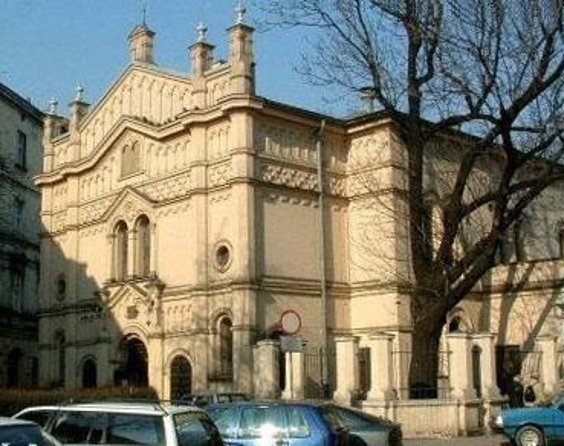
Tempel Synagogue was built in the 1860s as a progressive synagogue. Admission is not included, and the scheduled stop lasts five minutes. You can photograph the exterior, but you should return independently if you want to see the interior properly.
The route also passes several other synagogues, including the synagogue built in the 1640s, the synagogue founded in the 1530s, and the High Synagogue, the third synagogue built in the old Jewish city. These quick views are useful because they show how many religious buildings once served a relatively concentrated community.
Plac Nowy adds a more everyday note. The square was part of the Jewish city, and its most recognizable feature is the Okrąglak, a covered market hall built around 1899 and 1900. The stop connects historic Kazimierz with its later market life.
Stara Synagoga, now part of the Krakow Museum, is identified as the oldest synagogue on the route. It dates from 1407 or 1492, depending on the source used for its foundation date, and contains a permanent exhibition of Judaica. Ten minutes is not enough for the museum. Admission is also extra, so treat this stop as a prompt to return.
Szeroka Street receives ten minutes and is the heart of the Jewish district. This is one of the route’s most important stops because several major sights and stories gather in one place. You also pass the synagogue built in the 1620s, now used as a cultural center and a venue for workshops and lectures during the Jewish Culture Festival.
The route includes the house where Helena Rubinstein was born, another small detail that makes the district feel personal rather than purely monumental.
Remuh Synagogue and the memory of Jewish Krakow
Remuh Synagogue forms part of a distinctive complex of Jewish architecture and sacred art dating from the mid-sixteenth century. It remains a center of religious life, and the ten-minute stop gives you a chance to see the exterior and understand its place within Kazimierz.
Admission is not included. The same applies to Stara Synagoga and Tempel Synagogue. This arrangement keeps the golf cart moving, but it means the tour is not designed for anyone who wants extended time inside religious buildings.
I appreciate that the route does not reduce Kazimierz to attractive facades and cafés. It includes the former Jewish city, its synagogues, its market square, and the transition toward Podgórze. You get a clearer sense of the district as a lived community, not just a sightseeing quarter.
The audio guide can be especially useful here. It operates in 26 languages, while the driver adds information in English during the ride. One guide identified as Mikhal is praised for clear English, useful facts, safe driving, and a friendly manner. The named provider is Michal Urban, though the individual driving your cart may vary.
Podgórze, the ghetto square, and St. Joseph’s
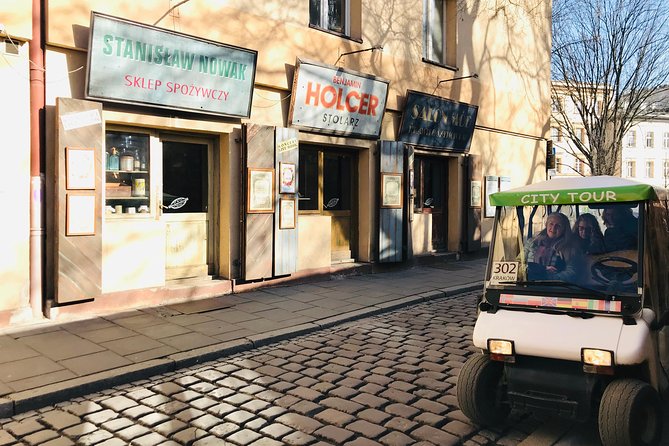
The route crosses into Podgórze and reaches Plac Bohaterow Getta, the former Krakow Ghetto square. Nazi Germany created the ghetto during the Second World War as one of five major metropolitan Jewish ghettos. The five-minute stop is brief, but the location is important and solemn.
You also pass the pharmacy that served as the only pharmacy in the Krakow Ghetto. It now contains a museum exhibition. A fragment of the ghetto wall remains on Lwowska Street, and the former entrance area near Limanowskiego Street is included in the route.
These details make this part of the tour more than a quick drive through another district. You see how the ghetto was bounded, where people entered, and how the neighborhood’s present streets still carry traces of that period.
The final stop is St. Joseph’s Church on Podgorski Square. The church dates from the twentieth century, and the five-minute pause provides a quiet architectural finish after the difficult history of the ghetto.
Because the schedule moves quickly, I would not rely on this tour alone for a full understanding of Krakow’s wartime history. But it does point you toward places that deserve a separate visit, including the pharmacy museum and the remaining wall.
Price, group size, and practical value
The listed price is $103.03 per group of up to seven people. For seven people, that is about $14.72 per person. For four people, it is about $25.76 each. For two people, the cost rises to roughly $51.52 per person.
That makes the tour most attractive for families or friends who can fill the vehicle. The fixed group price is less compelling for a solo visitor or couple, especially since museum admissions, food, and drinks are not included.
You receive an English-speaking driver, an audio guide system in 26 languages, photographs during the tour, and pickup service is offered. The activity begins and ends at plac Jana Matejki 2, so you should allow time to reach that meeting point.
The tour lasts about two hours and is commonly booked well ahead, with an average booking lead time of 29 days. That suggests you should reserve early if your Krakow dates are fixed, particularly if you need a specific departure time.
The vehicles have special covers for cold and rainy days. Still, the activity can be canceled for poor weather or if the minimum number of participants is not reached. In either case, you are offered another date or experience, or a full refund.
Cancellation is free up to 24 hours before the start time. After that, the payment is not refunded, and changes are not accepted within 24 hours.
The serious reliability warning
The strongest negative issue is not the route or the commentary. It is the possibility of a no-show.
Two published accounts describe booked golf carts failing to arrive, including a group that had reserved two carts for eight people. The people affected said they could not reach the cart operators and were left trying to arrange a refund. That is a major concern, particularly if this is your first afternoon in Krakow or if you have limited time.
The positive side of the service is clear when it works. The driver may offer extra facts during the ride, answer questions, make photo stops, and provide safe driving. One account specifically praises a friendly English-speaking guide, another notes that the Dutch audio worked well, and another found the Italian audio useful while the driver added detail in English.
I would contact the provider shortly before the scheduled time and confirm the meeting place, vehicle, and phone contact. Do not schedule a timed museum entry immediately afterward. That small buffer protects your day if the cart is delayed or the route runs longer than expected.
Who should book this Krakow tour?
I would choose this experience if you want a broad first orientation and prefer sitting to walking between districts. It suits families, older visitors, and groups that want to see Kazimierz and Podgórze without spending hours on foot.
It also works well for a group of friends because the fixed price becomes reasonable when divided among six or seven people. The covered vehicle is helpful in unsettled weather, though you should still accept the possibility of a weather-related cancellation.
I would not choose it as my only Krakow activity if your main goal is museum time, synagogue interiors, or detailed historical study. The many five and ten-minute stops are useful introductions, but they cannot replace a proper visit to Wawel Castle, Stara Synagogue, Remuh Synagogue, the pharmacy museum, or the other sites.
Should you book this golf cart tour?
Book it for convenience, broad coverage, and the chance to connect the Old Town, Wawel, Kazimierz, and Podgórze in two hours. The route is thoughtfully varied, the small vehicle can reach places large buses cannot, and the audio system makes it accessible to a wide range of visitors.
The value is strongest when seven people share the $103.03 group price. The service record needs caution, so confirm shortly before departure and keep your schedule flexible. If the operator is reliable on your date, this can be a practical way to get your bearings before returning to the sights that deserve more time.
FAQ
How long does the Krakow golf cart tour last?
The tour lasts approximately two hours.
Where does the tour start and finish?
It starts at plac Jana Matejki 2, 31-157 Kraków, Poland, and ends back at the same meeting point.
How many people can join the tour?
The vehicle accommodates a maximum of seven travelers, and the listed price applies to a group of one to seven people.
Is an English-speaking guide included?
Yes. An English-speaking driver is included. The tour also provides an audio guide system in 26 languages.
What sights are included?
The route includes Krakow’s Old Town, the Grunwald Monument, Planty Park, Wawel Castle, the Wawel Dragon, Church on the Rock, Kazimierz, several synagogues, Szeroka Street, the Father Bernatek Footbridge, Plac Bohaterow Getta, and St. Joseph’s Church.
Are museum and synagogue admission fees included?
No. Admission to sites such as Tempel Synagogue, Stara Synagogue, and Remuh Synagogue is not included.
Can the tour operate in cold or rainy weather?
Yes. The vehicles have special covers for cold and rainy conditions. The activity can still be canceled because of poor weather, in which case you are offered another date or a full refund.
What is the cancellation policy?
You can cancel at least 24 hours before the start time for a full refund. Cancellations or changes made less than 24 hours before the start time are not accepted for a refund.
Just added in Kraków
- Wawel Castle, Old Town with St. Mary’s Church Guided Tour★ 5.0 · 3 reviews
- Wawel Castle, Old Town with St. Mary’s Church Guided Tour★ 5.0 · 5 reviews
- Wawel Castle, Cathedral, Old Town and St. Mary’s Basilica★ 4.8 · 13 reviews
- Wawel Castle, Cathedral, & Rynek Underground Tour with Lunch★ 4.5 · 10 reviews
- Wawel Castle & Cathedral Skip the Line Small Group Tour★ 5.0 · 3 reviews
- Wawel Castle and Cathedral Guided Tour★ 4.6 · 44 reviews
- Wawel Castle, Cathedral, Rynek Underground Tour with Lunch★ 5.0 · 3 reviews
- Wawel Castle and Cathedral Guided Tour★ 5.0 · 8 reviews
Tours in Kraków, compared.
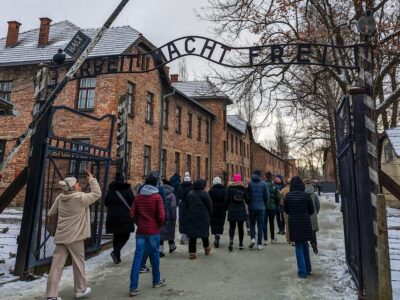
Auschwitz-Birkenau Guided Tour & Hotel Pickup
Read the review →
Auschwitz Guided Tour with Optional Hotel Pickup
Read the review →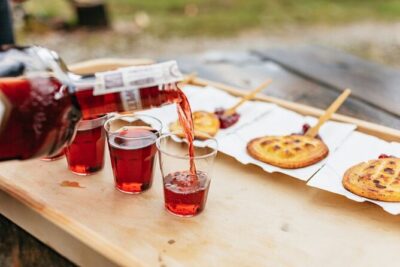
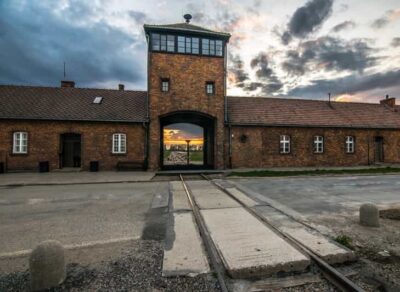
Auschwitz-Birkenau Guided Tour with Pickup & Lunch
Read the review →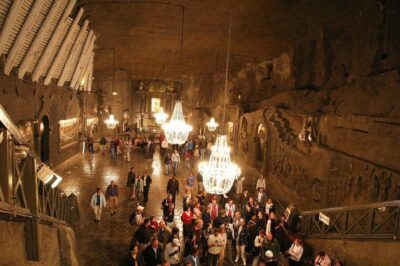
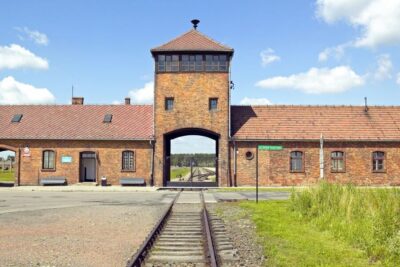
Krakow to Auschwitz Birkenau Guided Tour with Transfer and Ticket
Read the review →