
Reviewed · PIEROGI COOKING CLASSES
Warsaw: Polish Dumplings Cooking Class
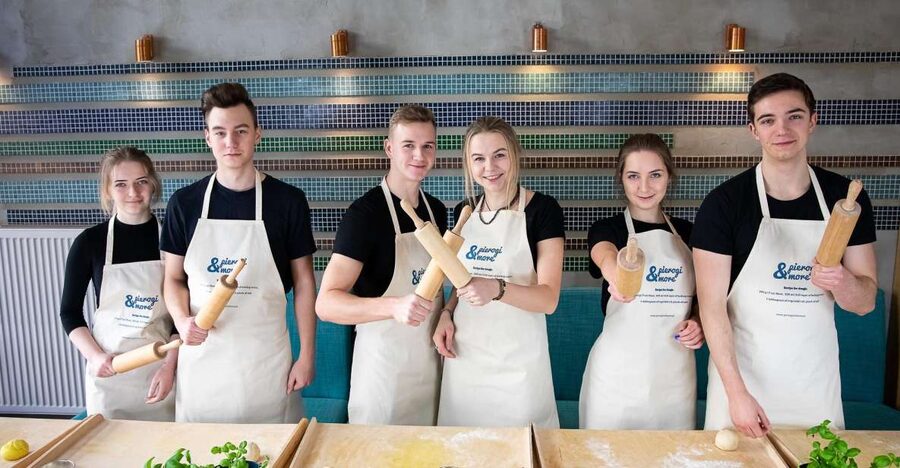
Pierogi are Poland’s edible comfort lesson, and this Warsaw class lets you make them from dough to dinner. You’ll hear a short introduction to their place in Polish food culture, then knead dough, prepare fillings, shape dumplings, and sit down to a generous plate of what you made. The hands-on work is the point, not a cooking demonstration from the sidelines.
I like the small group of up to 10, since hosts such as Maria, Daria, Ben, and Marysia can give personal help when a fold goes wrong. I also like the practical finish: you eat a full meal, taste Polish liqueurs in the evening class, and receive recipes plus a link to photos. The main consideration is timing: drinks are included only with the evening class, and the activity is non-refundable once booked.
Why this pierogi class earns a place in your Warsaw plans
- You make the dough yourself: Mixing and kneading gives you the basic skill needed to repeat the dish at home.
- Five folding styles are taught: Try classic shapes along with more decorative forms, including a tortellini-style fold.
- Meat, vegetarian, and vegan choices: The class works for mixed groups with different diets.
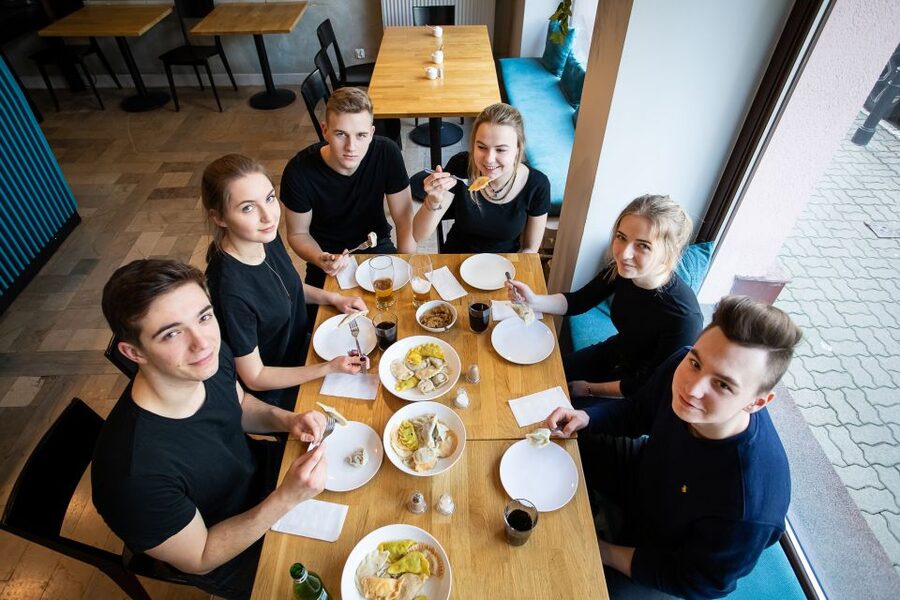
- A proper meal follows the lesson: You sit down to eat a large family-style serving of pierogi, not just one sample.
- Recipes and photos continue the experience: Recipes arrive by email, and a host-taken photo link gives you a useful souvenir.
- Evening bookings include Polish liqueur tasting: Morning participants can order drinks at their own cost.
From flour and filling to a Polish dinner
The experience takes place at Pierogi & More, at 3 Stawki Street in Warsaw’s 00-193 district. Enter from the street and look for the large Pierogi & More sign. Arriving on time matters because the class begins with a short introduction to the origins of pierogi and their role in Polish food culture.
That opening gives the cooking a little context. Pierogi are not merely dumplings to fill and boil. They are one of Poland’s best-known foods, and learning how they fit into everyday Polish cooking makes the meal feel less like a generic workshop. I would make this one of your first food activities in Warsaw if you want a useful introduction to a dish you will see across Poland.
The class lasts from two hours to 150 minutes, depending on the scheduled session. That is enough time for instruction, preparation, shaping, cooking, eating, and the evening tasting without turning the activity into an all-day commitment. You should still allow a little extra time around the booking, since the exact starting time depends on availability.
The setting is designed for hands-on work, with English instruction and a small group limited to 10 people. That size is important. You are likely to share a table with other participants, but the format allows the instructor to watch your technique and step in when your dough is too thick, your filling is too generous, or your dumpling refuses to seal.
Other kitchens to make pierogi in around Warsaw:
- Warsaw’s No 1 cooking class-Polish dumplings with liqueur tasting
★ 5.0 · 576 reviews - Pierogi Cooking Class with Market Shopping and Local Snacks
★ 5.0 · 343 reviews - Krakow Pierogi Cooking Class with Market Visit & Home-Cooked Meal
★ 5.0 · 212 reviews
Kneading dough is the first real lesson
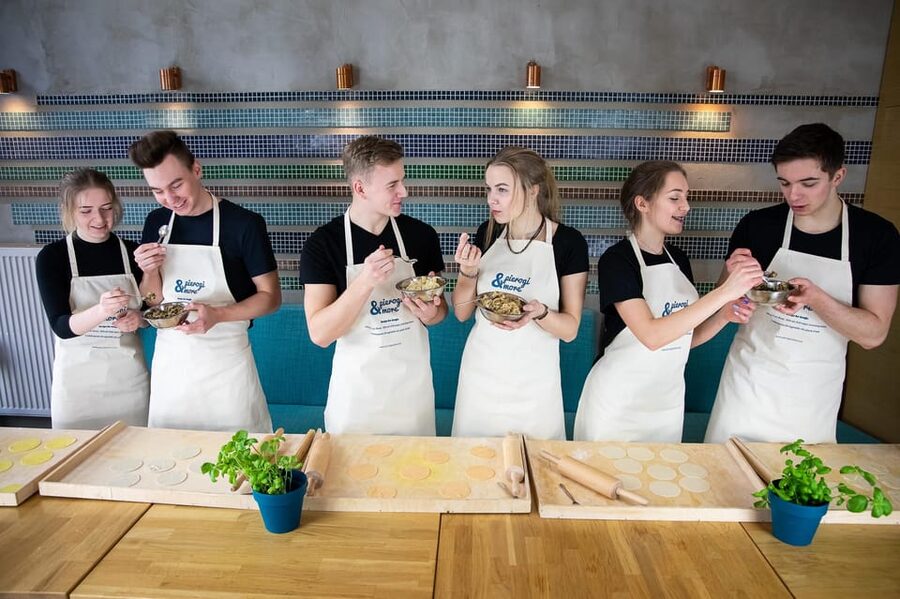
The class starts with the dough. You mix and knead it before rolling it out for cutting and filling. This is the useful part for home cooks, since dough texture can decide whether pierogi are tender and easy to seal or thick and difficult to handle.
The instructors break the process into manageable steps. Daria, Maria, Ben, Marysia, Nina, and other members of the team have led sessions, and the strongest pattern in the feedback is patient, clear instruction. You do not need advanced cooking skills. Beginners can take part, while children old enough to follow the lesson can still have a meaningful role.
The dough stage also keeps the class from feeling like a staged tasting. You are not simply watching a chef prepare an attractive plate. You are handling the ingredients and learning the basic rhythm of the dish. That makes the recipe booklet more useful later, because you have already felt how the dough should behave.
The class is taught in English. Most of the available comments describe the hosts as easy to follow and helpful, though one older comment found the chef’s English somewhat difficult to understand. I would not treat that as a major concern, but if you depend on very detailed spoken instruction, stay close to the instructor and watch the demonstrations carefully.
Choosing between meat, vegetarian, and vegan fillings
After the dough comes the filling. You can choose a meat filling or a vegetarian or vegan option, which makes this a sensible activity for couples and families with different diets. The exact selection can vary, but the class may include several types at once.
One session included four varieties: vegan, vegetarian, and two meat fillings. That variety gives you more than one answer to the question of what a pierogi can be. It also helps if you are unsure which filling you like best. You can compare the results at the final meal instead of committing to a single style from the start.
The instructors also explain ways to add creativity through fillings and toppings. I like this approach because it respects tradition without treating pierogi as a fixed formula. You learn a classic Polish dish, then see how small changes can make it your own.
An onion oil topping has accompanied one class, and participants have also expressed interest in fruit-filled pierogi. The precise menu is not guaranteed, so do not book expecting a particular filling or topping. The dependable part is the choice between meat, vegetarian, and vegan preparation.
If you have dietary needs, select the appropriate option when booking or confirm the details before arrival. The information provided confirms vegetarian and vegan choices, but it does not promise that the class can accommodate every allergy or restriction.
Five ways to seal a dumpling
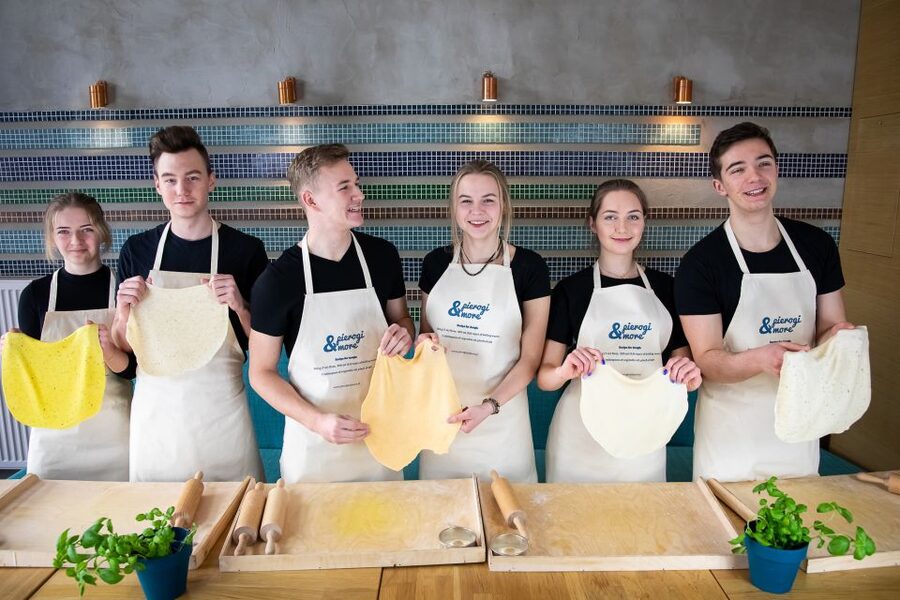
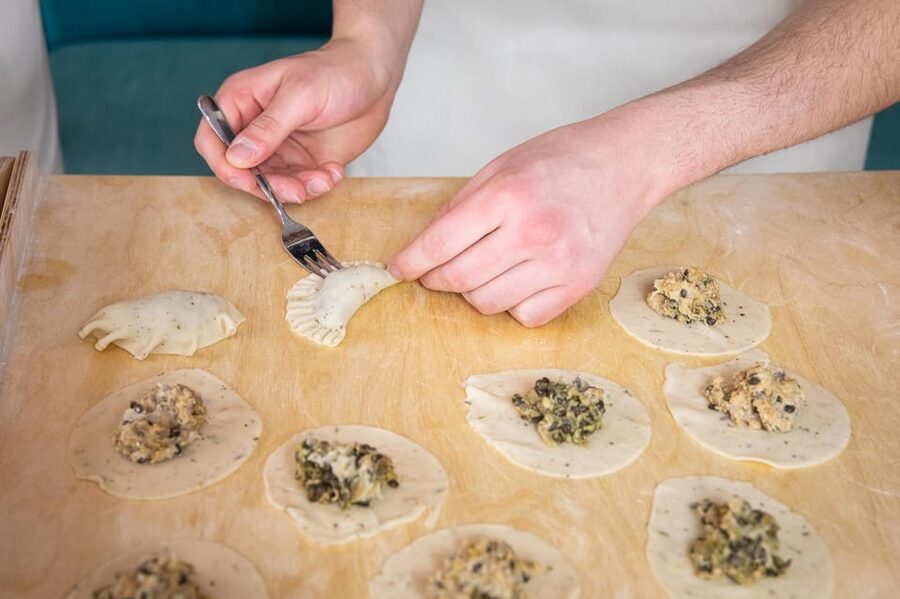
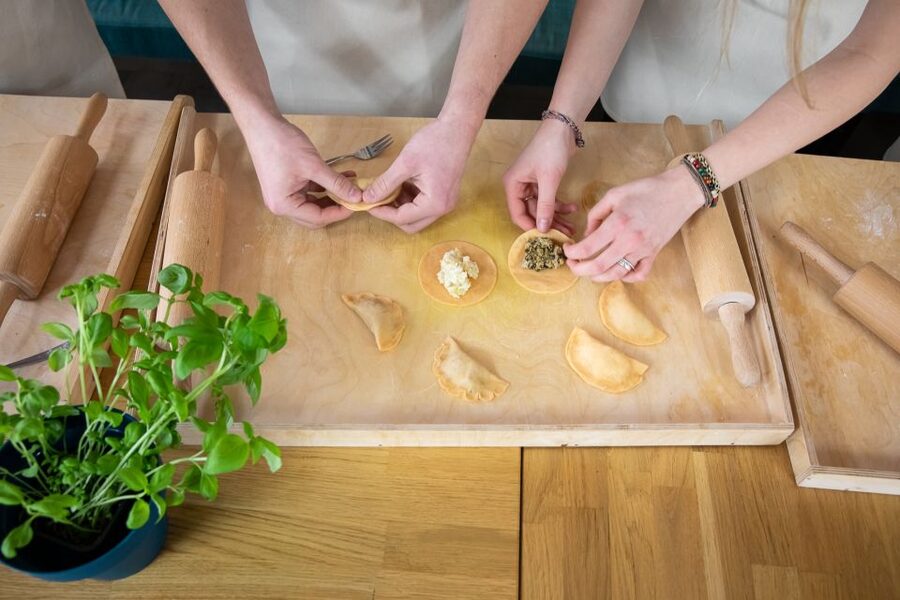
The most playful part is shaping the pierogi. Once the dough circles are filled, you pinch the edges closed and learn different decorative methods. Five sealing styles may be taught, including a tortellini-like shape.
This is where the class becomes more than a recipe lesson. The filling can be good, but a poorly sealed dumpling may open during cooking. You learn how to avoid that and how to make the finished dumplings look presentable. The instructors give individual help, so a misshapen first attempt is part of the process rather than a problem.
I would not worry about producing perfect dumplings immediately. Even experienced home cooks may find the tortellini shape tricky at first. The useful skill is learning the basic seal and then trying the decorative versions. The recipe booklet gives you a chance to practice later, when you are not working against the clock or watching other people form their dumplings.
The hands-on pace also suits different kinds of participants. A keen 12-year-old with some cooking experience took part successfully, and teenagers have enjoyed the creative side of choosing designs and fillings. Children under eight are not suitable for the class, so families should plan around that age limit.
A few more things to do in Warsaw worth a look
- Pierogi Cooking Class: Mastering the Art of Polish Dumplings
★ 5.0 · 129 reviews
Sitting down to eat what you made
Once the dumplings are prepared, you eat them. This is a generous, family-style meal rather than a tiny chef’s sample. The food is meant to fill you, and the class includes water.
That final meal gives the work a clear reward. You can compare shapes, fillings, and toppings with the rest of the group, while the instructor can point out what worked well. It also gives you a chance to enjoy pierogi as a familiar Polish meal, not just as a craft project.
The food is a strong part of the value here. In Warsaw, you could spend less on a simple meal, but that would not include the instruction, the social setting, the recipes, and the chance to prepare the dish yourself. At $75 per person, the class makes the most sense if you want both dinner and an activity.
The portion may be more than you expect, so avoid arriving after a large meal. The class is planned around eating what you make, and the tasting can be substantial.
The evening liqueur tasting and the morning difference
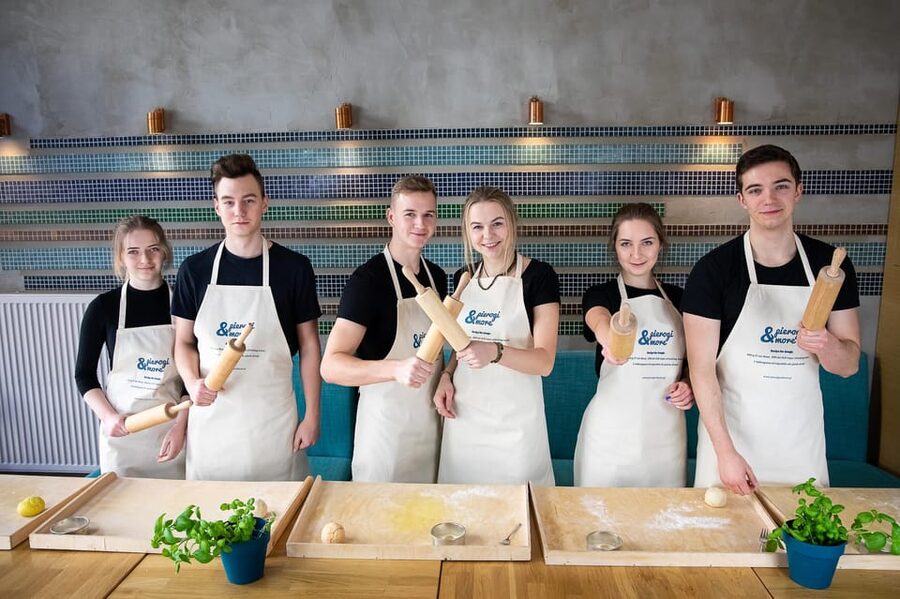
An evening class includes a tasting of Polish liqueurs after the meal. It is a small cultural extra, but it rounds off the class nicely and gives you another taste of Polish food traditions. Cherry has been a favorite for at least one participant, though your own preference may differ.
The drink policy needs careful attention. Drinks are included in the price of the evening class only. If you book a morning class, you may order drinks at your own expense. Water is included, and the general information says alcoholic beverages are not included, so read the session details closely when choosing your time.
This is one of the few meaningful differences between morning and evening bookings. If the liqueur tasting appeals to you, choose an evening slot. If you prefer to start your day with a cooking activity, the morning class still includes the core lesson, meal, water, recipes, and photo link, but additional drinks cost extra.
What $75 buys you in Warsaw
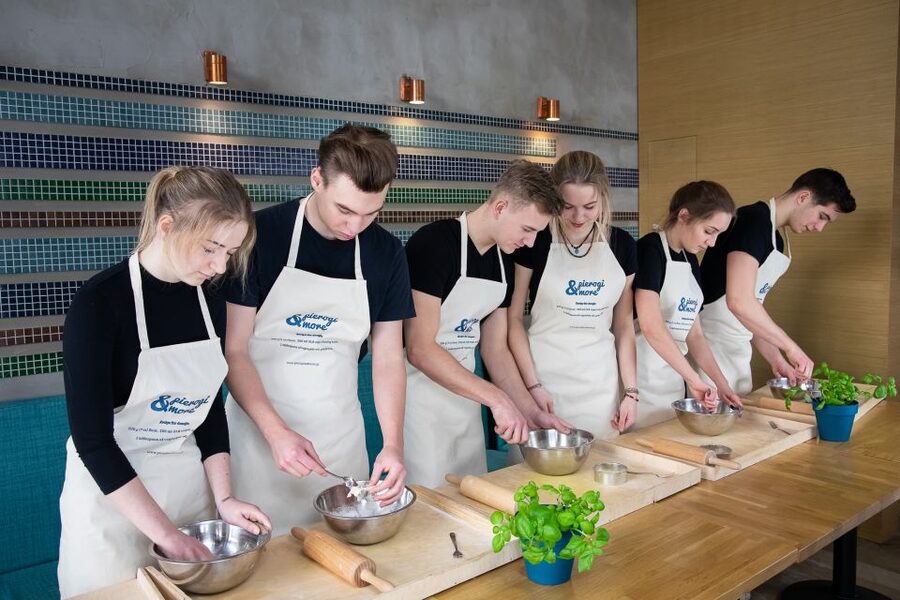
At $75, this is not the cheapest way to eat pierogi. It is a cooking workshop, meal, cultural introduction, recipe package, and photo souvenir in one. I see the price as fair for visitors who value participation and want a meal built into the activity.
The small group helps justify the cost. With no more than 10 participants, the instructor can offer individual assistance instead of leaving you to copy a demonstration from the far end of a large room. Personal help matters most during dough handling and sealing, where a quick correction can save a batch of dumplings.
The recipes also add lasting value. You receive them by email, so you can try the dish at home instead of leaving the technique behind in Warsaw. The picture link is another useful touch, especially for families, couples, and solo visitors who may not have many photos of themselves during the class.
I would book this for a special evening, a rainy day, or a break from museums and city sightseeing. I would skip it if you only want a quick, inexpensive meal or if your schedule is so tight that a two to two-and-a-half-hour activity feels like a burden.
Who will enjoy this class most
This class works especially well for:
- First-time visitors to Poland: You learn one of the country’s best-known dishes while hearing how it fits into Polish food culture.
- Couples: The shared work makes an easy, low-pressure evening activity.
- Families with older children: Children under eight cannot join, but older kids and teenagers can take an active role.
- Solo visitors: The small group provides a natural way to meet people without needing to arrange a private activity.
- Vegetarians and vegans: Non-meat fillings are available, so mixed-diet groups can cook together.
- Home cooks: Dough, fillings, folds, recipes, and toppings give you plenty to repeat later.
It is wheelchair accessible, which expands its usefulness for people who need step-free access. The supplied information does not describe every physical feature of the venue, so contact the provider if you need details beyond the stated accessibility.
The class is also a good choice for travelers who collect cooking activities from different countries. One participant who regularly takes cooking classes found this one satisfying, and that makes sense: the work is direct, the dish is familiar enough to understand, and the technique is distinctive enough to remember.
Practical details before you book
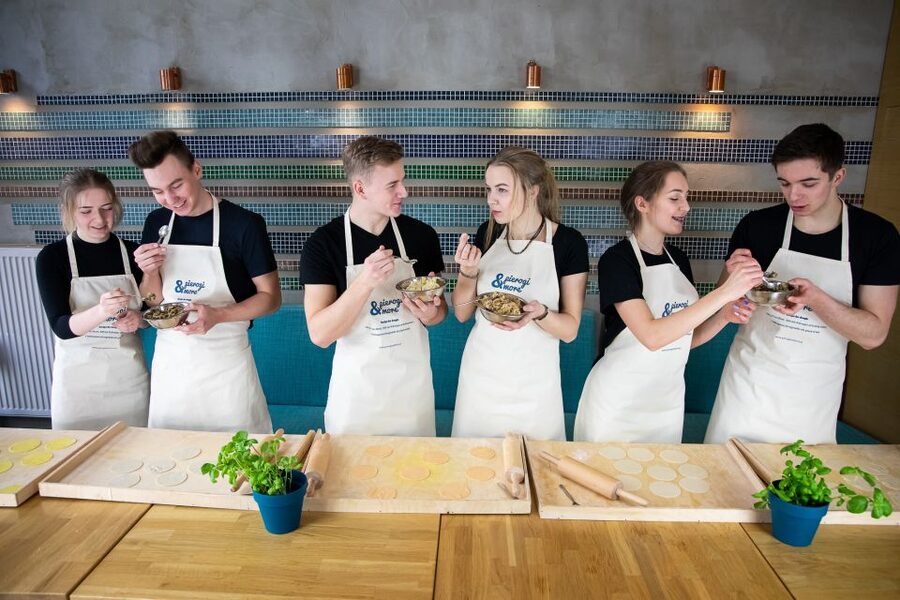
Meet at Pierogi & More, 3 Stawki Street, 00-193 Warsaw. The entrance is from the street, and the large Pierogi & More sign should make the location easy to identify.
Instruction is in English. The exact start time depends on availability, so check the schedule before planning dinner, a concert, or another timed activity. Arrive on time to catch the introduction, since missing it means losing the context that frames the rest of the class.
The activity is non-refundable. I would avoid booking until your Warsaw plans are firm. The class is not suitable for children under eight, and the maximum group size is 10.
You receive recipes by email and a link to photographs taken by the host. Make sure the email address on your booking is correct, since those are the parts you will use after returning home.
Should you book the Warsaw pierogi class?
I would book it if you want a hands-on Polish food experience, not just a restaurant meal. The strongest reasons are the patient English-speaking instruction, the small group, the choice of meat, vegetarian, or vegan fillings, and the chance to learn several folds rather than simply watching a chef.
Book an evening session if the Polish liqueur tasting matters to you. Choose a morning session if you prefer an earlier activity and do not mind paying separately for any drinks. Families should remember the under-eight age limit, and anyone with a fixed schedule should allow the full 150 minutes.
At $75, the class is best value when you count the meal, instruction, recipes, photos, and cultural context together. It is a practical souvenir: you leave with full stomach, new shaping skills, and a recipe you can try when Warsaw is far behind you.
FAQ
Where does the pierogi cooking class take place?
It takes place at Pierogi & More, 3 Stawki Street, 00-193 Warsaw. Enter from the street and look for the large Pierogi & More sign.
How long does the class last?
The stated duration is two hours to 150 minutes. Check availability for the exact starting time.
What language is the class taught in?
The instructor teaches in English.
How many people can join the class?
It is a small-group activity limited to 10 participants.
What types of pierogi fillings are available?
You can choose a meat filling or a vegetarian or vegan option. The exact selection may vary by class.
Do I eat the pierogi I make?
Yes. The class includes a large meal featuring the pierogi prepared during the activity.
Are drinks included?
Water is included. Drinks are included in the price of the evening class only. In a morning class, you may order drinks at your own cost.
Is a liqueur tasting included?
A tasting of Polish liqueurs is included with the evening class.
Are recipes provided after the class?
Yes. The recipes are sent to you by email.
Are class photos provided?
Yes. You receive a link to photographs taken by the host during the class.
Is the class suitable for children?
Children under eight are not permitted to join. Older children can take part, provided they can follow the cooking instruction.
Is the activity wheelchair accessible?
Yes, the activity is listed as wheelchair accessible.
Can I cancel for a refund?
No. The activity is non-refundable, so book only when your plans are firm.
Just added in Warsaw
- A unique walking tour of Jewish Warsaw — past and present★ 5.0 · 8 reviews
- Tour from Warsaw: Wolf’s Lair, Hitler’s HQ Zones I and II★ 5.0 · 32 reviews
- Wolf’s Lair Private Day Trip from Warsaw★ 5.0 · 50 reviews
- Wolf’s Lair & Treblinka Tour in 1 day from Warsaw★ 5.0 · 37 reviews
- Warsaw: Gun Shooting Experience with Transfers★ 4.8 · 97 reviews
- Jewish Warsaw Walking Tour★ 5.0 · 95 reviews
- Warsaw: The Original Pub Crawl★ 4.5 · 97 reviews
- Warsaw: 3-Hour Guided City Highlights Tour by Segway★ 4.9 · 102 reviews
Pierogi Cooking Classes, compared.

Warsaw’s No 1 cooking class-Polish dumplings with liqueur tasting
Read the review →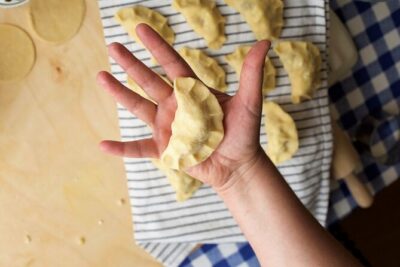
Pierogi Cooking Class with Market Shopping and Local Snacks
Read the review →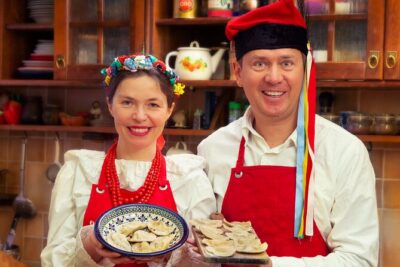
Krakow Pierogi Cooking Class with Market Visit & Home-Cooked Meal
Read the review →
Food Tour of 10 Tastings with Pierogi, Vodka & More
Read the review →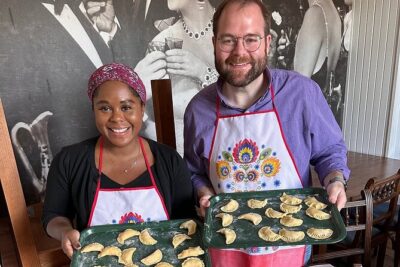
Pierogi Cooking Class: Mastering the Art of Polish Dumplings
Read the review →Browse the lists this tour appears in