
Reviewed · AUSCHWITZ-BIRKENAU MEMORIAL TOURS
Auschwitz-Birkenau Guided Tour by Private Transport from Krakow
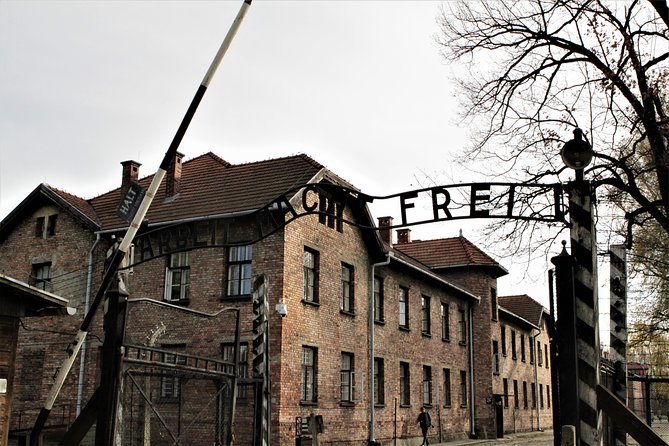
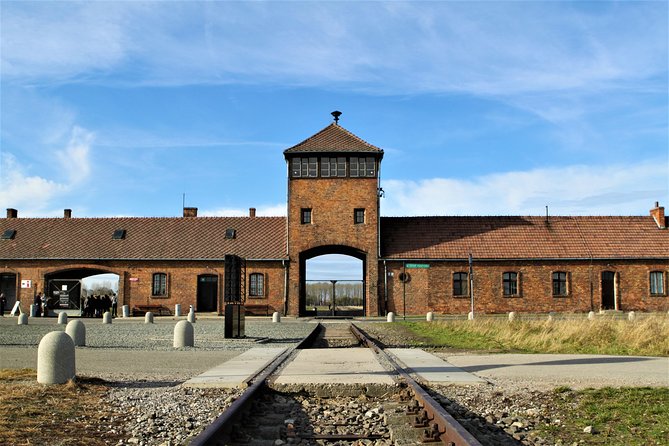
Auschwitz-Birkenau is not a light day out. It is a visit to a former German Nazi camp, where preserved buildings, barracks, gas chambers, furnaces, personal belongings, and the huge scale of Birkenau make the past painfully real. The museum has preserved the sites since 1947, and the licensed guide gives structure to a place that can otherwise feel overwhelming.
I like two things right away: hotel pickup and drop-off remove the transport hassle, and the private vehicle gives you quiet space before and after the visit. Drivers such as Damian, Darius, and Ziggy are often praised for arriving on time, explaining the day clearly, and waiting for you between the museum sections. The main drawback is the pace. The museum schedule is fixed, and you may find the tour rushed, with considerable walking and only a short break between Auschwitz I and Birkenau.
Key points to know before booking
- Private Krakow transport: Pickup and return are arranged at your Krakow hotel, with the drive taking about one hour each way.
- Two separate camp sites: The visit covers about two hours at Auschwitz I and one hour at Birkenau.
- Licensed museum guide: The guided portion is led through the Auschwitz State Museum in a group of up to 30 people.
- A serious walking day: One account describes roughly 1.8 miles of walking at Birkenau, plus extended walking at Auschwitz I.
- Small bags only: Handbags and backpacks cannot exceed 30 by 20 by 10 centimeters, about A4 size.
- Bring identification: You need a passport, driving licence, or other accepted ID for the visit.
Why private transport helps from Krakow
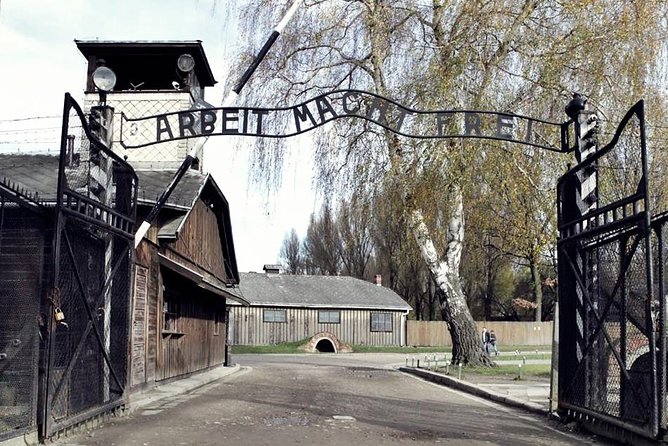
The drive from Krakow to Auschwitz takes about an hour. That sounds simple, but private transport is useful because the day has several handoffs: hotel pickup, arrival at the museum, the guided visit at Auschwitz I, transfer to Birkenau, the second guided visit, and the return to Krakow.
Your driver handles the road and the timing while you focus on the visit. Drivers have been described as punctual, polite, careful in snow and rain, and willing to explain Krakow and Polish history along the way. Damian is frequently named in the feedback, while Darius and Ziggy are also mentioned for their explanations and care.
The private car matters most for families and small groups. You do not need to find a meeting point in central Krakow or work out transport back from the museum. Your driver waits while you tour the grounds and then takes you to the next section. That is a practical service, not just a comfort.
It also gives you a quiet ride back. After a difficult visit, you may not want a busy bus ride or a long search for a taxi. Several people valued having private space to think during the return to Krakow.
The exact pickup time depends on the option selected. Pickup can be scheduled between about 7:30 a.m. and 11 a.m., with the return usually around 3 or 4 p.m. The total day is listed at about seven hours, though the exact rhythm depends on your museum entry time and transport conditions.
Other ways to visit Auschwitz-Birkenau from Kraków:
- From Krakow: Auschwitz-Birkenau Guided Tour & Hotel Pickup
★ 4.5 · 33,358 reviews - From Krakow: Auschwitz-Birkenau Guided Tour & Hotel Pickup
★ 4.5 · 29,340 reviews - Krakow: Auschwitz Guided Tour with Optional Hotel Pickup
★ 4.5 · 15,280 reviews
Auschwitz I: exhibits, buildings, and a fixed route
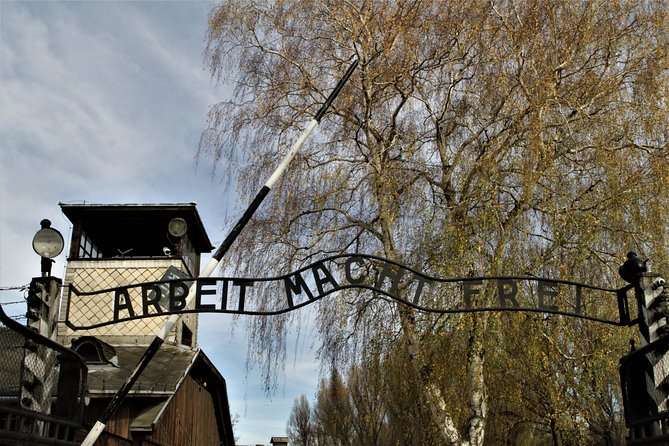
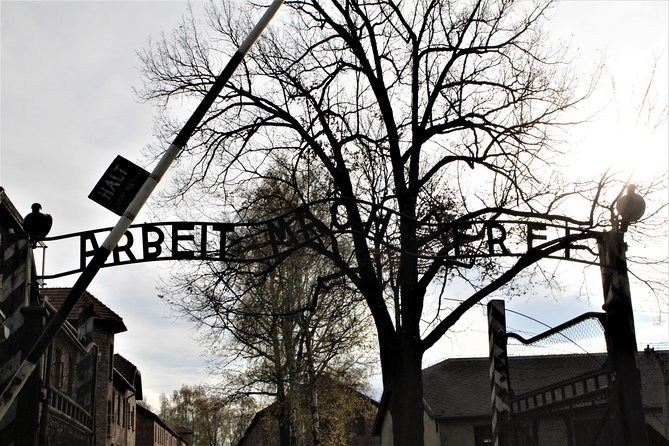
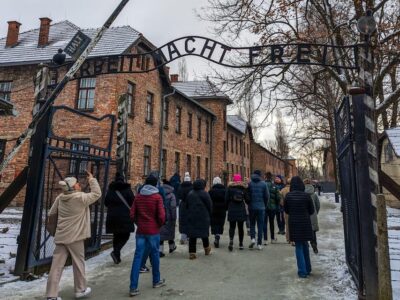
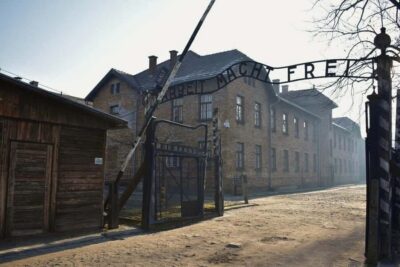
The first section is Auschwitz I, where you spend about two hours with a licensed local museum guide. This is the more built-up part of the visit, with preserved camp buildings and indoor exhibits.
You can expect a serious, organized route rather than a free afternoon of wandering. The guide explains what happened at the site and points out the details that are easy to miss when you are on your own. The museum’s structure helps you understand the place, especially if you have read about the Holocaust but find the physical site difficult to picture.
The tour includes material connected with the camp’s prisoners and the system of imprisonment and murder. The supplied details specifically mention gas chambers and furnaces, though the exact route and exhibits can vary. This is a place where the ordinary appearance of a building can be more disturbing than a dramatic display. Your guide provides the context needed to understand what you are seeing.
The tradeoff is time. Museum guides must follow the site’s schedule, and the group cannot stop wherever it wishes for as long as it likes. If you prefer to examine every room slowly, read every panel, or sit quietly by yourself, this format may feel too controlled.
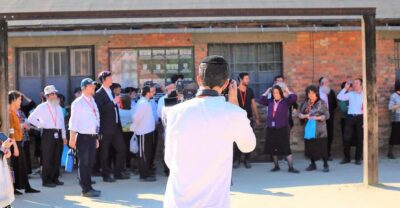
The group can be as large as 30 people. That is not a private museum tour, even though your transport is private. Some groups may be divided between two guides, creating smaller walking groups of around 15, but you should book on the understanding that the stated maximum is 30.
The short transfer to Birkenau
After Auschwitz I, you transfer to Birkenau by vehicle. This is where timing matters. One lower-rated experience involved confusion during the transfer, with the group arriving late and having to hurry to catch the second guide. That sort of problem is not the normal promise of the tour, but it shows why you should stay close to your driver and listen carefully for instructions.
The break between sections can be short. One account describes only about 10 minutes after a 90-minute walk at Auschwitz I. There may be vending-machine food at the site, but you should not count on a proper meal. Lunch boxes can be arranged by special request through the driver.
Use the short pause for water, the restroom, and a quick snack. Do not plan on a leisurely lunch between the two parts. If you need a slower pace, mention that before booking and ask exactly how the selected option handles the transfer and walking.
Birkenau: scale that is hard to grasp
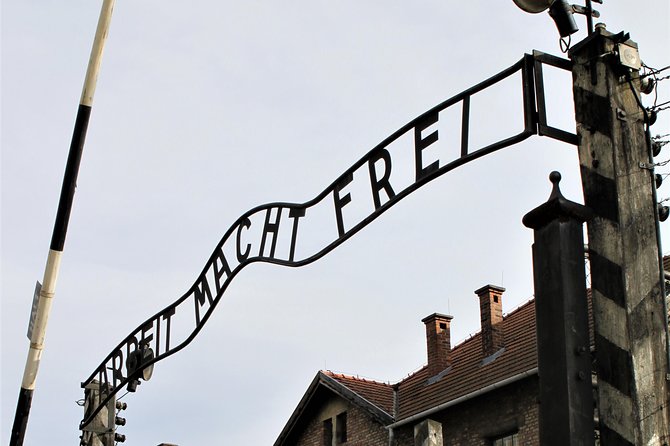
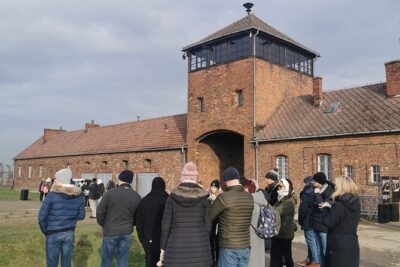
Birkenau is the larger, more open camp site. Its size is one of the most powerful parts of the day. The broad grounds, surviving structures, and long distances make the scale of the camp easier to grasp than photographs do.
The scheduled visit lasts about one hour, but reaching the main points involves walking. One account describes roughly 1.8 miles at Birkenau, following a substantial walk at Auschwitz I. The ground and weather can make that feel harder. Rain, snow, summer heat, and wind are all possible, and the tour operates in all weather.
You may find Birkenau more affecting than Auschwitz I simply because of its size. The open space shows how a system built for mass imprisonment and death could extend far beyond a single building or courtyard. The guide’s explanations help connect the physical distance with the human story.
This is also the section where you need to think honestly about stamina. The experience is not recommended for children nine and younger, and all children must be accompanied by an adult. Most people can participate, but the stated difficulty is moderately advanced for the full tour. Seniors or anyone who has trouble walking should ask about the route before paying.
Private transport can help if the weather is bad or if someone in your group cannot complete every section. One group chose not to walk through Birkenau during severe cold, and the private driver instead took them around the site by car with commentary. That should not be treated as a guaranteed replacement for the museum route, but it shows why a private vehicle can give your group more flexibility than a shared bus.
A few more things to do in Kraków worth a look
- Krakow Airport Private Transfer
★ 5.0 · 2,227 reviews - Private Departure Transfer: Krakow City To Krakow Airport Balice
★ 4.5 · 367 reviews - Legendary Private Nowa Huta Communism Tour with Crazy Guides
★ 5.0 · 262 reviews - Skip-the-Line Wawel Castle Chambers Private Tour
★ 4.7 · 262 reviews
A moving visit, but not a casual sightseeing stop
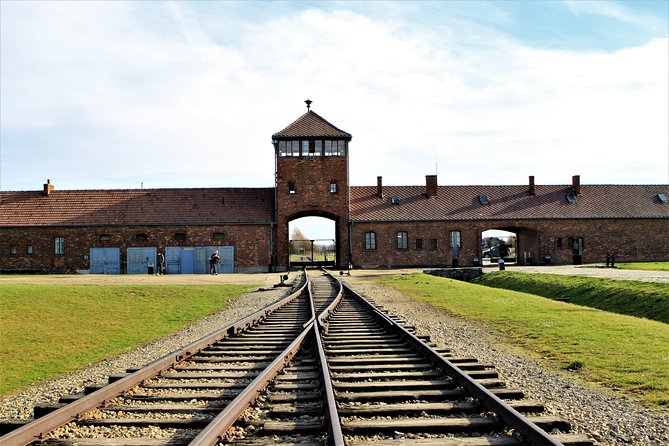
You should arrive prepared for a somber experience. The purpose is remembrance and education, not entertainment. The preserved buildings and objects can be confronting, and the guide’s role is to explain the site with care and accuracy.
Some people arrive having read books or watched documentaries and still find the physical visit intense. Others prefer learning in a museum setting and may find the guided route helpful. The guide keeps the experience focused, but the fixed pace means you may not have much time to process each stop before moving on.
I would avoid packing other major plans immediately afterward. The return to Krakow takes about an hour, and you may want quiet time once you arrive. A private car is useful here because you can talk with your group or simply sit without having to manage another connection.
The site also makes clear that the Holocaust was not a single, simple story. The camp system affected Jewish people along with Polish people, Romanians, gay people, disabled people, educated people, and others targeted by Nazi persecution. Your guide supplies the fuller context, and the museum setting helps prevent the visit from becoming only a collection of shocking images.
What the $180.57 price means
At $180.57 per person, this is not the cheapest way to reach Auschwitz-Birkenau. Admission itself is described as free, but you need a timed ticket, transport, and an organized route through a large site. The price pays for the private vehicle, driver, hotel pickup and return, museum fees, and the guided group visit.
The value is strongest for two or more people who want a simple, door-to-door day. A minimum of two people is required for each booking, so solo visitors cannot use this arrangement as listed. Families and small groups may find the cost worthwhile because they avoid arranging a car, finding the museum, managing the transfer between Auschwitz I and Birkenau, and keeping track of return transport.
You are also paying for time and reduced stress. Drivers have been praised for carrying or managing tickets, walking groups to the correct meeting points, reminding people to bring identification, and waiting at the exits. That can be worth more than the basic transport fare when the museum is busy and signs or queues are confusing.
The value is weaker if your priority is a slow, self-guided visit. The guided route is tightly scheduled, and the museum group may include up to 30 people. You can choose a round-trip transport option without a guided tour in some arrangements, but this particular experience centers on the guided Auschwitz I and Birkenau visit. Confirm the exact option before booking.
Practical details that can make or break the day
Wear shoes suited to extended walking and dress for the forecast. The tour operates in all weather, and Birkenau has large exposed areas with little shelter. In summer, carry protection from the sun and bring water. In cold or wet weather, warm layers and waterproof clothing matter.
Keep your bag very small. The museum allows no backpack or handbag larger than 30 by 20 by 10 centimeters. A compact bag is safer than arriving with a full daypack and discovering that you must leave it behind.
Bring your ID. A passport, driving licence, or other accepted identification is specifically required advice for this visit. Keep it accessible rather than buried in luggage.
Food is not included. There are vending machines, but you should not plan on a full meal at the museum. Ask the driver about a lunch box before the trip if you need one. The supplier says this can be arranged on special request.
The booking is non-refundable and cannot be changed for any reason. That is important because the day depends on weather, health, and your wider Krakow schedule. Only book once you are confident you can attend.
Who will get the most from this tour
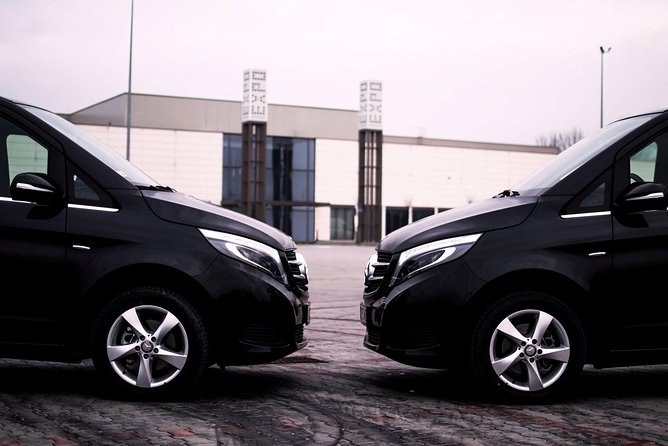
This suits you if you want the simplest route from Krakow to the memorial, prefer a private car, and value a driver who can help with timing and directions. It is especially practical for couples, families with older children, and small groups that want to return directly to their hotel.
It also suits you if you want a guide to explain the site rather than trying to interpret it alone. The museum visit is emotionally demanding, and a structured route can help you understand what you are seeing.
You may want another arrangement if you need a slow pace, extensive time alone, or a fully self-guided visit. It may also be a poor fit if long walks are difficult. The tour is not recommended for children nine and younger, and the full route can be strenuous for older people.
Should you book this Auschwitz-Birkenau tour?
Book it if reliable private transport and a well-managed day matter more to you than the lowest price or complete freedom to wander. The drivers receive strong praise for punctuality, safe driving, clear communication, and help at the museum. That support is valuable at a large site with two separate sections.
Think twice if you dislike fixed schedules or want long periods of quiet reflection inside each exhibit. The museum controls the pace, the group may reach 30 people, and the break between sections can be brief.
For most small groups staying in Krakow, this is a practical way to visit an important and difficult place. Go with the right expectations: it is a guided memorial visit with serious walking, not a relaxed day trip. Bring ID, a small bag, sensible clothes, and enough emotional space for what you will see.
FAQ
How long does the Auschwitz-Birkenau tour take?
The experience lasts about seven hours, including roughly one hour of driving each way between Krakow and the museum. Return to your hotel is usually around 3 or 4 p.m., depending on the pickup time.
Is hotel pickup included in Krakow?
Yes. Pickup and drop-off are offered from any hotel in Krakow. The exact pickup time is confirmed before the trip and may fall between about 7:30 a.m. and 11 a.m.
Is the tour private?
Your transport is private, and only your booking group travels in the vehicle. The museum tour itself is a guided group visit with a maximum stated size of 30 people.
How much walking is involved?
The full visit includes substantial walking at both Auschwitz I and Birkenau. One stated estimate describes about 1.8 miles at Birkenau after an extended walk at Auschwitz I, so the tour may be strenuous for some seniors.
Can children join the tour?
Children must be accompanied by an adult, and the day trip is not recommended for children nine years old or younger.
What can I bring into the museum?
Backpacks and handbags must not exceed 30 by 20 by 10 centimeters, about A4 size. You should also bring identification, such as a passport or driving licence.
Just added in Kraków
- From Krakow: Guided Tour of Zalipie★ 4.6 · 30 reviews
- From Krakow: Zalipie Village Day-Tour★ 4.9 · 74 reviews
- Krakow: Zalipie Village Tour★ 4.6 · 8 reviews
- ZALIPIE – painted village, unique PRIVATE tour from Krakow★ 5.0 · 20 reviews
- Dunajec River Gorge and Zakopane: Full-Day Trip from Krakow★ 4.6 · 57 reviews
- Zator: Energylandia Amusement Park Entry Ticket★ 4.6 · 58 reviews
- From Krakow: Full-Day Wadowice & Czestochowa Tour★ 4.9 · 77 reviews
- From Krakow: Ojców National Park & Ogrodzieniec Castle Tour★ 4.9 · 64 reviews
Auschwitz-Birkenau Memorial Tours, compared.
Auschwitz-Birkenau Guided Tour & Hotel Pickup
Read the review →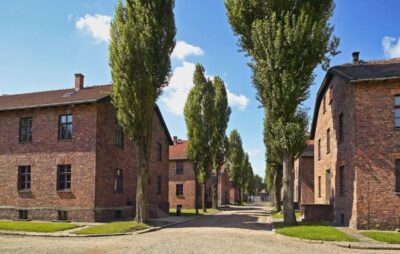
Auschwitz Guided Tour with Optional Hotel Pickup
Read the review →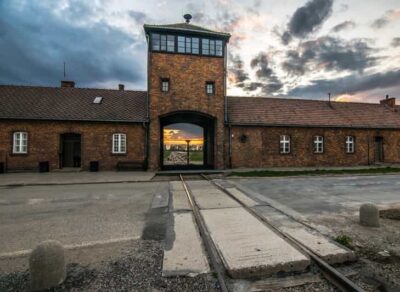
Auschwitz-Birkenau Guided Tour with Pickup & Lunch
Read the review →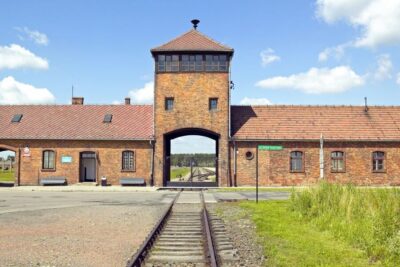
Krakow to Auschwitz Birkenau Guided Tour with Transfer and Ticket
Read the review →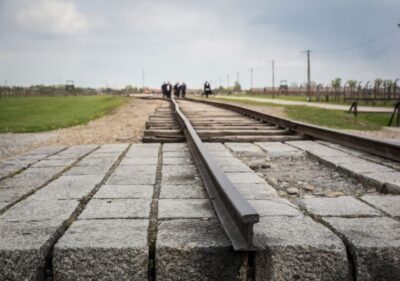
Auschwitz Birkenau Small Group Tour with Pickup
Read the review →Browse the lists this tour appears in