
Reviewed · BLACK MADONNA & CZĘSTOCHOWA TOURS
From Krakow: Częstochowa, Black Madonna and Lagiewniki Tour
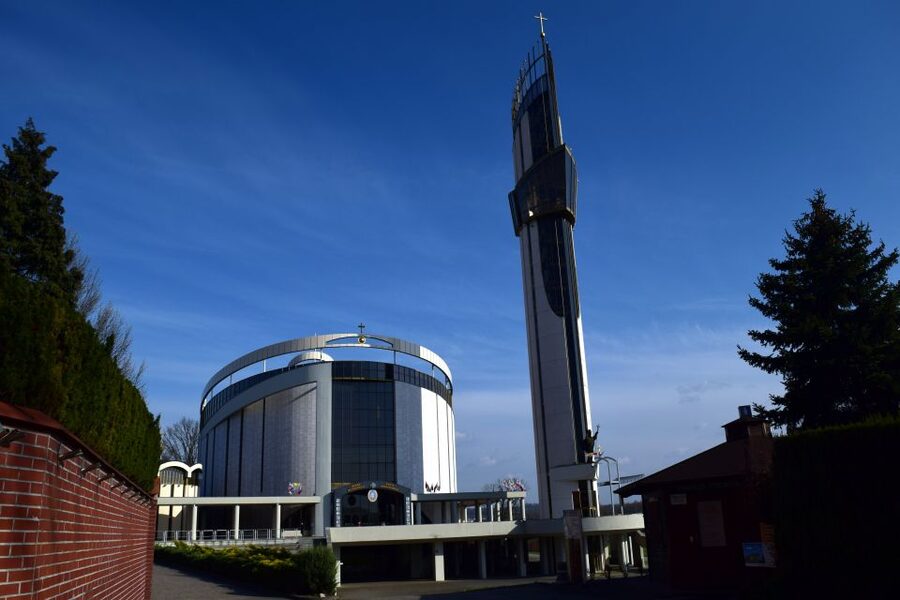
Częstochowa’s Black Madonna is not just a painting behind glass. It is one of Poland’s most important religious symbols, linked to centuries of pilgrimage, royal devotion, and the famous defense of Jasna Góra against Swedish forces. This day adds a second major Catholic site, the Divine Mercy Sanctuary in Łagiewniki, giving you a clear look at two very different forms of Polish religious life.
I like the hotel pickup and drop-off, which removes a tedious transport puzzle, and I like the balance between guided introductions and free time. Guides such as Tomasz, Dawid, Thomas, and Kamil have been praised for clear English, punctuality, and personal help at the sites. The main drawback is the long road time: roughly four and a half hours in the van for about three hours of visits.
Key points at a glance
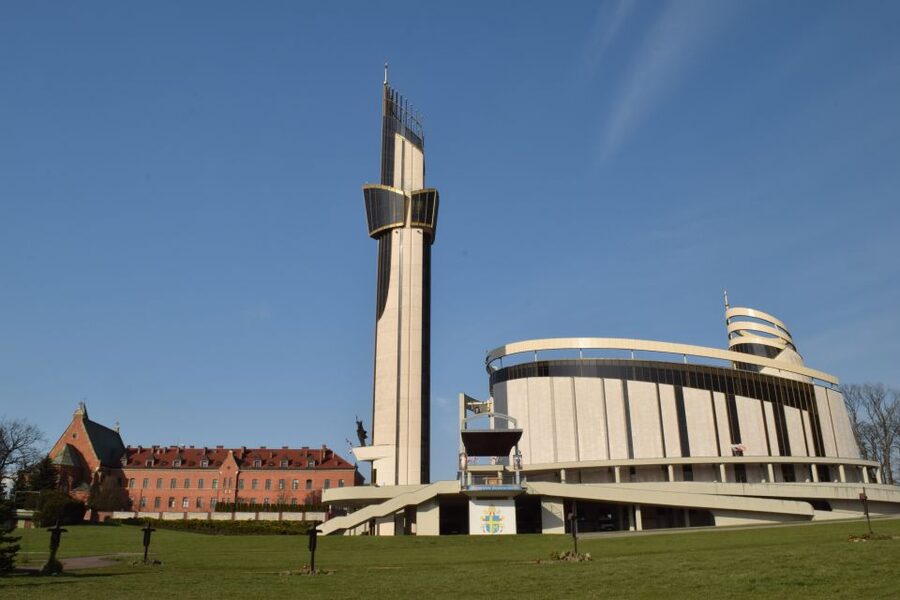
- Two major Catholic destinations: Visit Jasna Góra in Częstochowa and the Divine Mercy Sanctuary in Krakow’s Łagiewniki district.
- The Black Madonna: Enter the Chapel of the Miraculous Image of Our Lady of Jasna Góra and see Poland’s most famous sacred icon.
- Helpful driver-guides: Guides may include Tomasz, Dawid, Thomas, or Kamil, with the assigned driver varying by date.
- Hotel service included: Pickup and return to your Krakow hotel make this easier than arranging separate trains, buses, and local transfers.
- Plenty of road time: Expect about 2 hours and 15 minutes each way between Krakow and Częstochowa.
- Religious setting: Modest clothing is required, and the tour suits pilgrims as well as visitors interested in Polish history, art, and culture.
Why these two sanctuaries belong on the same day
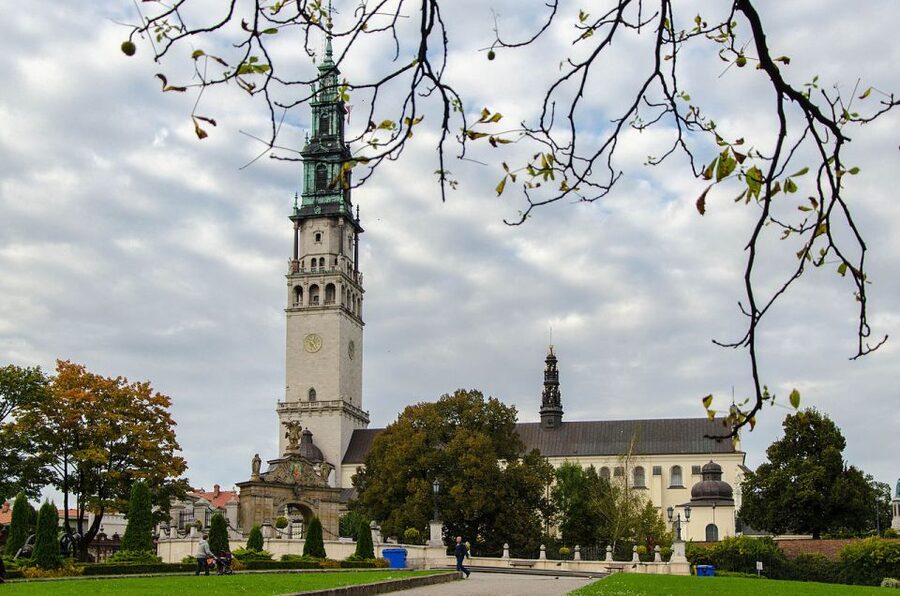
This tour connects two sites that tell different parts of Poland’s Catholic story. Jasna Góra in Częstochowa is an old pilgrimage center built around the Black Madonna. Łagiewniki, in Krakow, is tied to the modern Divine Mercy devotion and Sister Faustina.
That pairing gives you more than two church visits. At Częstochowa, you encounter a national symbol with a long public history. At Łagiewniki, you encounter a 20th-century religious movement connected to a particular Polish nun and her canonization.
You do not need to be Catholic to find the visits worthwhile. The setting, rituals, architecture, and personal devotion are part of Polish culture. One visitor who was not Christian still found the sites moving, which is a useful reminder that these places can speak to history and human belief beyond formal religion.
The day is best understood as a focused cultural excursion, not a broad sightseeing tour. You will not see a long list of Krakow attractions. Instead, you will spend the day learning why these two places matter.
Other pilgrimages out of Poland:
- Krakow: Black Madonna of Częstochowa & Home of John Paul II
★ 4.8 · 97 reviews - From Krakow: Full-Day Wadowice & Czestochowa Tour
★ 4.9 · 77 reviews - Czestochowa the Black Madonna Day Tour from Krakow
★ 4.5 · 64 reviews
The drive from Krakow to Częstochowa
The morning begins with pickup at your Krakow hotel. Be ready in the lobby five minutes before the scheduled time. Transport is by air-conditioned van, and the route to Częstochowa takes about 2 hours and 15 minutes.
That is a serious amount of sitting, so set your expectations early. This is not a quick side trip. The road time is the price of reaching Jasna Góra without dealing with public transport connections or planning a separate overnight stop.
The benefit is flexibility. Your English-speaking driver-guide can explain the day as you go, help you understand what to look for, and make stops for food or rest if needed, according to the arrangements described for the excursion. Several guides have been praised for confirming pickup details, helping with hotel changes, and waiting patiently when a visit runs longer than planned.
The exact guide is not fixed in the information provided. Previous assigned guides have included Tomasz, Dawid, Thomas, and Kamil. Their roles appear to combine driving with site orientation, rather than providing a long formal lecture at every point.
Jasna Góra and the Black Madonna
You receive about two hours at Jasna Góra Monastery, the main stop of the day. The complex belongs to the Pauline Fathers and is home to the image known as Our Lady of Częstochowa, or the Black Madonna.
The icon is famous for its darkened appearance and the marks visible on the face. More important for understanding the site, it is treated as a living object of devotion rather than simply an old work of art. Pilgrims come to pray before it, and the image has been credited with miracles over the centuries.
Your visit includes the Basilica, the Chapel of the Miraculous Image, and the monastery museum. The chapel is the essential stop. Your driver-guide may walk you inside and point out the main features before giving you time to look around at your own pace.
That arrangement works well. A short introduction helps you understand the place, but a sacred chapel is not a setting where you want a constant stream of commentary. You can observe the rituals, architecture, and quiet activity without feeling rushed through every moment.
The monastery also carries a strong national story. During the 17th century, Swedish forces invaded Poland, and Jasna Góra became associated with resistance when the monastery held out against the attack. The event helped turn the site into a symbol of both faith and Polish identity.
You might see active religious ceremonies during your visit. One past participant was present for the closing of the Black Madonna chapel, a moment that gave the visit a more immediate sense of place. Timing for such events is not guaranteed, so treat this as a possible bonus rather than part of the promised program.
The museum adds context, but two hours can pass quickly. If you want quiet prayer, photographs, the museum, and time in the basilica, you will need to manage your pace. Your guide may point out the main areas, but this is not a private, unlimited visit.
Dress matters here. Modest clothing is required in the monasteries. Bring a camera for the historic interiors and views, but remember that photography may be limited in certain religious spaces. Follow posted instructions and local guidance.
What makes the Black Madonna visit meaningful
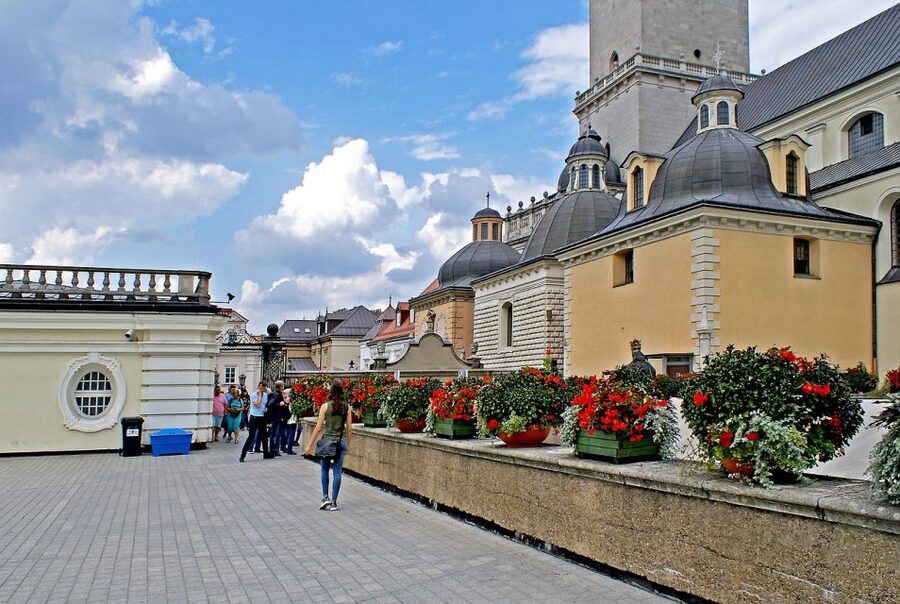
The power of Jasna Góra is not only visual. The icon is small compared with the scale of the surrounding basilica and monastery, yet it draws the attention of the entire visit.
I find this contrast useful. You see grand buildings, religious art, and historic rooms, but the center of attention remains a single image. That helps explain why the site has attracted pilgrims for generations.
The visit also shows how religion and national identity overlap in Poland. The story of the Swedish invasion is not presented as a detached military footnote. It is part of the way Jasna Góra is remembered and valued.
If you are mainly seeking art museums or secular architecture, this stop may feel more devotional than expected. If you are open to seeing a place on its own terms, it offers one of the clearest ways to understand Poland’s religious culture.
More John Paul II trips from Poland:
- Krakow: Pope John Paul II Guided Tour with Home & Sanctuary
★ 4.9 · 104 reviews - From Krakow: The Black Madonna of Czestochowa & John Paul II Family Home
★ 5.0 · 28 reviews
Returning toward Krakow and visiting Łagiewniki
After Częstochowa, you return by van toward Krakow. The second drive is listed at about 2 hours and 15 minutes. You then spend roughly one hour at the Divine Mercy Sanctuary in Łagiewniki.
This stop is closer to the city, but it is not a quick downtown church visit. Łagiewniki is a large religious complex with a major basilica, monastic buildings, and spaces connected with the Divine Mercy devotion.
The sanctuary is dedicated to the Divine Mercy message associated with Sister Faustina. Your guide explains the devotion and Sister Faustina’s canonization, giving you the basic context before you explore.
The complex includes striking neo-Gothic monastic buildings and a grand basilica. Compared with the older pilgrimage tradition at Jasna Góra, Łagiewniki feels tied to a more recent chapter in Catholic history. The result is a useful contrast within the same day.
One hour is enough for a focused visit, but it is not generous. You can see the basilica, walk through part of the complex, and take time for reflection. If you prefer slow architectural study or extended prayer, you may find the schedule tight.
A guide may also help you understand nearby religious displays and relics. One past itinerary included a stop connected with Pope John Paul II, and another participant saw Pope John Paul’s bloodstained cassock. These details are not listed as guaranteed stops, so do not book the tour expecting them, but they show how the guide may add useful local context when time allows.
Some visitors have also had religious items blessed by a priest at the Divine Mercy Sanctuary. That is not stated as a guaranteed service, but it may be possible depending on the day and local arrangements. Bring any personal items only if you are comfortable with the religious nature of the visit.
The guide makes a practical difference
This experience depends heavily on the driver-guide. The route is long, and the sites can feel confusing without a basic orientation.
Tomasz has been praised for clean transport, punctual communication, handling a changed pickup location, walking visitors into the chapels, and waiting patiently when they needed more time. Dawid has been singled out for explaining the historical meaning of each place. Thomas has been described as kind and helpful, while Kamil has been credited with explaining religious relics and local stories.
The assigned guide will vary, so do not assume you will receive a particular person. Still, the pattern is clear: the guide is expected to do more than drive. You can expect help with the main entrances, an explanation of what matters, and practical support during the day.
The van is described as comfortable, air-conditioned transportation, and one past group used a clean eight-passenger vehicle. The standard group size is not specified, so the exact feel of the ride may vary.
Is $120 a fair price?
At $120 per person, this is not the cheapest way to reach Częstochowa. You are paying for more than admission. The price includes hotel pickup and return, an air-conditioned vehicle, an English-speaking driver-guide, and entrance to the Basilica and Łagiewniki Sanctuary.
That package has real value if you are staying in Krakow and want both sites in one day. Organizing the same route independently would require checking train or bus schedules, arranging transport from Częstochowa’s station to Jasna Góra, and managing the return connection. The tour also saves you from driving and parking.
The value is weaker if you want long, unhurried time at either sanctuary. The schedule gives you about two hours at Jasna Góra and one hour at Łagiewniki, with much of the day spent on the road. You also need to buy your own food and drinks.
For a first visit to Poland, I see the price as reasonable for convenience and coverage. For repeat visitors, pilgrims who want extended prayer, or people comfortable with public transport, an independent visit may offer more control.
Food, clothing, and what to bring
Food and drinks are not included. You should eat before departure or ask your guide about a suitable break during the drive. The supplied details allow for possible stops for food and rest, but no specific restaurant or meal is promised.
Wear modest clothing that covers shoulders and knees as appropriate for religious sites. This is not just a polite suggestion. Entry to monasteries and sanctuaries can depend on proper dress.
Bring a camera, but use it respectfully. The sites contain historic interiors and attractive architectural details, yet religious spaces may have restrictions. Comfortable shoes are also sensible because you will walk through large complexes, although the tour does not provide a specific distance or accessibility description.
Free time is built into both visits. Use it deliberately. At Jasna Góra, decide whether the basilica, chapel, museum, prayer, or photographs matter most to you. At Łagiewniki, the one-hour stop calls for a quicker plan.
Who should book this day trip?
I would recommend it most strongly to first-time visitors who want a clear introduction to Poland’s Catholic traditions. It also suits pilgrims, people interested in 20th-century religious history, and anyone who prefers a driver-guide to a day of transport planning.
It can work for nonreligious visitors too, provided you are willing to treat the sites as active places of worship. The architecture, stories, and national symbolism remain interesting even if you do not share the faith.
I would hesitate if you dislike long van journeys, need a slow pace, or want a food-focused day. The two main visits are meaningful, but the road time is substantial and the schedule is fixed around reaching both destinations.
Cancellation is free up to 24 hours before departure, and you can reserve now and pay later. Those terms help if your Krakow plans are still shifting, but the more important choice is whether the religious focus matches your interests.
FAQ
How long does the tour last?
The tour lasts about 8 hours, including hotel pickup and return in Krakow.
What sites are visited?
You visit Jasna Góra Monastery in Częstochowa, including the Basilica, the Chapel of the Miraculous Image, and the monastery museum. You also visit the Divine Mercy Sanctuary in Łagiewniki.
How much time is spent at Jasna Góra?
The planned visit at Jasna Góra lasts about 2 hours, including sightseeing, walking, free time, and reflection.
How much time is spent at the Divine Mercy Sanctuary?
The planned visit at the Divine Mercy Sanctuary lasts about 1 hour.
Is hotel pickup included?
Yes. Pickup and drop-off at hotels in Krakow are included. You should wait in the hotel lobby five minutes before the scheduled pickup time.
Is transportation provided?
Yes. The tour uses comfortable, air-conditioned transportation, described in the itinerary as a van.
Is the tour conducted in English?
Yes. The driver-guide speaks English, and English is the listed tour language.
Is food included?
No. Food and drinks are not included in the price.
Should you book it?
Book this tour if you want to see the Black Madonna and Divine Mercy Sanctuary in one well-organized day without arranging the transport yourself. The strongest features are the door-to-door service, practical driver-guides, and access to two important religious sites that are difficult to combine casually.
Skip it if you want a slow, independent visit or cannot tolerate nearly four and a half hours of driving. For everyone else, $120 buys a convenient and focused day with a meaningful look at Poland’s faith, history, and national identity.
Just added in Poland
- A unique walking tour of Jewish Warsaw — past and present★ 5.0 · 8 reviews
- Krakow: Zalipie Village Tour★ 4.6 · 8 reviews
- Tour from Warsaw: Wolf’s Lair, Hitler’s HQ Zones I and II★ 5.0 · 32 reviews
- Lodz: Jewish Heritage Private Tour★ 4.7 · 14 reviews
- Wolf’s Lair Private Day Trip from Warsaw★ 5.0 · 50 reviews
- Lodz Old Town Manufaktura Highlights Private Walking Tour★ 4.9 · 12 reviews
- Wolf’s Lair & Treblinka Tour in 1 day from Warsaw★ 5.0 · 37 reviews
- Lodz: Private City Walking Tour★ 4.2 · 10 reviews
Black Madonna & Częstochowa Tours, compared.
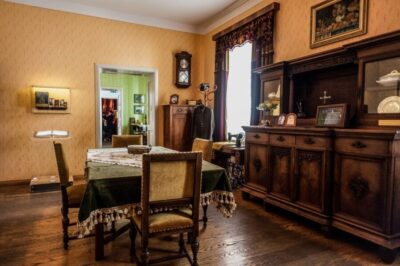
Black Madonna of Częstochowa & Home of John Paul II
Read the review →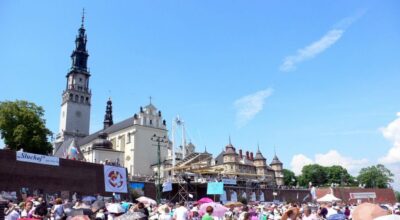
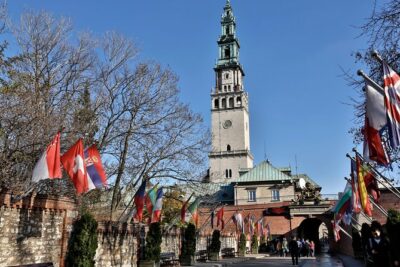
Czestochowa the Black Madonna Day Tour from Krakow
Read the review →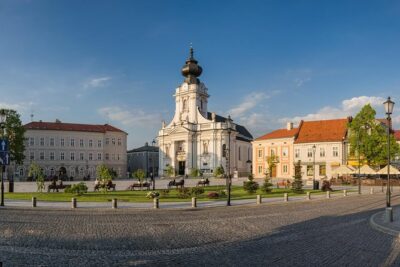
The Black Madonna of Czestochowa & John Paul II Family Home
Read the review →Browse the lists this tour appears in