
Reviewed · AUSCHWITZ-BIRKENAU MEMORIAL TOURS
Krakow: Auschwitz Birkenau Museum Guided Tour with Pickup
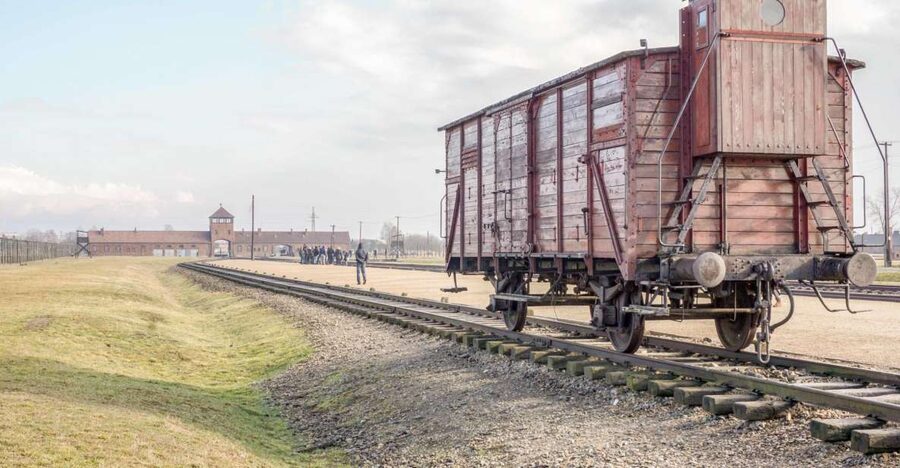
Auschwitz Birkenau is not a sightseeing stop in the usual sense. It is a place of evidence, memory, and enormous scale, where barracks, railway ramps, watchtowers, and ruined crematoriums make the history painfully real. This tour gives you a practical way to reach both Auschwitz I and Auschwitz II-Birkenau from Krakow in one day.
I like the door-to-door transport, especially when the driver arrives on time and explains the plan clearly. I also like the strong on-site guides, including guides praised for calm, respectful storytelling and excellent English. The main caution is changing pickup times. A booking listed for 10am has sometimes been moved to early morning, and busy entrance procedures can make the day feel less tidy than expected.
Key points to know before booking
- Both camps are included: You visit Auschwitz I and the much larger Auschwitz II-Birkenau site.
- The day lasts about seven hours: The Krakow drive takes roughly 1.5 hours each way.
- Your guide matters: Guides such as Anna, Sofia, and Susannah have been singled out for clear, sensitive explanations.
- Expect plenty of walking: Birkenau is open and exposed, with uneven ground and some steps.
- Pickup times can change: The museum controls entry slots, so confirm the final collection time carefully.
- Bring matching identification: Your full name on the booking must match your passport or ID.
Why this Auschwitz day trip matters
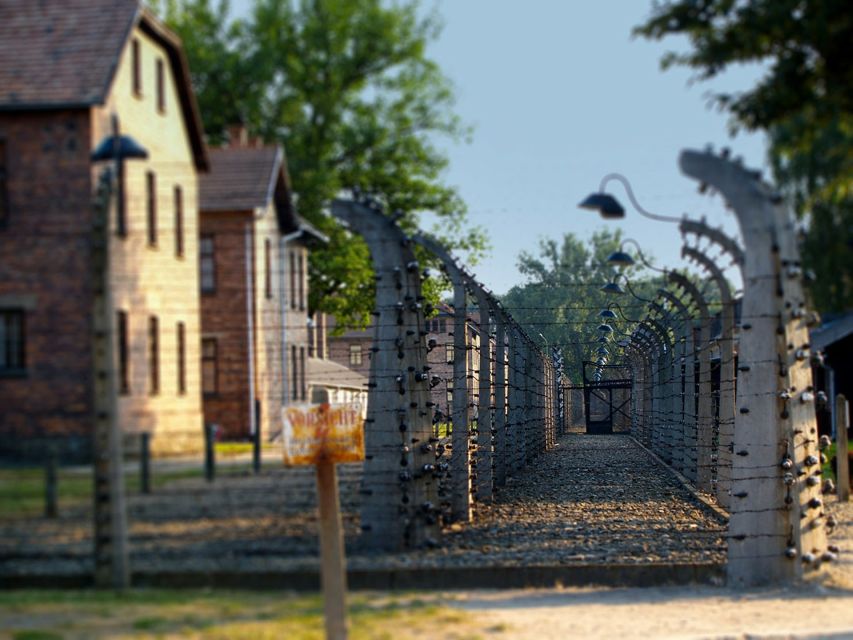
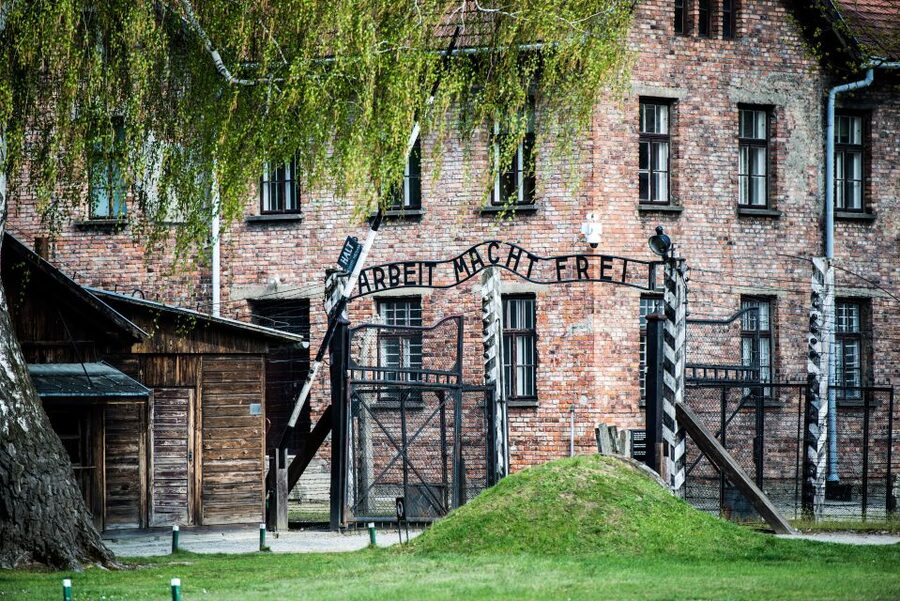
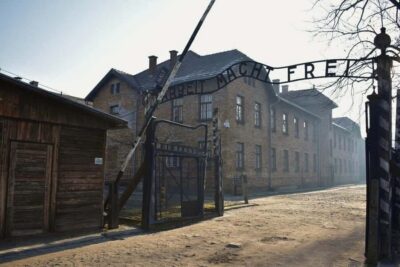
It is difficult to grasp the scale of the Holocaust from a book or screen. At Auschwitz, the remaining buildings and objects give the story physical weight. You see the gates, barracks, railway infrastructure, watchtowers, and evidence left behind after the camp was liberated in 1945.
The Nazi camp complex began expanding after the first prisoners arrived by train in 1941. Auschwitz I became the original camp, Auschwitz II-Birkenau grew into a vast killing center, and Auschwitz III included forced-labor sites. The SS destroyed much of the evidence as liberation approached, but enough remains to show how the system worked.
That context is why an on-site guide adds real value. You are not simply walking through old buildings. You are being shown how prisoners lived, how deportations were organized, and how the camp machinery operated. The best guides keep the facts clear without turning the visit into a performance.
This is an educational and memorial visit, not a fun day out. You may find the material upsetting. Allow yourself quiet time afterward, rather than planning another demanding attraction immediately after the return to Krakow.
Other ways to visit Auschwitz-Birkenau from Kraków:
- From Krakow: Auschwitz-Birkenau Guided Tour & Hotel Pickup
★ 4.5 · 33,358 reviews - From Krakow: Auschwitz-Birkenau Guided Tour & Hotel Pickup
★ 4.5 · 29,340 reviews - Krakow: Auschwitz Guided Tour with Optional Hotel Pickup
★ 4.5 · 15,280 reviews
The 1.5-hour drive from Krakow
The distance from Krakow to Auschwitz-Birkenau is about 65 kilometres, and the journey takes roughly 90 minutes each way. Transport is provided in an air-conditioned car or minivan, with hotel pickup and drop-off included for the selected option.
The small-group setup is one of the better features here. A seven-seat minivan has been used for some departures, which feels more personal than a large coach and makes hotel collection easier. A good driver also becomes important when arrival procedures are crowded. Drivers have helped groups reach the right entrance, explained the schedule, and dealt with changes when museum timing became complicated.
Do not assume that the pickup hour shown when you first search will remain unchanged. Museum entry is tied to a specific time, and early departures are common. Some people expecting a 10am collection have been told the day before to be ready at 6:15am. That sounds inconvenient, but an early slot can get you back in Krakow around lunchtime and leave much of the afternoon free.
Your exact pickup point depends on the selected option. The stated meeting point is Straszewskiego 14 in Krakow, while hotel collection may be arranged separately. Confirm the final instructions and keep your phone available on the day.
Auschwitz I: barracks, evidence, and prisoner stories
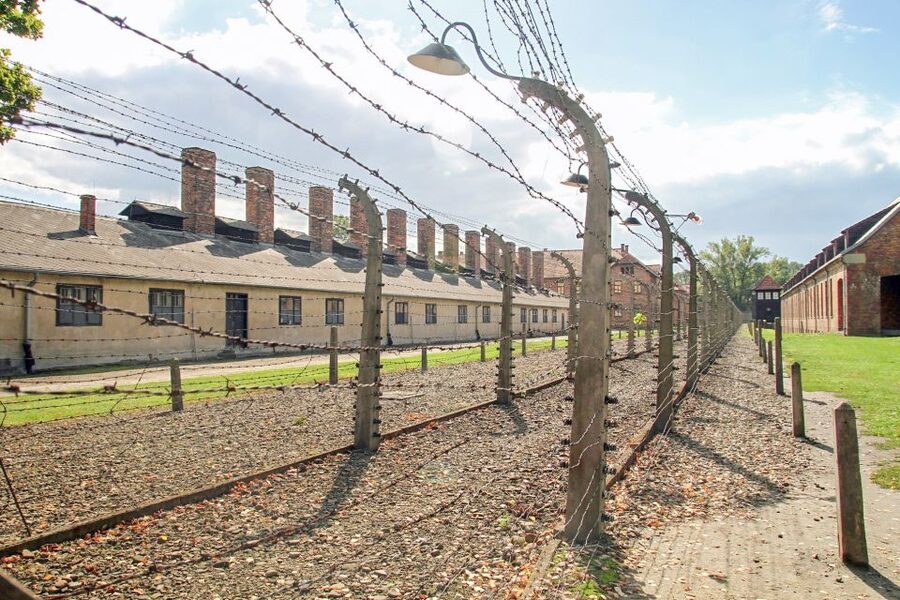
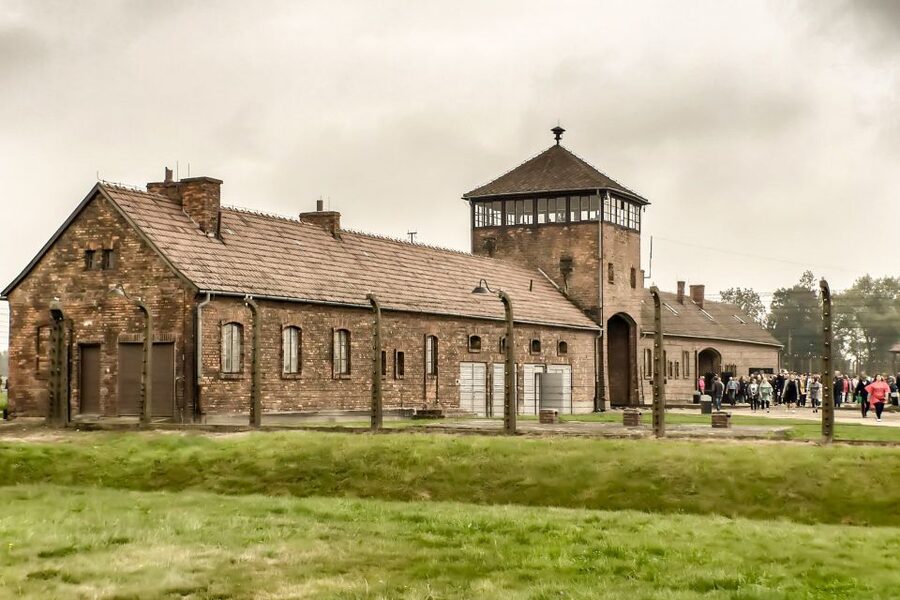
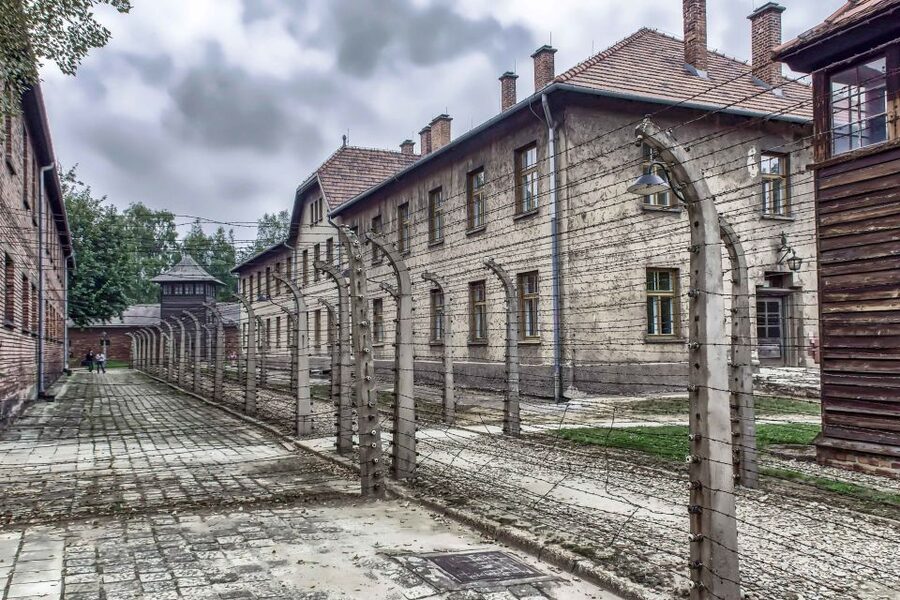
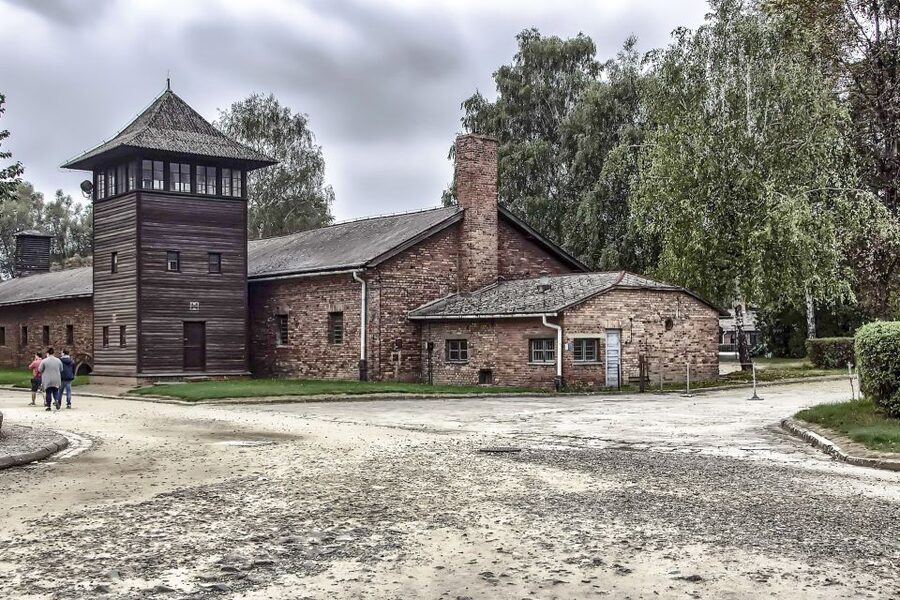
The first camp usually receives the longest portion of the guided visit, listed at about 2.5 hours. This is the more enclosed and museum-like part of the experience, with former barracks and exhibitions that help explain the camp system.
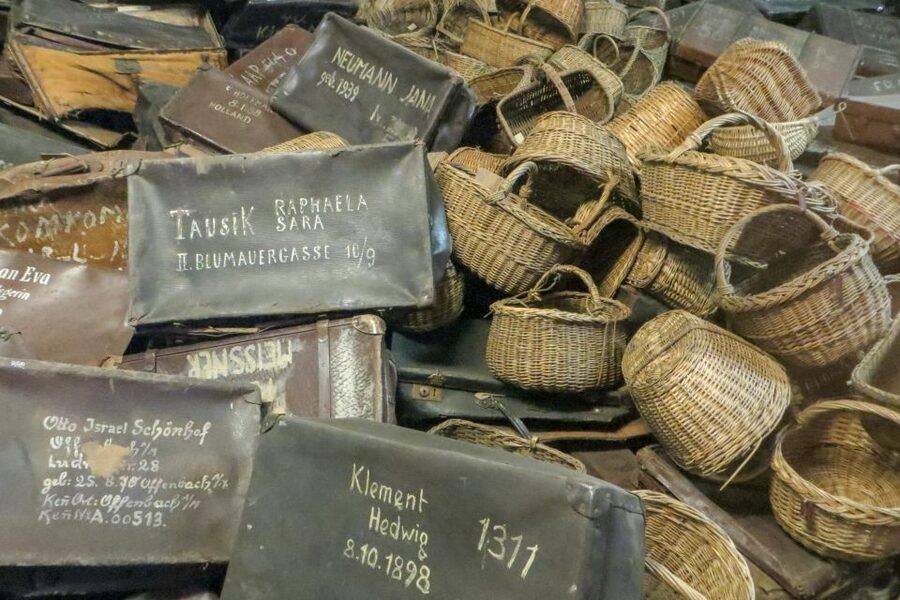
You can expect to walk through buildings containing authentic evidence of Nazi crimes. The point is not to collect dramatic photographs. The value lies in seeing how ordinary objects, documents, rooms, and buildings reveal the treatment of prisoners and the scale of the persecution.
A guide can also explain daily life, including the severe conditions prisoners faced and the way the camp was organized. The stories of individuals help you understand that Auschwitz was not only a set of buildings. It was a place where people were stripped of freedom, identity, health, and family connections.
Headsets are used during at least part of the museum visit, which helps you hear the guide even when other groups are nearby. This matters because the site can be crowded and the instructions can move quickly. One practical drawback is that some guides keep a brisk pace. If you need more time with an exhibit or photograph, tell the guide when there is a suitable pause.
There may be a short break before or during the visit. Facilities include toilets, a cafe, and places to buy drinks, but it is wise to carry your own water. A small bottle is easier to manage than a large bag, and buying drinks from a vending machine can be surprisingly expensive.
Auschwitz II-Birkenau: scale you can see
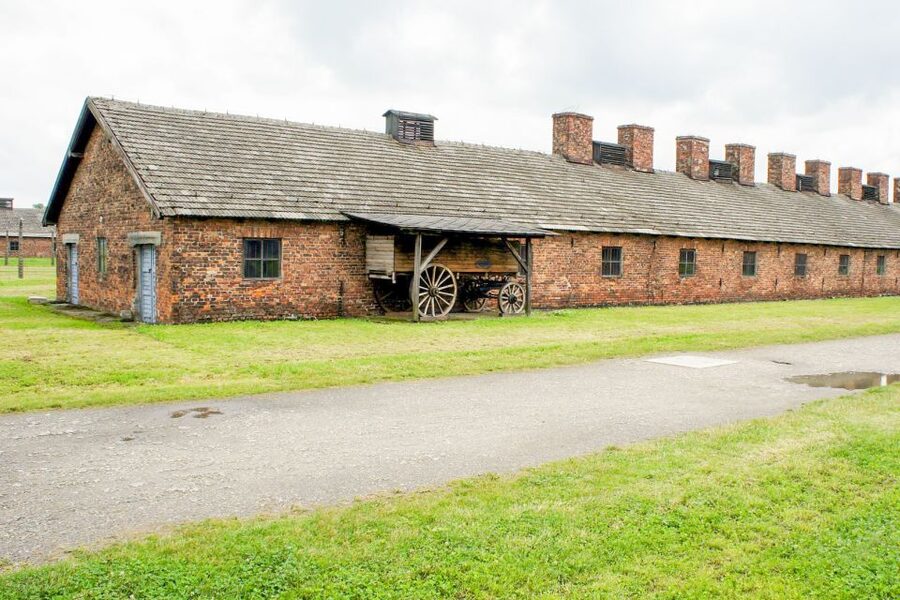
The second camp is about a short transfer from Auschwitz I, usually by the tour vehicle. The listed guided time is about one hour, although the actual schedule can vary. Some departures have spent closer to two hours at Birkenau, particularly when breaks and walking time are counted.
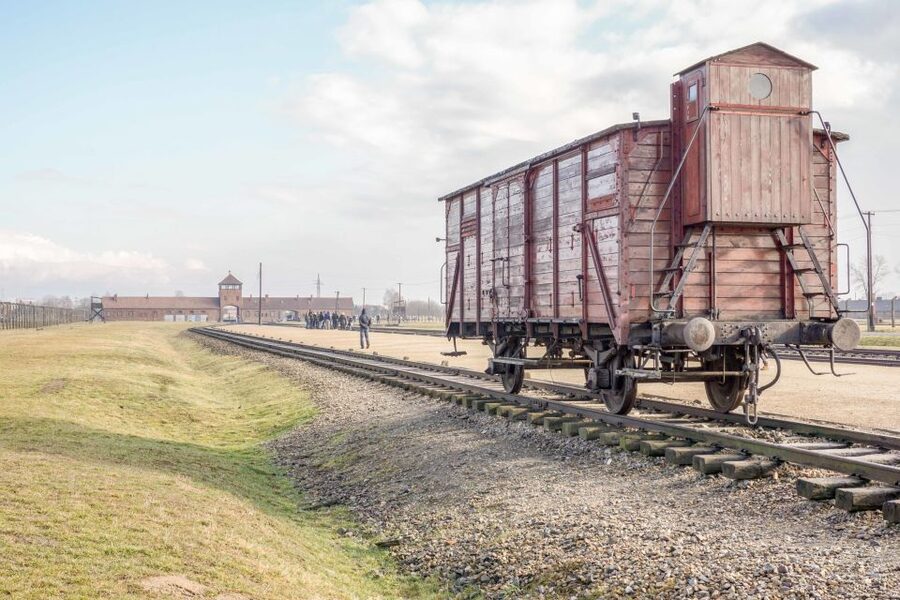
Birkenau is much more open than Auschwitz I. The railway ramp makes the purpose of the site immediately clear: deportees arrived by train and were processed within the camp system. Watchtowers, fences, barracks, and the remains of gas chambers and crematoriums show how large the operation became.
The physical size can be hard to take in. At Auschwitz I, rooms and displays bring you close to individual evidence. At Birkenau, the open ground and long lines of buildings show the industrial scale of imprisonment and murder. You need both sites to understand the full picture.
Wear shoes with thick, comfortable soles. The ground at Birkenau can be rocky, and there are steps and uneven sections. In winter, the area is exposed to the weather, so add a warm hat, scarf, and suitable outer clothing. In warm weather, bring water and dress for several hours outside.
A few more things to do in Kraków worth a look
- Auschwitz-Birkenau Museum and Memorial Guided Tour from Krakow
★ 4.5 · 1,510 reviews - Krakow: Rynek Underground Museum Guided Tour
★ 4.6 · 1,122 reviews - Krakow Schindler’s Factory Museum Guided Tour in English
★ 4.5 · 650 reviews - Museum of illusions Entry Ticket
★ 4.5 · 521 reviews
What the guide adds to the visit
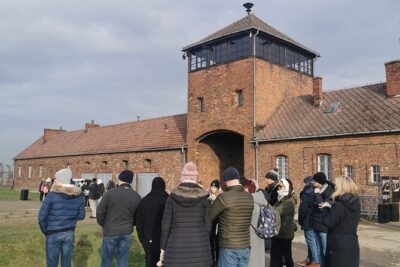
The on-site guide is the heart of the experience. A strong guide explains the facts in order, answers questions directly, and keeps a respectful tone. Anna, Sofia, and Susannah have each been praised for clear English, strong subject knowledge, and sensitive delivery. Your assigned guide may be someone else, but those qualities are worth expecting.
The guides do not all use the same pace. Some tell a detailed story from beginning to end. Others move quickly between rooms and stops, which can make it hard to absorb every point. You can improve the experience by listening closely to the meeting instructions and asking questions when the guide pauses.
An English audio guide is included, and headsets may be used at the museum. This is helpful if the group is spread out or another tour is nearby. Still, audio equipment is not a replacement for paying attention to the guide’s route and timing.
The driver and the museum guide have different jobs. The driver manages the Krakow transfer, pickup, parking, and movement between the two camp sites. The museum guide provides the historical explanation. When both roles work well, the day feels simple despite the large number of visitors and strict entry rules.
Timing, crowds, and the real pace of the day
The advertised duration is seven hours, including transport from Krakow. The basic outline is about three hours on site, with roughly 2.5 hours at Auschwitz I and one hour at Birkenau, though breaks and entrance arrangements can change the timing.
The museum is a heavily visited place, and organization at the entrance can feel chaotic. Waiting may occur even when your driver has done everything correctly. This is not a normal attraction where you can arrive whenever you like and stroll straight in. Entry is controlled, names are checked, and groups move according to assigned times.
That is why an early departure can be useful. You may need to get up before dawn, but you can avoid losing the entire day and may return to Krakow around 1pm. If your booking shows a later start, remain prepared for a revised time.
Plan for a serious seven-hour outing rather than a relaxed half-day excursion. The combination of driving, security and entrance procedures, walking, standing, and emotional concentration can leave you tired. Do not pair it with another long tour unless you are comfortable with a very full schedule.
What to bring and what to leave behind
Bring a passport or ID card. The museum requires the full name and contact details of every participant, and the name on your booking must match the identification you show at entry. A mismatch can lead to refusal, so check spelling before payment.
Wear comfortable shoes with good soles. You will walk across paved paths, interior floors, steps, and rougher ground at Birkenau. Weather-appropriate clothing is essential, especially from late autumn through winter when the open areas can be cold and windy.
Keep your bag small. Large luggage and large bags are not allowed, and storage may involve a charge. Leave alcohol, drugs, and pets behind. Carry water if you can, since vending machines may be expensive and there may not be an easy chance to buy a drink once the guided section begins.
A valid student ID can qualify you for a youth discount. The activity is non-refundable because the museum tickets are issued under strict requirements, so check names, dates, and pickup details before you commit.
Is the $8 price good value?
The advertised price of $8 per person is unusually low for a seven-hour trip that includes transport, a professional guide, museum admission, and hotel pickup and drop-off. If that price is genuinely available for your date, it offers strong value.
Do check the final price carefully before booking. Rates can rise when you book close to the travel date, and the available pickup or group option may affect the cost. One booking made shortly before departure was considered expensive compared with an earlier search, yet the convenience still made sense for that person.
The value is less about luxury and more about removing practical problems. You do not need to arrange the 65-kilometre journey, find the museum entrance, or work out how to move between Auschwitz I and Birkenau. You also gain an English-speaking guide and an organized visit to a place where context matters.
The tradeoff is limited flexibility. You follow the assigned entry time and group schedule, and the museum does not offer a casual hop-on, hop-off style visit. If you want to spend a long time at one exhibit, a private arrangement may suit you better.
Who should choose this tour?
I would choose this option if you are staying in Krakow, want both camps in one day, and prefer transport and museum entry arranged together. It suits first-time visitors who want the main historical framework without handling every detail themselves.
It is also a sensible choice for anyone uneasy about navigating the site alone. A good guide can explain what you are seeing and help you keep track of the schedule. The small minivan option is appealing if you prefer a quieter transfer than a large bus.
You should think twice if you dislike fixed schedules, need a guaranteed late start, or want to examine every display at your own speed. The visit can move quickly, and pickup times may change to match the museum’s entry system.
Should you book it?
Book this tour if you want a straightforward route from Krakow to both Auschwitz sites, an English guide, and a small-group transfer. Its strongest features are the helpful drivers, the sensitive on-site guides, and the chance to see Auschwitz I and Birkenau in one organized day.
Before paying, confirm the final pickup time, enter every name exactly as it appears on the relevant ID, and plan for long walking and difficult subject matter. If you accept those limits, this is a practical, good-value way to make a significant visit that is hard to arrange casually.
FAQ
How long does the Auschwitz Birkenau tour take?
The listed duration is seven hours, including transport between Krakow and the museum. The drive takes about 1.5 hours each way, while the guided visit is listed at about 3.5 hours.
Which sites are included?
The tour includes Auschwitz I and Auschwitz II-Birkenau. You can see former barracks, watchtowers, railway ramps, and the remains of gas chambers and crematoriums.
Is hotel pickup included?
Free hotel pickup and drop-off are included for the selected option. The stated meeting point is Straszewskiego 14 in Krakow, so confirm the exact collection instructions before departure.
What language is the tour in?
The live tour guide and included audio guide are in English.
What identification do I need?
Bring a passport or ID card. Your full name on the booking must match the name on your identification, as required by the Auschwitz-Birkenau Memorial and Museum.
Can I bring a large bag?
No. Luggage and large bags are not allowed. Bring only a small bag, comfortable shoes, weather-appropriate clothing, and water if possible.
Just added in Kraków
- From Krakow: Zalipie Village Day-Tour★ 4.9 · 74 reviews
- Krakow: Zalipie Village Tour★ 4.6 · 8 reviews
- ZALIPIE – painted village, unique PRIVATE tour from Krakow★ 5.0 · 20 reviews
- From Krakow: Guided Tour of Zalipie★ 4.6 · 30 reviews
- From Krakow: Ojców National Park & Ogrodzieniec Castle Tour★ 4.9 · 64 reviews
- Krakow: Axe Mate Club Shooting Range Entry Ticket★ 4.7 · 60 reviews
- Krakow: Axe Throwing Fun★ 4.9 · 70 reviews
- Krakow: Energylandia Park Entry Ticket and Optional Transfer★ 4.8 · 39 reviews
Auschwitz-Birkenau Memorial Tours, compared.
Auschwitz-Birkenau Guided Tour & Hotel Pickup
Read the review →
Auschwitz Guided Tour with Optional Hotel Pickup
Read the review →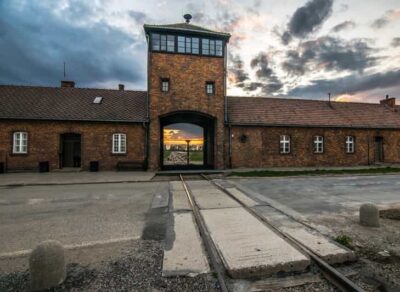
Auschwitz-Birkenau Guided Tour with Pickup & Lunch
Read the review →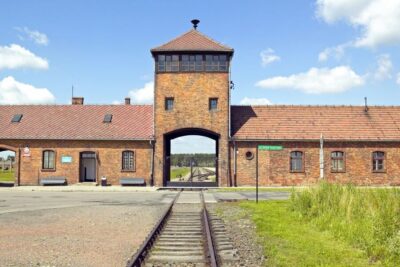
Krakow to Auschwitz Birkenau Guided Tour with Transfer and Ticket
Read the review →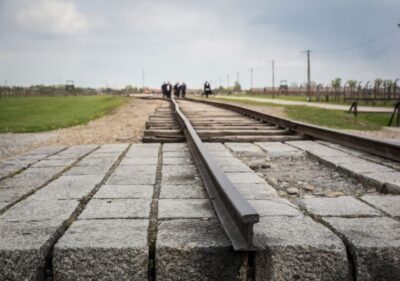
Auschwitz Birkenau Small Group Tour with Pickup
Read the review →Browse the lists this tour appears in