Reviewed · TOURS IN KRAKÓW
Kraków Holocaust Tour
Krakow’s former Jewish ghetto is not just a memorial marked by a few plaques. Much of the old district still looks as it did between 1941 and 1943, including sections of the wall and buildings tied to ghetto administration, labor, policing, medicine, and family life. This two-hour walking tour explains how the Nazi ghetto system worked while placing those facts on the streets where they happened.
I like two things right away: the route claims to cover the entire former ghetto, rather than only the best-known square, and it ends at Pharmacy Under the Eagle, one of Krakow’s key museums on this subject. The guide is a graduate in Geography and History, and the Spanish-language presentation has earned a 4.9 rating from five verified bookings, with particular praise for clear, engaging explanations and broad subject knowledge.
The main consideration is emotional and physical. This is a serious tour through a place shaped by persecution, hunger, forced labor, imprisonment, and murder. You will also spend two hours walking, so wear comfortable shoes and allow time to process what you see.
Key points to know before booking
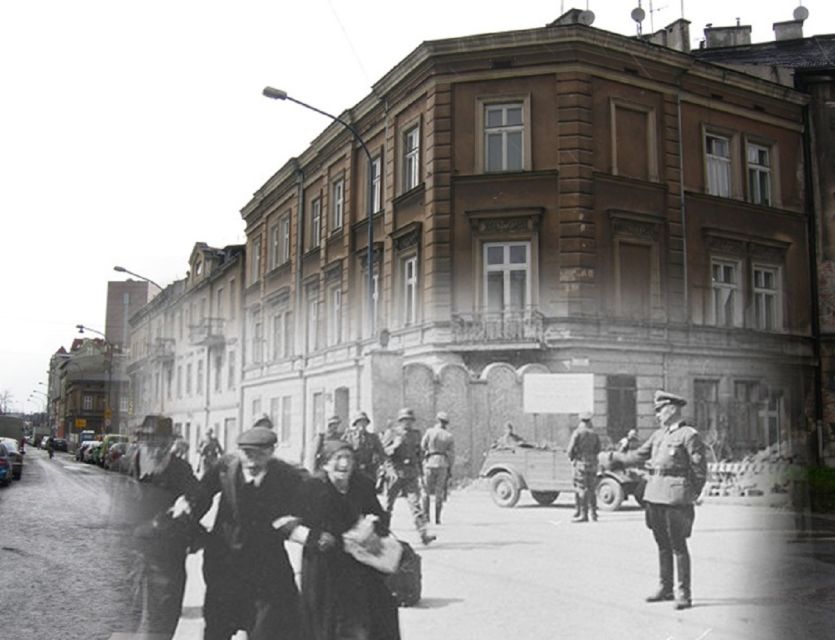
- The full former ghetto route: The walk aims to cover the old Krakow ghetto in its entirety, not just Ghetto Heroes Square.
- Buildings still shape the story: Former hospitals, factories, police offices, labor organizations, orphanages, synagogues, and prison sites help explain how the ghetto functioned.
- A Spanish-speaking historian leads the tour: The guide has graduate training in Geography and History and explains both Krakow’s ghetto and Nazi ghetto policy elsewhere in Poland.
- Pharmacy Under the Eagle is the closing visit: The route finishes at this important museum connected with life in the ghetto.
- Good value at $16: For two hours with a qualified live guide, the price is modest, especially if you want context rather than a quick photo stop.
- Practical details are simple: Meet the guide by looking for a gray umbrella, bring comfortable shoes, and note that food and drinks are not included.
Why Krakow’s former ghetto needs a full walking tour
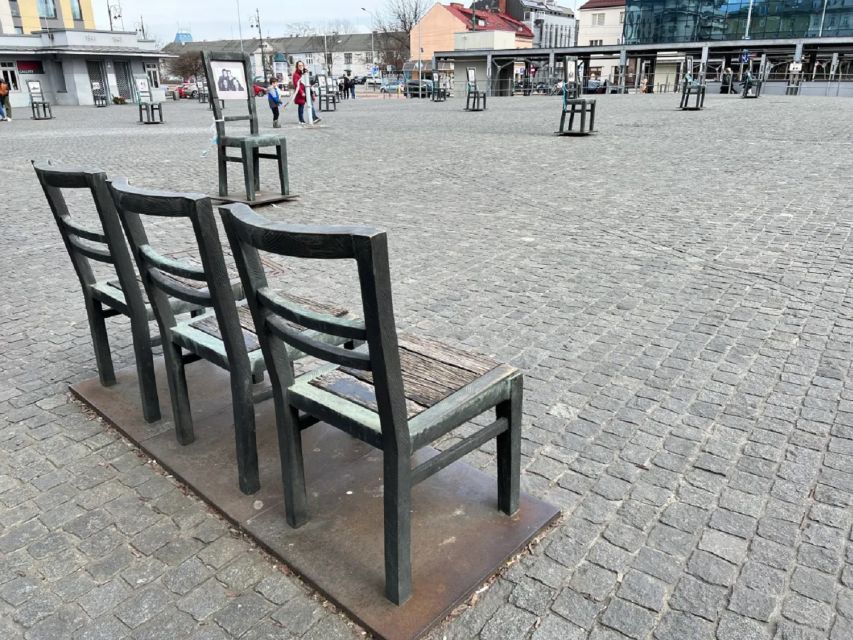
A short visit to the old Jewish ghetto can leave you with only fragments: a wall, a square filled with chairs, and perhaps a museum. Those sights matter, but they do not explain the system around them.
This tour gives you the wider picture. You examine how the Nazis created ghettos, what purpose they served during the occupation, and how officials controlled the people forced inside. The point is not only to identify where the wall once ran. It is to understand how movement, work, health care, policing, administration, and daily survival were organized within a confined district.
That wider approach is the tour’s strongest feature. The ghetto was not a single building or one dramatic site. It was a functioning district under violent control, with offices, hospitals, factories, religious buildings, homes, and places for children. Seeing those elements together gives you a more accurate sense of how occupation policy entered ordinary life.
The route also places Krakow’s experience alongside other ghettos in Poland. That comparison matters because it helps you see both the common Nazi system and the particular features of Krakow. You are not only hearing a local story. You are learning how one city fit into a wider policy of persecution.
Other trips people book in Kraków:
- From Krakow: Auschwitz-Birkenau Guided Tour & Hotel Pickup
★ 4.5 · 33,358 reviews - From Krakow: Auschwitz-Birkenau Guided Tour & Hotel Pickup
★ 4.5 · 29,340 reviews - Krakow: Auschwitz Guided Tour with Optional Hotel Pickup
★ 4.5 · 15,280 reviews
The surviving wall fragments and the physical limits of the ghetto
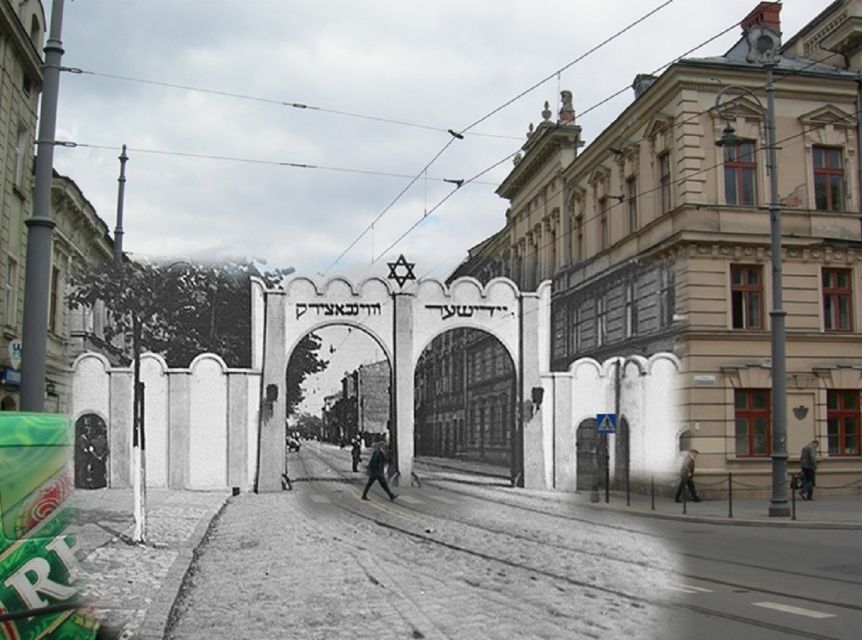
The two surviving fragments of the ghetto wall are among the clearest physical reminders of the district’s boundaries. A wall can look simple, but here its meaning is severe: it marked forced separation and made the limits of daily life visible.
The tour uses these fragments as part of a larger explanation rather than treating them as isolated monuments. You learn where the old entrances stood and how the ghetto’s boundaries shaped movement. The location of the former doors is important because an enclosed district depends on controlled access. A door was not simply a way in or out. It was part of the machinery of supervision.
Because much of the surrounding district has retained its older appearance, the streets and buildings can help you picture the setting more clearly than a display in a modern museum alone. Still, the physical remains cannot tell the whole story by themselves. The guide’s explanation is essential, since an ordinary-looking house may have served an institutional or administrative role during the occupation.
If you prefer tours built around one spectacular monument, this experience may feel quieter. Its power comes from connecting many modest places and showing how they worked together.
Ghetto Heroes Square and the chairs
Ghetto Heroes Square, often called the Square of Chairs, is the route’s best-known public space. The chairs make the square memorable, but the tour gives you the historical setting needed to understand why this place carries such weight.
The square is connected with the forced removal of Jewish residents from the ghetto. In a place like this, an object as ordinary as a chair can suggest absence, waiting, and the stripping away of home life. The guide helps you read the square as part of the ghetto’s operation, not merely as a site for photographs.
I like that this stop is paired with less familiar places. A visit limited to the square could leave you with a strong image but little understanding of the institutions around it. By continuing through the former district, you see how the public space related to offices, housing, labor, medicine, and police control.
Take your time here. The tour lasts two hours, but the subject is dense, and the square may be one of the moments when you want to pause rather than rush to the next stop.
Administration, police, and the machinery of control
The itinerary includes former police agencies, Judenrat locations, labor organizations, and sites connected with the ghetto administration. These are not always the easiest places for a visitor to interpret, but they are central to understanding how the ghetto operated.
The Judenrat was part of the forced administrative structure imposed on Jewish communities. A guide can explain the painful position of people made responsible for carrying out orders under Nazi rule. That topic requires care, because it is easy to reduce complicated choices made under terror to simple labels.
The police and administrative sites show another side of the ghetto. Nazi control did not rely only on a wall. It also depended on orders, records, supervision, work assignments, and enforcement. Seeing the places associated with those functions makes the system feel less abstract.
The references to intellectual meetings and resistance add another layer. People inside the ghetto were not defined only by the restrictions placed on them. They continued to organize, work, meet, care for others, and resist in different ways. The guide’s job is to connect those human actions with the brutal conditions surrounding them.
Same base, a different kind of day:
- Krakow–Zakopane: Cable Car, Chocholow Baths, Cheese & Vodka
★ 5.0 · 10,720 reviews - Krakow: Auschwitz-Birkenau Guided Tour with Pickup & Lunch
★ 4.5 · 9,800 reviews - From Krakow: Wieliczka Salt Mine Tour
★ 4.6 · 9,393 reviews - Krakow: Auschwitz-Birkenau Guided Tour Pickup/Lunch Options
★ 4.5 · 9,057 reviews
Hospitals, orphanages, factories, and daily survival
The tour also covers hospitals, orphanages, factories, and other places tied to everyday life. These stops are valuable because they move the story beyond political decisions and into the practical questions of survival.
A hospital in the ghetto was part of a system under terrible pressure. An orphanage points to children and family life, while factories and labor organizations show how work was used and controlled. Each site helps answer a basic question: what did people do each day inside a district designed to confine and exploit them?
The tour promises to discuss daily life in detail. That means you should expect more than a timeline of Nazi orders. You will hear about the institutions that tried to provide care, the organizations that managed work, and the buildings where people were forced to live and serve the occupation.
This is where the route can feel most affecting. A ghetto is often presented as a political idea, but the buildings show its effect on real routines. Work, illness, children, worship, administration, and fear all occupied the same limited space.
At the same time, do not expect every listed building to be a fully preserved museum interior. The information describes a district where many structures and sites remain, but the experience is fundamentally a guided outdoor walk, with the museum visit at the end. The guide’s interpretation gives meaning to places that may look plain from the street.
Pharmacy Under the Eagle as the closing museum visit
The tour finishes with Pharmacy Under the Eagle, identified as one of Krakow’s most important museums on the subject. Ending here makes sense. After walking through the district and learning how the ghetto operated, you reach a place designed to preserve and explain that experience.
The pharmacy is especially useful as a final stop because it brings the story into a specific setting. The walk gives you the district’s size and structure. The museum then offers a more focused place to reflect on the people and events connected with it.
The available information does not specify how long you remain inside or detail the museum’s individual displays, so you should not book this expecting a lengthy museum lecture. The advertised duration is two hours for the complete experience. Still, the closing visit adds something a walk alone cannot provide.
If you want to see the museum at a slower pace, consider arranging extra time in Krakow after the tour. The guided visit gives you the essential connection between the pharmacy and the ghetto, while independent time would let you examine the museum without the pressure of a fixed route.
What the Spanish-language guide adds
The tour is conducted in Spanish by a live guide with graduate training in Geography and History. That qualification matters here because the subject requires more than memorized dates. You need someone who can explain how policy, place, and daily life fit together.
The strongest feedback attached to this experience centers on the guide’s presentation. The comments describe the tour as very interesting, engaging, and well informed across many topics. That is exactly what you want from a serious historical walk: clear explanations that keep the route understandable without making the subject feel casual.
No guide’s personal name is provided, so you should not book expecting a particular named historian. The important fixed detail is the guide’s academic background and Spanish-language service.
The guide carries a gray umbrella at the meeting point. That small detail is useful in a busy city and saves you from searching for a company sign or trying to recognize a stranger.
Is $16 a fair price for two hours?
At $16 per person, this is a strong value for a focused historical walk. You are paying for two hours with a qualified live guide, coverage of the full former ghetto district, and a visit to Pharmacy Under the Eagle.
The price is especially reasonable if you would otherwise walk through the area without understanding what the buildings were used for. A free stroll can show you the streets, but it may not explain the old doors, Judenrat sites, labor offices, hospitals, factories, or police agencies. Here, the fee buys structure and context.
Food and drinks are not included, though that is hardly a problem for a two-hour city walk. The more important issue is time. If you have only a short stay in Krakow, this tour gathers many connected sites into one efficient route.
The rating of 4.9 from five verified bookings is encouraging, particularly because the praise focuses on the guide’s explanations rather than on a single view or photo stop. The sample is small, so I would treat the rating as a positive sign, not a guarantee that every group will have the same experience.
Who should book this Krakow Holocaust tour?
I would recommend it to you if you want a serious, place-based introduction to Krakow’s former Jewish ghetto and prefer Spanish. It suits visitors who want the city’s buildings and streets explained in context, not just a quick visit to the most famous square.
It is also a good choice if you are interested in how Nazi ghettos functioned as systems. The route covers administration, policing, labor, hospitals, orphanages, synagogues, factories, prisons, and resistance, giving you a broad view of life under occupation.
You may want a different format if you find emotionally heavy walking tours difficult, or if you want a long, quiet museum visit with plenty of time at each display. The two-hour route is focused and dense. It gives you a framework, but you may need independent time afterward for reflection.
The tour is wheelchair accessible, which removes one common barrier for visitors planning a historical city walk. Since the route is on foot, comfortable shoes remain essential. Starting times vary, so check availability before booking.
Should you book it?
Book this tour if you want the former Krakow ghetto explained as a complete district rather than as a handful of memorials. The combination of surviving wall fragments, Ghetto Heroes Square, administrative and social buildings, and Pharmacy Under the Eagle gives you a clear route through both the physical place and the Nazi system behind it.
At $16, it is an easy value decision for Spanish-speaking visitors who want a qualified guide and a serious two-hour introduction. Go with comfortable shoes, a willingness to face difficult material, and enough time afterward to think about what you have seen.
FAQ
Where does the Krakow Holocaust Tour take place?
It takes place in Krakow, in the Lesser Poland region of Poland, and covers the former Jewish ghetto.
How long does the tour last?
The tour lasts two hours.
What is the price?
The listed price is $16 per person.
What language is the tour in?
The live tour guide conducts the tour in Spanish.
What qualifications does the guide have?
The guide is a graduate in Geography and History.
What should I bring?
Bring comfortable shoes for the walking route.
How do I find the guide?
The guide carries a gray umbrella at the meeting point.
Is the tour wheelchair accessible?
Yes, the activity is listed as wheelchair accessible.
Does the tour include food or drinks?
No. Food and drinks are not included.
Can I cancel the booking?
Yes. You can cancel up to 24 hours in advance for a full refund. You can also reserve now and pay later.
Just added in Kraków
- Wawel Castle, Old Town with St. Mary’s Church Guided Tour★ 5.0 · 5 reviews
- Wawel Castle, Old Town with St. Mary’s Church Guided Tour★ 5.0 · 3 reviews
- Wawel Castle, Cathedral, Old Town and St. Mary’s Basilica★ 4.8 · 13 reviews
- Wawel Castle, Cathedral, & Rynek Underground Tour with Lunch★ 4.5 · 10 reviews
- Wawel Castle & Cathedral Skip the Line Small Group Tour★ 5.0 · 3 reviews
- Wawel Castle and Cathedral Guided Tour★ 4.6 · 44 reviews
- Wawel Castle, Cathedral, Rynek Underground Tour with Lunch★ 5.0 · 3 reviews
- Wawel Castle and Cathedral Guided Tour★ 5.0 · 8 reviews
Tours in Kraków, compared.
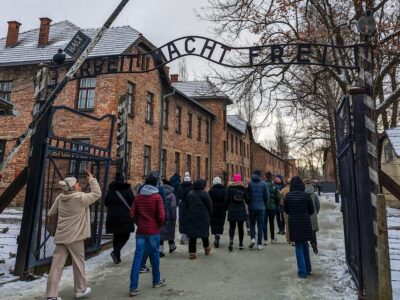
Auschwitz-Birkenau Guided Tour & Hotel Pickup
Read the review →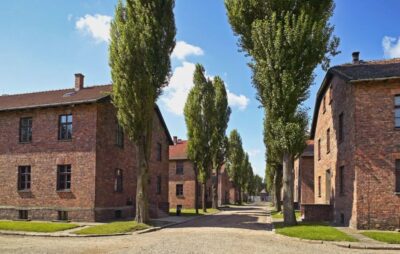
Auschwitz Guided Tour with Optional Hotel Pickup
Read the review →
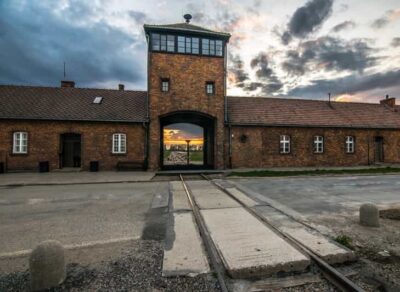
Auschwitz-Birkenau Guided Tour with Pickup & Lunch
Read the review →
Krakow to Auschwitz Birkenau Guided Tour with Transfer and Ticket
Read the review →