Reviewed · TOURS IN KRAKÓW
Legends of Cracow ROBOTIC SHOW
Krakow’s legends get an unusual treatment here: robots and moving toys act out stories about dragons, kings, bells, jesters, and enchanted heroes while films and shadow theater fill the screens behind them. It is less a conventional museum visit than a compact stage show built for curious families and anyone who wants a quick dose of Krakow folklore.
I like the clever mix of old stories and modern effects, and I like that the 20-minute length makes this an easy stop between major sights. The main caution is its tone: the puppets and robots can feel quite childish, and the short running time leaves little space for any one legend to develop.
Key points
- Robots tell Krakow’s best-known legends, rather than presenting a standard walking tour or lecture.
- Eleven stories are included, from the Wawel Dragon and St. Mary’s Towers to Lajkonik and Mr. Twardowski.
- The presentation mixes film, shadow theater, recordings, moving toys, and special effects with live-looking mechanical figures.
- The show lasts only 20 minutes, making it a practical break during a day of sightseeing.
- Audio is offered in six named languages, while Spanish is also listed among the available language versions.
- At about $8 per person, it is a low-cost introduction to Krakow’s folklore, though the short duration limits depth.
A robot stage for Krakow’s old stories
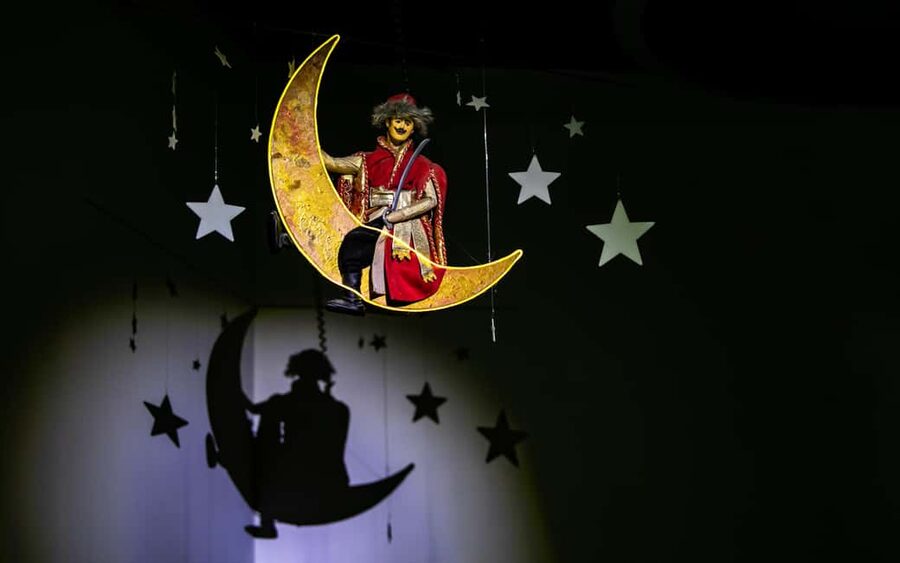
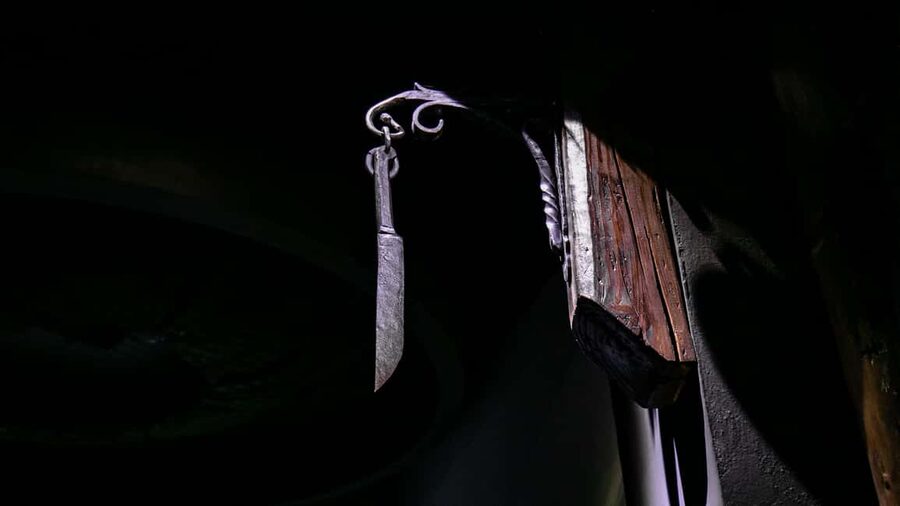
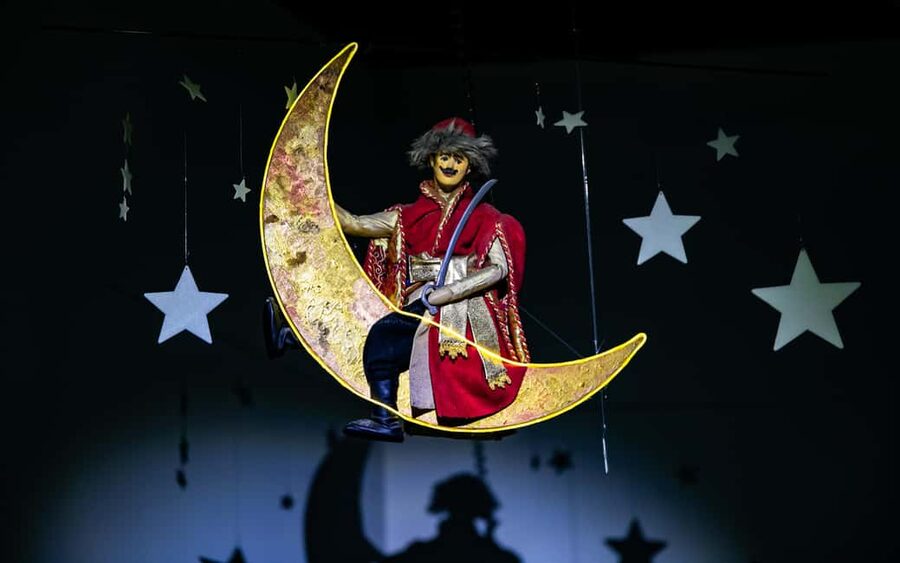
This show takes the legends of Krakow and places them on a small multimedia stage. The main actors are robots and artist-made moving toys. Behind them, cinema screens show film, animations, shadow theater, and real recordings. A narrator explains the action through headphones or loudspeakers.
That setup gives the experience a different feel from a guide leading you through the Old Town. You are not simply hearing a story while looking at a monument. You are watching Krakow’s folklore turned into a compact mechanical theater piece.
I find the idea especially useful early in a Krakow visit. The show introduces many names you will encounter again around the city, including the Wawel Dragon, the Hejnal Mariacki trumpet call, the Sigismund Bell, and Lajkonik. It gives those subjects a basic story before you see their real-world locations.
The presentation is designed to entertain first. It does provide historical and cultural information, but you should not expect a detailed lecture or a serious theater production. The robots, moving toys, and effects carry much of the appeal.
Other trips people book in Kraków:
- From Krakow: Auschwitz-Birkenau Guided Tour & Hotel Pickup
★ 4.5 · 33,358 reviews - From Krakow: Auschwitz-Birkenau Guided Tour & Hotel Pickup
★ 4.5 · 29,340 reviews - Krakow: Auschwitz Guided Tour with Optional Hotel Pickup
★ 4.5 · 15,280 reviews
What happens during the 20-minute show
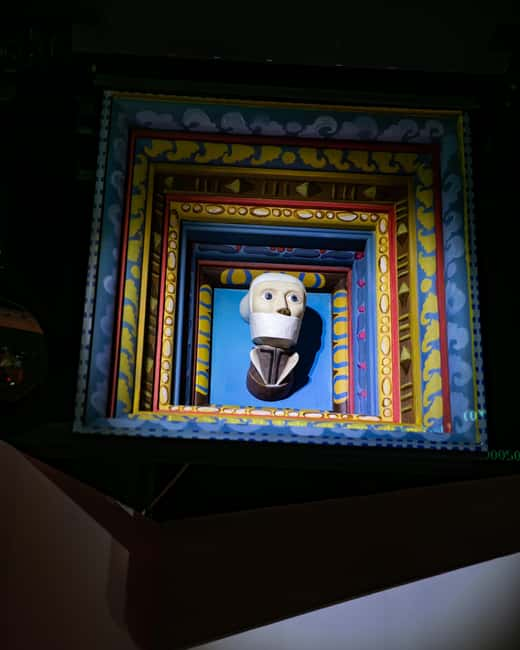
The exact order of the stories is not provided, but the program covers a broad group of Krakow legends and cultural figures. You can expect the show to move quickly from one subject to the next, using narration, projected images, and mechanical performers rather than long explanations.
The short format matters. Twenty minutes is long enough to introduce a generous collection of stories, but not long enough to explore their origins, variations, or historical setting in detail. I would treat it as a lively primer, not a complete account of Krakow’s past.
Here are the subjects included:
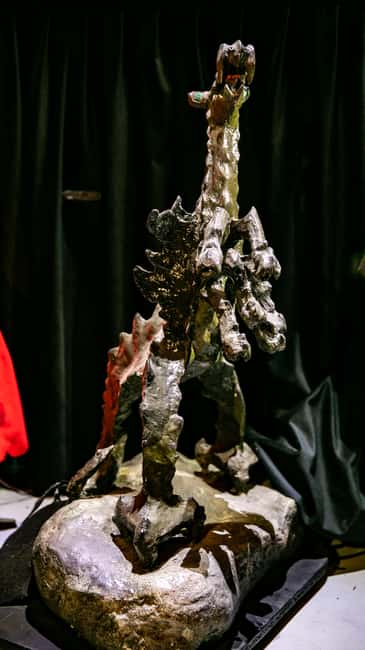
The Wawel Dragon
The Wawel Dragon is perhaps Krakow’s most famous legend. The story is tied to Wawel Hill and the riverbank below it, where a dragon sculpture has become a popular city symbol.
In the show, this familiar tale provides an obvious centerpiece for the robot format. A mechanical dragon is a natural fit for a production built around moving figures and special effects. If you have children with you, this is likely to be one of the easiest stories for them to follow.
Kinga and the Wieliczka Salt Mine
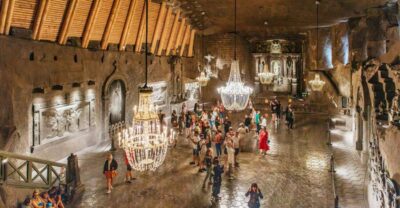
The story of Kinga connects Krakow’s folklore with the Wieliczka Salt Mine, one of the region’s best-known cultural attractions. Including it broadens the show beyond the immediate streets of central Krakow.
This section can help you place Wieliczka within the larger set of legends associated with Lesser Poland. The show does not provide enough time for a full account of the mine or its underground chambers, so think of it as a quick introduction rather than preparation for a separate visit.
Same base, a different kind of day:
- Krakow–Zakopane: Cable Car, Chocholow Baths, Cheese & Vodka
★ 5.0 · 10,720 reviews - Krakow: Auschwitz-Birkenau Guided Tour with Pickup & Lunch
★ 4.5 · 9,800 reviews - From Krakow: Wieliczka Salt Mine Tour
★ 4.6 · 9,393 reviews - Krakow: Auschwitz-Birkenau Guided Tour Pickup/Lunch Options
★ 4.5 · 9,057 reviews
St. Mary’s Towers and the Hejnal Mariacki
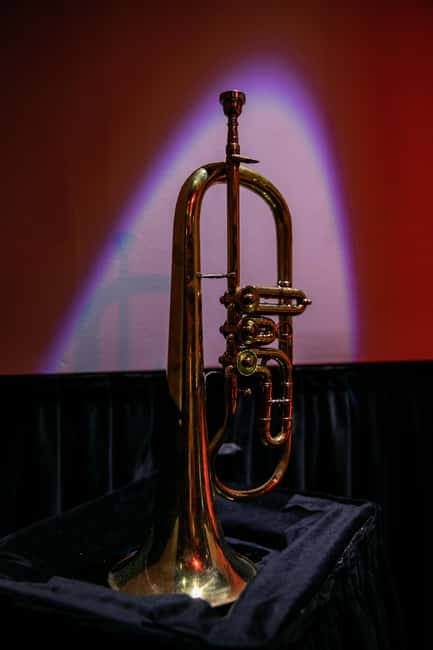
St. Mary’s Towers and the Hejnal Mariacki are closely linked to Krakow’s best-known daily sound. The trumpet call from St. Mary’s Basilica is one of the city’s most recognizable traditions.
Pairing these subjects in your mind is useful when you visit the Main Market Square. The show gives the legend a theatrical setting, while the real towers and trumpet call provide the physical connection elsewhere in the city.
The Yellow Boot
The Yellow Boot is a less familiar title for many first-time visitors. That makes its inclusion one of the more useful parts of the program. You get more than the two or three Krakow stories that appear in every guidebook.
Because the show moves quickly, the value here is recognition. You will hear the name, see it presented in the production, and have a better chance of remembering it later.
The Wawel Heads
The Wawel Heads add another link to Wawel’s artistic and royal associations. Their presence reminds you that Krakow’s stories are not limited to dragons and magical creatures. Some are tied to objects, buildings, and works of art.
This kind of variety helps keep the program from feeling like one long fairy tale. Still, the short running time means the show can only sketch each subject.
Stańczyk the Jester
Stańczyk was a famous royal jester and an enduring figure in Polish culture. His appearance gives the show a character with a different kind of energy, based on wit and courtly life rather than monsters or miracles.
The robot and toy format suits a comic figure particularly well. You should expect a visual, accessible treatment rather than a detailed discussion of Stańczyk’s place in Polish art and politics.
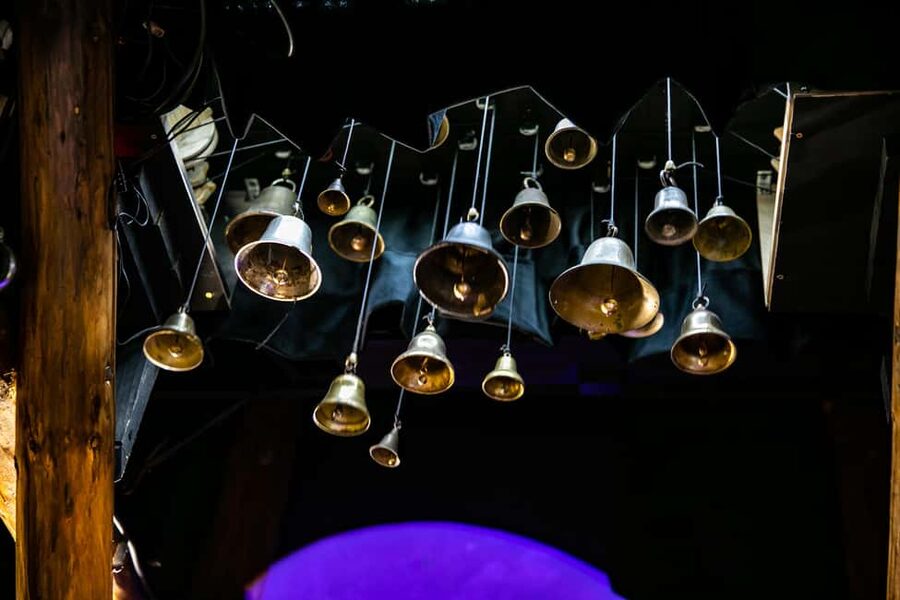
The Sigismund Bell
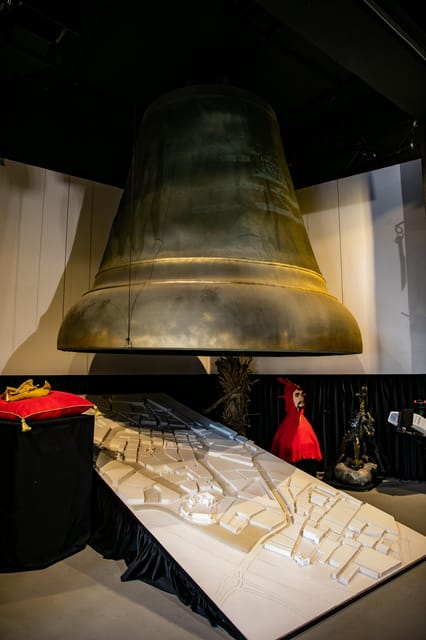
The Sigismund Bell is associated with Wawel Cathedral and Poland’s royal past. It is another example of how Krakow’s identity is tied to important objects as much as to people and stories.
The show’s use of sound and multimedia makes a bell an especially fitting subject. This section may also give you a reason to pay closer attention when you visit Wawel and encounter the bell in its real setting.
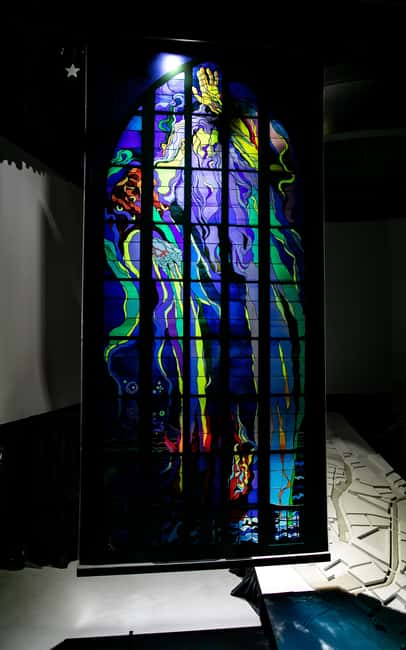
Stanisław Wyspiański
Stanisław Wyspiański brings modern Polish art and culture into a program otherwise filled with legends and traditional figures. His inclusion gives the production a wider cultural range.
You should not expect a biography. The show uses Wyspiański as one part of a fast-moving collection of Krakow subjects, offering a first point of contact rather than a full lesson.
Mr. Twardowski
Mr. Twardowski is a well-known magical figure in Polish folklore. This story fits the show’s combination of fantasy, stage mechanics, and special effects.
It is also the sort of tale that works well without much background. The visual action can carry the basic idea even if you are unfamiliar with Polish legends.
Lajkonik
Lajkonik is one of Krakow’s distinctive folk characters. The figure is associated with a horse costume and local tradition, making it a useful reminder that Krakow’s folklore includes public celebrations and customs, not only stories set in castles.
This is a good example of the show’s local focus. It is presenting the character as part of Krakow’s identity, not offering a generic European fairy-tale program.
How the effects shape the experience
The central attraction is the combination of several simple theatrical tools. You get a narrator, headphones or loudspeakers, cinema screens, animation, shadow theater, real recordings, robots, moving toys, and special effects.
No single element has to carry the entire show. The screens can establish a setting, the narrator can explain the plot, and the moving figures can provide the visual joke or dramatic action. That layered approach is likely to keep the 20 minutes moving at a brisk pace.
I like this format for families because it avoids a long spoken presentation. You do not need to stand quietly through a detailed explanation of dates and names. The show uses movement and images to make the material easier to grasp.
The same design may feel too lightweight if you are seeking serious historical detail. The experience is built around legends, not verified historical events, and its mechanical theater style may seem young for adults who prefer traditional museums or guided walks.
One practical point is that the narration is available through headphones or loudspeakers. That gives you two ways to follow the story, though the exact arrangement may depend on the performance setup. The audio guide is listed in Polish, English, Italian, German, Ukrainian, and French. Spanish is included in the broader list of available language versions and host languages, so check the selected time and language when booking.
Why the short length can work in your itinerary
A 20-minute activity is easy to fit into a crowded Krakow day. You can place it between sightseeing stops rather than giving it the space required by a half-day tour.
The meeting point is near Krakowska Galery, and the activity ends back at that meeting point. Since no transport is included or needed as part of the experience, you should plan to reach the starting location on your own.
The brief running time is also the clearest limitation. One review described the show as very interesting but regretted that it was so short, calling it a good break during Krakow sightseeing. That is a fair way to judge it. The program offers a pleasant pause and a lot of subjects, but it does not linger.
If you prefer a slow pace, you may wish the stories had more room. If you are traveling with children, managing a tight schedule, or simply want something different from another church or museum, the short length is a real advantage.
Is $8 good value?
At about $8 per person, the price is modest for a ticketed cultural activity. The value comes from the combination of low cost and low time commitment. You are not giving up half a day, and you get an entertaining introduction to eleven Krakow subjects.
The price is strongest when you use the show as an add-on to a larger day. It can help you understand local names and symbols before visiting Wawel, St. Mary’s Basilica, or other central sights.
The value is less clear if you expect a full theatrical production. The show lasts only 20 minutes, and its educational content is necessarily light. Adults looking for a detailed account of Krakow’s legends may find the ticket worthwhile only as a quick overview.
The average rating is 4 out of 5 from three published ratings, with comments ranging from very interesting to very childish but funny. That spread tells you something important about the experience’s tone. It is meant to amuse, and its childlike style is part of the design, not an accidental flaw.
Who should book this show?
I would recommend it most strongly to families, first-time visitors, and anyone who wants a compact introduction to Krakow folklore. Children who enjoy puppets, robots, animated films, and fantasy stories should have plenty to watch.
It also suits adults who like unusual presentations. The show is not a standard audio guide, and the combination of moving toys, shadow theater, and projections gives it a quirky local flavor.
You may want to skip it if you prefer mature theater, detailed history, or long-form storytelling. The material is presented quickly, and the tone can feel childish. Adults without children should book it because they enjoy the format, not because they expect a serious historical performance.
The multilingual audio makes it accessible to a broad range of visitors. Before paying, confirm that your preferred language is available at the time you select, especially if you need Spanish, since the language information separates the broader seven-language offering from the six languages specifically listed for the audio guide.
Booking and cancellation details
The experience is offered by Jordan Group. No individual guide name is provided, and the host or greeter language list includes Polish, English, Spanish, French, Italian, German, and Ukrainian.
You can reserve now and pay later, which is useful if your Krakow schedule is still changing. Free cancellation is available up to 24 hours before the activity for a full refund. Starting times vary, so check availability before building the show into a tightly timed day.
Should you book Legends of Cracow?
Book it if you want a cheap, short, visual introduction to Krakow’s legends, especially if robots and moving toys will appeal to you or your family. The show covers an impressive list of local subjects in just 20 minutes and works well as a break between major sights.
Skip it if you need detailed history or a sophisticated theatrical performance. The childish tone is real, and the short duration means each story receives only a quick treatment.
For most visitors, the decision comes down to expectations. At $8, it is a reasonable small addition to a Krakow itinerary, not a major event. Treat it as a lively folklore interlude, and it should earn its place in your day.
FAQ
Where does Legends of Cracow begin?
The show begins near Krakowska Galery in Lesser Poland, Poland.
Where does the activity end?
The activity ends back at the meeting point near Krakowska Galery.
How long does the robotic show last?
The show lasts 20 minutes.
What languages are available?
The listed languages are Polish, English, Spanish, French, Italian, German, and Ukrainian. The audio guide is specifically listed in Polish, English, Italian, German, Ukrainian, and French.
What does the ticket include?
The ticket includes admission to the Legends of Cracow show.
What stories are presented?
The program includes the Wawel Dragon, Kinga and the Wieliczka Salt Mine, St. Mary’s Towers, the Yellow Boot, the Wawel Heads, Stańczyk the Jester, the Sigismund Bell, Stanisław Wyspiański, Mr. Twardowski, the Hejnal Mariacki, and Lajkonik.
Can I cancel the booking?
Yes. You can cancel up to 24 hours in advance for a full refund.
Can I reserve now and pay later?
Yes. The activity offers a reserve now and pay later option.
Just added in Kraków
- Wawel Castle, Old Town with St. Mary’s Church Guided Tour★ 5.0 · 3 reviews
- Wawel Castle, Old Town with St. Mary’s Church Guided Tour★ 5.0 · 5 reviews
- Wawel Castle, Cathedral, Old Town and St. Mary’s Basilica★ 4.8 · 13 reviews
- Wawel Castle, Cathedral, & Rynek Underground Tour with Lunch★ 4.5 · 10 reviews
- Wawel Castle & Cathedral Skip the Line Small Group Tour★ 5.0 · 3 reviews
- Wawel Castle and Cathedral Guided Tour★ 4.6 · 44 reviews
- Wawel Castle, Cathedral, Rynek Underground Tour with Lunch★ 5.0 · 3 reviews
- Wawel Castle and Cathedral Guided Tour★ 5.0 · 8 reviews
Tours in Kraków, compared.

Auschwitz-Birkenau Guided Tour & Hotel Pickup
Read the review →
Auschwitz Guided Tour with Optional Hotel Pickup
Read the review →
Auschwitz-Birkenau Guided Tour with Pickup & Lunch
Read the review →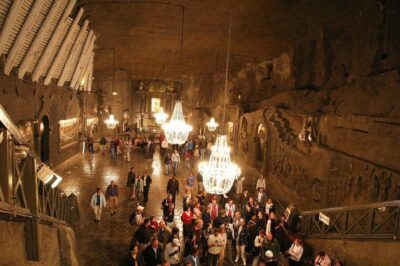
Krakow to Auschwitz Birkenau Guided Tour with Transfer and Ticket
Read the review →