
Reviewed · CASTLE TOURS
Wroclaw: Lower Silesia, Ksiaz Castle & Church of Peace Tour
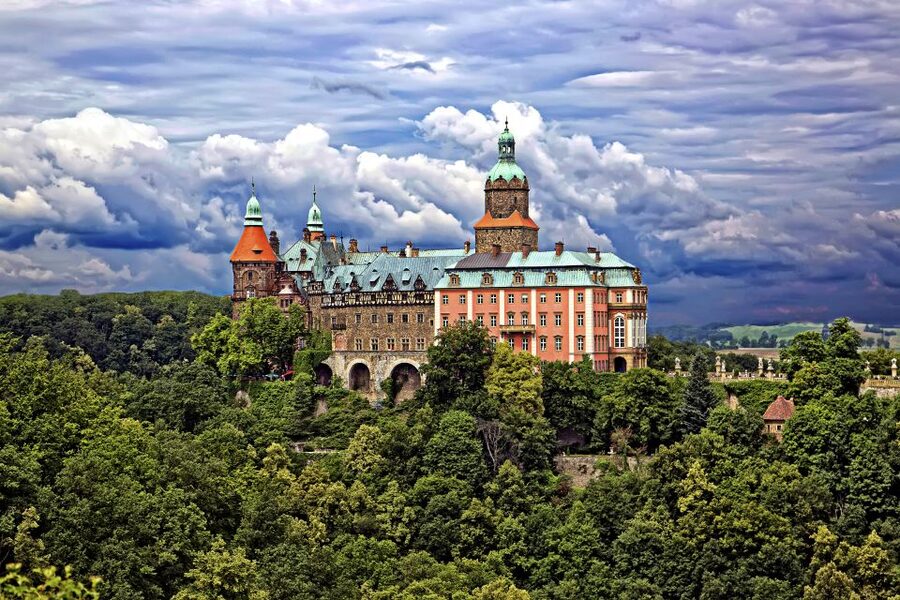
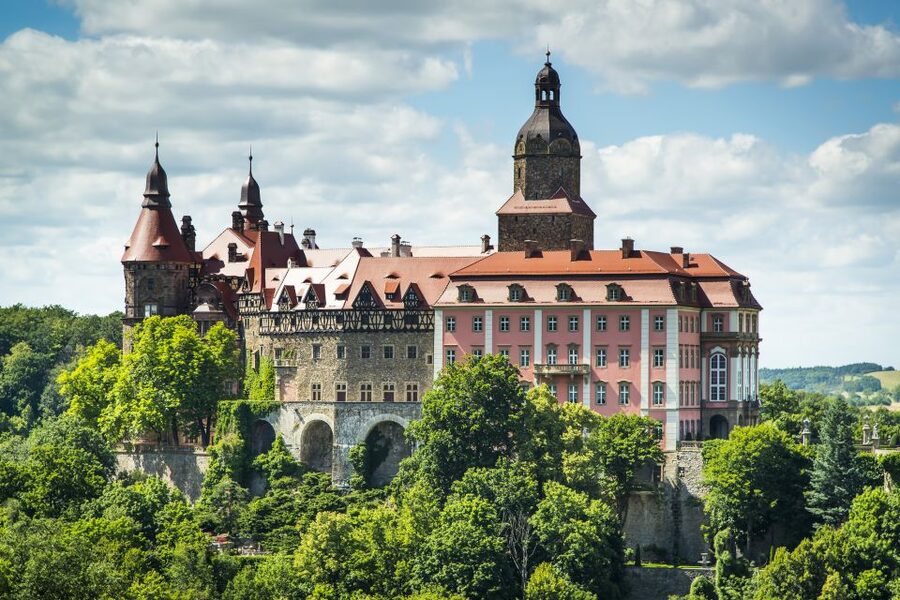
Książ Castle rises from a rocky perch above the Pełcznica River, and that dramatic setting is the first reason this tour catches my eye. I like the mix of castle views and difficult history, especially the wartime tunnel project begun by Hitler’s organization in 1943. I also like that the day adds Świdnica’s graceful Market Square and its remarkable Church of Peace, rather than making the castle the whole story.
The main drawback is the six-hour schedule. You cover several sights in a short time, with a fair amount of driving between them. The tour is also not suitable for wheelchair users. Still, a private vehicle, hotel pickup, and groups capped at eight make this a handy way to reach places that are awkward to combine on your own.
Key points to know before booking
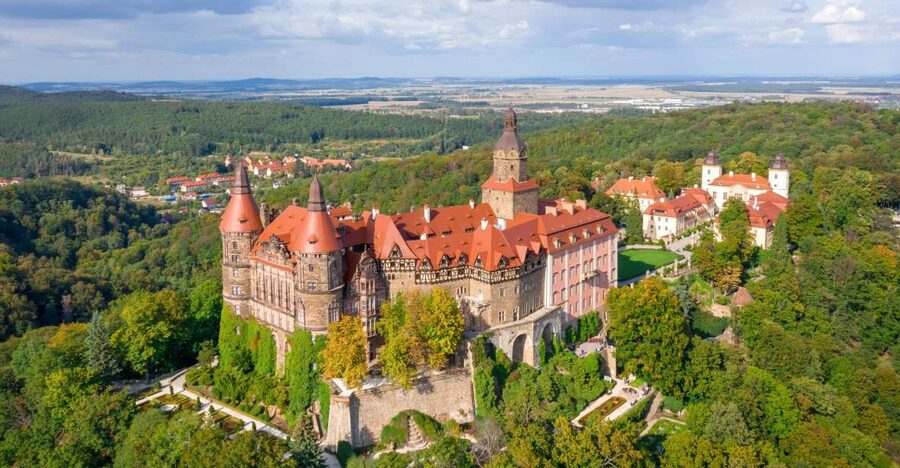
- Książ Castle sits on a 395-meter-high rocky site, surrounded by forest and cut by the Pełcznica River.
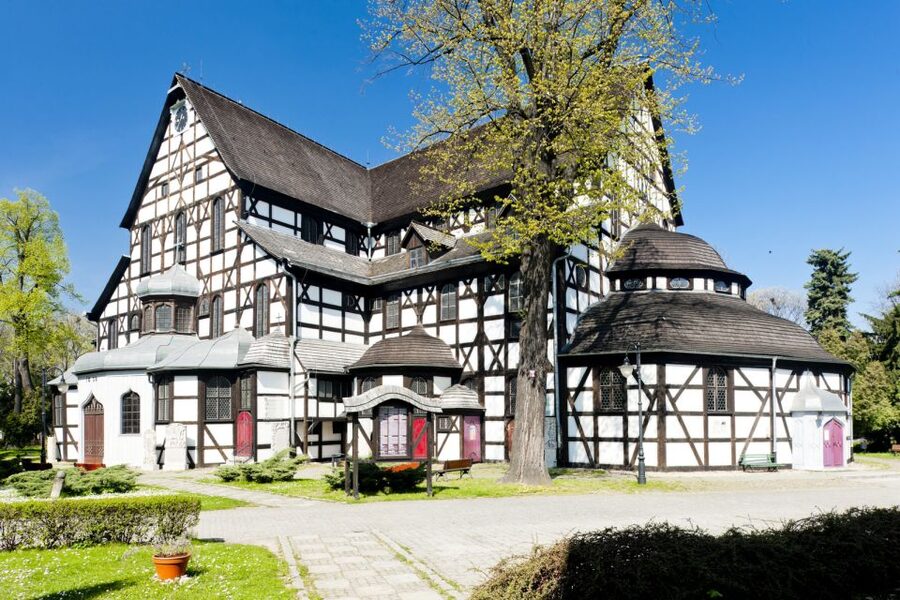
- Świdnica’s Church of Peace is a UNESCO-listed timber-framed church, built in the 17th century under strict political and religious limits.
- The Wałbrzych Palm House preserves its original construction, a rare survivor built for the Hochberg family.
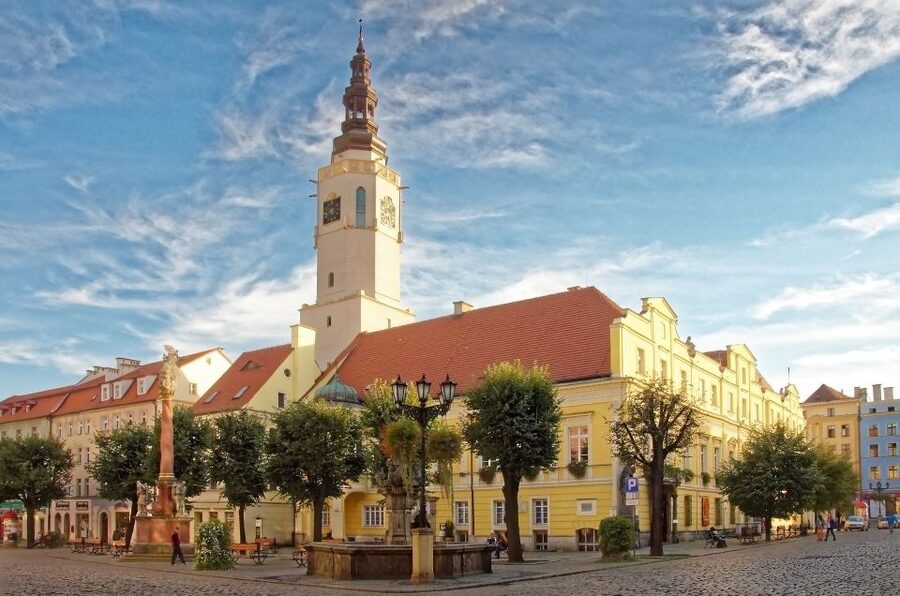
- Świdnica’s Market Square adds a relaxed town stop, with colorful townhouses, Gothic remnants, fountains, and a 1732 Neptune well.
- Small groups of up to eight and private transport keep the day more personal than a large coach excursion.
- The driving receives especially strong praise, though one Finnish guest found the pace on the road a little brisk.
Why this Lower Silesia combination works
This is not simply a castle outing. The route brings together aristocratic power, wartime history, Lutheran religious freedom, a handsome town center, and an old-fashioned botanical display. Those subjects can feel disconnected on a map, but together they give you a useful introduction to Lower Silesia.
I like that the tour does not stop at the most obvious photo opportunity. Książ supplies the drama, but Świdnica supplies the human scale. The Church of Peace gives the day its most unusual historical subject, while the Palm House adds a lighter final note.
You leave from your accommodation in Wrocław and travel by private vehicle with a driver-guide. English and Polish are available, and an English audio guide is included. The group limit of eight matters here. At a large castle complex, a small party is easier to keep together and gives you a better chance to ask questions without turning the day into a lecture.
The tour costs $203 per person. That is not a bargain-priced outing, but the price includes hotel pickup and drop-off, transport, a driver-guide, trip insurance, and the convenience of joining several distant sights in one six-hour trip. If you would otherwise need to arrange several train or taxi connections, the cost becomes easier to justify. If you already have a rental car and prefer a slow pace, you may find the fixed schedule less appealing.
More castles within reach of Wrocław:
- From Wroclaw: Ksiaz Castle and Church of Peace in Swidnica
★ 4.7 · 42 reviews - Wroclaw To Ksiaz Castle and Church of Peace in Swidnica – half day tour
★ 5.0 · 13 reviews - Wroclaw to Project Riese and Ksiaz Castle Private Tour
★ 5.0 · 10 reviews
Książ Castle: a dramatic perch with a dark wartime chapter
Książ is Poland’s third largest castle, and its setting does much of the work before you even study the building. It rises on a rocky cliff beside the Pełcznica River, at about 395 meters above sea level, with forest around it. The nickname Pearl of Lower Silesia makes sense once you see how the castle and its setting belong to one grand picture.
The location is unusual for a building of this scale. You are not looking at a palace placed neatly in an open city square. Książ occupies high ground, and the surrounding woods help explain why the site feels both grand and secluded.
The castle also carries a sobering 20th-century story. In 1943, Hitler’s paramilitary organization took over the property and began construction intended to create one of Adolf Hitler’s important headquarters. That fact changes how you read the place. Behind the romantic image of towers, forest, and river lies a wartime project tied to Nazi power.
I would give this stop your full attention, especially if you enjoy architecture with a complicated past. The available information does not promise a complete underground tour or a specific interior route, so you should not book this expecting every part of the wartime construction to be accessible. The value is in seeing the castle’s setting and understanding the forces that reshaped it.
The castle stop also requires comfortable shoes. You may encounter uneven paths or walking around a large historic property, and the tour already involves several stops. Comfortable clothing is sensible too, since the day moves between outdoor areas and indoor attractions.
Świdnica Market Square: a compact town center
Świdnica’s Market Square gives you a change of rhythm after the castle. Instead of a large estate, you get a town center lined with renovated, colorful houses and Gothic remnants. The square is described as a must-see for good reason: it offers an easy place to pause and take in the town’s architectural layers.
Look for the fountains, including the well with Neptune dating from 1732. Details like this make the square more than a transfer point between major sights. The lighting has also received competition awards, so the square has a strong visual character even beyond its older buildings.
This stop is especially useful if you want more than grand monuments. You can get your bearings in an actual Lower Silesian town, see how the historic center has been refreshed, and enjoy a less demanding part of the day. The supplied schedule does not state how long you spend here, so keep your expectations practical. It is one part of a six-hour circuit, not a long independent visit to Świdnica.
One unusual point comes from the way the day can adapt. On one occasion, a communication problem at the castle created extra time, and the driver-guide offered Gross-Rosen Concentration Camp instead of the Market Square. That was not the standard promise of the tour, so you should not count on that substitution. It does show that the route may have some flexibility when circumstances change, and it also reminds you that the region’s history can turn from pretty town squares to painful wartime sites very quickly.
The Church of Peace in Świdnica
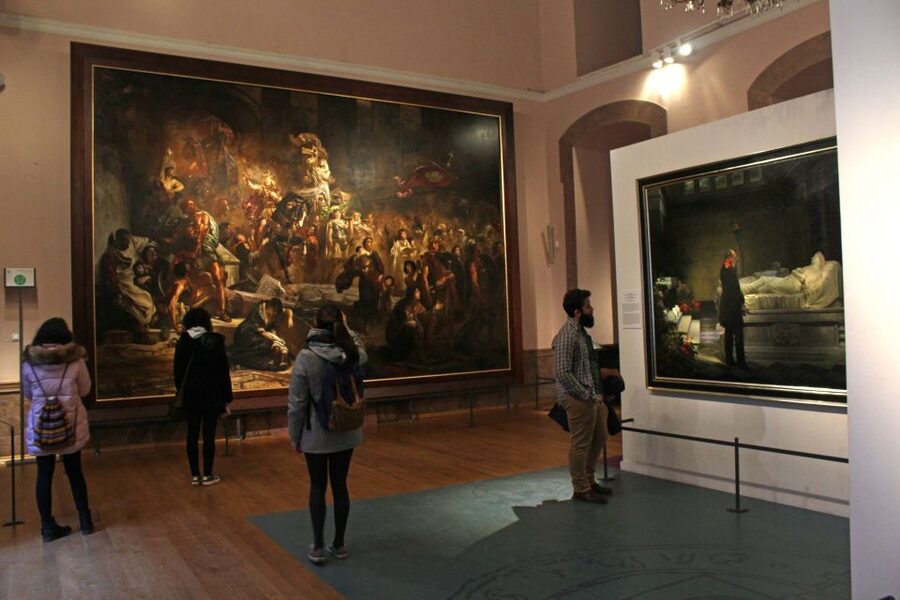
The Church of Peace is likely the most distinctive stop on the route. It is described as Europe’s largest timber-framed religious building and is part of a UNESCO World Heritage listing. Its size alone is impressive, but the circumstances of its construction are what make it important.
The church was built in the mid-17th century, after the Peace of Westphalia, during a period of intense religious conflict. Lutheran communities were allowed to build Churches of Peace, but the political conditions were strict. The buildings had to be placed outside city walls, made of wood or clay, and completed in less than a year.
Those limits produced a building type you do not often associate with major European churches. Lutheran worship appears here in a form that may first remind you of a Catholic church, yet the building’s very existence reflects a hard-won measure of religious freedom. The church is therefore not just a pretty wooden structure. It records who was allowed to worship, where they could build, and how quickly they had to do it.
You should allow yourself a slower look here than you might at an ordinary historic church. Notice the contrast between the humble building materials and the scale of the religious space. The Church of Peace gives the tour its strongest lesson in how politics can shape architecture.
An English audio guide is included, which is useful if the driver-guide cannot spend equal time inside every attraction. English and Polish instruction are available for the tour itself. Since the exact guiding arrangement at each stop is not specified, the audio guide is a helpful layer of context rather than something to treat as a replacement for a personal guided visit at every site.
Same base, a different kind of day:
- Wroclaw: E-Car Tour and Audio Guide
★ 4.6 · 1,738 reviews - Wroclaw: 2-Hour Private Guided Tour by Electric Car
★ 4.8 · 805 reviews - Wrocław: Old Town and Ostrów Tumski Walking Tour in English
★ 4.8 · 311 reviews - Wroclaw: Private Old Town Guided Walking Tour (2 hours)
★ 4.8 · 275 reviews
Wałbrzych Palm House and the Hochberg connection
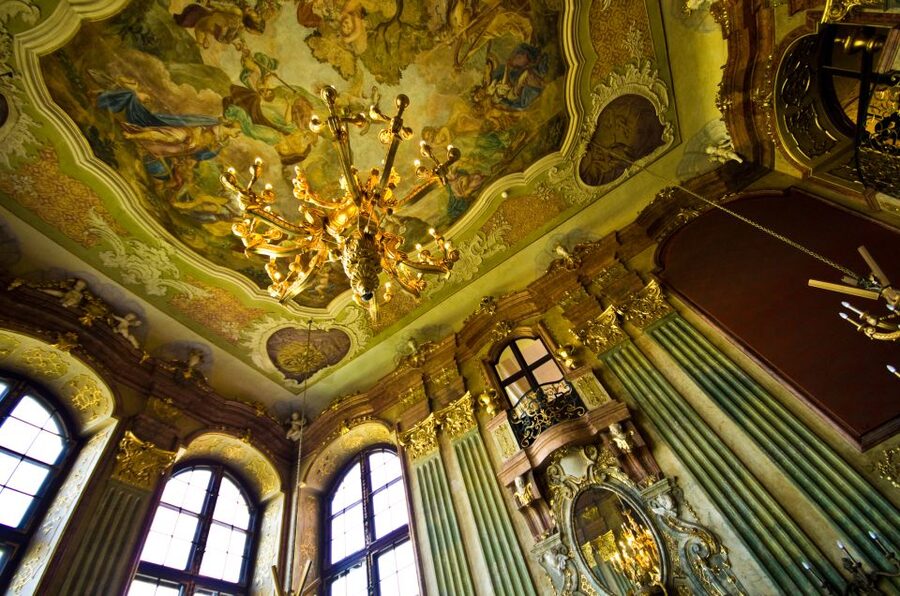
The Wałbrzych Palm House brings the day back to a more personal and domestic story. It was built at the initiative of Hans Heinrich XV, the last representative of the Hochberg dynasty at Książ Castle, for his spouse, Mary Theresa Cornwallis-West.
The building is also notable because it is the only preserved facility of its kind in Poland that remains in its original construction. You are not simply walking into a modern greenhouse added to an old estate. The structure itself belongs to the story.
Inside, the attraction focuses on plants, giving you a welcome contrast to castle masonry, religious conflict, and wartime history. The supplied details do not identify specific plant species or promise a particular seasonal display, so I would visit for the historic Palm House setting and its botanical atmosphere rather than expect a specialist garden tour.
This stop makes sense as part of the wider Książ story. The Palm House shows the private world of the castle’s ruling family, while Książ itself represents their public wealth and power. That connection gives the visit more meaning than a quick greenhouse stop on an unrelated route.
The driver-guide can shape the day
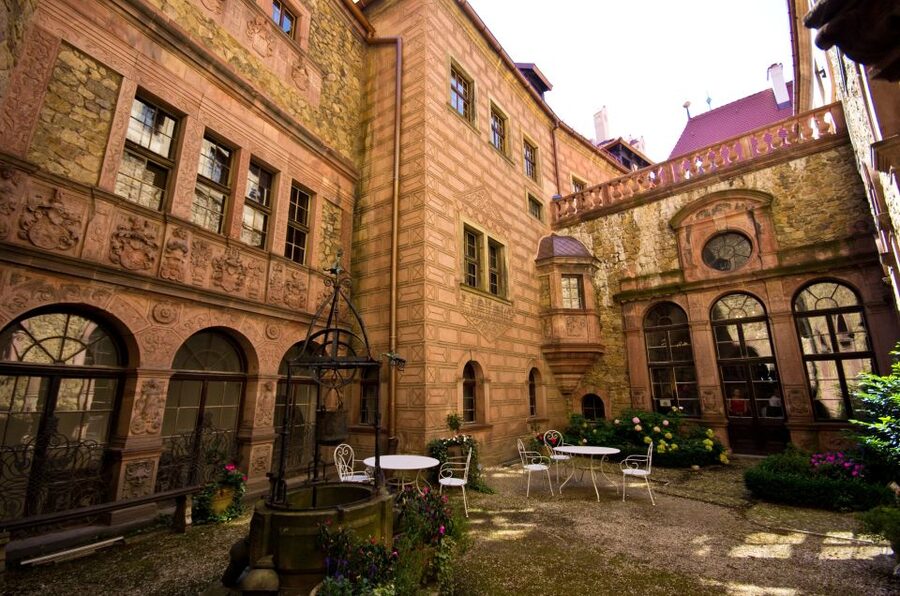
The tour includes a driver-guide rather than a separate driver and historian. That arrangement is practical for a small group, since one person handles the road and helps connect the places you see.
Adam receives especially warm praise for being funny, well-informed, and strong on history. Lucas is also singled out for being attentive and helpful, though one comment suggests his driving could have been gentler at times. Another booking praised the driving as outstanding, while a separate comment simply noted that the vehicle was comfortable for the longer stretches.
Those details give you a fair picture. The driving is a major part of this experience, and most of the available feedback is very positive. Still, if you are sensitive to fast driving, it is reasonable to say so at the start of the day. The route covers several sites outside Wrocław, and road time is unavoidable.
The group limit is eight people, but the actual number can be lower. One booking had only two participants, turning the outing into something close to a private tour. You should not assume that will happen, but the small maximum gives you a better chance of a personal experience than a standard sightseeing coach.
Time, comfort, and practical limits
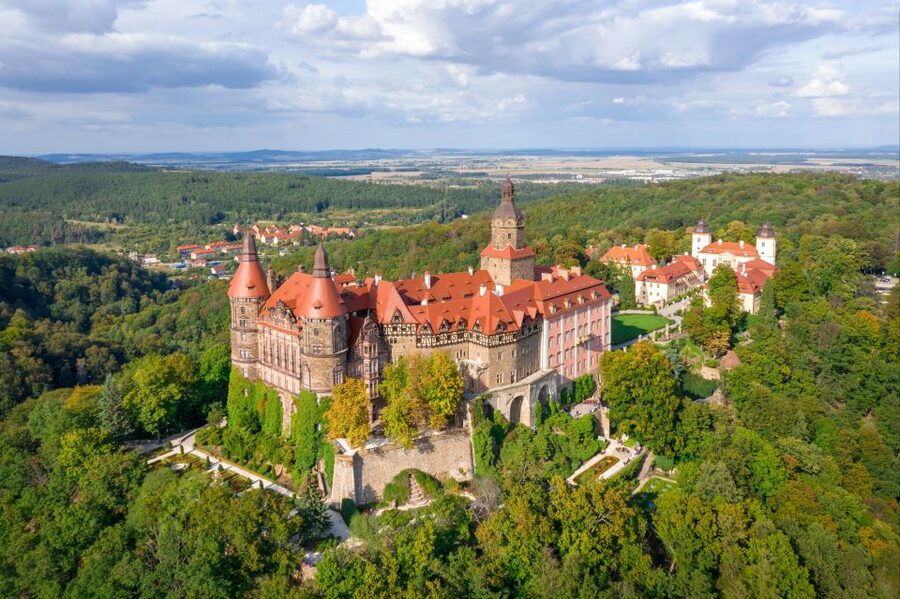
Six hours is enough to connect these sights, but it is not enough for a leisurely exploration of each one. You will need to keep moving, especially if you want to see all four main attractions. I would choose this tour when your priority is coverage and convenience, not long museum visits or unhurried meals.
Hotel pickup and drop-off in Wrocław remove one of the day’s biggest hassles. You do not need to find a regional bus, arrange separate taxis, or work out how to connect Książ with Świdnica and Wałbrzych. Private transport also lets the group stay together and makes the route easier to manage.
Wear shoes you can walk in comfortably. Bring practical clothing, since part of the appeal comes from the castle’s outdoor setting and the movement between different sites. Infant seats are available if requested at booking, and children must be accompanied by an adult. Unaccompanied minors cannot join.
The tour is not suitable for wheelchair users. That limitation matters because the route includes a castle on a rocky site and several historic buildings, and no accessible plan is provided. If mobility is a concern, ask before booking rather than assuming the private vehicle solves every access problem.
Cancellation is flexible up to 24 hours before departure for a full refund, and you can reserve now and pay later. Those terms are useful if your Wrocław plans are still shifting, though the core decision remains the pace and walking demands of the route.
Who should book this tour?
I would recommend it to you if you have a short stay in Wrocław and want to see beyond the city without arranging regional transport. It suits anyone interested in castles, religious history, wartime sites, architecture, and unusual historic buildings. Families may appreciate the pickup service and infant-seat option, provided everyone can manage the walking and children remain with an adult.
It is also a good choice if you prefer a small group and direct transport. The combination of hotel pickup, a private vehicle, and a maximum of eight participants adds real value to the $203 price.
I would hesitate if you want a slow, highly detailed castle visit, a long independent stop in Świdnica, or a fully accessible route. I would also think twice if you dislike spending part of a day on the road. For most visitors, though, the route earns its keep by linking four very different sights that are not as simple to combine independently.
FAQ
How long is the Książ Castle and Lower Silesia tour?
The tour lasts six hours, including hotel pickup and drop-off from accommodation in Wrocław.
What attractions are included?
The route includes Książ Castle, Świdnica’s Market Square, the Church of Peace in Świdnica, and the Wałbrzych Palm House.
Is transport included?
Yes. Transport is provided by private vehicle, with pickup and drop-off included from your accommodation in Wrocław.
What languages are available?
The driver-guide service is available in English and Polish. An English audio guide is included.
How large is the group?
The tour is limited to eight participants, although the actual group may be smaller.
Is the tour suitable for wheelchair users and children?
The tour is not suitable for wheelchair users. Children must be accompanied by an adult, and infant seats are available on request if requested when booking.
Just added in Wrocław
- Wroclaw to Rock City in Adrsprach★ 4.5 · 10 reviews
- Wroclaw to Rock City Adrspach in Czech Republic Private Tour including tickets★ 4.5 · 8 reviews
- Wroclaw to Project Riese and Gross Rosen Museum – WW2 Tour including tickets★ 5.0 · 13 reviews
- Wroclaw to Project Riese and Ksiaz Castle Private Tour★ 5.0 · 10 reviews
- Delicious Wroclaw Vodka Tour★ 5.0 · 14 reviews
- Wroclaw to Rock City in Adsprach and Church of Peace in Świdnica Private Tour★ 5.0 · 3 reviews
- Wroclaw to Prague Day Trip★ 5.0 · 5 reviews
- Wroclaw Old Town Highlights Private Walking Tour★ 4.0 · 5 reviews
Castle Tours, compared.
Wawel Royal Hill with Optional Castle and Cathedral
Read the review →
Skip-the-Line Wawel Castle Chambers Private Tour
Read the review →
Browse the lists this tour appears in