
Reviewed · NOWA HUTA & COMMUNISM TOURS
Nowa Huta: Steelworks Administration Buildings/Shelters Tour
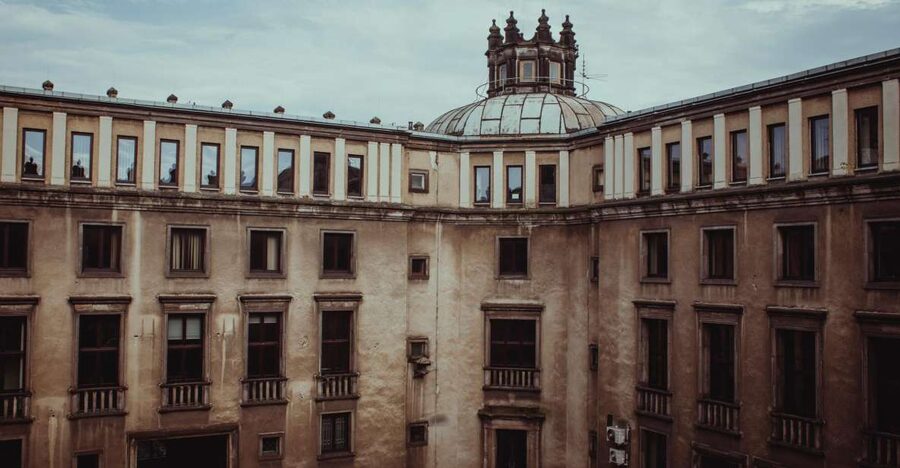
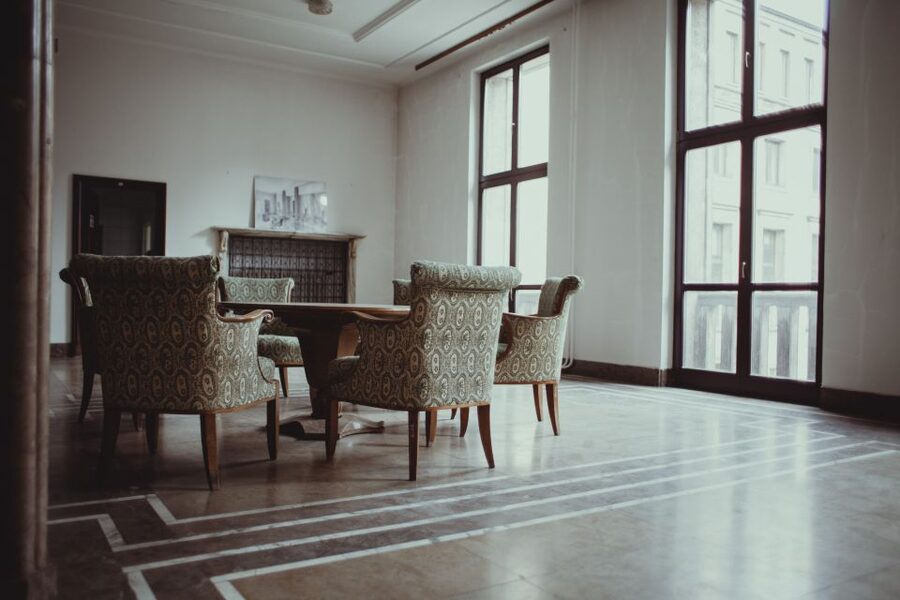
Nowa Huta’s former steelworks offices offer something rare in Krakow: a chance to enter a largely preserved Cold War workplace, then walk underground into its bomb shelters and command spaces. The grand halls, stone finishes, oval staircases, and old radio equipment show how much care went into the public face of this industrial complex.
I like the contrast between the formal directors’ rooms above ground and the stark shelter below. I also like the guides’ personal touch. Mateusz, in particular, is known for mixing solid historical detail with humor and family stories from the communist era. The main drawback is that the tour moves through old buildings and underground passages, so it is not suitable for wheelchair users or people with mobility impairments.
Key points to know before booking
- Explore two near-twin administration buildings: Look for the small design differences between the former offices.
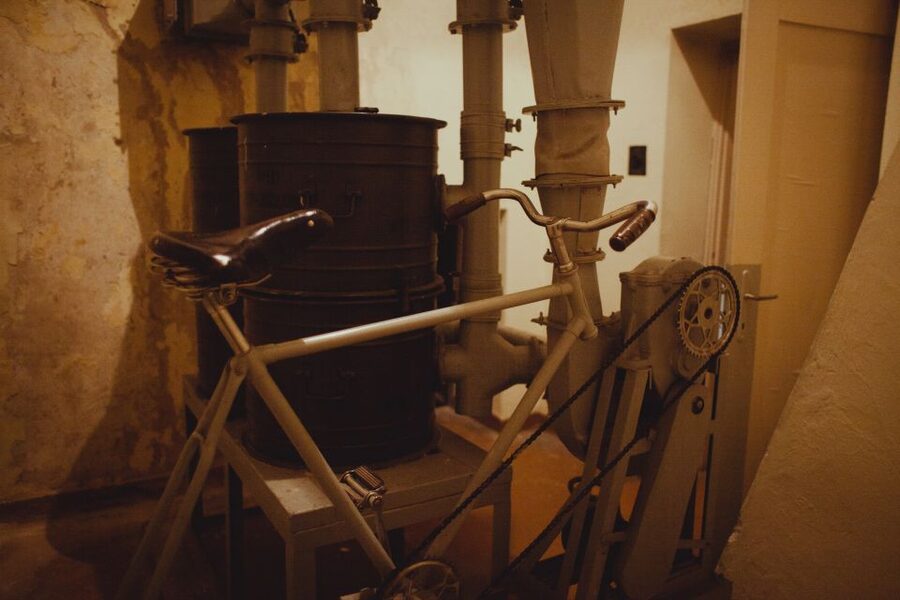
- Go underground into Cold War shelters: See communication rooms, living quarters, tunnels, and an underground command center.
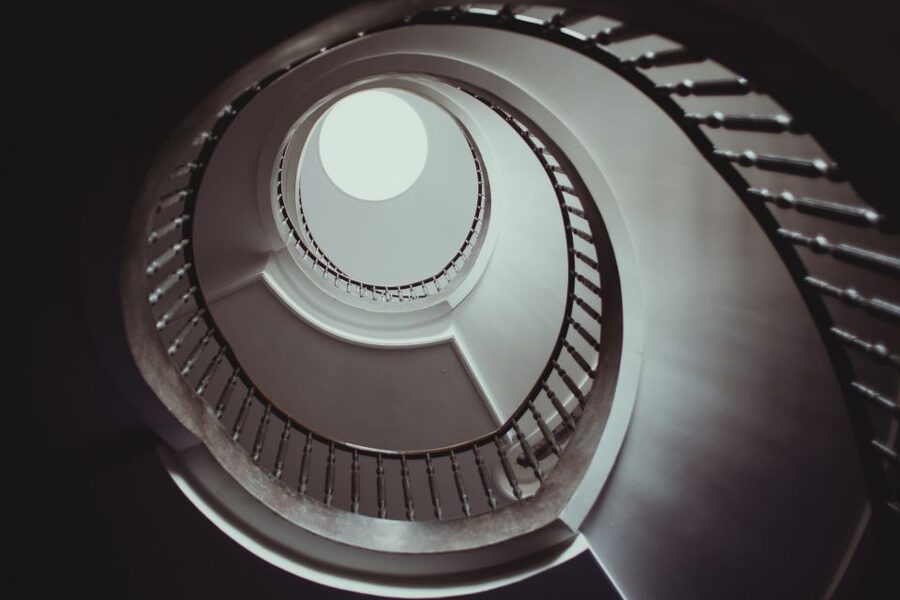
- See unusually grand communist interiors: Ornamental stone, a Renaissance-like entrance hall, executive offices, and oval staircases remain.
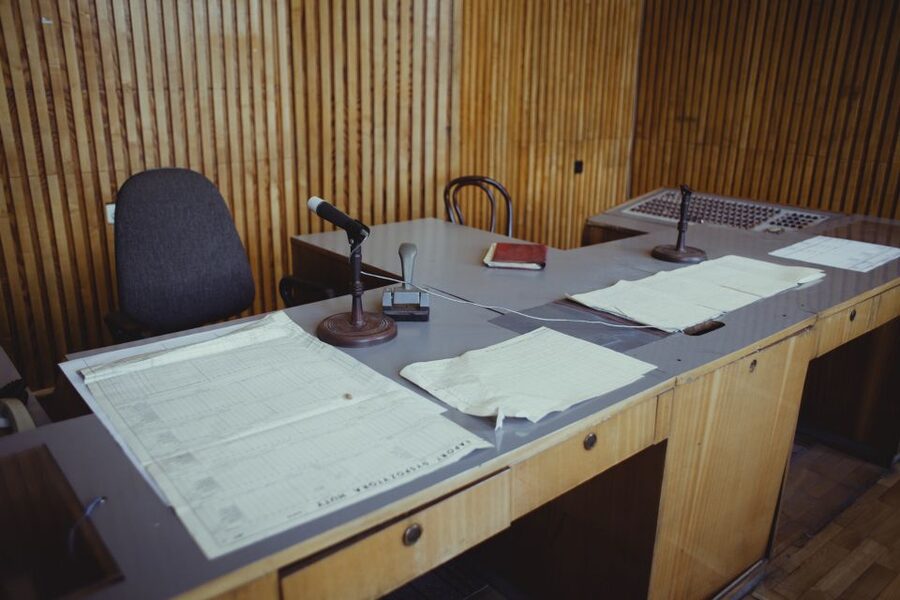
- Hear authentic radio recordings: The radio control room and station add a human voice to the industrial story.
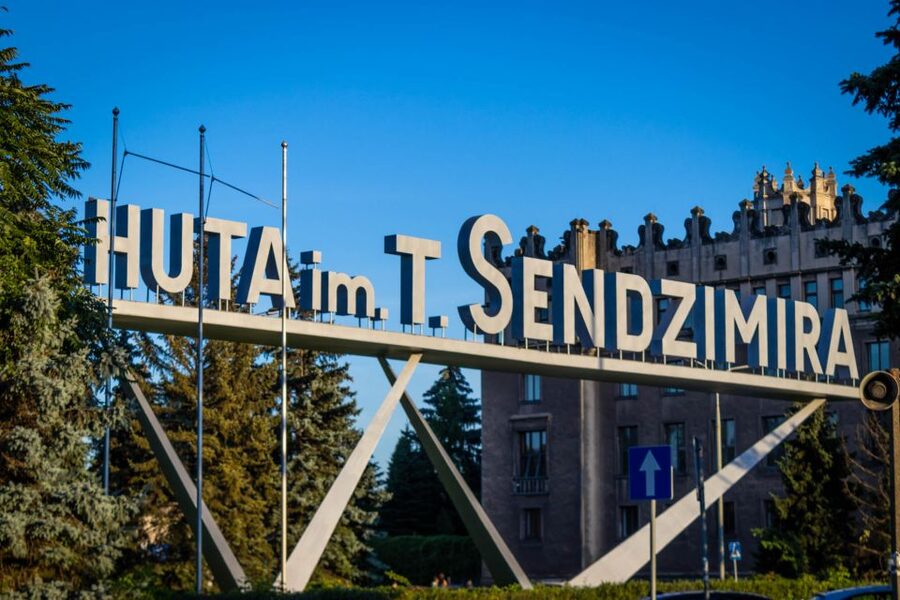
- Meet at the Kombinat gate: Take a tram or bus from central Krakow and get off at the Kombinat stop.
- Choose the vintage-car option: It adds a period-style presentation and photo opportunity, but it is not part of the basic tour.
Why Nowa Huta belongs on your Krakow list
Most first-time visits to Krakow focus on the medieval center, Wawel Castle, and Kazimierz. Nowa Huta gives you a very different view of the city. It was planned in the 1950s as an ideal socialist city, built around a huge steelworks and shaped by the political influence of the Soviet Union.
That setting matters. You are not simply looking at old furniture or faded corridors. You are seeing the working center of a planned industrial society, including the offices that once managed one of Poland’s most important steel plants.
The district is still a living part of Krakow, and the steelworks still operates in part. The tour does not take you into the operating area of the plant, but it does give you access to administration buildings that are otherwise difficult to see. For anyone interested in 20th-century Poland, communism, industrial design, or the Cold War, this offers useful context that the Old Town cannot provide.
I would not choose it as your only Krakow activity. I would choose it after you have spent time in the historic center, when you want to understand how another side of the city developed.
Other communist-era tours around Kraków:
- Krakow: Nowa Huta Guided Tour in Vintage Car
★ 4.9 · 277 reviews - Legendary Private Nowa Huta Communism Tour with Crazy Guides
★ 5.0 · 262 reviews - Krakow: Private Nowa Huta Adventure Tour in Communist Cars
★ 4.9 · 114 reviews
Finding the steelworks entrance at Kombinat
The meeting point is the main gate of the steel mill, at the entrance building on the left with the information point. From central Krakow, you can reach Nowa Huta by tram or bus and get off at the Kombinat stop.
Give yourself enough time to find the correct entrance. This is a large industrial area, and the tour begins at a specific building rather than at a central tourist square. The activity ends back at the same meeting point, which makes the return trip straightforward.
The tour lasts about 90 minutes. That is a good length for this kind of visit. You get enough time to see several rooms and ask questions without spending half a day in a cold, possibly rough-edged industrial building.
The tour is conducted in English with a live guide. It is sensible to book at least one day ahead, especially if you have a fixed Krakow schedule.
Two administration buildings and a vanished office world
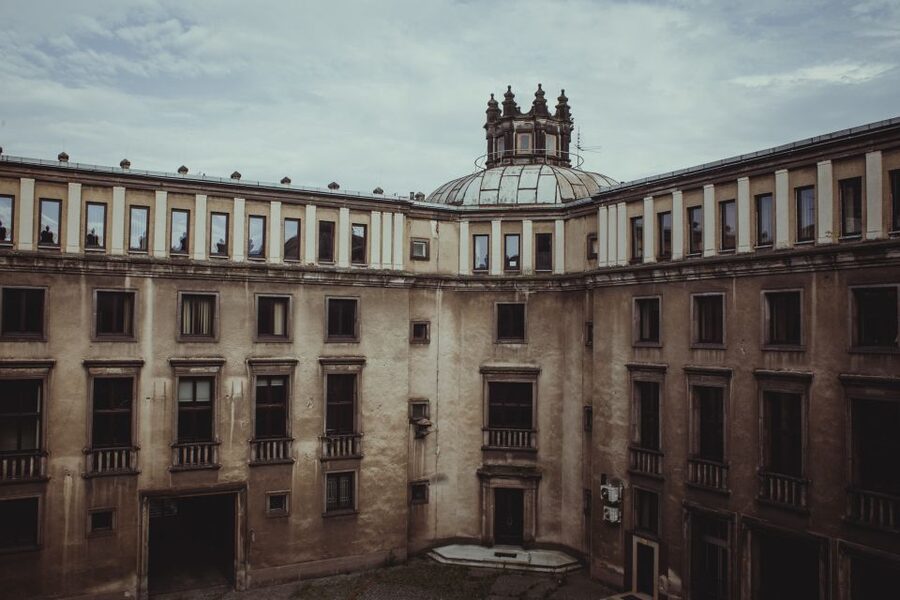
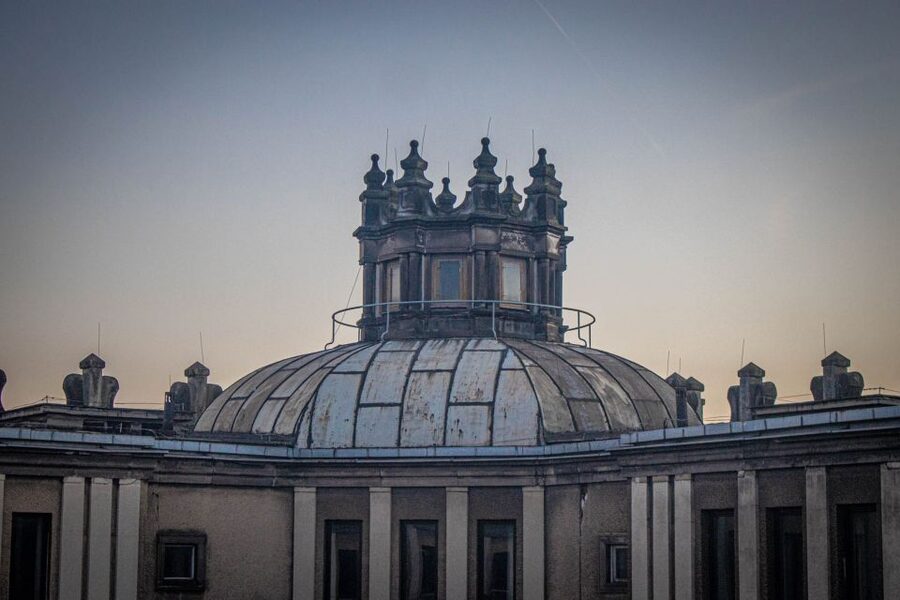
The tour begins inside two almost twin buildings connected by an underground tunnel. Your guide points out the differences between them, a small detail that turns a simple walk through old offices into a close look at the planning behind the complex.
The entrance hall is one of the most striking spaces. Its broad staircase has a Renaissance-like feel, which may surprise you in a steelworks administration building. The use of expensive, solid ornamental stone also says a great deal about the image the plant wanted to project.
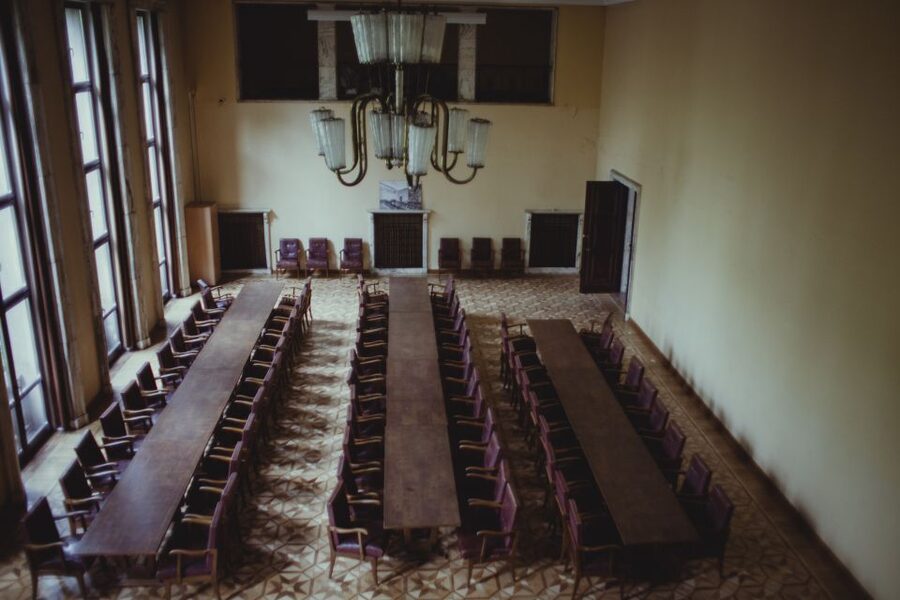
This was not meant to look temporary or basic. The directors’ offices and reception areas were designed to convey authority, order, and permanence. At the same time, the rooms now have the quiet, slightly frozen quality of a place left behind when offices moved elsewhere.
You can visit the director’s executive offices and the corner offices used by engineers. These spaces help you picture the hierarchy of the plant. The directors had formal rooms for decisions and meetings, while the engineers occupied practical working spaces connected to the daily running of the complex.
I find this contrast more revealing than a display of isolated objects. The architecture shows how the system presented itself, while the layout hints at how the organization worked.
The underground tunnel and bomb shelters
From the offices, the route goes below ground through the tunnel connecting the two buildings. This is the part that gives the tour its Cold War weight.
The shelters date from the second half of the 1950s, when nuclear war and industrial attack were treated as real possibilities. The underground spaces include communication areas, living quarters, and a command center. You get a direct sense of how staff might have been expected to function if the surface became unsafe.
The shelter is not polished into a modern museum display. That is part of its appeal, but it also means you should expect an old site rather than a fully restored attraction. The atmosphere comes from the plain rooms, underground setting, and surviving equipment.
The route can feel tight and uneven in places. That is why the tour is not suitable for people with mobility impairments or wheelchair users. If stairs, narrow passages, or rough surfaces are difficult for you, this is a tour to approach with care.
For everyone else, the change from grand office interiors to bunker rooms is powerful. Above ground, the plant projected confidence and order. Below ground, the same organization prepared for disaster.
Same base, a different kind of day:
- From Krakow: Auschwitz-Birkenau Guided Tour & Hotel Pickup
★ 4.5 · 33,358 reviews - From Krakow: Auschwitz-Birkenau Guided Tour & Hotel Pickup
★ 4.5 · 29,340 reviews - Krakow: Auschwitz Guided Tour with Optional Hotel Pickup
★ 4.5 · 15,280 reviews - Krakow–Zakopane: Cable Car, Chocholow Baths, Cheese & Vodka
★ 5.0 · 10,720 reviews
Radio rooms, tapes, and the human voice of the plant
One of the more unusual parts of the visit is the radio control room and radio station. Your guide explains how the system worked and plays authentic recordings made there.
These tapes add something that photographs and architecture cannot. You hear the communication side of the steelworks, the voices and messages tied to the operation of a vast industrial site. The recordings help turn an empty room into a place where people once worked under pressure.
The radio section also gives the guide a chance to explain the plant as a functioning system rather than simply a symbol of communism. Steel production required communication between departments, engineers, managers, and workers. The equipment shows how information moved through the complex before modern digital systems changed office and industrial work.
Mateusz has been especially praised for making such details easy to follow, while adding jokes and personal stories. Another guide, described as Matthias or Mateusz by different visitors, has also been noted for his long hair, humor, and willingness to answer questions. Since guide assignments can change, book this for the subject and access rather than for a guaranteed individual guide.
The workers’ theater and oval staircases
The workers’ building contains a theater hall that is still used today. This is a useful reminder that Nowa Huta was planned as more than a place to produce steel.
A theater inside a workers’ complex reflects the wider socialist idea of building a complete community around industry. Work, administration, culture, and public life were intended to fit into one planned district. Seeing a hall that remains in use gives the building a link to the present rather than leaving it as a frozen relic.
The tour also visits one of the eight oval corner staircases found across the two buildings. It is a small architectural detail, but these staircases show the care given to the design. In a plain industrial setting, curved forms and strong materials create a sense of ceremony.
You will want time for photographs here. The guides allow time for pictures and questions, though one person found the pace a little quick in places. If a detail interests you, ask about it right away. The guides are prepared to explain more, and a question can lead to one of the best stories of the tour.
What the vintage car option adds
The standard experience includes a presentation of a communist-era car for photographs. You can also choose an option that includes a tour in a vintage car.
That choice is best for people who enjoy period atmosphere and want a memorable way to connect the separate parts of the experience. The car adds visual character and makes for good photographs, especially if you are interested in transport, design, or everyday life during the socialist period.
I would not treat the car as the main reason to book. The buildings and shelter are the real experience. Choose it if the added cost fits your budget and you like historic vehicles, or if you want a more distinctive Nowa Huta outing.
One especially memorable version of the experience includes being picked up in an original retro car. The standard meeting instructions still direct you to the steel mill entrance, so check exactly what your selected option includes when booking.
A strong guide makes the short tour work
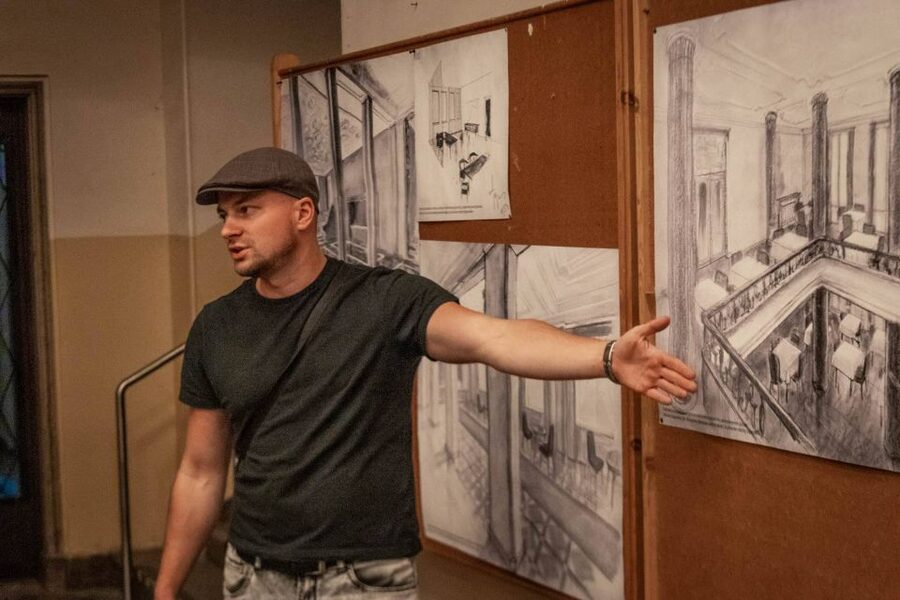
The guide is central here because the buildings do not provide a large museum-style information system. You are relying on spoken explanation to understand the history, purpose, and small details of each room.
The strongest guides use the site as a prompt for stories. Mateusz has been described as enthusiastic, funny, and able to explain the development of the steelworks and the changing life of Nowa Huta. Personal memories, including stories about a grandmother’s experience during the communist era, help connect national history with ordinary family life.
That balance is important. A dry account of dates and policies would make the offices feel empty. A tour based only on jokes would miss the seriousness of the Cold War setting. The best version gives you both: clear historical explanation and enough humor to keep the 90 minutes lively.
The guides also speak excellent English, which matters in a site filled with specialized rooms and unfamiliar political terms. You can ask questions throughout, and the tour allows time for photographs.
Is $24 a fair price?
At $24 per person, the tour offers good value if you want access to an unusual historic site and a guide who can explain what you are seeing. The price covers the guided visit to the administration buildings and shelter, plus English-language guidance and the communist-era car presentation for photos.
You are paying for access to a place that is not part of the usual Krakow sightseeing circuit. The value comes less from the number of rooms than from the combination of site access, underground spaces, radio recordings, and interpretation.
The basic price does not include entry into the operating part of the steelworks. That distinction is important. You are visiting former administration buildings and their shelter, not taking a full industrial plant tour.
A 90-minute visit also fits neatly into a larger day. You can combine it with other Nowa Huta sights if you want a fuller look at the planned district. The separate option for a private sightseeing tour of the district may suit you if you want more than the buildings and prefer a guide-led explanation of the surrounding area.
Free cancellation is available up to 24 hours before the tour, and you can reserve now and pay later. Those terms are useful if your Krakow plans are still shifting.
Who will enjoy this tour most?
I would recommend it most strongly to you if you enjoy:
- Cold War history and communist-era Poland
- Industrial sites and working architecture
- Abandoned or partly preserved interiors
- Local stories rather than a standard city introduction
- Photography of old offices, staircases, shelters, and machinery
- Exploring a side of Krakow beyond the medieval center
It is also a good choice if you have already seen Krakow’s major historic sights and want a sharper contrast. The steelworks complex shows a city shaped by industry, political planning, and postwar ambition.
I would be more cautious if you dislike underground spaces, want a polished museum with labels in every room, or have difficulty with stairs and uneven access. The buildings are valuable because they retain their old character, but that also means they may not offer the comfort or accessibility of a modern attraction.
Should you book the Nowa Huta steelworks tour?
Book it if you want a serious look at Krakow’s communist and Cold War past, especially if the idea of walking through preserved offices and a 1950s shelter appeals to you. The tour has enough architectural detail for design fans, enough political context for history enthusiasts, and enough local storytelling to keep the visit personal.
Skip it if your time in Krakow is extremely limited and you have not yet seen the city’s major landmarks. If you do book, wear comfortable shoes, allow time to reach the Kombinat gate, and ask questions when you want more detail.
For the right visitor, this is not just a tour of old rooms. It is a compact lesson in how Nowa Huta was planned, how the steelworks operated, and how Poland prepared for a dangerous future that never arrived.
FAQ
How long does the Nowa Huta steelworks tour last?
The tour lasts about 1.5 hours, or 90 minutes.
Where does the tour begin?
Meet your English-speaking guide at the steel mill building entrance at the main gate. It is the building on the left with the information point. The nearest stated public transport stop is Kombinat.
What does the tour include?
It includes a guided tour of the steelworks administration buildings and shelter, an English-speaking guide, and a communist-era car presentation for photographs. A tour in a vintage car is included only if you select that option.
Can I enter the operating part of the steelworks?
No. Entry to the operating part of the steelworks is not included.
Is the tour suitable for wheelchair users?
No. The activity is not suitable for wheelchair users or people with mobility impairments because of the old buildings, underground areas, and access conditions.
Can I cancel the booking?
Yes. You can cancel up to 24 hours in advance for a full refund. The activity also offers a reserve-now-and-pay-later option.
Just added in Kraków
- From Krakow: Guided Tour of Zalipie★ 4.6 · 30 reviews
- From Krakow: Zalipie Village Day-Tour★ 4.9 · 74 reviews
- Krakow: Zalipie Village Tour★ 4.6 · 8 reviews
- ZALIPIE – painted village, unique PRIVATE tour from Krakow★ 5.0 · 20 reviews
- Krakow City Tour on Scooter and Food Tasting with English Guide★ 5.0 · 84 reviews
- Ojców National Park and Ogrodzieniec Castle Tour from Krakow★ 5.0 · 21 reviews
- Electric Scooter Tour: Old Town Tour – 2-Hours of Magic!★ 4.7 · 77 reviews
- Czestochowa the Black Madonna Day Tour from Krakow★ 4.5 · 64 reviews
Nowa Huta & Communism Tours, compared.
Legendary Private Nowa Huta Communism Tour with Crazy Guides
Read the review →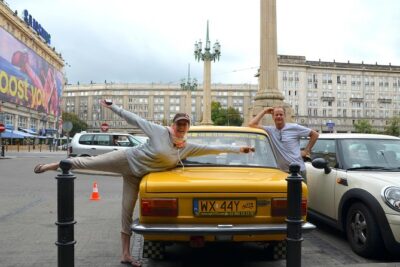
Private Tour: Warsaw’s Communist History by Retro Fiat
Read the review →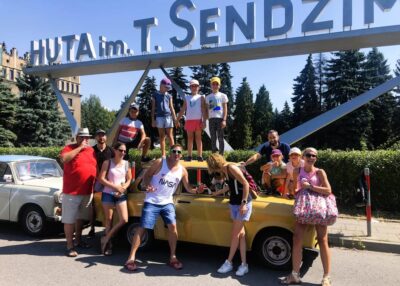
Private Nowa Huta Adventure Tour in Communist Cars
Read the review →Browse the lists this tour appears in