
Reviewed · NOWA HUTA & COMMUNISM TOURS
Nowa Huta Tour from Krakow: Communist City, Vodka & Zapiekanka
Nowa Huta was built as a model socialist city, but its wide avenues and grand squares tell only half the story. The other half is found underground in a Cold War shelter, in a church built against official opposition, and in the personal memories of guides such as Anna, who lived through the communist era and joined protests. This is a history walk with a human voice, not just a parade of concrete buildings.
I like the former bomb shelter museum, where household objects, propaganda, and personal stories make everyday life under communism easier to understand. I also like the simple local meal: zapiekanka followed by vodka in a communist-style bar. The main drawback is value. At $114.14 per person, you will want strong architectural and political commentary, yet the tour can lean more toward personal storytelling than detailed discussion of socialist realism or workers’ protests.
Key points to know before you book
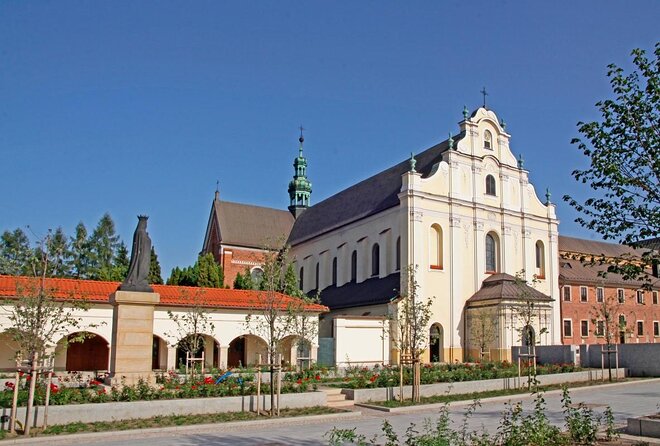
- The tour begins underground: A 45-minute visit to a former Cold War shelter sets the political and social context for Nowa Huta.
- You walk through a planned socialist city: Expect wide avenues, symmetrical housing blocks, monumental public spaces, and a look at how ideology shaped urban design.
- Food is part of the history: Your included zapiekanka and vodka stop connects daily life, local habits, and the era’s modest pleasures.
- Arka Pana tells the story of resistance: The Church of Our Lady Queen of Poland shows how faith and community challenged communist authority.
- The group is capped at 12 people: That is a useful size for questions and for moving around the district without a crowd.
- This tour favors personal accounts: It suits you best if you want lived memories alongside history, but less so if you expect a specialist architecture lecture.
Why Nowa Huta matters to Krakow
Krakow’s Old Town is filled with medieval streets, royal buildings, and church towers. Nowa Huta offers a very different chapter. It was planned after the Second World War as an industrial city and a showcase for the socialist state, with the huge steelworks at its core.
The design was deliberate. Broad avenues gave the city a sense of order and power. Housing blocks were laid out in balanced patterns. Squares and public spaces were built on a grand scale. The plan was meant to create a new kind of urban community, tied to industry and socialist ideals rather than old religious and aristocratic traditions.
That plan also shaped daily routines. Where people lived, how they moved, where they gathered, and which buildings received attention all reflected official priorities. A walk here helps you see communism not only as a political system, but as something that affected streets, homes, work, food, culture, and religion.
You should come with an open mind about the tone. Nowa Huta is not presented as a frozen museum piece. The district continues to function as a local community, and the guide explains how it has changed since 1989. That balance matters. You get the political past without pretending that the district ended when communism did.
Other communist-era tours around Kraków:
- Krakow: Nowa Huta Guided Tour in Vintage Car
★ 4.9 · 277 reviews - Legendary Private Nowa Huta Communism Tour with Crazy Guides
★ 5.0 · 262 reviews - Nowa Huta: Steelworks Administration Buildings/Shelters Tour
★ 4.9 · 160 reviews
Starting underground in a Cold War shelter
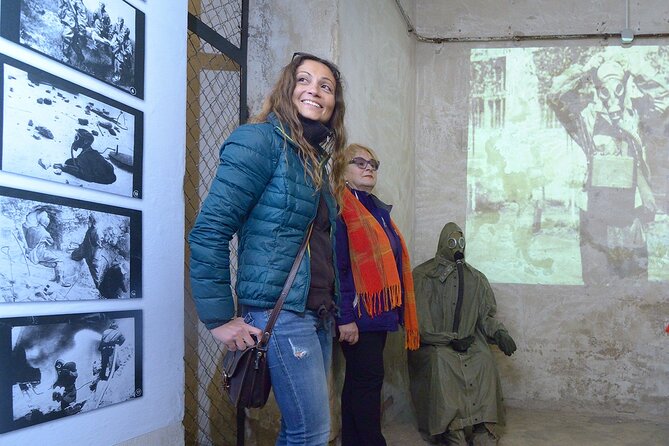
The first major stop is Podziemna Nowa Huta, the Museum of Krakow’s Nowa Huta branch, located in a former Cold War shelter. The museum visit lasts about 45 minutes, and admission is included in the tour price. It is closed on Mondays, so check the day carefully before booking.
This is the right place to begin. Before you look at streets and buildings, you need some sense of the fears and routines that shaped life in socialist Poland. The shelter’s setting gives the subject physical weight. You are not simply reading about Cold War preparation in a modern gallery. You are entering a space built for a period of crisis.
Inside, you can expect original interiors, propaganda displays, household objects, and stories about ordinary life. These details are useful because political history can otherwise feel abstract. A poster tells you what the state wanted people to believe. A household object shows how people actually lived. Personal memories fill in the gap between the two.
A guide such as Anna can add another layer. She has described her own life as a student and protester during the communist period, so the museum can become more than a display of objects. It becomes a place to ask how official messages felt in real life, and how young people made sense of a system that shaped their education, work, and public behavior.
The museum is also where you can judge the tour’s balance. If you want a clear introduction to Poland between 1945 and 1989, this stop does useful work. If you are seeking a long academic treatment of the Solidarity Movement or a detailed catalogue of architectural styles, the 45-minute visit will feel brief.
Reading socialist planning on foot
After the museum, the group walks through the heart of Nowa Huta for about 30 minutes. The ground is level, but you should still wear comfortable shoes because this is a walking tour rather than a quick photo stop.
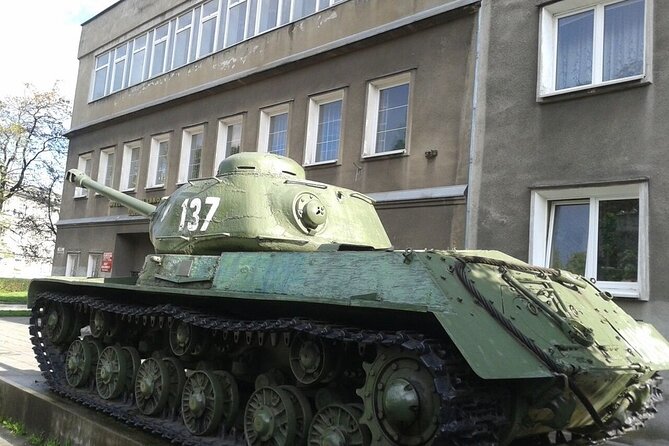
Your guide points out the district’s wide avenues, housing blocks, symmetrical layout, monumental squares, and public areas. These features make more sense once you know the political aims behind them. The scale is not accidental decoration. It reflects a state that wanted order, ceremony, and a visible break from the older Krakow centered on churches, noble residences, and medieval lanes.
This is also the portion where expectations matter most. The tour gives you a readable introduction to socialist city planning, but one three-hour walk through Nowa Huta cannot cover every architectural detail. If you are deeply interested in socialist realism, ask questions as you go. One person who previously took the tour wanted more discussion of that style and more detail about workers’ protests. That is a fair limitation to keep in mind.
Still, the setting gives the subject clarity. Instead of hearing a lecture in the Old Town, you are looking at the actual geometry of the city. You can connect the words planned, monumental, and collective to streets and buildings in front of you.
The guide also discusses how Nowa Huta works today. That is important. The district is not only a historical exhibit for people passing through Krakow. It has local cultural institutions, shops, housing, and public life. Seeing the old plan alongside its current use gives you a more honest picture than a simple good-versus-bad story.
The Nowa Huta Cultural Centre and public life
The route passes the Nowa Huta Cultural Centre, which once helped promote socialist values through art, theatre, and music. Your guide explains its role in the old system and its function today as a local cultural hub.
This stop is especially useful if you want to understand how ideology reached beyond government offices and factories. Culture was part of public education under communism. Theatre, music, exhibitions, and organized events could support official values, even while artists and audiences sometimes found room for different meanings.
The building also helps show how institutions change over time. A place created to serve one political purpose can later become part of ordinary community life. That transition is a recurring theme in Nowa Huta, and the guide uses it to connect the district’s past with its present.
Do not expect a long interior visit here. The centre is part of the walking explanation rather than a separate museum admission. Its value comes from the context your guide provides.
More vodka tastings in Kraków:
- Krakow–Zakopane: Cable Car, Chocholow Baths, Cheese & Vodka
★ 5.0 · 10,720 reviews - Krakow: Zakopane Cable Car, Vodka, Cheese & Hot Springs Tour
★ 4.9 · 1,832 reviews - The Kraków Vodka Tour
★ 5.0 · 862 reviews - Krakow: Food Tour of 10 Tastings with Pierogi, Vodka & More
★ 5.0 · 169 reviews
Zapiekanka, vodka, and the social side of history
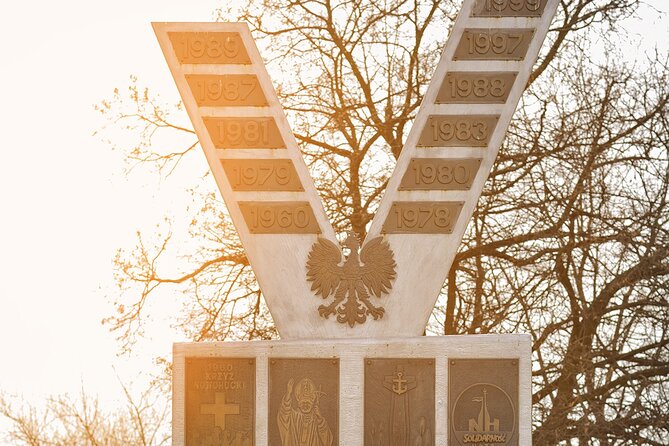
The food stop lasts about 45 minutes and includes two very Polish touches: a zapiekanka and a shot of vodka. A zapiekanka is an open-faced toasted baguette, usually served as a quick, filling snack. It is humble food, but that is the point. This is not a formal tasting menu. It connects you with the everyday side of the city.
The vodka is served at a local restaurant styled around the communist period. Together, the snack and drink show how food and social habits fit into daily life under socialism. A meal can reveal as much about an era as a political speech. Limited choices, practical dishes, informal meeting places, and simple celebrations all belong to the story.
I would keep your expectations measured. The included food and drink are cultural samples, not a full meal or a serious tasting session. Additional food and drinks cost extra. If you have a vegan diet or several combined food allergies, contact the operator before you go. Vegetarians are welcome, and the operator says other food needs can usually be handled.
This pause also gives you a chance to talk with the guide. The strongest part of the experience for many people is the conversation. Anna is particularly memorable for her personal accounts of living in Krakow during communism and taking part in protests. Marta has also been praised for adjusting her pace and combining community history with what you see around you.
That personal contact is a real benefit, but it explains the tour’s uneven value for some people. You are paying for a small-group guided experience, transport, museum entry, food, and drink. You are also paying for access to a local voice. If you prefer a tightly structured lecture, the relaxed social stop may feel too long. If you enjoy asking questions over a snack, it may be one of the best parts.
Arka Pana and the story of resistance
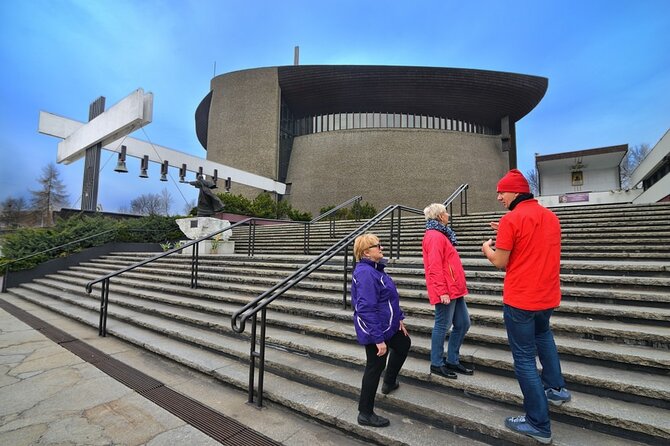
The final major stop is the Church of Our Lady Queen of Poland, commonly called Arka Pana, or the Ark of the Lord. The visit takes about 45 minutes and is one of the most important parts of the tour.
The church was built despite strong opposition from communist authorities. In a city planned to represent a secular socialist future, its construction became a public statement about religion, identity, and local control. The church was not simply a place for worship. It became a symbol of resistance, faith, and community solidarity.
Your guide explains the role religion played in Nowa Huta and how the church fits into the wider story of opposition. This is where the political history becomes personal again. The issue was not only architecture or doctrine. It was also about who had the right to gather, organize, express belief, and shape the character of the neighborhood.
Arka Pana gives the tour a strong ending because it complicates the idea of Nowa Huta as a city designed entirely from above. The state could plan avenues and housing blocks, but residents still formed their own loyalties and demanded a place for faith. The church shows how local action challenged official plans.
What the price includes, and what it does not
The listed cost is $114.14 per person. That is a fairly serious price for a four-hour tour, especially when much of the experience takes place outdoors in public spaces. The price includes an English-speaking local guide, tram transport to Nowa Huta and back, museum admission, one zapiekanka, and a vodka tasting.
The maximum group size is 12 people. That helps justify some of the cost because the guide can keep the walk personal and respond to questions. The tram ride is also part of the experience rather than an expensive private transfer, and it lets you see the connection between central Krakow and the communist district.
The value depends on what you want. I think the price makes more sense if you care about modern Polish history, enjoy personal storytelling, and would not otherwise make the trip to Nowa Huta on your own. It makes less sense if you mainly want a quick look at architecture or a cheap food tour.
A private option includes hotel pickup from central Krakow, but pickup is not included with the small-group option. The regular meeting point is Długa 1, and the tour ends near Krakow’s Main Market Square. Confirmation is provided at booking, and free cancellation is available until 24 hours before the start time.
Tipping is not compulsory, but it is customary to budget for a tip if your guide gives you a good experience. The tour uses public transport and includes walking, so comfortable shoes are a sensible choice.
Who will enjoy this Nowa Huta tour
I would recommend it most strongly to people who want to understand Poland’s communist period through ordinary life. You will get the most from the tour if you are curious about Cold War shelters, socialist planning, religion under communism, and the Solidarity era.
It also suits anyone who prefers a local guide who can connect dates and buildings to personal memories. Guides such as Anna and Marta add warmth and patience, and the walking pace can be adjusted to your comfort.
You may want another option if you want a specialist architectural tour. The route introduces socialist realism and planned-city design, but the personal and social history receives equal, and sometimes greater, attention. Ask yourself if you want a conversation with a Cracovian who remembers the era, or a detailed study of buildings and protest movements. This experience leans toward the first.
Should you book it?
Book this tour if Nowa Huta is unfamiliar to you and you want a practical way to reach it, understand its purpose, and connect its streets to personal stories. The shelter museum, tram ride, zapiekanka stop, and Arka Pana church create a well-shaped four-hour look at a part of Krakow many people skip.
At $114.14, book with clear expectations. You are not buying a long specialist lecture on socialist architecture. You are buying a small-group history walk led by a local voice, with museum entry, transport, food, and drink included. For people who value that human scale, it is a strong choice. For architecture experts or visitors focused tightly on workers’ protests, the content may not go far enough.
FAQ
How long does the Nowa Huta tour last?
The tour lasts approximately four hours. It includes the underground museum, walking through Nowa Huta, the food and vodka stop, and the visit to Arka Pana church.
What is included in the tour price?
The price includes an English-speaking local guide, tram transport to the communist district and back, admission to the Nowa Huta museum, one zapiekanka, and a vodka tasting in a communist-style restaurant.
Is the tour offered in English?
Yes. The tour is offered in English with a local English-speaking guide.
Where does the tour start and finish?
The tour starts at Długa 1 in Krakow and ends near the Main Market Square, Rynek Główny.
Is hotel pickup included?
Hotel pickup from central Krakow is available for the private tour option. It is not included with the small-group option.
Is the museum open every day?
The communist museum is closed on Mondays. Check your chosen date before booking, especially if you are visiting Krakow for only a few days.
Just added in Kraków
- Wawel Castle, Old Town with St. Mary’s Church Guided Tour★ 5.0 · 3 reviews
- Wawel Castle, Old Town with St. Mary’s Church Guided Tour★ 5.0 · 5 reviews
- Wawel Castle, Cathedral, & Rynek Underground Tour with Lunch★ 4.5 · 10 reviews
- Wawel Castle & Cathedral Skip the Line Small Group Tour★ 5.0 · 3 reviews
- Wawel Castle, Cathedral, Old Town and St. Mary’s Basilica★ 4.8 · 13 reviews
- Wawel Castle and Cathedral Guided Tour★ 4.6 · 44 reviews
- Wawel Castle, Cathedral, Rynek Underground Tour with Lunch★ 5.0 · 3 reviews
- Wawel Castle and Cathedral Guided Tour★ 5.0 · 8 reviews
Nowa Huta & Communism Tours, compared.
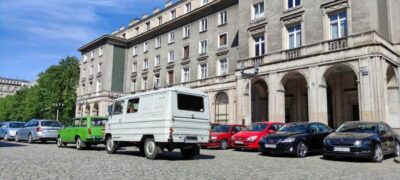
Legendary Private Nowa Huta Communism Tour with Crazy Guides
Read the review →
Nowa Huta: Steelworks Administration Buildings/Shelters Tour
Read the review →
Private Tour: Warsaw’s Communist History by Retro Fiat
Read the review →
Private Nowa Huta Adventure Tour in Communist Cars
Read the review →

Browse the lists this tour appears in