
Reviewed · AUSCHWITZ-BIRKENAU MEMORIAL TOURS
Auschwitz-Birkenau: Skip-the-Line Entry Ticket & Guided Tour
Auschwitz-Birkenau is not a casual sightseeing stop. It is a carefully guided visit to the remains of the Nazi concentration and extermination camp system, where the original gate, barracks, personal belongings, and gas-chamber ruins make the scale of the Holocaust painfully real. I like the museum-licensed guide, who gives essential context without leaving you to piece together the story alone. I also like the two-part format: Auschwitz I gives you the evidence and background, while Birkenau shows the vast physical scale of the camp.
The main catch is uncertain timing. You choose a preferred start window, but the exact entry time may arrive only the day before. That can make trains, hotel plans, and other Krakow activities hard to arrange. You must also handle your own transport to the second camp during the short break, unless your travel arrangements already cover it.
Key points to know before you book
- Two camps in one visit: See Auschwitz I and Auschwitz II Birkenau, which offer very different views of the camp system.
- A museum-licensed guide: Commentary is provided in English, German, French, Italian, or Spanish, usually through headsets.
- A serious three-hour visit: The total duration is about 225 minutes, with roughly 80 to 110 minutes at Auschwitz I and about an hour at Birkenau.
- Exact timing can change: The final start time is sent the day before, so leave your day flexible.
- Bring a small bag only: Large luggage and backpacks are not allowed. The maximum permitted bag size is 20 by 30 centimeters.
- Plan the camp transfer: Auschwitz II Birkenau is about 2 kilometers from Auschwitz I, and you need to reach the second site during the break.
Why this Auschwitz visit matters
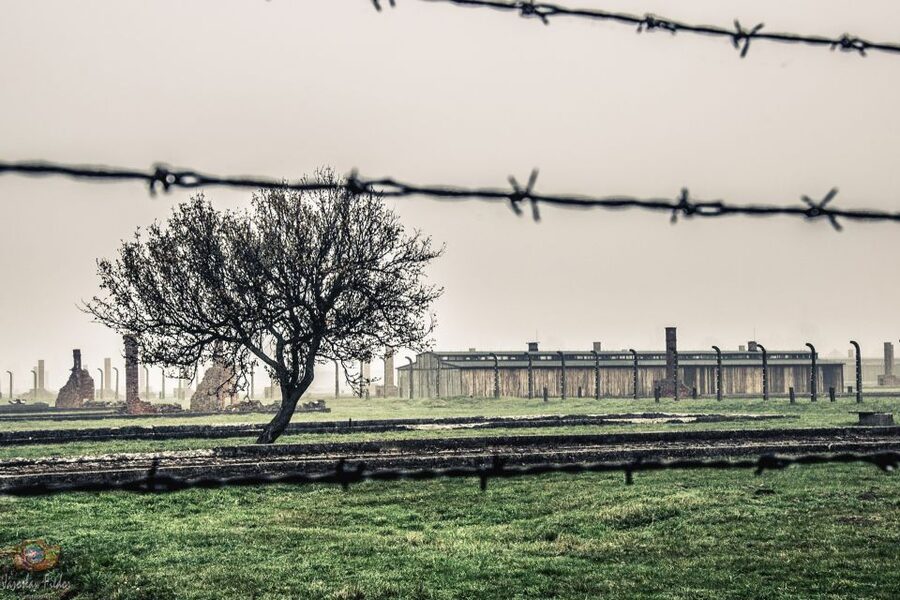
Auschwitz-Birkenau is often described as a place you need to see to understand the scale of the Holocaust. That is not because the buildings are grand. Much of what remains is plain: brick barracks, fences, railway tracks, empty rooms, and ruins. Their very simplicity is part of the force of the visit.
A guide helps you read those spaces. Without context, you may see a barrack and move on. With context, you begin to understand who was held there, how the camp was organized, and how deportation, forced labor, starvation, murder, and the destruction of evidence were connected.
The tone is appropriately serious. This is not a theatrical presentation, and it should not be. Guides such as Anna, Teresa, Mario, and Suzanna have been praised for speaking clearly, answering questions, and handling the subject with care. One guide was especially appreciated for connecting the historical material with survivor stories and the human cost behind the numbers.
You should expect strong emotions. The exhibits include personal belongings and human remains connected to the victims. Shoes, hair, clothing, and other possessions are not presented as ordinary museum objects. They are evidence of people who were stripped of their identities and murdered on a massive scale.
Other ways to visit Auschwitz-Birkenau from Poland:
- From Krakow: Auschwitz-Birkenau Guided Tour & Hotel Pickup
★ 4.5 · 33,358 reviews - From Krakow: Auschwitz-Birkenau Guided Tour & Hotel Pickup
★ 4.5 · 29,340 reviews - Krakow: Auschwitz Guided Tour with Optional Hotel Pickup
★ 4.5 · 15,280 reviews
Meeting the guide and entering Auschwitz I
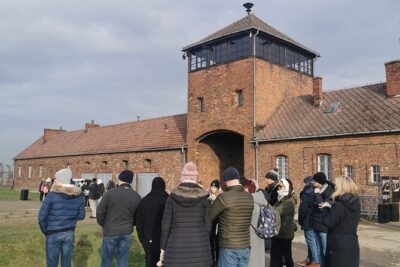
Your guide meets you at or near the museum entrance, depending on the option booked. You enter with your pre-booked ticket after a security check, so arrive with time to spare and have your passport or identity card ready.
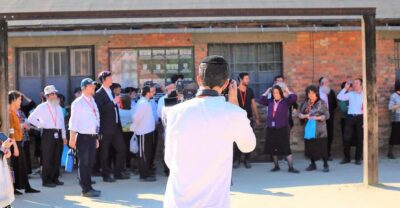
The entry area can feel crowded, especially on busy days. Many groups gather near the entrance, and it may not be instantly obvious which guide is yours. Keep your phone available for messages and check the meeting instructions carefully. Arriving about 20 minutes early is sensible, but do not panic if the start feels disorganized. Once the group is assembled and through security, the visit becomes much easier to follow.
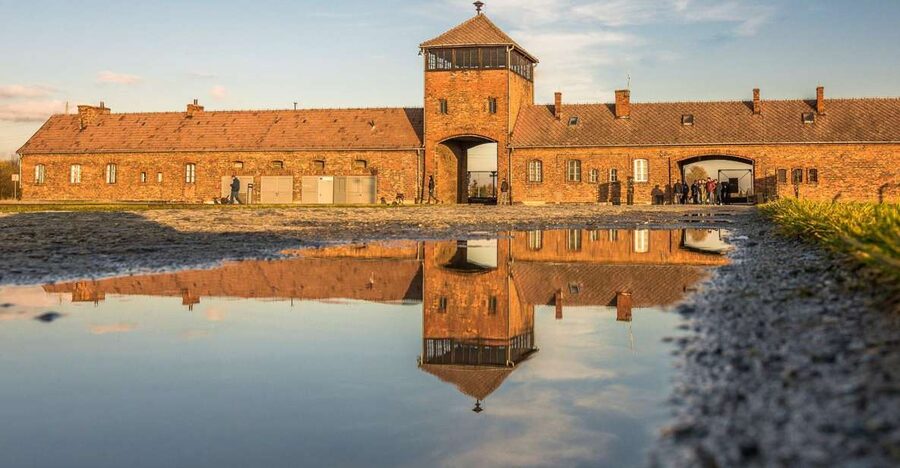
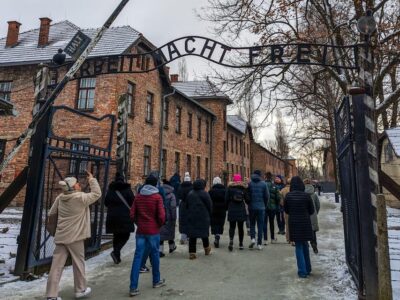
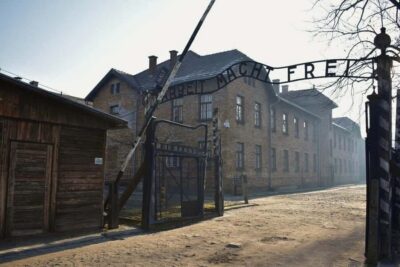
The famous gate at Auschwitz I is one of the first powerful moments. The site is not presented as a dramatic attraction. You walk beneath the original camp entrance and begin moving through a place where prisoners arrived under false promises, in fear, or without knowing their fate.
Headsets are a major practical help. Groups can spread out as they move through the buildings, and the guide’s voice remains easier to hear. This matters when several tours are moving through the same rooms. English-language guides have generally been easy to understand, including for people who speak English as a second language.
Auschwitz I, original barracks and evidence
The first section lasts about 80 to 110 minutes. It takes place largely among the original buildings of Auschwitz I, where exhibits explain the Nazi camp system and the lives of the people imprisoned there.
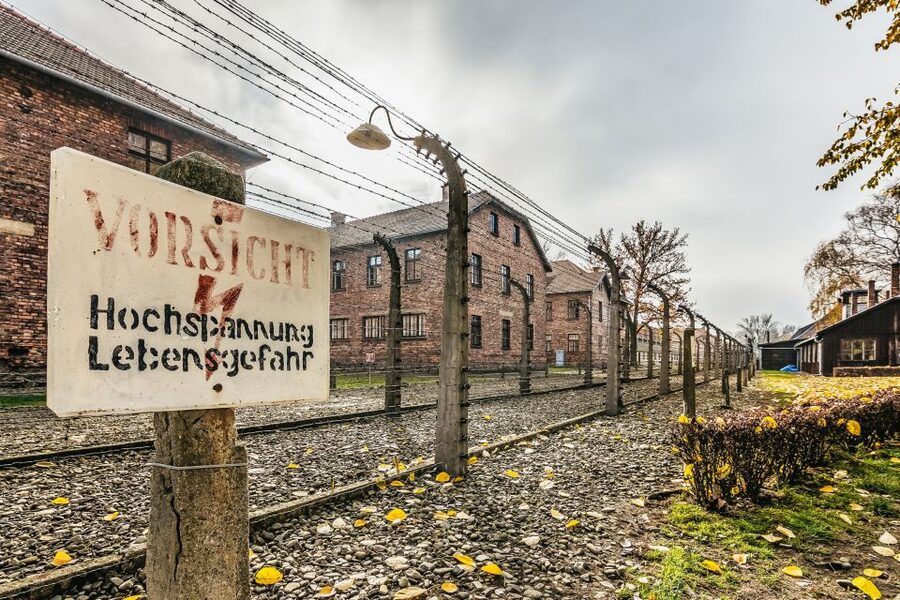
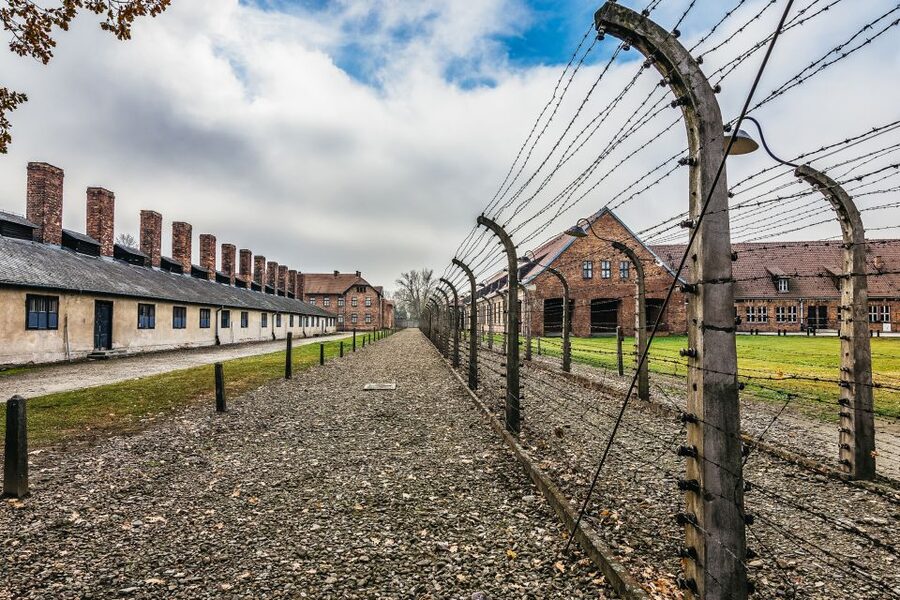
You will see original barracks and rooms adapted for museum displays. The buildings give shape to facts that can otherwise feel distant. Prisoners were confined in harsh conditions, subjected to forced labor, and deprived of basic dignity. The guide explains how the camp operated and how Nazi persecution targeted Jews and other groups.
The personal belongings are among the hardest parts of the visit. Thousands of shoes and other possessions show that the victims were not anonymous figures from a textbook. They were families, workers, children, and older people who arrived carrying ordinary things.
One of the most disturbing displays concerns human hair found by Soviet forces after the camp was liberated. The material is difficult to look at, but it explains the cold, industrial process behind the crime. The museum does not need exaggerated language. The objects do the work.
You will also see the remains of a gas chamber and crematorium area. This section can be emotionally heavy, and the guide sets the historical context before you enter. You are free to take the experience at your own pace within the group, but you should not expect long periods to wander alone.
That is one of the trade-offs of a guided visit. The schedule keeps the group moving, and there can be other groups ahead or behind you. At busy times, you may not have enough time to read every panel or examine every display in detail. The guide gives you the main story, but this is not a quiet, self-paced museum visit.
The short break and the move to Birkenau
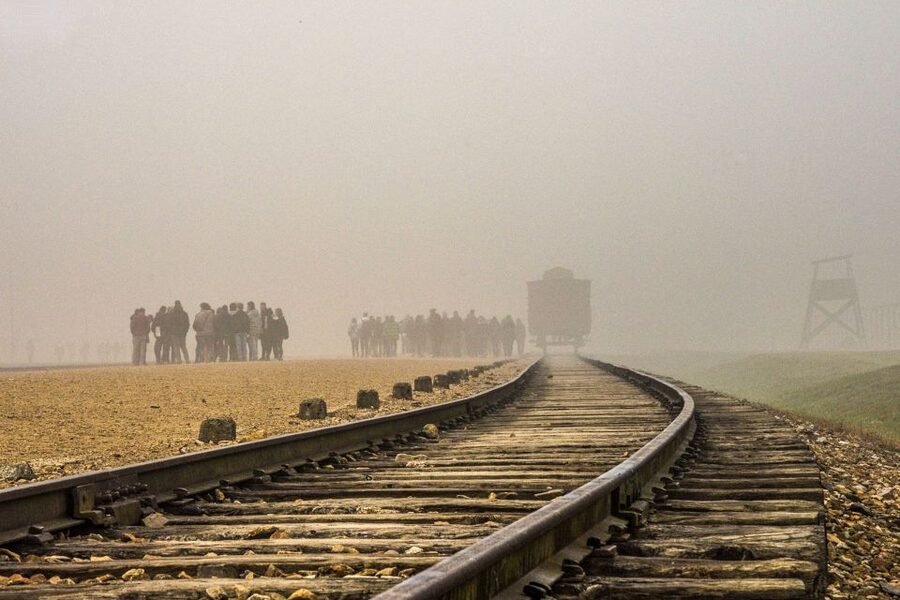
After Auschwitz I, there is usually a break of about 10 to 15 minutes. This is the point where you need to pay attention to transport plans.
Auschwitz II Birkenau is about 2 kilometers away in Brzezinka. The supplied information makes clear that transport between the camps is not included in this booking, and you are expected to reach the second site using your own transport. If you arrived by public transport, tell the tour leader before the visit begins. That gives the leader a chance to help you work out how to reach Birkenau.
This short interval is also your best chance to eat a packed lunch and drink some water. The overall visit is long enough that you should not rely on finding time for a proper meal. Bring food with you, especially if your start time is early or your visit falls during a busy period.
Do not treat the break as spare sightseeing time. It is a connection between two parts of one historical visit, and delays can create stress. If you are driving, confirm where you need to park at Birkenau. Parking fees are not included.
A few more things to do in Poland worth a look
- From Krakow: Wieliczka Salt Mine Tour & Skip the Line Ticket
★ 4.4 · 3,925 reviews - Auschwitz-Birkenau Skip-the-Line Guided Tour
★ 4.3 · 3,617 reviews - Krakow: Schindler’s Factory Skip-the-Line Ticket
★ 4.4 · 3,105 reviews - Schindler’s Factory in Krakow: Guided Tour & Skip the Line Ticket
★ 4.5 · 1,714 reviews
Birkenau and the scale of the camp
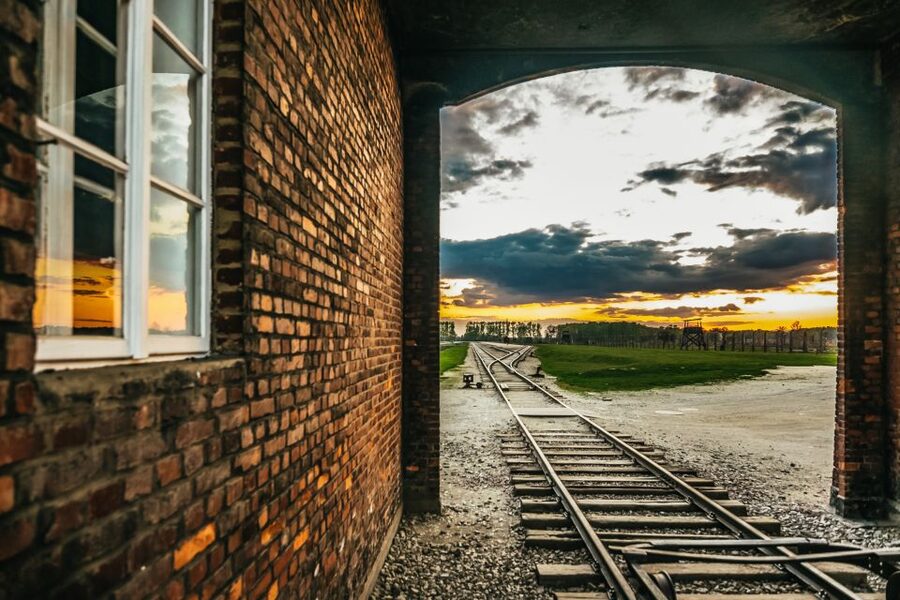
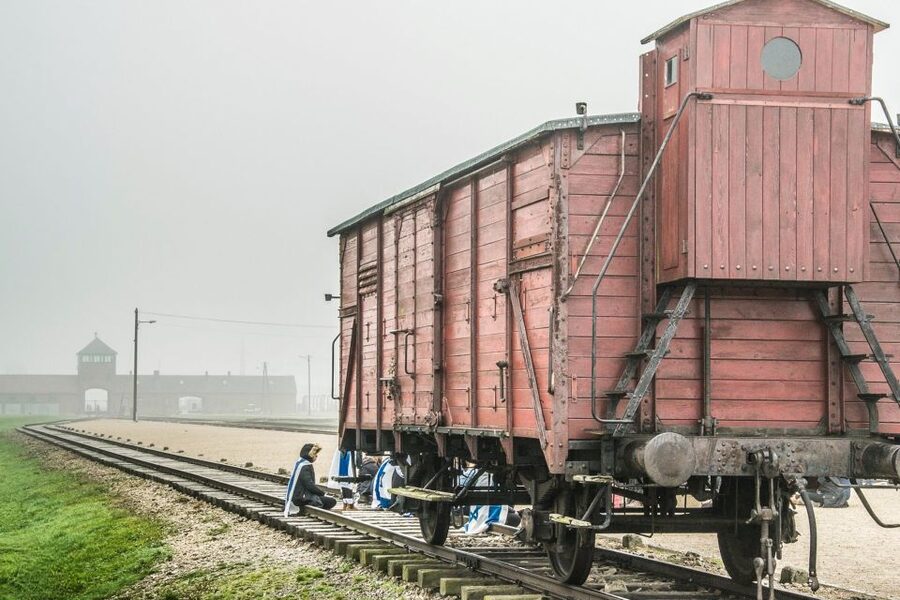
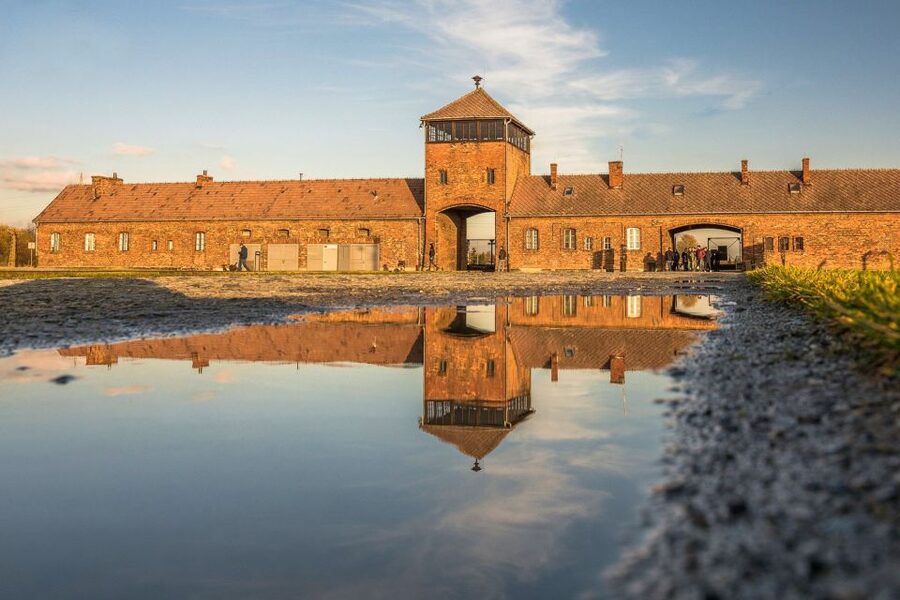
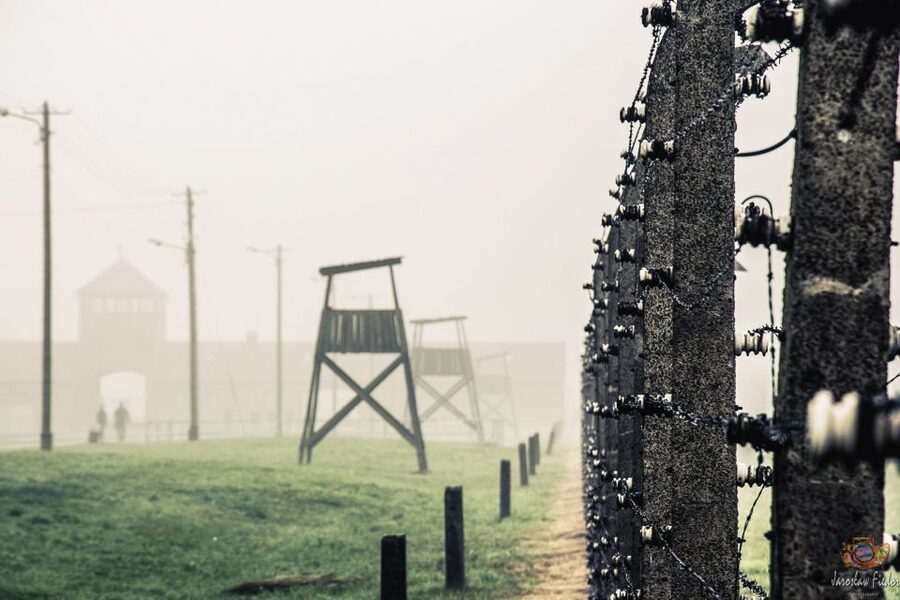
Birkenau feels different from Auschwitz I. The open area, long railway approach, rows of barracks, watchtowers, fences, and ruined buildings show the enormous size of the operation.
This second part lasts about an hour with the same guide. The focus shifts from the exhibits inside preserved buildings to the physical structure of the camp. The railway entrance is especially important because it helps you understand how deportees arrived and how the camp was organized around selection, forced labor, and mass murder.
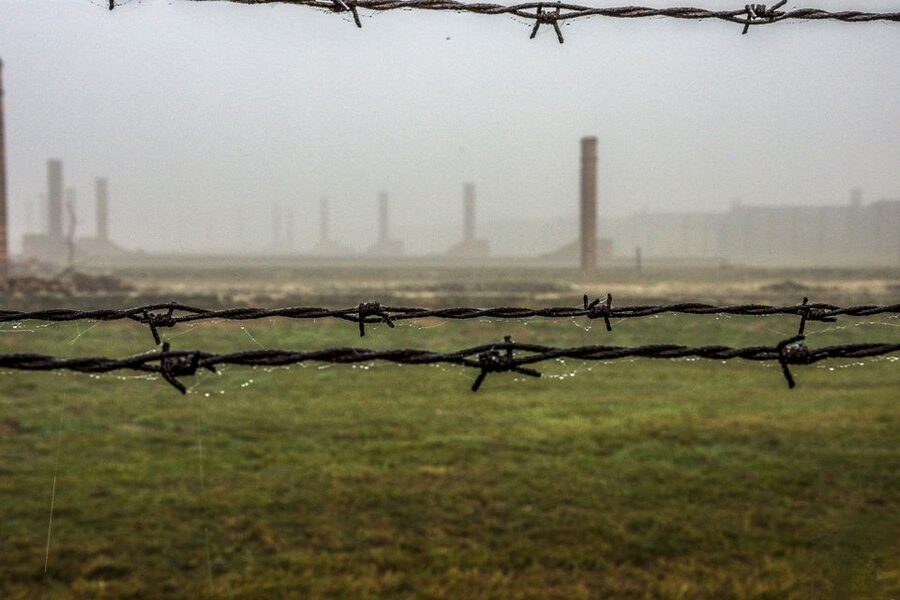
The ruins of the gas chambers and crematoria are a central stop. The Nazi authorities tried to destroy evidence as the war ended, but the remains still show the scale of what was built and then demolished. You will also see the remains of barracks and other camp structures.
Birkenau is often the point where the size of the crime becomes harder to grasp. At Auschwitz I, the displays show objects and documents. At Birkenau, the distances and repeated rows of buildings show the machinery needed to hold and kill so many people.
The site is exposed to the weather. In winter, snow and freezing temperatures can make the visit physically harsh. In summer, the open grounds can feel hot, and one reported visit lasted three and a half hours with little chance to stop. Wear practical shoes and clothing suited to the forecast. Modest clothing is required, including no short skirts or sleeveless shirts.
The guide makes the difference
The guide is not just there to point out buildings. A good guide explains what you are seeing, slows down for important questions, and keeps the group respectful.
Several guides have been praised by name. Anna was described as calm, thoughtful, and able to add stories and context beyond basic dates. Teresa was praised for being sensitive, clear, and engaging. Mario was noted for keeping a good pace while giving the group time to take in the site. Suzanna was appreciated for explaining both the history and the circumstances surrounding it.
That kind of guidance matters here. A hurried or mechanical delivery would make the visit much harder. The strongest reports describe guides who speak clearly, avoid sensationalism, and remain attentive to the group.
The audio equipment also helps. You can hear the commentary even when the group is walking between buildings or standing a little apart. If English is not your first language, check the guide language when booking. Available languages are English, German, French, Italian, and Spanish.
Timing, crowds, and the value of flexibility
The price is about $21 per person, including admission, the licensed museum guide, and booking fees. That is strong value if you want a structured visit and do not need transport from Krakow or your accommodation.
The low price comes with less control. You select a preferred starting time, but the exact appointment may be assigned and sent the day before. Past schedules have shifted by several hours, including changes from midday to early morning. That can be a real problem if you have already bought train tickets or planned another activity.
I would avoid booking this on a day when you have a tight connection or a fixed evening commitment. Give yourself plenty of empty time before and after the visit. The tour is advertised as 225 minutes, but the exact pace and break are controlled by the memorial’s visitor service, not by the booking company.
Fast-track entry helps you avoid the standard ticket line, but it does not mean you will walk into an empty site. Security, group assembly, and crowd movement still take time. On busy days, the entrance area can be confusing, and the museum routes can feel tightly managed.
The best value comes if you are comfortable trading flexibility for a lower cost. If you need a guaranteed start time and door-to-door transport, a more expensive package may suit you better. If you can arrange your own transport and leave the day open, this option covers the essential museum experience without paying for services you may not need.
What to bring and what to leave behind
Bring your passport or identity card. Museum requirements also mean you must provide your full name and contact details when booking.
Pack lunch and drinks, but keep your bag small. Large luggage and backpacks are not permitted, with a maximum bag size of 20 by 30 centimeters. Pets, smoking, alcohol, and drugs are not allowed.
Wear comfortable shoes and respectful clothing. Short skirts and sleeveless shirts are not permitted. The route includes outdoor walking on exposed ground, so a rain layer, warm coat, hat, or sun protection may all be useful depending on the season.
This visit is not suitable for wheelchair users according to the supplied information. If mobility is a concern, check directly with the museum before booking rather than assuming the route will work for you.
Who should book this guided visit?
I would choose this experience if you want the important sites explained in order, with a licensed guide and no need to build your own museum plan. It suits first-time visitors, families with older children, and anyone who wants historical context rather than a quick walk around the grounds.
It can also work well for independent visitors arriving by train, car, or public transport, provided you understand that getting to the museum and moving to Birkenau are your responsibility. The booking does not include transport to or from your accommodation, parking, food, or the camp transfer.
Families should prepare children in advance. The subject is upsetting, and the museum displays include disturbing evidence. Still, one family found that a clear, well-paced guide helped two young children remain attentive. Age, maturity, and preparation matter more than simply bringing children or leaving them behind.
Should you book this Auschwitz-Birkenau tour?
Book it if you want a serious, clearly explained visit at a modest price and can stay flexible about the start time. The licensed guide, headsets, two-camp route, and fast-track ticket make the core experience good value.
Do not book it blindly if you need hotel pickup, a fixed schedule, wheelchair access, or plenty of time to study every display. Confirm your transport plan to Birkenau, keep the whole day open, and wait for the final start time before arranging anything that cannot be changed.
For most independent visitors who can manage those details, this is a practical way to visit one of Europe’s most important memorial sites. Go prepared, dress for the weather, carry a small lunch, and give yourself time afterward to process what you have seen.
FAQ
How long does the Auschwitz-Birkenau tour last?
The advertised duration is 225 minutes. Auschwitz I usually takes about 1 hour 20 minutes to 1 hour 50 minutes, followed by a 10 to 15 minute break and about an hour at Auschwitz II Birkenau.
What languages are available?
The live guide may speak English, German, French, Italian, or Spanish. Headsets are provided so you can follow the commentary more easily.
Is transport from my accommodation included?
No. Transportation to and from your accommodation is not included. Parking fees are also separate.
How do I get from Auschwitz I to Birkenau?
The second camp is about 2 kilometers away in Brzezinka. During the break, you must reach the parking area at Birkenau using your own transport. If you use public transport, tell the tour leader before the visit starts.
Can I bring a backpack or large bag?
No. Large bags and backpacks are not permitted. The maximum permitted bag size is 20 by 30 centimeters.
What identification should I bring?
Bring your passport or ID card. You must also provide your full name and contact details during the booking process.
When will I know the exact start time?
You can select a preferred start time, but the exact starting time is sent the day before the visit. The tour may take place between 7:00 AM and 3:30 PM.
Just added in Poland
- A unique walking tour of Jewish Warsaw — past and present★ 5.0 · 8 reviews
- Międzyzdroje: Baltic Park of Miniatures Entry Ticket★ 4.3 · 19 reviews
- ZALIPIE – painted village, unique PRIVATE tour from Krakow★ 5.0 · 20 reviews
- Evening Cruises in Toruń★ 4.9 · 50 reviews
- Luxury airport transfer from Lodz to Warszawa Chopin Airport★ 5.0 · 6 reviews
- From Krakow: Guided Tour of Zalipie★ 4.6 · 30 reviews
- Undercover City Games: Poznan★ 5.0 · 88 reviews
- From Krakow: Zalipie Village Day-Tour★ 4.9 · 74 reviews
Auschwitz-Birkenau Memorial Tours, compared.
Auschwitz-Birkenau Guided Tour & Hotel Pickup
Read the review →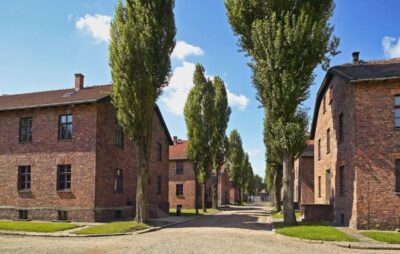
Auschwitz Guided Tour with Optional Hotel Pickup
Read the review →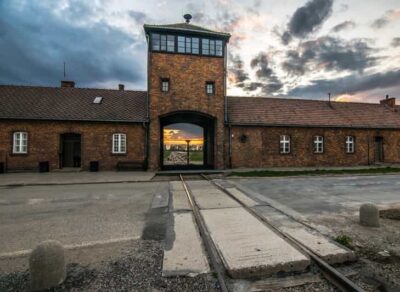
Auschwitz-Birkenau Guided Tour with Pickup & Lunch
Read the review →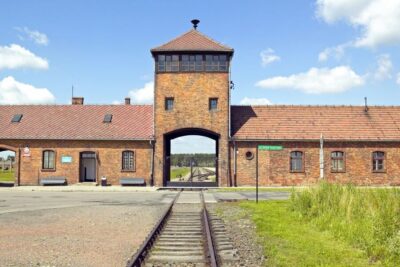
Krakow to Auschwitz Birkenau Guided Tour with Transfer and Ticket
Read the review →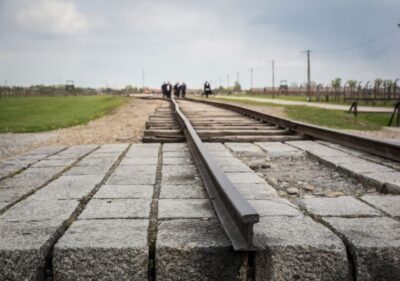
Auschwitz Birkenau Small Group Tour with Pickup
Read the review →Browse the lists this tour appears in