
Reviewed · AUSCHWITZ-BIRKENAU MEMORIAL TOURS
From Krakow: Auschwitz Museum and Wieliczka Salt Mine Tour
Auschwitz-Birkenau and Wieliczka Salt Mine make a powerful, demanding pair. One site confronts you with the crimes of Nazi Germany; the other leads you into an underground world shaped by miners, salt, faith, and time. You cover both in one long day from Krakow, with transport and entry tickets arranged.
I like the clear historical focus at Auschwitz, where the first camp and the vast Birkenau site are treated as separate places. I also like the unusual contrast of Wieliczka, especially St. Kinga’s Chapel, where walls, chandeliers, and religious figures were carved from rock salt.
The main drawback is the price. At $335 per person, this is a costly package, and the nine-hour schedule leaves little room for a relaxed meal or unplanned stops. A direct local booking has been quoted at 300 Polish zloty for two people, though prices and inclusions can change, so compare carefully before paying.
Key points to know before booking
- Auschwitz comes first: You visit Auschwitz I, take a short break, then continue to Auschwitz II-Birkenau.
- The Auschwitz portion takes about six hours: This includes road time, guided visits, and the transfer between the two camp sites.
- Wieliczka begins with 380 steps: You descend to the first level, 64 meters underground, before visiting 20 chambers.
- English guidance is included: The package provides English guided tours at both places, plus an English audio guide.
- Hotel pickup simplifies a packed day: Private transport takes you from Krakow accommodation to both sites and back.
- Bring matching identification: Auschwitz requires your full name and contact details, and your ticket name must match your passport or ID.
Why this combination works, and why it feels long
This is not a light sightseeing day. Auschwitz-Birkenau asks for quiet attention and emotional stamina. Wieliczka is more visually dramatic and physically active, but it comes after several hours of difficult history.
That contrast can work well. You first learn how a system of imprisonment and mass murder operated, then see a very different underground world created by generations of mine workers. You do not get two similar museum visits. You get two major sites with sharply different purposes and moods.
You should plan on roughly nine hours from Krakow and expect a full day on the road. The supplied schedule gives about 90 minutes for the first transfer, followed by two hours at Auschwitz I, a 15-minute break, 15 minutes to Auschwitz II-Birkenau, 90 minutes at Birkenau, 75 minutes to Wieliczka, a two-and-a-half-hour mine tour, and 40 minutes back to Krakow.
That timing is useful because it shows the real shape of the day. The advertised six-hour Auschwitz section is not six continuous hours inside one building. It includes both camp sites, transfers, and a pause. The mine tour then adds another substantial block of walking.
Other ways to visit Auschwitz-Birkenau from Kraków:
- From Krakow: Auschwitz-Birkenau Guided Tour & Hotel Pickup
★ 4.5 · 33,358 reviews - From Krakow: Auschwitz-Birkenau Guided Tour & Hotel Pickup
★ 4.5 · 29,340 reviews - Krakow: Auschwitz Guided Tour with Optional Hotel Pickup
★ 4.5 · 15,280 reviews
Arriving at Auschwitz I
Your day begins with pickup from your Krakow hotel or accommodation. Private transport is included, along with drinking water, so you do not need to arrange separate connections between Krakow, Oświęcim, and Wieliczka.
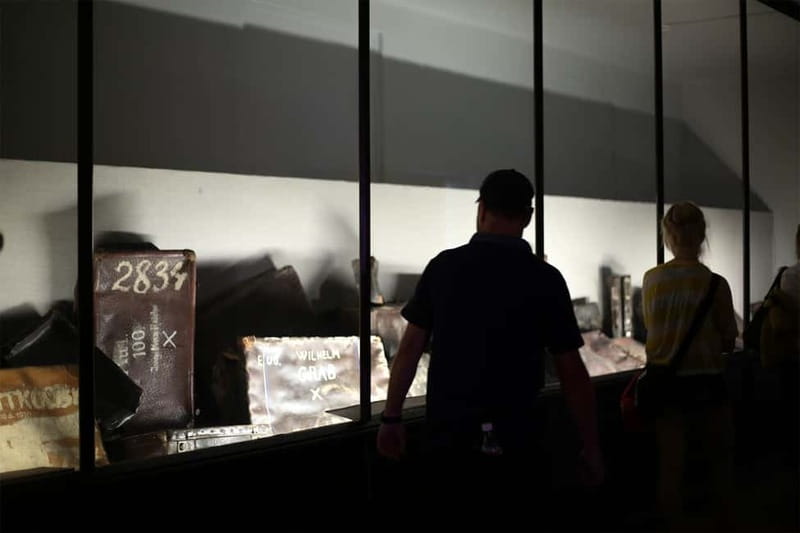
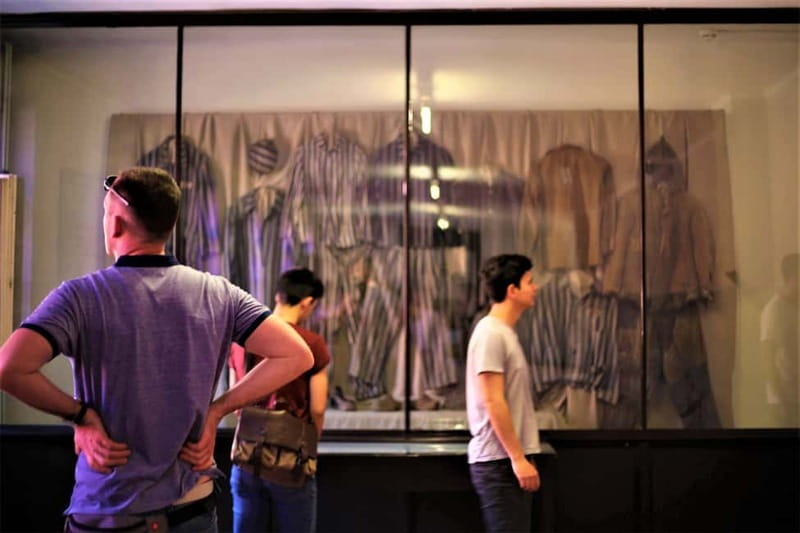
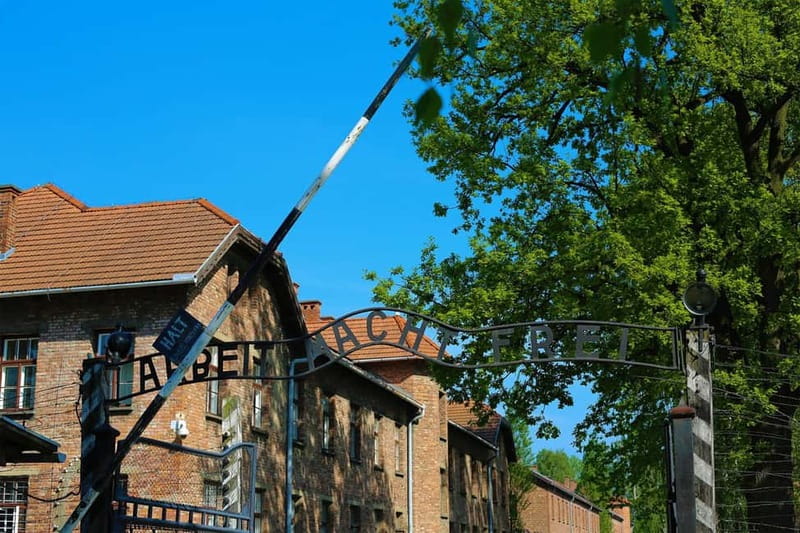
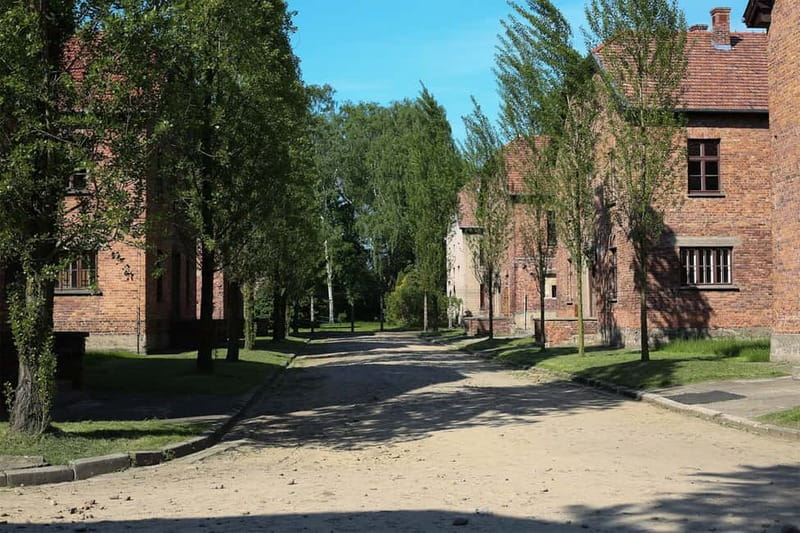
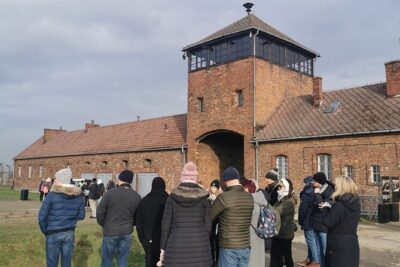
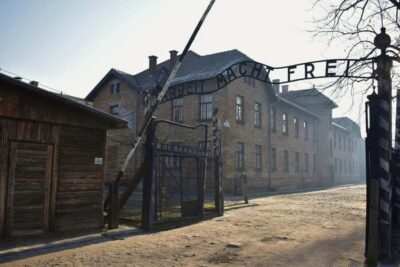
The first guided visit is at Auschwitz I, the original camp complex. It was founded on April 27, 1940, and later became part of a much larger camp system. The museum today presents the site as a memorial to the people imprisoned and murdered under Adolf Hitler’s Third Reich.
The tour lasts about two hours. Expect a serious, structured visit rather than a casual walk through historic buildings. The value of having a guide here is context. The grounds and buildings alone cannot explain how the camp developed, what different areas were used for, or how the machinery of persecution affected people brought here from across Europe.
You will need your passport or ID card. Auschwitz requires each participant’s full name and contact details in advance, and entrance can be refused if the name on the booking does not match the identification presented at the entrance. Check every spelling before you finalize the booking.
Large bags, smoking, alcohol, and drugs are not allowed. Comfortable shoes matter, since the day includes outdoor walking at the memorial and later a long underground route at Wieliczka.
The short break between the two camp sites
After the first guided visit, you get a 15-minute break before continuing to Auschwitz II-Birkenau. This is enough time to use facilities or eat something small, but it is not a proper lunch stop.
You can bring your own food, which is sensible. Pack something simple before leaving Krakow, especially if you prefer to eat at a particular time. The schedule is fixed, and you should not count on a long restaurant meal between the two memorial sections.
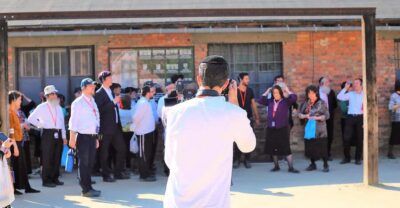
The transfer from Auschwitz I to Birkenau takes about 15 minutes. This short ride matters because the two sites feel very different in scale. Auschwitz I is a more contained camp complex with former brick buildings. Birkenau spreads across a much larger area and gives you a clearer sense of the physical scale of the camp system.
Walking through Auschwitz II-Birkenau
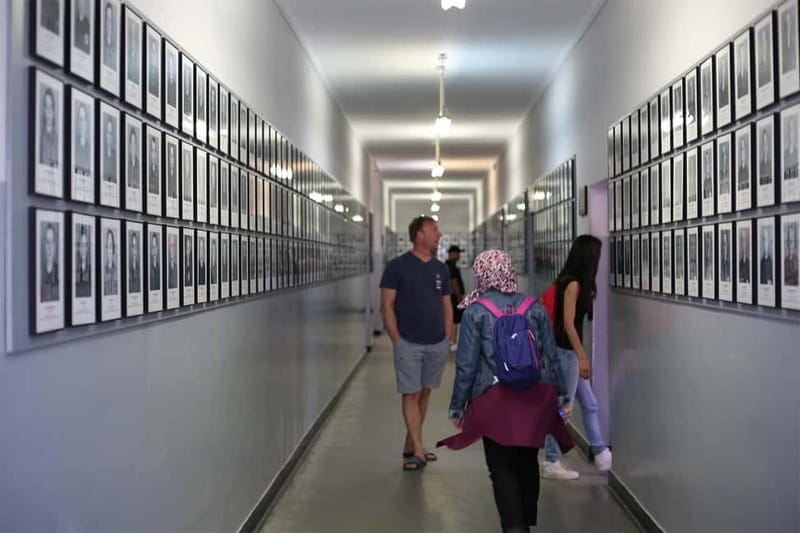
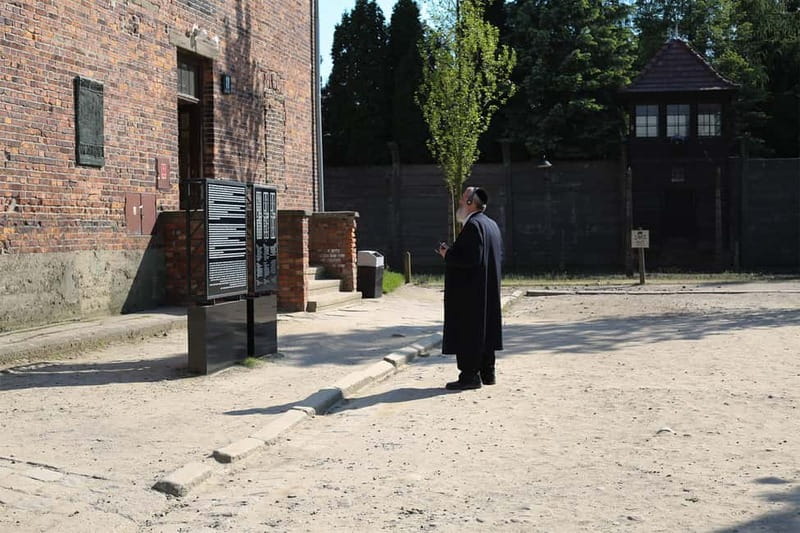
The guided visit at Auschwitz II-Birkenau lasts about an hour and a half. Here, the size of the site becomes central to your understanding. The open ground, long lines of barracks, and railway-related spaces make the camp’s scale difficult to grasp from photographs alone.
This part of the visit can be especially demanding because it is more exposed and involves walking over a broad area. Weather may affect your comfort, so dress for conditions and wear sturdy shoes. The supplied information does not promise a particular meal stop or indoor rest period, so prepare for a largely structured visit.
The guide’s role is important here. The site’s size can otherwise make your visit feel scattered. A guided route helps connect the remaining structures and memorial spaces with the history of the people who were imprisoned and killed there.
The two Auschwitz sections together are the heart of the experience. Give them the attention they require. The package is not designed for you to rush through a few famous photo points and move on.
Other trips down the salt mine from Kraków:
- From Krakow: Wieliczka Salt Mine Tour
★ 4.6 · 9,393 reviews - Krakow: Auschwitz-Birkenau and Salt Mine Guided Tour
★ 4.7 · 9,020 reviews - Krakow: Wieliczka Salt Mine Guided Tour with Transport
★ 4.4 · 7,429 reviews - Krakow: Wieliczka Salt Mine Fast-Track Ticket & Guided Tour
★ 4.5 · 5,872 reviews
The road to Wieliczka
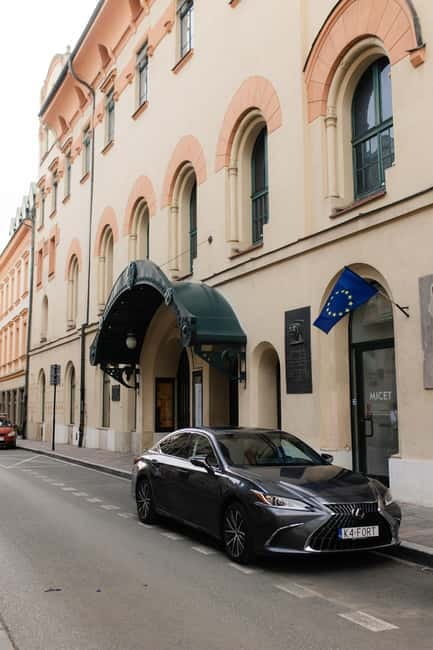
After Auschwitz II-Birkenau, the van ride to Wieliczka takes about 75 minutes. This is your best chance to rest, process what you have seen, and have a snack.
The transfer also creates a clear break in mood. Wieliczka is not another memorial site. It is a historic salt mine that operated from the 13th century until 2007. Its story is about underground work, engineering, faith, and the forces of nature that shaped the mine.
That does not make the second visit frivolous. It gives the day a different kind of focus. You move from a place built around remembrance to a working environment transformed over centuries by the people who extracted salt from it.
Descending 380 steps at Wieliczka
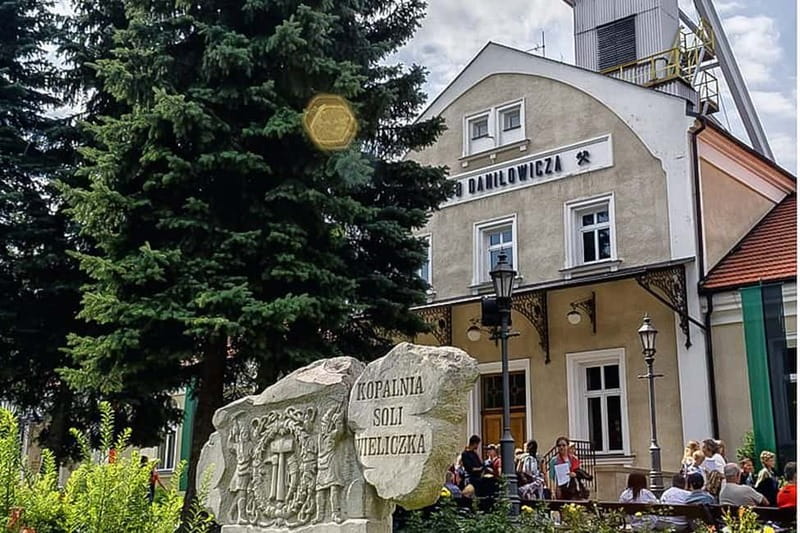
The Wieliczka visit begins with a descent of 380 steps to the first level, 64 meters below ground. That figure is worth taking seriously. This is a walking tour underground, not simply a short elevator visit followed by a viewing platform.
The route includes 20 chambers. You hear about the mine’s workings, the people who labored there, and the natural forces involved in the formation and extraction of salt. The underground setting gives the tour a strong physical sense. You are not just looking at mine machinery in a display case. You are moving through the spaces themselves.
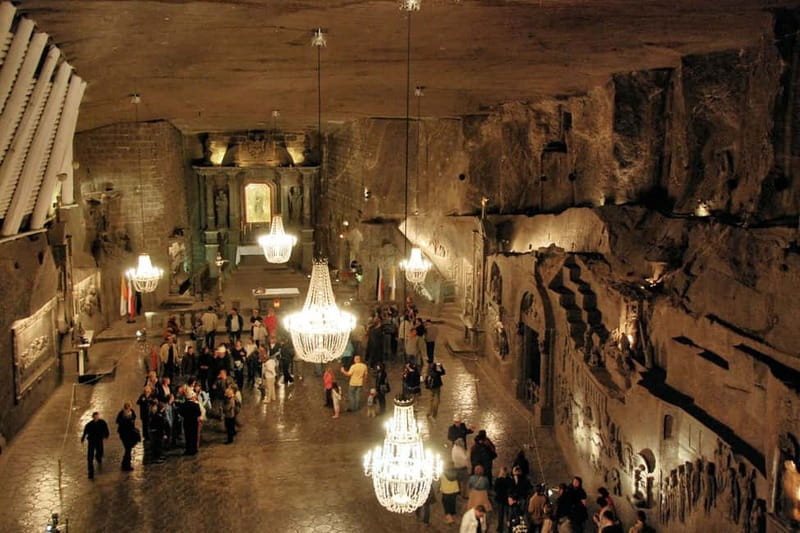
The chief attraction is St. Kinga’s Chapel, an underground cathedral carved entirely from rock salt. It is the moment that explains why Wieliczka is so popular. Salt is used not only in the walls and floor, but also in carved religious artwork and decorative details.
You should still keep expectations sensible. The mine is a major tourist attraction, and the route is guided and structured. You will not be freely wandering into every tunnel. The appeal lies in the scale of the chambers, the unusual material, and the story of the workers who created and maintained this underground world.
The tour lasts about two and a half hours. Afterward, the van ride back to Krakow takes about 40 minutes, bringing the total day to around nine hours.
Guides, drivers, and what the service adds

English guided tours are included at both Auschwitz-Birkenau and Wieliczka. An English audio guide is also listed, which may help when you want extra explanation or need to follow details at your own pace.
The driver is a practical part of the experience. One driver named Kate was praised for being helpful and staying several extra hours after delays affected the schedule. That sort of flexibility can matter on a day with two timed attractions and several road transfers.
You should not assume that every departure will involve the same driver or the same response to delays. Still, the private transport arrangement gives you one useful advantage: you do not need to find your way between Krakow, the Auschwitz sites, and Wieliczka by public transport.
The package does not specify a maximum group size. That is worth checking before booking if the size of your party matters to you. The transport is private, but the guided visits at the sites may follow the museums’ own entry arrangements rather than being fully private from start to finish.
Is $335 per person good value?
At $335 per person, the price is high. You are paying for convenience, transport, advance coordination, and guided entry at two major sites. You are not simply paying for admission.
For a visitor with only one day in Krakow, that convenience can be worth something. Auschwitz and Wieliczka are in different directions from the city, and arranging two visits independently takes planning. The included pickup, transfers, water, and English tours reduce the number of moving parts.
The price becomes harder to justify if you are comfortable arranging transport and tickets yourself. A direct local comparison has been quoted at 300 Polish zloty for two people, which is far below the advertised package price. That figure may not include the same transport, guide service, timing, or booking support, and local prices can change, but it is still a reason to compare before committing.
Because the activity is non-refundable, take extra care with names, dates, and timing. Auschwitz tickets are tied to the required participant information. The low rating of 3.7 from 11 ratings also suggests that the value question matters as much as the quality of the actual visits.
The strongest praise is directed at the guides and drivers rather than the price. That is useful to know. The day itself can be well run, but a well-run expensive tour is still expensive.
Who should book this day?
I would consider this tour if you want both major sites in one organized day and prefer not to manage several transfers. It suits first-time visitors to Krakow with limited time, people who want English guidance, and anyone who values hotel pickup over the lowest possible cost.
It is also a good fit if you want the Auschwitz visit handled with structure and context. The site is too important for a rushed, self-guided glance, and the Birkenau section benefits from a clear route.
I would hesitate if you dislike long days, need a leisurely lunch, have difficulty with many stairs, or are mainly looking for the cheapest way to visit. The day includes outdoor walking, a serious memorial visit, 380 steps underground, and several hours in a van.
The emotional side matters too. Auschwitz is not an attraction to squeeze between lighter activities without thought. If you book this combination, leave your evening open and give yourself time after returning to Krakow.
Practical tips for making the day easier
Bring your passport or ID, and make sure your booking name matches it exactly. Comfortable shoes are essential for both the memorial grounds and the mine.
Pack food and water even though drinking water is supplied. You can bring your own food, and the 15-minute break at Auschwitz is short.
Avoid bringing large luggage or bags. Smoking, alcohol, and drugs are not allowed. Since the tour runs in English, check that the included language meets your needs before booking.
Finally, check the starting time and availability for your date. The exact departure time is not fixed in the supplied details, and the day’s nine-hour length affects how you plan the rest of your Krakow visit.
Should you book it?
Book this experience if your priority is fitting Auschwitz-Birkenau and Wieliczka Salt Mine into one carefully arranged day, and you accept paying a premium for transport and coordination.
Skip it, or compare direct options first, if price is your main concern. The Auschwitz and Wieliczka visits are the reason to go, while the package’s main benefit is convenience. For the right schedule, that is useful. At $335 per person, it needs to be useful enough for you.
FAQ
How long does the tour last?
The full experience lasts about nine hours, including pickup, transport, the Auschwitz-Birkenau visits, and the Wieliczka Salt Mine tour.
Is hotel pickup included?
Yes. Pickup from Krakow hotels and accommodations is included, followed by return transport to Krakow.
What language is the tour in?
The live tour guide and audio guide are in English.
How long do you spend at Auschwitz-Birkenau?
The Auschwitz portion takes about six hours when the two guided visits, the break, and transfers between locations are included. The guided visit at Auschwitz I lasts about two hours, and the guided visit at Auschwitz II-Birkenau lasts about one and a half hours.
How many steps are there at Wieliczka Salt Mine?
You descend 380 steps to the first level of the mine, which is 64 meters underground.
What identification do I need?
You need a passport or ID card. The full name on your booking must match the name on the identification used to enter Auschwitz.
Can I bring food?
Yes. You are welcome to bring your own food. A 15-minute break is included between the Auschwitz I and Auschwitz II-Birkenau visits.
More Museums in Kraków
- Auschwitz-Birkenau Museum and Memorial Guided Tour from Krakow
★ 4.5 · 1,510 reviews - Krakow: Rynek Underground Museum Guided Tour
★ 4.6 · 1,122 reviews - Krakow Schindler’s Factory Museum Guided Tour in English
★ 4.5 · 650 reviews - Krakow: Auschwitz Birkenau Museum Guided Tour with Pickup
★ 3.6 · 544 reviews
Just added in Kraków
- Wawel Castle, Old Town with St. Mary’s Church Guided Tour★ 5.0 · 3 reviews
- Wawel Castle, Old Town with St. Mary’s Church Guided Tour★ 5.0 · 5 reviews
- Wawel Castle, Cathedral, Old Town and St. Mary’s Basilica★ 4.8 · 13 reviews
- Wawel Castle, Cathedral, & Rynek Underground Tour with Lunch★ 4.5 · 10 reviews
- Wawel Castle & Cathedral Skip the Line Small Group Tour★ 5.0 · 3 reviews
- Wawel Castle and Cathedral Guided Tour★ 4.6 · 44 reviews
- Wawel Castle, Cathedral, Rynek Underground Tour with Lunch★ 5.0 · 3 reviews
- Wawel Castle and Cathedral Guided Tour★ 5.0 · 8 reviews
Auschwitz-Birkenau Memorial Tours, compared.
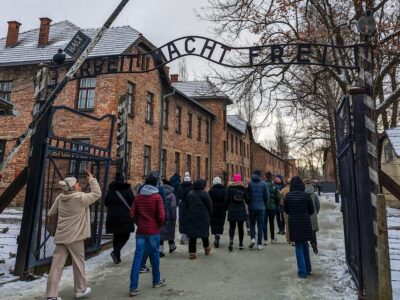
Auschwitz-Birkenau Guided Tour & Hotel Pickup
Read the review →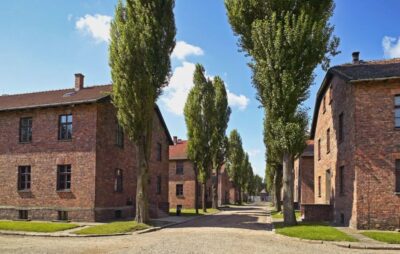
Auschwitz Guided Tour with Optional Hotel Pickup
Read the review →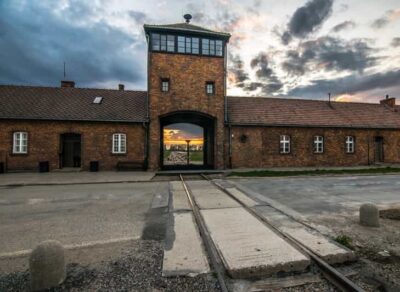
Auschwitz-Birkenau Guided Tour with Pickup & Lunch
Read the review →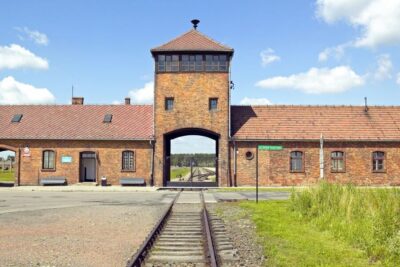
Krakow to Auschwitz Birkenau Guided Tour with Transfer and Ticket
Read the review →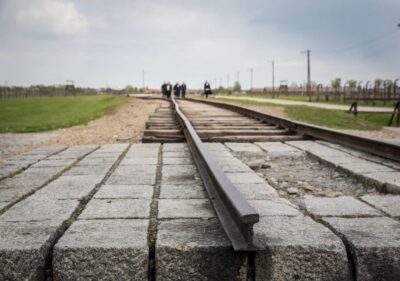
Auschwitz Birkenau Small Group Tour with Pickup
Read the review →Browse the lists this tour appears in