
Reviewed · AUSCHWITZ-BIRKENAU MEMORIAL TOURS
Auschwitz-Birkenau: Guided Tour with Fast Track Ticket
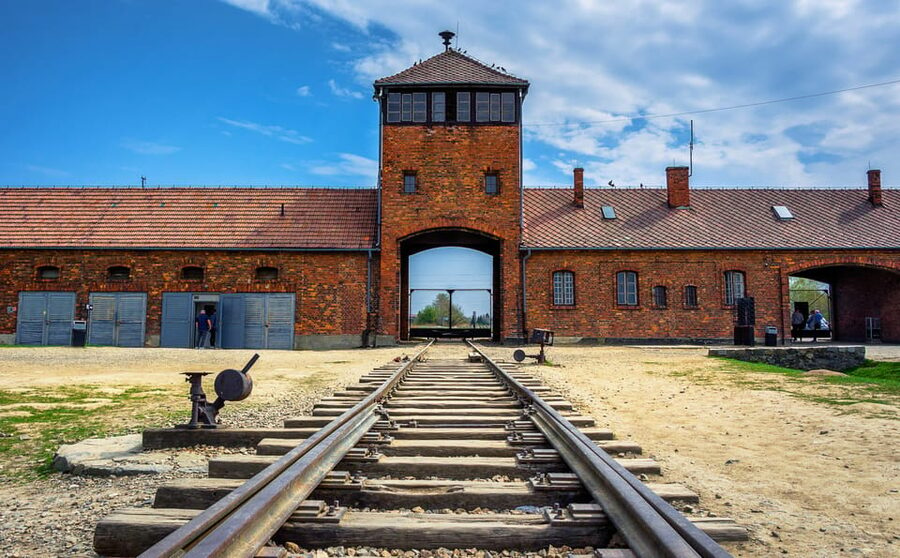
Auschwitz-Birkenau is not a sightseeing stop you rush through between prettier attractions. It is a difficult, necessary visit, and this tour gives you a structured way to see both camps with a certified guide explaining what happened where. You’ll enter Auschwitz I, continue to Auschwitz II-Birkenau, and see the remaining prison blocks, gas chambers, crematoria buildings, and railway ramp.
I like two things here. First, pre-booked fast-track entry removes much of the ticket hassle at a site where demand can be high. Second, the tour covers both camps, which matters because Auschwitz I and Birkenau show different parts of the Nazi camp system. The main drawbacks are the changing start time, sometimes confusing meeting arrangements, and the non-refundable booking terms.
Key points to know before booking
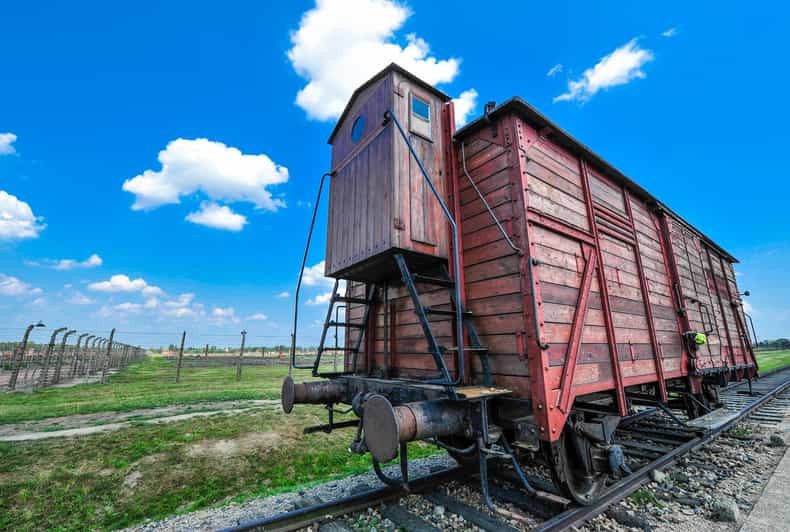
- Both camps are included: You visit Auschwitz I and the much larger Auschwitz II-Birkenau site, rather than seeing only the museum buildings at the first camp.
- A guide leads each section: A host provides your ticket, then a local guide takes over inside the memorial in your chosen language when available.
- Fast-track does not mean instant entry: Even with a pre-booked ticket, you may wait up to 15 minutes.
- The schedule can shift: The museum may confirm or change the start time the day before, so keep your full day open.
- Transport depends on your booking: Krakow pickup and transport are included only with selected options. Without transport, you must arrange parking and the transfer between camps.
- The visit is emotionally demanding: Wear suitable clothing, bring identification, and expect a serious, tightly managed tour rather than a casual outing.
Why seeing both Auschwitz sites matters
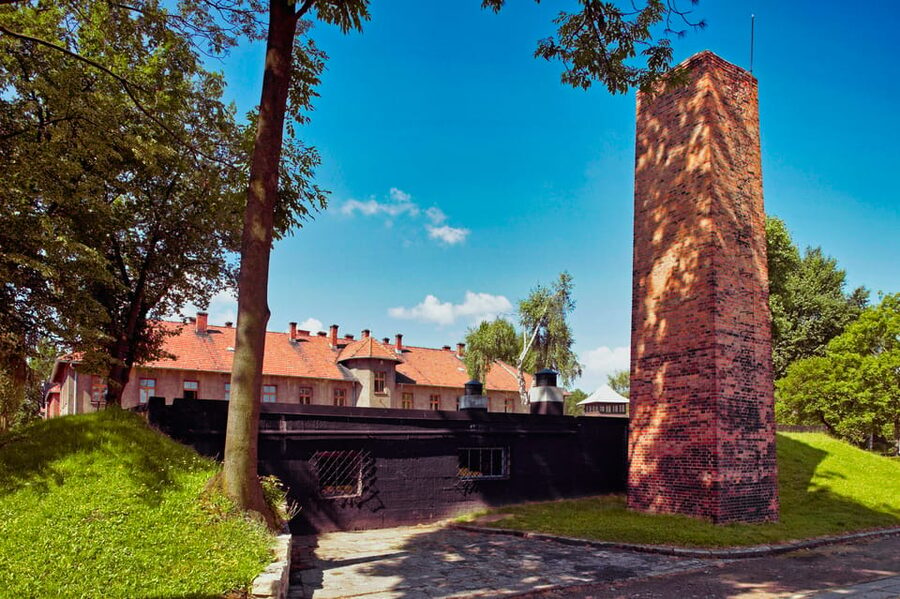
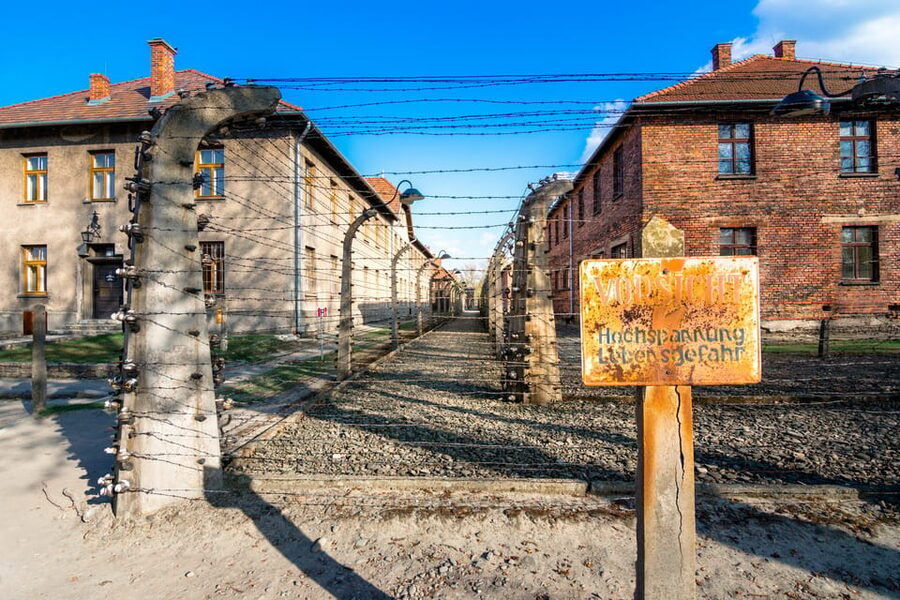
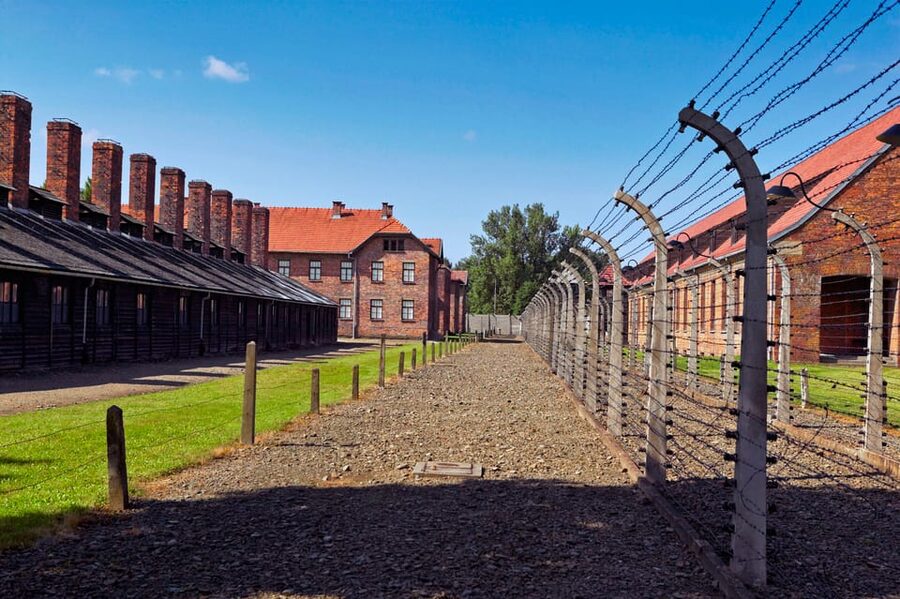
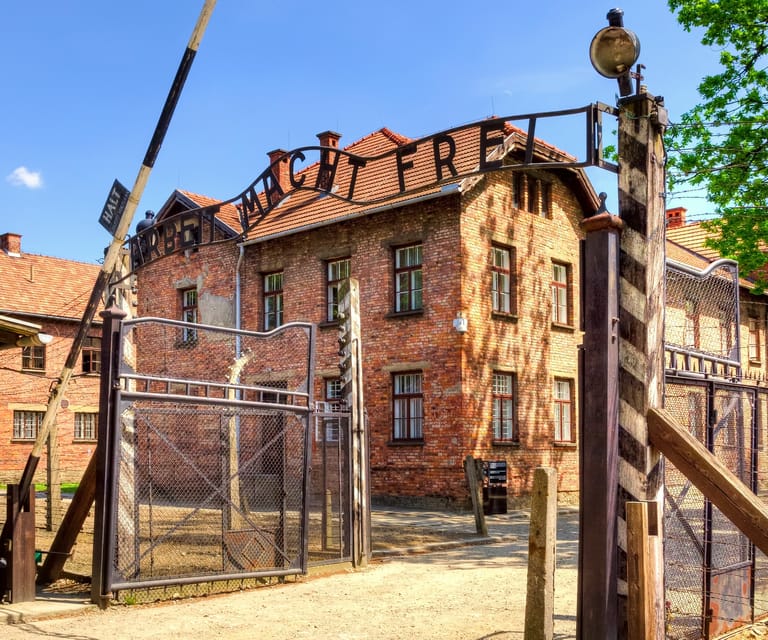
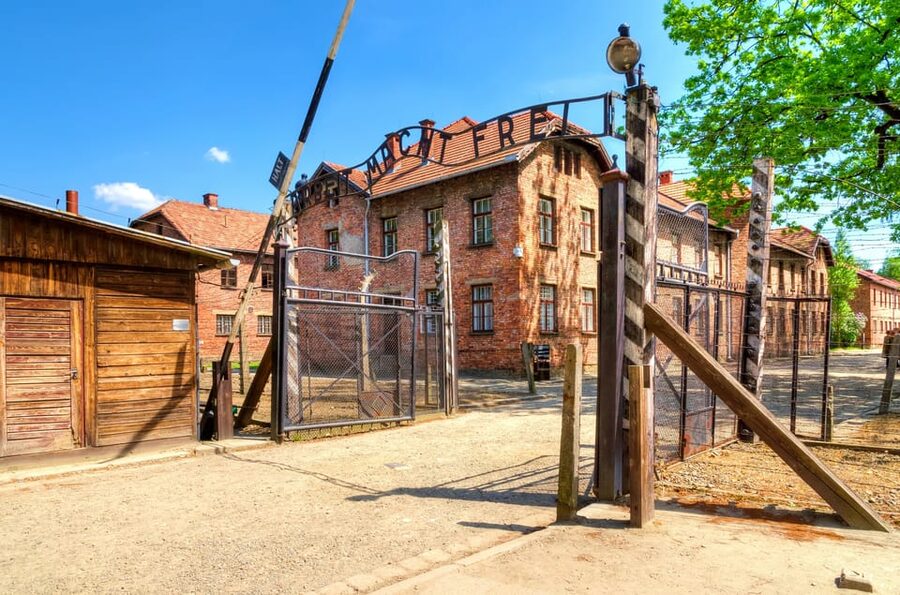
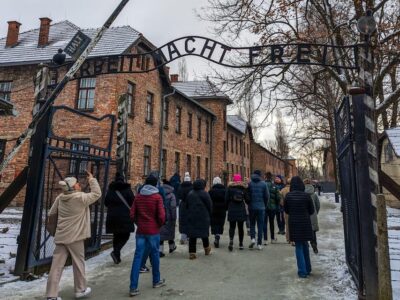
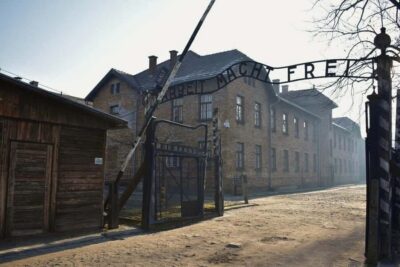
The two parts of the memorial tell different stories. Auschwitz I is the older camp, with surviving prison blocks and museum displays. Its familiar entrance and preserved buildings make the history feel close and concrete.
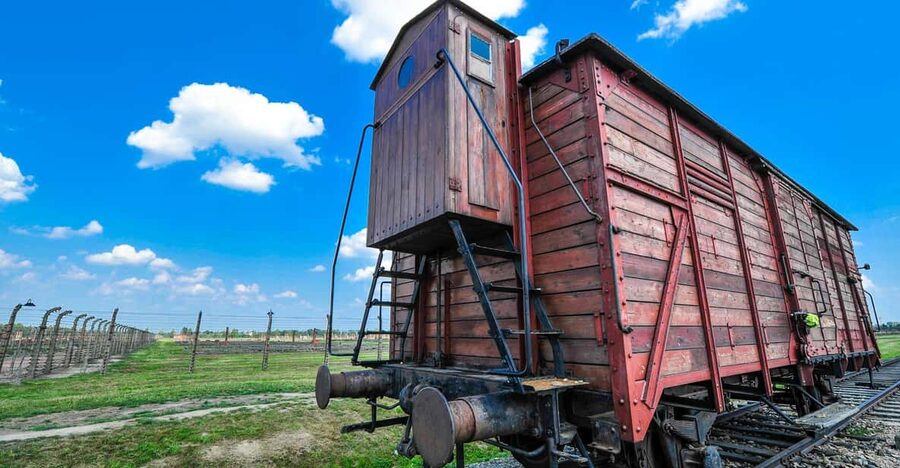
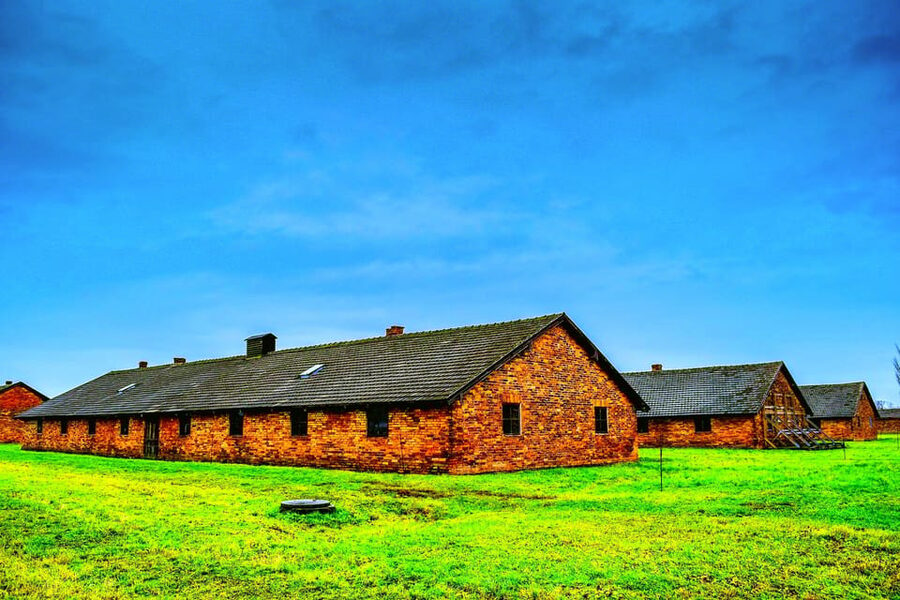
Auschwitz II-Birkenau is much larger and more open. The railway ramp shows where prisoners arrived, while the remains of gas chambers and crematoria point to the scale and machinery of mass murder. Seeing both locations gives you a fuller sense of how the camp system operated.
I consider the two-site format the strongest reason to choose this experience. A short visit to Auschwitz I alone can leave you with only part of the picture. Birkenau adds the physical scale that is hard to grasp from photographs, books, or films.
This is also why the tour can last anywhere from three to seven hours. The memorial’s visitor service controls the pace and timing, not the booking platform or local operator. You should not schedule a tight dinner reservation, airport transfer, or another major activity immediately afterward.
Other ways to visit Auschwitz-Birkenau from Poland:
- From Krakow: Auschwitz-Birkenau Guided Tour & Hotel Pickup
★ 4.5 · 33,358 reviews - From Krakow: Auschwitz-Birkenau Guided Tour & Hotel Pickup
★ 4.5 · 29,340 reviews - Krakow: Auschwitz Guided Tour with Optional Hotel Pickup
★ 4.5 · 15,280 reviews
Auschwitz I: prison blocks and the museum visit
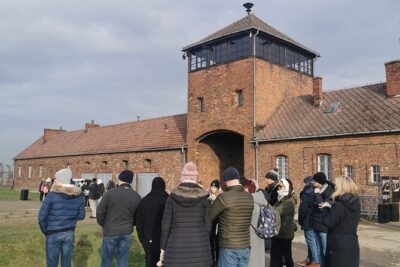
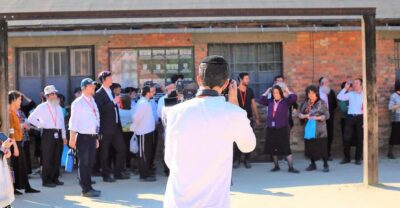
Your first stop is Auschwitz I, where you enter through the museum complex and meet the guide assigned to your language. The remaining prison blocks form the core of the visit. Inside, the guide explains the camp’s function and points out objects, rooms, and evidence connected to the prisoners held there.
A guide matters here because the buildings can otherwise seem orderly and difficult to interpret. The tour gives names, dates, and context to places that might look like ordinary brick structures from the outside. It also helps you move through the site respectfully and at the pace set by the memorial.
Expect a serious tone. This is not an attraction built for entertainment, and the best guides keep their delivery clear and measured. One especially well-regarded guide named Martin was praised for combining strong historical explanations with occasional light humor while still treating the subject with care. Your assigned guide may be different, but the guide’s ability to explain rather than simply point is central to the experience.
The visit includes surviving gas chambers and crematoria buildings. These are among the hardest parts of the tour, and the guide provides the historical framework needed to understand their purpose. You should expect disturbing material and strong emotions. This is not a good choice for anyone looking for a gentle or family-style museum visit.
Birkenau and the railway ramp
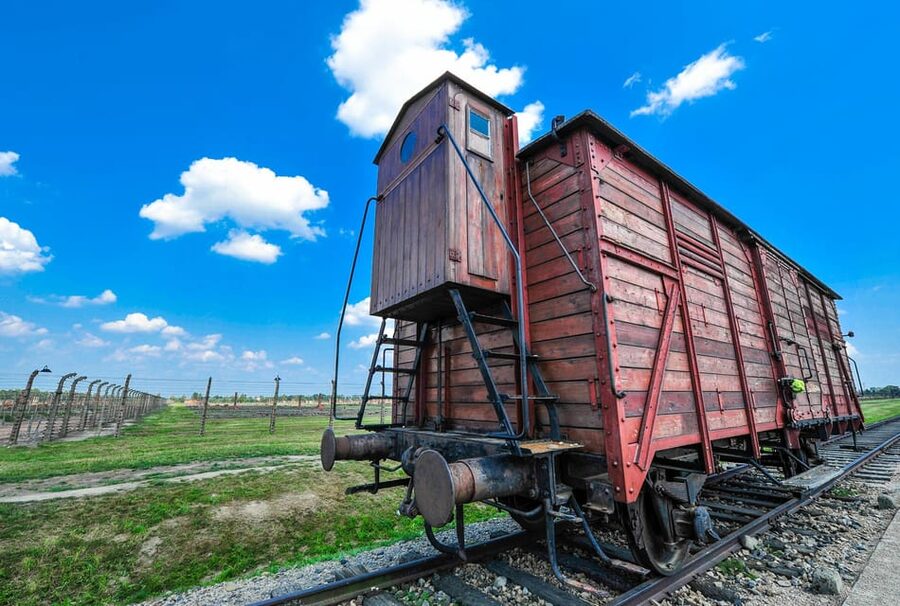
The second camp, Auschwitz II-Birkenau, changes the character of the visit. The site is far larger, and the railway ramp is one of its most important features. This is where prisoners were transported into the camp system, making it an essential place to understand the arrival process and the scale of deportation.
You will also see the remains of gas chambers and crematoria buildings. Much of Birkenau is exposed to the weather, so suitable clothing matters. Bring layers, rain protection when needed, and comfortable shoes. The instructions specifically exclude large bags, and luggage larger than 30 by 20 by 10 centimeters is not allowed inside the museum.
The transfer between Auschwitz I and Birkenau is included only with some booking choices. If you travel without the provided transport, you are responsible for getting between the camps. This is an important detail to check before paying, since a self-drive visit can involve separate parking charges at both sites.
One self-drive visitor paid 20 Polish złoty to park at Auschwitz I and 40 złoty at Birkenau. Parking fees are not included in the option without transport. If you choose that version, allow extra time for parking, finding the guide, and reaching the second camp.
The guide and language options
The tour is available in English, German, Spanish, French, Polish, and Italian. A host meets you first and provides the tickets. Once you enter, a local guide is assigned according to the requested language.
Language availability depends on minimum numbers. If too few people book a particular language, the provider may switch the tour to English. If a specific language is essential for you, treat this as a real possibility rather than a minor footnote.
The guide’s role is especially valuable at Auschwitz because context changes what you see. A prison block, railway track, or ruined building carries more meaning when the guide explains its place in the camp system. Strong guides have been praised for clear explanations, careful pacing, and answers to questions.
There have also been occasional timing problems. One booking included a guide who arrived late without notice, while other groups had smooth, well-organized visits. That mixed pattern suggests you should arrive early and keep the contact number and confirmation email handy.
A few more things to do in Poland worth a look
- Krakow to Auschwitz Birkenau Guided Tour with Transfer and Ticket
★ 5.0 · 8,197 reviews - Krakow: Wieliczka Salt Mine Fast-Track Ticket & Guided Tour
★ 4.5 · 5,872 reviews - Auschwitz Birkenau Guided Tour with Ticket Hotel Pickup Small Van
★ 5.0 · 4,769 reviews - From Krakow: Wieliczka Salt Mine Tour & Skip the Line Ticket
★ 4.4 · 3,925 reviews
Transport from Krakow and finding the meeting point
Selected options include transport from Krakow. This is the easiest choice if you are staying in the city and do not want to arrange a long day of driving, parking, and transfers. It also gives you a host or driver to help direct you through the early stages.
The meeting point can vary by option, so read your confirmation carefully. Finding the correct group is not always simple. There may be several tour providers and shuttle buses in the same area, and the guide may wear a provider badge that does not match the most obvious company name on a vehicle.
Some people had trouble locating the meeting point, while staff eventually called or came looking for them. One useful lesson is to arrive with time to spare, not just a few minutes before departure. If you cannot find the group, call the number provided rather than wandering among the buses.
The driving itself has generally been described as organized and polite, but one account raised a concern about a driver using one hand frequently. That is not a reason to reject the entire tour, but it is fair to note that transport quality can vary by driver.
If you select the no-transport option, you must handle parking and the journey between camps yourself. That version can work if you already have a car and understand the separate parking arrangements. It is less convenient if you are unfamiliar with the memorial grounds.
Timing, pace, and the three-hour visit
The advertised duration ranges from three to seven hours. A typical guided visit at the memorial has been described as about three hours, with a short break of roughly 10 minutes, but the exact length is controlled by the memorial’s visitor service.
The start time can also change the day before the tour, depending on guide availability. You receive confirmation by email, so check your inbox and keep the entire day free. This is one of the most important practical points. Do not plan the tour around an exact return time.
The pace is purposeful. You will see the main sections, but you should not expect unlimited time at every building or display. A well-run visit helps you focus on the most important material instead of losing time in a very large complex.
That structure is useful at a place where it would be easy to feel lost. It also means you may want a little quiet time afterward. The emotional weight can continue long after the formal tour ends.
Is $69 good value?
At $69 per person, this tour is not the cheapest way to reach the memorial, but the price can be fair if you choose the Krakow transport option. You are paying for reserved entry, organization, transport on the applicable option, and guides at both camps.
The value is strongest for first-time visitors who want someone else to handle the complicated parts. You avoid arranging admission, finding the right guide, and working out the transfer between Auschwitz I and Birkenau. The tour also protects you from arriving without a proper booking during a busy period.
The value is weaker if you are already driving, are comfortable with the parking arrangements, and can secure a suitable museum time on your own. In that case, compare the no-transport price and remember to add parking and the inter-camp transfer.
The non-refundable policy deserves attention. Museum tickets cannot be refunded, and the activity itself is non-refundable. Give your dates careful thought before booking, and do not buy until you can commit.
Who should book this experience?
I would choose this tour if you are staying in Krakow, want both camps, and prefer a guide to set the historical frame. It suits adults and older teenagers who can manage a long, serious visit. Children under 13 are not suitable for this activity according to the booking conditions.
It is not suitable for wheelchair users or people with mobility impairments. The site is large, the pace is set by the memorial, and the tour requires moving between major sections.
This also is not a good match for anyone who dislikes group schedules. You cannot freely choose how long to stay at each place, and the start time can change. If you need a private or highly flexible experience, this format may frustrate you.
For most first-time visitors, though, the structure is helpful. The guide handles the explanation, the two camps are connected into one visit, and the fast-track ticket reduces one layer of uncertainty.
Practical tips for a respectful visit
Bring your passport or national ID card. Every participant must provide a full name and contact details, and the name on the booking must match the identification shown at entry. A student card is also listed as something to bring.
Pack light. Bags larger than 30 by 20 by 10 centimeters are not permitted, and large luggage cannot be taken inside. Wear weather-appropriate clothing because Birkenau includes extensive outdoor areas and the visit may take several hours.
Arrive early at the stated meeting point, especially if you are meeting a Krakow shuttle or joining at the museum. Look for the actual host or guide rather than relying only on a bus logo. The name of the local guide’s company may differ from the name shown on your booking confirmation.
Finally, treat the memorial as a place of remembrance. The subject is the Holocaust and Nazi crimes against Jews, Poles, Roma, and other persecuted groups. The right mindset is quiet attention, not entertainment.
Should you book the Auschwitz-Birkenau tour?
Book it if you want a guided visit to both camps and value having entry, directions, and transport organized for you. The strongest parts are the two-site itinerary, the clear historical framework, and the convenience of a pre-booked ticket.
Before paying, confirm four things: your meeting point, transport inclusion, language, and likely start-time flexibility. If you drive, calculate parking and the transfer between camps. If the schedule changes or a language group is too small, you may be moved to an English tour.
The overall rating is 3.9, which fits the experience: the memorial visit itself is powerful and the guides are often excellent, but meeting-point confusion and occasional coordination issues can affect the day. For a first visit from Krakow, the $69 price is reasonable when transport is included and you want a serious, guided introduction to both Auschwitz I and Birkenau.
FAQ
How much does the Auschwitz-Birkenau guided tour cost?
The listed price is $69 per person.
How long does the tour last?
The activity takes approximately three to seven hours. A visit of about three hours is possible, but the exact timing and pace are controlled by the memorial’s visitor service.
Does the tour visit both Auschwitz I and Auschwitz II-Birkenau?
Yes. The itinerary includes both Auschwitz I and Auschwitz II-Birkenau.
Is transport from Krakow included?
Transport from Krakow is included only with the option that specifically offers it. If you choose the option without transport, you must arrange your own travel, parking, and transfer between the camps.
Is the entry ticket fast track?
The ticket is pre-booked and provides fast-track entry, but you may still wait up to 15 minutes.
Which languages are available?
Guided tours are offered in English, German, Spanish, French, Polish, and Italian. If minimum numbers are not met for a selected language, the tour may be provided in English.
What identification should I bring?
Bring your passport or ID card. The name on your booking must exactly match the name on your identification. A student card should also be brought if relevant.
Can I bring a large bag or luggage?
No. Luggage larger than 30 by 20 by 10 centimeters is not permitted inside the museum.
Is the tour suitable for children or wheelchair users?
The activity is not suitable for children under 13, people with mobility impairments, or wheelchair users.
Just added in Poland
- A unique walking tour of Jewish Warsaw — past and present★ 5.0 · 8 reviews
- Gdansk Sopot and Gdynia 3 Cities Private Full-Day Tour★ 5.0 · 56 reviews
- Międzyzdroje: Baltic Park of Miniatures Entry Ticket★ 4.3 · 19 reviews
- ZALIPIE – painted village, unique PRIVATE tour from Krakow★ 5.0 · 20 reviews
- Evening Cruises in Toruń★ 4.9 · 50 reviews
- Luxury airport transfer from Lodz to Warszawa Chopin Airport★ 5.0 · 6 reviews
- From Krakow: Guided Tour of Zalipie★ 4.6 · 30 reviews
- Undercover City Games: Poznan★ 5.0 · 88 reviews
Auschwitz-Birkenau Memorial Tours, compared.
Auschwitz-Birkenau Guided Tour & Hotel Pickup
Read the review →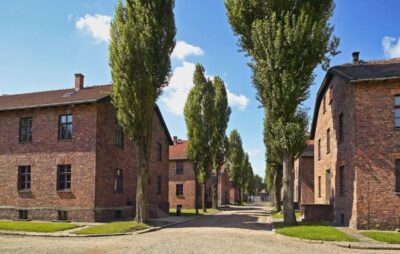
Auschwitz Guided Tour with Optional Hotel Pickup
Read the review →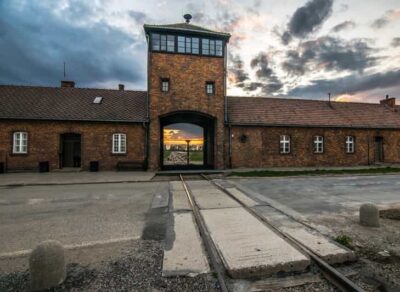
Auschwitz-Birkenau Guided Tour with Pickup & Lunch
Read the review →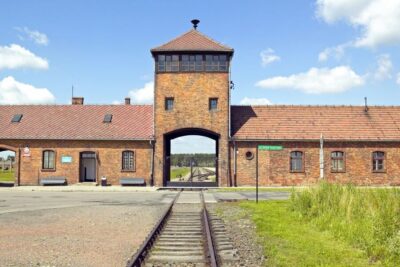
Krakow to Auschwitz Birkenau Guided Tour with Transfer and Ticket
Read the review →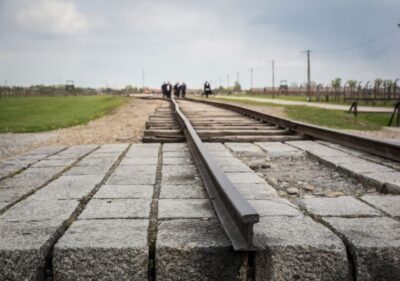
Auschwitz Birkenau Small Group Tour with Pickup
Read the review →Browse the lists this tour appears in