
Reviewed · AUSCHWITZ-BIRKENAU MEMORIAL TOURS
From Warsaw: Guided Tour to Auschwitz-Birkenau and Krakow
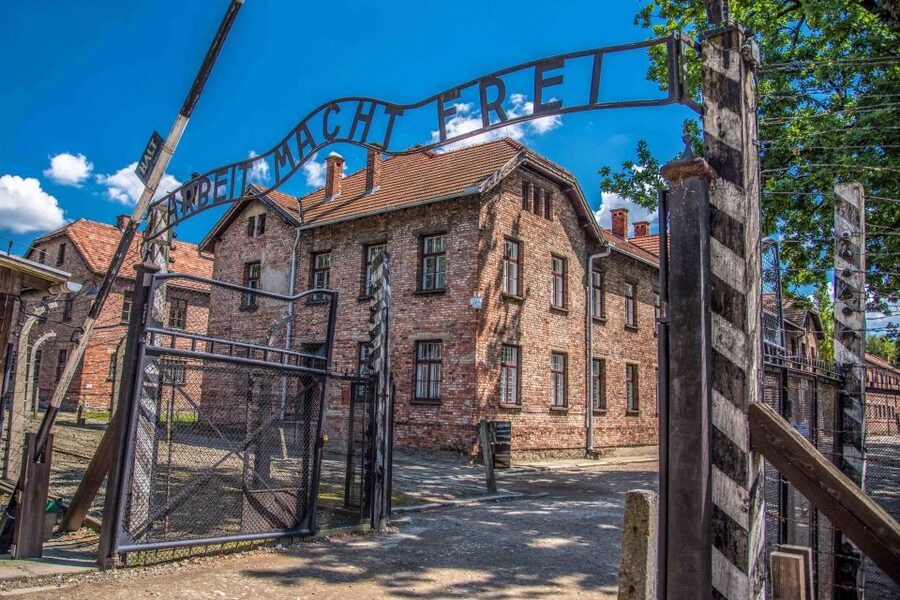
Auschwitz-Birkenau is the heart of this long day. You walk through former barracks, guard towers, cremation sites, and the enormous Birkenau grounds while an on-site guide explains what happened here. This is a serious historical visit, not a casual sightseeing stop, and the scale of the place can be hard to take in.
I like two things about this experience. First, the return train from Warsaw removes the trouble of arranging separate transport between Poland’s two major cities. Second, you get both Auschwitz and Krakow, with free time near Krakow’s Old Town. The drawback is clear: 16 hours is a punishing day, and some departures may involve very early trains, delays, or a rushed schedule.
Key points to know
- Auschwitz and Birkenau in one visit: Spend about two hours at Auschwitz I and one hour at Auschwitz II-Birkenau.
- Train travel from central Warsaw: Start and finish at Warsaw Central Railway Station, with reserved seats and carriage details sent in advance.
- A short Krakow stop: You get free time near the historic center, but not a full guided tour of Krakow.
- Strong on-site guiding: Guides such as Anna, Magdalena, Jacob, and Alexandra have led past departures, with a respectful and factual approach.
- Pack light and walk well: Bags larger than an A4 sheet are not allowed inside the museum, and the visit includes long walks and some stairs.
- Build in schedule flexibility: The exact timing can change based on museum availability, train conditions, and transport arrangements.
Why this day is worth considering
At $181 per person, this is not a cheap rail ticket with a museum entry added on. You are paying for return train travel, the Krakow to Auschwitz connection, skip-the-line admission, and a guided visit at one of Poland’s most important historic sites.
The value depends on what you want from your Poland trip. If you have only one day available and want to see Auschwitz without organizing several separate tickets, this package is practical. If you prefer a slow pace, long meals, and time to explore Krakow properly, it will feel crowded.
The strongest part is the museum visit itself. The guide does more than point at buildings. A good guide places Auschwitz I and Birkenau in context, explains how the two sections served different purposes, and handles the subject with care. Past guides named Anna and Magdalena were praised for balancing facts with the emotional weight of the place, while Jacob and Alexandra were noted for answering questions clearly.
You should also understand what this tour cannot do. It cannot give you a relaxed day in Krakow and a leisurely museum visit. The distance from Warsaw is the main cost. The train takes about two and a half hours each way, and the road connection between Krakow and Auschwitz takes about an hour and a half each way.
Other ways to visit Auschwitz-Birkenau from Warsaw:
- Warsaw: Tour to Krakow and Auschwitz by Train with Pickup
★ 4.6 · 603 reviews - From Warsaw Auschwitz and Krakow one day tour by train with pick up and drop off
★ 4.5 · 267 reviews - From Warsaw: Auschwitz-Birkenau Tour by Car
★ 4.5 · 215 reviews
Starting at Warsaw Central Railway Station
Your day begins at Warsaw Central Railway Station. This is useful if you are staying in central Warsaw, and you can reach the station on foot, by taxi, or by Uber if your hotel is farther away.
The operator sends train information after booking, including the departure time, carriage number, and seat numbers. Take your passport or national ID card. The train tickets are personal, and your identity may be checked both on the train and at the museum entrance.
The early start deserves careful attention. Departure times depend on the day and on the available museum entry slot. Some departures have involved trains around 5:23 in the morning, while other schedules have started later. Do not make firm plans based only on the first time you see during booking. Check the final instructions sent by email.
A small coordination issue can matter at this hour. You may be told to arrive well before departure, even though nobody meets you on the platform. Since you have your train tickets, you normally need to find the correct train and board it yourself. Read the carriage and seat information before leaving your hotel.
The two-and-a-half-hour train to Krakow
The train ride gives you a useful block of rest, though comfort can vary. One departure experienced a delay of more than 30 minutes and no air conditioning, so you should keep some patience in reserve. Most of the planning is straightforward, but Polish train headings may not always be easy to read if they are provided only in Polish.
Bring water and something to eat. The day has several transfers and only limited breaks, so buying food at exactly the right moment may not be easy. A light breakfast is especially sensible if your departure is before dawn.
On arrival in Krakow, follow the supplied map and instructions. The meeting point for the Auschwitz transfer is about a seven-minute walk from the railway station. That short walk is manageable, but keep your phone, email instructions, and meeting details easy to reach.
You may have about 30 minutes around Krakow before the coach leaves. In some schedules, free time in Krakow comes mainly after Auschwitz instead. The order can change because museum entry times are fixed around availability. Listen carefully to the driver and do not wander far from the meeting point.
The road to Auschwitz-Birkenau
The trip from Krakow to the museum takes about 90 minutes by car, minivan, or coach. The vehicle type can vary, and the experience may feel more personal in a small minibus than in a full coach.
The driver is an important part of the day. Drivers such as Jarek and Dominik have been praised for careful driving, clear instructions, and keeping transfers on time. Communication can be less effective from the rear of a minibus, especially when the driver explains meeting arrangements without a microphone. Sit where you can hear if possible.
This transfer is not sightseeing in the usual sense. It is simply the necessary link between Krakow and the museum. Use it to rest, eat a snack, and prepare for a difficult visit.
A few more things to do in Warsaw worth a look
- 3-Hour Guided Cycling Tour of Warsaw
★ 4.9 · 624 reviews - Warsaw: Old Town Guided Walking Tour
★ 4.9 · 599 reviews - Half-Day Polish Food Walking Tour with Guide and Dinner
★ 4.5 · 381 reviews - Small-Group Historical Guided Tour of Warsaw with pick up/drop off. Public Tour.
★ 4.5 · 343 reviews
Auschwitz I, about two hours inside the first camp
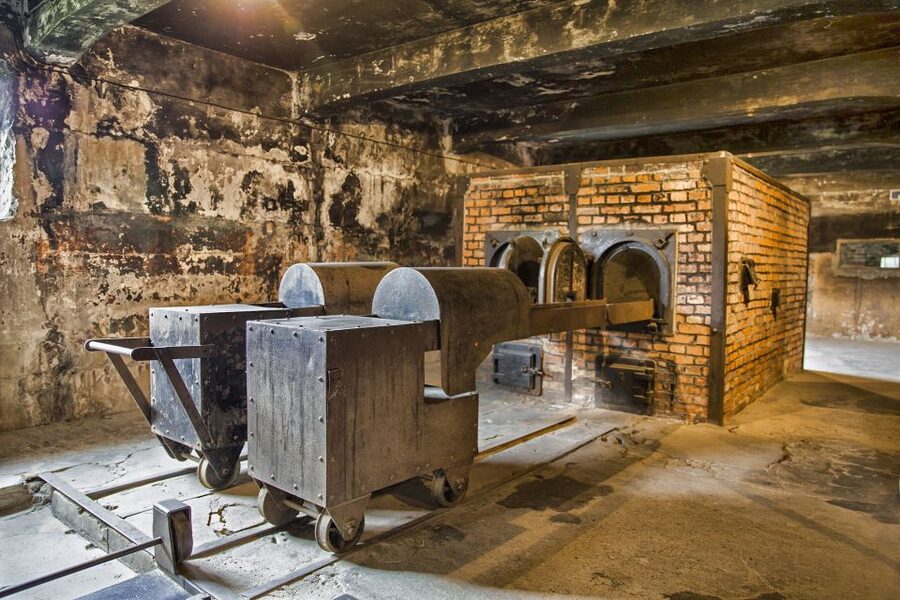
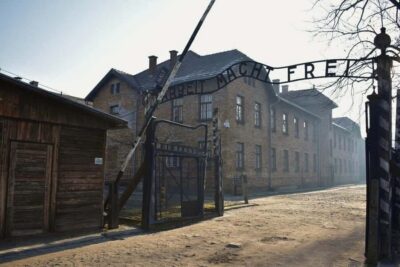
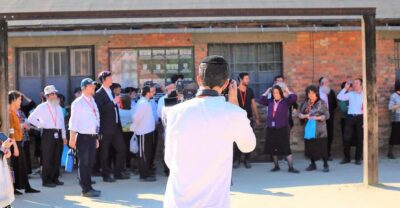
Auschwitz I is the smaller and more built-up section of the museum. This is where you see former brick barracks, guard structures, and exhibitions that explain the camp system and the people imprisoned there.
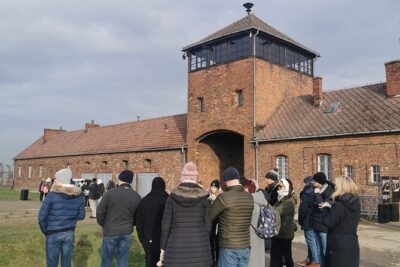
The guided visit lasts about two hours. You walk between buildings and through interior spaces, so comfortable shoes matter. Some areas are tight, and there are stairs. The museum does not allow bags larger than an A4 sheet inside, although larger belongings can remain on the vehicle during the visit.
The guide’s tone matters here. This is not a place for theatrical storytelling. The best approach is factual, calm, and respectful. Guides have included people with many years of experience, and past departures have praised guides who could answer questions without losing sight of the seriousness of the site.
You may find the indoor sections especially difficult because objects and displays make the history more immediate. Give yourself permission to be quiet. You do not need to photograph every room, and you do not need to force yourself to keep talking with the group.
Birkenau, about one hour across the open grounds
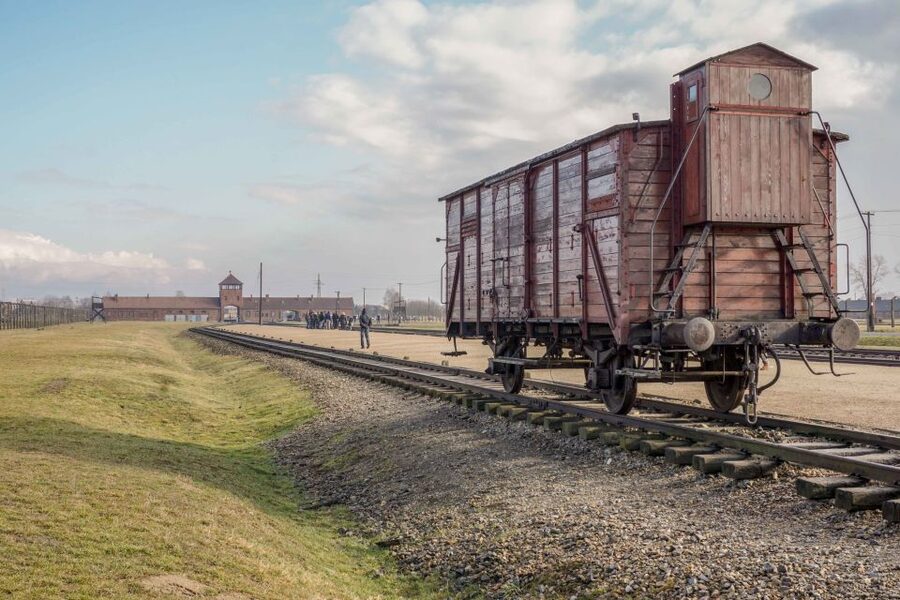
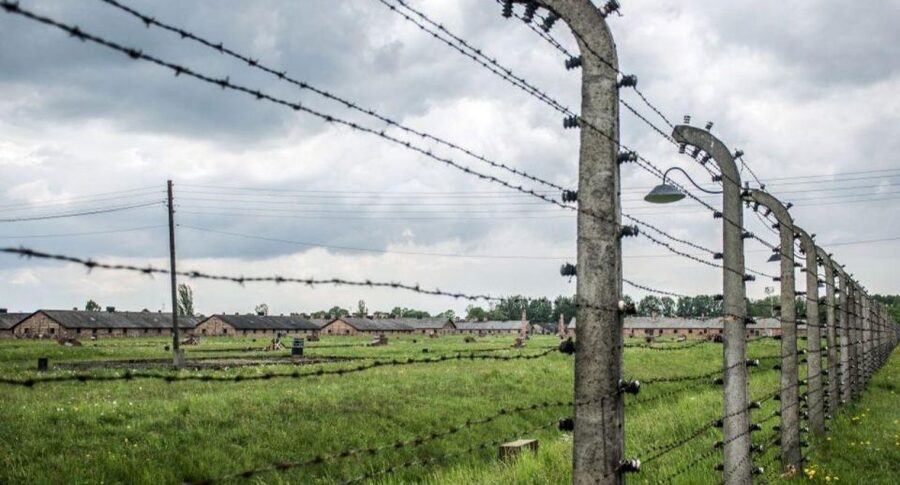
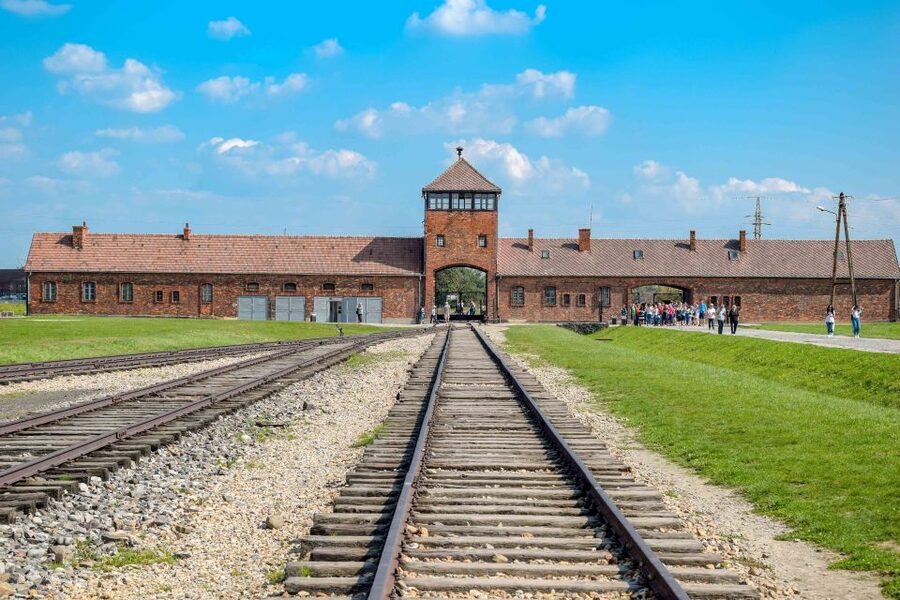
A short transfer takes you to Auschwitz II-Birkenau, the larger section of the complex. Here, the scale is different. The grounds are broad and open, with barracks, guard towers, railway elements, and former cremation areas spread across a much larger area.
The visit takes about an hour and is mostly outdoors. Weather changes the experience sharply. In summer, sunscreen, a hat, and water help. In rain, an umbrella or raincoat is useful. In colder months, the open grounds can feel particularly harsh, so dress for standing and walking outside.
The Birkenau portion can feel rushed because the schedule must allow for the return drive and train to Warsaw. Still, it adds something essential. Auschwitz I helps you understand the camp through its buildings and displays. Birkenau shows the enormous physical scale of the operation. You need both to grasp how different parts of the site functioned.
This is also where mobility becomes important. The tour is not suitable for wheelchair users or people with mobility impairments. Even for fit visitors, expect several hours on your feet, outdoor walking, and uneven surfaces.
Returning to Krakow for free time
After the museum, the vehicle takes you back to Krakow. Depending on the schedule, you may have about two hours in the city before returning to the railway station.
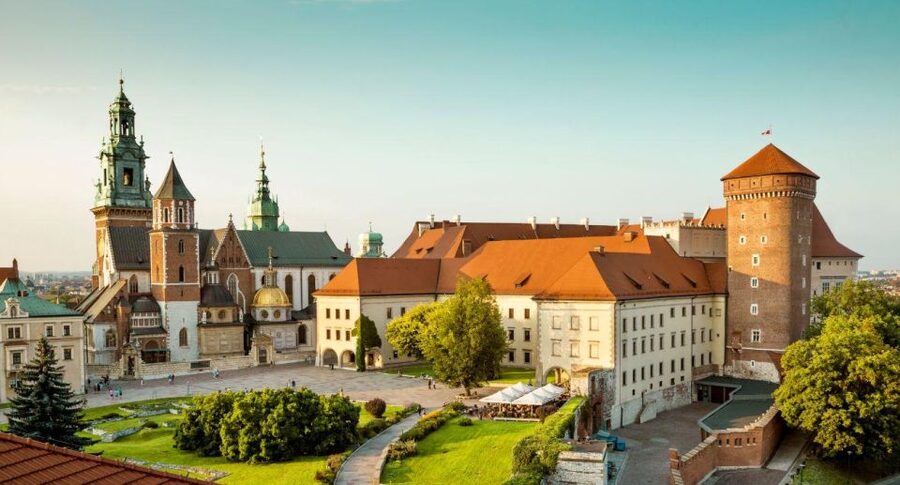
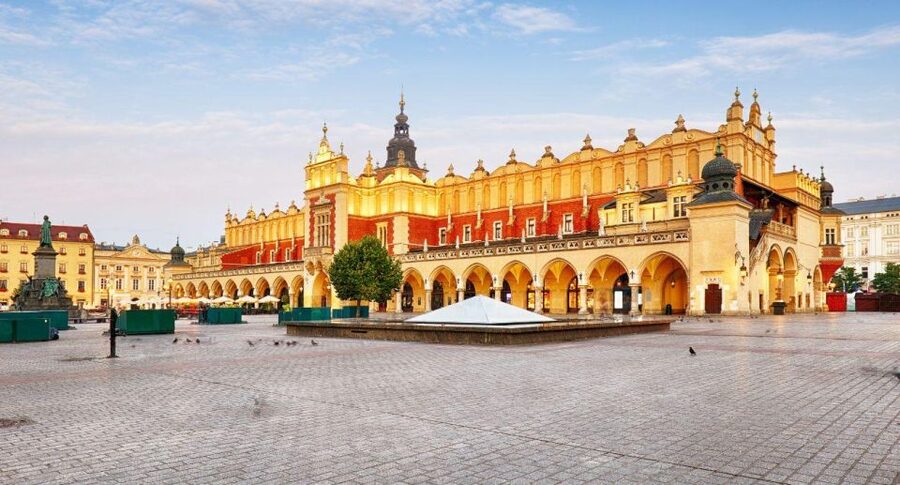
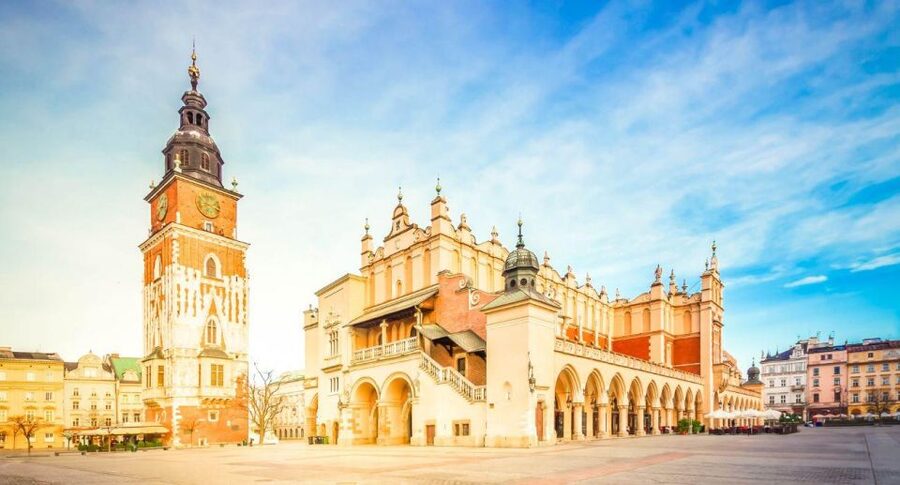
The drop-off is near Krakow’s Old Town, which is a good use of limited time. You can walk toward the Main Market Square, one of Europe’s largest medieval squares and part of Krakow’s UNESCO-listed historic center. This is a chance to shift from the solemnity of Auschwitz to Krakow’s cafés, historic streets, and public spaces.
Do not expect a guided Krakow tour. You receive free time, not a structured walk through the city. If Krakow matters greatly to you, decide in advance what you want to see. With only two hours, choose one compact area rather than trying to cover the castle, the Old Town, and several museums.
I would keep your plans close to the drop-off point. You need to return to the agreed meeting place on time, and the final train will not wait for a late return. The Krakow pause is best treated as a short breather and a chance to eat, not as a full city visit.
The return train and the real cost of the schedule
The train back to Warsaw takes another two and a half hours. With the museum transfer, the total day can reach 16 hours, and some schedules have returned to Warsaw close to 11:15 at night.
That length is the chief drawback. You spend roughly five hours on trains, three hours on road transfers, and about three and a half hours inside Auschwitz and Birkenau. Add the Krakow stop, station walks, and waiting time, and the day fills quickly.
The reward is efficiency. You avoid booking a hotel in Krakow, arranging a separate museum transfer, and working out how to return to Warsaw. For a short Poland visit, that can be worth the tired legs.
The risk is that delays can squeeze the Krakow stop or make the evening return even later. Keep the following morning light if you can. I would not pair this with an important flight, business meeting, or long-distance connection soon afterward.
What to bring and how to prepare
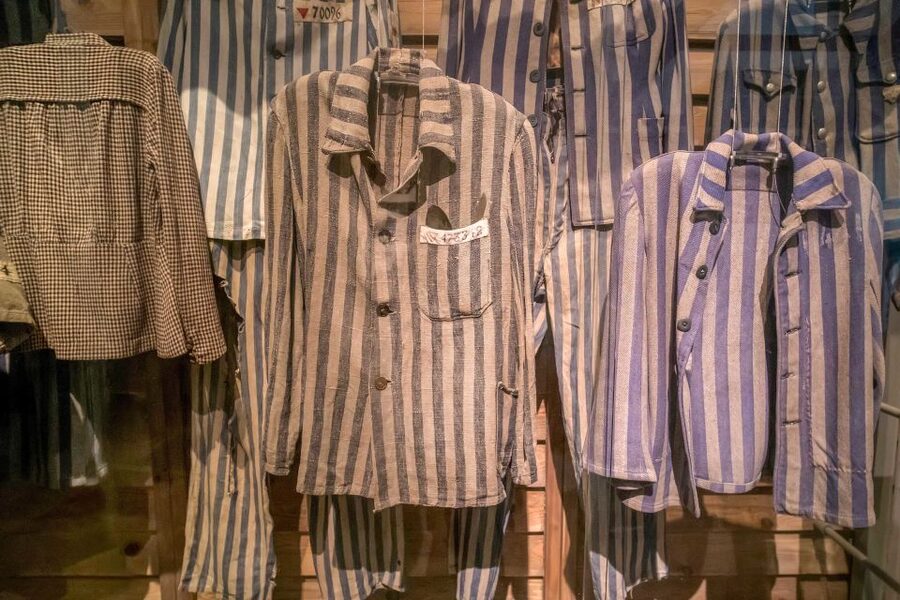
Bring your passport or ID, water, snacks, and comfortable walking shoes. Add sunscreen and a hat in warm weather, and rain protection in wet weather. The museum visit can include both indoor rooms and exposed outdoor paths, so layers are useful.
Pack only a small bag for the museum. Anything larger than an A4 sheet is not permitted inside, though you can leave a larger bag on the vehicle during sightseeing.
Before the day, check your email for the final train tickets and instructions. Train details should include your seat and carriage. The exact schedule may change because Auschwitz admission times are assigned according to availability.
The activity is offered in English and Spanish. If the selected language is not available, the tour runs in English. When you meet the driver in Krakow, confirm the return meeting point and time before walking away.
Cancellation is available without charge up to three days before departure. That is helpful because the day requires a serious time commitment, and the final schedule may not be clear until close to the date.
Who should book this day
I would choose this tour if you are staying in Warsaw, want to visit Auschwitz, and have only one open day. It suits adults and older children who can walk for several hours and handle a difficult subject.
It also suits you if you prefer having the main transport arranged. The combination of train tickets, museum entry, Krakow transfer, and an on-site guide removes much of the planning work.
I would choose a different plan if you want an in-depth Krakow visit. Two hours is enough to see the Old Town area, but not enough for a broad city tour. I would also think twice if early mornings, long train rides, or outdoor walking are hard for you.
The emotional side matters just as much as the physical schedule. Auschwitz-Birkenau is not an attraction to rush through for a photograph. Go when you are ready to listen, walk quietly, and give the place your full attention.
Should you book it?
Book this tour if your priority is Auschwitz-Birkenau and you want a practical same-day connection from Warsaw. The strongest features are the experienced museum guides, reserved rail travel, and the chance to add a brief look at Krakow without arranging an overnight stay.
Skip it if you need a relaxed pace or a full Krakow experience. The day is long, delays are possible, and the museum visit can feel compressed. For the right schedule, though, the $181 cost is reasonable for a difficult but important day that handles the major transport and entry details for you.
FAQ
Where does the tour start and finish?
The tour starts and ends at Warsaw Central Railway Station.
How long does the full experience last?
The stated duration is 16 hours, including train travel, road transfers, the Auschwitz-Birkenau visit, and free time in Krakow.
How long is the train ride between Warsaw and Krakow?
The train takes about two and a half hours each way.
How do I reach the Auschwitz transfer point in Krakow?
The meeting point is about a seven-minute walk from Krakow railway station. You receive a map and clear instructions by email.
How long is the guided visit at Auschwitz-Birkenau?
The visit lasts about three and a half hours in total. Plan for about two hours at Auschwitz I and one hour at Auschwitz II-Birkenau.
Is Krakow included as a guided city tour?
No. The Krakow portion is free time for you to explore independently, including the area around the Old Town and Main Market Square.
What languages are available?
The tour is offered in English and Spanish. If the selected language is not available, the tour takes place in English.
What identification should I bring?
Bring a passport or national ID card for each person. Train and museum tickets are personal, and your identity may be checked.
Can I bring a large bag into the museum?
No. Bags larger than an A4 sheet are not allowed inside the museum. You can leave a larger bag on the bus during the visit.
Just added in Warsaw
- A unique walking tour of Jewish Warsaw — past and present★ 5.0 · 8 reviews
- Tour from Warsaw: Wolf’s Lair, Hitler’s HQ Zones I and II★ 5.0 · 32 reviews
- Wolf’s Lair Private Day Trip from Warsaw★ 5.0 · 50 reviews
- Wolf’s Lair & Treblinka Tour in 1 day from Warsaw★ 5.0 · 37 reviews
- Jewish Warsaw Walking Tour★ 5.0 · 95 reviews
- Warsaw: The Original Pub Crawl★ 4.5 · 97 reviews
- Warsaw: Gun Shooting Experience with Transfers★ 4.8 · 97 reviews
- Segway Tour Warsaw: Old Town Tour – 1,5-Hour of Magic!★ 5.0 · 112 reviews
Auschwitz-Birkenau Memorial Tours, compared.
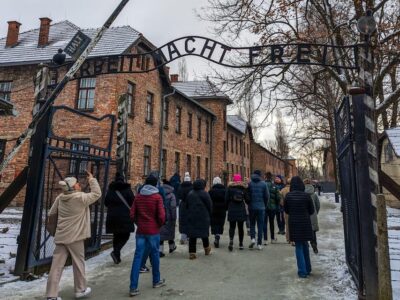
Auschwitz-Birkenau Guided Tour & Hotel Pickup
Read the review →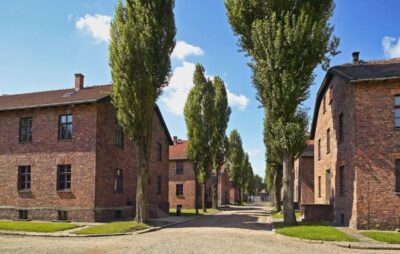
Auschwitz Guided Tour with Optional Hotel Pickup
Read the review →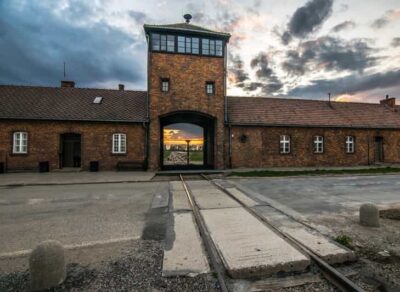
Auschwitz-Birkenau Guided Tour with Pickup & Lunch
Read the review →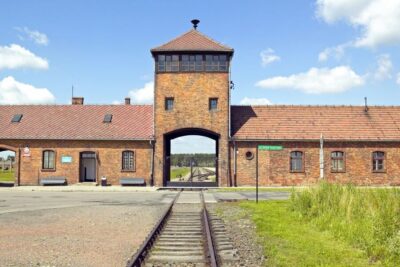
Krakow to Auschwitz Birkenau Guided Tour with Transfer and Ticket
Read the review →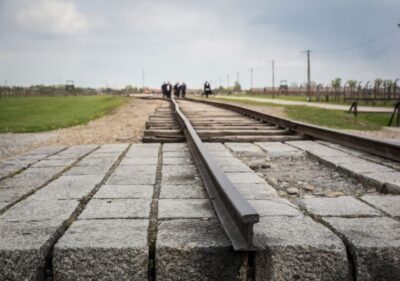
Auschwitz Birkenau Small Group Tour with Pickup
Read the review →Browse the lists this tour appears in