
Reviewed · AUSCHWITZ-BIRKENAU MEMORIAL TOURS
Guided Tour to Auschwitz Birkenau & Schindler Factory with PickUp
Auschwitz-Birkenau and Schindler’s Factory cover two very different chapters of wartime Krakow in one long day. You begin at the former Nazi camp complex, where a museum-licensed guide leads you through Auschwitz I and Birkenau, then finish at the interactive museum in Oskar Schindler’s former enamel factory.
I like the door-to-door planning and the fact that the Auschwitz visit is handled by a licensed local guide rather than left to a driver with a script. I also like the efficient pairing of the camps with Schindler’s Factory, especially if your time in Krakow is short. The catch is the schedule: eight and a half hours, lots of walking, and a potentially crowded factory tour can make for a tiring finish.
Key points to know before booking
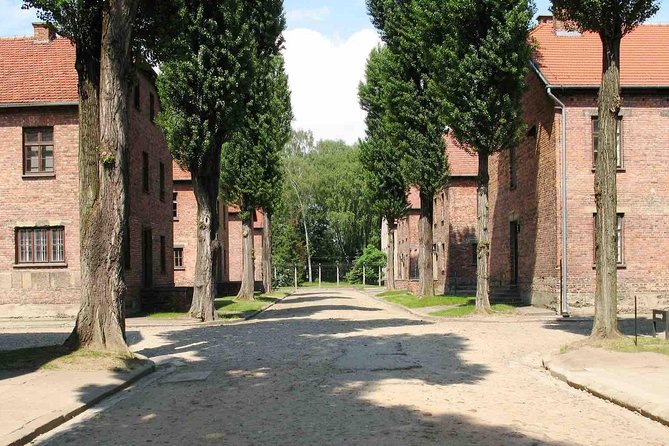
- Auschwitz I and Birkenau are the heart of the day: Expect original barracks, fences, exhibitions, crematoria, the Death Wall, and the Birkenau gate.
- Transport removes a major hassle: Krakow to Oswiecim takes about 1 hour and 15 minutes each way, depending on traffic.
- The exact pickup time can change: Museum scheduling and traffic may shift departure by 30 to 60 minutes, and sometimes more.
- Schindler’s Factory is about wartime Krakow: It is not a museum about the making of the film or only about Oskar Schindler.
- Pack light and bring food: Carry-on bags cannot exceed 30 x 20 x 10 centimeters, and there is no regular meal stop at Auschwitz.
- Guides can make or break the day: Michael and Bart are among the guides praised for clear explanations, friendly help, and careful handling of a difficult subject.
Why this combined Krakow tour works
This tour is built around convenience. You do not need to work out the regional bus, train, museum entry rules, or transfer between Auschwitz I and Birkenau. A driver collects you from a selected Krakow hotel or meeting point, and an English-speaking group leader helps with the day’s moving parts.
That matters here. Auschwitz is about 65 kilometers from Krakow, but the drive usually takes around 75 minutes. The road is not a quick city transfer, and a self-arranged visit can require more planning than the distance suggests. At $69.99 per person, the price is reasonable if you value transport, admission, and guided visits in one package.
The tradeoff is control. You follow the museum’s assigned entry time and the group’s pace. The departure time shown when you book is tentative. Check your email or WhatsApp the day before, because the final pickup can fall anywhere between 5:00 AM and 2:00 PM.
That wide range sounds alarming, but it reflects the museum’s scheduling system and the number of daily departures. A change of 30 to 60 minutes is common, with larger changes sometimes required. Do not plan a tight morning appointment around the original voucher time.
Other ways to visit Auschwitz-Birkenau from Kraków:
- From Krakow: Auschwitz-Birkenau Guided Tour & Hotel Pickup
★ 4.5 · 33,358 reviews - From Krakow: Auschwitz-Birkenau Guided Tour & Hotel Pickup
★ 4.5 · 29,340 reviews - Krakow: Auschwitz Guided Tour with Optional Hotel Pickup
★ 4.5 · 15,280 reviews
The Krakow pickup and drive to Oswiecim
The usual starting point is Floriana Straszewskiego 17, near central Krakow, though hotel pickup is available with the correct product option. This detail deserves attention: meeting-point pickup and hotel pickup may be priced differently, so select the option that matches your accommodation.
The vehicle is normally a minibus or passenger van. Several departures have used comfortable, modern vehicles, and the driver may play a historical DVD or offer background on the camps and Krakow. The ride can be pleasant and useful, but comfort is not guaranteed on every departure. One serious complaint described a cramped back row and poor ventilation, while other passengers found the vehicle spacious and comfortable.
My advice is simple: if you are booking for a family or group of four, ask how seating works if that matters to you. The tour has a maximum of 30 people, but the road vehicle may feel full. A small group does not always mean a private-feeling ride.
You will usually have a short break after reaching Oswiecim. This is your chance to use the facilities, buy a coffee if available, or gather yourself before the museum visit. Bring your passport or national identity card. Auschwitz requires personal details to be confirmed at entry, and forgetting identification can mean being refused admission.
Auschwitz I and the first two hours
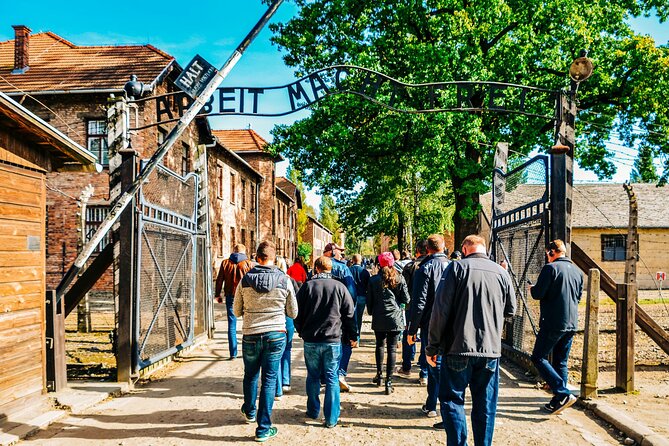
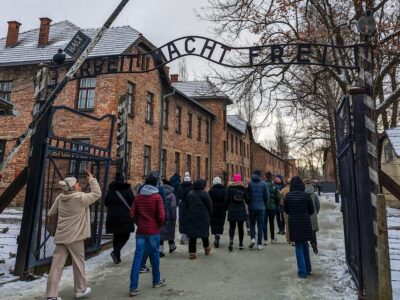
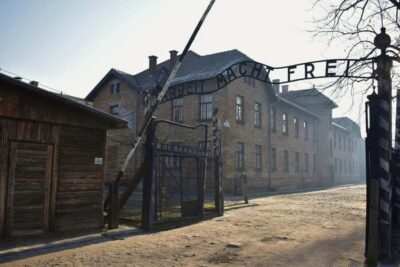
The first camp, Auschwitz I, is the more compact and built-up part of the memorial complex. You enter through the familiar gate marked Arbeit Macht Frei, then walk among original brick buildings, wooden structures, barbed wire, fortified walls, exhibitions, and memorial areas.
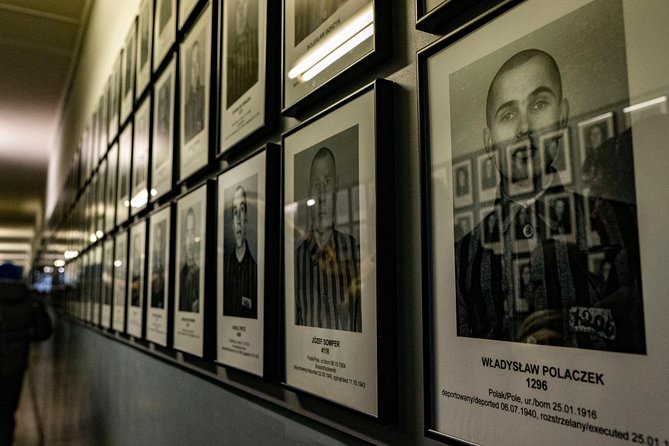
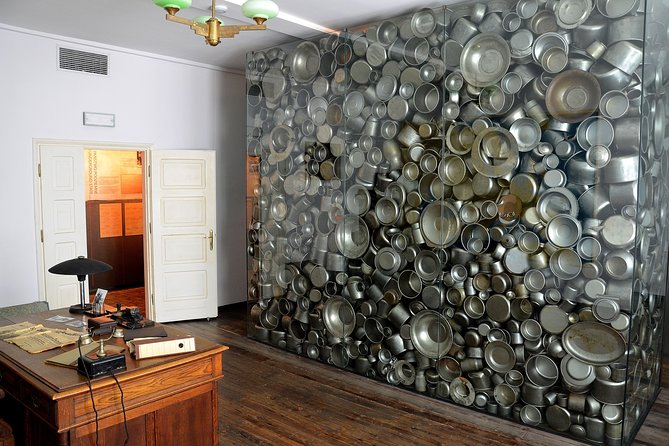
The guide’s role is especially important here. Rather than simply moving you from building to building, the museum visit connects the physical site with the system that operated there. Exhibits show the machinery of imprisonment and murder, while places such as the Death Wall and crematory force the scale of the crimes into a human setting.
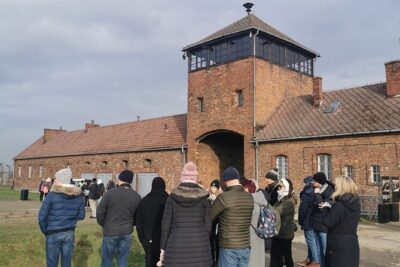
You normally wear a headset, which helps you hear the guide despite the number of groups moving through the grounds. The group can include up to 30 people, following museum rules. That is not truly intimate, but it is manageable when everyone stays close and the audio equipment works properly.
You should expect a structured visit, not free time to wander. The pace can feel quick inside some buildings, particularly when another group is close behind. This is partly a result of the museum’s timed admissions and busy corridors. You may have only a short moment to take in an exhibit before the guide needs to move on.
That structure has a benefit: you receive context instead of seeing a series of grim buildings without explanation. It also means you should not expect a quiet, private experience. Behave respectfully, follow photography restrictions, and remember that this is an active memorial and museum, not a conventional sightseeing stop.
Birkenau and the scale of the killing system
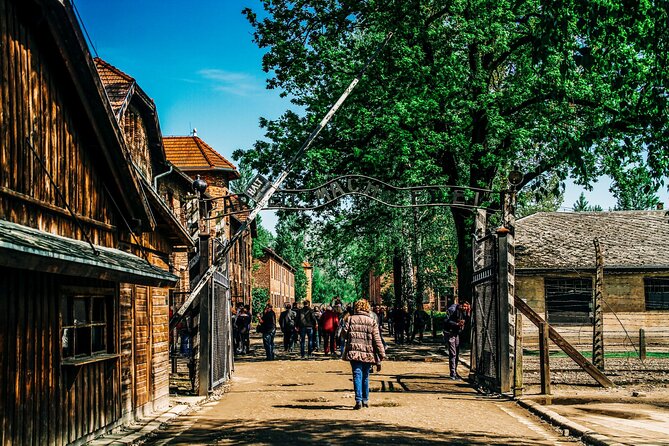
After Auschwitz I, you receive a break of up to 15 minutes before the short transfer to Birkenau, also known as Auschwitz II. The two sites are only about three minutes apart by vehicle, but they feel very different.
Birkenau opens out across a broad area, with the main gate, railway tracks, barracks, fences, watchtowers, and long stretches of exposed ground. The size of the site is part of its impact. Auschwitz I shows a series of buildings and exhibits; Birkenau helps you grasp the scale of the camp system and the number of people held there.
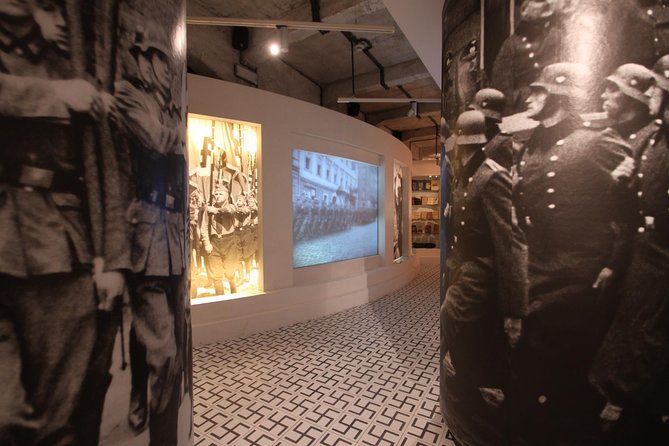
The guide discusses the living conditions, selections, forced labor, medical experiments, and the camp’s role in the Nazi plan to murder Europe’s Jewish population. The account also reaches liberation on January 27, 1945, when soldiers of the 60th Army of the First Ukrainian Front opened the camp.
This section lasts about 90 minutes. Wear good walking shoes and prepare for uneven outdoor surfaces and weather exposure. The whole day involves more walking than the headline duration suggests, and anyone with limited mobility should think carefully before booking both museums together.
The subject matter can be traumatic, particularly for younger visitors. The operator recommends the experience for those aged 13 and older. That is sensible guidance, not a strict substitute for your own judgment.
More Schindler's Factory tours from Kraków:
- Krakow: Oskar Schindler’s Factory Entry Ticket & Guided Tour
★ 4.2 · 3,793 reviews - Krakow: Schindler’s Factory Tour with Entrance Ticket
★ 4.5 · 3,182 reviews - Krakow: Schindler’s Factory Skip-the-Line Ticket
★ 4.4 · 3,105 reviews - Krakow: Schindler’s Factory Tour with Entrance Ticket
★ 4.6 · 1,737 reviews
The break before Schindler’s Factory
After the Birkenau visit, you receive at least 15 minutes before the return drive to Krakow. There is no proper meal included between the camp visits, and no regular restaurant, grocery store, or snack bar is available on-site. Bring a sandwich, fruit, or other compact snack.
This small detail can make a large difference. The tour may begin early, and the combination of emotional strain, walking, and road travel is tiring. Do not count on finding lunch at the memorial. A water bottle and a snack belong in your day bag.
The drive back to Krakow takes about 1 hour and 15 minutes. You may be dropped at Schindler’s Factory, where another guide meets you. The published end point is Lipowa 4, at the factory museum, so do not assume that transport back to your accommodation is included unless your booking confirmation specifically says so.
What Schindler’s Factory actually shows
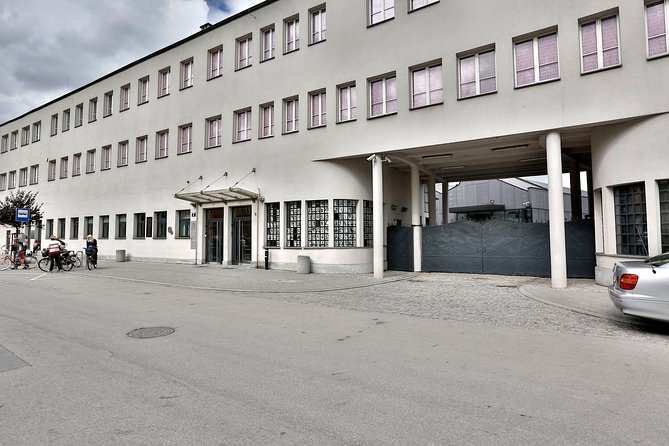
The former Oskar Schindler factory is often misunderstood. If you expect a museum devoted mainly to the film Schindler’s List or a detailed biography of Schindler, you may be disappointed.
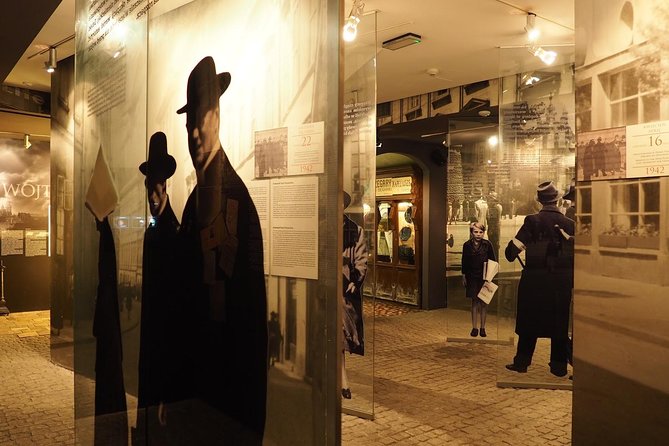
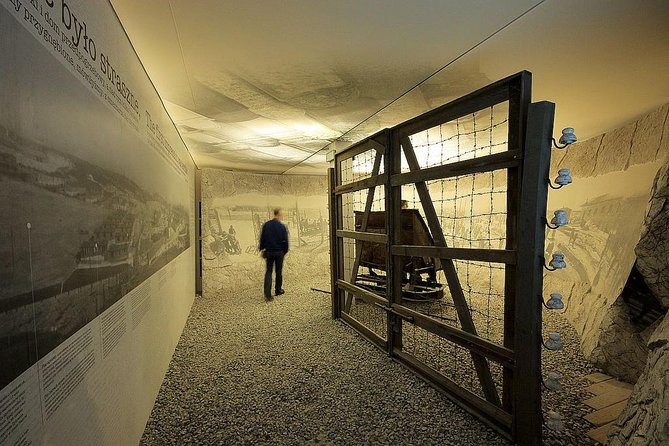
The museum presents Krakow during the Second World War, with interactive displays about the city, the Jewish ghetto, occupation, daily life, and the choices people faced under Nazi rule. Schindler is part of that story, including his effort to protect Jewish workers, but the museum’s wider subject is wartime Krakow.
That broader focus is one of the museum’s strengths. After the stark camp grounds, the factory puts the events into an urban setting. You see how occupation affected streets, homes, businesses, and communities rather than only the machinery of the camps.
The factory visit lasts about 90 minutes. The building’s interior can feel tight when a full group is moving through it. One group of 25 found the space uncomfortable and felt there was too little room to pause. If you prefer to read every display at your own speed, visiting the factory independently on another day may suit you better.
Guide quality can also vary more noticeably here. Guides including Michael and Bart have been praised for friendly, clear explanations during the wider tour, while one factory guide was criticized for reading displays and giving uncertain dates. The museum is worthwhile, but the guided format is less predictable than the Auschwitz portion.
Price, value, and the long-day tradeoff
At $69.99, this is a fair package for an English-language day trip with transport, Auschwitz-Birkenau admission, and a guided Schindler’s Factory visit. You are paying to avoid figuring out the route, museum timing, and transfer between sites.
The value is strongest if you have only a few days in Krakow or do not want to manage regional transport. It is also useful if you want a guide to explain the camps in a respectful, organized way. The Auschwitz section alone is a serious outing, and adding the factory gives you a second view of Krakow’s wartime experience.
The value is weaker if you dislike fixed schedules or want long periods for reflection. You may feel rushed at Auschwitz, especially when groups are close together. The factory can feel crowded, and the absence of lunch means you must plan ahead.
The day is also physically and emotionally demanding. Several hours of walking are mixed with long vehicle transfers, short breaks, and difficult subject matter. I would not book this as a light sightseeing day.
Practical advice for a respectful visit
Bring your passport or national ID, not just a photograph of it. Keep your bag small, since the maximum carry-on size is 30 x 20 x 10 centimeters. Larger luggage can remain in the vehicle, but you should not plan to bring a full suitcase into the museum.
Wear shoes suited to extended walking. Dress for changing weather because Birkenau is largely outdoors. Carry a snack, water, and tissues, and leave room in your schedule afterward for a quiet evening.
Photography is generally allowed, but some areas have clear restrictions. Follow the signs and your guide’s instructions. Speak quietly, avoid casual posing in memorial areas, and treat the site with the dignity it requires.
Before departure, check the updated pickup message. The exact time may change because of museum scheduling or road traffic. If you miss the amended time, the day can unravel quickly.
Free cancellation is available if you cancel at least 24 hours before the local start time. Changes or cancellations inside that window are not accepted for a refund.
Who should book this tour?
Book it if you want the simplest way to combine Auschwitz-Birkenau and Schindler’s Factory from Krakow. It suits first-time visitors, people with limited time, and anyone who prefers a driver and guide to handle the practical details.
It is also a good choice if you want Auschwitz explained by a museum-licensed guide. The strongest part of the day is the camp visit, and the most praised elements are the respectful explanations, clear communication, and generally smooth transport. Guides such as Michael and Bart have made a particularly good impression, though guide assignments are not guaranteed.
Think twice if you need a quiet, self-paced visit, dislike full minibuses, or want to study every museum display. In that case, visit Auschwitz and Schindler’s Factory on separate days, or arrange the factory independently.
For most people, I would book the combined tour only if the long day fits your plans. The logistics are worth the $69.99, but bring food, expect a changing pickup time, and understand that Schindler’s Factory is a Krakow wartime museum, not simply a Schindler’s List attraction.
FAQ
How long does the tour take?
The experience lasts approximately 8 hours and 30 minutes, including transport, the Auschwitz-Birkenau visit, and Schindler’s Factory.
Where does the tour start?
The listed meeting point is Floriana Straszewskiego 17 in Krakow. Hotel pickup may be available if you choose the correct booking option.
Where does the tour end?
The listed end point is Schindler’s Factory at Lipowa 4. Do not assume a return transfer to your accommodation unless your booking details specifically include it.
Can the pickup time change?
Yes. The exact time is confirmed the day before and may change because of the Auschwitz museum schedule or traffic. The departure may be set between 5:00 AM and 2:00 PM.
Do I need a passport or identity card?
Yes. Auschwitz requires personal details to be confirmed at the entrance, so bring your passport or national identity card.
Is lunch included?
No. There is no regular meal stop between the Auschwitz and Birkenau visits, and food facilities are not available on-site. Bring a snack.
How large is the group?
The maximum group size is 30 people. The vehicle and the Schindler’s Factory galleries may feel crowded when the group is full.
Is the tour suitable for children?
The operator recommends the visit for people aged 13 and older because Auschwitz-Birkenau can be traumatic.
Can I cancel for a full refund?
Yes, if you cancel at least 24 hours before the experience’s local start time. Cancellations or changes made less than 24 hours before departure are not refunded.
Just added in Kraków
- Wawel Castle, Old Town with St. Mary’s Church Guided Tour★ 5.0 · 3 reviews
- Wawel Castle, Old Town with St. Mary’s Church Guided Tour★ 5.0 · 5 reviews
- Wawel Castle, Cathedral, Old Town and St. Mary’s Basilica★ 4.8 · 13 reviews
- Wawel Castle, Cathedral, & Rynek Underground Tour with Lunch★ 4.5 · 10 reviews
- Wawel Castle & Cathedral Skip the Line Small Group Tour★ 5.0 · 3 reviews
- Wawel Castle and Cathedral Guided Tour★ 4.6 · 44 reviews
- Wawel Castle, Cathedral, Rynek Underground Tour with Lunch★ 5.0 · 3 reviews
- Wawel Castle and Cathedral Guided Tour★ 5.0 · 8 reviews
Auschwitz-Birkenau Memorial Tours, compared.
Auschwitz-Birkenau Guided Tour & Hotel Pickup
Read the review →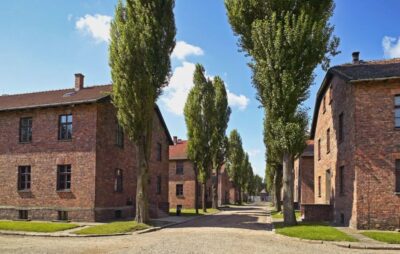
Auschwitz Guided Tour with Optional Hotel Pickup
Read the review →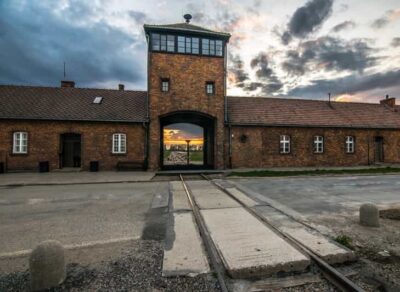
Auschwitz-Birkenau Guided Tour with Pickup & Lunch
Read the review →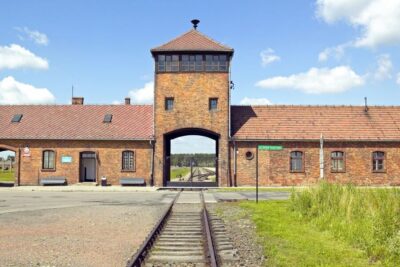
Krakow to Auschwitz Birkenau Guided Tour with Transfer and Ticket
Read the review →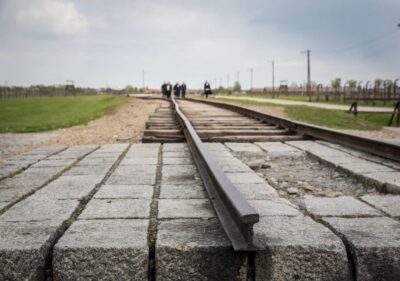
Auschwitz Birkenau Small Group Tour with Pickup
Read the review →Browse the lists this tour appears in