
Reviewed · SCHINDLER'S FACTORY TOURS
Krakow: Schindler’s Factory Skip-the-Line Ticket
Oskar Schindler’s former enamel factory now tells a story far bigger than the film that made his name famous. Inside, you follow Krakow under Nazi occupation, from the city’s Jewish community and daily life to the fear, loss, and individual choices that shaped nearly six years of war. The museum links major events to ordinary people, which gives the history a human scale.
I like the skip-the-line entry, especially when the queue stretches outside, and I like the choice between exploring alone or joining a guide. Guides such as Tom, Thomas, and Navia have been praised for clear storytelling and personal family connections. The main drawback is that the $25 ticket may cost more than buying directly through the official museum website, and a large guided group can make it harder to linger.
Key points at a glance
- The factory tells more than Schindler’s story: Expect a broad account of Krakow, the Nazi occupation, and the city’s Jewish community.
- Skip the ticket queue: Your prepaid entry helps you avoid the long line reported outside the museum.
- Choose your pace: Ticket-only entry suits independent readers, while a guide helps explain the large amount of material.
- Personal stories carry the visit: Guides may add family accounts and details that are easy to miss on exhibit panels.
- Allow 90 minutes to 2 hours: A guided visit usually takes about two hours, with plenty to read and absorb.
- Bring physical identification: A passport or ID card is required to enter the exhibition.
What the former enamel factory reveals
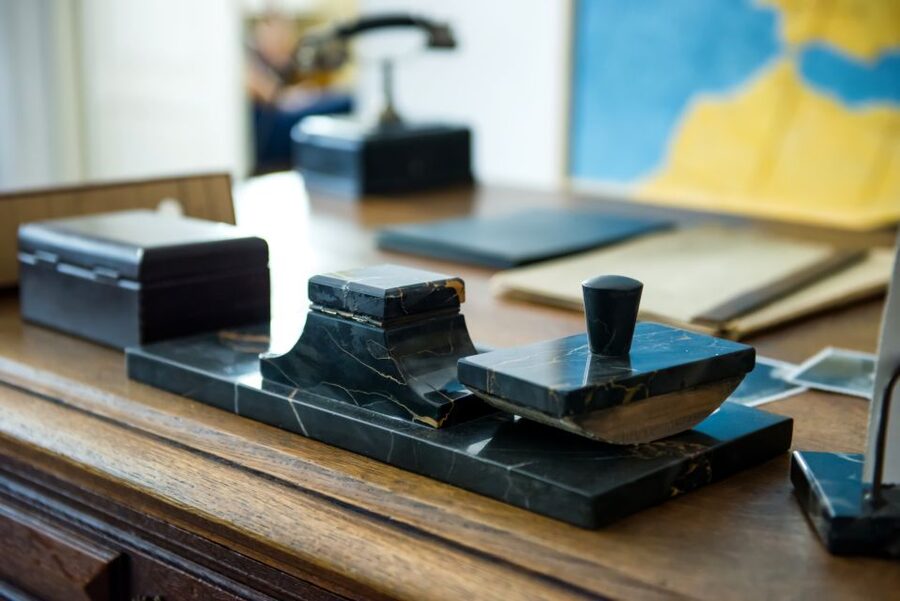
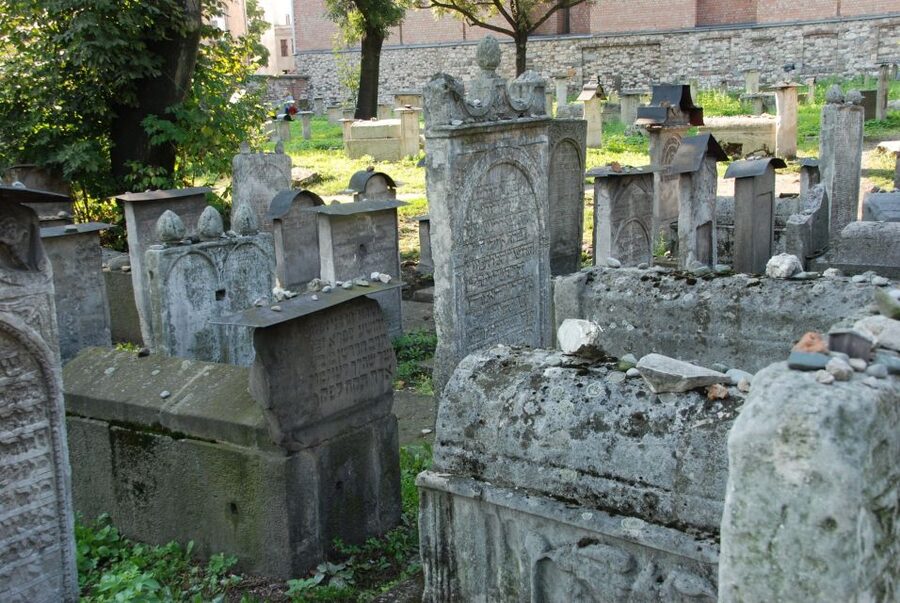
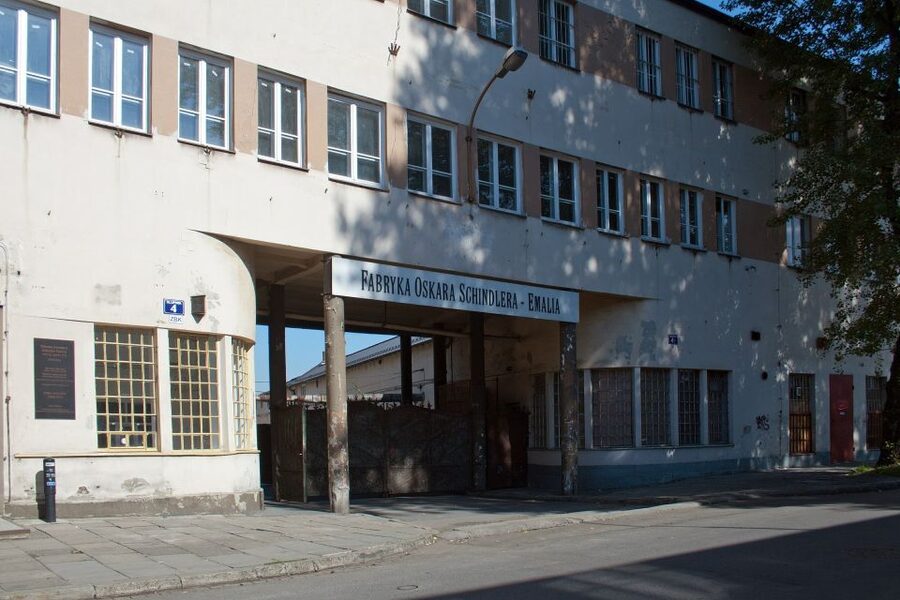
The building is the original enamel factory established in 1937, later known as Oskar Schindler’s Deutsche Emailwarenfabrik, or DEF. Schindler arrived in Krakow shortly after German forces entered the city on September 6, 1939. He was a Sudeten German, a member of the Nazi Party, and an Abwehr agent who became known for saving more than 1,000 Jewish lives.
That complicated background matters. The museum does not present the war as a simple tale of heroes and villains. Instead, it places Schindler’s actions inside the wider machinery of Nazi rule and the pressures faced by people living in Krakow. You learn about one man’s role, but you also see how occupation changed work, family life, identity, and survival.
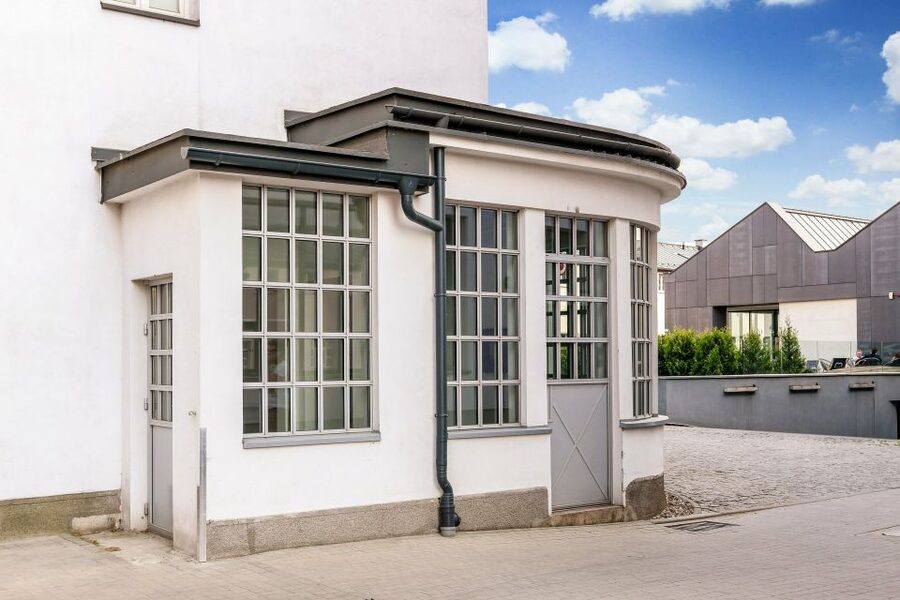
The factory itself is important, but you should set your expectations carefully. This is not mainly a preserved industrial building full of machinery. The museum’s focus is a carefully designed historical exhibition about Krakow during World War II. One visitor wished there were more of the factory setting, and that is a fair point if you are expecting a traditional factory museum.
More Schindler's Factory tours from Kraków:
- Krakow: Oskar Schindler’s Factory Entry Ticket & Guided Tour
★ 4.2 · 3,793 reviews - Krakow: Schindler’s Factory Tour with Entrance Ticket
★ 4.5 · 3,182 reviews - Krakow: Schindler’s Factory Tour with Entrance Ticket
★ 4.6 · 1,737 reviews
From everyday Krakow to wartime control

The exhibition’s strength is its attention to daily life. Rather than giving you only dates and military movements, it shows how occupation reached into homes, workplaces, streets, and personal relationships. The story of the war becomes easier to understand when you see how rules and violence affected people one decision at a time.
You move through the history of Krakow’s inhabitants, including the city’s Jewish population and the creation of the ghetto. The displays help connect the broad history of Nazi Germany with the experiences of people who had to live under that rule. This is why the museum can feel emotional even if you already know the basic story of the Holocaust.
The exhibition also helps correct a common assumption. The film Schindler’s List is a useful point of reference, but the museum is not simply a film set or a display about the movie. The emphasis is on the real city and its people. Schindler is part of the story, but not the whole story.
You will find a good deal of written material. That suits visitors who like to read carefully, but it can make the ticket-only option feel demanding. One useful criticism concerns some English text that is difficult to read because of low placement or weak contrast. If you have limited time, a guide can help you decide which displays deserve the most attention.
Guided entry with Tom, Thomas, or Navia
The guided option is the strongest choice if this is your first visit to the museum or if you know only the film version of Schindler’s story. Guides such as Tom, also referred to as Thomas in some arrangements, and Navia have been praised for making a large amount of information easy to follow.
A good guide does more than read the wall panels. The best accounts add context about the wider Nazi occupation of Poland, explain how events affected Krakow, and connect individual stories to the exhibit in front of you. Tom has been especially noted for personal stories connected with his grandparents, while other guides have brought their own family experiences into the discussion.
That personal touch can make the visit more affecting, but it should not replace historical care. The subject is painful, and the strongest guiding is calm, clear, and respectful. You should expect emotional moments. This is a serious museum about persecution, displacement, and murder, not a light sightseeing stop.
The guided visit generally lasts around two hours. That is enough time to follow the main route, hear explanations, and understand the basic story. It may not leave you free to stop at every panel. If you like setting your own pace, taking photographs of displays where permitted, or rereading sections, ticket-only entry may suit you better.
Group size is worth considering. Some guided groups can feel large, and that may make it harder to stand close to every display. Still, the guide option adds real value when the subject is unfamiliar or when you want the story arranged in a clear order.
Going alone with a timed ticket
The ticket-only option gives you control. You can read at your own speed and pause when an object, photograph, or personal account catches your attention. This works well if you have already studied the Holocaust, watched Schindler’s List, or read about Krakow during the war.
You will need to do more work for yourself. The museum contains a lot of information, and the story is easier to follow when you understand the sequence of events before entering. Without a guide, you may spend time reading every panel and still leave with questions about how the different parts fit together.
The payoff is quiet concentration. You can take longer with the sections that matter most to you, then move on when the material becomes too heavy. For some people, that independence is more respectful and useful than staying with a group.
The skip-the-line element remains valuable with either choice. The queue for people without advance entry can be long, even later in the day. The practical benefit is not just saving a few minutes. It gives you more certainty about your visit and helps protect a limited morning or afternoon in Krakow.
A few more things to do in Kraków worth a look
- From Krakow: Wieliczka Salt Mine Tour & Skip the Line Ticket
★ 4.4 · 3,925 reviews - Schindler’s Factory in Krakow: Guided Tour & Skip the Line Ticket
★ 4.5 · 1,714 reviews - Auschwitz-Birkenau: Skip-the-Line Ticket and Guided Tour
★ 4.2 · 1,034 reviews - Auschwitz Birkenau Guided Tour/Skip The Line/PickUp/Guide ENG
★ 4.5 · 930 reviews
What happens when you arrive
Your meeting point depends on the option you book. For a guided visit, meet the guide at the stated location and receive the ticket there. The guide may organize the group, check names, and provide the next instructions before taking you into the exhibition.
For ticket-only entry, the provider sends the ticket by email or WhatsApp, usually the day before the visit. Enter your contact details carefully when booking. A missing message or incorrect phone number can create needless trouble at the entrance.
Bring a physical passport or identity card. This is not merely a suggestion, since identification is required to enter the exhibition. Keep it with you rather than relying on a photograph stored on your phone.
The museum is wheelchair accessible. A cloakroom is available for belongings, and a small cafe and gift shop can be useful after the visit. These details matter because the exhibition can take close to two hours, especially when you stop to read.
How much value does the $25 ticket offer?
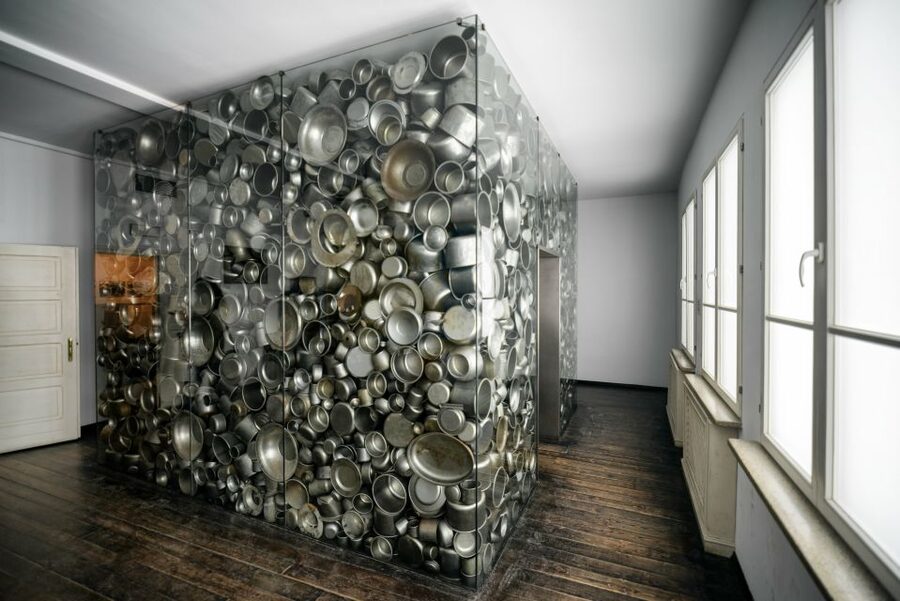
At $25 per person, this is not the cheapest museum admission in Krakow. The value depends on what you are buying. If you choose ticket-only entry, you are mainly paying for a reserved way into a museum where the regular queue may be long. That can be worthwhile during busy periods, but you should compare the price with the official museum website before booking. Direct admission may be cheaper.
The guided option is easier to justify if the extra cost includes a strong guide and organized entry. A good explanation can save you from trying to sort out a complicated historical story on your own. It can also point out details you might otherwise miss, including the personal meaning behind the exhibition’s final sections.
I would not pay the premium simply because the name Schindler appears in the title. Pay it if you value a guide, need a fixed entry time, or want to avoid a long line. If you are a confident independent museum visitor, check the official price first and decide if the convenience is worth the difference.
The activity is non-refundable, so choose your time with care. Starting times vary, and the full visit can take from 90 minutes to two hours. Avoid squeezing it into a gap so short that you must rush through the displays.
Planning the area around the museum

The factory is close to other important sites connected with Krakow’s wartime story. The former ghetto wall and Ghetto Heroes Square are only a few minutes away. These places can help you continue the subject outside the museum, though the factory visit itself remains the main experience described here.
Nearby cafes and restaurants make it practical to plan a longer afternoon in the area. I would avoid scheduling a meal immediately before a guided entry unless you have allowed extra time for finding the meeting point. The meeting instructions vary by booking type, so read them closely rather than assuming every group begins at the museum door.
The museum is best treated as a focused historical visit, not a quick stop between unrelated sights. Give yourself time to arrive, show identification, follow the route, and pause afterward. The subject can stay with you, and a short break before the next activity is sensible.
Who should book the guided option?

Choose a guide if you want the history explained in a clear sequence. It is especially useful for first-time visitors, families with older children, and anyone who knows the film but not much about the real events in Krakow. The guide can explain the difference between the movie’s story and the museum’s wider account.
A guide is also useful if you do not enjoy reading large amounts of text. The displays are well organized, but there is plenty to take in. A skilled guide summarizes the key points while adding personal stories and historical context.
You may prefer ticket-only entry if you have studied the period, want silence, or dislike being tied to a group’s pace. You will still see the same exhibition, but your visit will depend more on your preparation and attention.
Who might find the visit difficult?
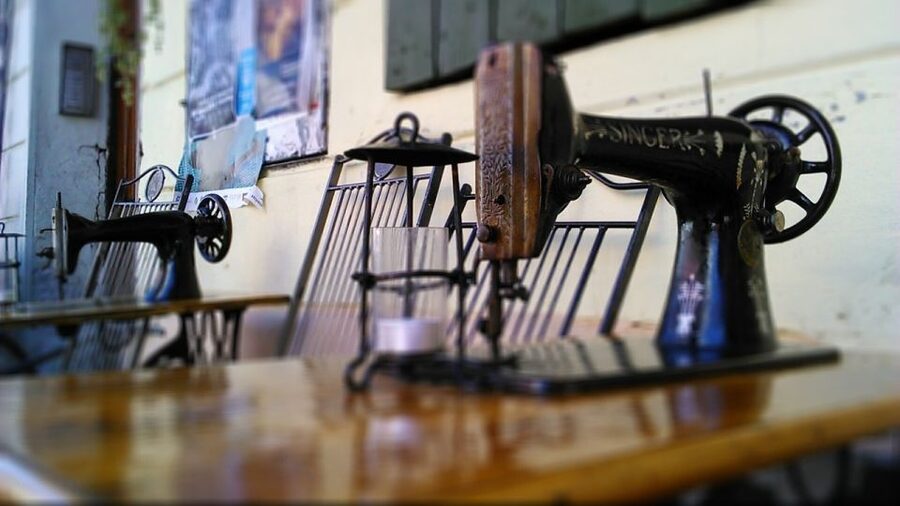
This museum deals directly with Nazi persecution, the Krakow ghetto, and the destruction of Jewish life during the war. The material is upsetting, and the emotional weight is part of the experience. Anyone expecting a light attraction centered on a famous film should reconsider.
The amount of reading may also be tiring. Some English text is placed low or uses poor contrast, which can be uncomfortable for some people. A guided visit reduces that burden, but a large group may limit how long you can study each display.
The museum is wheelchair accessible, but the supplied information does not give further detail about every exhibit or route. If you have a specific access need, confirm the arrangements before booking.
My practical verdict on the visit
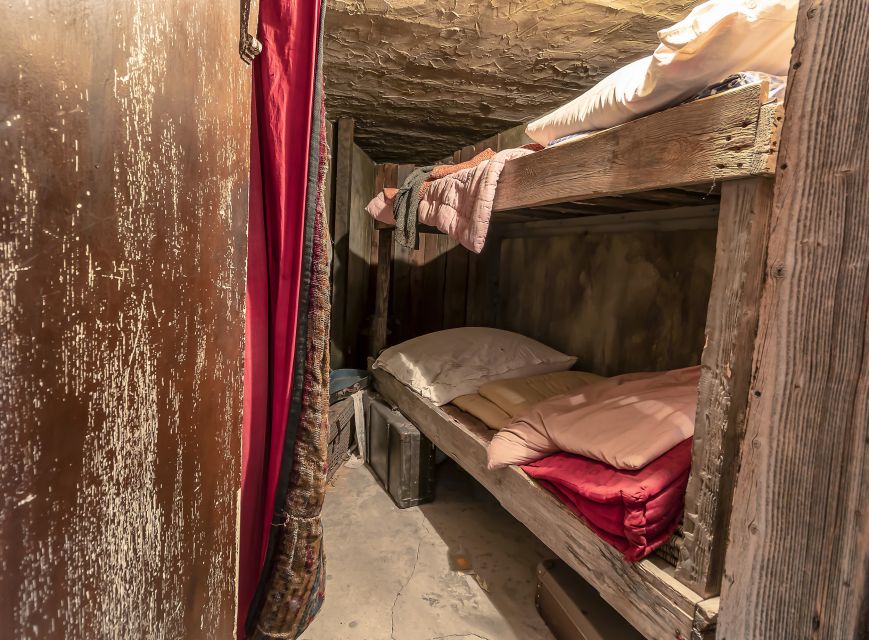
I value this experience because it puts people back at the center of Krakow’s wartime story. Schindler’s actions are important, but the museum asks you to look beyond one rescuer and understand the community he encountered, the system around him, and the many people who had no safe way out.
The best value comes with the guided option if your knowledge of the subject is limited. Tom, Thomas, Navia, and other guides have been praised for making the story direct, personal, and easier to absorb. If you prefer independent study, reserve your entry in advance, compare the direct museum price, and allow two hours.
I recommend booking this tour if you want a serious, carefully presented account of Krakow during the Nazi occupation and you do not want to risk the entrance queue. I would skip the premium guided booking only if you already know the history well and are happy to read at your own pace. Either way, bring your ID, check your ticket delivery details, and give the museum more time than a quick photo stop.
FAQ
How long does the Schindler’s Factory visit take?
The visit lasts about 90 minutes to two hours. Guided visits commonly take around two hours, while the ticket-only option depends on how quickly you read and move through the exhibition.
What does the museum focus on?
The museum explains life in Krakow during nearly six years of Nazi occupation. It covers the experiences of Krakow’s inhabitants, the Jewish community, the ghetto, and Oskar Schindler’s role in saving more than 1,000 lives.
Is a guide included with every ticket?
No. A live guide is included only when you select a guided option. The ticket-only option provides entry without a live guide.
How do I receive a ticket-only entry ticket?
The activity provider sends the ticket by email or WhatsApp, usually the day before the visit. Enter the correct email address and phone number when booking.
Do I need a passport or ID card?
Yes. You must bring a physical passport or identity card to enter the exhibition.
Can I avoid the ticket queue?
Yes. The skip-the-line ticket lets you avoid the regular ticket line. The queue can be long, so advance entry is useful during busy periods.
Is the museum wheelchair accessible?
Yes. The activity is listed as wheelchair accessible. The supplied information does not provide further details about specific access arrangements inside every part of the exhibition.
Just added in Kraków
- From Krakow: Guided Tour of Zalipie★ 4.6 · 30 reviews
- From Krakow: Zalipie Village Day-Tour★ 4.9 · 74 reviews
- Krakow: Zalipie Village Tour★ 4.6 · 8 reviews
- ZALIPIE – painted village, unique PRIVATE tour from Krakow★ 5.0 · 20 reviews
- Krakow City Tour on Scooter and Food Tasting with English Guide★ 5.0 · 84 reviews
- Ojców National Park and Ogrodzieniec Castle Tour from Krakow★ 5.0 · 21 reviews
- Electric Scooter Tour: Old Town Tour – 2-Hours of Magic!★ 4.7 · 77 reviews
- Czestochowa the Black Madonna Day Tour from Krakow★ 4.5 · 64 reviews
Schindler's Factory Tours, compared.
Oskar Schindler’s Factory Entry Ticket & Guided Tour
Read the review →
Schindler’s Factory Tour with Entrance Ticket
Read the review →
Schindler’s Factory in Krakow: Guided Tour & Skip the Line Ticket
Read the review →
Schindler’s Factory Ticket with Guided Tour Option
Read the review →
Krakow Schindler’s Factory Guided Tour with Admission Ticket
Read the review →
Krakow Schindler’s Factory Museum Guided Tour in English
Read the review →Browse the lists this tour appears in