
Reviewed · SCHINDLER'S FACTORY TOURS
Schindler’s Factory in Krakow: Guided Tour & Skip the Line Ticket
The most important thing to know is that this is a museum about Krakow during World War II, not a long, film-by-film tour of Oskar Schindler’s life. You will see his office, factory products, and stories of Jewish workers, but most of the visit follows Krakow’s path from prewar life through Nazi occupation and its aftermath.
I like the timed entry, which can spare you a frustrating wait at a popular museum, and I like the way a good guide adds meaning to the photographs, recordings, and personal stories. The main drawback is uneven organization: some visitors report excellent guides such as Marta, Natalia, Elizabeth, or Barbara, while others found the meeting point confusing or the commentary rushed.
Key points to know before booking
- The focus is wartime Krakow: Schindler’s story is part of a larger account of occupation, resistance, fear, and survival.
- Timed admission has real value: The museum is popular, and regular tickets can be difficult to secure.
- A good guide changes the visit: Strong guides explain how each room fits into Krakow’s wartime story.
- The tour lasts about 90 minutes: Some visits run longer, but you may not have time to read every display.
- Groups can reach 25 people: Ask for a guide who uses headphones or keeps the group close.
- Bring matching identification: Tickets are issued in each participant’s full name, and staff may request a passport or ID.
What you are really visiting at Schindler’s Factory
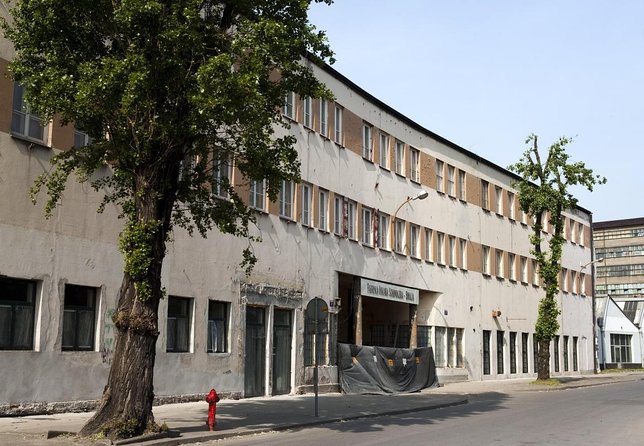
Oskar Schindler’s Enamel Factory, at Lipowa 4 in Krakow, is housed in the industrial building associated with the German businessman who employed Jewish workers during World War II. Steven Spielberg’s 1993 film made Schindler famous around the world, but the museum takes a broader approach.
You begin with an introduction to Schindler and the film that brought his story to a global audience. Then the museum widens its lens. You move through rooms filled with photographs, documents, objects, film, and radio recordings that explain what happened to Krakow before and during the German occupation.
I think this distinction matters. If you arrive expecting a shrine to Schindler, you may feel shortchanged. If you want to understand how ordinary life in Krakow was crushed by war, the museum offers much more than its famous name suggests.
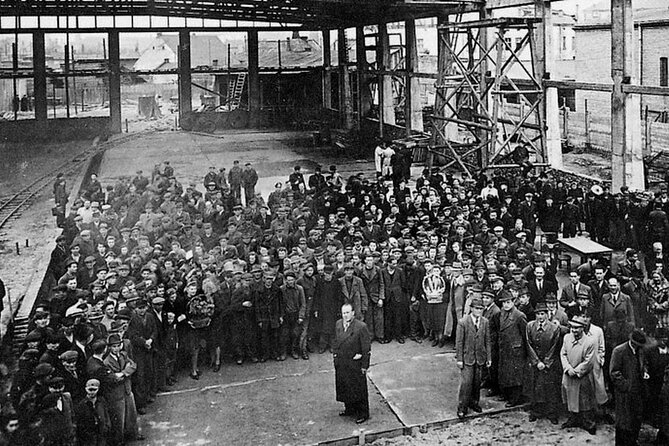
The setting gives the subject extra force. This was the place where Schindler’s Jewish employees produced pots, pans, tins, and other enamelware for the German army. Their work helped keep them employed and, in many cases, protected them from deportation to concentration camps.
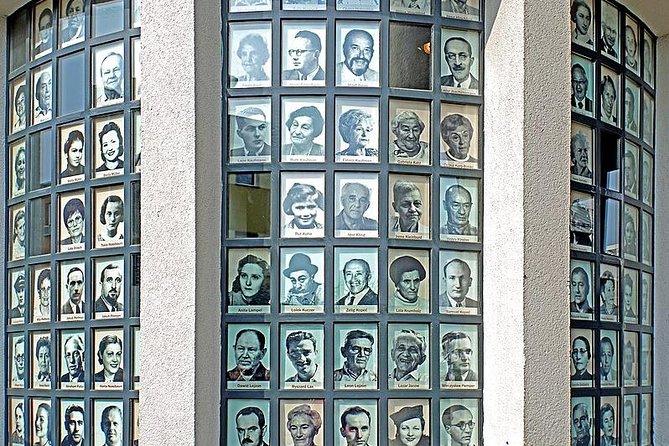
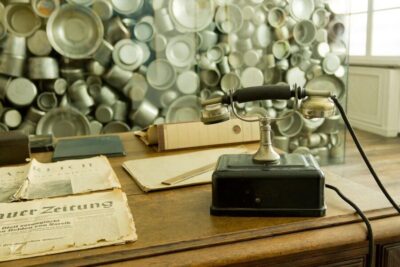
You will see examples of the factory’s products and visit Schindler’s office. You will also hear about some of the roughly 1,200 Jewish workers remembered as Schindlerjuden, or Schindler’s Jews. The museum does not treat these workers as a footnote. Their individual fates help explain what Schindler’s intervention meant.
More Schindler's Factory tours from Kraków:
- Krakow: Oskar Schindler’s Factory Entry Ticket & Guided Tour
★ 4.2 · 3,793 reviews - Krakow: Schindler’s Factory Tour with Entrance Ticket
★ 4.5 · 3,182 reviews - Krakow: Schindler’s Factory Skip-the-Line Ticket
★ 4.4 · 3,105 reviews
Meeting your guide at Lipowa 4
You make your own way to the museum in central Krakow. The location is near public transportation, but the meeting arrangements deserve care.
The guide is supposed to meet you outside the entrance at your chosen start time. In practice, this can be the least polished part of the experience. Some visitors had an easy start, with guides arriving on time and clear instructions sent ahead. Others found several tour groups gathered near the entrance and had trouble identifying the correct person.
The safest plan is simple: arrive early, keep your phone available, and check the exact meeting instructions before setting off. Look for the guide’s name and confirm that you are joining the guided group rather than simply collecting an admission ticket.
This matters because the museum uses timed admission. Arriving late may mean losing the guided portion even if you can still enter the building. A few poor experiences involved people waiting in the wrong place, missing the guide, or receiving tickets without the tour they paid for.
The provider is Discover Cracow. The tour is offered in English, with a maximum group size of 25. That is manageable for a museum visit, but it is not the same as having a private guide. Smaller groups are easier to hear and less likely to block narrow rooms.
The opening story: Schindler, Spielberg, and Krakow
A guided visit begins with a short explanation of Oskar Schindler. You learn how an ambitious German industrialist came to employ Jewish workers and how his actions later inspired Schindler’s List.
This opening is useful because the film can create a simplified picture. The museum places Schindler within the political and economic conditions of occupied Krakow. His factory was part of the German war effort, and his protection of Jewish employees developed within that difficult system.
A strong guide also makes clear that Schindler’s role is only one thread. Guides named Natalia, Elizabeth, Barbara, Marta, and Wojtek have led visits, and the best descriptions of their work emphasize clear pacing, strong English, and the ability to answer questions.
The quality of the opening depends heavily on who leads your group. Some guides have been praised for personal stories and an engaging delivery. Others have been criticized for speaking too quickly, brushing aside questions, or moving ahead before everyone has caught up.
Inside the museum: from normal life to occupation

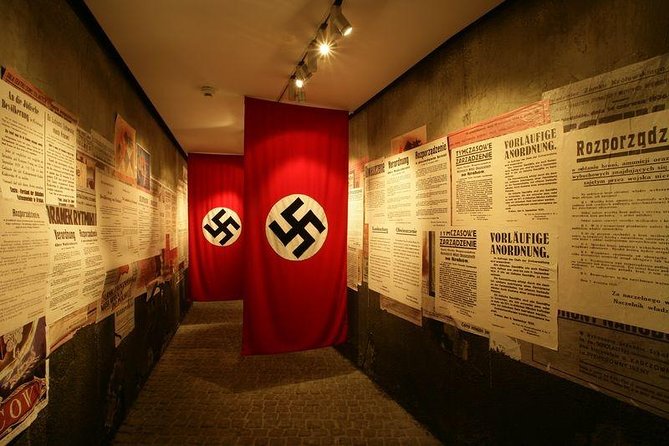
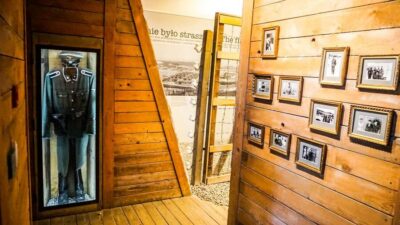
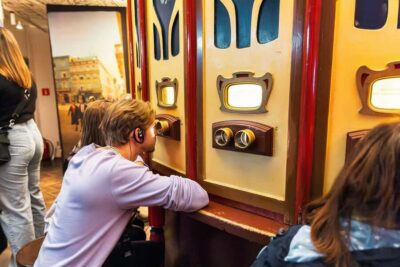
The museum’s main route is arranged as a passage through Krakow’s wartime experience. You see photographs of the city before and during the occupation, along with original documents, objects, film clips, and radio recordings.
The displays use reconstructed settings and visual material to show how quickly public life changed. Cobblestone streets, resistance hideaways, prisons, official notices, and personal accounts build a picture of a city under control. The radio and film material adds a human edge that static panels cannot provide.
I find this wider approach valuable because it explains the setting in which Schindler’s factory operated. You are not simply shown a room and told that a famous man once worked there. You are shown what Krakow felt like for people facing surveillance, arrest, forced labor, and the constant fear of deportation.
The museum also follows the city into the later twentieth century, including the Soviet period. That gives the visit a longer timeline, although it can feel like a lot to absorb in a short tour.
A guide can help you see why each room matters. The strongest guides connect a photograph, document, or reconstructed street to the larger pattern of occupation. Without that help, you can still read the exhibits, but the route may feel like a series of separate displays.
A few more things to do in Kraków worth a look
- From Krakow: Wieliczka Salt Mine Tour & Skip the Line Ticket
★ 4.4 · 3,925 reviews - Auschwitz-Birkenau: Skip-the-Line Ticket and Guided Tour
★ 4.2 · 1,034 reviews - Auschwitz Birkenau Guided Tour/Skip The Line/PickUp/Guide ENG
★ 4.5 · 930 reviews - Wieliczka Salt Mine Tour from Kraków – Skip the Line Entry
★ 4.4 · 878 reviews
Schindler’s office and the factory story
Schindler’s office is one of the stops people expect, and it is worth seeing. It gives you a physical link to the man whose name appears in the museum title.
Still, do not expect every room to center on his personal life. The factory itself is present through the building, products, and stories of the workforce, but the main exhibit is devoted to Krakow’s suffering and survival.
The enamelware is especially useful because it makes the factory’s purpose concrete. Pots, pans, and tins may sound ordinary, but their production had a direct connection to the German military economy. Employment in the factory could mean protection from transport to a concentration camp.
The stories of the Schindlerjuden are the emotional center of this part of the visit. You hear what happened to some of the 1,200 workers and gain a clearer sense of the risks they faced.
This is also where expectations matter most. If you want several hours focused only on Schindler, the factory, and the people he saved, this tour may feel too broad. If you want to understand how his factory fit into the occupation of Krakow, the wider museum works well.
Why the guided option can be worth the extra cost
The listed price is about $35.70 per person, including the entrance ticket. That is not the cheapest way to enter a museum in Krakow, but it buys more than admission: you get timed access and, when the service works as intended, an English-speaking guide.
The value depends on your priorities. A self-guided visit gives you freedom to pause over photographs and read every panel. That is important here because the museum contains more material than a 90-minute route can cover.
The guided option gives you structure. A good guide tells you which details deserve your attention, explains the order of the rooms, and provides context that may be hard to assemble from labels alone. Several guides, including Natalia, Marta, Elizabeth, and Barbara, have been singled out for clear explanations and warm, engaging delivery.
I would choose the guide if this is your first serious look at Krakow’s wartime past, or if you prefer history explained aloud. I would choose self-guided entry if you read slowly, want to stop often, or already know the basic story.
There is one practical catch: this experience offers flexible choices between guided and self-guided visits, so check exactly which option you are purchasing. Paying for a skip-the-line ticket alone is not the same as paying for commentary.
The pace, group size, and missing headphones
The advertised duration is about one hour and 30 minutes. The detailed route can run closer to two hours, and the actual pace depends on the guide, crowd levels, and the amount of time spent in each room.
That is not enough time to absorb every display. One useful way to handle the visit is to treat the guided tour as an introduction, then return to the exhibits you most want to study if the admission arrangement allows it. Do not assume you will be able to do this, though, since the ticket is timed and the tour ends outside.
Groups may contain up to 25 people. A group of that size can work when the guide waits, speaks clearly, and keeps everyone together. It can be awkward in small rooms, particularly when several groups are moving through the museum at once.
Headphones are another variable. Some groups have had them, while others did not. Without audio equipment, you need to stay close to the guide. If the guide walks ahead and begins speaking before the whole group arrives, you can miss key information.
This is not a reason to reject the tour outright, but it is a reason to position yourself near the guide and speak up if you cannot hear. The best guides pace the visit well. The weaker ones rush, offer little time for questions, or seem focused on getting through the route.
Getting there and handling the practical details
You meet at Oskar Schindler’s Enamel Factory, Lipowa 4, 30-702 Kraków, Poland. You make your own way there, so allow enough time to find the entrance and identify the correct guide.
Public transportation serves the area, and most people can take part. Lifts are available for visitors who need them, though the museum’s narrow corridors and the pace of a group tour may make the visit less comfortable for anyone with limited mobility.
Bring a valid passport or identity card. Museum tickets are issued in each participant’s full name, and staff may ask to see identification. At booking, provide the complete names of everyone in your party.
Food and drinks are not included. The tour ends back at the meeting point, and the guide can provide directions toward the city center or your hotel.
The activity is non-refundable and cannot be changed after booking. That makes accurate names, the right start time, and a realistic arrival plan especially important.
Who should book this Krakow museum tour
I would recommend this experience to anyone who wants a clear first introduction to Krakow under Nazi occupation and prefers a guide to explain what the displays mean. It suits history-minded visitors, first-time visitors to Krakow, and people who want timed admission rather than the stress of finding a separate museum ticket.
It is also a good fit if you have seen Schindler’s List and want to place the story in its real setting. The visit will give you a better understanding of the factory, Schindler’s employees, and the city around them.
I would be more cautious if Schindler himself is your only interest. The museum gives him important space, but the bulk of the experience concerns Krakow’s wartime history. You may also prefer self-guided entry if you need time to read everything or dislike fixed pacing.
The main risk is not the subject matter. It is the uneven tour operation. Clear meeting instructions, an identifiable guide, good audio, and a group that stays together can make the visit excellent. Confusion at the entrance or hurried commentary can make the same museum feel frustrating.
Should you book Schindler’s Factory with a guide?
Book it if you value guaranteed timed entry and historical explanation more than complete freedom inside the museum. The museum is worth your time, and a strong guide can turn a difficult subject into a clear, human account of Krakow during the war.
Before paying, confirm that you are selecting the guided option, arrive early at Lipowa 4, and bring identification. If you want the full Schindler story only, adjust your expectations. This is chiefly a museum about Krakow’s wartime experience, with Schindler and his workforce at its center, not the entire focus.
FAQ
Where does the Schindler’s Factory tour begin?
The tour begins at Oskar Schindler’s Enamel Factory, Lipowa 4, 30-702 Kraków, Poland. You make your own way to the museum.
How long does the experience last?
The stated duration is approximately one hour and 30 minutes. The detailed route also describes roughly two hours of exploring, so allow extra time rather than planning a tight appointment afterward.
Is the tour offered in English?
Yes. The experience is offered in English.
Does the ticket include museum admission?
Yes. An entrance ticket is included. You can select a guided or self-guided visit, depending on the option you book.
Is this mainly a museum about Oskar Schindler?
No. The museum focuses more broadly on Krakow during World War II, including occupation, resistance, prisons, documents, photographs, and recordings. Schindler, his office, his factory, and his Jewish employees are important parts of the visit.
Do I need identification?
Yes. Tickets are issued in each participant’s full name, and museum staff may request a valid passport or identity document.
How large can the group be?
The maximum group size is 25 people. Some visits may be smaller, but you should be prepared for a group of up to that size.
Just added in Kraków
- From Krakow: Guided Tour of Zalipie★ 4.6 · 30 reviews
- From Krakow: Zalipie Village Day-Tour★ 4.9 · 74 reviews
- Krakow: Zalipie Village Tour★ 4.6 · 8 reviews
- ZALIPIE – painted village, unique PRIVATE tour from Krakow★ 5.0 · 20 reviews
- Dunajec River Gorge and Zakopane: Full-Day Trip from Krakow★ 4.6 · 57 reviews
- Zator: Energylandia Amusement Park Entry Ticket★ 4.6 · 58 reviews
- From Krakow: Full-Day Wadowice & Czestochowa Tour★ 4.9 · 77 reviews
- From Krakow: Ojców National Park & Ogrodzieniec Castle Tour★ 4.9 · 64 reviews
Schindler's Factory Tours, compared.
Oskar Schindler’s Factory Entry Ticket & Guided Tour
Read the review →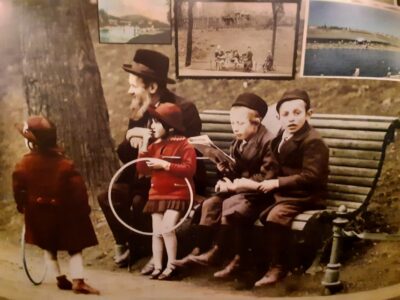
Schindler’s Factory Tour with Entrance Ticket
Read the review →
Schindler’s Factory Ticket with Guided Tour Option
Read the review →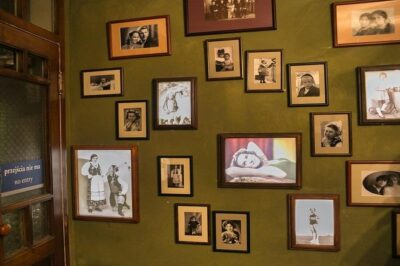
Krakow Schindler’s Factory Guided Tour with Admission Ticket
Read the review →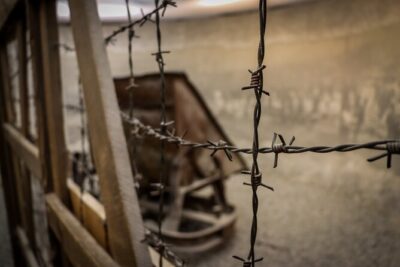
Krakow Schindler’s Factory Museum Guided Tour in English
Read the review →Browse the lists this tour appears in