
Reviewed · CITY TOURS
Private Warsaw City Tour
Warsaw is a city that rewards a guide who can connect its grand avenues, rebuilt Old Town, wartime memorials, and rough-edged Praga district. This private city tour lets you set the pace and ask for the places that matter most to you, rather than following a fixed group route. Guide Leo earned special praise for making a short visit informative and memorable, and Dorothy handled booking questions with a pleasant, responsive manner.
I like the hotel pickup and the choice of vehicle, from an air-conditioned limousine to a minibus or coach. I also like the freedom to request your own sights, especially if you want to focus on royal Warsaw, World War II, Jewish heritage, or modern city life. The main caution is time: the advertised duration is 3 hours, while the sample program describes a 5-hour route. Confirm what fits before you pay, particularly if you want interior visits.
Key points at a glance
- Private hotel-to-hotel service: Start and finish at your hotel, with transportation matched to your party size.
- A flexible sightseeing plan: Suggest your own stops and ask the guide to reshape the route around your interests.
- Warsaw’s major contrasts: Cover the Palace of Culture, Łazienki Park, Old Town, Jewish Ghetto memorials, Praga, and National Stadium.
- A strong history focus: The route can connect royal Poland, the Warsaw Uprising, the Holocaust, Chopin, and postwar reconstruction.
- Several guide languages: English, Spanish, French, Italian, and Russian are listed for the activity, with German also listed among the included guide services.
- Check the timing carefully: The activity is sold as 3 hours, but the example itinerary is written as a 5-hour tour.
A private way to get your Warsaw bearings
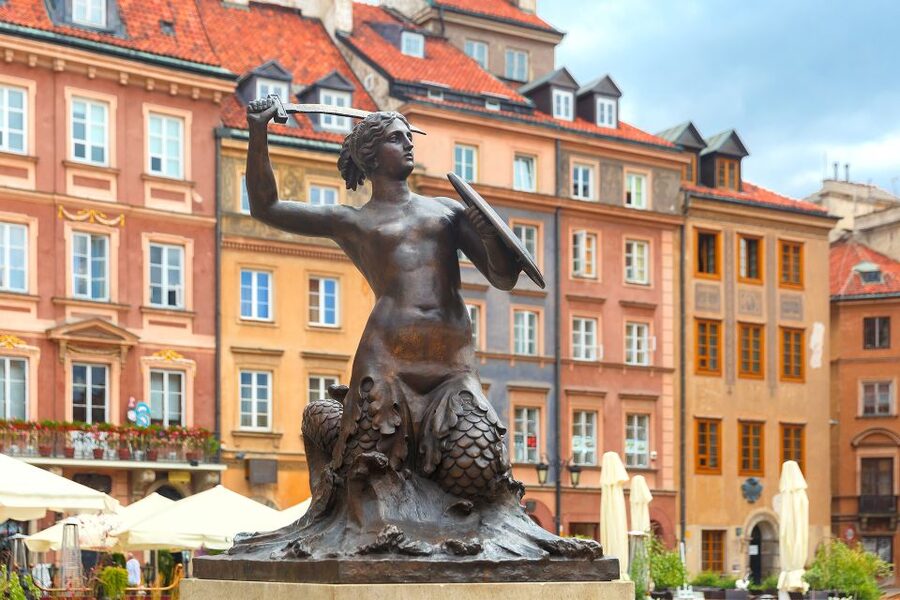
I see this tour as a useful first look at a large, layered capital. Warsaw spreads well beyond its Old Town, and reaching Łazienki Park, the former Jewish Ghetto area, Praga, and the National Stadium takes time on foot and by public transport. A private vehicle makes that range possible, while a guide gives the city’s monuments some needed context.
The format suits you best if you have limited time, mobility concerns that do not require a wheelchair, or a list of personal priorities. You can ask for more royal sights, more wartime history, or more modern Warsaw. You can also request a shorter list of stops instead of trying to collect every landmark in one hurried sweep.
At $207 per person, this is not a budget city orientation. Its value depends heavily on party size. For one or two people, the private service costs more than a standard group outing, but you receive hotel pickup, a dedicated guide, an air-conditioned vehicle, bottled water, Coca-Cola, and Polish chocolate candies. With several people sharing the vehicle, the price becomes easier to justify.
I would ask two questions before booking. Is the tour actually 3 hours or can it be extended to the 5-hour sample program? Which entrance fees are needed for the sights you select? Food and admissions are not included, so the final cost can rise if you choose museums or paid interiors.
A few more things to do in Warsaw worth a look
- Private Tour: Warsaw City Sightseeing by Retro Fiat
★ 5.0 · 562 reviews - Warsaw: Warsaw Ghetto Private Walking Tour with Hotel Pickup
★ 4.9 · 369 reviews - Private Tour: Warsaw’s Jewish Heritage by Retro Fiat
★ 5.0 · 208 reviews
The Palace of Culture and Science sets the scene
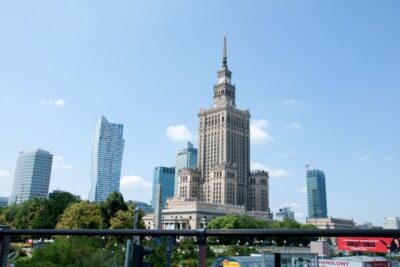
A drive through central Warsaw gives you an immediate sense of the city’s scale. Glass office towers rise around the Palace of Culture and Science, the huge Stalin-era building that remains Warsaw’s most recognizable landmark. It is both a practical orientation point and a reminder that the city’s modern identity was shaped by difficult political history.
The suggested program includes the viewing terrace on the building’s 30th floor. From there, you can look across central Warsaw and see how the old and new sections fit together. This is one of the most useful stops for a first visit because it turns a collection of names into a visible city plan.
The viewing terrace requires an entrance fee, which is not part of the tour price. Since the advertised outing lasts only 3 hours, ask whether this stop is included in your schedule or treated as an optional addition. A quick photo stop and a paid visit to the terrace are not the same experience.
Łazienki Park trades traffic for peacocks
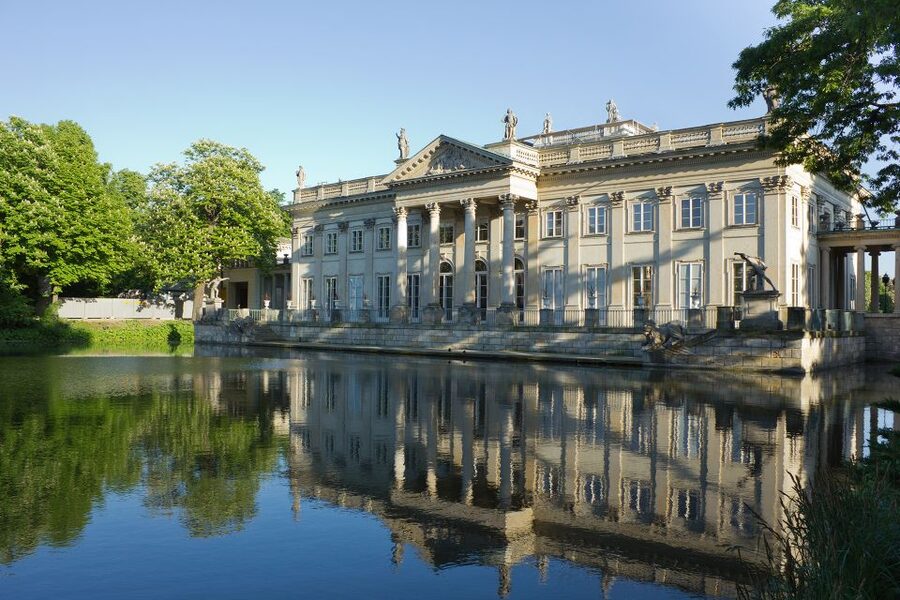
From central Warsaw, the route moves to Łazienki, also called the Royal Baths. This large park was the summer setting of King Stanisław August Poniatowski, whose Palace on the Water is the park’s best-known building. The contrast is welcome: after central streets and office towers, you get lawns, paths, water, and ornate royal architecture.
I like this part of the plan because it gives you more than a drive-by view. The suggested program includes a walk, and you may see squirrels and peacocks around the grounds. The animals add a light touch to a tour otherwise weighted toward war and politics, though you should dress for the weather and expect to spend time outdoors.
The park is a place where the private format matters. You can ask for a longer walk if gardens and royal architecture interest you, or keep the stop brief if your priority is Warsaw’s wartime story. A 3-hour tour cannot give every section of the park much attention, so tell the guide what you want to see.
The Royal Route links monuments and memory
The Royal Route connects some of Warsaw’s most important ceremonial sights. Along the way, the program may include the Presidential Palace, Warsaw University, and Holy Cross Church. The church is linked to Fryderyk Chopin, whose heart is kept in one of its urns.
That small detail gives the route a personal connection. Chopin is one of Poland’s best-known cultural figures, and the church helps place him in the city rather than leaving him as a name on a concert program. The Presidential Palace and Warsaw University add political and academic context.
The route works well by vehicle because its sights are spread along a major city corridor. Still, you should ask where you will get out and walk. Some places reward a few quiet minutes on foot, while others are easier to appreciate from the guide’s explanation during the drive.
Same base, a different kind of day:
- Warsaw: Chopin Concert in the Old Town
★ 4.8 · 2,287 reviews - Warsaw: Traditional Galar Cruise on The Vistula River
★ 4.6 · 1,640 reviews - Warsaw: Old Town Highlights Walking Tour in English
★ 4.7 · 1,516 reviews - Warsaw Concert: Chopin – Painted by Candlelights with Wine
★ 4.8 · 1,442 reviews
Old Town shows Warsaw rebuilt with care
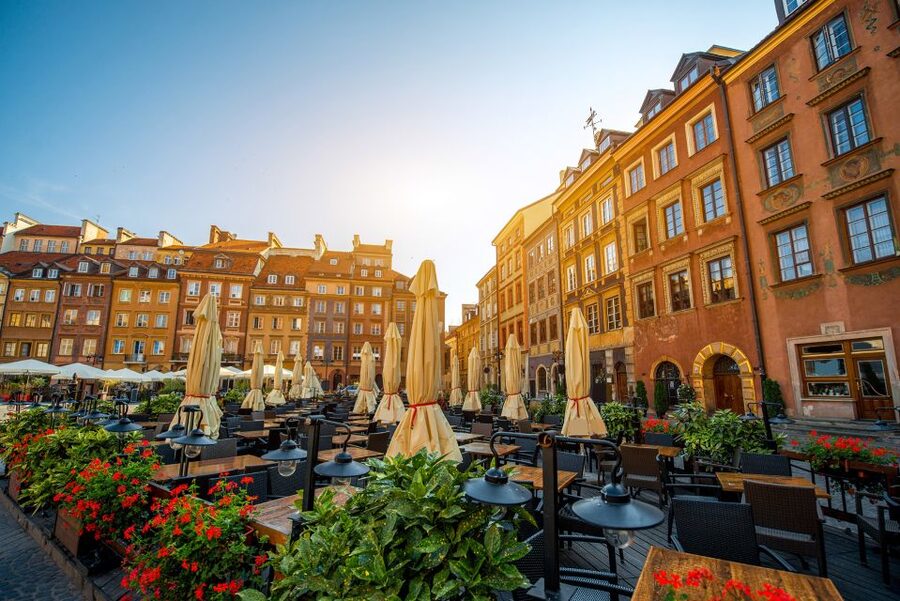
Warsaw’s Old Town is the emotional center of the tour. It is on the UNESCO World Heritage list, and the program includes the Royal Castle, Sigismund’s Column, St. John’s Cathedral, the Old Town Market Square, and the Barbican.
The Royal Castle served as a royal residence from 1596 to 1795 and later served as the residence of the Polish president in 1918. Its rooms and collections require an entrance ticket, and the tour price does not cover that fee. If you want to go inside, confirm how much time is available and whether admission can be arranged as part of your plan.
Outside, Sigismund’s Column is a useful landmark with a long political story. It is described as Poland’s first secular monument, a distinction that helps explain why the column matters beyond its appearance. St. John’s Cathedral adds a religious and national layer, with sarcophagi containing the remains of prominent Poles.
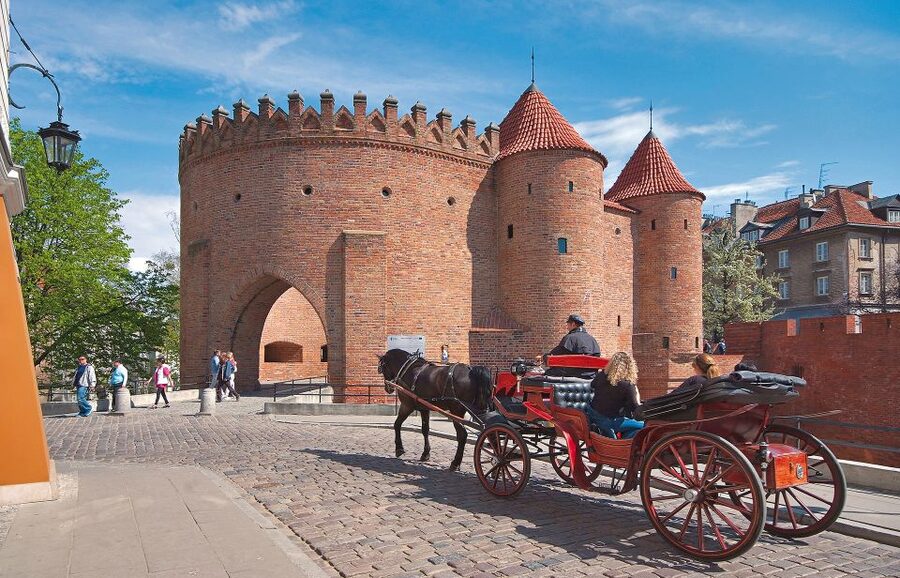
The Market Square and Barbican are the spots most likely to appeal to your camera. The square is a natural place to pause, while the Barbican recalls the city’s old defensive system. Remember that Warsaw’s Old Town was rebuilt after wartime destruction. Its charm is real, but it is also part of a major postwar reconstruction story.
The former Jewish Ghetto needs time and respect
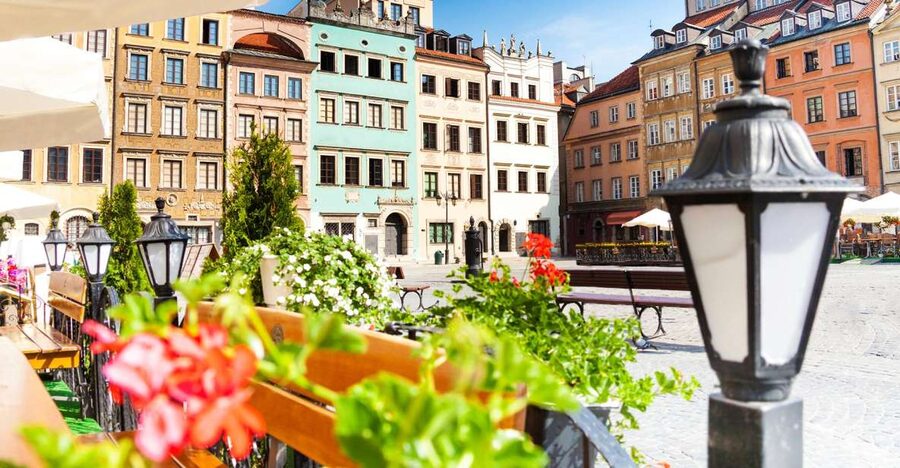
The route then turns toward the former Jewish Ghetto, including the Memorial to the Heroes of the Ghetto, Umschlagplatz, and the Museum of the History of Polish Jews. This is the most serious section of the outing, and I would not rush it merely to fit in another photo stop.
The Memorial to the Heroes of the Ghetto marks the 1943 uprising. Umschlagplatz recalls the deportation point from which Jewish residents were sent away during the German occupation. Together, these sites show how Nazi persecution affected Warsaw’s Jewish community and why this part of the city cannot be reduced to a single museum visit.
The Museum of the History of Polish Jews is housed in a modern building described in the tour plan as a work of art in its own right. If you want to enter, plan around the admission cost and the limited time. A museum visit needs more than a quick stop, so ask the guide to build the schedule around it rather than treating it as an afterthought.
Praga offers a different Warsaw
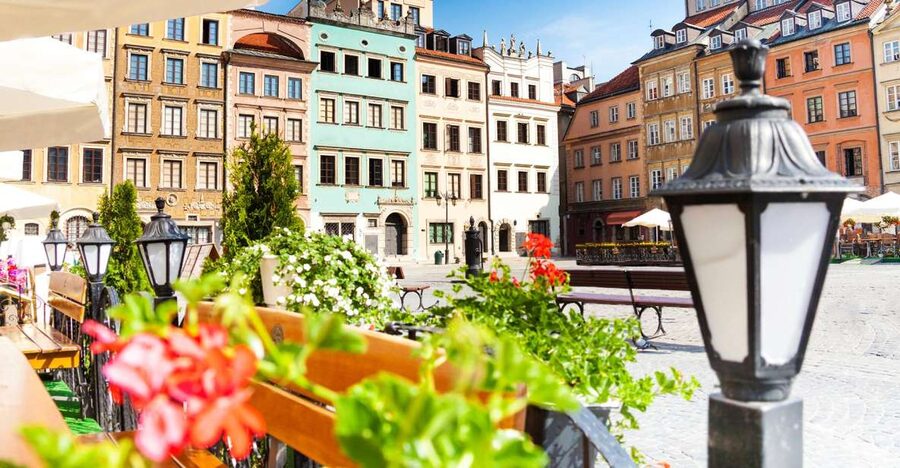
Praga, on the east bank of the Vistula, gives the tour a change of tone. The district is associated with artistic studios, galleries, alternative theaters, and underground clubs. It also contains streets that escaped the wartime destruction seen elsewhere, with prewar lamp posts, sidewalks, and apartment blocks.
I find this an important inclusion because Warsaw is not only royal buildings and reconstructed squares. Praga offers a more uneven, local-looking cityscape, and its surviving streets help you picture what parts of Warsaw looked like before the war. The district’s appeal is visual and cultural rather than polished.
The route does not promise a particular studio, gallery, theater, or club visit. Treat Praga as a neighborhood orientation unless your guide confirms a specific stop. If this is your main interest, tell the guide in advance so the drive does not become just a quick pass through.
The National Stadium and modern Warsaw
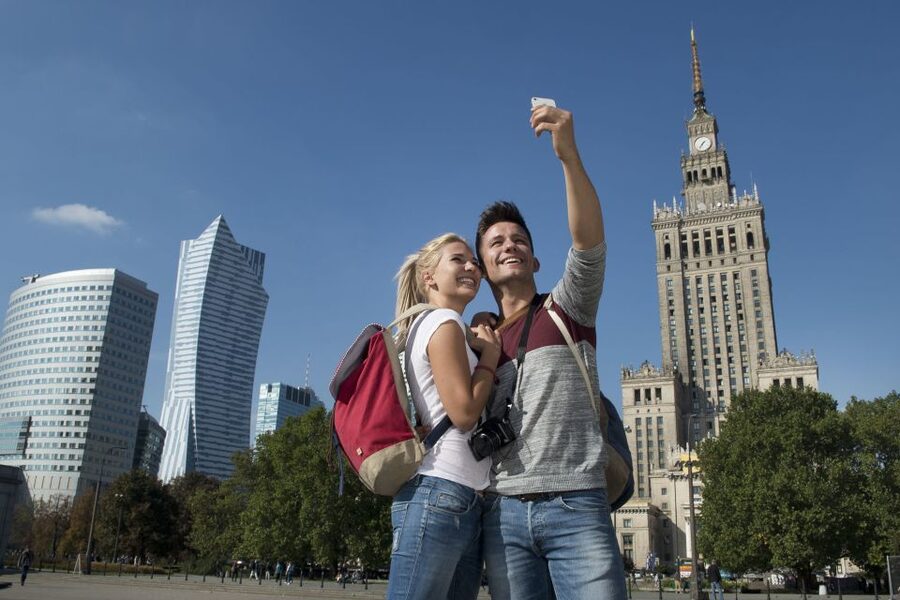
On the return route, you may see the National Stadium, Poland’s largest modern sports venue. It hosts major sporting and cultural events and received a regional building award for its design.
This stop rounds out the city story. After royal residences, historic churches, rebuilt streets, and wartime memorials, the stadium shows Warsaw as a current capital with large-scale public venues. It is generally more useful as an exterior landmark unless an event or paid visit is specifically arranged.
The suggested program also names the Tomb of the Unknown Soldier and the Monument of the Warsaw Uprising as other possible stops. These are strong choices if you want the tour to focus on national sacrifice and the city’s wartime experience. With only 3 hours, however, every extra stop means less time elsewhere.
Vehicles, timing, and personal service
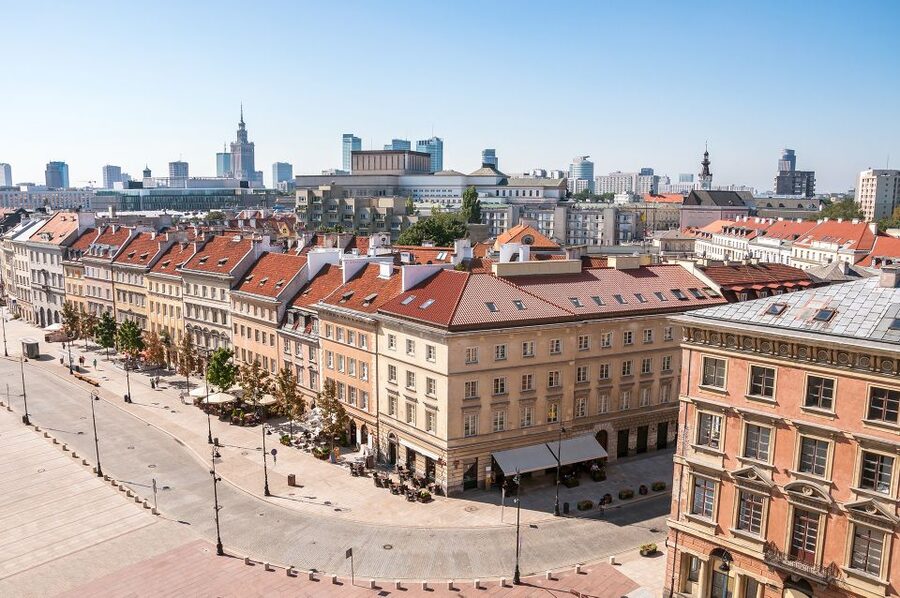
Transportation is one of the clearest strengths here. Pickup and drop-off at your hotel remove the need to find a meeting point, and the vehicle can be an air-conditioned limousine, van, minibus, or coach depending on party size. You receive bottled water, Coca-Cola, and Polish traditional chocolate candies along the way.
The guide service is private, so you are not sharing the schedule with a large group. That can make a major difference in Warsaw, where the best plan may change once you decide how much time to give the Old Town, Łazienki, or the Jewish heritage sites.
The published information contains a timing mismatch that deserves attention. The activity is listed as 3 hours, but the sample program is described as a 5-hour city tour and includes many separate districts and possible interiors. Ask for a written outline of your exact route, expected walking time, and entrance stops.
Guide languages include English, Spanish, French, Italian, and Russian. German is also listed among the included guide services, though it does not appear in every language field. If language is important to you, confirm it when booking. Leo is the named guide associated with the strongest praise, while Dorothy is identified as a responsive contact for arrangements, but a particular guide may not be guaranteed.
Who should book this Warsaw tour?
I would recommend it to a first-time visitor with a short stay, a family or private group that wants door-to-door service, or anyone who prefers to shape a day around personal interests. It is especially useful if you want to combine sights that sit in different parts of Warsaw without planning several transport connections.
It is also a good choice if history matters to you. The route can connect the monarchy, Chopin, the Jewish Ghetto, the Warsaw Uprising, postwar rebuilding, and today’s city in one outing. Guide Leo’s strong personal feedback suggests that the quality of the explanation can make a real difference, though guide assignments should be confirmed.
I would hesitate if you prefer a slow walking tour, want to spend hours inside museums, or are looking for the lowest possible price. A 3-hour private vehicle tour can show you a lot, but it cannot give every major sight the time it deserves. Entrance fees, food, and possibly longer-tour charges are extra.
The activity is described as wheelchair accessible in one section, but another section says it is not suitable for wheelchair users. Do not assume the vehicle or walking route will meet your needs. Confirm accessibility directly before booking. Everyone should also wear clothing suitable for the weather, since the plan includes outdoor walks.
Should you book it?
Book this private Warsaw tour if you want a flexible overview, hotel pickup, and a guide who can connect the city’s major sights in your preferred language. The strongest reasons are the private format, the ability to request your own route, and the chance to reach Old Town, Łazienki, the former Jewish Ghetto, Praga, and modern central Warsaw in one vehicle.
Before paying, settle the duration, language, accessibility, exact stops, and entrance fees. If the tour is truly limited to 3 hours, choose your top priorities instead of trying to follow the entire sample program. If you have a larger party or only one day in Warsaw, the convenience can make the $207 price worthwhile.
FAQ
How long does the private Warsaw city tour last?
The activity is listed as lasting 3 hours. The sample program refers to a 5-hour city tour, so confirm the exact duration and route before booking.
Is hotel pickup and drop-off included?
Yes. Pickup and drop-off at your hotel are included.
What type of vehicle is used?
The vehicle may be an air-conditioned limousine, van, minibus, or coach, depending on the number of people in your group.
Can I customize the itinerary?
Yes. You can suggest places you want to see, and the guide can change the plan around your requests.
Which languages are available?
English, Spanish, French, Italian, and Russian are listed for the activity. German is also listed among the included guide services, so confirm availability when booking.
Are entrance fees included?
No. Entrance fees are not included in the price. Food is also not included.
Is the tour wheelchair accessible?
The information is contradictory. One section lists the activity as wheelchair accessible, while another says it is not suitable for wheelchair users. Confirm the arrangements directly before booking.
Can I cancel for a full refund?
Yes. You can cancel up to 24 hours in advance for a full refund. You can also reserve now and pay later.
Just added in Warsaw
- Warsaw Zoo Skip-the-Line Entry Ticket with Private Transport★ 4.8 · 3 reviews
- Warsaw Private Wilanow Palace & Garden Tour★ 4.6 · 30 reviews
- Warsaw: Vodka Tour★ 4.4 · 18 reviews
- Warsaw Wolf’s Lair with St. Lipka and Mamerki Private Guided★ 4.2 · 3 reviews
- Warsaw Old Town UNESCO HERITAGE walking tour in English★ 4.5 · 23 reviews
- Warsaw: Private Vodka Tasting Night with Snacks and Pickup★ 5.0 · 7 reviews
- Warsaw Uprising and WWII Old Town Walking Tour with Museum★ 4.7 · 15 reviews
- Warsaw: Skip-the-Line Royal Castle Guided Tour★ 4.9 · 79 reviews
City Tours, compared.
Gdańsk City Sights & History Guided Walking Tour in English
Read the review →
Extended City Sightseeing Tour – Eco Buggy Golf Cart
Read the review →
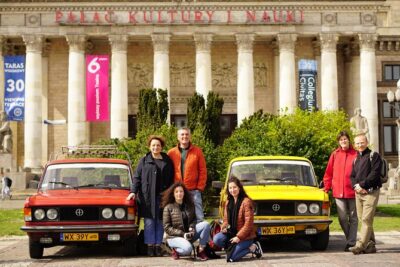
Private Tour: Warsaw City Sightseeing by Retro Fiat
Read the review →Browse the lists this tour appears in