
Reviewed · JEWISH QUARTER & GHETTO TOURS
Warsaw: Warsaw Ghetto Private Walking Tour with Hotel Pickup
The most striking part of this tour is the way it links ordinary Warsaw streets to the vanished ghetto. You walk through modern neighborhoods, then stop at a wall fragment or former ghetto boundary and see photographs of what occupied that same spot during the war. That contrast makes the history immediate without turning the visit into a museum lecture.
I like the private format, which gives you room to ask hard questions and set the pace. I also like the guides’ use of maps, books, and old photographs, especially the work praised from Marzena and Mary. The main drawback is that the advertised hotel pickup can be unclear, so confirm your meeting arrangement before setting out.
Key points to know before booking
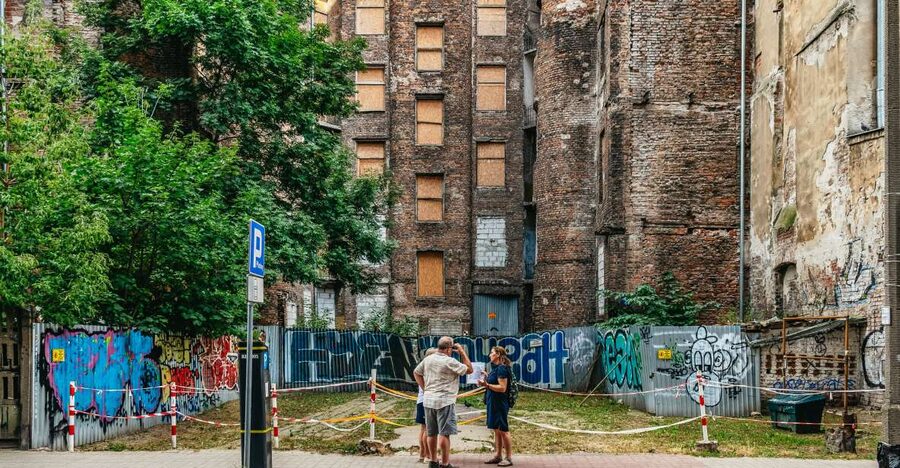
- See the last surviving street section: The tour includes the last street that remained within the ghetto, along with fragments of the original walls.
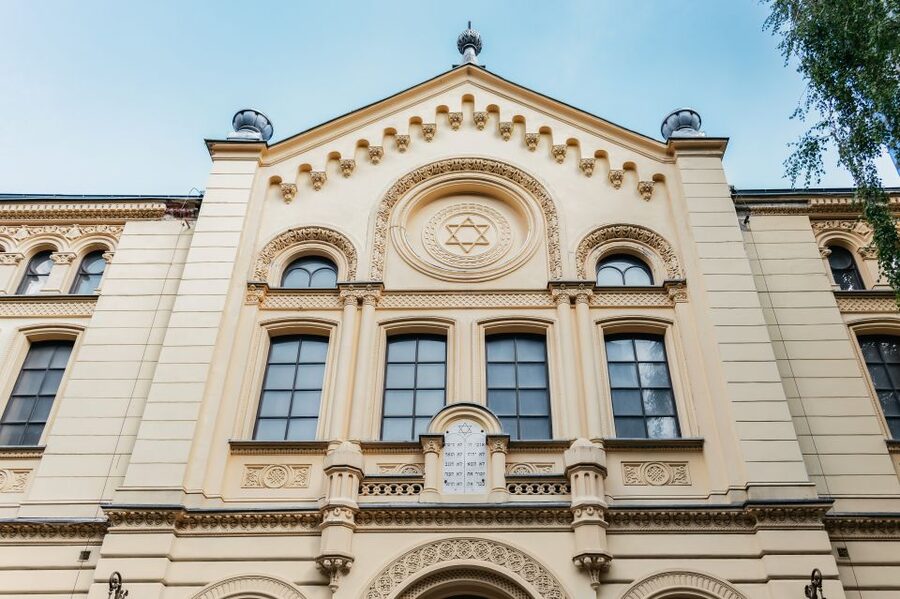
- Visit a working synagogue: You enter the only synagogue in Warsaw that survived the Second World War and remains in operation. Bring cash for the 20 PLN, 5 EUR, or 5 USD donation.
- Follow the story in place: The guide explains the ghetto’s creation, daily life, deportations, resistance, and destruction while you walk through the actual area.
- Expect a serious history lesson: This is not a light sightseeing stroll. Children under 14 are not accepted, and the subject matter is emotionally heavy.
- Private means adaptable: You can ask questions, pause more often, and adjust the pace. Past guests especially valued this with guides such as Marzena and Mary.
- Allow extra time at POLIN: Some tours finish at the POLIN Museum, but museum entry is not listed as included. If you plan to visit, leave at least two additional hours.
Why the Warsaw Ghetto is best understood on foot
Before the war, Warsaw had Europe’s second-largest Jewish community. Jewish residents made up about 30 percent of the city’s population. In 1940, Nazi authorities forced more than 400,000 Jews from Warsaw and nearby areas into a roughly four-square-kilometer enclosure in the middle of the city.
Those figures are hard to picture from a book. Walking helps. You see the distances between sites, the narrow remnants of the old boundary, and the modern streets built over a destroyed district. The guide’s job is to restore the connections that the city itself can no longer show clearly.
The ghetto was not simply a neighborhood with a wall around it. It was a system of confinement, hunger, disease, forced labor, terror, and deportation. Around 100,000 people died inside the ghetto from exhaustion, starvation, and illness. More than 300,000 were sent to Treblinka and killed there.
A good guide also keeps the story from becoming a list of numbers. The tour explains how the ghetto was established, how people tried to maintain daily life, how the German plan developed, and why armed resistance finally began. That chronological structure is one of the strongest reasons to hire a guide rather than wander alone.
More walking tours in Warsaw:
- Warsaw: Old Town Highlights Walking Tour in English
★ 4.7 · 1,516 reviews - Warsaw: Old Town Guided Walking Tour
★ 4.9 · 599 reviews - Half-Day Polish Food Walking Tour with Guide and Dinner
★ 4.5 · 381 reviews
Starting at the former ghetto boundaries
The tour begins at an arranged meeting point or with the optional pickup service. The published meeting location is Prozna Street 9, between Bistro Charlotte Menora and Strefa Restaurant. Look for a guide carrying a PolinTours sign.
The pickup information deserves attention. The experience is presented as including hotel pickup and drop-off, but several booking details also direct you to meet the guide at Prozna Street. At least one past participant found the hotel pickup wording confusing, while another chose to meet the guide directly. I would confirm the exact arrangement with the provider before the day of the tour.
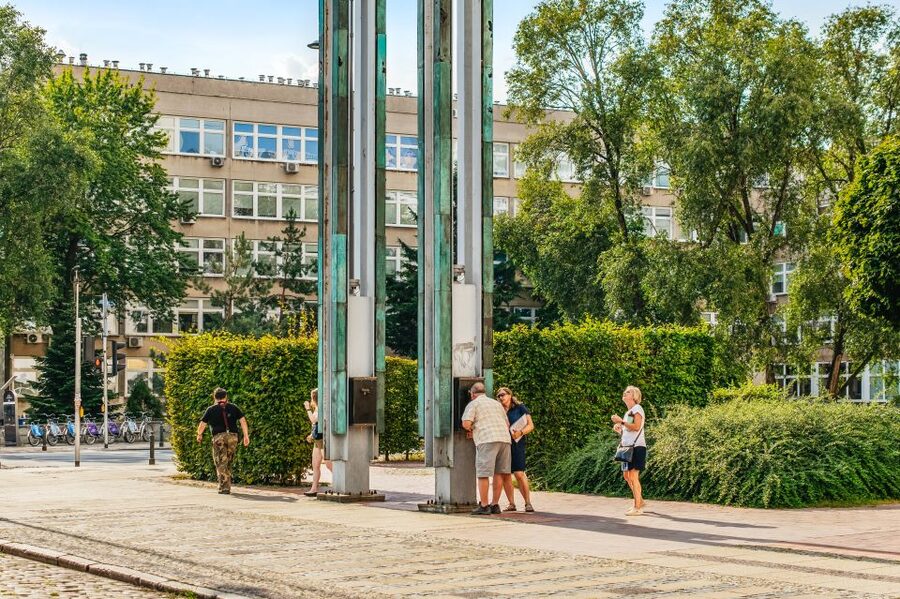
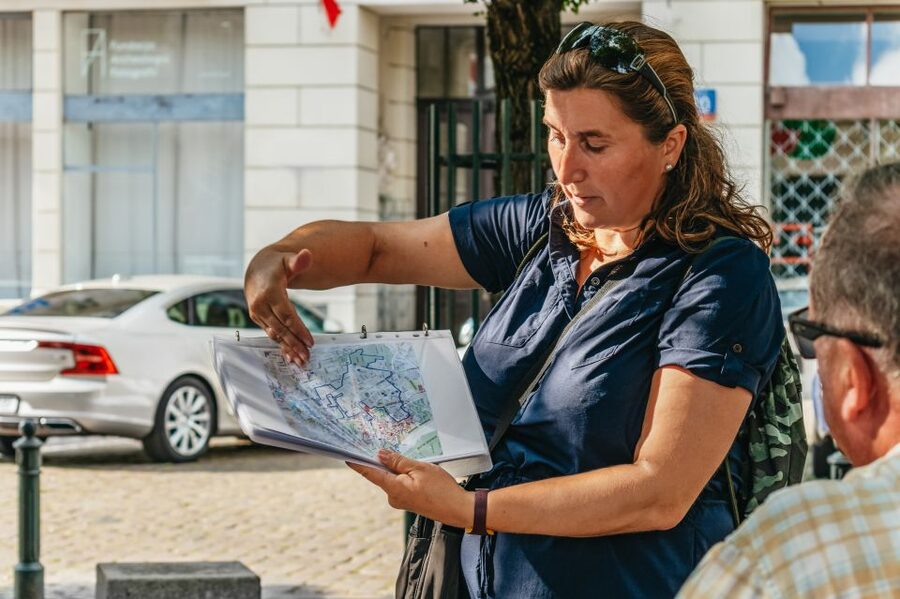
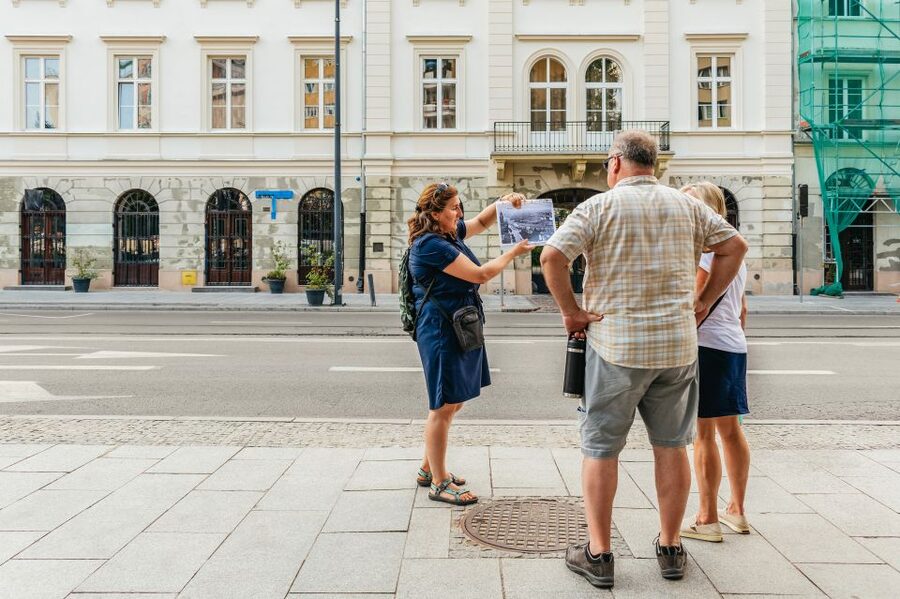
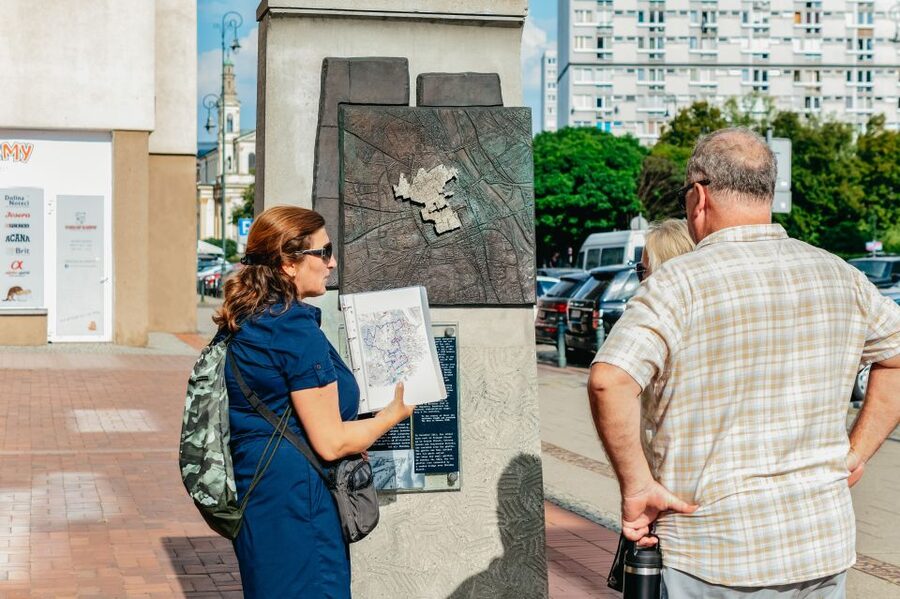
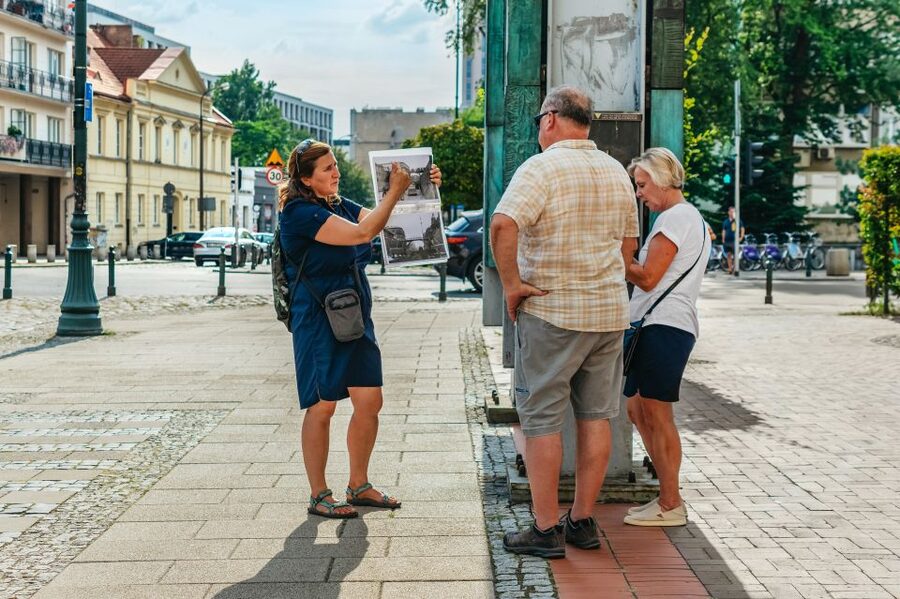
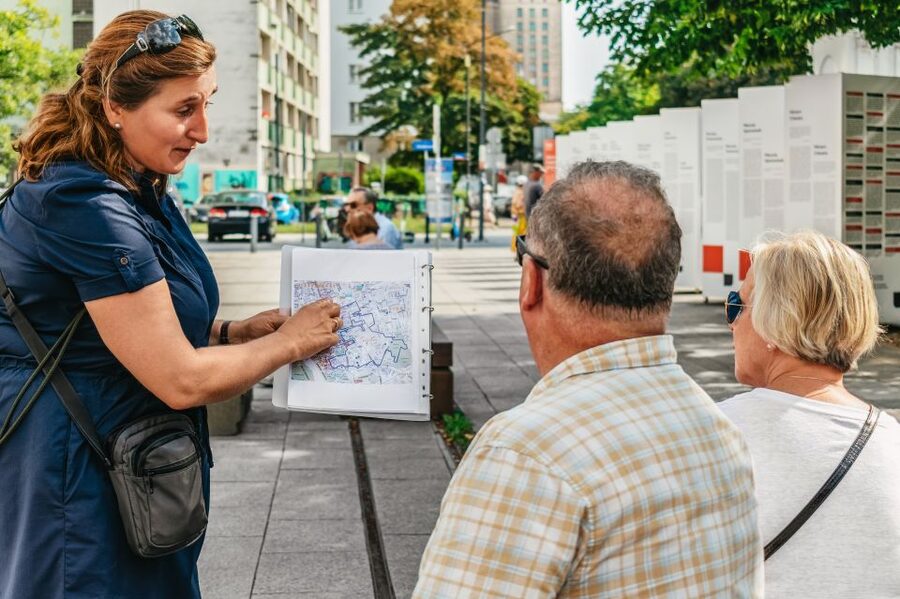
Once underway, the guide uses the city around you as a visual aid. Much of the ghetto was destroyed, rebuilt, or altered after the war, so a casual walk can leave you unsure about what you are seeing. Old photographs and maps make the vanished streets easier to place.
Marzena has been especially praised for building the story in chronological order and connecting each stage to the place where you are standing. Mary was also praised for carrying historical photographs and maps, adapting the pace, and answering detailed questions. Guides vary, so do not assume you will receive one specific person, but these names give you a good idea of the level of preparation to expect.
Ghetto wall fragments and the last street
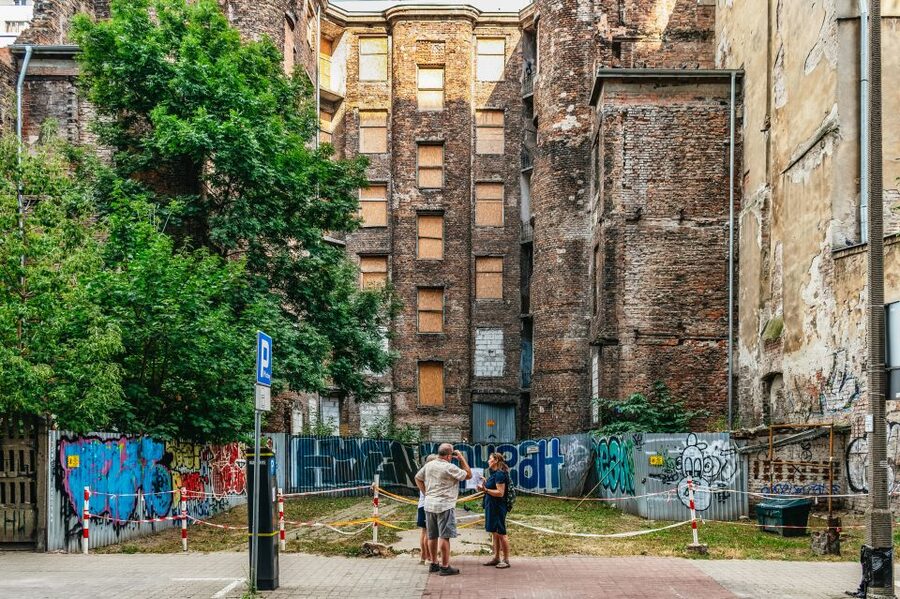
One of the most useful stops is at a surviving section of the ghetto wall. It is not a grand monument. That is precisely why it can be so powerful. A short piece of masonry, surrounded by the present-day city, shows how little physical evidence remains of a district that once held hundreds of thousands of people.
The guide explains where the boundary ran and how the enclosed area changed. You get a better sense of the ghetto as a controlled urban space rather than an abstract patch on a map. The tour also visits the last street of the ghetto, a particularly important stop because it helps you picture the old street plan and the final destruction.
Bring comfortable shoes. The tour lasts three hours and covers a lot of ground. One person completed it in about two and a half hours, but the pace can depend on questions, stops, weather, and mobility. Several guides have been praised for slowing down when needed, but the activity is not suitable for people with mobility impairments.
The walk is also exposed to the weather. Bring a hat and sunscreen in warm weather, and prepare for rain or cold in the shoulder seasons. The tour has continued in poor weather, but your comfort will shape how much attention you can give to the subject.
Everyday life inside the ghetto
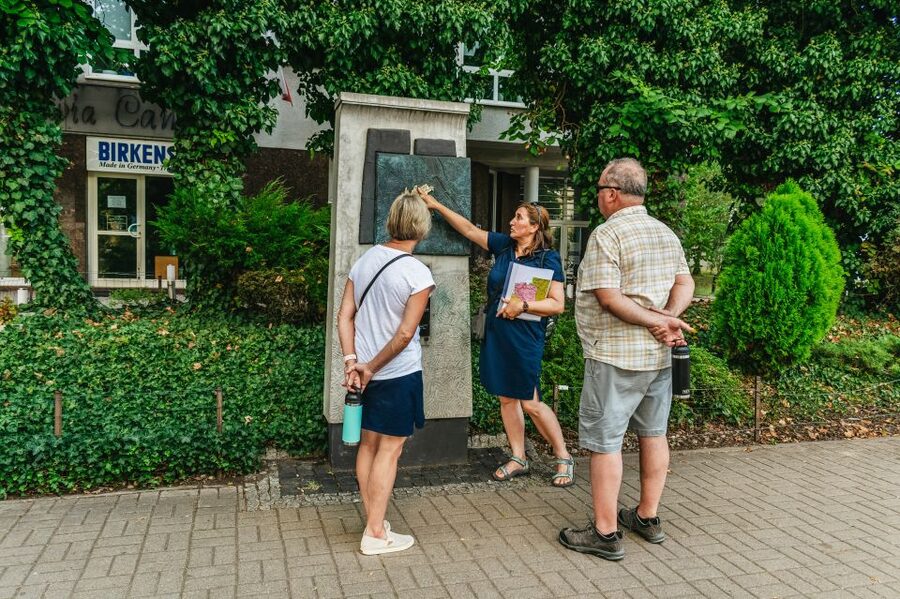
The tour does not focus only on Nazi policy and military events. It also covers how people lived under impossible conditions. You learn about confinement, hunger, sickness, forced labor, and the struggle to preserve family and community life.
That balance matters. It prevents the story from becoming only a narrative of victimhood. The people inside the ghetto made choices, built networks, shared information, cared for children, maintained religious life, and tried to survive. The tour also addresses who helped the Jewish population, adding needed context to the question of resistance and support.
The guide explains the supposed logic behind the destruction plan and how the final solution was put into action. This is difficult material, but the private setting gives you a chance to stop and ask for clarification rather than simply move along with a large crowd.
I would not book this as a casual stop between shopping and dinner. The content includes mass death, deportation, and the destruction of a community. It is intended for people aged 14 and older, and it is best approached with time and attention.
Other Jewish-heritage walks around Warsaw:
- Warsaw: Jewish History Guided Walking Tour in English
★ 4.7 · 324 reviews - Private Tour: Warsaw’s Jewish Heritage by Retro Fiat
★ 5.0 · 208 reviews - Warsaw: Ghetto, Jewish Cemetery & POLIN Museum Private Tour
★ 4.8 · 132 reviews - Warsaw: Jewish Heritage & Holocaust Walking Tour
★ 4.7 · 119 reviews
The synagogue that survived
The synagogue visit adds a different layer to the walk. It is described as the only synagogue in Warsaw to survive the Second World War and it remains in use. After spending time with traces of destruction, entering a functioning place of Jewish worship gives the story a present-day dimension.
A donation for entry is not included. Plan on paying 20 PLN, 5 EUR, or 5 USD in cash. You should also bring a head covering or kippah, as well as cash for the synagogue contribution.
This stop has practical rules as well as emotional value. Dress and behave respectfully, follow the guide’s instructions, and remember that this is an active religious place rather than only a historic monument. The synagogue is one reason this tour feels broader than a memorial walk. It connects the wartime Jewish community with Jewish life that continues in Warsaw today.
Umschlagplatz and the road to Treblinka
The tour explains the meaning of Umschlagplatz, the collection point where Jews were assembled before deportation. This is a key part of the story because it shows how the German authorities turned the ghetto into a staging area for mass murder.
The guide places the deportations within the wider system, including the trains to Treblinka. You do not simply hear that people were deported. You learn how the process was organized, how people were gathered, and how the machinery of destruction worked.
This section is likely to be one of the hardest parts of the morning or afternoon. The private group helps here because the guide can adjust the pace and allow silence or questions. It also means the experience can be shaped around your background. If you already know the broad history, ask for more detail about Warsaw. If the subject is new to you, ask the guide to explain the sequence slowly.
The Warsaw Ghetto Uprising and its final destruction
In 1943, when the Nazis attempted to liquidate the remaining ghetto, Jewish fighters rose against them. The uprising lasted nearly a month despite the overwhelming German military advantage.
The tour helps you understand why people took up arms when the odds of survival were so small. It also covers the people who helped the resistance and the wider network of Polish and Jewish responses. The point is not to present the uprising as a conventional military victory. It was an act of defiance in a situation where the German plan had already destroyed much of the community.
The Nazis responded by destroying the ghetto. Only a small number of Jews survived, including Władysław Szpilman, whose story became familiar through Roman Polanski’s film The Pianist. The guide uses the streets and surviving traces to explain how the uprising changed the city.
The Monument to the Ghetto Heroes is one of the emotional centers of the tour. Its symbolism makes more sense after you have followed the story from confinement and deportation to resistance. I would not rush this stop. Take time to look, listen, and ask about the monument’s meaning.
What the private format adds
The price is $84 per person. That is not the cheapest way to see the former ghetto, especially for one person. You are paying for a private group, a licensed guide, transportation by car, information booklets, a city plan, and the ability to shape the three-hour visit around your questions.
For two or more people, the value becomes easier to judge. A large public walk may cost less, but it may give you less time with the guide and less freedom to stop. Here, you can ask about family history, Jewish Warsaw, the uprising, or the parts of the city you do not understand.
The guide’s visual material is another useful part of the price. Several people particularly appreciated old photographs and maps that showed how places looked before and during the war. That is information you may not be able to reconstruct from plaques alone.
The experience does not include food, drinks, or the synagogue donation. Museum admission is also not listed as included. If your tour ends near the POLIN Museum, you can continue there, but budget separately and allow at least two hours if you want time to see it properly.
Who will get the most from this tour
I would recommend this tour to adults and older teenagers who want a focused explanation of Warsaw’s Jewish history and the Holocaust. It is especially useful if you have limited time in Warsaw but want more than a general city tour.
It also suits people who have already read about the Holocaust. A strong guide can add local detail that a book cannot provide, especially when photographs and maps are placed against the current streets. Several experienced history readers found that the tour added information they had not encountered before.
The private format works well for families, couples, and small groups with different levels of background knowledge. A guide can pause for questions or slow the pace for an older participant. One past participant in her seventies valued the patience and regular stops.
I would think twice if you have difficulty walking, are carrying large luggage, or want a light sightseeing experience. Oversize luggage and large bags are not allowed, and the tour is not suitable for people with mobility impairments. Comfortable shoes are essential.
Practical details for a smoother visit
The tour lasts three hours and is offered in English or German. It is a private group experience, which means the guide can respond directly to your interests rather than follow a fixed script for a large crowd.
Bring:
- Comfortable walking shoes
- A hat and sunscreen
- A head covering or kippah
- Cash for the synagogue donation
- A small amount of water, if needed
Do not bring oversize luggage or large bags. Confirm the starting time and pickup details in advance, since the published information gives both an optional hotel pickup and a specific city meeting point.
Cancellation is flexible up to 24 hours before the tour for a full refund, and you can reserve now and pay later. Those terms are useful if your Warsaw schedule is still changing, but they do not replace confirming the meeting point.
Should you book the Warsaw Ghetto tour?
Book it if you want to understand the former ghetto through places, maps, photographs, and a connected story rather than isolated memorials. The strongest part is the guide’s ability to tie today’s streets to the wartime city, with Marzena and Mary receiving especially strong praise for patience, clarity, and personal attention.
The $84 price is fair for a private three-hour history tour, though it may feel high if you are traveling alone or comparing it with a free walk. The hotel pickup wording needs checking, and the subject is serious, but those are manageable concerns.
I would schedule this early in your Warsaw visit, then add the POLIN Museum afterward if your energy and schedule allow. The tour gives you the physical setting first. The museum can then add wider context to what you have just seen.
FAQ
How long is the Warsaw Ghetto tour?
The tour lasts three hours. Some participants have completed it in about two and a half hours, depending on walking pace and the amount of time spent on questions.
What language is the tour offered in?
The tour is offered in English and German.
Is this a private tour?
Yes. It is operated as a private group experience with a live licensed guide.
Is hotel pickup included?
Hotel pickup and drop-off are listed as included, but the meeting information also gives Prozna Street 9 as a meeting point. Confirm the exact arrangement before the tour.
Where is the meeting point?
The stated meeting point is Prozna Street 9, between Bistro Charlotte Menora and Strefa Restaurant. Look for a guide holding a PolinTours sign.
What places are visited?
The tour includes fragments of the ghetto walls, the last street of the ghetto, former ghetto neighborhoods, the surviving synagogue, Umschlagplatz, and the Monument to the Ghetto Heroes.
Is synagogue entry included in the price?
No. You need to pay a synagogue donation of 20 PLN, 5 EUR, or 5 USD.
What should I bring?
Bring comfortable shoes, a hat, sunscreen, a head covering or kippah, and cash. Oversize luggage and large bags are not allowed.
Is the tour suitable for children?
The tour is not suitable for children under 14.
Can I cancel the booking?
You can cancel up to 24 hours in advance for a full refund. The reserve-now, pay-later option is also available.
Just added in Warsaw
- A unique walking tour of Jewish Warsaw — past and present★ 5.0 · 8 reviews
- Tour from Warsaw: Wolf’s Lair, Hitler’s HQ Zones I and II★ 5.0 · 32 reviews
- Wolf’s Lair Private Day Trip from Warsaw★ 5.0 · 50 reviews
- Wolf’s Lair & Treblinka Tour in 1 day from Warsaw★ 5.0 · 37 reviews
- Warsaw: The Original Pub Crawl★ 4.5 · 97 reviews
- Warsaw: Gun Shooting Experience with Transfers★ 4.8 · 97 reviews
- Jewish Warsaw Walking Tour★ 5.0 · 95 reviews
- Warsaw: Candlelight Concert at Fryderyk Concert Hall★ 4.7 · 110 reviews
Jewish Quarter & Ghetto Tours, compared.

Bike Tour of Old Town, Jewish Quarter and the Ghetto
Read the review →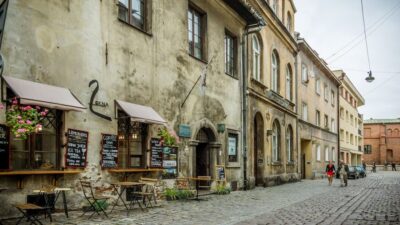
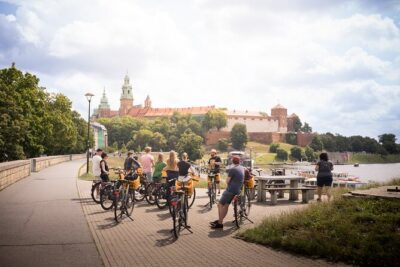
Full Bike Tour – the Old Town, Jewish Qtr & the Ghetto NEW BIKES
Read the review →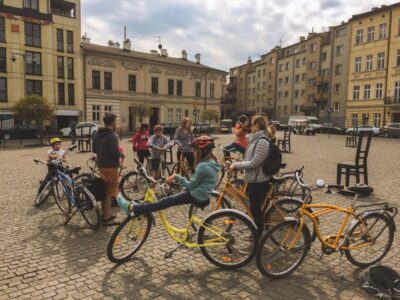
Bike Tour of the Old Town, Kazimierz, and the Ghetto
Read the review →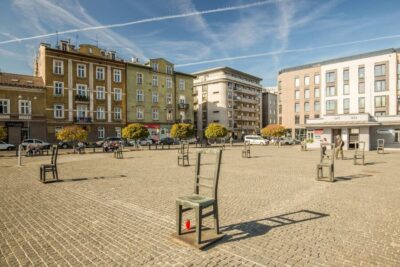
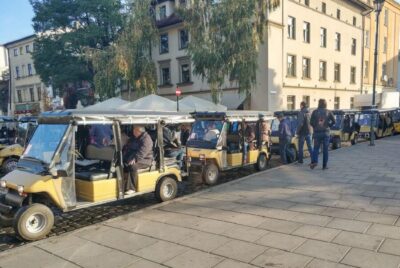
Jewish Quarter and Ghetto Electric Golf Cart Tour
Read the review →Browse the lists this tour appears in