
Reviewed · MUSEUMS
Warsaw: POLIN Museum of the History of Polish Jews Ticket
Warsaw’s POLIN Museum does something important: it tells the story of Polish Jews as a thousand-year history of community, work, belief, art, politics, and daily life, not only as a story of destruction. I like the chronological galleries, which give the Holocaust its proper place without making it the whole story. I also like the excellent audio guide, which can help you follow the displays at your own pace.
The main drawback is simple: this is a lot of museum. Two hours gives you a useful visit, but three to five hours lets the story breathe. The audio narration can also compete with the many wall texts, and school groups may make some areas noisy.
Key points to know before you go
- A thousand years in eight galleries: Follow Jewish life in Poland from the first settlements through the postwar revival.
- More than a Holocaust museum: The galleries give substantial attention to community life, culture, politics, religion, and everyday experience before 1939.
- Excellent self-guided audio: The Polish and English audio options explain each period clearly, with the system designed to guide you through the museum.
- Plan at least three hours: The core exhibition takes about two hours at a brisk pace, but careful readers can spend four to six hours inside.
- A moving visit near the Warsaw Ghetto Uprising monument: The museum adds context to the memorial outside and to visits to Auschwitz-Birkenau.
- Good value at $12: Same-day reentry, an included audio guide, seating areas, and an on-site cafeteria make this an easy museum to spend time in.
Why POLIN belongs on your Warsaw itinerary
The POLIN Museum of the History of Polish Jews is one of Warsaw’s strongest history museums. Its subject is large, and the museum wisely avoids reducing it to a single tragic chapter.
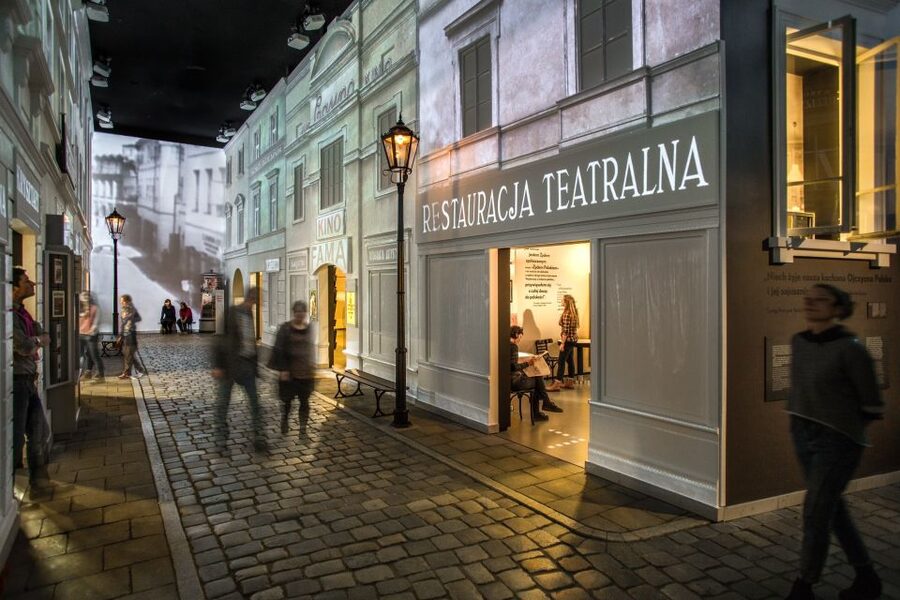
You begin with the arrival and growth of Jewish communities in Poland. From there, the displays follow changes in government, religion, trade, education, urban life, and Jewish self-government. Later sections examine modernization, political debate, antisemitism, the Second World War, the Holocaust, and the rebuilding of Jewish culture after 1945.
That order matters. If you visit only Holocaust memorial sites, you can leave with a picture of Polish Jewish life defined almost entirely by its final catastrophe. POLIN first shows you what was there: communities, institutions, beliefs, families, arguments, celebrations, work, and cultural contributions. The later destruction becomes more painful because you have seen the life that was lost.
I find the museum particularly useful before visiting Auschwitz-Birkenau or the Warsaw Ghetto memorials. It supplies the human and social setting that those sites cannot cover in the same way.
A few more things to do in Warsaw worth a look
- Warsaw: Polish Vodka Museum Tour with Tasting
★ 4.6 · 788 reviews - Warsaw: Museum World of Illusion Entry Ticket
★ 3.9 · 666 reviews - Warsaw: Ghetto, Jewish Cemetery & POLIN Museum Private Tour
★ 4.8 · 132 reviews
Entering the eight-gallery exhibition
The permanent exhibition is arranged chronologically across eight galleries. You move through the story rather than receiving a short, isolated display of objects.
The early sections explain how Jewish communities formed in Poland and how they lived within the wider political and religious world around them. Artifacts, painted material, visual displays, and recorded explanations help turn distant dates into something easier to grasp. You are not simply reading a list of rulers and wars. You are seeing how laws, migration, trade, and local communities shaped daily life.
One of the museum’s strengths is its attention to individuals. Jewish figures appear not as anonymous members of a minority, but as people who contributed to Polish society and shaped Jewish religious, political, and cultural life. This helps correct the common habit of treating Jewish history as a footnote to Polish history.
The exhibition also presents internal debate. Jewish communities were not all alike, and the museum shows differences in religious practice, political ideas, responses to modernization, and relationships with the surrounding society. That variety becomes especially useful in the later galleries, where questions of identity and political allegiance become more complicated.
Interactive displays that reward time
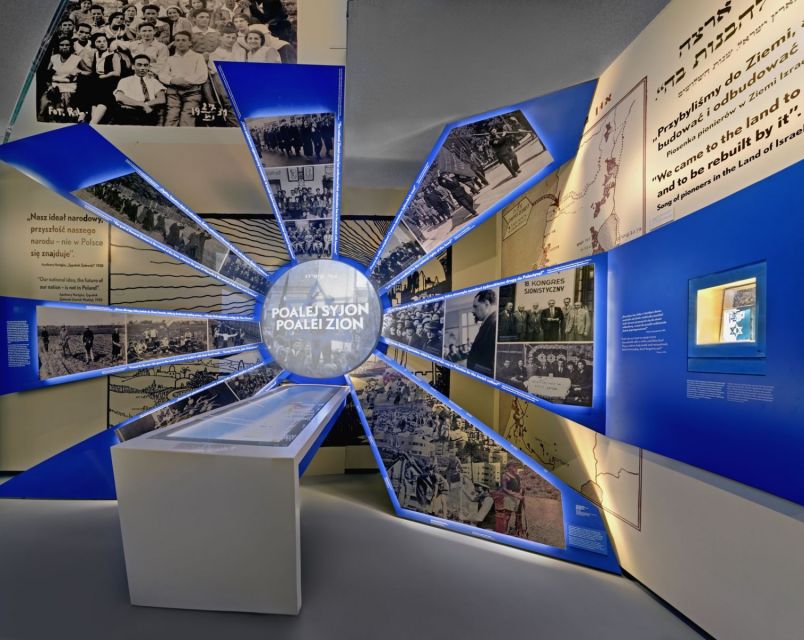
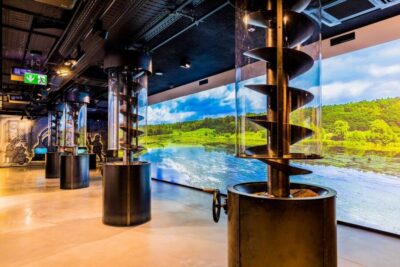
POLIN uses buttons, screens, sound, films, objects, paintings, and large-scale installations. The format is accessible, but this is not a lightweight museum. Many displays ask you to stop, listen, read, and make connections.
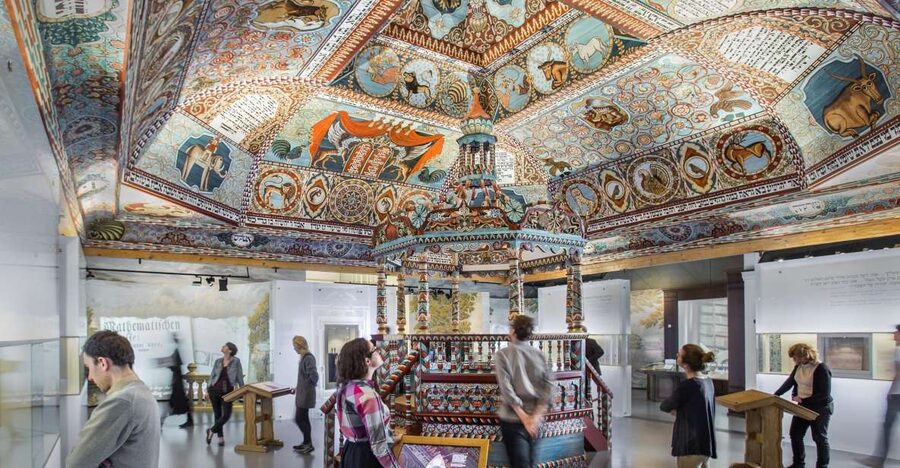
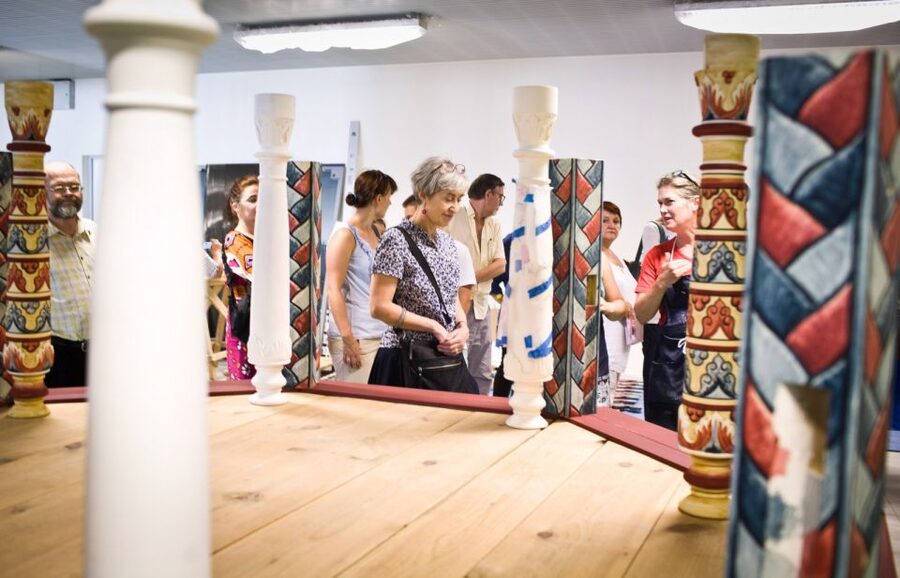
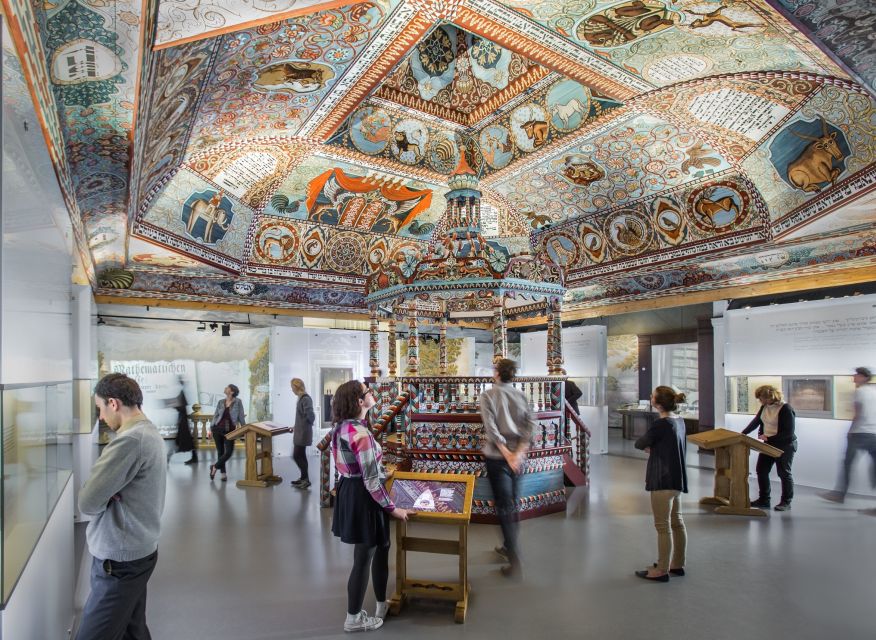
A striking feature is the reconstructed synagogue ceiling. It gives the museum a strong sense of place and shows how architecture and religious art can carry memory. It is one of the displays that can make a long historical period feel tangible rather than abstract.
The interactive material is helpful for families and for anyone who prefers more than text panels. You can hear explanations, examine visual material, and follow personal stories. The approach also makes it possible to choose your level of detail. You can move through the main narrative, or pause at individual displays and spend much longer with them.
The tradeoff is that the museum can feel crowded with information even when the building itself feels spacious. The early centuries contain a great deal of material. If you read every panel, the later sections may arrive when your attention is already fading. I suggest deciding in advance that you will not read every word. Listen to the main audio stops, then choose the displays that most interest you.
The Holocaust section and the story after 1945
The Holocaust section is difficult, as it should be, but the museum does not rely only on dramatic presentation. It explains how Jewish life was destroyed and shows the political, social, and religious effects of that destruction.
You see the loss of communities and the effect on the diversity of Jewish life in Poland. The displays connect the Holocaust to the larger history you have already followed, so the tragedy is not presented as an isolated event without context.
Some visitors may expect an even stronger focus on the Second World War. The museum’s purpose is broader, and that can feel like a limitation if you want a dedicated Holocaust museum. At the same time, the broader approach is one of the reasons POLIN is so valuable. It makes clear that Polish Jewish history did not begin in 1939, and that Jewish life was not simply erased from the story after 1945.
The final material looks at cultural revival after the war. This section gives you a chance to consider memory, identity, and the continuing presence of Jewish culture in Poland. It also keeps the museum from ending only with death and destruction.
If you have recently visited Auschwitz-Birkenau, POLIN provides a useful complement. If you plan to visit the Warsaw Ghetto Uprising monument, see the museum first or afterward, since the two places speak to each other. The museum can make the monument’s meaning more specific and personal.
Same base, a different kind of day:
- Warsaw: Chopin Concert in the Old Town
★ 4.8 · 2,287 reviews - Warsaw: Traditional Galar Cruise on The Vistula River
★ 4.6 · 1,640 reviews - Warsaw: Old Town Highlights Walking Tour in English
★ 4.7 · 1,516 reviews - Warsaw Concert: Chopin – Painted by Candlelights with Wine
★ 4.8 · 1,442 reviews
How the audio guide works
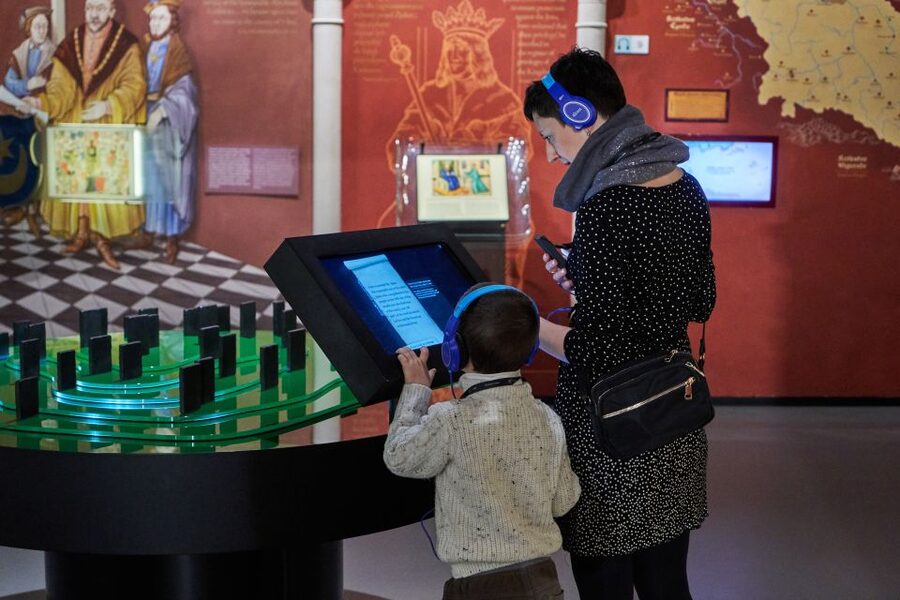
The audio guide is included with the ticket, and it is one of the main reasons this visit works well without a private guide. The English narration is clear and detailed. The system is designed to recognize your position and provide the appropriate explanation as you move through the exhibition.
You can use it as a full tour, or listen selectively. A full listening route takes longer, especially if you also read the wall text. I often recommend using the audio for the main historical outline, then pausing it when you want to study an object or installation.
There is a practical drawback. The museum contains plenty of written material, so listening and reading at the same time can be tiring. Some visitors find the audio distracting when they are trying to examine a display. You can solve this by stopping the narration, reading first, and then restarting it.
The ticket does not include a live guided tour. If you want conversation, questions, or a guide who can adjust the pace, you would need to arrange that separately. For most independent visitors, the audio guide offers enough structure and background.
How long should you stay?
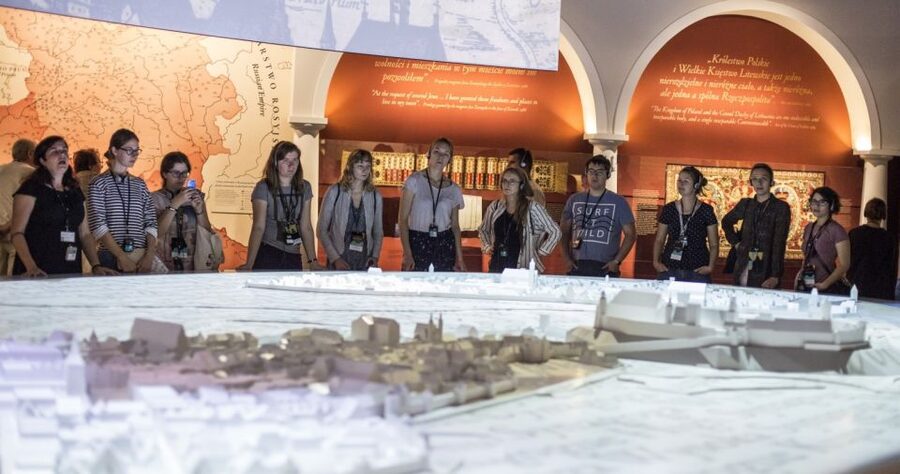
The official estimate for the core exhibition is about two hours. That is realistic if you keep moving and focus on the main points.
I would plan three hours for a satisfying first visit. That gives you time for the chronological story, selected interactive displays, the synagogue ceiling, and the Holocaust and postwar sections without racing. Four hours is better if you read carefully or use the audio guide in full.
Some people spend five or six hours inside, especially if they want to examine nearly every display. The museum has seating areas, which makes a long visit easier. You can also leave for lunch and return on the same day, a useful option because the ticket is valid for one day.
The museum cafeteria is another practical advantage. It has informal service, generous portions, and good-quality food according to the information provided for this experience. You do not need to leave the area just because you need a break.
Wear comfortable shoes. The visit involves a great deal of standing and walking, and a small portable seat is useful for anyone who tires easily. There are rest areas, but they may not always be close to the display you want to study.
The setting near the Warsaw Ghetto memorial
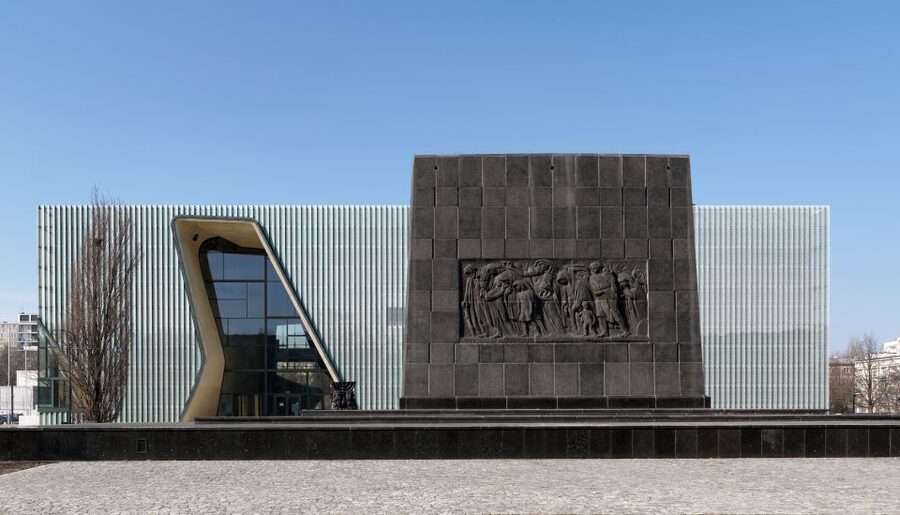
The museum is in the former Jewish neighborhood area, close to the Warsaw Ghetto Uprising monument. That location gives the visit extra weight.
The building and the nearby memorial serve different purposes. The monument commemorates resistance and sacrifice. POLIN supplies the long story before, during, and after the uprising. Together, they help you understand that the ghetto was not an isolated place without a past. It was part of a much older Jewish presence in Poland.
You can visit the museum on its own, but allow time outside to see the memorial as well. The museum’s historical sequence can make the outdoor site more meaningful, while the monument can help you reflect on the final sections of the exhibition.
Price, access, and practical details
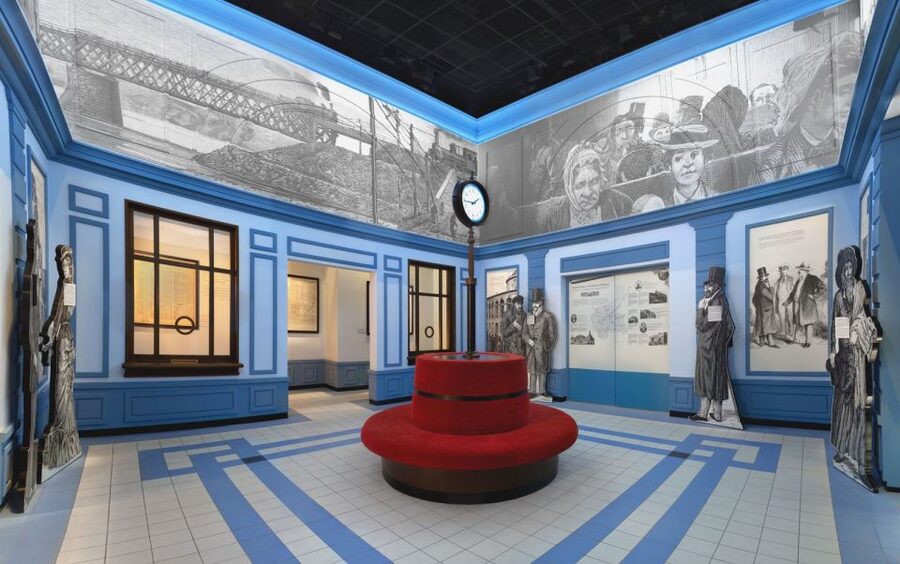
At about $12 per person, the ticket offers good value for a major museum visit. You receive access to the permanent exhibition, a temporary exhibition if one is available, and the audio guide. Since you can leave and return during the same day, you are not forced to complete the entire visit in one exhausting stretch.
You present your voucher at the museum. Oversize luggage is not allowed, and every visitor must pass through electronic security screening before entering the core exhibition. Allow a little extra time for that process.
POLIN is wheelchair accessible. Children aged seven and younger may enter free, and children aged twelve and younger must be supervised by an adult at all times.
The museum is closed on Tuesdays. Admission to the exhibition ends two hours before the museum’s closing time, so do not arrive late in the day expecting to complete a full visit. Check the available entry time before booking, even though the ticket remains valid for the day.
Free cancellation is available up to 24 hours before the visit, and you can reserve now and pay later. Those options are helpful when your Warsaw plans depend on weather, train schedules, or a changing sightseeing plan.
Who will get the most from POLIN?
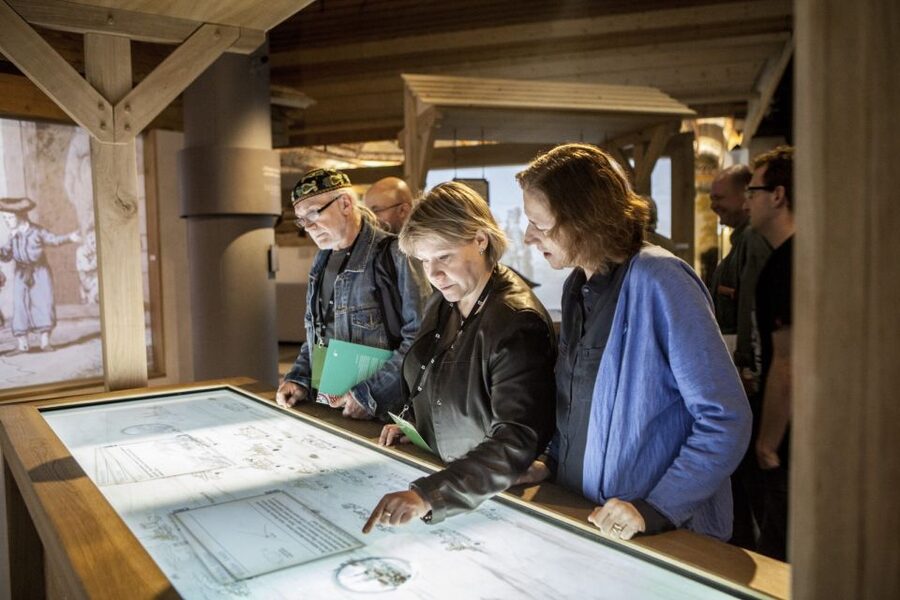
I recommend POLIN to anyone interested in Polish history, European history, religion, migration, minority communities, or the Second World War. You do not need Jewish family connections or specialist knowledge to follow the exhibition.
It is also a strong choice for families with older children and teenagers, since the interactive elements provide a break from long blocks of text. Younger children may not have the background or attention span for the full exhibition, and children twelve or younger require adult supervision.
The museum works especially well for people who like to set their own pace. You can spend ten minutes on a major historical period or half an hour with a personal story. The audio guide gives structure without forcing you to join a group.
You should think twice if you have only forty-five minutes in Warsaw. The ticket is inexpensive, but the museum deserves more time than that. You may also find the visit emotionally demanding, especially in the Holocaust section. The presentation is restrained, but the subject itself is heavy.
A sensible way to plan your visit
For a two-hour visit, follow the main route and use the audio guide selectively. Give priority to the early community galleries, the material on Jewish life before the war, the Holocaust section, and the final section on postwar cultural revival.
For three to four hours, listen to most of the audio guide and pause for the displays that catch your attention. This is the best balance for many visitors.
For a half-day visit, read widely, examine the interactive installations, take a break at the cafeteria, and return to the galleries with fresh attention. The same-day reentry policy makes this possible.
Do not schedule Auschwitz-Birkenau and POLIN back-to-back if you know that heavy historical sites wear you down. Both are important, but they ask for concentration and emotional energy. Give each one room in your itinerary.
Should you book the POLIN Museum ticket?
Yes, if you can spare at least two hours and preferably three. The $12 price is fair for the amount of material, and the included audio guide makes the visit easy to manage without a live guide.
Book it if you want to understand Jewish life in Poland before the Holocaust, not only the tragedy itself. Choose a shorter visit only if your schedule is tight, and arrive early enough to avoid losing access two hours before closing.
POLIN is a serious museum, but it is not cold or difficult to enter. Its displays, sound, objects, and personal stories give you many ways into the subject. For a fuller understanding of Warsaw’s Jewish past and present, this is one of the city’s most worthwhile stops.
FAQ
How much does the POLIN Museum ticket cost?
The listed price is $12 per person.
What does the ticket include?
The ticket includes access to the permanent exhibition, access to a temporary exhibition if one is available, and an audio guide.
Is a live guided tour included?
No. A guided tour is not included. The ticket provides an audio guide instead.
How long does a visit take?
The core exhibition is estimated to take about two hours. Plan three hours for a more relaxed visit, and four to six hours if you want to read and listen to most of the material.
Can I leave the museum and return?
Yes. You may leave for lunch and return on the same day, as long as the ticket remains valid for that day.
Is the museum open every day?
No. The museum is closed on Tuesdays.
What languages are available for the audio guide?
The listed languages are Polish and English.
Is the museum wheelchair accessible?
Yes, the museum is wheelchair accessible.
Can I bring oversize luggage?
No. Oversize luggage is not allowed.
Are children admitted free?
Children aged seven or younger may enter free of charge. Children aged twelve or younger must be supervised by an adult at all times.
Just added in Warsaw
- A unique walking tour of Jewish Warsaw — past and present★ 5.0 · 8 reviews
- Tour from Warsaw: Wolf’s Lair, Hitler’s HQ Zones I and II★ 5.0 · 32 reviews
- Wolf’s Lair Private Day Trip from Warsaw★ 5.0 · 50 reviews
- Wolf’s Lair & Treblinka Tour in 1 day from Warsaw★ 5.0 · 37 reviews
- Warsaw: The Original Pub Crawl★ 4.5 · 97 reviews
- Warsaw: Gun Shooting Experience with Transfers★ 4.8 · 97 reviews
- Jewish Warsaw Walking Tour★ 5.0 · 95 reviews
- Warsaw Traditional Food Tour with Adrian★ 5.0 · 113 reviews
Museums, compared.
Auschwitz-Birkenau Museum and Memorial Guided Tour from Krakow
Read the review →
Krakow Schindler’s Factory Museum Guided Tour in English
Read the review →
Auschwitz Birkenau Museum Guided Tour with Pickup
Read the review →
Browse the lists this tour appears in