Reviewed · TOURS IN WARSAW
13-Day Highlights of Poland Tour – private for 2-10 persons
Poland’s story unfolds in big, memorable chapters on this 13-day trip: rebuilt Warsaw, medieval Malbork, Solidarity-era Gdansk, Auschwitz, the Black Madonna, and Krakow’s royal center. You travel by private vehicle, with hotels, breakfasts, dinners, guides, and most major entries arranged ahead of time.
I like the wide national sweep and the chance to sleep in a restored 14th-century castle. I also like the practical ease: airport transfers, long drives, restaurants, and admission tickets are handled for you. The tradeoff is a busy schedule with several long driving days, so this suits you best if you prefer seeing a lot of Poland to lingering in one town.
The Poland highlights that matter most
- Sleep in a Warmian castle: Lidzbark Bishops’ Castle gives you a rare overnight in a restored medieval setting, with optional pool, sauna, bowling, and cycling.
- Ride the Elblag Canal: A two-hour cruise includes the unusual canal system built in the 19th century and recently renovated.
- Cover Poland’s major eras: Warsaw’s wartime destruction, Gdansk’s Solidarity movement, Auschwitz, royal Krakow, and Poland’s Catholic traditions all appear.
- Mix museums with open air: You visit Malbork Castle, Biskupin’s reconstructed settlement, the Wieliczka Salt Mine, and the Schindler Factory Museum.
- Add real outdoor time: Dunajec River rafting, a Gubalowka cable-car ride, and an optional Tatra valley walk break up the museum visits.
- Travel with a small private group: The tour is designed for 2 to 10 people, although the general description also gives a maximum of 15, so confirm the exact group limit before paying.
From Warsaw’s rebuilt center to the Baltic coast
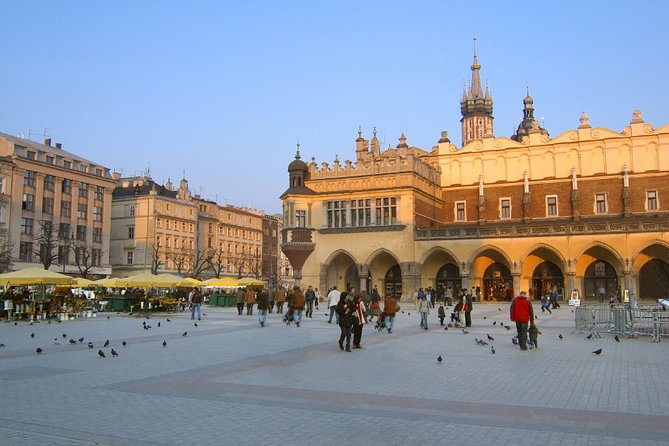
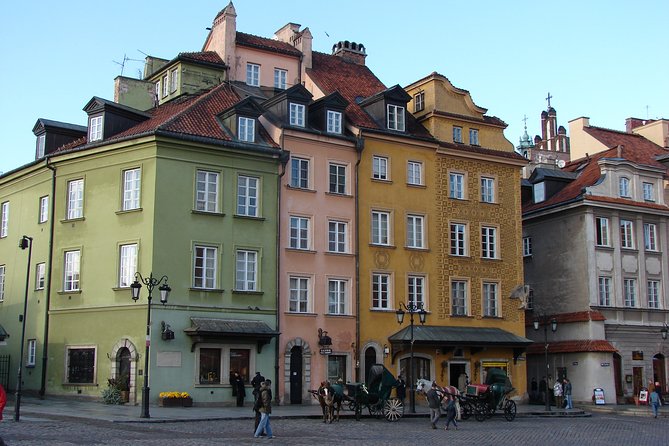
Your tour begins with an airport pickup at Warsaw Chopin Airport, followed by a city tour later that afternoon. Warsaw is an important first stop because the city you see today was largely rebuilt after World War II. The Old Town, Royal Castle, Lazienki Park, Chopin monument, and Warsaw Uprising Monument introduce the country’s modern story in a compact five-hour outing.
Lazienki is the gentler part of the day. You walk through its gardens, see the Palace on the Water, and pause at the Chopin monument. The Royal Castle is viewed from outside on this first afternoon, so don’t expect a full castle visit until later in the trip at Wawel.
A welcome dinner in the Old Town gets the group started over Polish food. That evening matters more than it may seem. After airport pickup and sightseeing, having dinner arranged means you can avoid the first-night problem of finding a restaurant while tired and unfamiliar with the city.
Day two is a long haul north. The drive to Masuria takes about four and a half hours before you reach Wolf’s Lair, one of Hitler’s wartime headquarters. A local specialist leads the visit, giving the site more context than a quick stop and photograph would provide.
The afternoon brings one of the tour’s most unusual lodging choices: a night in the restored Lidzbark Bishops’ Castle. You have free time for the castle pool and sauna, while bowling and cycling are available for an extra fee. This is a good place to slow down after the long drive, though the castle stay is not a substitute for a full day in Masuria’s lake country.
A few more things to do in Warsaw worth a look
- Private Tour: Warsaw City Sightseeing by Retro Fiat
★ 5.0 · 562 reviews - Warsaw: Warsaw Ghetto Private Walking Tour with Hotel Pickup
★ 4.9 · 369 reviews - Private Tour: Warsaw’s Jewish Heritage by Retro Fiat
★ 5.0 · 208 reviews
Malbork, the Elblag Canal, and Gdansk
Day three opens with the Elblag Canal cruise from Buczyniec. The two-hour ride is a welcome change from the road, and the canal’s engineering gives you something different from the usual castle-and-church circuit. The route was built in the 19th century and later renovated, and it is treated as one of Poland’s major tourist wonders.
Then comes Malbork Castle, the enormous Teutonic fortress that is one of the trip’s visual high points. Its scale helps explain the power of the medieval Teutonic Knights better than a short museum visit could. Wear comfortable shoes and expect a substantial visit, since the complex is far more than one photogenic facade.
You continue to Gdansk for dinner and a hotel stay. The next morning brings the city’s main sights: the Basilica, Neptune Monument, Long Market area, the medieval Crane, and the harbor. The focus is broad rather than slow, so you get a strong introduction but limited free time for side streets or independent shopping.
Gdansk also gives the tour its modern political chapter. You visit Westerplatte, the place identified with the beginning of World War II, and the city connected with the Solidarity movement. At Oliwa Cathedral, a Baroque pipe-organ concert adds music to the day. Then you go to Sopot, a Baltic resort town with Europe’s longest wooden pier, for a walk beside the sea.
Dinner is on your own in Gdansk. I consider that a useful break in a schedule otherwise built around group meals, but you will need to choose your own restaurant and manage the evening timing.
Torun, Biskupin, Gniezno, and Poznan
Torun follows on day five. This attractive Vistula River city is associated with Nicolaus Copernicus, and the guided Old Town walk includes the city hall, cathedral, and Copernicus’s home. The museum visit gives the scientist a local setting rather than presenting him as an isolated name from a schoolbook.
The itinerary then moves to Biskupin, an open-air archaeological museum with a reconstructed settlement dating to about 750 BC. This is a strong choice for anyone who likes history before the medieval period, and the outdoor setting helps break up the sequence of churches and city squares.
In Gniezno, you visit the cathedral with a local guide. The town is presented as Poland’s historic first capital, so this stop adds early Polish statehood to the story before you continue to Poznan.
Poznan’s guided tour includes its impressive Town Hall and the country’s oldest cathedral, with tombs connected to Poland’s first rulers. The day ends with a drive to Czestochowa. Evening Mass at the Black Madonna monastery is possible, but dinner is on your own, and the schedule leaves little room for a relaxed Poznan evening.
Czestochowa and Auschwitz
Czestochowa is one of Poland’s major Catholic pilgrimage centers. At Jasna Gora Monastery, a Pauline Father guides your visit to the Black Madonna, also called the Queen of Poland. The tour gives the religious setting proper attention rather than treating it as a quick photograph, though the spiritual focus may be less appealing if churches are not central to your interests.
You leave before noon for Oswiecim, the Polish town associated with Auschwitz-Birkenau. The guided visit lasts about four hours and is one of the most serious parts of the trip. The former Nazi German concentration and death camp is now a memorial museum, and you should expect a sober, emotionally demanding visit.
That night is spent near Oswiecim before the route turns toward southern Poland. This overnight placement makes practical sense. It avoids adding another long return drive after Auschwitz and gives the next day a cleaner start.
Same base, a different kind of day:
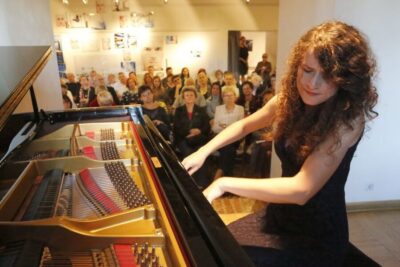
- Warsaw: Chopin Concert in the Old Town
★ 4.8 · 2,287 reviews - Warsaw: Traditional Galar Cruise on The Vistula River
★ 4.6 · 1,640 reviews - Warsaw: Old Town Highlights Walking Tour in English
★ 4.7 · 1,516 reviews - Warsaw Concert: Chopin – Painted by Candlelights with Wine
★ 4.8 · 1,442 reviews
Wadowice, Dunajec rafting, and Zakopane
On day nine, the group stops in Wadowice, the hometown of Pope John Paul II. You visit the basilica where he was baptized, and the guide offers his famous cream cakes. It is a small food detail, but it gives the stop a local flavor after the solemnity of Auschwitz.
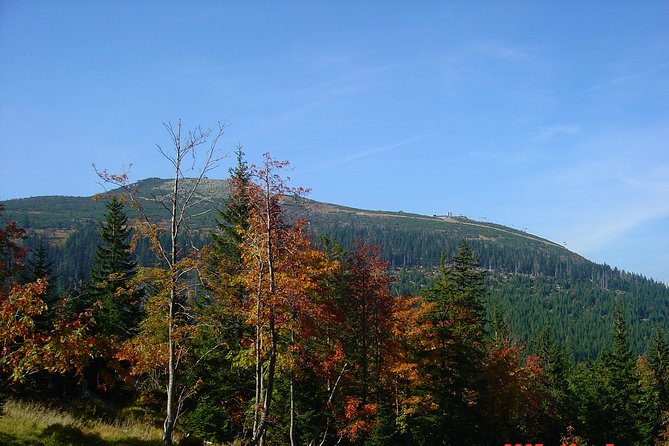
The afternoon brings one of the trip’s best changes of pace: rafting on the Dunajec River through Pieniny National Park. Uplander raftsmen pilot the traditional rafts, while you pass views of the Niedzica and Czorsztyn castles and limestone walls along the gorge. The activity is included and lasts about three hours, making it a substantial outdoor experience rather than a token scenic stop.
You reach Zakopane in the evening for a regional dinner with live music. The mountain resort is known as Poland’s winter capital, and its wooden architecture gives the town a look distinct from the brick Gothic cities visited earlier.
The next morning includes a city tour and a funicular ride up Gubalowka. From the top, you get broad views of the Tatra Mountains. The afternoon is free for shops and handmade crafts, with an optional two-hour guided walk into one of the Tatra National Park valleys.
The optional wording matters. The tour includes the Gubalowka ride, but the valley walk is an add-on choice, so ask the tour leader about timing and fitness needs if you want the hike. A moderate fitness level is required overall, and you should expect walking on castle grounds, city streets, museum routes, and uneven historic surfaces.
Wieliczka and Krakow’s royal heart
Leaving Zakopane, you visit the Wieliczka Salt Mine. The underground route is kept at about 14 degrees Celsius, so bring a sweater or light jacket even if the weather above ground is warm. The mine includes salt sculptures, St. Kinga’s Chapel, former mining equipment, chambers, and underground lakes.
The stop lasts about three hours, and the walking route is a major part of the day. It is not simply an elevator ride into a cavern. If enclosed spaces or extended walking are difficult for you, this is one part of the itinerary to consider carefully.
Next comes a one-hour guided visit to Oskar Schindler’s Enamel Factory Museum. The museum places Krakow’s wartime experience in a more personal setting and pairs well with the earlier visits to Warsaw, Wolf’s Lair, Westerplatte, and Auschwitz.
Dinner is again on your own, then you check into your Krakow hotel. I like having this independent evening before the final full sightseeing day, since Krakow offers plenty to look at around the center even if the organized program is already full.
The last full day begins at Wawel Hill. You visit the Royal Castle and Coronation Cathedral, where Polish kings and prominent figures are buried. The Royal Chambers include Flemish tapestries, giving the visit an art and court-life angle alongside the political story.
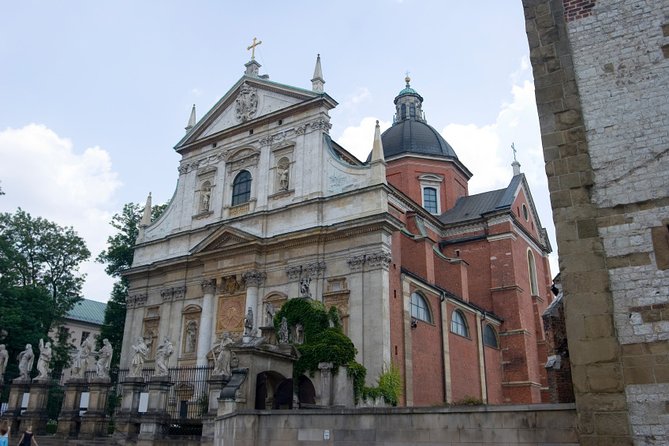
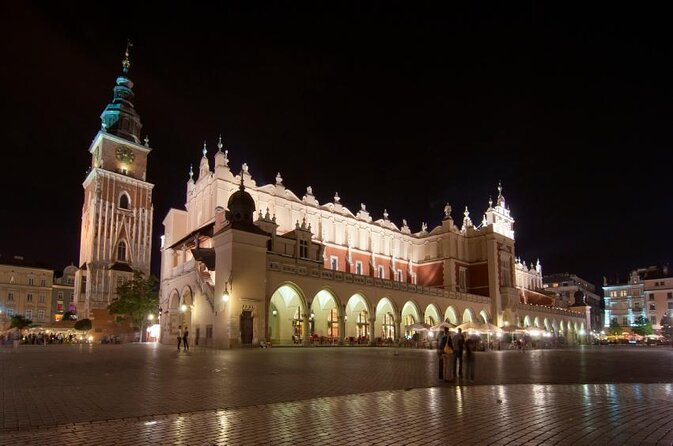
From Wawel, the walking tour continues into Krakow’s Old Town, with its defensive walls, Barbican, Market Square, St. Mary’s Basilica, and Cloth Hall. St. Mary’s includes the famous 15th-century wooden altarpiece, while the Market Square gives you a natural place to pause and orient yourself.
Krakow was not destroyed during World War II, so its old center feels much more continuous than Warsaw’s rebuilt core. That contrast is one of the smartest features of the route. You see both a city recreated from ruins and a city where medieval and royal spaces survived.
What the $5,350 price covers
At $5,350 per person, this is a major purchase. The value comes from the amount of administration removed from your trip: private vehicle transport, airport transfers, 3-star and 4-star hotels, 12 breakfasts, 12 dinners, licensed and local guides, and attraction entries are included.
You are also paying for routing. Poland is large enough that arranging Warsaw, Masuria, Gdansk, Torun, Poznan, Czestochowa, Auschwitz, Zakopane, Wieliczka, and Krakow on your own would require careful hotel planning and several transport decisions. The private vehicle saves you from changing trains with luggage and makes remote stops such as Wolf’s Lair, Biskupin, and the Dunajec Gorge possible in one connected trip.
The price does not cover every meal. Three dinners are specifically left to you, and optional activities such as castle bowling, cycling, or other paid extras are separate. The hotel standard is comfortable and practical rather than luxury-focused, and you should judge the price by the time saved and the number of included entries, not by expecting resort-level lodging.
The private format is useful for families, couples, and small friend groups who want a set route but more personal attention than a large coach tour. The supplied material refers to private groups of 2 to 10 and also gives a maximum of 15, so confirm the actual departure size. Previous departures have included driver-guides named Witek and Grzegorz Brzostek, but your assigned guide may differ.
Who should book this Poland tour
Book it if you want Poland’s major sights in one organized trip and you value a driver who handles the long distances. It is especially strong for first-time visitors, people tracing Polish family roots, travelers interested in Catholic sites, and anyone who wants both city culture and mountain or river scenery.
You should also be comfortable with early starts, frequent hotel changes, and several days that combine hours on the road with serious sightseeing. This is not a slow holiday based in two or three cities. It is a moving tour with a full calendar.
The tour has a five-star rating from eight submitted reviews, and the strongest praise centers on careful handling of the practical details, accommodating driver-guides, clear explanations, and the way the route combines well-known places with less usual stops. Those strengths are most useful when you want to learn as you go rather than research every transfer yourself.
The experience is non-refundable, and a minimum number of participants is required for the departure. Because of that firm policy, check your dates, fitness level, group size, and tolerance for long drives before booking.
Should you book it?
I would choose this tour if I had 13 days, wanted to see both northern and southern Poland, and preferred one private vehicle over a patchwork of trains and hotels. The castle overnight, Elblag Canal, Malbork, Dunajec rafting, and Wieliczka add enough variety to keep the route from becoming a string of city walks.
I would look elsewhere if you want generous free time, upscale hotels, or a relaxed pace. For the right person, the $5,350 cost buys a well-connected first look at Poland, with the difficult planning already done and the country’s biggest stories placed in a sensible sequence.
FAQ
Where does the tour start?
The tour starts with pickup at Frederic Chopin Airport in Warsaw, Poland. The listed start time is 9:00 am.
Where does the tour end?
The tour ends in Krakow, with a transfer by private driver to Krakow Airport after checkout on day 13.
How long is the experience?
The tour lasts approximately 13 days.
What size group can book the private tour?
The tour is described as private for groups of 2 to 10 people. Another part of the description gives a maximum of 15, so confirm the exact group limit before booking.
Are hotels included?
Yes. Accommodation in 3-star and 4-star hotels is included, with one night in a renovated 14th-century castle in Lidzbark Warminski.
Are meals included?
The package includes 12 breakfasts and 12 dinners. Dinner is on your own on days four, seven, and eleven.
Is transportation included?
Yes. An air-conditioned private vehicle, arrival and departure airport transfers, and transport between the destinations are included.
What fitness level is needed?
A moderate physical fitness level is recommended. The program includes walking tours, castle and museum visits, the Wieliczka Salt Mine, the Gubalowka ride, and an optional two-hour walk in Tatra National Park.
Just added in Warsaw
- Warsaw Zoo Skip-the-Line Entry Ticket with Private Transport★ 4.8 · 3 reviews
- Warsaw Private Wilanow Palace & Garden Tour★ 4.6 · 30 reviews
- Warsaw: Vodka Tour★ 4.4 · 18 reviews
- Warsaw Wolf’s Lair with St. Lipka and Mamerki Private Guided★ 4.2 · 3 reviews
- Warsaw Uprising and WWII Old Town Walking Tour with Museum★ 4.7 · 15 reviews
- Warsaw Old Town UNESCO HERITAGE walking tour in English★ 4.5 · 23 reviews
- Warsaw: Private Vodka Tasting Night with Snacks and Pickup★ 5.0 · 7 reviews
- Warsaw: Skip-the-Line Royal Castle Guided Tour★ 4.9 · 79 reviews
Tours in Warsaw, compared.
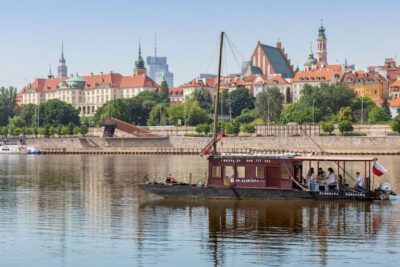
Traditional Galar Cruise on The Vistula River
Read the review →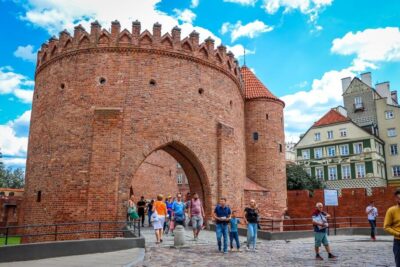
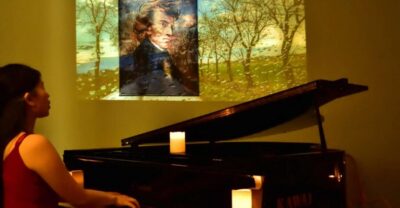
Warsaw Concert: Chopin – Painted by Candlelights with Wine
Read the review →
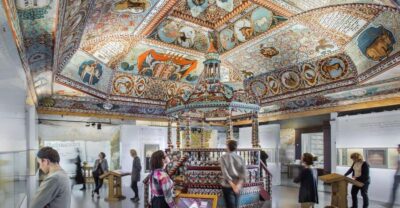
POLIN Museum of the History of Polish Jews Ticket
Read the review →
#1 Pub Crawl Warsaw with Optional Premium 1 Hour Open Bar
Read the review →