
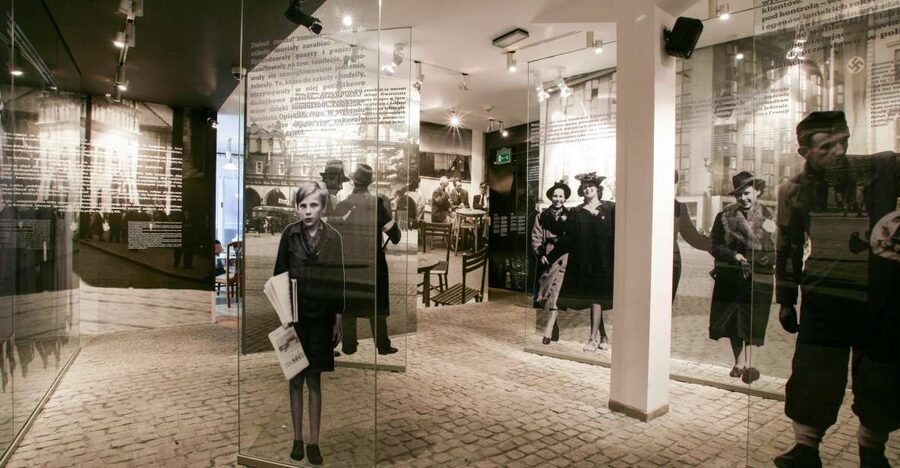
Reviewed · SCHINDLER'S FACTORY TOURS
Krakow: Schindler’s Factory Guided Tour with Entry Ticket
Oskar Schindler’s former factory tells a much bigger story than the film Schindler’s List. Inside, you follow Krakow before, during, and after the Nazi occupation, then reach the rooms explaining how Schindler used his factory to protect about 1,200 Jewish workers.
I like the excellent historical context, which helps you understand the city rather than just one heroic figure. I also like the English-speaking guides, many of whom bring real care and personality to the subject. The main drawback is that the museum can be crowded and tight, so a guide may move you along before you have read every caption.
Key points to know before you book
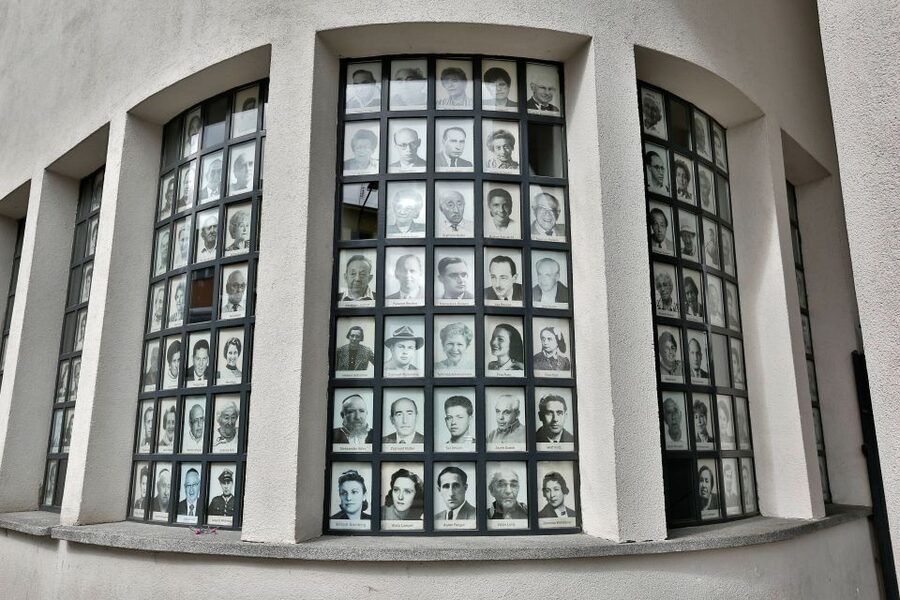
- The factory is now a museum: You visit the original Oskar Schindler Enamel Factory at ul. Lipowa 4.
- The story reaches beyond Schindler: The permanent exhibition covers Krakow’s Polish and Jewish communities, Nazi rule, the ghetto, and Płaszów.
- The guided visit lasts about 100 minutes: Some descriptions refer to 90 minutes, so allow roughly one and a half to two hours.
- The guide makes a real difference: Ewa, Michael, Ava, Kamil, Kate, and others have been praised for clear English and strong presentation.
- Prebooking saves time: The ticket includes entry and lets you skip the ticket line.
- Bring identification: A passport or ID card is required, and the activity is listed as unsuitable for wheelchair users.
Why Schindler’s Factory is not simply a film museum
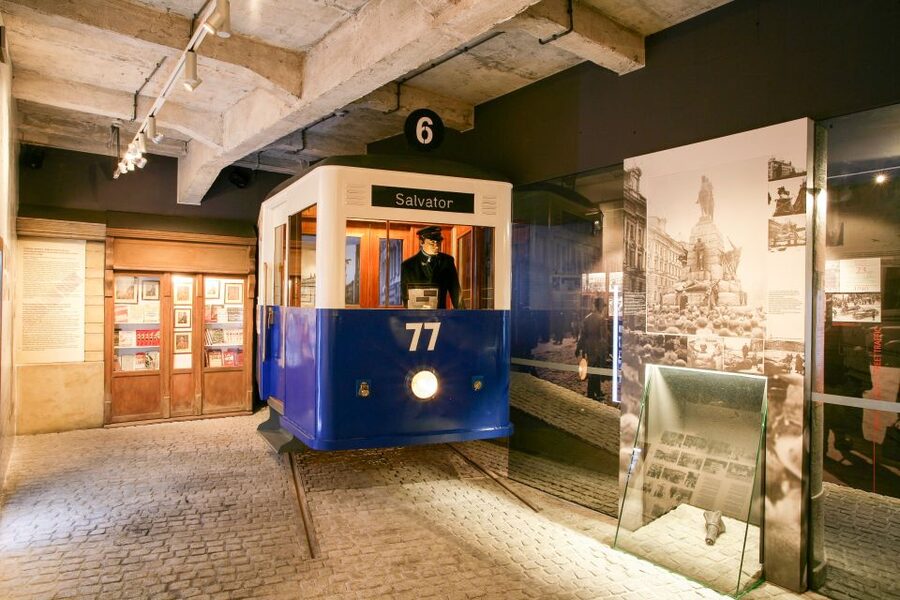
If you arrive expecting film sets, you may be surprised. This is not a recreation of Spielberg’s production, and the focus is not limited to Oskar Schindler.
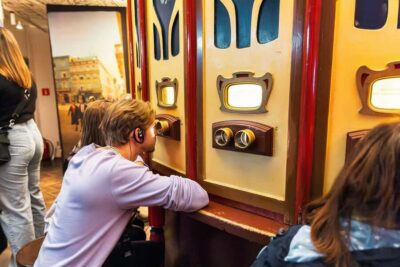
The museum’s permanent exhibition, Kraków Under Nazi Occupation 1939 to 1945, uses photographs, documents, films, objects, sound, and reconstructed settings to explain what happened to the city and its people. Schindler is one thread in that story, but not the whole fabric.
That wider view is the museum’s great strength. You learn about Krakow before the war, the first months of German occupation, the treatment of the city’s Jewish population, the creation of the ghetto, and the Płaszów Concentration Camp. Only after that groundwork do you reach the rooms focused on Schindler and the people he saved.
I think this order matters. Without it, Schindler can look like a lone movie hero floating outside the events around him. The exhibition shows the difficult setting in which his choices took place, while also giving attention to the thousands who suffered and the people whose lives were not saved.
More Schindler's Factory tours from Kraków:
- Krakow: Oskar Schindler’s Factory Entry Ticket & Guided Tour
★ 4.2 · 3,793 reviews - Krakow: Schindler’s Factory Tour with Entrance Ticket
★ 4.5 · 3,182 reviews - Krakow: Schindler’s Factory Skip-the-Line Ticket
★ 4.4 · 3,105 reviews
Meeting at ul. Lipowa 4
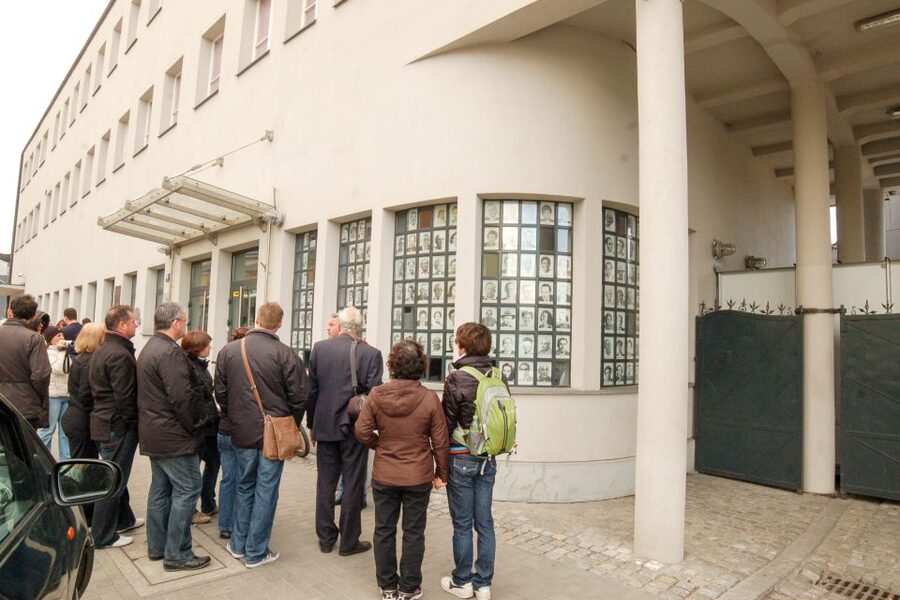
The tour begins in front of the museum entrance at ul. Lipowa 4, at the original factory site. There are two listed starting options, but both refer to the same museum location.
Your ticket includes entry, and the booking option is designed to let you skip the regular ticket line. That matters here because the museum can sell out and queues can be long, particularly when demand is high. If the Schindler story is one of your main reasons for visiting Krakow, booking ahead is a sensible move.
You should bring a passport or ID card. Food and drinks are not included, and this is a museum visit rather than a meal stop, so plan around it if you have a packed day.
The activity is offered in English with a live guide. Guide quality is a major part of the experience. Names praised in past visits include Ewa, Eva, Michael or Michal, Ava, Kamil, Kate, and Joanna. You may not receive one of those exact guides, but the strongest feedback consistently points to clear English, careful preparation, and a genuine interest in the subject.
Krakow before the war: the setting Schindler’s story needs
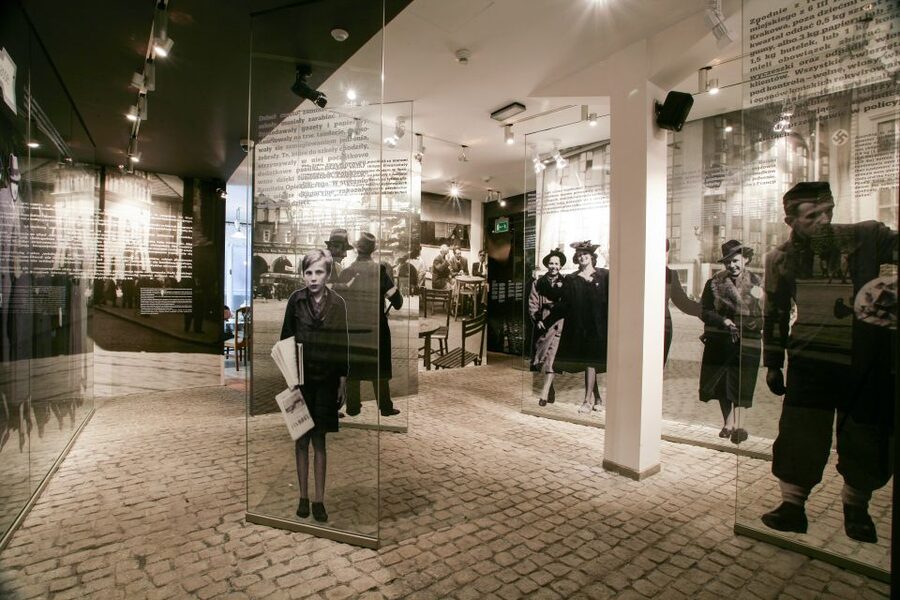
The first part of the tour places Krakow before the German invasion. You hear about the city’s Polish and Jewish residents and the way they lived and worked together before the war.
This section can feel less dramatic than the rooms covering persecution, but do not wish it away. It gives you a picture of the community that was later torn apart. It also keeps the exhibition from reducing Jewish life to wartime suffering alone.
The museum uses photographs and personal records to put faces to the city’s story. You may find that these early rooms take longer to absorb than expected because they establish relationships, streets, workplaces, and daily life before the violence begins.
A guide is especially useful here. The displays contain much more text than you can comfortably read during a 100-minute visit. A good guide selects the main points, explains what you are seeing, and connects one room to the next.
Nazi occupation, the Krakow ghetto, and Płaszów
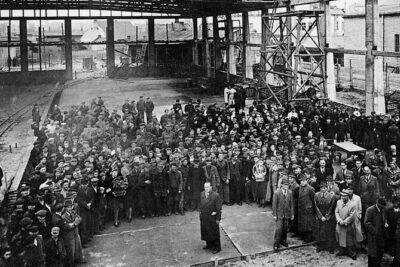
The exhibition then moves through the Nazi occupation and the changing reality of life in Krakow. You learn about the first months of German rule, the restrictions placed on Jewish residents, and the creation of the Krakow ghetto.
The experience is serious and at times upsetting. It includes photographs, documents, personal accounts, films, and displays about the people affected by Nazi policy. This is not a light sightseeing stop, and I would not try to squeeze it between several cheerful attractions without giving yourself time to reset afterward.
The section on Płaszów adds another layer to the story. The camp is closely linked with Schindler’s List, but the museum presents the wider system of imprisonment and forced labor rather than relying on the movie’s emotional shortcuts.
Sound and film help make the exhibition more immediate. They also create a practical problem: some rooms are narrow and can become noisy. One guide may be easy to hear in a quiet corner but harder to follow when several groups are nearby. If you use the provided listening equipment, be aware that some past visitors found the supplied earphones poor quality and preferred their own headset.
A few more things to do in Kraków worth a look
- Krakow to Auschwitz Birkenau Guided Tour with Transfer and Ticket
★ 5.0 · 8,197 reviews - Krakow: Wieliczka Salt Mine Fast-Track Ticket & Guided Tour
★ 4.5 · 5,872 reviews - Auschwitz Birkenau Guided Tour with Ticket Hotel Pickup Small Van
★ 5.0 · 4,769 reviews - From Krakow: Wieliczka Salt Mine Tour & Skip the Line Ticket
★ 4.4 · 3,925 reviews
The Schindler rooms and the people he saved
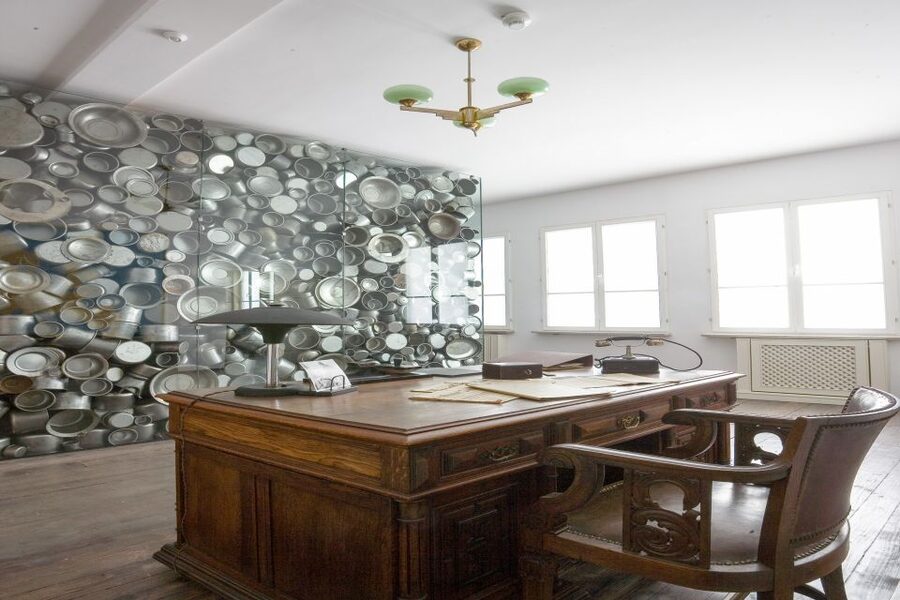
The final major part focuses on Oskar Schindler and the Jewish workers whose lives he helped protect. The museum includes memories and mementoes connected with Schindler, along with material about the factory and the people involved.
The number often associated with his rescue is about 1,200 Jews. The important point is that the museum does not treat this only as a polished Hollywood tale. It gives you the historical setting, the moral uncertainty, and the human cost around Schindler’s actions.
That makes the visit more useful for anyone who has seen the film. The movie gives you a powerful emotional introduction, but the museum adds local detail and a broader view of Krakow. If you have not seen the film, you can still follow the tour, though knowing the basic story may help you recognize the people and events being discussed.
One limitation is the balance of time. Several people have found that the early and middle sections receive strong attention, while the final material about the ghetto and the people Schindler saved can feel rushed. You may want to return to the last rooms after the guided portion ends.
What the 100-minute guided format does well
The advertised duration is 100 minutes, while some descriptions refer to a 90-minute tour. In practice, plan for about one and a half to two hours, depending on the exact start time and how long you remain afterward.
A guide is valuable because the museum is packed with information. You get the basic timeline, explanations of major displays, and a human connection to the events. Several guides have been praised for answering questions, controlling large groups, and keeping the story moving in difficult, narrow spaces.
The best guides do not merely recite dates. They explain Krakow from a local point of view and show how the city changed before, during, and after the war. Michael or Michal, Ewa, Ava, and Kamil have each been singled out in past feedback for strong English, engaging delivery, or a personal connection to the subject.
The format has a tradeoff. A group must keep moving, and you may not have time to read every document or study each photograph. One past assessment described the visit as slightly rushed, while another praised the guide for leaving plenty of time to look around.
If you want a slow museum study session, visit independently or stay after the guided tour. If you want a clear introduction in limited time, the guide is the better choice.
Crowds, sound, and narrow rooms
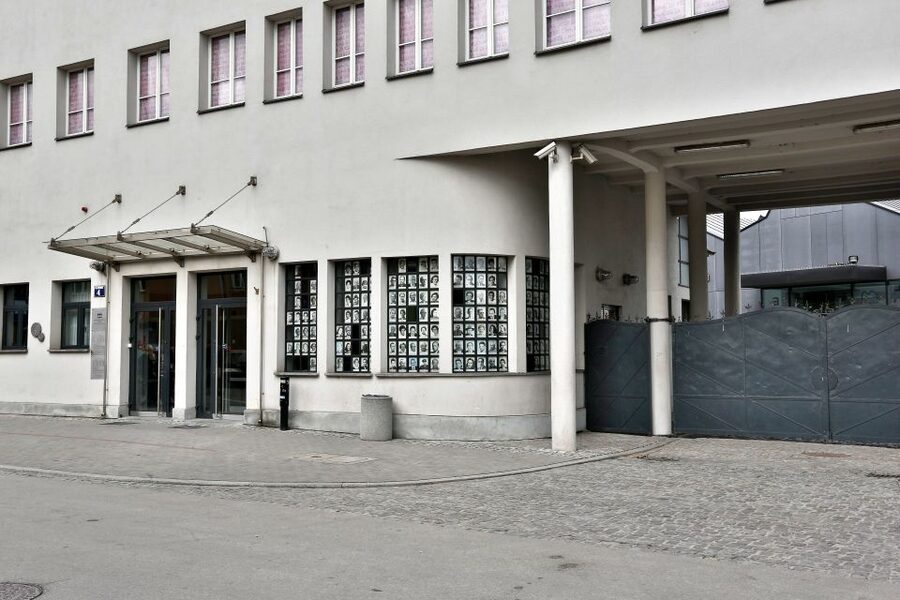
The museum is not a huge open hall. Several areas are narrow, and a busy group can make it difficult to stand in the ideal place or hear every word.
This affects families and anyone who needs to move at a slower pace. One past visit with children found the guide engaging and able to hold their attention, but group size and noise can still make the presentation harder to follow. A smaller group is preferable, though the available booking information does not promise a particular group size.
The setting is part of the challenge, not a reason to skip the museum. The sound, films, and close display areas help create a strong sense of place, but they can also make concentration tiring. Wear comfortable shoes, keep close enough to hear the guide, and do not be shy about asking for a point to be repeated.
The listing says the activity is not suitable for wheelchair users. That should be taken seriously when planning, even though one past visit describes a guide assisting someone using a wheelchair. The practical conditions may vary, so confirm access needs before booking rather than relying on that isolated experience.
How much value do you get for $25?
At $25 per person, this is a reasonable price if you want both museum admission and a structured English tour. You are paying for the guide as much as for the ticket.
The museum contains enough material to occupy several hours if you read every panel and examine each document. The guided visit gives you a firm route through the exhibition and helps you understand the main story without spending the whole day on one site.
That is especially useful if you are also visiting Auschwitz-Birkenau or other wartime sites. The factory explains Krakow’s local experience and gives you background for the wider history of Nazi occupation in Poland. It should not replace Auschwitz, and it is not designed to do so. The two visits serve different purposes.
The value drops slightly if you dislike guided pacing or already know the history in detail. You may feel hurried and wish you had more time with the photographs and documents. In that case, the best approach is to treat the tour as an introduction, then remain afterward to watch films and inspect the material at your own speed.
Who will get the most from this tour?
I would choose this tour if you want a strong historical introduction but have limited time in Krakow. The guide filters a large amount of information into a clear story and helps you avoid wandering through the displays without context.
It suits:
- Anyone interested in Schindler’s List and the real events behind it
- First-time visitors to Krakow who want wartime history explained locally
- People planning a later visit to Auschwitz-Birkenau
- Families with older children and teenagers who can handle serious material
- Visitors who prefer spoken explanation to reading every museum panel
- Anyone who wants a prebooked entry rather than risking a long queue
I would be more cautious if you need step-free access, dislike crowded museums, or want to read every caption without interruption. You can still find the museum worthwhile, but the guided format may not match your preferred pace.
Practical ways to prepare
Watch Schindler’s List beforehand if you want the strongest connection to the museum, but do not expect to see the film set. The exhibition is about the real city and its people, not a recreation of the movie.
Give yourself enough emotional space. The tour covers persecution, forced labor, the ghetto, and the concentration camp system. It is not a quick celebrity biography.
Arrive at the entrance on ul. Lipowa 4 with your passport or ID card. Keep your group close in narrow rooms, and consider bringing a personal headset if you are sensitive to poor audio equipment. If you want to study the exhibits, remain after the guided portion, since the tour may not allow time for every photograph and document.
Should you book Schindler’s Factory?
Book it if you want to understand Krakow under Nazi occupation, not just hear the dramatic story of one factory owner. The $25 price is fair for admission, a skip-the-line arrangement, and roughly 100 minutes with an English-speaking guide.
The best reason to choose the guided option is the context. The museum has a lot to take in, and guides such as Ewa, Michael, Ava, Kamil, and others have helped make the material clear and personal. Just expect tight rooms, possible crowd noise, and a pace that may leave some displays for a second look.
For most first-time visitors to Krakow, this is a worthwhile stop. Book it if you value a focused introduction and human stories. Skip the guide only if you already know the subject well and prefer to explore every document at your own speed.
FAQ
Where does the tour begin?
Meet in front of Schindler’s Factory Museum at ul. Lipowa 4 in Krakow.
How long does the guided tour last?
The activity is listed as lasting 100 minutes. Some information describes the museum tour as approximately 90 minutes, so allow about one and a half to two hours.
Is the tour offered in English?
Yes. The activity includes a live English-speaking guide.
Does the price include museum entry?
Yes. The package includes the entrance ticket and a professional guide when the guided option is selected.
What exhibition will I see?
You will visit the permanent exhibition Kraków Under Nazi Occupation 1939 to 1945, which covers the city before and during the war, the Jewish ghetto, Płaszów, and Oskar Schindler’s story.
Do I need to bring identification?
Yes. You should bring a passport or ID card.
Is the tour suitable for wheelchair users?
The activity is listed as not suitable for wheelchair users. If you have access needs, confirm the conditions before booking.
Just added in Kraków
- From Krakow: Guided Tour of Zalipie★ 4.6 · 30 reviews
- From Krakow: Zalipie Village Day-Tour★ 4.9 · 74 reviews
- Krakow: Zalipie Village Tour★ 4.6 · 8 reviews
- ZALIPIE – painted village, unique PRIVATE tour from Krakow★ 5.0 · 20 reviews
- Ojców National Park and Ogrodzieniec Castle Tour from Krakow★ 5.0 · 21 reviews
- Electric Scooter Tour: Old Town Tour – 2-Hours of Magic!★ 4.7 · 77 reviews
- Czestochowa the Black Madonna Day Tour from Krakow★ 4.5 · 64 reviews
- Dunajec River Gorge and Zakopane: Full-Day Trip from Krakow★ 4.6 · 57 reviews
Schindler's Factory Tours, compared.
Oskar Schindler’s Factory Entry Ticket & Guided Tour
Read the review →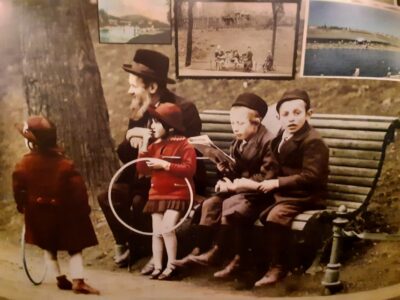
Schindler’s Factory Tour with Entrance Ticket
Read the review →
Schindler’s Factory in Krakow: Guided Tour & Skip the Line Ticket
Read the review →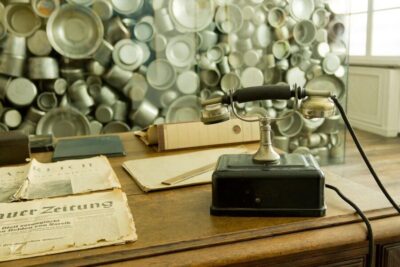
Schindler’s Factory Ticket with Guided Tour Option
Read the review →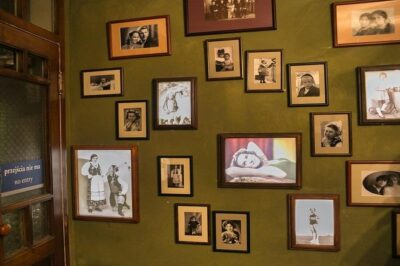
Krakow Schindler’s Factory Guided Tour with Admission Ticket
Read the review →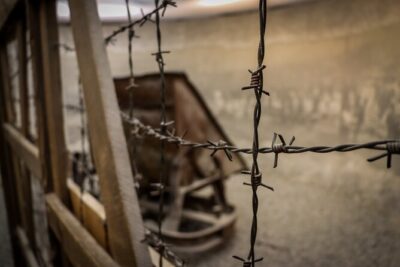
Krakow Schindler’s Factory Museum Guided Tour in English
Read the review →Browse the lists this tour appears in