

Reviewed · MUSEUMS
Krakow: The Ethnographic Museum ticket
Krakow’s Ethnographic Museum gives you a useful change of pace from grand churches and royal rooms. Its collection began with Seweryn Udziela, a teacher and amateur collector, and grew into about 80,000 objects tied to Polish folk culture. I like the Town Hall exhibition for its clear focus, and I like the chance to see how Krakow artists looked to village life for fresh ideas around 1900.
The ticket is remarkably cheap at about $4.81, and it can be valid for one to two days, depending on the option you choose. The catch is that this is a self-guided museum visit, with no guide, food, or drinks included, and the meeting point can vary by booking option.
Key points at a glance

- See the Town Hall exhibition: This section focuses on Polish folk culture and gives the museum its main historical thread.
- Visit Esterka’s House: Temporary displays occupy a beautifully vaulted cellar in the museum’s second building.
- Trace Seweryn Udziela’s collection: The museum began in 1911 with one collector’s interest in Polish village life.
- Explore around 80,000 objects: Most pieces date from the late 19th and early 20th centuries.
- Consider the art behind the folklore: The displays show why Krakow artists found village traditions useful during a period of cultural uncertainty.
- Plan for a quiet, independent visit: You receive entry only, so you set your own pace and make your own sense of the exhibits.
Why this small museum adds something new to Krakow
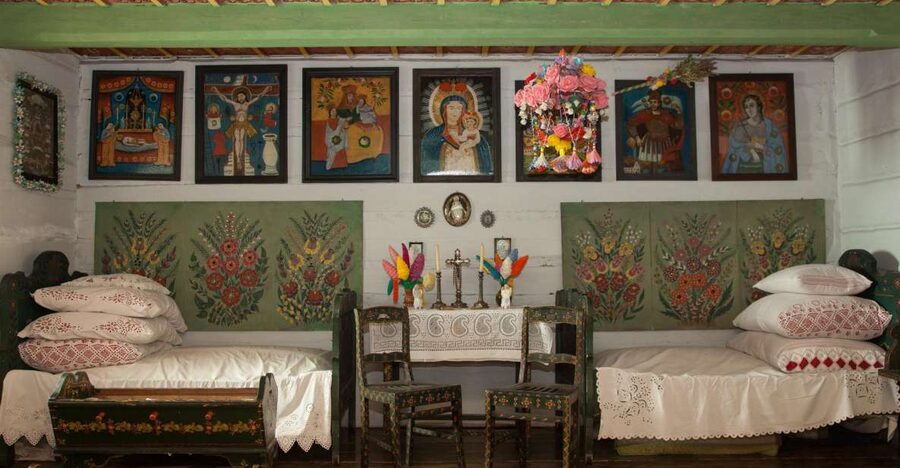
Krakow can easily fill your day with famous sights. Wawel, the Old Town, churches, and market buildings tend to claim the attention. The Ethnographic Museum offers a different question: what did Polish life look like away from royal courts and formal city culture?
That question gives the museum its purpose. The collection focuses mainly on the late 19th and early 20th centuries, a period when folk customs, clothing, craft, and village traditions attracted serious interest from artists and intellectuals. You are not simply looking at old objects. You are seeing the source material that helped shape ideas about Polish identity and creativity.
I find that angle especially useful if you want more than a quick procession through historic interiors. The museum connects everyday culture with the artists living in Krakow at the turn of the 20th century. Folklore offered them movement, color, and local character at a time when Polish intellectual life could feel stuck or uncertain.
The museum began in 1911 through the work of Seweryn Udziela. He was a teacher, amateur ethnographer, and collector, and his small collection eventually became a much larger institution. Knowing that origin helps you read the displays with the right expectation: this is a museum built from careful collecting, not a palace assembled to impress you.
A few more things to do in Kraków worth a look
- Auschwitz-Birkenau Museum and Memorial Guided Tour from Krakow
★ 4.5 · 1,510 reviews - Krakow: Rynek Underground Museum Guided Tour
★ 4.6 · 1,122 reviews - Krakow Schindler’s Factory Museum Guided Tour in English
★ 4.5 · 650 reviews
Starting in the Town Hall exhibition
The Town Hall section is the main place to begin. Its displays highlight Polish folk culture and provide the clearest introduction to the museum’s subject.
You can expect the material to cover the kinds of objects and artistic traditions associated with rural life in Poland. The exact arrangement of displays may change, but the wider collection is made up largely of objects from the late 19th and early 20th centuries. That dating matters because it places the pieces close to the period when Krakow artists began looking more closely at folk traditions.
I like starting here because it gives you a frame for the rest of the visit. Instead of treating each object as an isolated curiosity, you can think about how clothing, craft, decoration, and custom reflect a particular way of life.
The Town Hall section is also the better choice if you have only a short visit. You get the central subject of the museum without needing to sort through every display. If you have more time, slow down and look for the connection between practical village objects and the idealized image of folk culture that artists created.
Do not expect a guided narrative that leads you from room to room. The ticket provides entry, not a personal guide. That makes the visit flexible, but you need to bring your own pace and attention.
Crossing to Esterka’s House
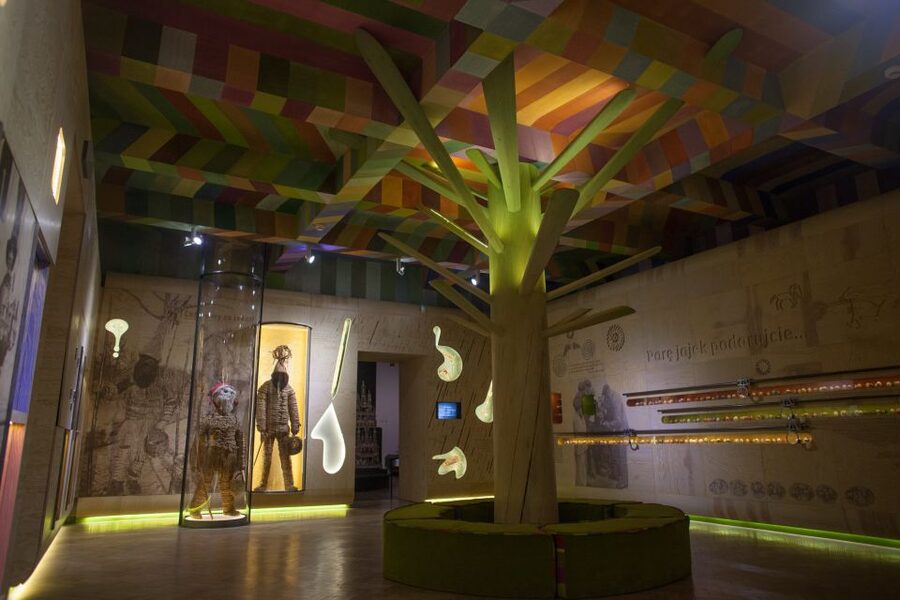
The museum’s second building is known as Esterka’s House. Its vaulted cellar holds temporary exhibitions, giving your visit a second part that may differ from the permanent presentation in the Town Hall section.
The cellar itself is part of the appeal. A vaulted room changes the mood of an exhibition and makes this stop feel separate from the main collection. Since the displays are temporary, the exact subject depends on what is showing when you visit. You might find a more focused presentation here rather than the broad overview found in the Town Hall section.
I would make a point of checking both buildings rather than assuming the main exhibition is the entire experience. The temporary displays can add a fresh angle, especially if you have already spent time with the museum’s permanent material.
There is one practical limitation: the available information does not specify how far the two buildings are from each other or how long it takes to walk between them. Your meeting point can also vary depending on the ticket option. Check the details attached to your booking before you set out.
The artists’ attraction to folk culture
One of the more interesting ideas behind the museum is the link between folk culture and Krakow’s artists. Around the turn of the 20th century, artists and Polish intellectuals saw village traditions as a possible answer to a cultural problem.
The displays help you consider why. Folk art offered direct forms, local stories, strong decoration, and a sense of daily life that differed from formal academic culture. For artists living in Krakow, it could feel like a source of energy and renewal.
You do not need a specialist background to follow this idea. Look at the objects as both cultural records and artistic inspiration. Ask yourself what an artist might have noticed: the shape of a carved object, a repeated pattern, a painted surface, or the way a household item carried local meaning.
This context is one reason I would not rush through the museum. The value is not only in seeing a large number of objects. It is in noticing the exchange between village traditions and urban artistic life.
Same base, a different kind of day:
- From Krakow: Auschwitz-Birkenau Guided Tour & Hotel Pickup
★ 4.5 · 33,358 reviews - From Krakow: Auschwitz-Birkenau Guided Tour & Hotel Pickup
★ 4.5 · 29,340 reviews - Krakow: Auschwitz Guided Tour with Optional Hotel Pickup
★ 4.5 · 15,280 reviews - Krakow–Zakopane: Cable Car, Chocholow Baths, Cheese & Vodka
★ 5.0 · 10,720 reviews
What the collection size means for your visit
About 80,000 showpieces form the museum’s collection, though you will not see all of them during one visit. Most are from the late 19th and early 20th centuries.
A number that large can sound impressive but also intimidating. You do not need to treat the museum like an examination. Focus on the Town Hall exhibition first, then use Esterka’s House as a second, more selective stop.
The scale also explains why the museum may appeal to different kinds of visitors. You can make a short cultural visit, or you can spend longer looking at how folk art and daily life relate to one another. Since the ticket can be valid for one to two days, depending on the option, you may have more flexibility than with a standard timed museum entry.
The available details do not give exact opening hours or a fixed visiting time. Check availability for the starting time connected with your option. If your ticket is valid across two days, confirm the exact terms before planning a return visit.
Is the $4.81 ticket good value?
At about $4.81 per person, this is an easy museum expense to justify if you are interested in Polish culture. The price includes entry, and that is all. You are not paying for transport, refreshments, or a guide.
That low price works best for flexible sightseeing. You can add the museum to a day in Krakow without committing a large part of your budget or schedule. If you find that the subject is not for you, you have lost little. If the collection catches your attention, the ticket gives you room to spend more time with it.
The value is less obvious if you want a guided explanation. No guide is included, and the visit depends on your interest in reading displays and forming your own connections. The museum can still be rewarding, but it will not offer the same level of direction as a private tour.
I would consider this a particularly good choice for anyone who has already seen Krakow’s major historic sights and wants a lower-cost cultural stop. It also works well when you want an indoor activity that does not require a full day.
Practical details before you go
This is an entry-ticket experience, not a transport package or guided tour. Your booking option determines the meeting point, and the activity ends back at that meeting point.
The ticket is described as valid for one to two days. Since the precise duration depends on the option and availability, check those details before paying. Starting times also need to be checked when you select your date.
Food and drinks are not included. Plan those separately rather than expecting a café stop as part of the experience.
Flash photography is not allowed. Bring a camera if you wish, but keep the flash switched off. That rule protects the displays and keeps the museum atmosphere calm.
You can cancel up to 24 hours in advance for a full refund. A reserve now and pay later option is also available, which may help if you are still arranging the rest of your Krakow plans.
Who will enjoy this museum most?
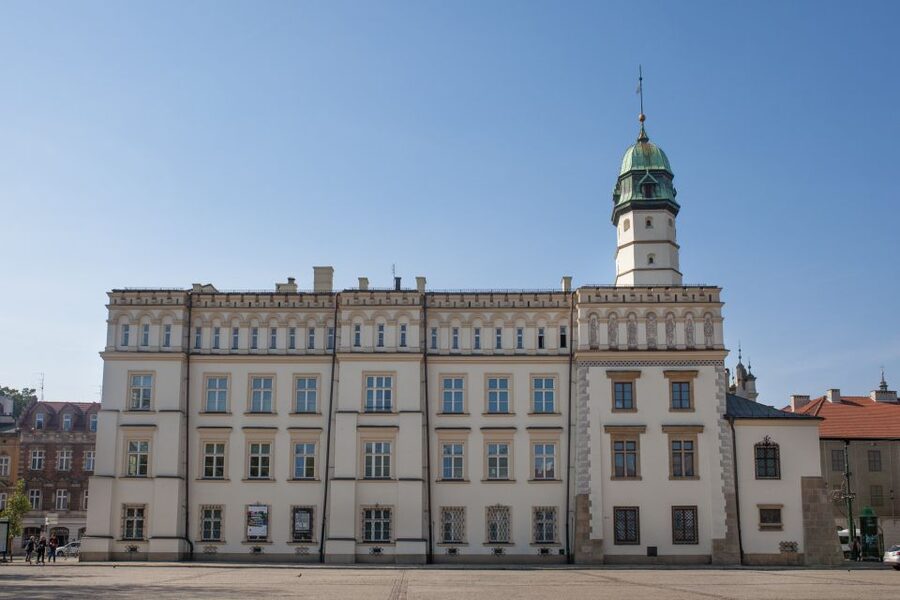
I would recommend it to you if you like art, local culture, or the everyday side of history. It is also a good fit if you want to understand why folk traditions mattered to Polish artists around 1900.
Families and first-time museum visitors can use the Town Hall section as a manageable introduction, then decide how much time to spend with the temporary displays. Art lovers may appreciate the final part of the collection especially, since it includes paintings and sculptures according to the available visitor feedback.
You might not enjoy it as much if you want a fast, highly structured attraction with a guide explaining every room. The museum asks you to look closely and make connections for yourself. That is a strength for independent visitors, but a drawback if you prefer a ready-made story.
The lack of a guide also means you should allow time to read and think. The displays are not simply a quick photo stop. Their value comes from the relationship between objects, folk culture, and Krakow’s artistic life.
My verdict on the Ethnographic Museum ticket
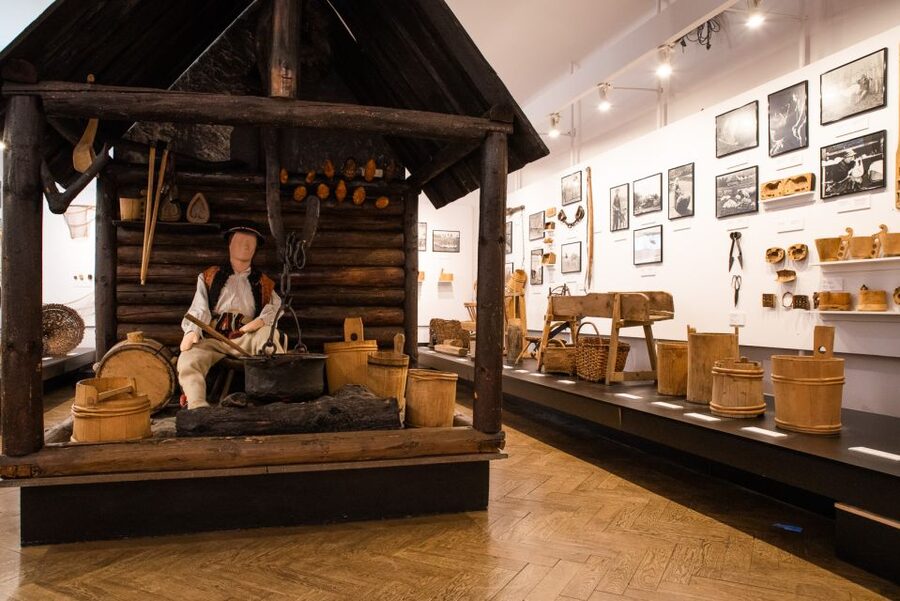
Book this ticket if you want an inexpensive, independent look at Polish folk culture and the artistic ideas it inspired in Krakow. The Town Hall exhibition gives you a solid starting point, while Esterka’s House adds a second setting with temporary displays in a vaulted cellar.
I especially like the combination of low cost, flexible validity, and a subject that reaches beyond Krakow’s famous sights. The main caution is that entry is not the same as a guided experience. If you are happy to set your own pace, this is a thoughtful cultural stop. If you need a guide to explain the collection, you may want to choose a different format.
FAQ
Where is the Ethnographic Museum experience located?
It is located in Lesser Poland, Poland, in Krakow’s Ethnographic Museum.
How much does the entry ticket cost?
The listed price is about $4.81 per person.
How long is the ticket valid?
The ticket is valid for one to two days, depending on the option booked. Check availability for the exact terms and starting time.
What exhibitions can I see?
You can see the Town Hall exhibition on Polish folk culture and temporary exhibitions in the vaulted cellar of Esterka’s House.
How many objects are in the museum’s collection?
The museum’s exhibitions are drawn from a collection of around 80,000 showpieces.
When was the museum created?
The museum was created in 1911 through the initiative of Seweryn Udziela, a teacher, amateur ethnographer, and collector.
Is a guide included?
No. The ticket includes entry only, and a guide is not included.
Are food and drinks included?
No. Food and drinks are not included in the ticket.
Can I use flash photography?
No. Flash photography is not allowed inside the museum.
Just added in Kraków
- Wawel Castle, Old Town with St. Mary’s Church Guided Tour★ 5.0 · 3 reviews
- Wawel Castle, Old Town with St. Mary’s Church Guided Tour★ 5.0 · 5 reviews
- Wawel Castle, Cathedral, Old Town and St. Mary’s Basilica★ 4.8 · 13 reviews
- Wawel Castle, Cathedral, & Rynek Underground Tour with Lunch★ 4.5 · 10 reviews
- Wawel Castle & Cathedral Skip the Line Small Group Tour★ 5.0 · 3 reviews
- Wawel Castle and Cathedral Guided Tour★ 4.6 · 44 reviews
- Wawel Castle, Cathedral, Rynek Underground Tour with Lunch★ 5.0 · 3 reviews
- Wawel Castle and Cathedral Guided Tour★ 5.0 · 8 reviews
Museums, compared.
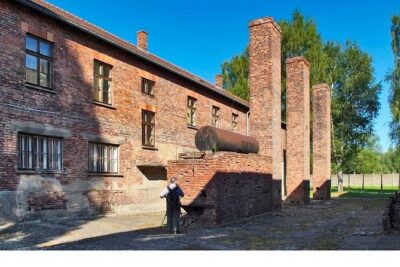
Auschwitz-Birkenau Museum and Memorial Guided Tour from Krakow
Read the review →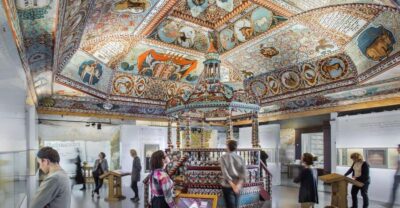
POLIN Museum of the History of Polish Jews Ticket
Read the review →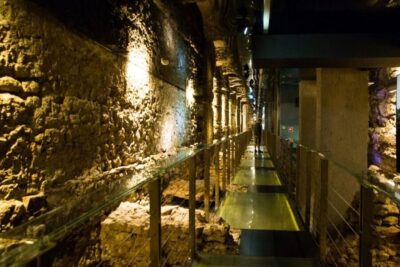
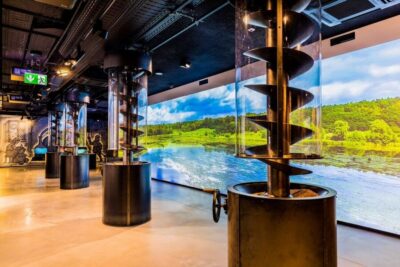
Krakow Schindler’s Factory Museum Guided Tour in English
Read the review →
Auschwitz Birkenau Museum Guided Tour with Pickup
Read the review →
Browse the lists this tour appears in