
Reviewed · SCHINDLER'S FACTORY TOURS
Krakow: Schindler’s Factory Guided Tour
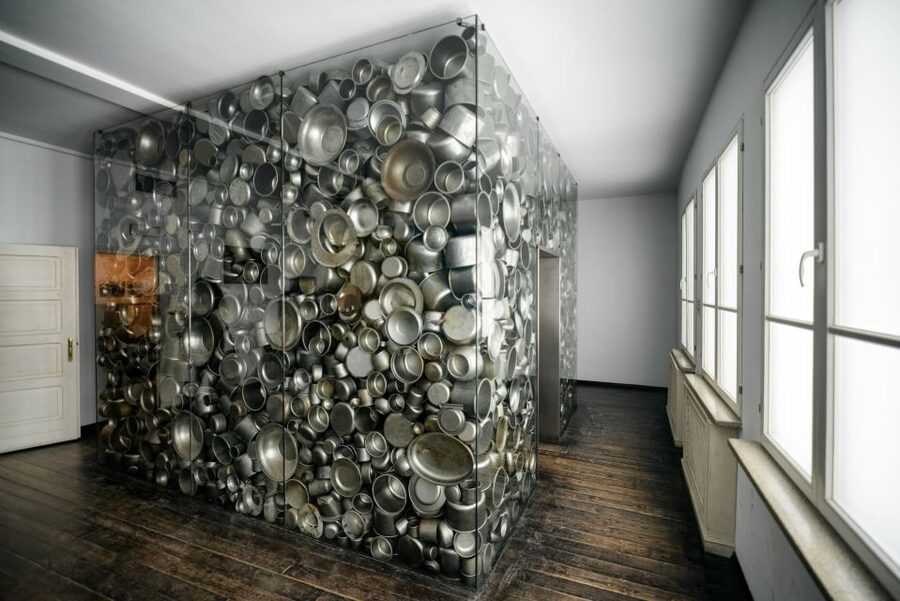
The most moving part of this tour is not a display of enamelware. It is the way the former factory connects Oskar Schindler’s rescue of more than 1,000 people with the daily fear, loss, and hard choices faced by Krakow’s citizens during the Nazi occupation. You move through the original building while a guide places individual lives beside the larger story of World War II.
I like the personal accounts, which keep the visit grounded in real people rather than dates alone. I also like the short format: 90 minutes to two hours gives you a focused museum visit without taking over your day. The main drawback is that this is not a working-factory tour. If you expect to see how pots and enamel goods were made, you may find the museum more like a historical maze filled with information and staged reconstructions.
Key points to know before you go
- The former factory is now a museum about wartime Krakow, not a tour of enamel production.
- Schindler’s office and the Survivor’s Ark provide the clearest link to the man made famous by the film.
- Personal stories are central, showing how occupation affected ordinary people as well as those directly tied to Schindler.
- A guide leads you past the ticket line, in English or Spanish, for roughly 90 minutes to two hours.
- Bring a physical passport or photo ID for every person, or museum entry may be refused.
- Large bags, pets, flash photography, and video recording are not allowed, and children under 14 are not suited to this tour.
What the former enamel factory tells you
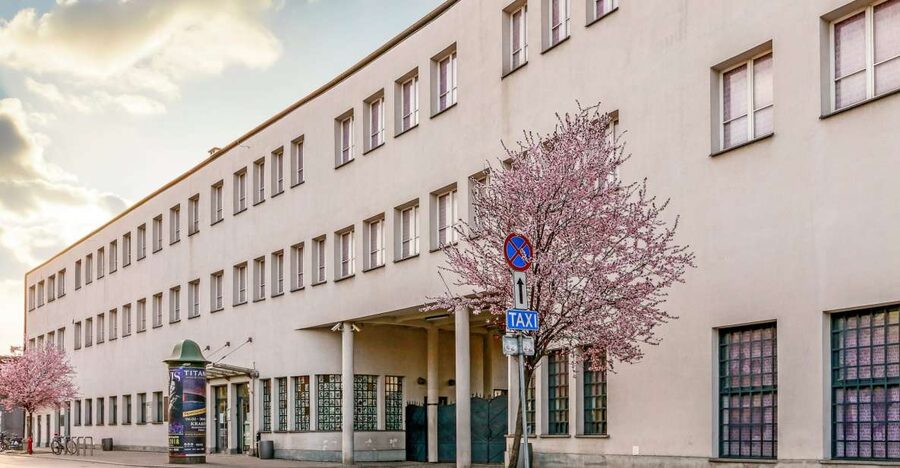
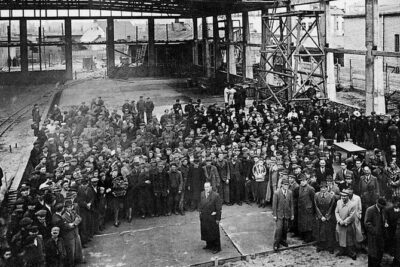
Oskar Schindler’s Deutsche Emailwarenfabrik was established in 1937, before Nazi Germany invaded Poland on September 1, 1939. Schindler, a Sudeten German, is believed to have arrived in Krakow on September 6, when German troops entered the city.
That timeline matters because the building was not created as a memorial. It began as a working enamel factory, then became tied to the German occupation and to Schindler’s efforts to protect Jewish workers. Today, the museum uses that setting to explain Krakow during nearly six years of Nazi rule.
You will not simply walk through rooms and read a few labels. The tour links the building to the city outside it. The guide explains how political decisions affected work, families, neighborhoods, and survival. That approach gives the visit its real value: you are not only learning what happened to Schindler, but also what occupation meant for people who had no power over the events around them.
The museum can feel like a maze, especially when several groups move through the same spaces. That layout may frustrate you if you want a clean, chronological route. At the same time, it reflects the way the exhibition is built around many pieces of Krakow’s wartime story rather than one simple factory narrative.
More Schindler's Factory tours from Kraków:
- Krakow: Oskar Schindler’s Factory Entry Ticket & Guided Tour
★ 4.2 · 3,793 reviews - Krakow: Schindler’s Factory Tour with Entrance Ticket
★ 4.5 · 3,182 reviews - Krakow: Schindler’s Factory Skip-the-Line Ticket
★ 4.4 · 3,105 reviews
Meeting the guide outside the museum
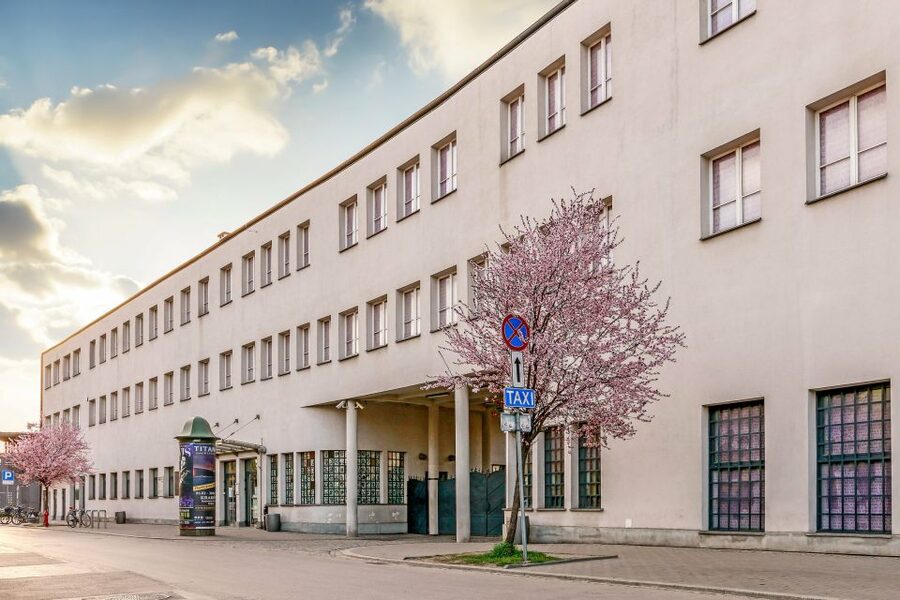
You meet in front of the entrance to Oskar Schindler’s Enamel Factory museum. Look for a greeter carrying a GetYourGuide logo on a banner. This is a useful detail because the museum entrance can be busy, and you do not want to wander around trying to identify the correct group.
The guide leads you inside as part of a group and handles the museum entry. A skip-the-line ticket is included, so you avoid waiting in the general ticket queue. That does not mean you have the building to yourself. Group size can affect the pace, and one recent rating specifically described the group as large.
A larger group is the biggest practical weakness of a guided visit here. You may need to stay close enough to hear the guide, and rooms can feel crowded when groups cross paths. One useful suggestion is to arrive early at the meeting point and stay near the guide once the group enters. You will have a better chance of hearing the explanations and seeing the displays without being at the back.
The tour is offered in English and Spanish. Confirm your selected language before the day of the visit. A Spanish booking was changed to English at short notice in one case because no Spanish guide was available, creating unnecessary confusion at the meeting point. If language is important to you, check the arrangement ahead of time rather than assuming every departure will operate in both languages.
Krakow under nearly six years of occupation
Once inside, the focus shifts from the factory owner to the city’s population. Your guide explains how Nazi rule changed everyday life in Krakow and how personal dramas fit into the wider history of the regime.
This is where the tour works best. Dates and military events can feel remote, but the exhibition brings the period down to the level of individual choices and losses. You hear about people living with occupation, fear, and uncertainty. The point is not only that a regime committed terrible crimes, but that those crimes reached into work, family life, movement around the city, and basic survival.
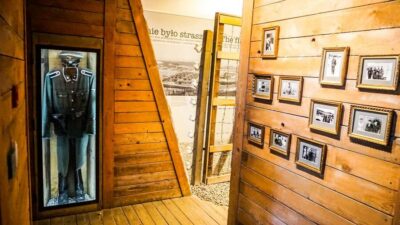
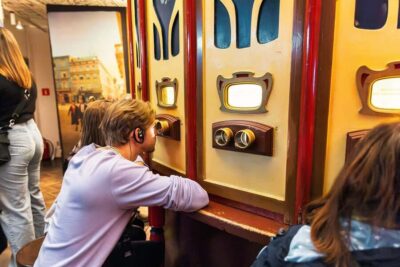
The exhibition uses reconstructions of historical places to give the setting more shape. You might find these scenes more affecting than a wall of text because they suggest the conditions in which people lived. One strong response to the visit praised the way the recreated places made the history feel real.
Your guide adds the human detail that a self-guided visit may lack. The best part of the tour is often the explanation around a display: who the people were, what happened to them, and how their private experiences connect to the wider occupation. A good guide can also prevent the museum from becoming a string of facts with no clear thread.
The tone is serious. This is not a light stop to fill an afternoon, and it is not aimed at young children. The activity is specifically not suitable for children under 14. Teenagers and adults who can handle difficult wartime subjects will get much more from it.
Schindler’s office and the Survivor’s Ark
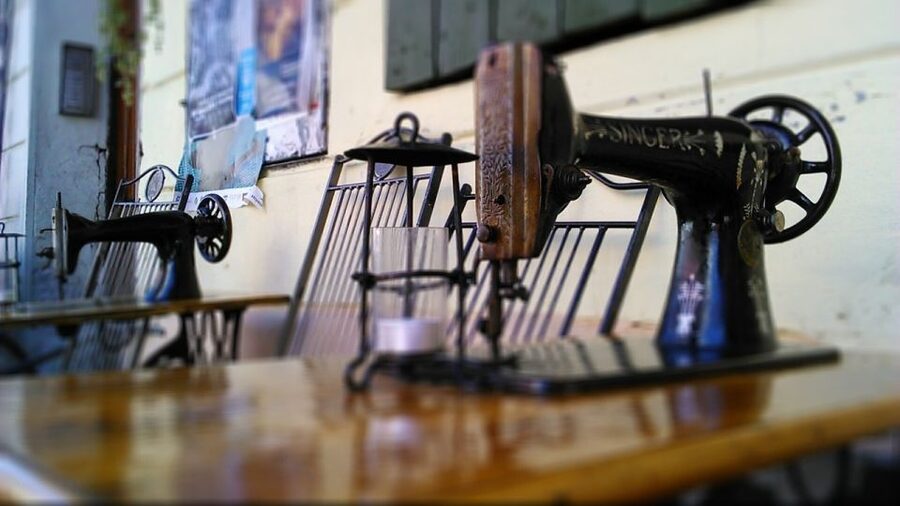
The clearest Schindler-related stop is his personal office. You learn more about the man who saved over 1,000 lives and see the symbolic Survivor’s Ark.
This part helps separate the historical figure from the simplified image many people may carry after seeing the film Schindler’s List. The office gives you a physical point of reference, while the Survivor’s Ark serves as a symbol of the people who survived through protection, luck, courage, and the actions of others.
Do not expect the entire visit to stay inside Schindler’s personal story. His office is important, but the museum’s larger purpose is to show Krakow during the occupation. If your only interest is Schindler himself, the broader focus may feel less direct than expected. If you want to understand the conditions surrounding his actions, the wider exhibition is exactly what makes the visit worthwhile.
The tour can also gain power from a guide’s personal connection to the subject. One English-language guide was able to share experiences connected to a survivor associated with Schindler’s list. That kind of spoken detail cannot be guaranteed, but it shows why a live guide can add something beyond the museum displays.
A few more things to do in Kraków worth a look
- From Krakow: Auschwitz-Birkenau Guided Tour & Hotel Pickup
★ 4.5 · 33,358 reviews - From Krakow: Auschwitz-Birkenau Guided Tour & Hotel Pickup
★ 4.5 · 29,340 reviews - Krakow: Auschwitz Guided Tour with Optional Hotel Pickup
★ 4.5 · 15,280 reviews - Krakow: Auschwitz-Birkenau Guided Tour with Pickup & Lunch
★ 4.5 · 9,800 reviews
Why the personal stories matter
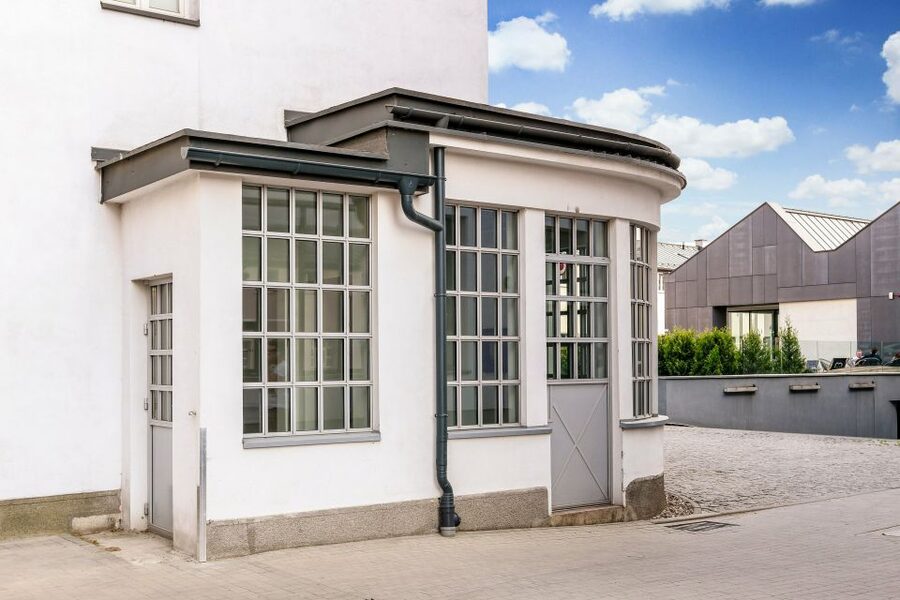
The strongest praised feature of this experience is the guide’s storytelling. One guide was described as exceptional, and another English-language visit was singled out for teaching new facts about World War II. The value lies in the way the guide makes room for both the major events and the people caught inside them.
You will hear about the struggles of Krakow’s inhabitants rather than only the biography of one industrialist. This wider view is important. Schindler’s story is remarkable, but it can also become too neat: one good man, one factory, one rescue. The museum pushes you toward a harder understanding of the period, where many people faced impossible decisions and where survival did not follow a simple moral script.
The personal stories also help you read the exhibition at the right pace. A room may contain a great deal of written material, and a guide can point out what is most important. That matters during a short visit. Without guidance, you may spend too long on minor details or miss the links between different parts of the exhibition.
Still, a guided tour is not automatically better for every visitor. If you prefer to stop for as long as you like, read every panel, or return to a display, the group schedule may feel restrictive. The 90-minute to two-hour duration gives you structure, but not unlimited time.
A factory visit with an important catch
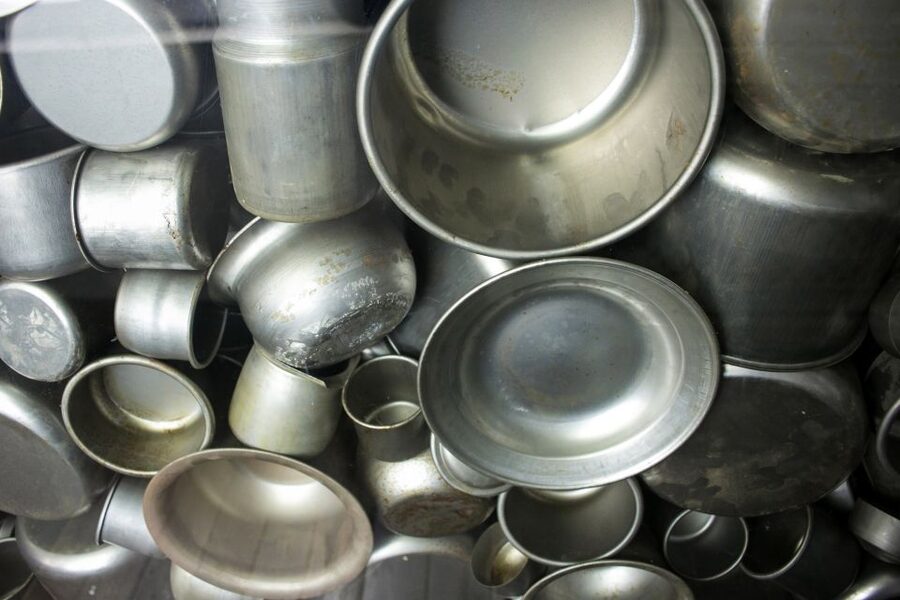
The most important expectation to set is this: you are visiting a former enamel factory, but the experience is not mainly about manufacturing.
You will not be shown how pots were made in the old factory or taken through a production demonstration. Instead, the building houses an exhibition about Krakow during World War II and Nazi occupation. It uses information, personal accounts, historical scenes, and symbolic objects to tell that story.
That distinction affects the tour’s value. At $46 per person, the price is reasonable if you want a guided museum visit with admission included and you value context from a live guide. The skip-the-line entry also saves time, especially when you have a tight Krakow schedule.
The price is less attractive if you only want to wander through an old industrial building or see the factory’s original production methods. In that case, the title may set up the wrong expectation. Think of this as a wartime history museum in a historic factory building, not as an industrial heritage tour.
The current rating is 4.2 from 12 ratings, which suggests a generally positive but not flawless experience. The strongest marks center on the guide, the personal accounts, and the importance of the subject. Lower marks focus on large groups, the museum’s maze-like route, and the gap between expecting factory production and receiving a broader occupation exhibition.
Practical rules inside the museum
Bring a physical passport or photo ID with a photograph for every participant. This is not a minor suggestion. Without the required document, you may not be allowed into the museum.
Leave large luggage elsewhere. Large bags are not permitted inside, and the museum does not provide animal shelters, so pets should not come with you. Smoking and open fires are strictly prohibited.
You may take photographs only within the museum’s rules. Flash photography and video recording are not allowed. Since the exhibition relies on atmosphere and reconstructed settings, putting the phone away also helps you stay with the guide and the subject.
The building is wheelchair accessible. Food and drinks are not included, so plan those separately. The tour itself lasts between 90 minutes and two hours, with start times varying by availability.
The cancellation policy is non-refundable. Check the date, time, language, and names on the booking carefully before paying. This is especially important if you are relying on a Spanish-language departure.
Who will get the most from this tour
I would choose this tour if you want a guided introduction to Krakow’s wartime past and prefer personal stories to a museum visit made up only of labels. It suits adults and older teenagers who are comfortable with difficult material and who want to understand how occupation shaped ordinary life.
It is also a good choice if you have limited time. The fixed length keeps the visit manageable, while the guide helps you take in the main themes without having to plan your own route through the museum.
You may want to skip it if you are looking for a hands-on factory experience, a small private group, or complete freedom to explore at your own pace. A large group can make the rooms harder to hear and navigate. Visitors who dislike emotionally heavy museums should also choose carefully.
For the best experience, read a little about Schindler and Krakow before you arrive, then let the guide fill in the human details. Do not judge the visit by the factory name alone. Its real subject is the city and its people during occupation.
Should you book the Schindler Factory tour?
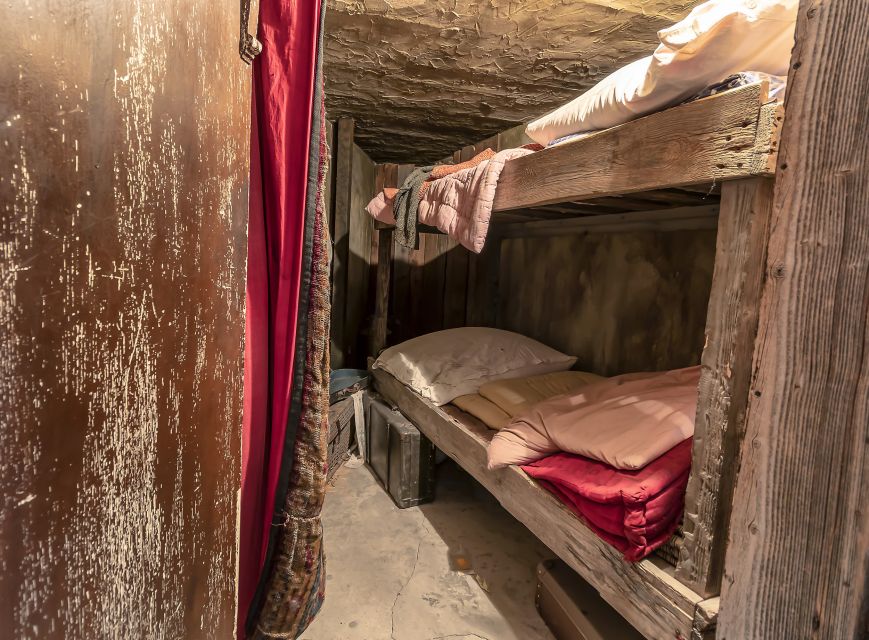
Book it if you want the former factory placed inside the larger story of wartime Krakow. The strongest reasons are the personal accounts, the reconstructed settings, Schindler’s office, and the chance to hear context from an English- or Spanish-speaking guide.
At $46, I consider it fair value when skip-the-line entry and guided interpretation matter to you. I would not book it expecting enamel production, quiet rooms, or a small group. Bring your physical ID, avoid large bags, and confirm your language before the visit.
For adults and older teenagers seeking a serious, focused look at Krakow under Nazi rule, this is a worthwhile stop. For a factory-history enthusiast, it may be the wrong match.
FAQ
How long does the Schindler’s Factory guided tour last?
The tour lasts between 90 minutes and two hours. Starting times depend on availability.
What languages are available?
The live tour is available in English and Spanish.
Where do I meet the guide?
Meet in front of the entrance to the Oskar Schindler’s Enamel Factory museum. Look for a greeter with a GetYourGuide logo on the banner.
Do I need to bring identification?
Yes. Every participant must bring a physical passport or photo ID with a photograph. Without it, you may not be allowed to enter the museum.
Can I bring a large bag, pet, or camera?
Large luggage and bags are not permitted. Pets are not allowed, and the museum has no animal shelter. Flash photography and video recording are also prohibited.
Is the tour suitable for children?
The activity is not suitable for children under 14. The subject focuses on World War II, Nazi occupation, personal suffering, and survival.
Just added in Kraków
- Wawel Castle, Old Town with St. Mary’s Church Guided Tour★ 5.0 · 3 reviews
- Wawel Castle, Old Town with St. Mary’s Church Guided Tour★ 5.0 · 5 reviews
- Wawel Castle, Cathedral, Old Town and St. Mary’s Basilica★ 4.8 · 13 reviews
- Wawel Castle, Cathedral, & Rynek Underground Tour with Lunch★ 4.5 · 10 reviews
- Wawel Castle & Cathedral Skip the Line Small Group Tour★ 5.0 · 3 reviews
- Wawel Castle and Cathedral Guided Tour★ 4.6 · 44 reviews
- Wawel Castle, Cathedral, Rynek Underground Tour with Lunch★ 5.0 · 3 reviews
- Wawel Castle and Cathedral Guided Tour★ 5.0 · 8 reviews
Schindler's Factory Tours, compared.
Oskar Schindler’s Factory Entry Ticket & Guided Tour
Read the review →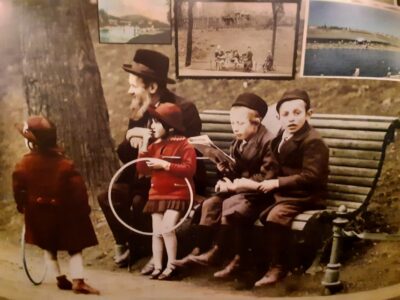
Schindler’s Factory Tour with Entrance Ticket
Read the review →
Schindler’s Factory in Krakow: Guided Tour & Skip the Line Ticket
Read the review →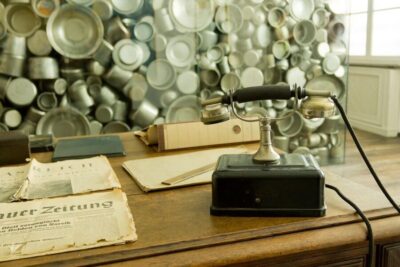
Schindler’s Factory Ticket with Guided Tour Option
Read the review →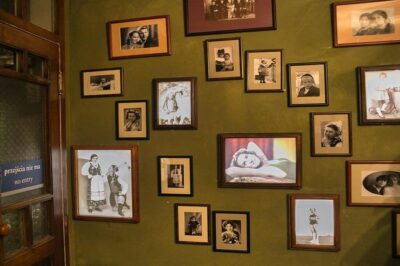
Krakow Schindler’s Factory Guided Tour with Admission Ticket
Read the review →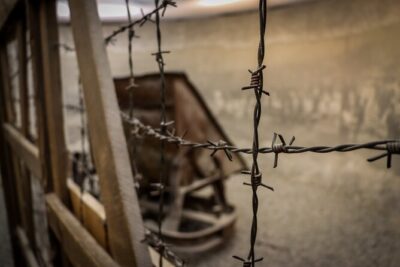
Krakow Schindler’s Factory Museum Guided Tour in English
Read the review →Browse the lists this tour appears in