
Reviewed · SCHINDLER'S FACTORY TOURS
Schindler’s Factory Visit & Skip-the-Line Entry
Schindler’s Factory Museum is less a shrine to one man than a powerful account of Krakow under Nazi occupation. The exhibition follows Polish and Jewish life before, during, and after the war, using photographs, film, recreated rooms, and eyewitness accounts to show how ordinary life was torn apart.
I like the way a guide gives the displays a clear timeline, and I like the museum’s unusual settings: a tram carriage, a hairdresser, a photographer’s shop, and a narrow ghetto apartment. The main drawback is pace. In a large group, you may spend too much time waiting and too little time reading.
I also like the practical advantage of reserved entry, especially when the museum is busy. But skip-the-line service is not always as smooth as advertised, so arrive early, look for the guide’s sign, and do not assume every line outside is yours.
Key points to know before you go
- The museum is mainly about wartime Krakow: Schindler is important, but the exhibition covers the wider fate of Polish and Jewish residents.
- The 90-minute guided visit moves quickly: You will see a great deal, but may not have time to read every panel or study each display.
- Expect strong multimedia scenes: A tram, film footage, recreated streets, and a Jewish apartment make the history easier to grasp.
- Your passport or ID is essential: The name on your document must match the personalized ticket.
- Group size affects the experience: Confined rooms can feel crowded, especially when several groups reach the same display.
- The $50.46 price buys structure and entry help: It is most useful when museum tickets are scarce or you want historical explanation in English.
What you are really visiting at Schindler’s Factory
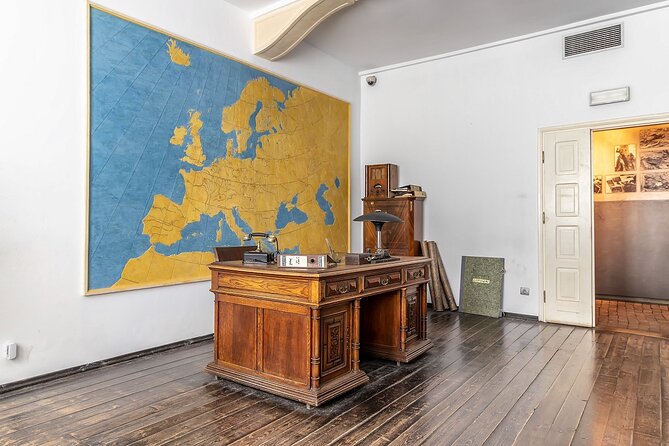
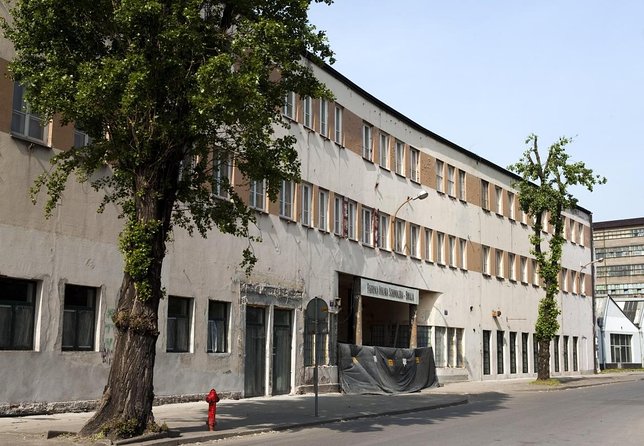
The first thing to understand is that this is not a traditional factory tour. The original factory building remains, but the main attraction is the Schindler’s Factory Museum, a historical exhibition about Krakow from the years before World War II through Nazi occupation and liberation.
Oskar Schindler is part of the story, and the building gives the visit a direct link to Steven Spielberg’s 1993 film Schindler’s List. Still, only part of the exhibition centers on Schindler and his enamelware business. If you arrive expecting a museum devoted almost entirely to his life, you may feel shortchanged.
I think the broader focus makes sense. Schindler’s actions matter because of the people around him and the city in which they lived. The exhibition places his story within the destruction of Krakow’s Jewish community, the persecution of Polish citizens, forced labor, the ghetto, and the Płaszów camp.
That wider view is also why a guide helps. Without context, the recreated rooms and photographs can feel like separate scenes. With a good guide, they become part of a chronological account of how the occupation changed daily life.
More Schindler's Factory tours from Kraków:
- Krakow: Oskar Schindler’s Factory Entry Ticket & Guided Tour
★ 4.2 · 3,793 reviews - Krakow: Schindler’s Factory Tour with Entrance Ticket
★ 4.5 · 3,182 reviews - Krakow: Schindler’s Factory Skip-the-Line Ticket
★ 4.4 · 3,105 reviews
Following occupied Krakow in 90 minutes
The guided visit lasts about an hour and a half. You will walk through the museum with an English-speaking guide, stopping at displays that recreate the feel of wartime Krakow.
The route begins with the city before and around the start of World War II, then moves into occupation. This early section matters because it shows that the war did not begin with a single dramatic moment for every resident. Laws, restrictions, fear, and separation gradually changed where people could work, live, shop, and move.
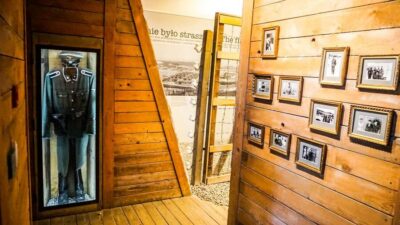
From there, the exhibition presents the German occupation and the fate of Krakow’s Polish and Jewish residents. You will encounter photographs, documents, uniforms, film, and personal accounts. Some displays are designed for quick emotional impact, while others reward close reading.
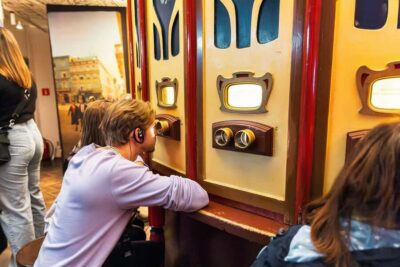
The strongest feature is the way the museum turns a standard gallery visit into a walk through the city. You may enter a recreated hairdresser or photographer’s shop, see an authentic photoplasticon, and step into a tram. Through the tram windows, film shows city life during the occupation.
These scenes give you a better sense of public life than a row of objects in glass cases would. You are not simply looking at a photograph of a street. You are being shown how a street, shop, or tram might have functioned for people living under new rules and constant danger.
The route later leads through a narrow ghetto setting, including a Jewish apartment. The confined layout can make the visit physically crowded, especially with a group of around 20 people, but it also reflects the cramped conditions being presented.
The exhibition then connects the ghetto experience with deportation and Płaszów. The subject matter is grim, and the museum does not treat it as a light sightseeing stop. Give yourself some quiet time afterward if you can. The visit carries more weight than the modest 90-minute duration suggests.
Why the multimedia displays work
The museum’s modern presentation is one of its best features. Film, sound, recreated rooms, photographs, and objects offer several ways to understand the same period.
I find the tram especially effective because it links the personal scale of the exhibition with the city outside. You get a sense of movement through Krakow, then see how the occupation shaped what people could see and where they could go.
The photoplasticon is another distinctive touch. It helps show how images and public culture fitted into everyday life before and during the war. A photographer’s studio and hairdresser’s shop do similar work, making the exhibition feel connected to ordinary routines rather than only military events.
The museum also uses eyewitness accounts to bring individual experience into the story. These voices matter because broad numbers and dates can become distant. A personal account reminds you that the history involved families, homes, jobs, friendships, and sudden loss.
Still, modern displays cannot replace time. Several stops are visually striking, but you may not be able to read every label while keeping up with the guide. If you want a slow, self-guided museum visit, this format may frustrate you.
The guide makes the difference
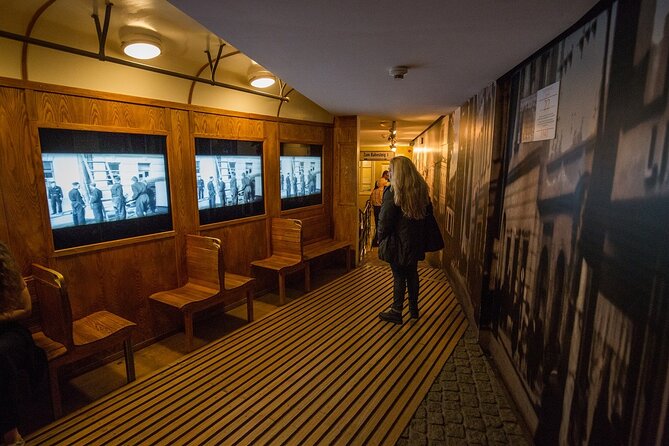
A guide is the main reason to choose this format instead of simply entering the museum alone. The best guides provide the connecting thread, explain the meaning of the displays, and answer questions as you move through the rooms.
Guides named Helen and Barbara received especially warm praise for clear English, strong preparation, and sensitive presentation. Other guides have also been described as friendly and willing to answer questions after the formal tour. The quality of the experience depends heavily on who leads your group, but the guide can turn a complicated exhibition into a story you can follow.
You should expect historical explanation rather than a long personal biography of Schindler. The guide will discuss Schindler, the German occupiers, the city, and the persecution of Jewish people, but the emphasis is on Krakow as a whole.
That approach suits me. Schindler’s story is compelling, yet focusing only on the factory owner risks making the war seem like the work of one exceptional man. The museum shows the larger system and the many people caught inside it.
English ability can vary. Some visitors have found the commentary very clear, while others have had difficulty with a guide’s accent or phrasing. If a point is important and you miss it, ask politely for clarification. A headset may be provided, and one group found the sound quality excellent, but equipment and group conditions can still affect how easily you follow the talk.
A few more things to do in Kraków worth a look
- From Krakow: Wieliczka Salt Mine Tour & Skip the Line Ticket
★ 4.4 · 3,925 reviews - Schindler’s Factory in Krakow: Guided Tour & Skip the Line Ticket
★ 4.5 · 1,714 reviews - Auschwitz-Birkenau: Skip-the-Line Ticket and Guided Tour
★ 4.2 · 1,034 reviews - Auschwitz Birkenau Guided Tour/Skip The Line/PickUp/Guide ENG
★ 4.5 · 930 reviews
Group size, waiting, and the skip-the-line promise
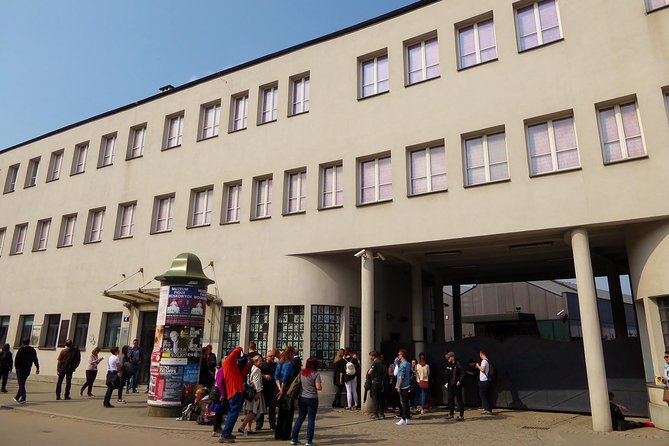
The tour advertises guaranteed skip-the-line entry, and this can be valuable because timed museum access is controlled. A reserved place saves you from the risk of arriving in Krakow and finding that admission is unavailable.
The practical side is less tidy. Some groups have had trouble identifying where to wait, who to meet, or which sign matched their start time. One person saw a guide holding a 10:15 sign while booked for 10:30, then had to go inside to find the correct group. That is an avoidable worry, particularly if you are standing outside in strong sun with no shade.
My advice is simple: arrive early, keep your booking details ready, and look for the tour representative before joining a line. If the time on the sign does not match yours, ask before walking away. From January 1, 2026, the museum’s schedule may change, and a preferred time is not necessarily a guaranteed exact start time.
Group size is the bigger concern once you are inside. A group of 20 can feel packed in narrow areas, and another tour group may be ahead of you. You may wait for a room to clear, then feel rushed once your group enters.
This matters because the museum rewards attention. You want to read a letter, inspect a photograph, or watch a film segment without blocking the next person. If you prefer space and a slow pace, a smaller group or independent visit, when available, may suit you better.
Is $50.46 good value?
At $50.46 per person, this is not a bargain museum entrance. You are paying for admission, an English-language guide, and help securing a place at a popular attraction.
The value is strongest when you are visiting during a busy period, when advance entry matters, or when you want a guide to explain the exhibition. The museum covers a difficult period in Polish and Jewish history, and the context can be hard to absorb from labels alone. A clear guide saves you from piecing together dates, people, and places by yourself.
The value is weaker if you mainly want to see Schindler’s personal objects or the production side of the factory. The exhibition contains relatively little devoted specifically to the enamelware business and to Schindler himself. You are buying a guided museum experience, not a factory-floor tour.
Time also affects value. Ninety minutes is enough for a strong overview, but not enough for a careful reading of everything. If your ideal museum visit means stopping whenever a photograph catches your eye, you may feel that the price buys a hurried introduction rather than complete access to the exhibition.
Who will appreciate this visit most
This tour suits you if you want a structured account of Krakow during World War II and prefer listening to an English-speaking guide. It is especially useful if you have seen Schindler’s List and want to place the film’s story within the actual city and historical setting.
Families with older children and teenagers can also find it meaningful. The interactive displays give younger visitors more to engage with than a plain sequence of text panels, though the subject matter is serious and parents should judge their children’s readiness.
History-minded visitors will appreciate the timeline and the museum’s effort to present both Jewish and Polish experiences. The tour also works well for a first visit to Krakow because it adds context to other sites connected with the occupation.
You may want to skip this format if you dislike guided groups, have limited patience for standing, or need a slow pace for reading. The route includes considerable walking and periods of standing. It is not presented as a private tour, and the group can feel crowded in smaller rooms.
Practical details that can save you trouble
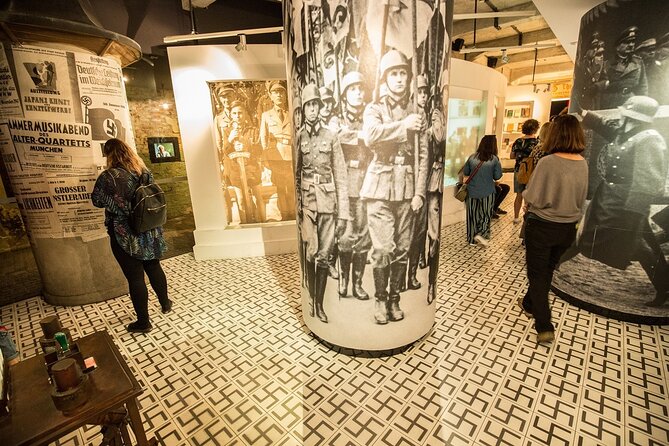
Your ticket is personalized. You must provide the full names of all participants when booking, and the name and surname on each ticket must match the identification document you bring. Take your passport, national ID card, or other accepted identification to the museum. Without it, entry may be refused.
The experience is offered in English and is located near public transportation. The confirmation arrives when you book, and most people can take part, but the physical experience includes walking and standing.
Free cancellation is available if you cancel at least 24 hours before the scheduled start time. Cancellations or changes made inside that 24-hour window are not accepted for a refund, and the cut-off follows local Krakow time.
The museum’s timing is the part to watch most closely. Museum scheduling can change, and from 2026 onward, a selected time may be treated as a preference rather than a fixed appointment. Check your confirmation, arrive early, and allow room in your day in case the meeting process takes a few minutes.
Should you book Schindler’s Factory Museum?
Book it if you want a serious, guided introduction to wartime Krakow, especially if you have seen the film or do not want to navigate a complex museum alone. The recreated streets, tram, ghetto apartment, film, photographs, and eyewitness accounts give the visit emotional force.
Book with realistic expectations. This is not mainly a museum about Schindler’s factory work, and the guided pace may leave little time for reading. The skip-the-line service can help, but meeting arrangements and queue control are not always effortless.
For me, the tour is worth considering at $50.46 when timed entry is important and you value explanation more than leisurely browsing. Bring matching ID, arrive early, and be ready for a crowded, emotionally heavy 90 minutes. If that sounds right for you, this is one of Krakow’s more meaningful museum visits.
FAQ
How long does the Schindler’s Factory tour last?
The guided visit lasts approximately 1 hour and 30 minutes.
Is the tour offered in English?
Yes. The experience is offered in English with a guide.
Is admission to Schindler’s Factory Museum included?
Yes. The admission ticket is included in the tour price.
Do I need identification to enter the museum?
Yes. Bring a passport, ID card, or other identification document. The name on your document must match the name on your personalized ticket.
Is the exact tour time guaranteed?
Not always. From January 1, 2026, times are approximate and may change according to the museum’s schedule. You can choose a preferred time, but the exact time is not guaranteed.
Can I cancel for a full refund?
Yes, if you cancel at least 24 hours before the experience starts. Cancellations or changes made less than 24 hours before the start time are not accepted for a refund.
Just added in Kraków
- From Krakow: Guided Tour of Zalipie★ 4.6 · 30 reviews
- From Krakow: Zalipie Village Day-Tour★ 4.9 · 74 reviews
- Krakow: Zalipie Village Tour★ 4.6 · 8 reviews
- ZALIPIE – painted village, unique PRIVATE tour from Krakow★ 5.0 · 20 reviews
- From Kraków: Slovakia Treetop Walk Bachledka and Zakopane★ 5.0 · 73 reviews
- From Krakow: The Black Madonna of Czestochowa & John Paul II Family Home★ 5.0 · 28 reviews
- Energylandia Theme Park Full Day with optional Krakow Pickup★ 5.0 · 38 reviews
- Krakow City Tour on Scooter and Food Tasting with English Guide★ 5.0 · 84 reviews
Schindler's Factory Tours, compared.
Oskar Schindler’s Factory Entry Ticket & Guided Tour
Read the review →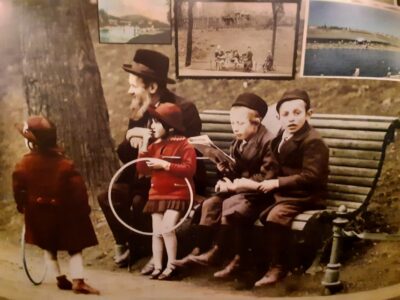
Schindler’s Factory Tour with Entrance Ticket
Read the review →
Schindler’s Factory in Krakow: Guided Tour & Skip the Line Ticket
Read the review →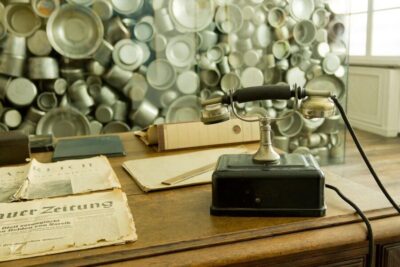
Schindler’s Factory Ticket with Guided Tour Option
Read the review →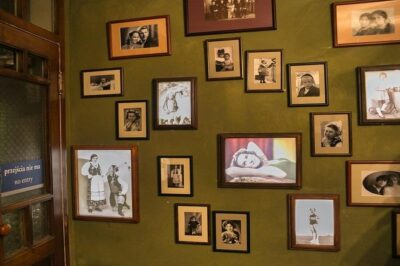
Krakow Schindler’s Factory Guided Tour with Admission Ticket
Read the review →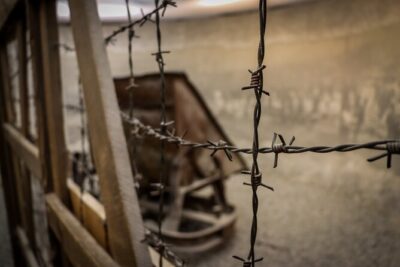
Krakow Schindler’s Factory Museum Guided Tour in English
Read the review →Browse the lists this tour appears in