
Reviewed · SCHINDLER'S FACTORY TOURS
Schindler’s Factory Guided Tour in Krakow & skip the line ticket
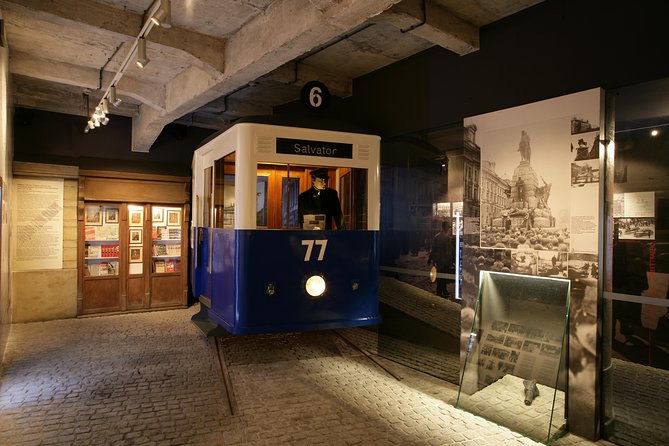
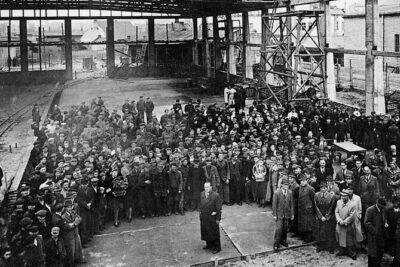
The most important thing to know is that this is not mainly a tour of Schindler’s factory. It is a guided journey through Krakow under Nazi occupation, told inside the former enamel-ware factory connected with Oskar Schindler. You’ll learn about Polish and Jewish life, the Krakow Ghetto, Płaszów, and the people Schindler helped, but the displays focus far more on the city and wartime experience than on the film or factory machinery.
I like the clear wartime timeline, which begins before the invasion and runs through the arrival of the Soviet Army in 1945. I also like the chance to hear personal stories and see the history interpreted by guides such as Alicia, Eva, Ava, and Joanna, who have been praised for bringing the subject to life. The main drawback is the group format: large crowds, small rooms, and no headsets can make it hard to hear and leave little time to study the exhibits.
Key points to know before booking
- The museum covers Krakow from 1939 to 1945, not just Oskar Schindler’s personal story.
- Skip-the-line entry is included, which matters when the museum is busy.
- The guided visit lasts about 90 minutes, with the full experience listed at roughly 1 hour 40 minutes.
- Large groups can be a serious problem, especially in narrow rooms where visitors at the back may not hear the guide.
- Headsets are not reliably provided, so stay close to the guide and ask questions early.
- The $42.95 price buys convenience and interpretation, but a self-guided museum visit may offer better value for readers who prefer time with the exhibits.
What the Schindler Factory Museum really is
The name sets up a natural expectation. You may picture the factory floor from Schindler’s List, rows of workers, enamel goods, and a close look at the German industrialist who saved more than 1,000 Jewish people.
That is not quite what you get.
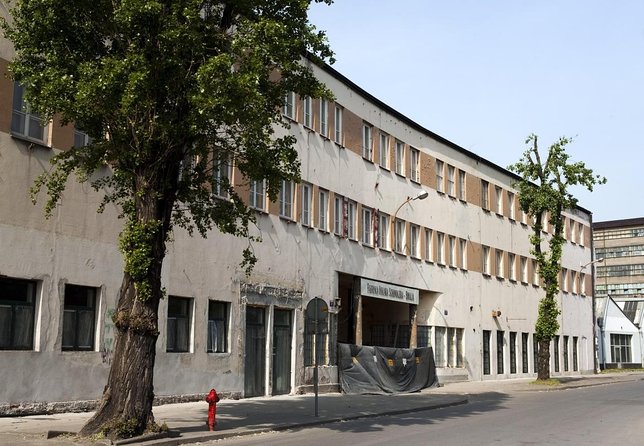
The museum occupies Oskar Schindler’s former enamel factory, but the permanent exhibition, Kraków Under Nazi Occupation 1939-1945, is chiefly a museum about the city during the Second World War. Schindler is part of that story, but he is not the only subject and, for long stretches, not the main subject.
That difference matters. If you want film locations, personal details about Schindler, or a close look at the factory’s working areas, this visit may feel misleading. If you want to understand what happened to Krakow’s Polish and Jewish communities under German rule, the museum offers a much broader account.
I see that as both the museum’s strength and the tour’s main marketing problem. The experience is more useful when you arrive expecting a Krakow occupation museum with a Schindler connection, rather than a shrine to the movie.
More Schindler's Factory tours from Kraków:
- Krakow: Oskar Schindler’s Factory Entry Ticket & Guided Tour
★ 4.2 · 3,793 reviews - Krakow: Schindler’s Factory Tour with Entrance Ticket
★ 4.5 · 3,182 reviews - Krakow: Schindler’s Factory Skip-the-Line Ticket
★ 4.4 · 3,105 reviews
The wartime story begins before the occupation
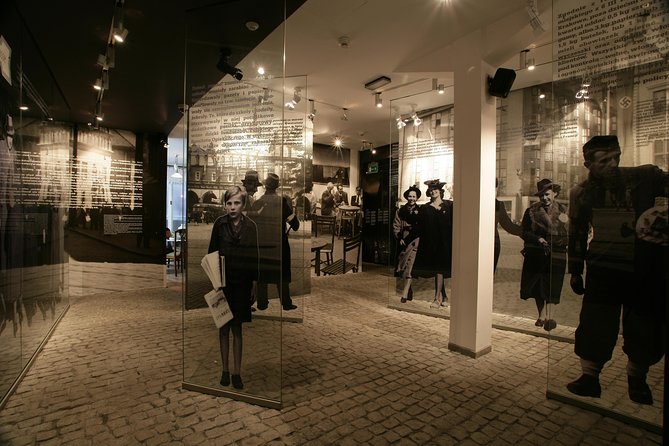
The visit starts with events from the month before the war, then moves into the German invasion and the first months of occupation. That opening helps explain that persecution did not happen in isolation. The museum sets the political and social scene before describing the restrictions imposed on the city’s people.
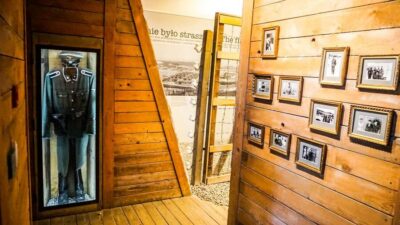
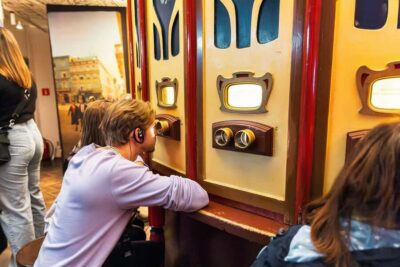
You’ll follow the effect of occupation on both Polish and Jewish residents. The exhibition uses photographs, text panels, staged rooms, documents, and personal accounts to show how ordinary routines were reshaped by new laws and constant danger.
A guide can help you connect those pieces. Names, dates, and regulations can blur together when you read them alone. A good guide adds the human scale, pointing out how a decision made by the occupying authorities affected families, jobs, homes, and movement through the city.
The strongest guides appear to handle the subject with care. Alicia has been praised for asking thoughtful questions, while Eva, Ava, and Joanna have been singled out for clear and sensitive explanations. The quality of your experience will depend heavily on who leads your group and how well you can hear that person.
Krakow’s Jewish community and the ghetto
The museum then turns to the persecution of Krakow’s Jewish population and the creation of the Krakow Ghetto. This section is emotionally difficult, but it is also central to understanding the city’s wartime story.
You’ll encounter photographs and accounts that show what happened to people forced into the ghetto, including the loss of homes, freedom, work, and family stability. The subject is presented as part of daily life under occupation, rather than as a distant sequence of military events.
This is where a guide adds real value, at least in a small and well-run group. You can hear how individual stories fit into the wider timeline, and you can ask for clarification when a name or place is unfamiliar. Several guides have been praised for explaining what life looked and felt like, rather than simply reciting dates.
The challenge is physical. Rooms can be tight, and a group of 20 or more may not fit comfortably around one display. Visitors at the back may see a wall of heads instead of the exhibit, while people moving through the museum can interrupt the group. If you book the guided option, position yourself near the guide from the start.
Płaszów and the cost of moving too quickly
The story continues to Płaszów Concentration Camp and the treatment of Krakow’s Jewish population as Nazi policy became more violent. This section is disturbing, and the subject deserves time and quiet attention.
That is one reason the guided format can work against the museum. A guide may provide useful context, but you can be moved onward before reading the survivor statements, captions, photographs, or video material. Some visitors have left the group partway through because they could not hear the guide or wanted to read at their own pace.
I would not treat that as a minor complaint. In a museum built around personal testimony, the ability to stop matters. A rushed explanation can give you the outline of an event while preventing you from absorbing the details that make it meaningful.
The best outcome comes when the guide allows a little breathing room. One highly praised visit lasted more than two hours and gave the group time to look around. The advertised tour is closer to 90 minutes, however, so you should not assume that extra time will be available.
A few more things to do in Kraków worth a look
- From Krakow: Wieliczka Salt Mine Tour & Skip the Line Ticket
★ 4.4 · 3,925 reviews - Schindler’s Factory in Krakow: Guided Tour & Skip the Line Ticket
★ 4.5 · 1,714 reviews - Auschwitz-Birkenau: Skip-the-Line Ticket and Guided Tour
★ 4.2 · 1,034 reviews - Auschwitz Birkenau Guided Tour/Skip The Line/PickUp/Guide ENG
★ 4.5 · 930 reviews
Schindler’s role and what the film leaves out
The real-life story behind Schindler’s List is included, but this is not a film companion tour. You should expect very little about Hollywood’s version of events and much more about the wartime city.
That distinction can be helpful. The movie tells a powerful story, but the museum places Schindler among many other people and institutions affected by occupation. You’ll learn about his factory and the Jewish workers connected with it, yet the visit does not focus on every detail of his life or on recreating the film.
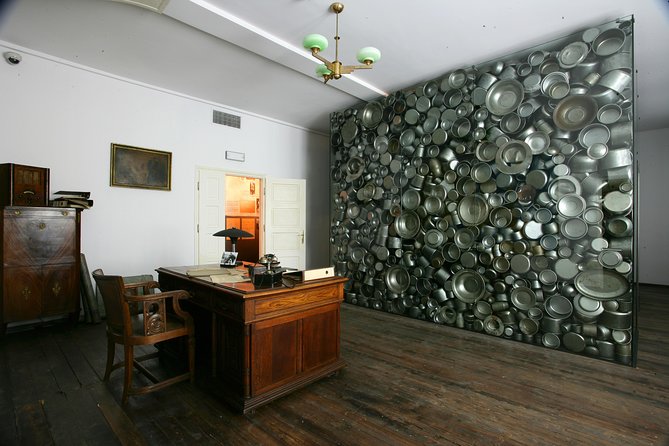
You also should not expect to walk through a preserved production floor and see the factory as it operated during the war. The former factory building is important, but the exhibition is built around interpretation and memory. Much of what you see is designed museum presentation rather than untouched industrial space.
I would advise watching the film before visiting only if you can keep the two experiences separate. The film may give you an emotional entry point, while the museum corrects the narrow focus by showing what happened across Krakow. If your only goal is to see the places shown on screen, this is not the right tour.
Skip-the-line entry: useful, but not a cure-all
The guaranteed skip-the-line ticket is a practical benefit. The museum can be busy, and avoiding a long wait is valuable when your Krakow schedule is tight.
Still, skip-the-line access only gets you inside faster. It does not guarantee a small group, a headset, a quiet room, or enough time at every exhibit. Those are separate parts of the experience, and they are where many problems arise.
The meeting arrangement also deserves attention. The tour includes no hotel pickup, drop-off, or transport, so you must make your own way to the museum. The attraction is near public transportation, but the specific route is not part of this experience. Check the meeting instructions carefully and allow time to find the guide.
Once inside, stay close. If the guide speaks softly, speaks quickly, or lacks a headset, the back of the group is a poor place to stand. Ask at the beginning whether the guide will pause for questions and whether you can spend a few minutes looking at key displays after the talk.
Is $42.95 a fair price?
At $42.95 per person, this is not the cheapest way to enter the museum. The price pays for skip-the-line access and, when you select the guided option, an English-speaking museum guide.
That can be good value if you have limited time and want the major story explained in sequence. A strong guide can connect the occupation, ghetto, Płaszów, factory, and Schindler’s role in a way that is difficult to achieve by skimming labels. The highly praised guides make the cost easier to justify.
The value drops if your group is large or you cannot hear. You may pay a premium for a guided service, then spend much of the visit looking over shoulders and trying to catch fragments of the explanation. In that situation, a direct museum ticket and a self-guided visit may give you more for less.
Your travel style should decide this. I would pay the extra amount if I had only one chance to visit, wanted a structured overview, and was willing to stay close to the guide. I would choose independent entry if I like reading every panel, watching videos, and taking my time with personal accounts.
The group size is the deciding factor
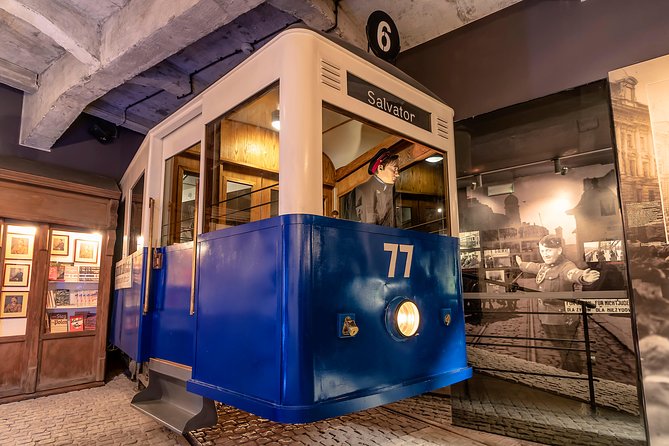
The museum’s small rooms make group size unusually important. A group of 20 or 25 people can create a bottleneck, especially when another guided party is close behind.
This affects more than comfort. It can change what you learn. A visitor at the front may hear a detailed explanation, while someone at the back hears little. People crossing through the room can break your concentration, and the guide may keep moving to stay on schedule.
Headsets are not reliably provided by the venue. That has been raised as a repeated issue, and the tour operator has acknowledged that the museum does not currently supply them. Unless your particular guide has another arrangement, assume you will hear the guide without audio equipment.
For the best chance of a good visit, arrive ready to stand near the guide, avoid lingering at the back, and speak up if the room is too noisy. If you have hearing difficulties, the guided format may not be the safest choice unless headset availability is confirmed before booking.
Who will enjoy this visit most?
This tour suits you if you want a structured introduction to Krakow under Nazi occupation and prefer a guide to explain the main sequence of events. It is also useful if you are short on time and value getting through the entrance without waiting.
The subject is serious. You’ll hear about persecution, forced movement, the ghetto, the concentration camp, and the suffering of civilians. It may be upsetting, and you should not schedule it as a light attraction between cheerful activities.
Families can attend, but children must be accompanied by an adult. Most people can take part, service animals are allowed, and the museum is near public transportation. Those details make the visit broadly accessible, but they do not remove the need to prepare younger visitors for difficult material.
I would be more cautious about recommending it to anyone whose main interest is the film or the physical factory. You may come away disappointed if you expect a detailed Schindler biography or an authentic tour of the shop floor.
Practical ways to get more from the 90 minutes
Read a little about Krakow before you arrive, even if you plan to rely on the guide. Knowing the basic outline of the German occupation will help you place the photographs and names in context.
Arrive early enough to find the meeting point without stress. The tour does not include transportation, and the operator requires a minimum number of participants, so last-minute changes are possible if that minimum is not met.
At the museum, keep your questions short and ask them when the group stops. If the guide speaks too quickly or too quietly, say so. You are paying for the explanation, and waiting until the end will not help if you have missed half the tour.
If the group becomes too crowded, you can decide whether to remain with the guide or continue independently. The self-guided route may be better for reading the exhibits, though you would give up the guide’s context. That tradeoff is worth considering before you book.
The experience is listed at about 1 hour 40 minutes, with the guided museum portion lasting around 90 minutes. Do not assume the visit includes a meal, drinks, hotel transfer, or city transportation. None of those are included.
Should you book the Schindler Factory guided tour?
Book it if your priority is fast entry and an English explanation of Krakow’s wartime story. A sensitive, well-informed guide can make the museum far more understandable, and the best tours have been described as moving, clear, and carefully delivered.
Think twice if you want a slow museum visit, a small group, or a close look at the actual factory. The $42.95 cost is harder to defend when you cannot hear the guide or are rushed past the displays.
My practical choice would depend on the day. If the museum is crowded and I had limited time, I would consider this tour for the queue jump, staying near the guide and treating the experience as a guided introduction. If I had several hours and cared most about photographs, survivor accounts, and detailed exhibits, I would choose a self-guided visit instead.
FAQ
How long does the Schindler’s Factory guided tour last?
The guided museum visit lasts about 90 minutes, while the full experience is listed at approximately 1 hour 40 minutes.
Is skip-the-line entry included?
Yes. The experience includes guaranteed skip-the-line access to the museum.
Is the tour offered in English?
Yes. The tour is offered in English.
Does the visit focus only on Oskar Schindler?
No. It covers Krakow under Nazi occupation from before the war through the arrival of the Soviet Army in 1945. It includes Schindler, the city’s Polish and Jewish communities, the Krakow Ghetto, and Płaszów Concentration Camp.
Will I see the original factory floor?
The information provided does not promise access to the working factory floor. The visit takes place in the former factory and focuses on the permanent exhibition about Krakow under Nazi occupation.
Are transportation, food, and drinks included?
No. Hotel pickup and drop-off, transport to and from the attraction, food, and drinks are not included.
Just added in Kraków
- From Krakow: Guided Tour of Zalipie★ 4.6 · 30 reviews
- From Krakow: Zalipie Village Day-Tour★ 4.9 · 74 reviews
- Krakow: Zalipie Village Tour★ 4.6 · 8 reviews
- ZALIPIE – painted village, unique PRIVATE tour from Krakow★ 5.0 · 20 reviews
- From Kraków: Slovakia Treetop Walk Bachledka and Zakopane★ 5.0 · 73 reviews
- From Krakow: The Black Madonna of Czestochowa & John Paul II Family Home★ 5.0 · 28 reviews
- Energylandia Theme Park Full Day with optional Krakow Pickup★ 5.0 · 38 reviews
- Krakow City Tour on Scooter and Food Tasting with English Guide★ 5.0 · 84 reviews
Schindler's Factory Tours, compared.
Oskar Schindler’s Factory Entry Ticket & Guided Tour
Read the review →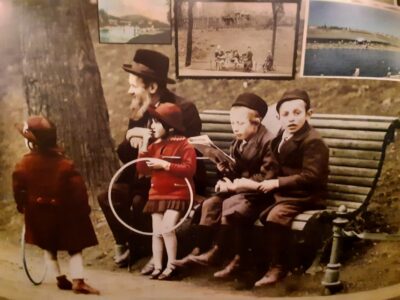
Schindler’s Factory Tour with Entrance Ticket
Read the review →
Schindler’s Factory in Krakow: Guided Tour & Skip the Line Ticket
Read the review →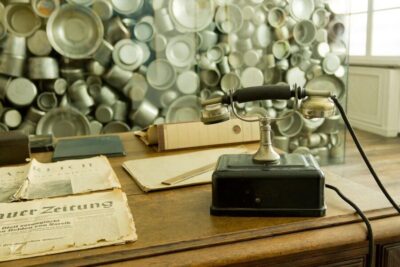
Schindler’s Factory Ticket with Guided Tour Option
Read the review →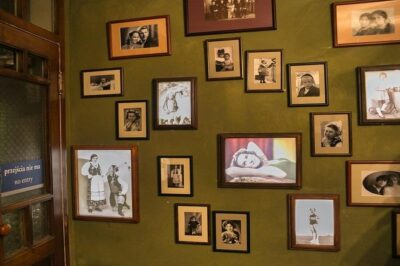
Krakow Schindler’s Factory Guided Tour with Admission Ticket
Read the review →
Krakow Schindler’s Factory Museum Guided Tour in English
Read the review →Browse the lists this tour appears in