
Reviewed · MUSEUMS
Warsaw Uprising Museum (1944) + POLIN Museum : SMALL GROUP /inc. Pick-up/
Warsaw’s painful 20th-century story comes into sharp focus at two excellent museums: one follows the doomed 1944 uprising, while the other traces centuries of Jewish life in Poland. Together, they give you a far fuller picture of the city than either museum can provide alone. The Warsaw Rising Museum is loud, visual, and emotional. POLIN is spacious, thoughtful, and centered on culture as well as persecution.
I like the door-to-door pickup, especially if you are still learning Warsaw’s streets or traveling with a wheelchair. I also like the sensible pairing of museums, with tickets and audio guides included. The catch is important: this is mainly transport and museum access, not a live guided tour. The driver-coordinator can help with tickets and point out sights on the way, but you will spend your museum time with an audio guide.
Key points at a glance
- Two major museums in one four-hour outing: You visit the Warsaw Rising Museum and POLIN, with roughly 75 minutes at each.
- Transport starts and ends at your accommodation: Pickup and return are by car or van, not a large bus.
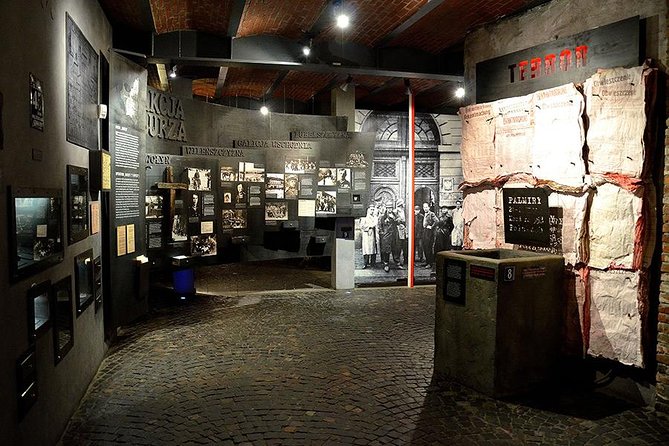
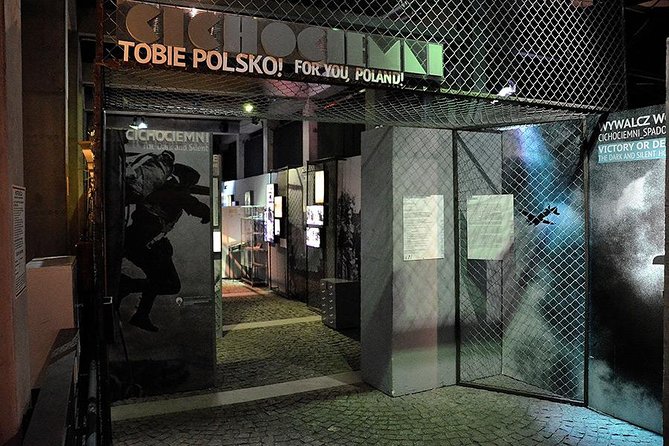
- The Warsaw Rising Museum uses powerful media: Expect authentic objects, photographs, films, sounds, and a short 3D flight over ruined Warsaw.
- POLIN covers centuries, not just wartime suffering: Its displays explain Jewish contributions to Polish culture, science, and commerce.
- Audio guides cover many languages: English is available, along with a long list of other languages at both museums.
- Best for independent museumgoers: You get help with transport and entry, but not a personal historian leading you through every room.
Two museums that explain Warsaw from different angles
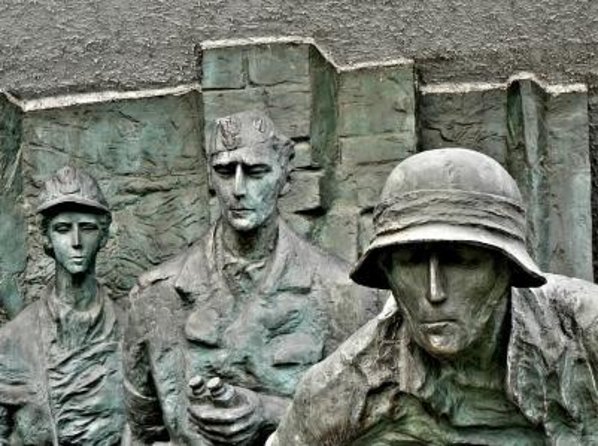
This outing works because the museums complement each other. The Warsaw Rising Museum asks why people in occupied Warsaw chose armed resistance in 1944, and what that decision cost. POLIN looks across many centuries, showing how Jewish communities shaped Polish society and how Jewish and Christian neighbors lived alongside one another.
That contrast matters. If you visit only the Uprising Museum, you may leave focused almost entirely on destruction and military defeat. If you visit only POLIN, you may understand the long story of Jewish life in Poland without seeing as clearly how the Second World War shattered Warsaw. Together, the museums connect the city’s older identity with its wartime ruin.
The planned museum time is about one hour and 15 minutes at each stop. That is enough for a useful introduction, but not enough to read every panel or follow every branch of the exhibitions. I would treat this as a structured first visit, not a complete study of either museum.
A few more things to do in Warsaw worth a look
- Warsaw: POLIN Museum of the History of Polish Jews Ticket
★ 4.7 · 1,142 reviews - Warsaw: Polish Vodka Museum Tour with Tasting
★ 4.6 · 788 reviews - Warsaw: Museum World of Illusion Entry Ticket
★ 3.9 · 666 reviews
Inside the Warsaw Rising Museum after 1944
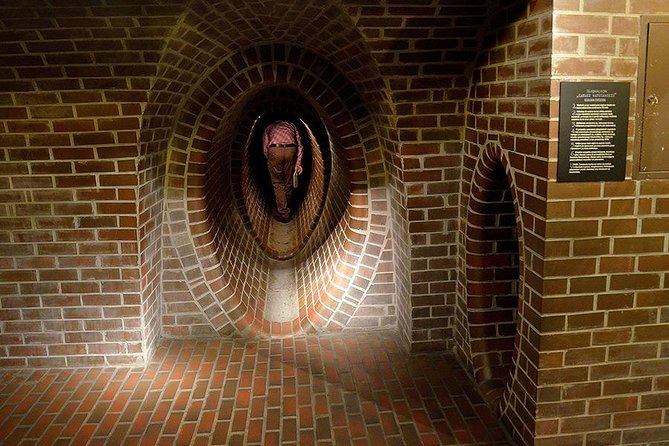
The first stop presents Warsaw before, during, and after the 1944 uprising. The introduction gives you a sense of the city that was lost: a growing European capital known for its grand tenements, modern sewer system, social variety, and mix of religious communities.
The museum then turns to the question at the heart of the visit: why did Poles rise, and was the possible gain in freedom worth the terrible human cost? The exhibition does not reduce the event to a simple tale of heroes and villains. It places you in a situation where young people faced occupation, fear, and an uncertain chance of liberation.
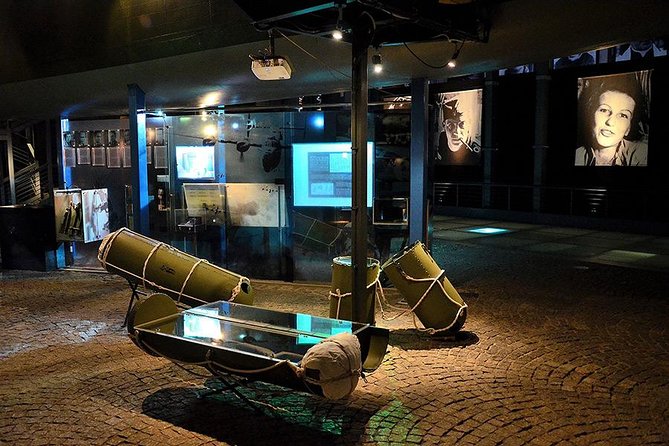
You will see more than 1,000 authentic objects, along with about 1,500 photographs and films. Sounds and images help create a strong sense of the period. This is not a quiet display of labels and glass cases. The museum is designed to make the uprising feel immediate, and some sections may be difficult if you prefer a lighter sightseeing stop.
A short 3D film adds another useful perspective. It lasts about five minutes and simulates a flight over Warsaw after the city had been demolished. From above, the scale of the destruction becomes easier to grasp. The film is brief, but it gives shape to the central fact of the museum: this was not damage to a few streets. Much of the city was reduced to ruins.
The museum’s great strength is its use of sound, film, and physical objects together. You are not asked to rely on dates alone. The material gives the uprising a human scale and shows how a whole city was caught in the fight.
The limitation is time. Seventy-five minutes passes quickly here, especially if you listen to the audio guide closely. I suggest choosing the subjects that matter most to you rather than trying to absorb every item. The audio guide helps, but it cannot turn a short visit into a full examination of the collection.
POLIN and the long story of Jewish life in Poland
POLIN takes a much wider view. It documents the centuries-old history of Jews in Poland and explains their role in the country’s culture, economy, science, literature, and daily life.
This is an important balance to the Uprising Museum. POLIN is not simply a museum about wartime destruction. Its purpose is to show Jewish life before the Holocaust as well as the loss that followed. You encounter family life, neighborhood relationships, and Jewish-Christian connections, along with examples of how the two cultures influenced one another.
The museum uses multimedia displays to make the material accessible. A virtual library presents major works of Hebrew and Yiddish literature, including religious, philosophical, and moral texts. You can also print a title page from a 16th-century book using a press. That small hands-on feature gives the exhibition a more personal feel than a display case alone.
The museum’s approach is especially useful if your knowledge of Polish Jewish history begins and ends with the Second World War. You will see that Jewish life in Poland was not a brief episode, but a major part of the country’s social and cultural development.
At the same time, POLIN can feel dense. The subject covers many centuries, and the museum offers a great deal of material. With only about 75 minutes, you will need to accept that you are sampling the exhibition. The audio guide can help you choose a route and avoid spending too long in the first rooms.
I would give POLIN your full attention even if the Uprising Museum feels more dramatic. Its quieter approach is one of its strengths. It gives you context, restores individual and community life to the story, and helps prevent the past from being viewed only through tragedy.
What the driver-coordinator actually does
The service is built around practical help rather than live interpretation. You provide your hotel or apartment address when booking. On the day, the coordinator waits outside the entrance with a card showing your name, which should make the meeting easier.
Transport is by car or van, with a maximum group size of 15. That is a more personal setup than a large coach, and it avoids the work of arranging taxis between museums. The vehicle and transport service are wheelchair accessible, which is a meaningful advantage for visitors who need step-free arrangements.
The coordinator helps with the ticket process and gets you started at each museum. A useful touch is the occasional point of interest during the drive. But do not book this expecting a guide to walk through the galleries with you. The museum experience is self-guided through audio commentary.
This distinction explains the mixed value judgments attached to the tour. If you mainly want reliable transportation, included admission, and help getting oriented, the setup is convenient. If you want a historian to explain the uprising, answer questions, and connect the exhibits as you walk, you may find the service too thin.
Same base, a different kind of day:
- Warsaw: Chopin Concert in the Old Town
★ 4.8 · 2,287 reviews - Warsaw: Traditional Galar Cruise on The Vistula River
★ 4.6 · 1,640 reviews - Warsaw: Old Town Highlights Walking Tour in English
★ 4.7 · 1,516 reviews - Warsaw Concert: Chopin – Painted by Candlelights with Wine
★ 4.8 · 1,442 reviews
Audio guides and language choices
The two museums offer audio guides in different language ranges. At the Warsaw Rising Museum, choices include English, Polish, German, French, Spanish, Italian, Portuguese, Russian, Ukrainian, Hebrew, Chinese, Japanese, Korean-related regional offerings as listed by the provider, and many other European languages.
POLIN also offers a broad range, including English, Polish, German, French, Spanish, Italian, Russian, Hebrew, Hungarian, Yiddish, and several others. English is available at both museums, so English-speaking visitors can use the tour without arranging anything extra.
Audio guides give you control over pace. You can spend more time with photographs at the Uprising Museum or pause over the literary material at POLIN. They also make this trip workable for people who prefer not to follow a live group from room to room.
The downside is that audio tours require attention. You will be reading, listening, and looking at displays at the same time. With a limited schedule, decide early whether you want a broad overview or a slower look at selected sections.
Is $114.28 a fair price?
At $114.28 per person, the price is not simply the cost of two museum tickets. It also covers pickup and return, transport between the museums, local taxes, handling charges, and audio guides.
The value depends on how you would otherwise organize the day. If you are comfortable using taxis or public transport, buying museum tickets yourself, and handling the route, you could likely spend less. One critical assessment made exactly that point, describing the service as closer to a taxi ride with museum assistance than a guided tour.
For many visitors, though, the extra cost buys convenience. You do not need to find the first museum, arrange a second ride, or work out the return journey. You also avoid the uncertainty of explaining two museum destinations to separate drivers. That can be worth paying for on a short Warsaw stay.
The small-group limit of 15 keeps the arrangement from becoming a large coach outing, although the actual group size may vary. At least two people are required per booking. If you are traveling alone, this particular option may not fit the booking rule.
I see the price as reasonable for someone who values door-to-door service and has limited time. I see it as poor value for someone who wants a personal museum specialist or who is happy navigating independently.
How to use four hours well
The overall duration is about four hours, with 75 minutes allocated to each museum. The remaining time covers pickup, transport, entry assistance, and the change from one museum to the other.
Do not expect long breaks or a leisurely meal during the experience. This is a focused museum circuit. Eat beforehand or plan your meal after the return to your accommodation, since no food stop is included in the description of the service.
Because both museums contain a lot of material, I would set a clear aim for each stop. At the Warsaw Rising Museum, focus on the causes, main phases, and consequences of the uprising. At POLIN, look for the long arc of Jewish life, cultural exchange, and relations between Jewish and Christian communities.
If you need more time at either museum, this may feel rushed. The tour is better for a first look than for a detailed scholarly visit. You can always return to the museum that speaks to you most.
Who should book this experience?
I would recommend it to first-time visitors who want two major museums handled in one half-day. It is also a good fit for people staying outside the central sightseeing area, families or couples who prefer private vehicle transfers, and anyone who wants help with entry without committing to a live guide.
The wheelchair-accessible transport is another strong reason to consider it. Accessibility inside each museum is not described in detail, so you should confirm any specific gallery or facility needs before booking.
I would be more cautious if you already know Warsaw well, enjoy public transport, or want maximum time inside the collections. In those cases, arranging your own rides may save money and let you spend a full morning or afternoon at just one museum.
This also is not the right choice if the phrase small group makes you expect a personal lecture. The coordinator may point out sights on the road and assist with the practical details, but the museums themselves are experienced through audio guides.
Booking, pickup, and cancellation details
You must provide your hotel or apartment address when booking. Pickup is at the building entrance, where the coordinator waits with a card bearing your name. Confirmation arrives within 48 hours, subject to availability.
Free cancellation is available if you cancel at least 24 hours before the scheduled start time. Cancellations or changes made inside that 24-hour window are not refunded or accepted.
The provider is Visiting-Warsaw.Com. The experience is offered in English, and admission tickets are included. Photos, postcards, and other personal purchases are not included.
Should you book the Warsaw museums combination?
Book this if you want efficient transport, included admission, and two important museums in one outing. The strongest part is the pairing itself: the Uprising Museum shows the city’s wartime destruction, while POLIN explains the much longer story of Jewish life and cultural influence in Poland.
Do not book it for a live guide. You are paying for transport, coordination, tickets, and audio guides rather than a personal museum lecture. If you understand that distinction, the tour can be a practical way to organize a serious half-day in Warsaw. If you want detailed interpretation or more time in each collection, use the same museums but visit them independently.
FAQ
How long does the experience last?
The experience lasts approximately four hours. About 75 minutes is scheduled at the Warsaw Rising Museum and about 75 minutes at POLIN Museum, with the remaining time used for pickup, transport, and entry assistance.
Are museum admission tickets included?
Yes. Admission to both the Warsaw Rising Museum and POLIN Museum of the History of Polish Jews is included.
Is hotel pickup available?
Yes. Door-to-door pickup and return are offered from a hotel or apartment. You need to provide the address when booking, and the coordinator waits outside the building entrance with a card showing your name.
Is this a live guided museum tour?
No. The driver-coordinator assists with transport and the ticket process, and may point out sights during the drive. Inside the museums, you use audio guides rather than following a personal museum guide.
What languages are available for the audio guides?
English is available at both museums. Other listed choices include Polish, German, French, Spanish, Italian, Russian, Hebrew, Hungarian, Portuguese, Chinese, Japanese, Ukrainian, and several additional languages, with the exact selection differing between the two museums.
Is the transport wheelchair accessible?
Yes. The transport is described as wheelchair accessible. Specific accessibility details inside each museum are not provided, so confirm any particular needs before booking.
Can I cancel for a full refund?
Yes, if you cancel at least 24 hours before the experience starts. Cancellations or changes made less than 24 hours before the start time are not accepted and are not refunded.
Just added in Warsaw
- Warsaw Zoo Skip-the-Line Entry Ticket with Private Transport★ 4.8 · 3 reviews
- Warsaw Private Wilanow Palace & Garden Tour★ 4.6 · 30 reviews
- Warsaw: Vodka Tour★ 4.4 · 18 reviews
- Warsaw Wolf’s Lair with St. Lipka and Mamerki Private Guided★ 4.2 · 3 reviews
- Warsaw Uprising and WWII Old Town Walking Tour with Museum★ 4.7 · 15 reviews
- Warsaw Old Town UNESCO HERITAGE walking tour in English★ 4.5 · 23 reviews
- Warsaw: Private Vodka Tasting Night with Snacks and Pickup★ 5.0 · 7 reviews
- Warsaw: Skip-the-Line Royal Castle Guided Tour★ 4.9 · 79 reviews
Museums, compared.
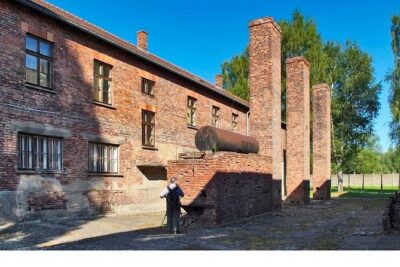
Auschwitz-Birkenau Museum and Memorial Guided Tour from Krakow
Read the review →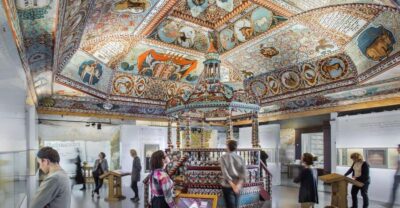
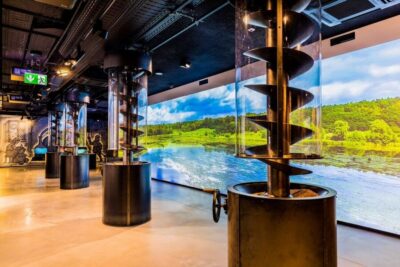
POLIN Museum of the History of Polish Jews Ticket
Read the review →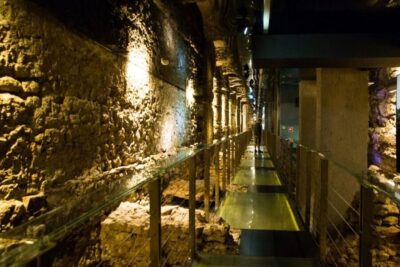
Krakow Schindler’s Factory Museum Guided Tour in English
Read the review →
Auschwitz Birkenau Museum Guided Tour with Pickup
Read the review →
Browse the lists this tour appears in