
Reviewed · TRICITY TOURS
Gdansk, Gdynia, and Sopot: 8-Hour Private Sightseeing Tour
The best part of this tour is the variety. In one long day, you move from Gdansk’s brick Gothic churches and amber shops to an organ concert, a preserved sailing ship, and the broad Baltic views from Sopot’s pier. Oliwa Cathedral and Dar Pomorza give the day its strongest sense of place.
I like that the tour is private, so your guide can respond to your interests rather than march a large group from stop to stop. I also like the practical mix of famous sights and local detail, especially the amber polishing demonstration and the short talk that explains why amber matters in this part of Poland.
The main drawback is pace. Eight hours covers three cities and several major stops, and one past participant found the walking speed too quick. Entrance fees for Oliwa Cathedral’s concert and Dar Pomorza are extra, so add those costs before judging the $70 price.
Key points at a glance
- Three cities in one day: Visit Gdansk, Gdynia, and Sopot, each with a different character and history.
- A genuine musical stop: Hear an organ recital inside the 16th-century Oliwa Cathedral.
- Hands-on amber context: Watch a polishing demonstration and learn how amber is worked.
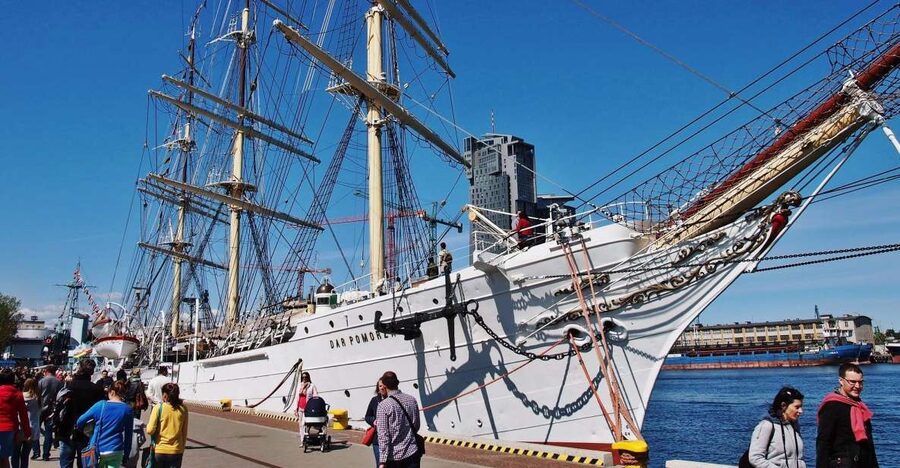
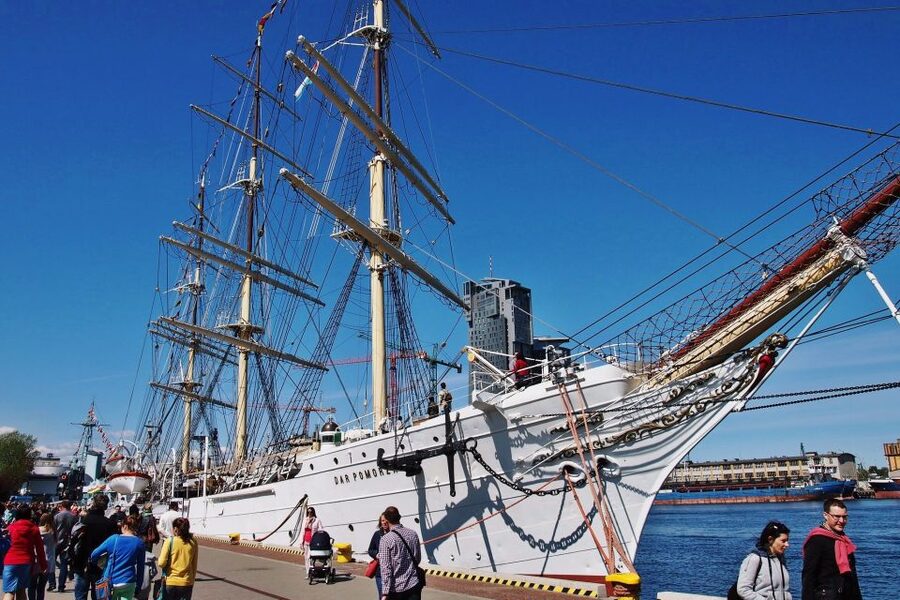
- A 1909 sailing ship: Walk through Dar Pomorza’s training spaces and see its maritime displays.
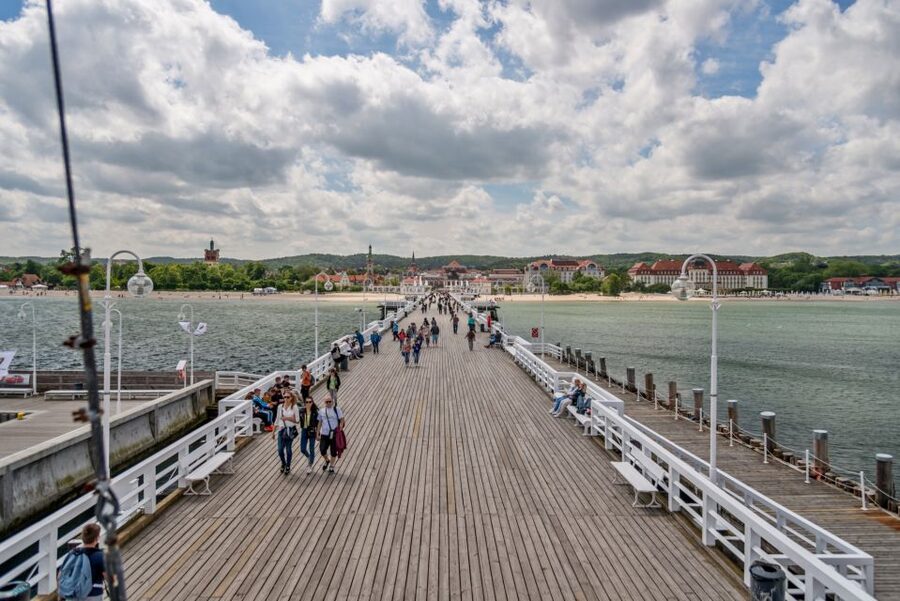
- A long Baltic walk: Follow Sopot’s wooden pier more than 500 meters into Gdansk Bay.
- Private, multilingual guiding: Choose from English, Spanish, German, Polish, Russian, French, Italian, or Portuguese.
Why this Tricity day works
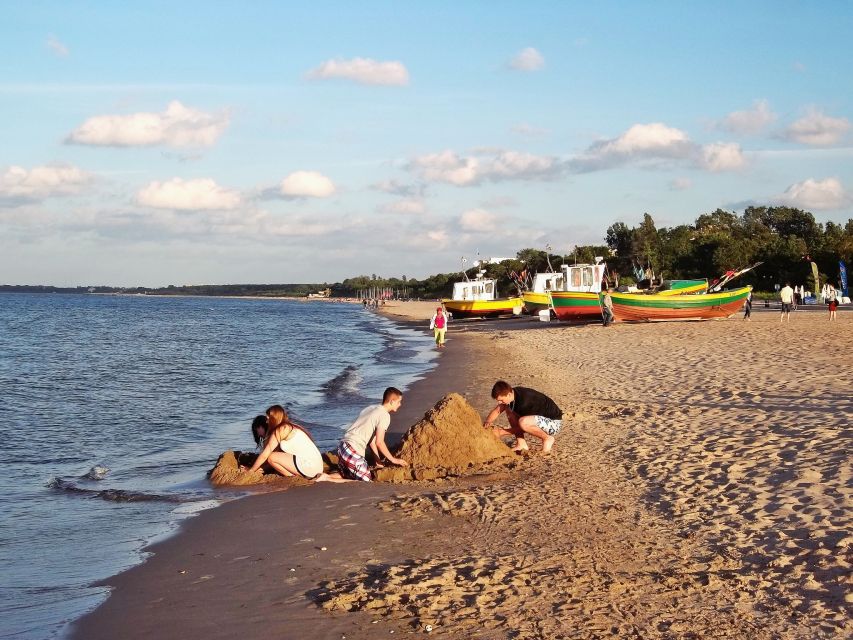
Gdansk, Gdynia, and Sopot sit close together around Gdansk Bay, but they do not feel like copies of one another. Gdansk is the historic center, with grand merchant houses, Gothic brick churches, and a strong amber trade. Gdynia is the modern port city, shaped by ships and the sea. Sopot is the resort, with a promenade, a wooden pier, and open views across the bay.
That contrast is the reason I think this private tour earns its place in a Gdansk itinerary. You are not spending eight hours looking at similar buildings. You are changing the subject several times, from civic power to religious music, naval training, and seaside leisure.
The private format matters here. Your guide meets you in your hotel lobby with a sign bearing your name, then handles the transport between cities. That saves you from working out the connections yourself and gives you someone to explain what you are seeing as the day moves along.
The cost is $70 per person, with transport and a guide included. That is a fair starting price for a full private day, particularly if you are sharing the experience with family or friends. You still pay the entrance fees for the Oliwa Cathedral concert and Dar Pomorza, so the final total will be higher.
Other Tricity days out of Gdańsk:
- Sopot: Sunset Yacht Cruise with Welcome Drink
★ 4.7 · 278 reviews - Sopot: Yacht Cruise Around the Bay with Welcome Drink
★ 4.8 · 231 reviews - Highlights of Gdańsk, Gdynia and Sopot 1-day Private Tour
★ 4.9 · 59 reviews
Gdansk begins with Długa Street
The Gdansk portion starts in the Old Town, though much of what you see is technically the Main Town. The grand route is Długa Street, a handsome pedestrian thoroughfare lined with Renaissance-style façades and historic civic buildings.
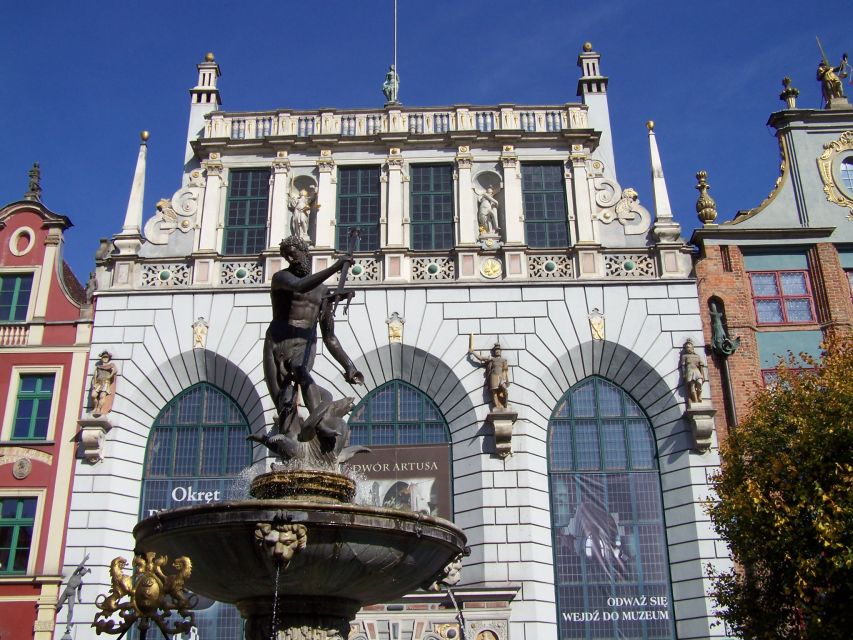
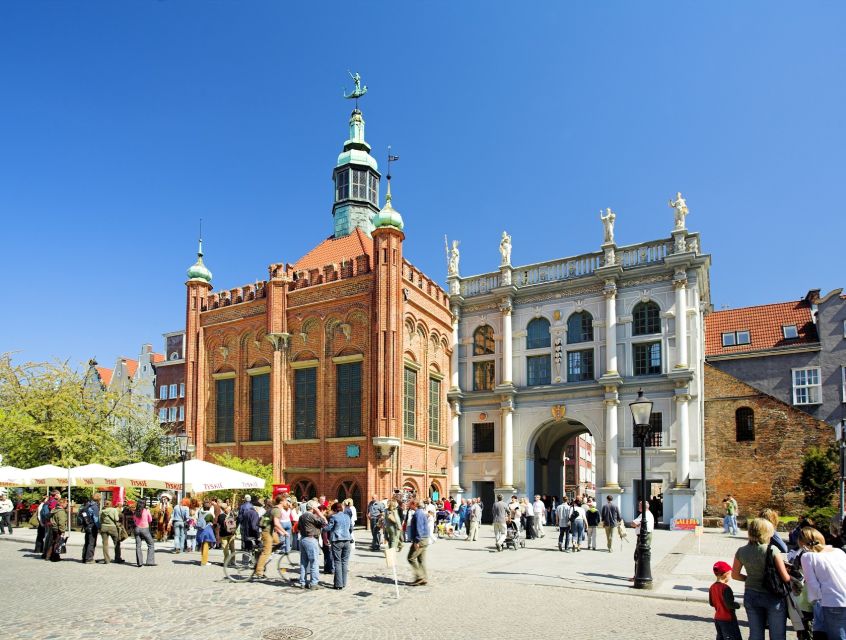
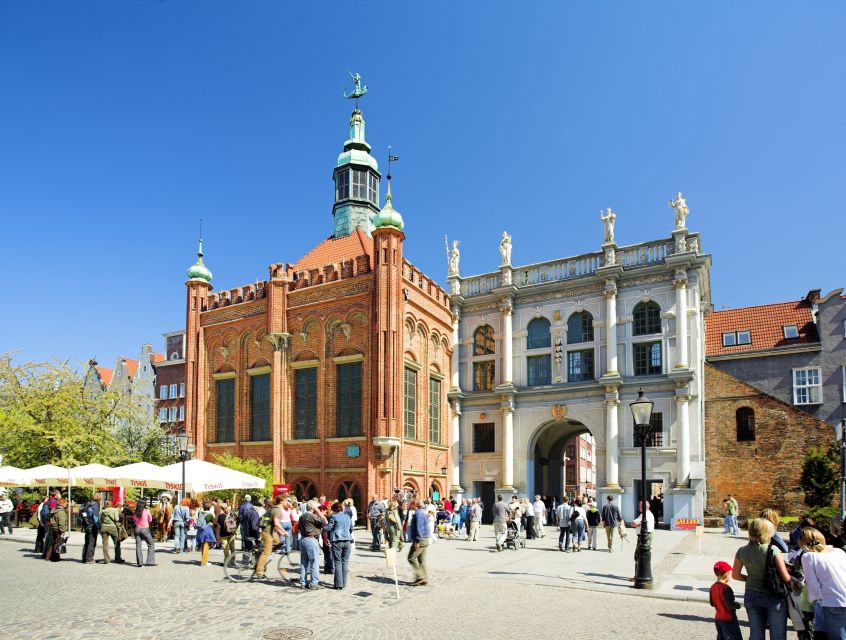
The walk begins at the Golden Gate and continues past the Town Hall, Neptune Fountain, and Arthur’s Court before reaching the Green Gate beside the Motława River. This sequence gives you a useful introduction to Gdansk’s former wealth. Merchants, civic leaders, and visitors once moved through this same corridor, and the façades still make the city feel theatrical without needing much explanation.
I like this opening because it puts the city’s main sights in a clear order. You are not simply being driven past landmarks. You can see how the street connects the formal entrance, public buildings, symbolic fountain, merchant meeting place, and riverfront.
The pace may be brisk, especially if your guide tries to cover every important building. Ask early for time to pause at the details that interest you most. The private format should make that possible, but you need to say so.
Amber, Arthur’s Court, and the Old Crane
Amber is one of the most useful local subjects to include in Gdansk. The region is closely associated with Baltic amber, and the tour adds more than a quick look at jewelry in a shop. You visit the Amber Chamber and see a polishing demonstration, followed by a short lecture on the material and its craft.
That demonstration gives you a better eye for what you see later in shops. Instead of treating amber as a generic souvenir, you can watch how it is prepared and understand why pieces differ in color and appearance. I would pay attention here even if you do not plan to buy anything.
Arthur’s Court adds another layer. Its name recalls the meeting places used by merchants and civic elites, and its position along Długa Street helps explain the importance of trade in Gdansk’s old center. The tour also brings you to the Old Crane on the Motława River, one of the city’s best-known symbols.
The crane is especially useful as a visual reminder of Gdansk’s port past. From this part of the route, the city’s connection to river traffic and maritime commerce becomes easy to grasp. The stop is more memorable when your guide explains how the crane fits into the city’s working history, rather than treating it as just a photogenic building.
St. Mary’s Church and Gdansk’s brick Gothic scale
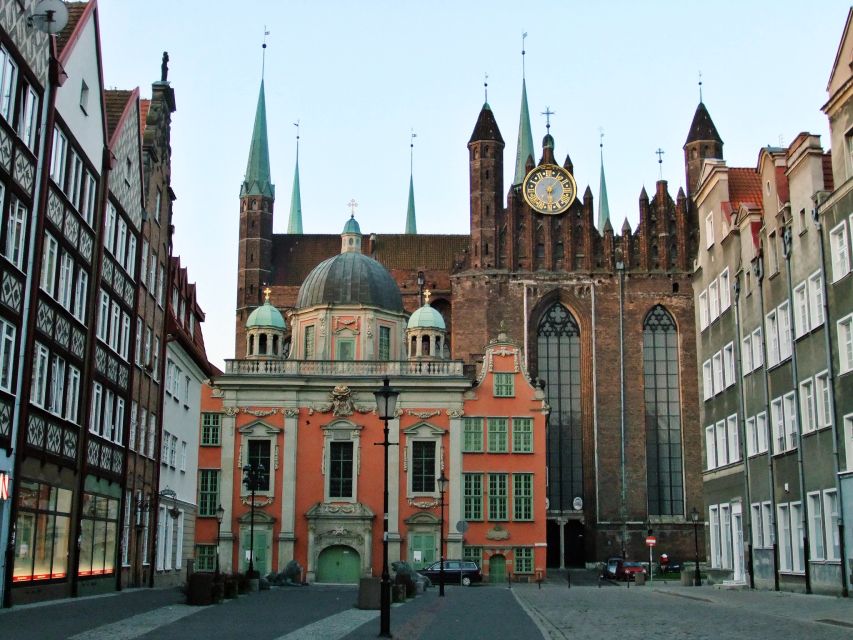
The church of St. Mary is another major Gdansk stop. It is described as Europe’s largest Gothic brick church, and its size is the point. Even before you study the interior, the building shows how much skill and money medieval cities could direct toward religious construction.
Brick gives the church a different character from the pale stone cathedrals you may know elsewhere in Europe. The broad walls and great interior create a strong sense of weight and space. This is one place where I would not rush your eyes from one feature to another. Take a moment to understand the scale.
The Gdansk walk includes several grand sights close together, but the route is still a walking tour. Comfortable shoes matter. If anyone in your group has trouble keeping up, tell the guide before the day gets moving. One participant found that the guide’s effort to show as much as possible led to a pace that was difficult for a spouse to maintain.
A few more things to do in Gdańsk worth a look
- Gdańsk: Old Town Private Walking Tour with Legends and Facts
★ 4.9 · 245 reviews - Gdansk: Shared or Private City Tour Sightseeing By Golf Cart
★ 4.8 · 233 reviews - Gdansk: Private Top City Tour by Electric Cart & Live Guided
★ 4.9 · 114 reviews - Private Airport Transfer Gdansk (GDN) to City Center Gdansk
★ 5.0 · 83 reviews
The organ recital at Oliwa Cathedral
The move to Oliwa changes the mood. Here, the tour visits the 16th-century Gdansk Oliwa Cathedral, a three-nave basilica associated with the Cistercian order. Its architecture brings together Baroque, Rococo, and Renaissance elements, so the building rewards a slower look after the busy streets of central Gdansk.
The main event is the organ concert. The cathedral is famous for its organs, and hearing them inside the church gives this stop a clear purpose beyond checking off another historic building. The sound, the interior, and the short period of quiet can become the most reflective part of the day.
The cathedral was consecrated in 1594, and it is described as the world’s longest Cistercian church. Those facts are useful, but the recital is what makes the visit feel distinct. You are not only hearing about the building. You are experiencing one of the things it is known for.
The concert entrance fee is not included. That is important when you compare this tour with other full-day options. Confirm the current charge when booking or before departure, since the tour price alone does not cover this part.
Gdynia and the training ship Dar Pomorza
After the cathedral, the tour heads to Gdynia Harbor and the preserved sailing frigate Dar Pomorza. The ship dates from 1909 and later served as a sail training vessel. It also won the Cutty Sark Trophy in 1980, a detail that helps explain its importance in Polish maritime culture.
Boarding the ship gives the day a change of scale. Gdansk’s Old Town is about streets, façades, and churches. Dar Pomorza is about decks, cabins, maps, and the practical life of students learning at sea.
You can explore the Twin Deck, where students lived during training cruises. The ship also displays photographs, maps, and objects from its sailing years. These details make the visit more personal than simply viewing the vessel from the harbor.
I would pay close attention to the living quarters. They help you picture the discipline and close quarters of a training voyage better than a general explanation can. The ship’s polished exterior may catch your eye first, but its strongest material is inside.
Admission to Dar Pomorza is extra. Since the ship is one of the tour’s main attractions, include that cost in your planning. If you enjoy ships, ports, or Polish maritime history, it is likely worth the added fee. If you are less interested in naval subjects, the visit may feel shorter and less essential than the cathedral or Sopot pier.
Sopot and the 500-meter wooden pier
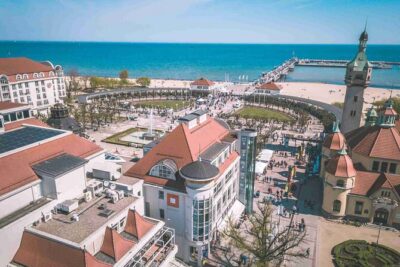
Sopot supplies the day’s easiestgoing finish. This spa and seaside resort has a promenade and a wooden pier extending more than 1,600 feet, or about 500 meters, into Gdansk Bay. Built in 1827, it gives you a wide view back toward Sopot’s terracotta-roofed buildings.
The pier is not a quick photo stop if you want to enjoy it properly. Allow yourself time to walk outward, look back at the shore, and notice how the town changes from a resort setting to a thin wooden line over the water. The open views are a welcome contrast after the enclosed church and ship.
This is also where the weather can affect the experience most. The tour data does not promise any particular conditions, so bring clothing that works for a seaside walk. The route itself is simple, but the pier extends a long way into the bay and may feel exposed.
Sopot’s appeal is less about a single monument than about atmosphere. It shows how the Tricity region functions as a holiday destination as well as a historic and working port area. For many people, this will be the most relaxed part of the day.
How the private format changes the day
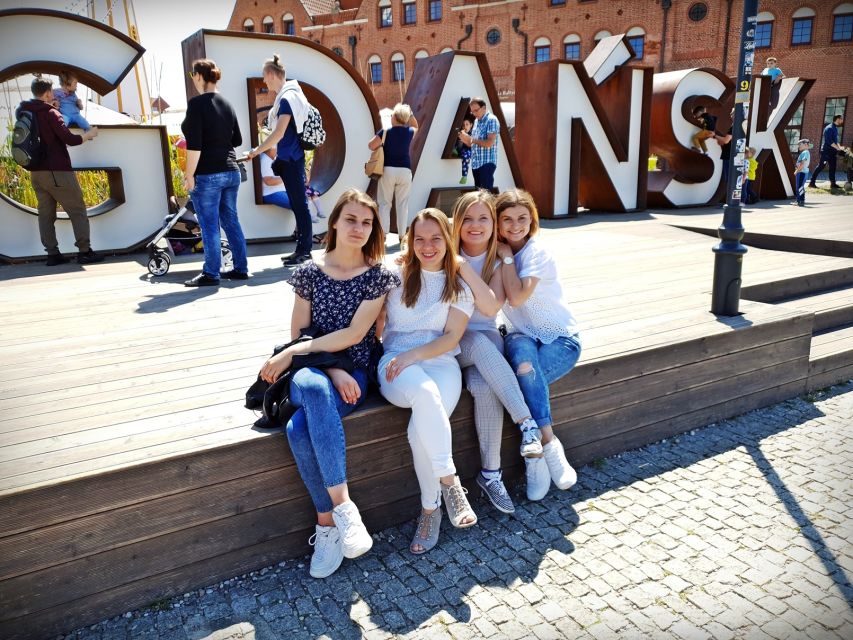
A private group gives you more control than a standard coach tour. You can ask the guide to explain a building in greater detail, spend more time at the amber demonstration, or keep moving if a stop is not holding your attention.
The guide language must be selected when you book. Options are English, Spanish, German, Polish, Russian, French, Italian, and Portuguese. Guides named in past bookings include Piotr and Marek Barski. Piotr was praised for looking after the group, driving well, and explaining all three cities. Marek was described as professional and well informed about local history, while also adjusting the tour to personal wishes.
Those details point to the main benefit of booking private rather than fixed-group sightseeing: communication. Tell your guide what matters most to you. If you want a slower walk, say so. If Gdynia interests you more than amber shopping, say so. The tour has enough stops that priorities will help shape the day.
You should still expect a full schedule. The guide is trying to show three cities, the cathedral, the ship, and the pier in eight hours. This is a survey of the region, not a slow study of every neighborhood.
Who will get the most from this tour
I would choose this experience if you have limited time in Pomerania and want a broad first look without handling transport between the three cities. It suits people who want history, architecture, music, maritime sights, and seaside scenery in one day.
It also works well for families or friends who value privacy and can divide the $70-per-person cost among several people. The multilingual choice is useful for international groups, and hotel pickup removes one small morning task.
You may want a different plan if you prefer long, unhurried museum visits or want to spend an entire day inside Gdansk. The itinerary covers a lot of ground, and the guide may need to keep you moving. The extra entrance fees also mean the headline price is not the complete cost.
Ask for a slower pace if needed. This is the most practical adjustment you can make, and the private setup gives you a reasonable chance of getting it.
Practical details before you book
The tour lasts eight hours, with starting times dependent on availability. Transportation and the guide are included, while admission to Oliwa Cathedral’s concert and Dar Pomorza is not.
Hotel pickup is included. Your guide waits in the lobby with a sign showing your name, which is useful if you are staying at a busy hotel or are unfamiliar with the area.
Book the guide language you need at the time of reservation. You can cancel up to 24 hours before the tour for a full refund, and the reserve-now, pay-later option lets you keep your plans flexible.
The experience has a 4.9 rating from 13 ratings, with repeated praise for the guides’ language skills, personal attention, historical explanations, and ability to cover the three cities. The one clear caution is the amount of ground covered and the possibility of a quick walking pace.
Should you book this Tricity tour?
Book it if you want one well-organized day that connects Gdansk’s grand center with Oliwa’s music, Gdynia’s maritime heritage, and Sopot’s Baltic views. The amber demonstration, organ recital, and Dar Pomorza visit keep the itinerary from becoming a string of similar city walks.
I would be especially comfortable recommending it to first-time visitors, cruise passengers, and anyone staying in Gdansk who does not want to arrange regional transport. Before paying, budget for the two admission fees and tell the guide if your group needs a slower pace.
If you have only one day for the area, this is a strong use of it. If you have several days, use this tour as an overview, then return on your own to whichever city or attraction deserves more time.
FAQ
How long does the tour last?
The tour lasts eight hours.
Which cities does the tour visit?
It visits Gdansk, Gdynia, and Sopot in Poland’s Tricity region.
Is hotel pickup included?
Yes. The guide waits in your hotel lobby with a sign showing your name.
Is the tour private?
Yes. It is offered for a private group.
Which languages are available?
The available languages are Spanish, English, German, Polish, Russian, French, Italian, and Portuguese. Select your language when booking.
Is transportation included?
Yes. Transportation is included in the tour.
Are the Oliwa Cathedral concert and Dar Pomorza entrance fees included?
No. The entrance fee for the Oliwa Cathedral concert and the admission fee for Dar Pomorza are not included.
What will I see in Gdansk?
You will walk along Długa Street and see the Golden Gate, Town Hall, Neptune Fountain, Arthur’s Court, Green Gate, the Motława River, the Amber Chamber, the Old Crane, and St. Mary’s Church.
Can I cancel the tour for a full refund?
Yes. You can cancel up to 24 hours in advance for a full refund.
Just added in Gdańsk
- Undercover City Games: Gdynia★ 5.0 · 34 reviews
- Private WW2 Tour of Westerplatte,Gdansk and Stutthof Including Lunch★ 5.0 · 12 reviews
- Whisky Tasting in Gdańsk★ 5.0 · 3 reviews
- Gdansk EVERYDAY Vodka Tasting Tour★ 5.0 · 6 reviews
- Westerplatte private tour led by Expert-Guide (door to door)★ 5.0 · 5 reviews
- TriCity Tour (Gdansk, Gdynia, Sopot) – PRIVATE (8h)★ 5.0 · 4 reviews
- Westerplatte – 2h private trip by luxury car|★ 5.0 · 4 reviews
- Torun – City of Copernicus Private Tour★ 4.5 · 5 reviews
Tricity Tours, compared.


Highlights of Gdańsk, Gdynia and Sopot 1-day Private Tour
Read the review →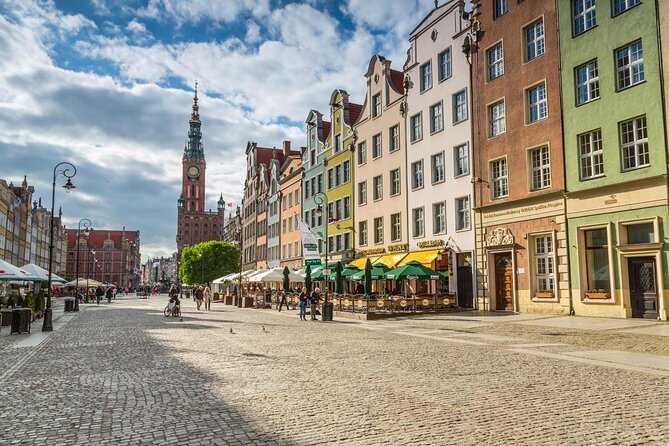
Gdansk Sopot and Gdynia 3 Cities Private Full-Day Tour
Read the review →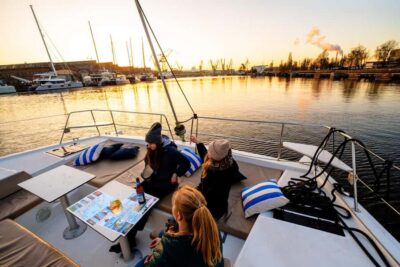
Best of Gdańsk, Gdynia and Sopot in 1-Day Private Car Tour
Read the review →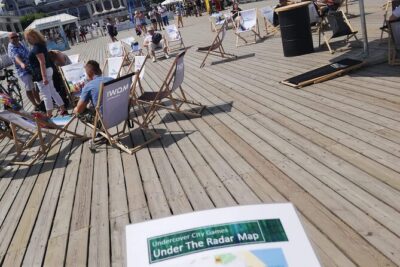
Gdańsk Shore Excursion: Private Gdańsk, Sopot & Gdynia Tour
Read the review →Browse the lists this tour appears in