
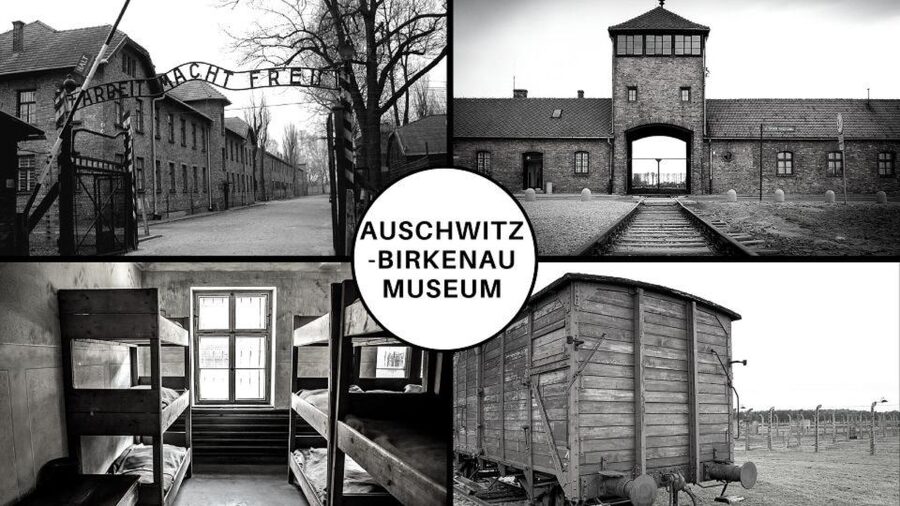
Reviewed · AUSCHWITZ-BIRKENAU MEMORIAL TOURS
Auschwitz-Birkenau: Museum Entry Ticket with Guided Tour
Auschwitz-Birkenau is not a sightseeing stop in the usual sense. It is a place of evidence, memory, and grief, where the gate, barracks, railway platform, and ruined gas chambers force the scale of Nazi crimes into view. This 210-minute guided visit covers both Auschwitz I and Auschwitz II-Birkenau, the two parts most visitors need to understand.
I like that your entry ticket and guide are arranged together, which removes one of the hardest parts of visiting this memorial. I also like the headsets, since they let you hear the English-speaking guide while walking with a group through large buildings and open ground.
The main caution is pace. The museum controls the timing, and the first section can feel rushed, especially when the site is crowded. The start time can also change, sometimes by several hours, so this is a poor choice for a tightly packed day.
Key points to know before you book
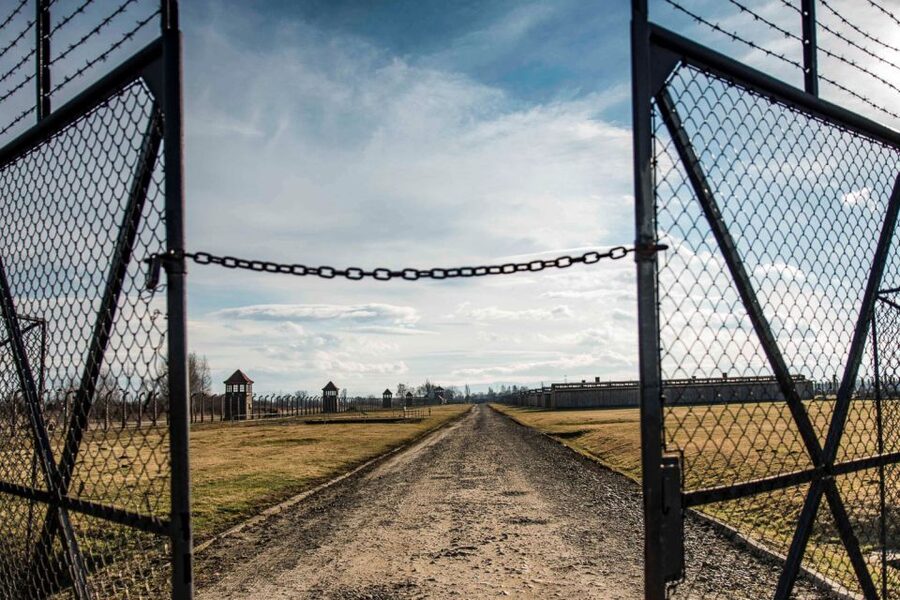
- Both camp sites are included: You visit Auschwitz I for about 105 minutes and Auschwitz II-Birkenau for about 75 minutes.
- You arrange your own transport: Meet at the museum visitor center in Oswiecim, then make your own way there and back.
- A guide leads the full visit: The tour is in English, with headsets supplied so you can follow from a short distance.
- The railway platform is at Birkenau: This is where the scale of the deportations becomes especially clear.
- Small bags and proper clothing matter: Bags must be no larger than 30 by 20 by 10 centimeters, and sleeveless shirts and shorts are not allowed.
- The visit is emotionally demanding: It is not suitable for children under 14 or people with mobility impairments.
Why this memorial visit matters
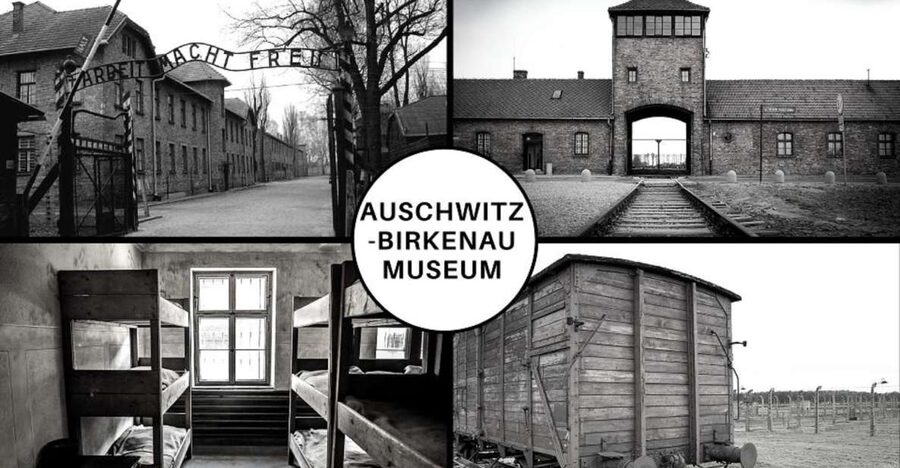
The Auschwitz-Birkenau Memorial and Museum preserves the site of the former Nazi concentration and extermination camps near Oswiecim. Auschwitz I was built in 1940 on the edge of the town. Auschwitz II-Birkenau later became the larger camp complex, linked to Auschwitz I by prisoner transport and camp administration.
The museum estimates that more than 1.5 million people were killed here, representing 28 nationalities. Nearly 90 percent were Jews. Those figures can feel remote on a page. Walking through the barracks, looking at the railway platform, and seeing the remains of the gas chambers gives those numbers a physical setting.
This is why a guide is useful. The buildings do not explain themselves. A bare room, a pile of personal effects, or a ruined structure needs context, and an authorised guide can explain what happened without leaving you to piece together the story alone.
You should also expect a serious tone. This is not a place for casual chatter or quick photographs at every stop. The value of the visit comes from paying attention, listening, and allowing the evidence to speak plainly.
Other ways to visit Auschwitz-Birkenau from Poland:
- From Krakow: Auschwitz-Birkenau Guided Tour & Hotel Pickup
★ 4.5 · 33,358 reviews - From Krakow: Auschwitz-Birkenau Guided Tour & Hotel Pickup
★ 4.5 · 29,340 reviews - Krakow: Auschwitz Guided Tour with Optional Hotel Pickup
★ 4.5 · 15,280 reviews
Meeting at the visitor center
You begin at the Auschwitz-Birkenau Museum Visitor Center, listed as the Centrum Obsługi Odwiedzających Muzeum Auschwitz-Birkenau. Look for the information boards near the gate leading to the parking area. The meeting point is by the museum entrance, not in central Krakow, so you must arrange your own transport to Oswiecim and back.
Bring the passport or identity card used for the booking. The museum requires the full name and contact details of every participant, and the name on your ticket must match your ID exactly. A mismatch can lead to refusal at the entrance, so check spelling before you finalize the reservation.
The start time shown for the activity is not guaranteed to remain fixed. The museum’s visitor service may alter the schedule, and the time can change by as much as four hours. Keep the rest of your day flexible, and do not book a train, dinner, or another timed attraction too close to the tour.
The non-refundable policy adds another reason to plan carefully. You can generally request a date or time change after purchase if needed, but you should contact the local provider, LegendaryKrakow, rather than assume the change is automatic.
Auschwitz I and the first 105 minutes
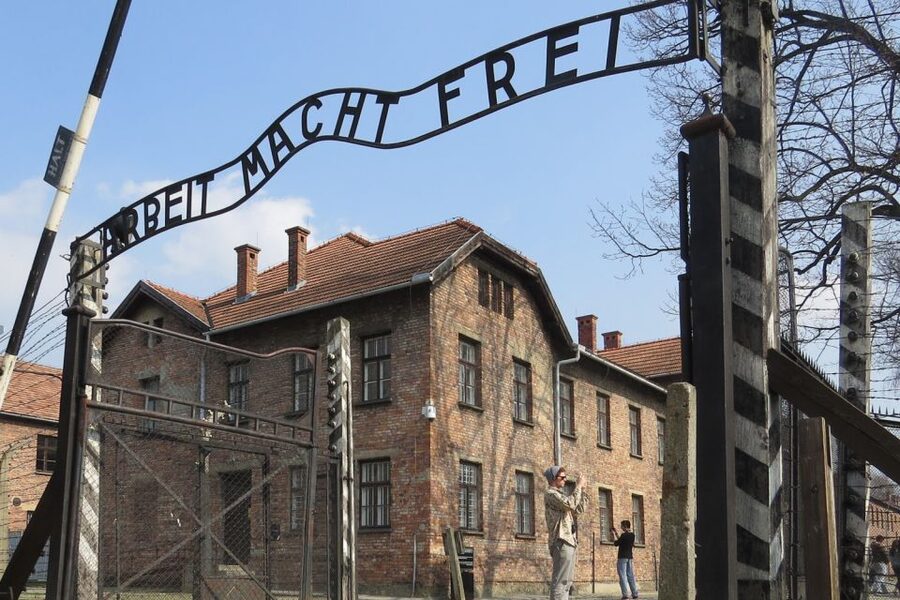
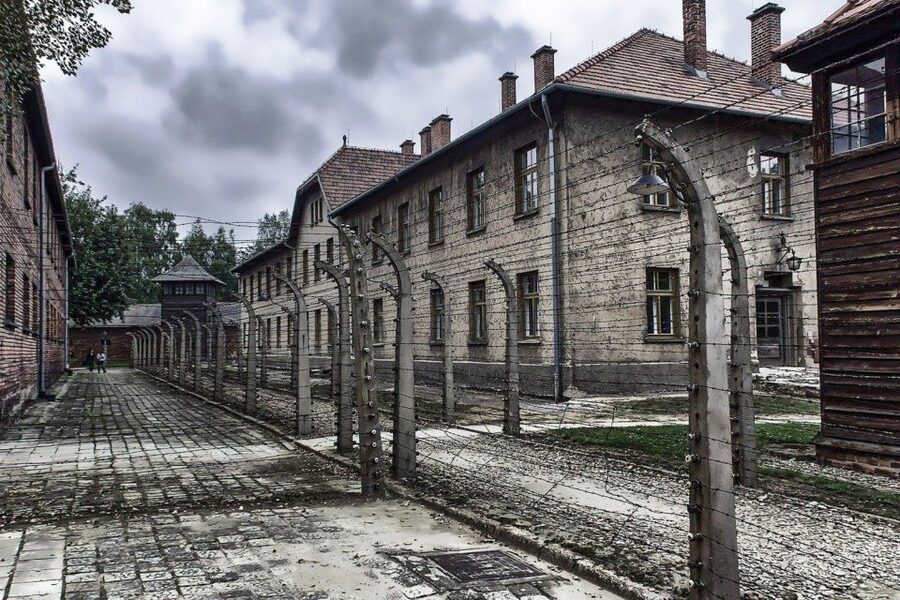
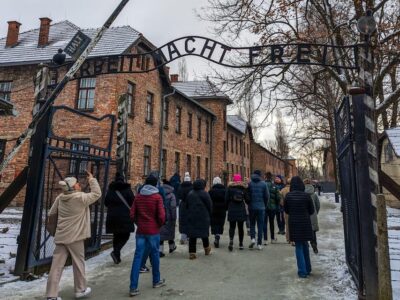
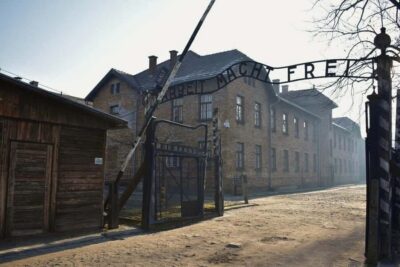
The visit begins at Auschwitz I, the older camp section. The familiar entrance gate is here, along with the original brick barracks and museum exhibitions. You walk across the former camp grounds with the guide, entering buildings that now present documents and objects connected with the people imprisoned there.
This first section has a more enclosed, museum-like feel than Birkenau. The barracks organize the story room by room, while the guide explains how the camp operated and what happened to those held there. The setting is stark. That is part of the point. You are not simply looking at an exhibition in a modern gallery. You are standing inside the place where the events occurred.
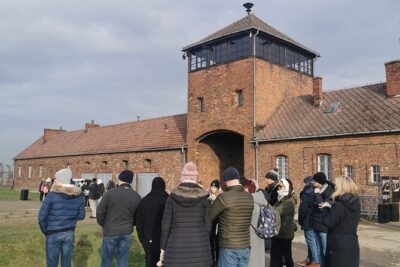
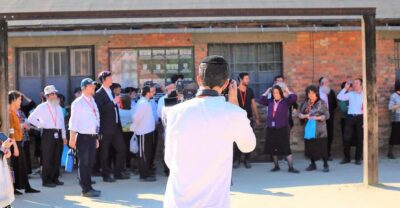
The supplied headset is a practical help. Groups can spread out, and some buildings are larger than they first appear. Without a headset, you could easily miss key details while trying to stay close to the guide. Here, you can listen while keeping a respectful distance from other people in the group.
The 105-minute visit is long enough to give Auschwitz I real attention, but not long enough to linger at every display. The museum determines the pace and duration, and the group must move together. One English-speaking guide may speak clearly and with feeling, yet the schedule can still feel tight. One participant described the tour as very emotional but rushed, a fair warning for anyone who prefers slow museum visits.
A particularly strong guide may add personal depth. One English-speaking guide was praised for speaking from a personal connection to the camps and the period. That sort of human voice can make the material easier to follow, but it cannot remove the sadness of the place.
Expect crowds at popular sections. Another participant described the site as somewhat crowded, which can make it harder to pause or hear every word. The headset helps, but it does not give you control over the pace.
The 30-minute pause between the two sites
After Auschwitz I, you have about 30 minutes of free time before continuing to Auschwitz II-Birkenau. Treat this as a short reset, not a full break. You may need to use the time to gather yourself, meet the group again, and prepare for the second section.
The pause matters because the visit is emotionally heavy. You can take a breath and think about what you have seen, but the schedule does not offer a long private retreat. Bring water if you need it, and wear shoes that remain comfortable throughout the full three-and-a-half-hour visit.
The two camp sites are separate, so your own transport arrangements also matter during this part. The experience information tells you to come using your own transport, but it does not include a dedicated transfer service. Make sure you understand how you will get from Auschwitz I to Birkenau and back, rather than assuming transport is covered by the ticket.
A few more things to do in Poland worth a look
- Auschwitz-Birkenau Museum and Memorial Guided Tour from Krakow
★ 4.5 · 1,510 reviews - Warsaw: POLIN Museum of the History of Polish Jews Ticket
★ 4.7 · 1,142 reviews - Krakow: Rynek Underground Museum Guided Tour
★ 4.6 · 1,122 reviews - Warsaw: Polish Vodka Museum Tour with Tasting
★ 4.6 · 788 reviews
Auschwitz II-Birkenau and the final 75 minutes
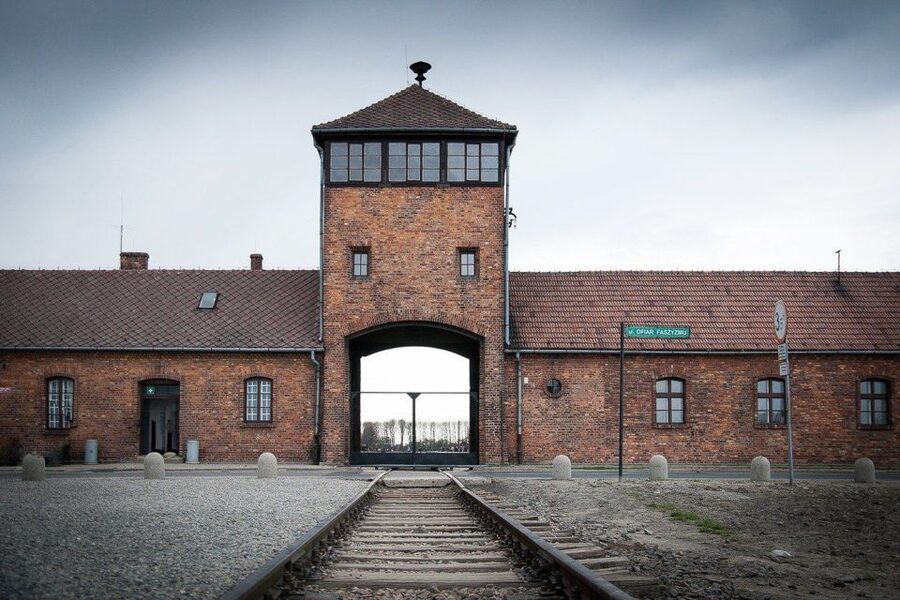
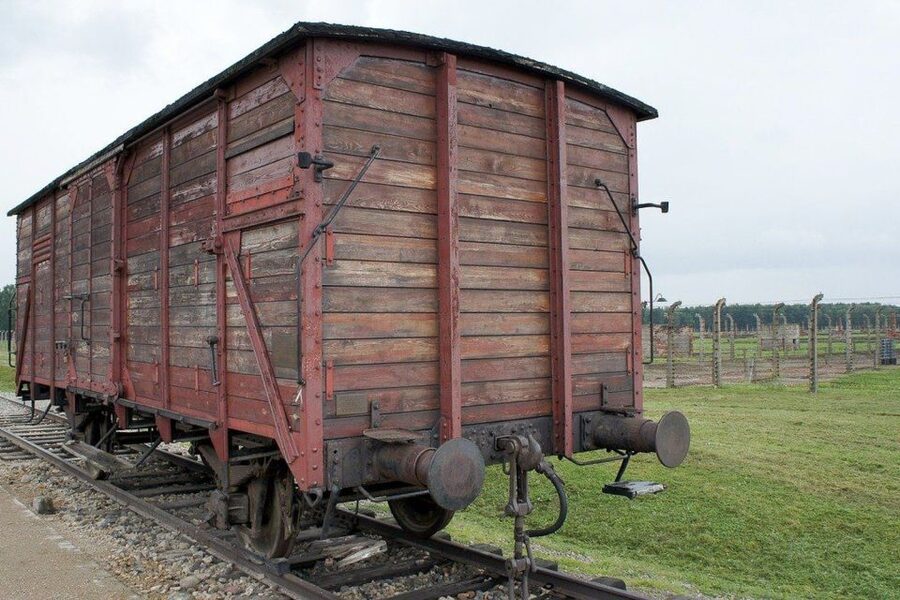
The second guided section takes place at Auschwitz II-Birkenau. This is where the scale of the camp becomes especially stark. You walk beside the railway line and platform used to bring deportees into the camp. That rail route is one of the most recognizable features of Birkenau, and seeing it in place connects the camp directly to the machinery of mass deportation.
The open grounds feel very different from Auschwitz I. You see long rows of barracks, broad spaces, and the remains of gas chambers destroyed near the end of the camp’s operation. The ruins are quiet, but they are not vague. They mark the location of mass murder and show how much of the site was deliberately destroyed or left behind.
The guide continues explaining the camp as you walk. The 75-minute section is shorter than the first, yet it covers a wide area. Comfortable shoes are essential. The memorial is not designed for a fast, casual stroll, and uneven or exposed paths can make poor footwear a real nuisance.
Birkenau also requires more attention to weather. The information supplied for this activity does not promise shelter or special weather arrangements, so dress for the conditions while respecting the clothing rules. Shorts and sleeveless shirts are not allowed, and weapons or sharp objects are prohibited.
This section can be especially powerful for people who want to understand the physical size of the camp. Auschwitz I shows the system through preserved buildings and exhibitions. Birkenau shows the scale of the killing center and the distance people were forced to travel once they arrived.
What the $52 price includes
At $52 per person, the main value is convenience and access. You receive skip-the-line entry, an English-language group guide, and a headset. You do not have to secure the museum ticket separately, and you avoid arriving without a confirmed place at a memorial that often requires advance booking.
That convenience matters because access rules have become stricter. Since March 2020, booking well ahead is described as the only reliable way to ensure a visit. A confirmed ticket paired with a guide is worth something here, especially for a first visit or for anyone uncomfortable navigating a formal memorial site alone.
The price does not include your transport to Auschwitz and back. You also need to account for the time involved: 210 minutes for the activity itself, plus the journey to Oswiecim and any schedule changes. If you are staying in Krakow, calculate the full day rather than looking only at the tour length.
I see this as reasonable value if you want a guided visit and do not want to manage museum entry on your own. It is less attractive if you already have a confirmed museum ticket, prefer to read at your own pace, or need a fixed timetable.
Who will find this tour a good fit
This tour suits adults and older teenagers who want a structured introduction to Auschwitz-Birkenau. It is particularly useful if you want clear explanations in English, need help understanding the two separate camp sites, or prefer not to visit such a significant place without guidance.
It is not suitable for children under 14. The subject matter is severe, and the museum sets that age limit for this activity. It is also not suitable for people with mobility impairments, according to the supplied information. The walking, the separation between sites, and the need to stay with the group may make the visit difficult for anyone who needs substantial assistance.
Non-English speakers should think carefully. The tour is offered in English only. A Dutch-speaking group of ten found it hard to follow because they were not comfortable with English. If you do not understand English well enough to follow a spoken historical explanation through a headset, the experience may lose much of its value.
This is also not the right pick for a cheerful day out or a quick photo stop. You should book it because you want to learn, remember, and give the place your full attention.
Practical advice for a respectful visit
Wear comfortable shoes and keep your belongings to a minimum. The maximum permitted bag size is 30 by 20 by 10 centimeters, which is smaller than many daypacks. Large luggage, large purses, and oversized backpacks are not allowed inside.
Bring the same passport or ID card used for the booking. Do not count on an informal name check. The museum requires matching details, and entrance may be refused if the names do not correspond.
Plan for the group to move at the museum’s pace. You will have time to listen and look, but you may not be able to stop wherever you wish. If a display affects you strongly, take advantage of the short free-time period to collect yourself, then rejoin the group promptly.
Keep your schedule open around the booking. A time adjustment of up to four hours is possible, and the change may happen close to the visit. That is inconvenient, but it is better to know before you build a complicated day around a fixed start time.
Should you book it?
Book this tour if you want both Auschwitz I and Auschwitz II-Birkenau, an English-speaking guide, included entry, and help hearing the explanation through a headset. The guide adds essential context, while the combined ticket removes much of the uncertainty around museum access.
Skip it if you need a guaranteed time, want a private or unhurried visit, cannot manage several hours of walking, or do not understand English comfortably. Also think twice if you cannot accept a non-refundable booking and a possible schedule change.
For the right visitor, this is a serious, well-organized way to encounter one of Europe’s most important memorial sites. Go prepared for sadness, limited flexibility, and a brisk pace. In return, you get time at both major camp sections and a guide who can help you understand what the buildings, railway, and ruins mean.
FAQ
Where does the tour begin?
Meet at the Auschwitz-Birkenau Museum Visitor Center, near the information boards by the gate leading to the parking area.
Is transport to Auschwitz included?
No. You must use your own transport to reach Auschwitz and return afterward.
How long does the activity last?
The scheduled duration is 210 minutes, or three and a half hours. The visit includes about 105 minutes at Auschwitz I, 30 minutes of free time, and 75 minutes at Auschwitz II-Birkenau.
Is the tour conducted in English?
Yes. The live guide and tour language are English, and headsets are provided so you can hear the guide clearly.
What identification should you bring?
Bring the passport or ID card used for the booking. Your name must exactly match the name provided during booking.
How large can my bag be?
The maximum permitted entrance bag size is 30 by 20 by 10 centimeters. Large luggage, bags, purses, and backpacks are not allowed.
Are children and people with mobility impairments permitted?
The activity is not suitable for children under 14 or for people with mobility impairments.
Just added in Poland
- A unique walking tour of Jewish Warsaw — past and present★ 5.0 · 8 reviews
- From Krakow: Guided Tour of Zalipie★ 4.6 · 30 reviews
- Undercover City Games: Poznan★ 5.0 · 88 reviews
- From Krakow: Zalipie Village Day-Tour★ 4.9 · 74 reviews
- Walking Tour of the medieval Toruń★ 5.0 · 46 reviews
- Krakow: Zalipie Village Tour★ 4.6 · 8 reviews
- Tour from Warsaw: Wolf’s Lair, Hitler’s HQ Zones I and II★ 5.0 · 32 reviews
- Lodz: Jewish Heritage Private Tour★ 4.7 · 14 reviews
Auschwitz-Birkenau Memorial Tours, compared.
Auschwitz-Birkenau Guided Tour & Hotel Pickup
Read the review →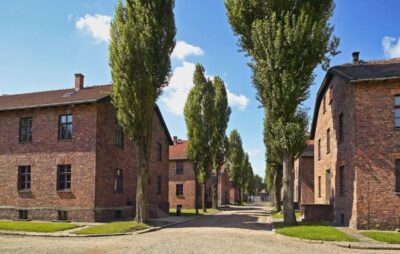
Auschwitz Guided Tour with Optional Hotel Pickup
Read the review →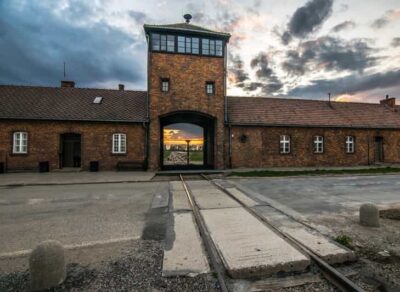
Auschwitz-Birkenau Guided Tour with Pickup & Lunch
Read the review →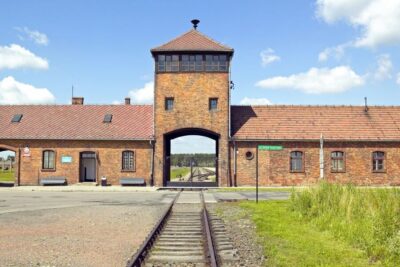
Krakow to Auschwitz Birkenau Guided Tour with Transfer and Ticket
Read the review →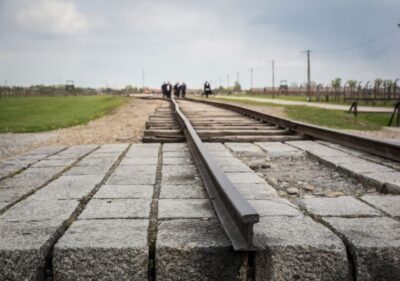
Auschwitz Birkenau Small Group Tour with Pickup
Read the review →Browse the lists this tour appears in