
Reviewed · WWII MEMORIAL & CAMP TOURS
Gdansk: Stutthof Concentration Camp Regular Tour
Stutthof is not a sightseeing stop in the usual sense. It is the site of the first Nazi concentration camp outside German territory and the longest-operating camp in Poland. Walking into the gas chambers, crematorium, and surviving camp buildings gives the history a weight that no textbook can match.
I like this tour for two clear reasons: hotel pickup saves you a difficult transport day, and the museum guide gives structure to a place that could otherwise feel confusing and overwhelming. Drivers such as Simon, Christopher, and Krzysztof have also added useful local history during the journey.
The main drawback is the pace. The museum visit lasts about two to two and a half hours, and one visitor found that an extra hour would have helped. This is also a serious, emotional outing, not a casual family excursion, and it is not recommended for children under 13.
Key points to know before booking
- Stutthof is about one hour from Gdansk, so the included minibus transfer makes the half-day easier.
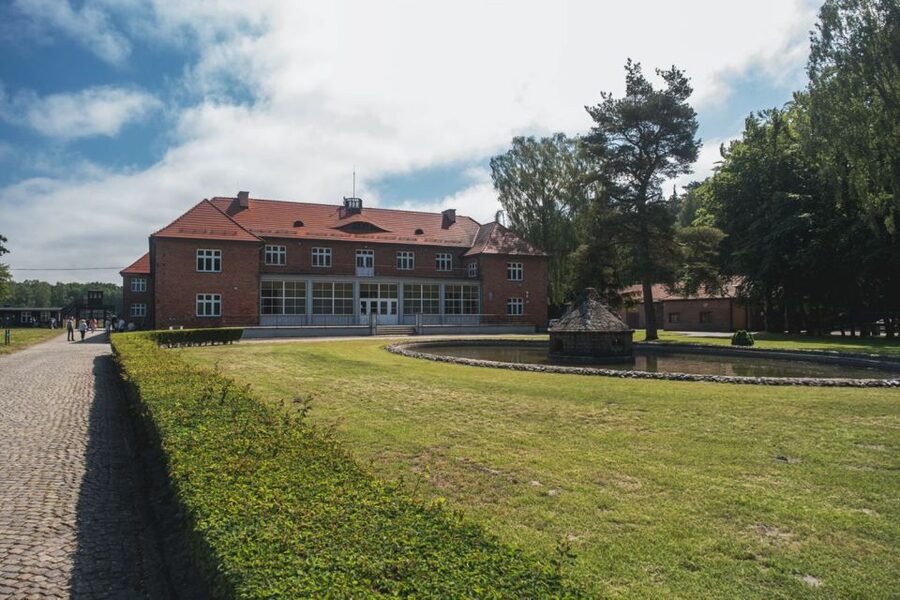
- The guided museum visit covers the commander’s villa, gas chambers, crematorium, memorial, and former camp grounds.
- English-speaking drivers often add local context, especially on the roads between Gdansk, Sopot, and Sztutowo.
- The tour lasts five hours door to door, with roughly two to two and a half hours at the museum.
- Small bags only: backpacks and other bags must be no larger than 30 x 20 x 10 centimeters.
- Comfortable shoes and a warm extra layer matter, since much of the visit is outdoors.
Why a visit to Stutthof carries such weight
Stutthof was the first Nazi concentration camp created outside German territory and operated longer than any other camp in Poland. That fact alone gives the site an important place in the history of Pomerania, but the visit is not simply about dates and wartime geography.
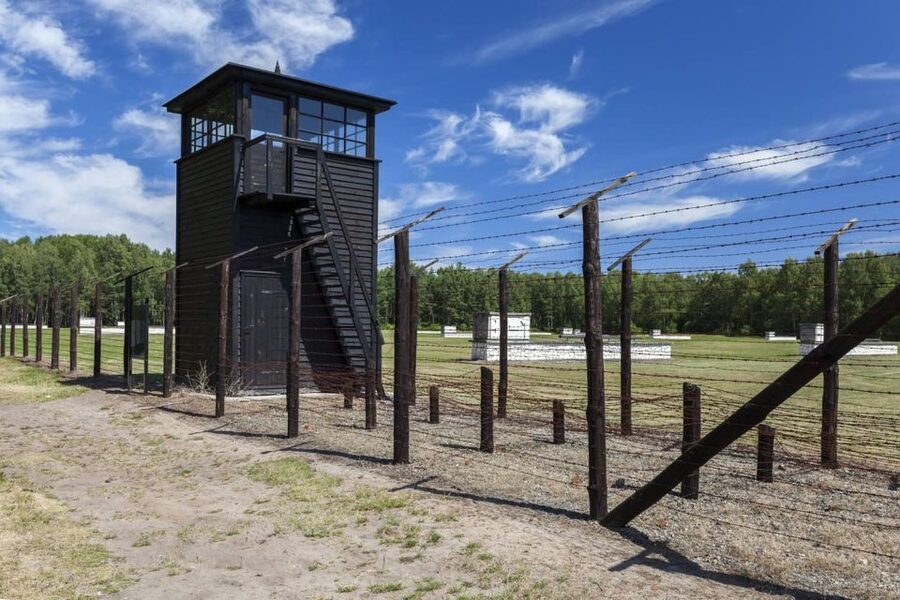
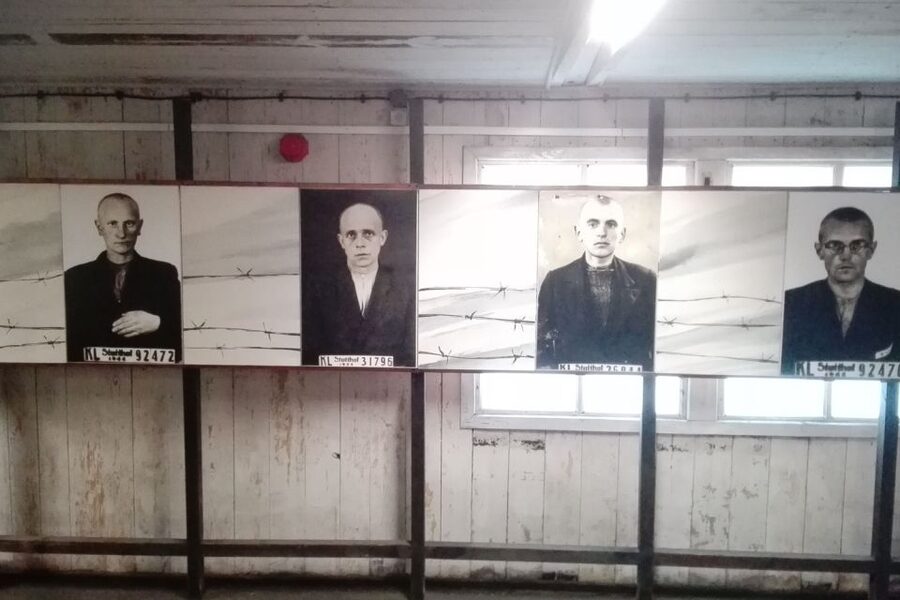
You move through the actual camp grounds and enter rooms connected to mass murder. The gas chambers and crematorium are particularly hard to process. The surviving buildings, empty spaces, and memorial do not offer an easy story or a polished museum experience. They ask you to slow down and pay attention.
I find the guided format especially useful here. Without a guide, you might recognize the most obvious buildings but miss how the camp functioned, how persecution shaped Pomerania, or why each part of the grounds matters. A strong guide also helps keep the tone respectful without turning the visit into a dry lecture.
This is a place for adults and older teenagers who can handle difficult subject matter. The official age guidance says the experience is not recommended for children under 13. I would take that seriously.
Other wartime memorials reachable from Gdańsk:
- Gdansk: Guided Round-Trip Cruise to Westerplatte
★ 4.3 · 865 reviews - World War 2 in Warsaw walking tour in English
★ 4.7 · 237 reviews - Warsaw for WWII Buffs – private tour with hotel pickup
★ 5.0 · 166 reviews
The one-hour ride from Gdansk or Sopot
The day begins with pickup from your hotel in Gdansk, with Sopot also available as a pickup and drop-off area. The drive to Stutthof takes about one hour in an air-conditioned minibus, followed by a similar return journey.
That transfer is one of the tour’s strongest practical features. Stutthof is not in central Gdansk, and arranging transport yourself would add planning, parking, and timing concerns to an already serious day. Here, an English-speaking driver handles the road and brings you directly to the museum.
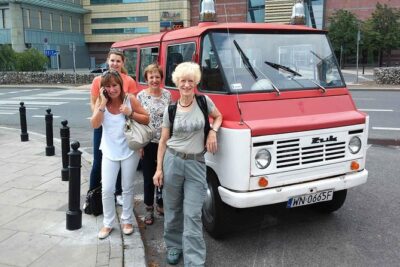
The driver is separate from the museum guide. Several drivers have been praised for arriving on time, communicating clearly, and explaining the area. Simon has shared information about Gdansk, local culture, and the route. Christopher and Krzysztof have also been described as friendly and useful sources of background information.
I like the fact that the drive can give you a wider view of the region. The trip is not only a transfer from point A to point B. Depending on your driver, you may hear about Gdansk, Sopot, Pomerania, and the surrounding area. The route home may also differ from the outward route, giving you a little more sense of the region.
Still, keep expectations in check. This is transportation with commentary, not a separate sightseeing tour of Pomerania. The main historical experience happens at Stutthof.
Meeting the English-speaking museum guide
At Stutthof, the driver hands you over to an English-speaking museum guide for the main visit. Guide names reported on this experience include Michael, Thomas, Tomasz, and Thomas G. The exact guide depends on the date, but the repeated pattern is clear: the quality of the visit depends heavily on the person leading your group.
The best guides use clear English, explain the camp in detail, and leave room for questions. Michael has been praised for making the history easy to follow. Thomas and Tomasz have also been described as well informed, respectful, and able to add personal stories and details that make the site easier to understand.
A guided visit is valuable because Stutthof is not just a collection of buildings. You need context to understand the commander’s villa, the museum displays, the gas chambers, the crematorium, and the memorial as connected parts of the camp system. The guide also explains the persecution and occupation of Pomerania, linking the camp to the wider history of the region.
One point matters if you prefer to wander alone: this is a structured tour. One visitor felt the group moved through the key areas rather than allowing much time for independent exploration. You may have a little time after the guided portion to look around by yourself, but the core visit follows the guide’s route.
Inside the museum and former camp buildings
The Stutthof Museum commemorates the victims of the former Nazi camp. The tour takes you through the main areas rather than leaving you to work out the site on your own.
The Memorial Museum provides the starting point for understanding what happened here. It gives the visit an organized historical frame before you walk through the more difficult physical spaces. This is helpful because the grounds can feel stark and spread out, and the museum information prepares you for what follows.
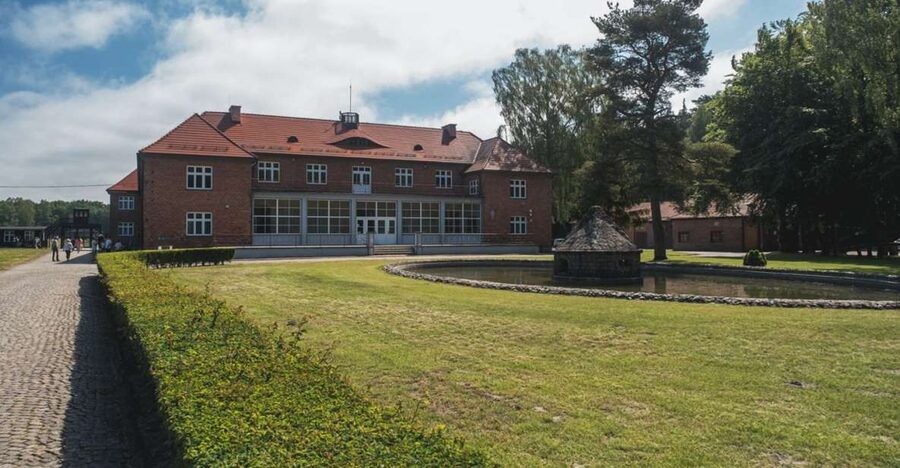
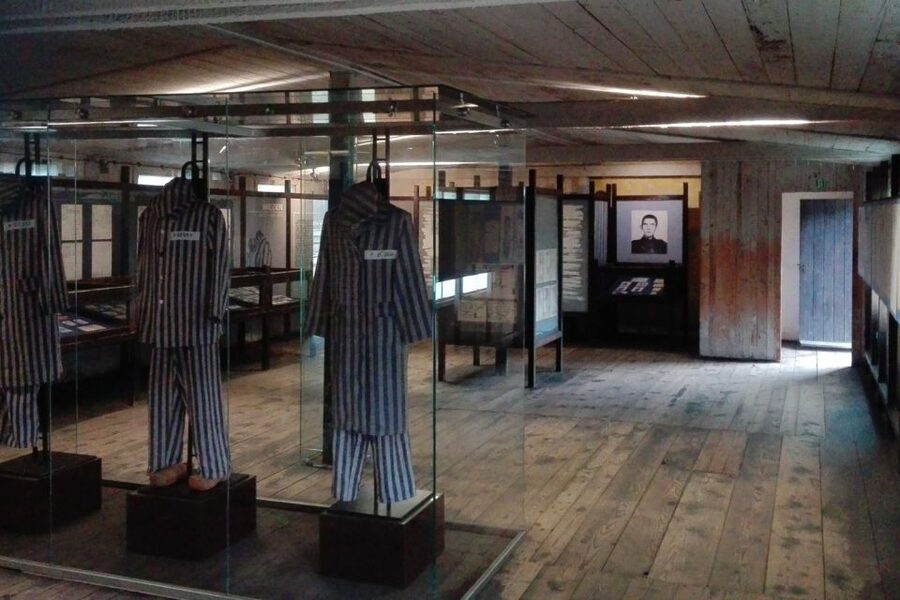
The commander’s villa offers a different kind of historical evidence. It brings the administrative side of the camp into view, showing that the machinery of persecution involved offices, decisions, and people living close to the camp. The contrast between ordinary domestic space and the suffering imposed nearby is part of what makes this stop so unsettling.
The gas chambers and crematorium are the hardest areas for many people. The guide explains the mass murder that took place there, but the emotional effect comes from being inside the actual rooms. This is not a stop where I would rush to take photographs or fill the silence with conversation. Give yourself time to absorb it.
The tour also includes the monument to the camp’s victims. This is where the visit turns from evidence of the crime toward remembrance. You can pay your respects and reflect on the individual people behind the numbers and historical accounts.
Because the tour is extended, the museum portion can last up to two and a half hours. That is enough time to cover the main areas, but it may feel short if you want to read every display carefully. If you tend to linger at museums, keep that trade-off in mind before booking.
Same base, a different kind of day:
- Gdansk: City Cruise on Historical Polish Boat
★ 4.8 · 2,913 reviews - Gdańsk: Sunset Cruise on a Historic Polish Boat
★ 4.9 · 977 reviews - Gdańsk City Sights & History Guided Walking Tour in English
★ 4.8 · 876 reviews - Gdansk: Firearm Shooting Experience with Instructor
★ 4.8 · 866 reviews
What makes the guide worth the price

At $128 per person, this is not the cheapest half-day activity in Gdansk. The value comes from what is bundled into that price: hotel pickup and drop-off, the return minibus journey, an English-speaking driver, the museum guide, entrance fees, parking, and insurance.
If you tried to arrange transport and admission separately, you would still need to manage the one-hour journey each way and make sure your timing matched the museum visit. The organized transfer removes much of that work.
The guide is the real reason to choose this over a simple visit on your own. The site carries enormous historical weight, but it does not automatically explain itself. A good guide points out what you are seeing, answers questions, and connects the camp to Pomerania and the wartime occupation.
I would not call the tour good value because it is entertaining. It is good value if you want a carefully arranged, serious historical visit without spending a full day on transport and planning. The cost also includes the convenience of pickup from any hotel in Gdansk, according to the activity details.
The practical side of a difficult morning
Wear comfortable shoes. The visit is a walking tour, and the museum grounds include outdoor sections. If the day is cloudy or chilly, bring an extra jacket. Pomeranian weather can make an already demanding visit more tiring.
Bring only what you need. Umbrellas, an extra jumper, or a small backpack are permitted, but bags carried onto the museum grounds must be no larger than 30 x 20 x 10 centimeters. Large luggage is not allowed, and this is not the place to arrive with a full suitcase.
Smoking is not allowed, and sleeveless shirts are prohibited. These rules are easy to follow, but they matter because this is a memorial site rather than a standard tourist attraction.
The tour is wheelchair accessible, though the information provided does not describe every surface or building in detail. If you use a wheelchair, confirm the exact arrangements when booking so you know how the walking route and interior spaces will work for you.
Food and drinks are not included. Since the total outing lasts about five hours, eat before pickup or plan what you will do after returning to Gdansk. The activity information does not promise a meal stop.
Free cancellation is available up to 24 hours before departure, and you can reserve now and pay later. Starting times vary, so check the available departure when choosing your date.
Who will get the most from this tour
This experience suits you if you want to understand Gdansk and Pomerania beyond their attractive old streets. It is also a strong choice if you prefer a guide to explain difficult history in person rather than reading wall panels alone.
I would recommend it for adults, older teenagers, students of wartime history, and anyone seeking a respectful memorial visit. The English-language format works well for international visitors, and the driver can add useful context before and after the museum.
It may not suit you if you want a flexible day with long breaks, casual sightseeing, or the freedom to explore every building at your own speed. The visit follows a set route, and the subject matter is grim from beginning to end.
The five-hour length is manageable, but remember that about two hours of it is spent in the minibus. That makes this a half-day commitment, not a quick stop between lunch and an evening meal.
Why the transport service earns its place
The strongest part of the transport arrangement is reliability. Drivers have been noted for arriving on time, collecting people at their hotels, and communicating pickup details clearly. That matters when you are leaving a city for a museum outside it and cannot afford to miss an entry time.
The vehicles are described as clean, comfortable, and air-conditioned. The ride gives you a chance to settle yourself before the museum and decompress afterward. After a visit like this, having someone else handle the road is more useful than it might first appear.
The driver and guide have different jobs, and the experience works best when both do them well. The driver gets you there safely and may explain local history. The museum guide handles the difficult historical interpretation. Past drivers have included Simon, Peter, Nic, Chris, and Christopher, while museum guides have included Michael, Thomas, and Tomasz.
Names are not guaranteed on every departure, but the repeated praise for the transport and guiding shows what to look for: clear English, punctual pickup, a respectful tone, and time for questions.
Should you book the Stutthof tour from Gdansk?
Book this tour if you want a serious, well-organized visit to Stutthof and value having the transport and interpretation arranged for you. The included hotel pickup, museum admission, parking, and English-language guidance make the $128 price easier to justify, especially for a first visit to the region.
I would choose it over independent transport because the guide adds essential context, particularly at the gas chambers, crematorium, and memorial. I would also choose it if you are staying in Gdansk or Sopot and have five hours available.
Skip it if you are traveling with young children, dislike guided schedules, or need long periods to read and explore alone. For everyone else, this is a meaningful and sobering half-day that places the history of Pomerania directly in front of you.
FAQ
How long does the Stutthof tour take?
The complete experience lasts about five hours, including roughly one hour each way between Gdansk and Stutthof. The guided museum visit takes up to two and a half hours.
Where does pickup take place?
Pickup and drop-off are available from hotels in Gdansk. Sopot is also listed as a pickup and drop-off area.
Is the tour conducted in English?
Yes. The activity includes an English-speaking driver and an English-speaking guide at Stutthof Museum.
What places are included in the museum visit?
The tour includes the Memorial Museum, the commander’s villa, the gas chambers, the crematorium, the victims’ monument, and the former camp grounds.
Can children join the tour?
The tour is not recommended for children under 13 because of the serious subject matter.
What should I bring?
Wear comfortable shoes and bring an extra jacket if the weather is cloudy or chilly. Small backpacks are allowed, but bags must be no larger than 30 x 20 x 10 centimeters. Food and drinks are not included.
Just added in Gdańsk
- Gdansk Sopot and Gdynia 3 Cities Private Full-Day Tour★ 5.0 · 56 reviews
- Highlights of Gdańsk, Gdynia and Sopot 1-day Private Tour★ 4.9 · 59 reviews
- Gdansk Traditional Food Tour with Old Town Sightseeing★ 4.5 · 27 reviews
- Gdansk Private Bike Tour★ 5.0 · 36 reviews
- Gdansk: 4-Hour Polish Food Tour★ 4.9 · 35 reviews
- Delicious Gdańsk Food Tour in Poland★ 4.5 · 59 reviews
- Gdansk: Legendary Burger and Zywiec Beer at Hard Rock Cafe★ 4.2 · 32 reviews
- Malbork Castle Tour from Gdansk★ 4.5 · 52 reviews
WWII Memorial & Camp Tours, compared.
Warsaw for WWII Buffs – private tour with hotel pickup
Read the review →
Wolf’s Lair & Treblinka Tour in 1 day from Warsaw
Read the review →Browse the lists this tour appears in