
Reviewed · AUSCHWITZ-BIRKENAU MEMORIAL TOURS
Auschwitz-Birkenau: Memorial Entry Ticket and Guided Tour
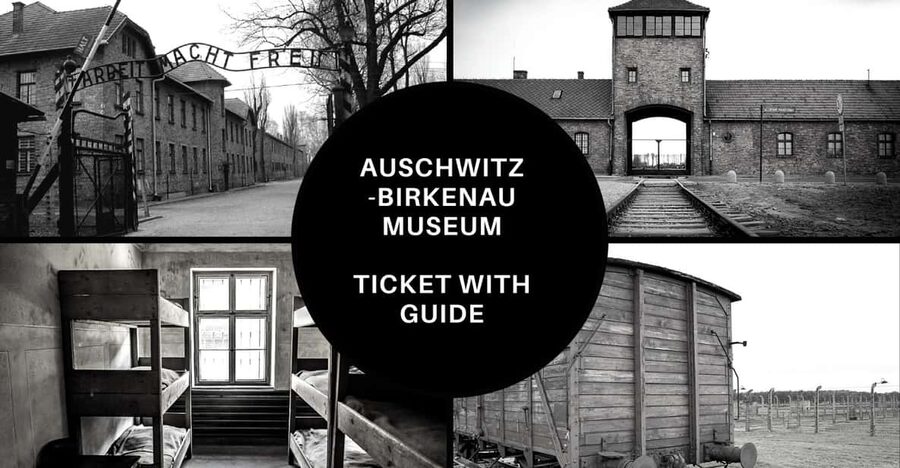
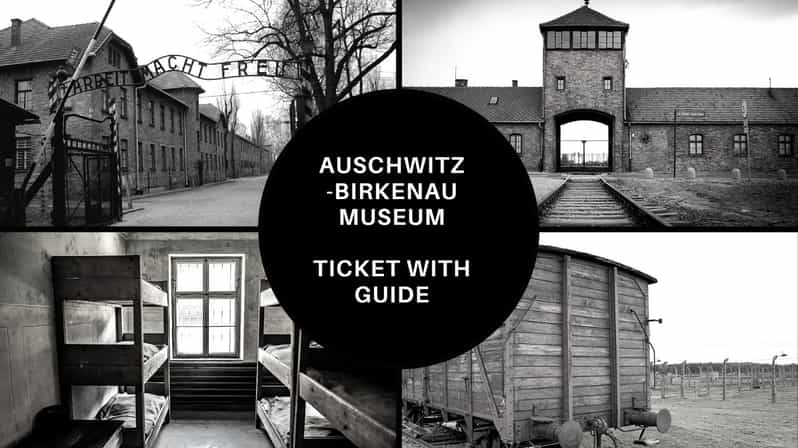
Auschwitz-Birkenau is not a sightseeing stop in the usual sense. It is a place of evidence, memory, and grief, and this 210-minute guided visit takes you through both Auschwitz I and Auschwitz II-Birkenau. You see the gate, former barracks, exhibitions, railway platform, and ruins of the gas chambers while an authorised guide explains what happened here.
I like two practical things about this tour. Your entry ticket and guide are arranged in advance, and headsets help you follow the commentary even when the group spreads out. I also like that you visit both camp sites, since Auschwitz I and Birkenau show different parts of the Nazi camp system.
The main concern is timing. Some tour starts have been changed, and a late guide can eat into the visit. The pace is set by the memorial’s visitor service, so you need to arrive early, bring the exact identification used for booking, and keep your schedule flexible.
Key points to know before booking
- Both camp sites are included: Visit Auschwitz I first, then take the on-site bus to Auschwitz II-Birkenau.
- The meeting point is outside Auschwitz I: Look for the information boards beside the gate leading to the parking area.
- A headset is provided: You can hear the English-speaking guide without standing directly beside them.
- You arrange your own transport: Hotel pickup, drop-off, food, and drinks are not included.
- Strict entry rules apply: Bring a passport or ID card, wear suitable clothing, and carry only a small bag up to 30 by 20 by 10 centimetres.
- Build in extra time: The stated start time may change by up to two hours, and the visit can be affected by late entry or a slow-moving group.
Auschwitz I: the first walk through the memorial
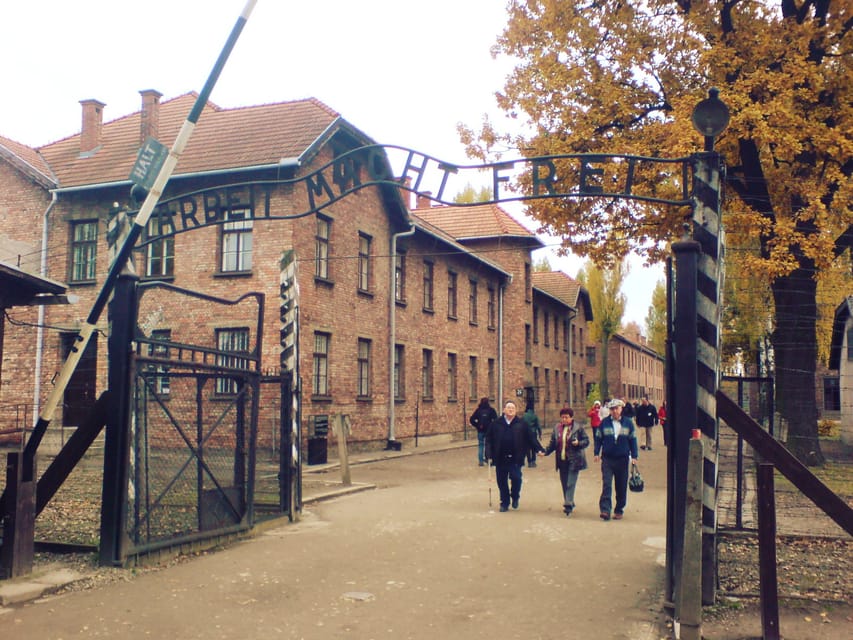
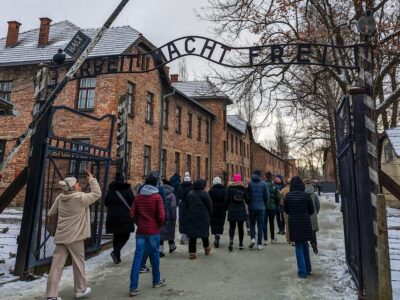
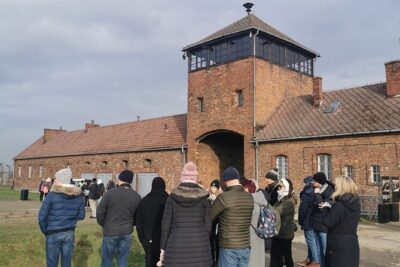
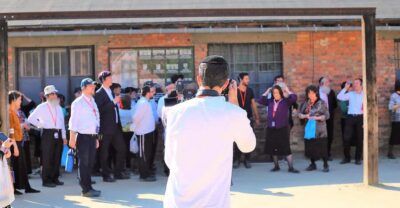
The visit begins at Auschwitz I, the original camp built in 1940 outside Oswiecim. You meet the guide near the entrance gate, by the road leading to the parking area, and walk in with the group once your tickets and identification have been checked.
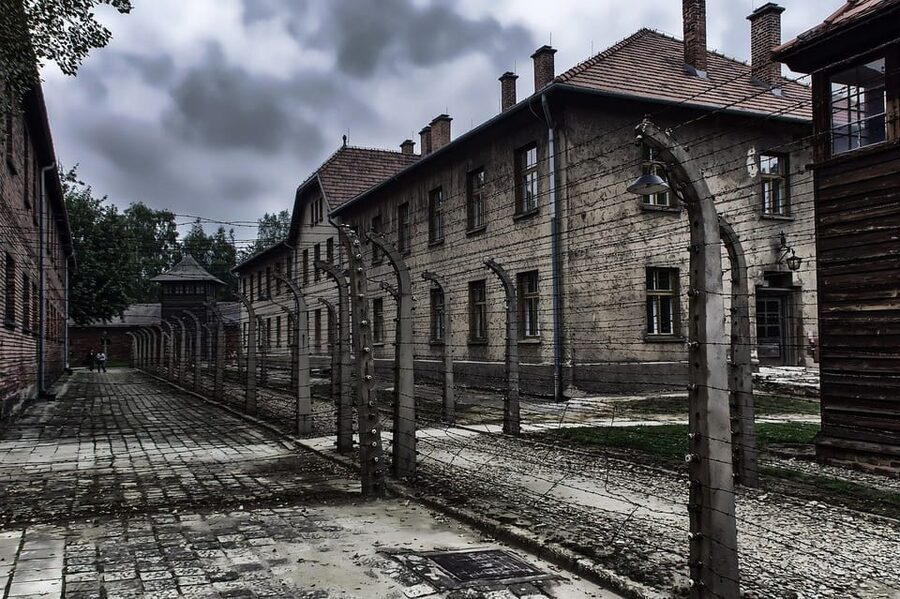
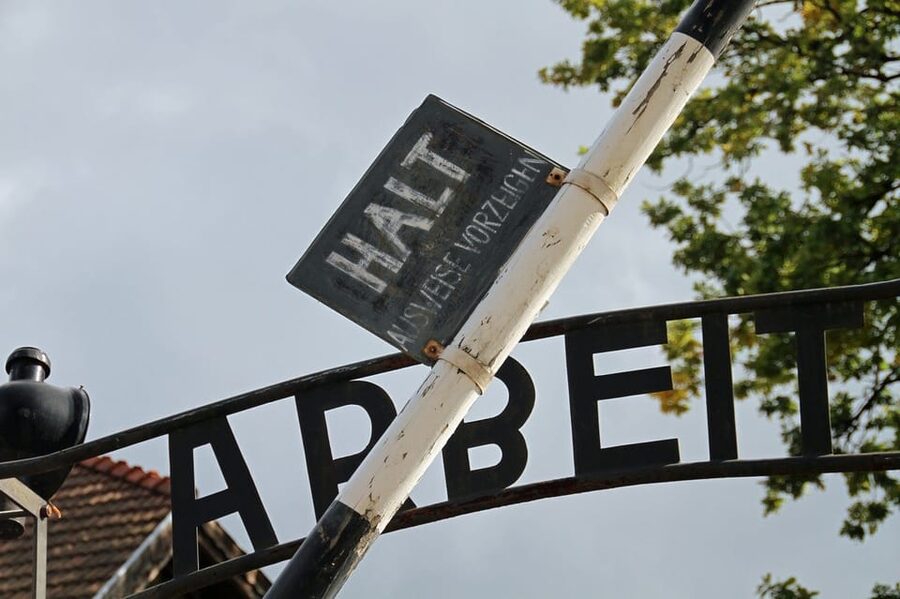
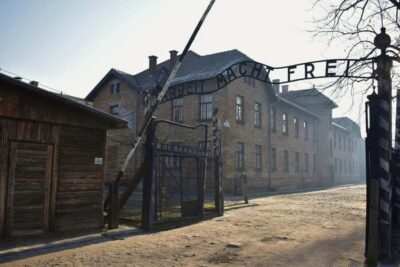
The famous gate is one of the first sights. It is a stark entrance to a place that was designed to make imprisonment look organised and permanent. From here, the route leads between the former camp buildings, where brick barracks now hold museum displays and historical evidence.
This section can feel more structured than Birkenau. The buildings remain in rows, and the exhibitions give you a closer look at the people held there, the system used to imprison them, and the scale of the crimes. You are not simply looking at old buildings. You are being shown how an ordinary-looking camp layout was used for mass persecution and murder.
I find the guide especially useful here because the meaning of each building is not always obvious from the outside. A headset lets you listen while walking, which matters when the group is large or the guide is several paces ahead. The audio equipment is helpful, but it does not remove the need to stay alert and keep up.
The official estimate for those killed at Auschwitz-Birkenau is more than 1.5 million people, representing 28 nationalities. Nearly 90 percent were Jews. Those figures are difficult to grasp in isolation, so the exhibitions and personal material in the barracks give the numbers human weight.
Expect a serious tone throughout. This is not a tour built around entertainment, dramatic storytelling, or quick photo stops. The guide’s job is to provide context and help you understand the site, while you take in the evidence at a pace determined by the memorial.
Other ways to visit Auschwitz-Birkenau from Oświęcim:
- Auschwitz-Birkenau Skip-the-Line Guided Tour
★ 4.3 · 3,617 reviews - Auschwitz-Birkenau: Skip-the-Line Entry Ticket & Guided Tour
★ 4.4 · 3,052 reviews - Auschwitz-Birkenau Skip-the-Line Ticket and Guided Tour
★ 4.4 · 1,241 reviews
Moving from Auschwitz I to Birkenau
After the first part, you use a bus available at the memorial to reach Auschwitz II-Birkenau. The ride takes only a few minutes, but the change in setting is striking. Auschwitz I is compact and building-focused. Birkenau is much larger and more open, with long distances between key points.
The bus transfer is included as part of the on-site visit, but your travel to Auschwitz and your return journey are not. That distinction matters when planning your day. You need to arrive at the correct meeting point on your own, and you need to arrange your way back after the tour.
The stated duration is 210 minutes, though the actual pace and length are controlled by the memorial’s visitor service. Treat the timetable as an estimate rather than a promise. One tour began late enough that a participant had to skip the second section to make another appointment. That is a strong reason not to place a tight activity immediately afterward.
If you are driving, allow time to find the parking area and reach the meeting point. If you are coming by public transport or another independent method, check your route carefully before booking. The meeting instructions are simple, but the site itself is large, and a rushed arrival is a poor way to begin a difficult visit.
Birkenau: railway tracks, barracks, and ruins
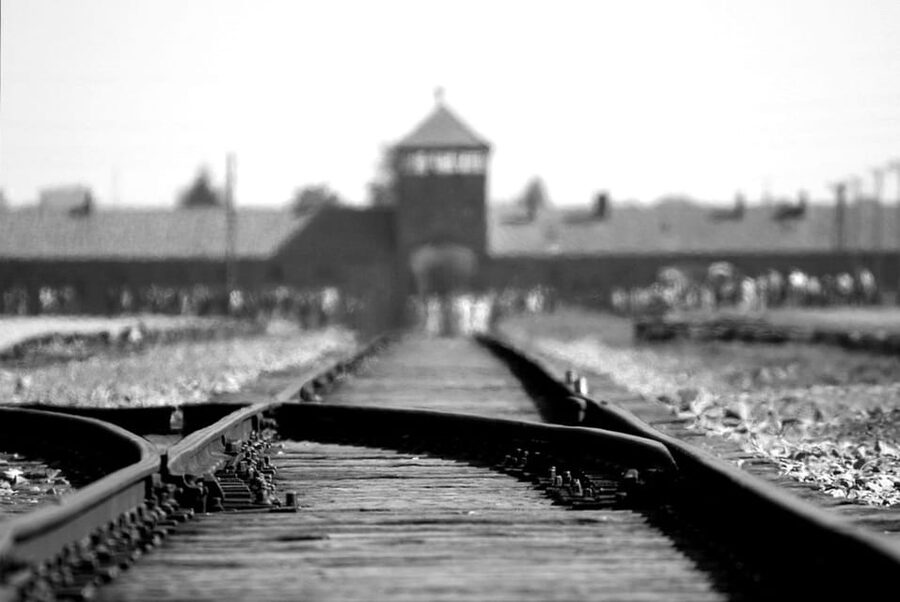
At Birkenau, the railway line becomes the central visual feature. Trains brought deportees into the camp, and the platform helped divide people on arrival. Walking along this route makes the scale of the operation easier to understand than a written description alone.
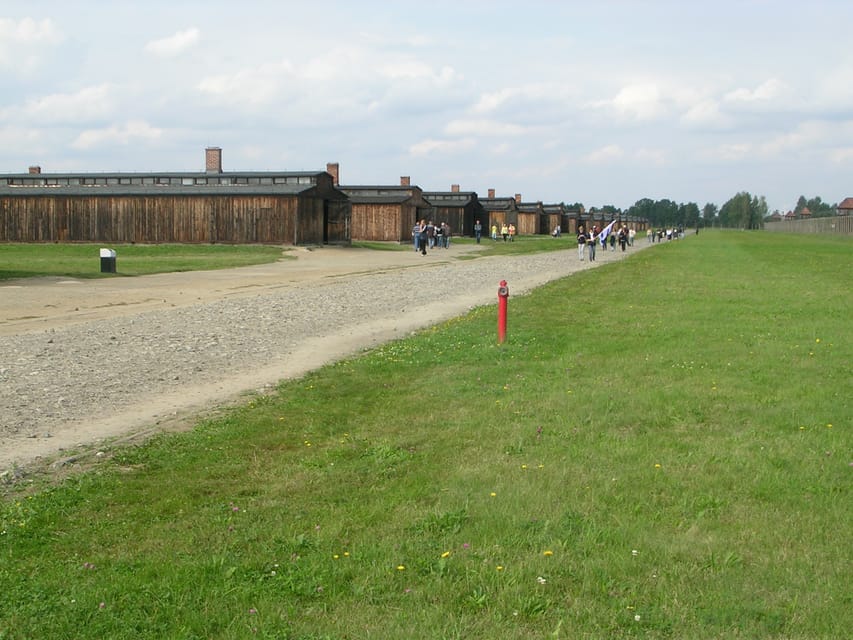
The site is broad and exposed, with long walks between points of interest. Comfortable shoes are essential. The instructions also rule out sleeveless shirts and shorts, so dress with the memorial’s requirements in mind rather than treating this like a casual summer outing.
The guide continues the explanation here, using the remains of the camp to show how the site functioned. You see former barracks, the railway platform, and the ruins of gas chambers destroyed near the end of the war. The remains do not offer a neat, complete picture. That is part of what makes the visit so unsettling. You are looking at fragments, traces, and empty spaces connected to mass murder.
The gas chamber ruins are among the hardest parts of the route. The experience is deliberately restrained. You are there to learn and remember, not to consume a dramatic spectacle. I would plan a little quiet time after the visit if possible, since the subject matter can stay with you well beyond the final stop.
Birkenau also requires more physical effort than the first section. The ground can be uneven, and the route covers a large area. This activity is specifically not suitable for people with mobility impairments, and children under 14 are not permitted. Those restrictions are important, not minor booking notes.
What the guide and headset add
The tour is conducted in English with a live guide. The headset system is one of the more useful features because the guide can speak at a normal volume while the group moves through the site. You do not have to crowd around a single person to hear every explanation.
The quality of the guiding can vary. Some visits have been calm, clear, and factual, with the guide covering the main points at both camps. Other participants found the presentation hurried or uninspired. That difference can shape the experience, especially at a memorial where the guide’s tone and pacing matter.
A group format also means you are not setting your own route. The guide leads, and the memorial controls the visitor schedule. This gives the visit a useful structure, but it limits the time you may have at individual displays or buildings.
I would stay close enough to hear the headset clearly and avoid wandering behind. One participant had trouble keeping up and felt there was too little time to stop and absorb the exhibitions. If you need a slower pace, this may not be the best format.
There is no guide name supplied in advance, so you should not book this expecting a particular person. The guide will be an authorised English-speaking representative assigned on-site. Arrive at the information boards and confirm the meeting details before joining the group.
A few more things to do in Oświęcim worth a look
- Auschwitz-Birkenau: Skip-the-Line Entry Ticket & Guided Tour
★ 4.4 · 1,038 reviews - Auschwitz-Birkenau: Guided Tour with Fast Track Ticket
★ 3.9 · 433 reviews - Auschwitz-Birkenau: Guided Tour and Skip-The-Line Ticket
★ 4.4 · 215 reviews - Auschwitz-Birkenau: Museum Entry Ticket with Guided Tour
★ 4.2 · 146 reviews
Price and what the $55 covers
At $55 per person, this is not the cheapest way to see Auschwitz-Birkenau, but the price includes the skip-the-line entrance ticket, a live guided group tour, and the headset. Those items are useful because admission is controlled and the site requires visitors to follow a set entry system.
You still pay for your own transport to and from the memorial, and food and drinks are not included. The tour is therefore best understood as a guided entry package rather than a full-day excursion from your hotel.
The value depends on what you want. If you prefer a guide to explain the site, want both Auschwitz I and Birkenau included, and do not want to handle admission arrangements yourself, the price is reasonable. If you already have transport, research, and a separate guide plan, you may find less added value.
The non-refundable policy makes careful planning important. Check the date, meeting point, names, and expected start time before you pay. Names must match the passport or identity card exactly, or entry can be refused. A booking error was resolved successfully on one occasion, but you should not count on a correction at the gate.
Timing problems and how to avoid them
The published duration is about three and a half hours, but the start time may change by as much as two hours. You should check the final time before setting out and keep your day open around the visit.
Arrive early at the stated meeting point, not merely at the general museum grounds. The group meets at Auschwitz I, beside the gate leading to the parking area, near the information boards. A late arrival can be costly because security, ticket checks, and group entry take time.
One delayed start led to roughly 40 minutes passing before the group entered. That delay caused a participant to miss the Birkenau section because another commitment was waiting. The lesson is simple: do not schedule a train, airport transfer, or important appointment soon after the tour.
The provider is Xtrip, and communication before the visit can be important if the time changes. Check your email and messages for the final meeting instructions. If you receive a revised time, use that rather than the original estimate.
Clothing, bags, and entry rules
Bring your passport or identity card. The name on it must match the booking exactly. Keep your bag very small, no larger than 30 by 20 by 10 centimetres. Large luggage, large backpacks, and bulky purses are not allowed.
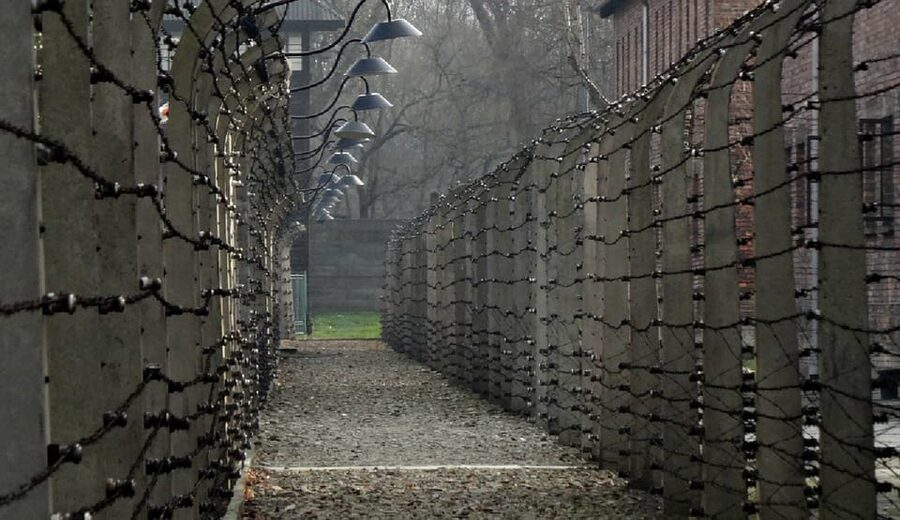
Weapons and sharp objects are prohibited. Shorts and sleeveless shirts are also not allowed, so modest, practical clothing is the safer choice. Comfortable shoes are essential because you walk through both sites and cross a wide area at Birkenau.
Food and drinks are not included. Plan around that, but keep the memorial’s rules in mind and avoid treating the grounds like a picnic area. The focus here is remembrance and education.
Because the memorial sets the pace, you should also prepare for standing and walking without long breaks. The activity is unsuitable for children under 14 and people with mobility impairments. Those limits reflect the physical route as well as the serious nature of the visit.
Who should choose this guided visit?
I would choose this tour if you want a clear introduction to both Auschwitz sites and prefer to have admission and guiding handled together. It suits adults and older teenagers who can manage several hours of walking, follow a group, and give the subject the attention it deserves.
It is also useful if you are visiting independently and do not need hotel transportation. You get the freedom to arrange your own route to Oswiecim while still having a guide once you arrive.
I would hesitate if your schedule is tight, you need a gentle pace, or you want long periods alone in each exhibition. The tour can feel rushed when delays occur, and the group schedule leaves limited control over how long you spend at individual stops.
The overall rating of 3.9 reflects that mixed picture. The most consistently praised elements are the serious subject matter, clear explanations on stronger tours, and the fact that both camps are covered. The main complaints concern late starts, uneven guide quality, and not enough time for some people to process the visit.
Should you book it?
Book this Auschwitz-Birkenau tour if you want an English-language group visit with entry tickets, a guide, and a headset already arranged. It offers a practical way to see Auschwitz I and Birkenau in one substantial visit, and it makes the memorial easier to understand than walking through without context.
Do not book it on a tight schedule. Arrive early, keep your afternoon free, carry only a small bag, and check the final time before leaving. If you accept the group pace and approach the site with patience and respect, the $55 package can be a fair choice for a first visit.
FAQ
Where do I meet the guide?
Meet the guide at Auschwitz I, beside the gate leading to the parking area. Look for the information boards near the entrance.
Is transport to Auschwitz included?
No. You must arrange your own transport to Auschwitz and back. The short bus transfer from Auschwitz I to Auschwitz II-Birkenau is available on-site during the visit.
What does the $55 price include?
The price includes skip-the-line entrance tickets, an English-speaking live guide, and a headset. Hotel pickup and drop-off, food, and drinks are not included.
How long does the visit take?
The stated duration is 210 minutes. The exact start time may change by up to two hours, and the pace and duration are set by the memorial’s visitor service.
What identification should I bring?
Bring your passport or identity card. Your name must match the name used for the booking exactly, or entry may be refused.
What size bag can I take?
Your bag, purse, or backpack must be no larger than 30 by 20 by 10 centimetres. Large luggage and sharp objects are not allowed.
Just added in Oświęcim
- Auschwitz-Birkenau: Fast-Track Ticket & Guided Tour No Transfers★ 3.5 · 17 reviews
- Auschwitz-Birkenau – Skip the Line Tickets★ 3.5 · 29 reviews
- RoundTrip from Krakow to Auschwitz + Entrance Tickets★ 4.9 · 10 reviews
- Oswiecim: Auschwitz-Birkenau Skip-the-Line Entry Tickets★ 4.0 · 63 reviews
- Krakow Auschwitz-Birkenau Memorial Guided Tour Meeting Point★ 4.7 · 20 reviews
- From Krakow: Wieliczka Salt Mine & Auschwitz Guided Trip★ 4.5 · 5 reviews
- From Krakow: Roundtrip Transportation to Auschwitz Birkenau★ 4.8 · 30 reviews
- Auschwitz-Birkenau Museum Tour from Krakow★ 4.6 · 25 reviews
Auschwitz-Birkenau Memorial Tours, compared.
Auschwitz-Birkenau Guided Tour & Hotel Pickup
Read the review →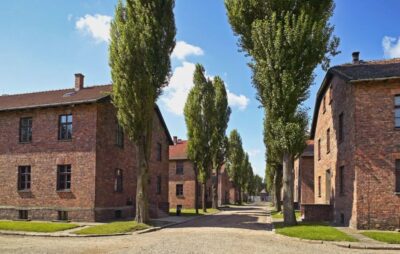
Auschwitz Guided Tour with Optional Hotel Pickup
Read the review →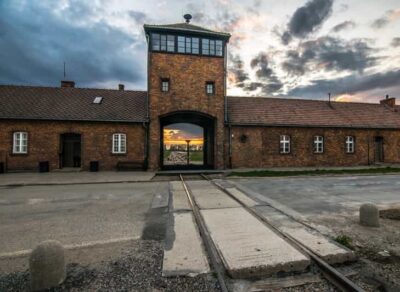
Auschwitz-Birkenau Guided Tour with Pickup & Lunch
Read the review →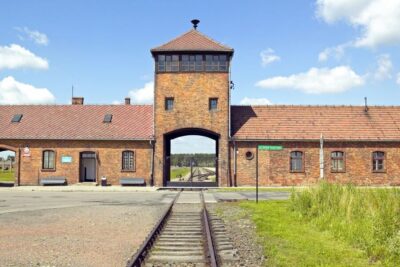
Krakow to Auschwitz Birkenau Guided Tour with Transfer and Ticket
Read the review →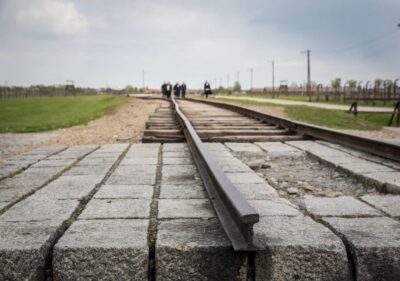
Auschwitz Birkenau Small Group Tour with Pickup
Read the review →Browse the lists this tour appears in