
Reviewed · AUSCHWITZ-BIRKENAU MEMORIAL TOURS
Auschwitz-Birkenau Museum Tour from Krakow
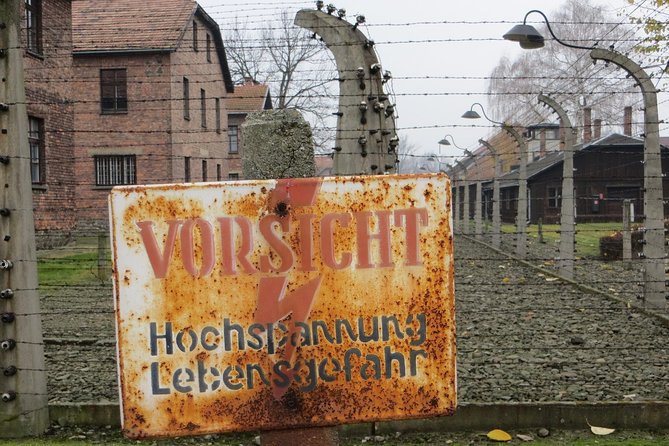
Auschwitz-Birkenau is not a sightseeing stop in the usual sense. It is the largest former Nazi concentration and extermination camp, where the scale of the Holocaust becomes painfully clear through the barracks, gas chambers, personal belongings, and open grounds of Birkenau. The site records the murder of more than 1.1 million people, most of them Jews.
I like the included round-trip transport from Krakow, which removes a major planning chore, and I like having a live guide to explain what you are seeing. Guide Ediwina has been praised for her moving approach, while driver Viktor has earned warm marks for his service. The main concern is pace: some visits cover Birkenau too quickly, and the group format may feel impersonal.
Key points at a glance
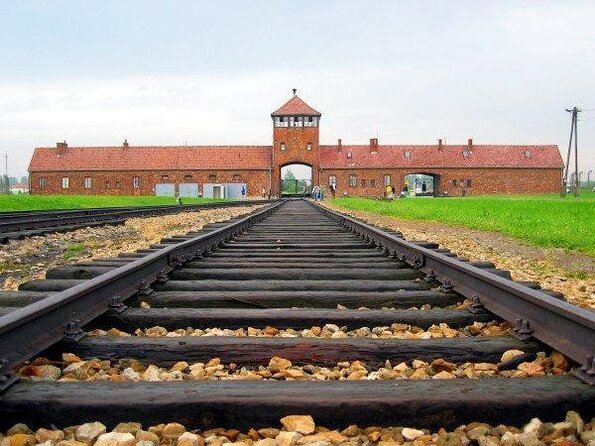
- Auschwitz and Birkenau are two parts of one visit: Auschwitz I has the original brick barracks and museum displays, while Birkenau shows the enormous scale of the killing site.
- The tour lasts seven hours: That includes transport from Krakow, the guided visit, and the return journey.
- Transport is included: A professional English-speaking driver takes care of the round trip, with water provided.
- Bring the exact ID used for booking: Auschwitz-Birkenau requires your full name and contact details, and entry can be refused if your ticket name does not match your passport or ID card.
- The tour is emotionally demanding: It is not suitable for children under 14, and the site is not recommended for people with mobility impairments.
- Small-group and private options are available: These may suit you better if you want more room for questions and a less hurried visit.
Why Auschwitz-Birkenau requires more than a quick stop
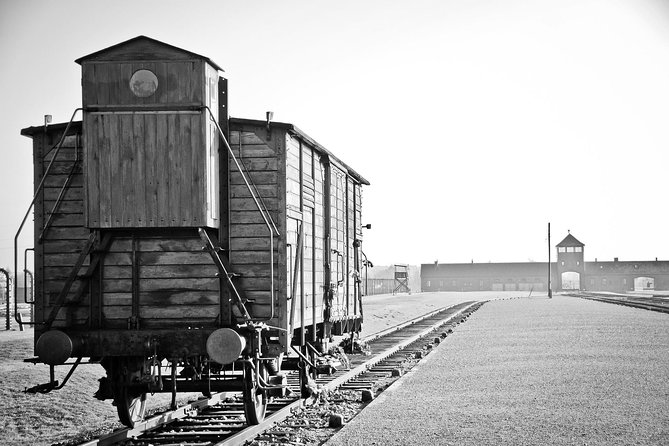
The power of this visit comes from its physical evidence. You are not simply hearing a lecture about World War II. You are walking through the remains of a system built by Nazi Germany in 1940 near the town of Oswiecim, known in German as Auschwitz.
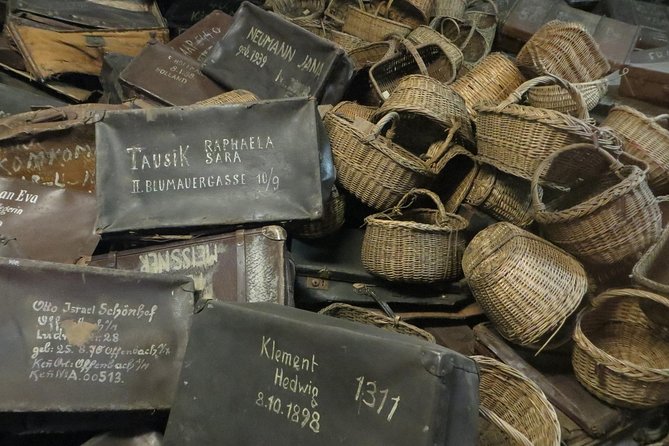
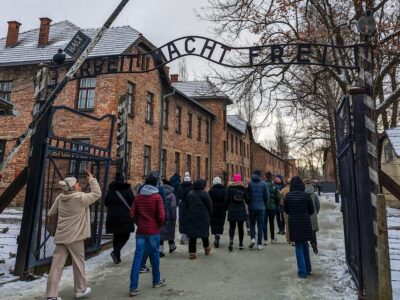
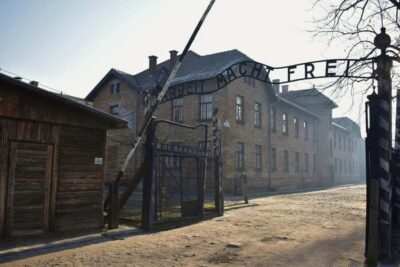
Auschwitz I is the part most people picture first. Its brick barracks, controlled entrance, and preserved rooms give the site a contained, ordered feel. That order is part of what makes the place so disturbing. The camp was designed to manage people, possessions, labor, and death with cold efficiency.
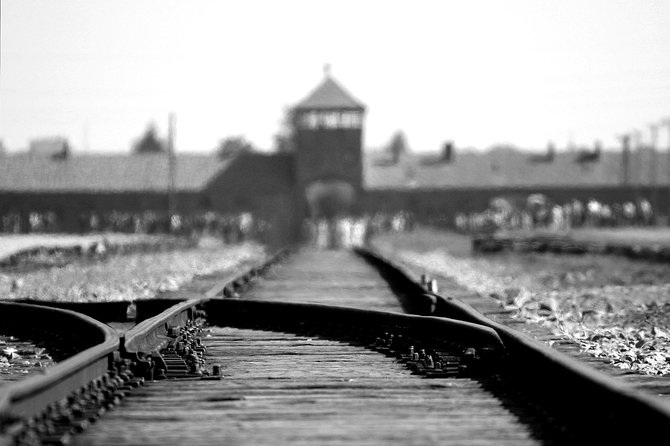
Birkenau is different. The grounds are much wider, with rows of barracks and long views across the former camp. Here, the size of the operation becomes harder to take in. The distance between buildings, the railway approach, and the open space all help you understand that Auschwitz-Birkenau was not one building or one isolated crime. It was a vast network built for imprisonment, forced labor, and mass murder.
The total number of deaths is estimated at more than 1.1 million people from 28 nationalities. Nearly 90 percent of those killed were Jews. A good guide helps you hold on to those facts without reducing the people involved to statistics.
The memorial has been protected as a UNESCO World Heritage Site since 1979. That designation matters, but it does not make the site feel polished or comfortable. The value here comes from preserving difficult evidence and allowing you to confront it directly.
Other ways to visit Auschwitz-Birkenau from Oświęcim:
- Auschwitz-Birkenau Skip-the-Line Guided Tour
★ 4.3 · 3,617 reviews - Auschwitz-Birkenau: Skip-the-Line Entry Ticket & Guided Tour
★ 4.4 · 3,052 reviews - Auschwitz-Birkenau Skip-the-Line Ticket and Guided Tour
★ 4.4 · 1,241 reviews
From Krakow to the camp in about seven hours
The full activity lasts seven hours, including the journey from Krakow and the return trip. Your professional driver handles the transport, and pickup is included. You should be ready five minutes before departure and show your ticket to the driver.
That arrangement is useful because Auschwitz-Birkenau is outside Krakow. You do not need to work out the route, organize separate entrance tickets, or worry about returning to the city after an intense day. The driver also provides water, a small but welcome touch during a long outing.
The price is $92 per person. That is not the cheapest way to reach the memorial, but the cost includes admission, transportation, and a live guided group tour. You are paying for convenience as much as for the ticket itself. If you are short on time in Krakow, the single seven-hour plan can make sense.
The tradeoff is flexibility. This is not a self-paced rail trip where you decide how long to stay in each room. The guide and group set the rhythm, and a crowded or tightly timed day can limit quiet reflection. If that concerns you, ask about the private or small-group option before booking.
The activity is non-refundable, so check your Krakow schedule carefully. The memorial requires advance reservations, and booking early is the only reliable way to secure a visit. It may be possible to change the date and time after purchase, but you need to contact the local partner about that.
Auschwitz I, brick barracks and preserved evidence
The first camp gives you a more concentrated introduction to the Nazi system. You see the former barracks and other preserved structures, with a guide explaining how the camp operated and how prisoners were treated.
The former gas chambers are among the most difficult parts of the visit. Their presence makes the history physical and immediate. This is not an attraction designed to entertain you, and the best approach is to move quietly, listen closely, and give yourself time to process what you are seeing.
A licensed guide adds essential context. Without one, it can be hard to understand how the buildings fit into the wider system or why particular rooms matter. The tour is offered in English or Polish, and the guide leads the group through the memorial rather than leaving you to guess at the meaning of each structure.
Ediwina is one guide associated with especially strong feedback. Her approach has been described as deeply moving, and her role is a good reminder that the quality of the day depends heavily on the person leading it. A strong guide does not merely repeat dates. You need clear explanations, respect for the site, and enough time to absorb the material.
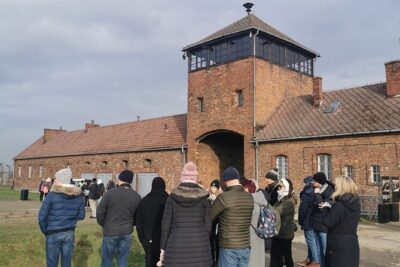
The group setting can work well here because the route is structured. You are less likely to miss major buildings or lose time finding your way. Still, if your group is large or the schedule is tight, you may want to ask questions quickly and stay close to the guide.
Birkenau, where scale changes the meaning of the visit
Birkenau, also known as Auschwitz II, is the larger part of the former camp. Its broad grounds and rows of barracks reveal the scale of the operation in a way that Auschwitz I cannot.
This is also the section most likely to feel rushed. One assessment described Auschwitz I as well handled but found the Birkenau portion too quick. That criticism is worth taking seriously. Birkenau needs time because the distances and layout carry much of the meaning. You need a moment to look across the grounds, understand the railway connection, and take in how many people were held there.
The tour still gives you access to the largest part of the former camp, but the exact pace can depend on the day, the group, and the schedule. Stay attentive to the guide’s meeting instructions so you do not lose time or hold up the group.
You may purchase an information booklet at the memorial if you want more background to read later. I would consider this useful if you prefer to process the visit privately after returning to Krakow. During the tour itself, though, the guide’s explanation is likely to be more useful than trying to read while walking.
A few more things to do in Oświęcim worth a look
- Auschwitz-Birkenau: Museum Entry Ticket with Guided Tour
★ 4.2 · 146 reviews - Auschwitz-Birkenau Museum and Memorial Guided Tour from Krakow
★ 4.5 · 1,510 reviews - Warsaw: POLIN Museum of the History of Polish Jews Ticket
★ 4.7 · 1,142 reviews - Krakow: Rynek Underground Museum Guided Tour
★ 4.6 · 1,122 reviews
What makes the guide and driver important
This experience has two people shaping your day: the driver who gets you there and back, and the guide who interprets the memorial.
A professional driver keeps the transport simple. Viktor has been singled out for excellent service, which matters on a seven-hour outing. You want a clear pickup, a safe and orderly journey, and a reliable return to Krakow after an emotionally heavy visit.
The guide matters even more once you enter the memorial. Ediwina has been praised for combining preparation with sensitivity. That is the right balance here. You need factual detail, but you also need a guide who understands that this is a place of mourning, not a standard historical attraction.
The tour is available with English or Polish guidance. Make sure you choose the language you need when checking availability. A private or small-group format is also offered, which can be worth considering if you have questions, prefer a quieter setting, or want a little more control over the pace.
Still, a small group does not guarantee a longer visit at every stop. The memorial’s own entry rules and operating schedule shape the day. Think of the smaller format as a way to improve communication and comfort, not as a promise of unlimited time.
Clothing, identification, and bag rules
The identification rules are unusually important. You must bring a passport or ID card, and the name on it must match the name supplied during booking. Auschwitz-Birkenau requires the full name and contact details of every participant. If the names do not match, entry can be refused.
Pack lightly. The largest permitted bag, purse, backpack, or piece of luggage is 30 by 20 by 10 centimeters. A small day bag is the sensible choice. Large luggage is not allowed.
The listed clothing rules say no shorts or sleeveless shirts. One later note says shorts may now be permitted, so the information is not perfectly consistent. To avoid an unpleasant argument at the entrance, I would wear long trousers or another conservative outfit with covered shoulders.
Comfortable clothing also makes sense because the day involves walking outdoors between preserved buildings and open grounds. The activity is not suitable for people with mobility impairments, and children under 14 are not accepted. If a child is under 150 centimeters tall, tell the supplier in advance so a child seat can be arranged, though the minimum age rule still applies.
Is $92 a fair price from Krakow?
At $92, this is a mid-range organized excursion rather than a budget transfer. You receive the entrance ticket, round-trip transport, professional driver, live guide, and water. Those inclusions remove several separate costs and reduce the risk of arriving without the required entry reservation.
The price is easiest to justify if you want a simple day from Krakow. You do not need to compare transport routes, find the memorial entrance, or arrange a separate guide. The seven-hour schedule also gives you a clear framework for fitting the visit into a short stay.
The value is less obvious if you already have transport and prefer to explore quietly on your own. A group tour may feel too fast, especially at Birkenau. In that case, a private or small-group choice could make better sense, even if it costs more.
I would also factor in the non-refundable policy. This is a serious commitment, and your Krakow plans should be settled before you pay. Because entry slots can fill well ahead of time, booking early helps, but it also means you should check your dates carefully.
Who will get the most from this tour?
I would choose this outing if you are staying in Krakow and want the practical work handled for you. It suits first-time visitors who want a guide to explain the buildings, former gas chambers, barracks, and the wider history of Auschwitz-Birkenau.
It is also a good fit if you want a structured visit rather than a self-guided one. The subject is complex and emotionally difficult. A live guide can give the day a clear shape and help you understand what you are seeing.
You may prefer another arrangement if you need a slow pace, have mobility limitations, or want to spend long periods alone at particular parts of the memorial. The group format can feel like mass tourism when the schedule tightens, particularly at Birkenau.
Give yourself some quiet time after the visit if you can. The tour returns you to Krakow within the seven-hour activity window, but the emotional impact may last longer than the transport schedule suggests.
Should you book the Auschwitz-Birkenau tour from Krakow?
Book it if you want transport, admission, and a live guide combined in one carefully arranged day. The strongest reasons are the convenience, the serious historical setting, and the chance to see both Auschwitz I and the much larger Birkenau site without arranging the details yourself.
Before paying, confirm the departure time, provide your name exactly as it appears on your passport or ID, and pack a small conservative outfit. If you dislike group pacing, ask about the private or small-group option. I would also keep expectations realistic: this is a solemn memorial visit, not a polished sightseeing excursion, and the Birkenau section may feel too brief.
For most visitors staying in Krakow, the $92 cost is reasonable for the transport and guided access. I would book early, prepare properly, and approach the day with patience and respect.
FAQ
How long does the Auschwitz-Birkenau tour from Krakow last?
The activity lasts seven hours, including round-trip transportation from Krakow and the guided visit.
What is included in the price?
The price includes entrance tickets to the Auschwitz-Birkenau Memorial, round-trip transportation, a professional English-speaking driver, a live guided group tour, and water.
What languages are available?
The live guide is available in English or Polish.
Do I need to bring identification?
Yes. Bring your passport or ID card. The name on your identification must match the name provided during booking, or entry may be refused.
What size bag can I bring?
The maximum permitted size for a luggage item, purse, backpack, or other bag is 30 by 20 by 10 centimeters. Large luggage is not allowed.
Is the tour suitable for children?
The activity is not suitable for children under 14 years old. If a child is at least 14 but under 150 centimeters tall, inform the supplier so a child seat can be arranged.
Can I book a private or small-group visit?
Yes. Private or small-group options are available in addition to the guided group tour.
Just added in Oświęcim
- Auschwitz-Birkenau: Fast-Track Ticket & Guided Tour No Transfers★ 3.5 · 17 reviews
- Auschwitz-Birkenau – Skip the Line Tickets★ 3.5 · 29 reviews
- RoundTrip from Krakow to Auschwitz + Entrance Tickets★ 4.9 · 10 reviews
- Oswiecim: Auschwitz-Birkenau Skip-the-Line Entry Tickets★ 4.0 · 63 reviews
- Krakow Auschwitz-Birkenau Memorial Guided Tour Meeting Point★ 4.7 · 20 reviews
- From Krakow: Wieliczka Salt Mine & Auschwitz Guided Trip★ 4.5 · 5 reviews
- From Krakow: Roundtrip Transportation to Auschwitz Birkenau★ 4.8 · 30 reviews
- Auschwitz-Birkenau: Memorial Entry Ticket and Guided Tour★ 3.9 · 54 reviews
Auschwitz-Birkenau Memorial Tours, compared.
Auschwitz-Birkenau Guided Tour & Hotel Pickup
Read the review →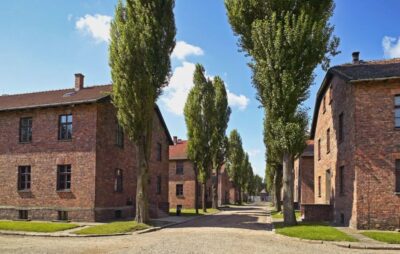
Auschwitz Guided Tour with Optional Hotel Pickup
Read the review →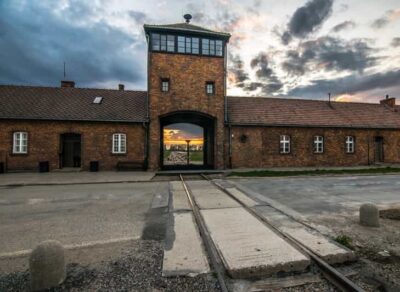
Auschwitz-Birkenau Guided Tour with Pickup & Lunch
Read the review →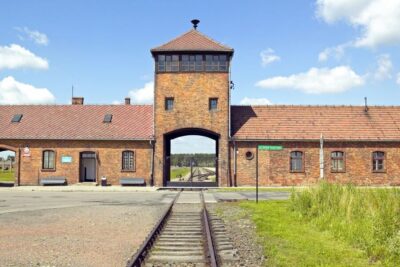
Krakow to Auschwitz Birkenau Guided Tour with Transfer and Ticket
Read the review →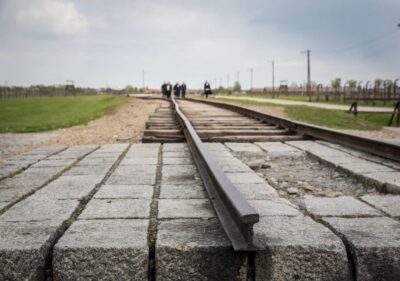
Auschwitz Birkenau Small Group Tour with Pickup
Read the review →Browse the lists this tour appears in