
Reviewed · MUSEUMS
Archdiocesan Museum in Krakow
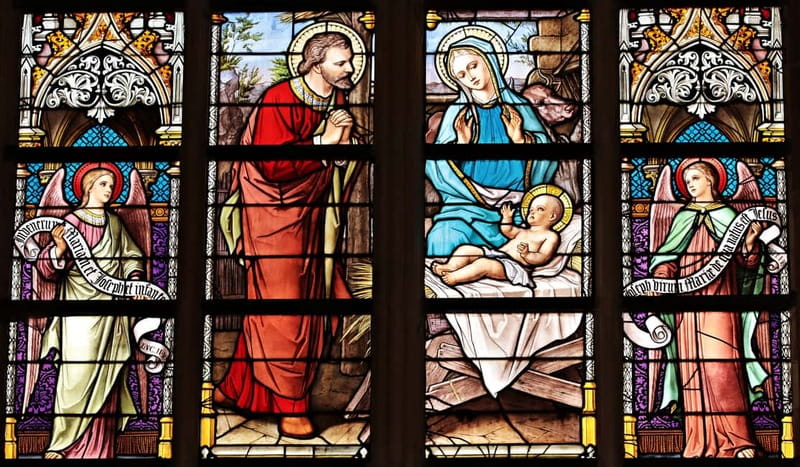
Krakow’s Archdiocesan Museum gives you a quiet look at Polish religious art inside one of the city’s oldest streets. The collection covers the 13th through 19th centuries, with paintings, sculptures, craftwork, and gifts connected to Pope John Paul II. I especially like the 16 historic rooms and the chance to see about 600 works without paying a large admission fee.
I also like the setting on Kanonicza Street, where the museum’s old rooms make the art feel tied to Krakow’s church history rather than displayed in a modern white box. The main consideration is that this is a self-guided museum visit, not a guided tour with a named expert, and opening hours can change. Check the official museum website before setting out.
Key points to know before you go
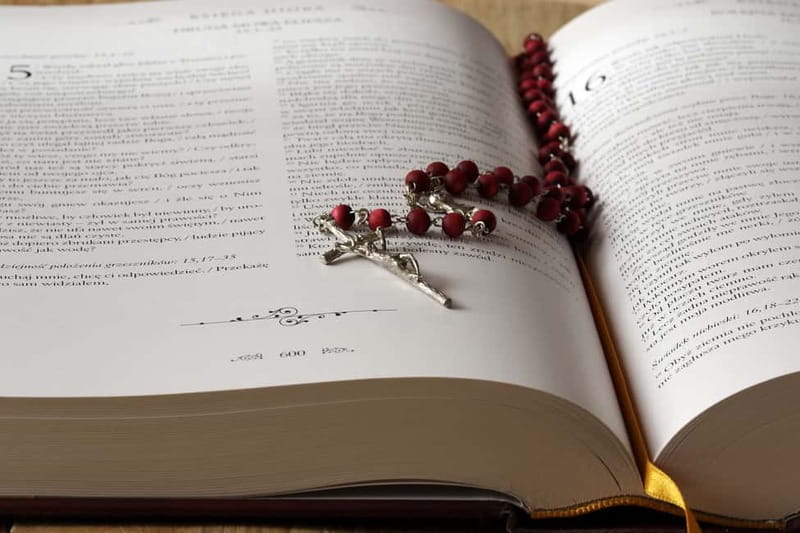
- Kanonicza Street setting: The museum occupies one of Krakow’s oldest and most atmospheric streets, close to the city’s historic center.
- About 600 works: Paintings, sculptures, and religious craftwork cover a broad period from the 13th to the 19th century.
- Sixteen period rooms: Baroque furnishings help show how church art was seen and used in its original cultural setting.
- John Paul II connection: The museum displays gifts from the Holy Father, an important link to Krakow’s most famous modern churchman.
- Low-cost admission: The listed price is about $2.41 per person, while Krakow City Card holders enter free.
- Flexible visit period: The ticket is valid for one to two days, though you should check the exact option and opening hours when booking.
Kanonicza Street gives the museum its character
The Archdiocesan Museum is on Kanonicza Street, one of the oldest and most attractive streets in Krakow. That location matters. You are not arriving at an isolated modern gallery. You are entering a museum connected to the Krakow archbishopric, in a part of the city long associated with clergy, churches, and religious institutions.
I would plan this visit while walking between Wawel Castle and Krakow’s Old Town, although the museum itself does not provide transportation. Your meeting point can vary with the option booked, so check the details before you leave. Since the museum sits in the heart of Krakow, it is best treated as a central walking stop rather than a separate half-day outing requiring a vehicle.
Kanonicza Street also gives you a useful sense of place before you even see the first painting. The surrounding buildings help explain why religious art played such a major role in Krakow’s public and private life. The museum’s contents are not simply old objects. They belong to the artistic story of the Krakow bishopric.
A few more things to do in Kraków worth a look
- Auschwitz-Birkenau Museum and Memorial Guided Tour from Krakow
★ 4.5 · 1,510 reviews - Krakow: Rynek Underground Museum Guided Tour
★ 4.6 · 1,122 reviews - Krakow Schindler’s Factory Museum Guided Tour in English
★ 4.5 · 650 reviews
Sixteen rooms, about 600 works, and several centuries of art
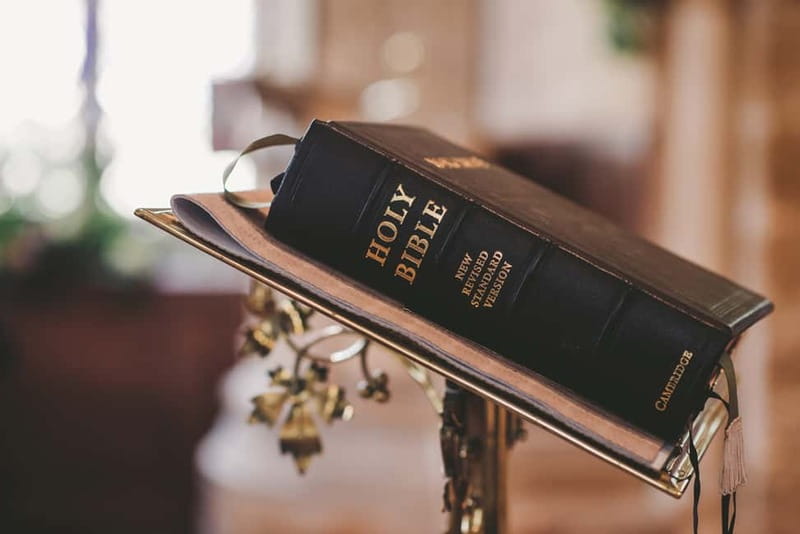
The permanent exhibition occupies 16 historic rooms and contains approximately 600 works of art. The collection includes paintings, sculptures, and religious craftwork dating from the 13th to the 19th century.
That date range is one of the museum’s strengths. You can see how sacred art changed across several periods instead of looking at a single narrow style. A medieval image, a later painting, and a piece of church craftwork may have served different purposes, even when all were made for religious use.
The museum’s size is also practical. Sixteen rooms and 600 objects give you plenty to see, but the visit remains manageable for a short Krakow itinerary. At roughly $2.41 per person, the admission is easy to justify even if you are not a specialist in art or church history.
You should not expect every object to receive a long explanation or a full museum-style presentation. The appeal is the overall group of works, the period rooms, and the connection to Krakow’s clergy. If you prefer a single famous masterpiece with extensive interpretation, this may feel modest. If you enjoy seeing how a city’s religious institutions gathered and preserved art, the museum offers more to consider.
Why the Baroque rooms matter
The works are arranged in rooms furnished with Baroque furniture. This is more than decoration. The furniture helps you picture the setting in which religious art was viewed, stored, or used by the clergy.
A modern gallery can make a painting look like an isolated object. Here, the period interiors provide a stronger link between the artworks and the people who lived with them. You might notice how a sculpture, painting, or crafted religious object feels different when surrounded by historic furnishings rather than bare walls.
The rooms also shape the pace of your visit. Instead of moving through one large hall, you pass from room to room, with each space offering a smaller group of objects. I recommend taking your time with the arrangement rather than trying to count all 600 works. The setting rewards careful looking.
Still, period rooms can be less convenient than a modern museum. Furnishings and smaller spaces may mean that some objects are viewed from a closer, more limited position. The available information may also vary from room to room. This is a museum for looking and absorbing the atmosphere, not for rushing through a list of major names.
The John Paul II collection adds a modern connection
One of the museum’s most distinctive features is its display of gifts from Pope John Paul II. Before becoming pope, Karol Wojtyła was closely connected with Krakow and served as its archbishop. The museum’s connection to him gives the visit a modern point of reference within a collection that reaches back to the Middle Ages.
The gifts make the museum especially meaningful if you are interested in Polish Catholic history or in John Paul II’s connection to Krakow. They also give you a bridge between the older sacred art and the city’s more recent religious identity.
The supplied information does not list every gift or identify specific objects, so you should not arrive expecting a particular famous item. Instead, think of this section as part of the museum’s wider story. It shows that the institution is not only preserving earlier church art. It also reflects the people and events that shaped Krakow’s clergy in more recent times.
Same base, a different kind of day:
- From Krakow: Auschwitz-Birkenau Guided Tour & Hotel Pickup
★ 4.5 · 33,358 reviews - From Krakow: Auschwitz-Birkenau Guided Tour & Hotel Pickup
★ 4.5 · 29,340 reviews - Krakow: Auschwitz Guided Tour with Optional Hotel Pickup
★ 4.5 · 15,280 reviews - Krakow–Zakopane: Cable Car, Chocholow Baths, Cheese & Vodka
★ 5.0 · 10,720 reviews
What you can learn about Krakow’s clergy
The museum’s stated purpose is to present the artistic legacy of the Krakow bishopric and help you understand the history of the Polish clergy. That makes the visit different from a general art museum.
Religious art often tells you what a community valued, how it marked important ceremonies, and how church leaders presented their role. The Archdiocesan Museum brings those ideas together through objects linked to the bishopric. Paintings and sculptures show the devotional side, while craftwork can suggest the practical and ceremonial world around religious institutions.
You will not be taking part in a ceremony or meeting clergy as part of this admission. The experience is a museum visit. Its value comes from seeing religious objects in a setting tied to the institution that preserved them.
For a first visit to Krakow, this can add a useful layer to the city’s better-known sights. The Old Town, Wawel, and major churches show public monuments. The Archdiocesan Museum gives you a closer look at the art and people behind one part of that story.
How long to allow for the visit
The ticket information says the experience is valid for one to two days, with starting times depending on availability. That wording means you should check the exact ticket option rather than assume a particular entry hour.
No fixed visit length is provided. Since the museum contains 16 rooms and about 600 works, your timing will depend on how closely you study the art. A quick visit can work if you are fitting it between other sights, while an unhurried visit makes more sense if you want to examine the period rooms and the John Paul II displays.
I would avoid placing the museum at the end of a tightly packed day. Opening hours may differ from those shown when you book, and some Krakow museums do not operate on Mondays. Check the official website before visiting, especially if Monday is your only available day.
The flexible validity can help if your plans change, but it does not remove the need to confirm opening hours. This is a small practical step that can save you an unnecessary walk across the center.
Is the $2.41 ticket good value?
At about $2.41 per person, the standard admission is very inexpensive for a central Krakow museum with hundreds of works. Even a short visit offers a reasonable return, particularly if you are already exploring Kanonicza Street.
The value is strongest for three types of visitors:
- You want a low-cost cultural stop close to Krakow’s main sights.
- You are interested in religious art, Polish clergy, or John Paul II.
- You like historic interiors as much as individual paintings.
The value is even better if you hold the Krakow City Card, since entry is free for cardholders. The city pass also covers a long list of Krakow museums and landmarks, including Schindler’s Factory, the Rynek Underground Museum, the Princes Czartoryski Museum, the Old Synagogue, the Town Hall Tower, and several branches of the National and Archaeological Museums.
The City Card may be useful if you plan to visit several included sites over one to three days. Do not buy it just for this museum, since the individual admission is already low. Compare the total price of the pass with the other museums you actually plan to visit.
Student discounts are available, but you must carry a student ID card and show it to the tour representative if asked. The entry ticket does not include transportation.
Pairing the museum with other Krakow sights
The museum works well as one stop in a walking day. Its central location lets you combine it with other historic and cultural sites, though the exact order depends on your schedule.
You might pair it with the Old Town and the Town Hall Tower if you want a day focused on Krakow’s medieval center. The Old Synagogue or Schindler’s Factory would create a different kind of day, showing other parts of the city’s religious and social story.
The City Card list is long, and that can be useful, but it can also encourage overplanning. I would choose two or three major stops rather than trying to visit every included site. The Archdiocesan Museum is best used as a thoughtful pause between larger attractions, not as the sole reason to purchase a city pass.
Because transportation is not included, you need to make your own way to the meeting point. The central location makes walking the obvious choice, but confirm the exact meeting details for the option you book.
Who will enjoy this museum most
I would recommend the Archdiocesan Museum to anyone who wants a calm, focused look at Krakow’s religious art. It is a good choice for visitors who prefer historic interiors and smaller collections over large crowds and famous-name displays.
It should also appeal to anyone interested in John Paul II and his connection to Krakow. The gifts from the Holy Father provide a personal link to the city’s modern church story.
Families with older children may find the 16 rooms easier to manage than a huge museum, though younger children may not stay interested in sacred art for long. Art students and visitors with an interest in church history will likely want more time with the collection.
I would be less likely to recommend it if you have only a few hours in Krakow and want to see the city’s most famous secular artworks. In that case, the Princes Czartoryski Museum or the Gallery of 19th-Century Polish Art may rank higher on your list. The Archdiocesan Museum is a specialized stop, and its appeal depends on your interests.
A few practical cautions
The published rating is 4.7 from 12 reviews, and the available written comment is simply Formidable. That points to a very positive response, but the small number of ratings means you should not treat it as a broad measure of every visitor’s experience.
The museum’s opening hours can change because of various circumstances. Always check the official website before going, and pay special attention to Monday closures. The ticket has free cancellation up to 24 hours before the visit, which gives you some flexibility if your Krakow plans shift.
The meeting point may vary depending on the option booked. Confirm it in your reservation rather than assuming every ticket uses the same entrance. No transportation is included, so plan your route independently.
Should you book the Archdiocesan Museum?
Book it if you want an inexpensive cultural stop with genuine ties to Krakow’s clergy, Polish sacred art, and John Paul II. The combination of 600 works, 16 historic rooms, Baroque furnishings, and a Kanonicza Street location gives you more than a quick display of religious objects.
Skip it if your schedule is extremely tight or your main goal is modern art, major secular masterpieces, or a guided tour with detailed commentary. This is a quiet, specialized museum, and the experience depends on your willingness to look closely and make connections.
For most visitors with an interest in Krakow’s religious and artistic past, the low price makes the choice easy. Check the hours, confirm the meeting point, and add it to a walking day through the historic center.
FAQ
Where is the Archdiocesan Museum in Krakow?
The museum is located on Kanonicza Street, one of Krakow’s oldest streets, in the center of the city.
What can I see inside the museum?
You can see about 600 works of sacred art, including paintings, sculptures, and craftwork from the 13th through the 19th centuries.
Does the museum display gifts from John Paul II?
Yes. The collection includes gifts given by the Holy Father John Paul II.
How many rooms are in the exhibition?
The permanent exhibition is arranged across 16 historic rooms furnished with Baroque furniture.
Is entry included with the Krakow City Card?
Yes. Krakow City Card holders enter the Archdiocesan Museum free of charge.
Are transportation and guided services included?
Transportation is not included. The provided information does not specify a named guide or guided commentary, so check the option details when booking.
Just added in Kraków
- Wawel Castle, Old Town with St. Mary’s Church Guided Tour★ 5.0 · 3 reviews
- Wawel Castle, Old Town with St. Mary’s Church Guided Tour★ 5.0 · 5 reviews
- Wawel Castle, Cathedral, Old Town and St. Mary’s Basilica★ 4.8 · 13 reviews
- Wawel Castle, Cathedral, & Rynek Underground Tour with Lunch★ 4.5 · 10 reviews
- Wawel Castle & Cathedral Skip the Line Small Group Tour★ 5.0 · 3 reviews
- Wawel Castle and Cathedral Guided Tour★ 4.6 · 44 reviews
- Wawel Castle, Cathedral, Rynek Underground Tour with Lunch★ 5.0 · 3 reviews
- Wawel Castle and Cathedral Guided Tour★ 5.0 · 8 reviews
Museums, compared.
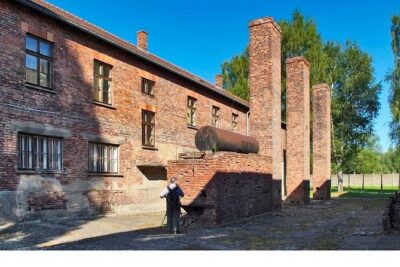
Auschwitz-Birkenau Museum and Memorial Guided Tour from Krakow
Read the review →
POLIN Museum of the History of Polish Jews Ticket
Read the review →
Krakow Schindler’s Factory Museum Guided Tour in English
Read the review →
Auschwitz Birkenau Museum Guided Tour with Pickup
Read the review →
Browse the lists this tour appears in