
Reviewed · WWII MEMORIAL & CAMP TOURS
Gdańsk: World War II Tour
Gdańsk is where the Second World War began, and this private tour takes you from the first shots at Westerplatte to the city’s painful wartime chapters and postwar rebirth. I like the clear Polish viewpoint and the mix of outdoor sites, museum space, and old-city streets. I also like the door-to-door pickup, especially in poor weather. The main drawback is the price: at $195 per person, it makes the most sense for a small group sharing a private guide and vehicle.
Guide Bożena has earned especially warm praise for her care, timing, and ability to adjust the tour to the group. Roxana and Sebastian Malyszczyk have also led past departures. Bring a coat and shoes for wet ground, since Westerplatte is outdoors and the tour runs in all weather. If you want the major World War II Museum, note that it is not part of this route.
Key points to know before booking
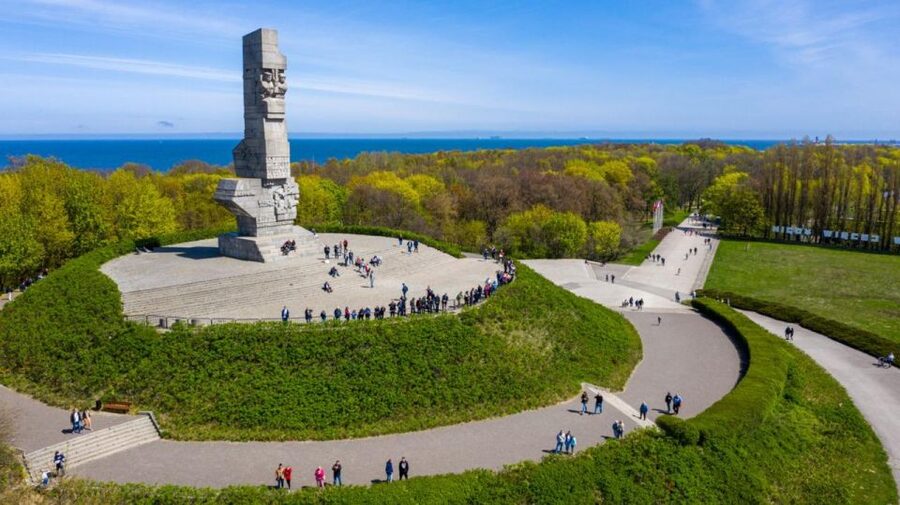
- Westerplatte opens the story: Spend about an hour at the place linked with the opening of the Second World War.
- The Polish Post Office adds a human scale: Its 30-minute visit focuses on a smaller but important episode in Gdańsk.
- The Main City connects war and rebuilding: One hour here places wartime events within the story of Gdańsk’s damaged and reconstructed center.
- Private transport saves time: Pickup and drop-off at your accommodation or a central Gdańsk location are included.
- The Polish viewpoint is central: The tour looks at occupation, resistance, the Red Army’s advance, and the human cost of war.
- The price favors groups: At $195 per person, the value improves when several people share the private vehicle and guide.
Why Gdańsk is such a powerful World War II setting
Gdańsk gives you more than a list of battle dates. Before the war, it was the Free City of Gdańsk, a politically unusual place shaped by Polish and German interests. That complicated background helps explain why the city became such a tense point in Europe.
The war’s opening is tied to Westerplatte, but the story does not end there. Gdańsk later faced the attack of the Red Army, destruction, displacement, and a difficult rebuilding process in 1945. This tour links those events rather than treating them as separate museum displays.
I like that the focus is on the Polish experience. You hear about national survival, civilian suffering, heroes, and the effort to rebuild a city that had been badly damaged. The tone is likely to be more personal than a simple sightseeing circuit, especially with a local guide who can explain why Gdańsk remains such an emotional place for Poland.
The tour lasts 210 minutes, or three and a half hours. That gives you enough time for the three main stops, along with driving between them, without turning the day into an exhausting full-day program.
Other wartime memorials reachable from Gdańsk:
- Gdansk: Guided Round-Trip Cruise to Westerplatte
★ 4.3 · 865 reviews - Gdansk: Stutthof Concentration Camp Regular Tour
★ 4.7 · 361 reviews - Stutthof Concentration Camp English Tour with Gdansk Hotel pickup
★ 4.5 · 73 reviews
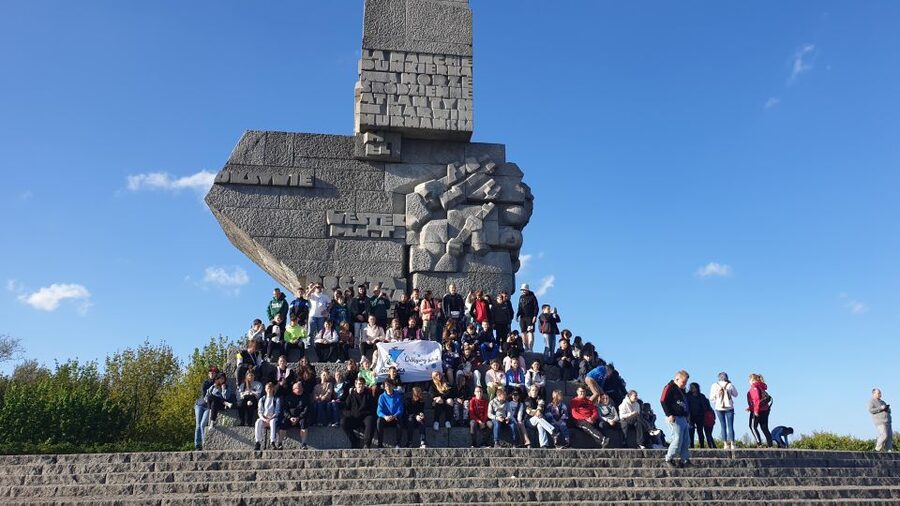
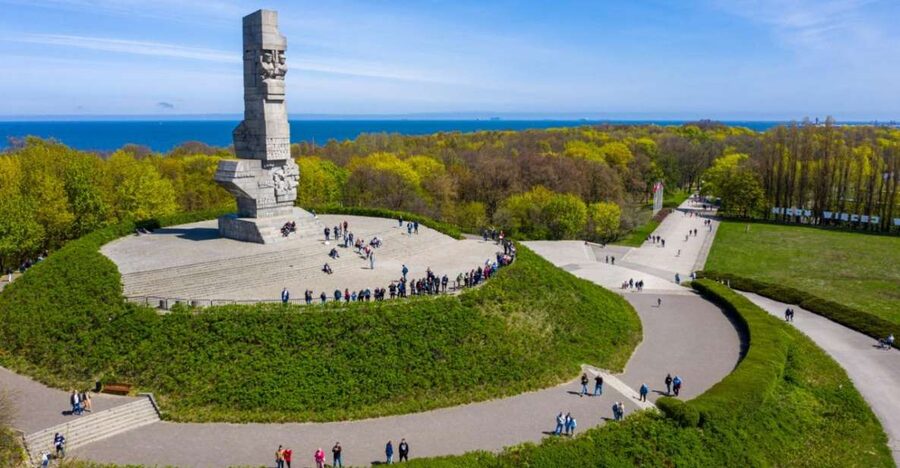
Westerplatte and the opening shots of the war
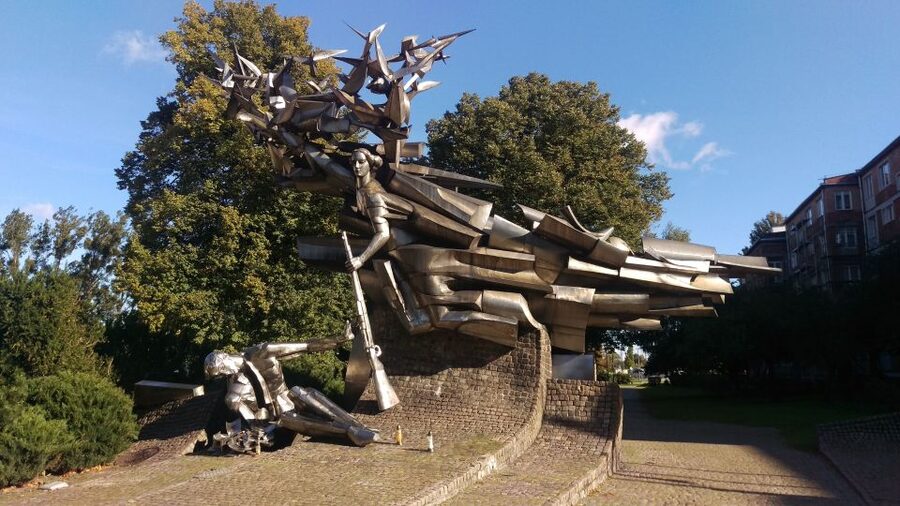
The tour begins with pickup in Gdańsk and continues to Westerplatte, where you spend about one hour with your guide. This is the key location for understanding the tour’s central claim: Gdańsk was connected to the beginning of the largest conflict in modern history.
Westerplatte is an outdoor stop, so your experience depends partly on the weather. The advice to bring clothing suitable for bad conditions is practical, not optional. A gray, wet day can make the site feel especially stark, but rain also means muddy or uncomfortable walking. Wear shoes that can handle uneven ground and bring an extra layer.
Your guide gives the place its meaning. Without explanation, Westerplatte can feel like a quiet coastal area with scattered wartime remains. With a guide, the visit becomes a story about the opening of the war, the pressure placed on Poland, and the wider conflict that soon spread across Europe.
One hour is enough for a focused visit, but it is not a full military-history program. You will not be spending half a day examining every detail of the campaign. Instead, you get the main story and the setting, then continue into the city to see how war affected Polish life and Gdańsk itself.
The Museum of the Polish Post and a smaller act of resistance
The 30-minute stop at the Museum of the Polish Post changes the scale of the tour. Westerplatte presents a major international event. The Polish Post brings the story closer to individual workers, local resistance, and the human decisions made during the first days of the conflict.
Half an hour is brief, so you should expect a concise guided visit rather than a long museum session. That can be useful if you want a structured overview and still hope to see the old city afterward. It may feel too short if you prefer to read every display or spend time with detailed exhibits.
This stop matters because it keeps the tour from becoming only a battlefield visit. War is not just troop movements and famous commanders. It also reaches post offices, homes, streets, and workplaces. The Polish Post helps connect the larger conflict to Gdańsk residents and the choices forced upon them.
The guide’s role is especially important here. A good explanation can help you understand why this site matters within the first days of the war, even if you have limited time inside. Bożena, Roxana, and Sebastian Malyszczyk are among the guides associated with past departures, though the guide assigned to your date may differ.
The Main City, damaged streets, and rebuilding
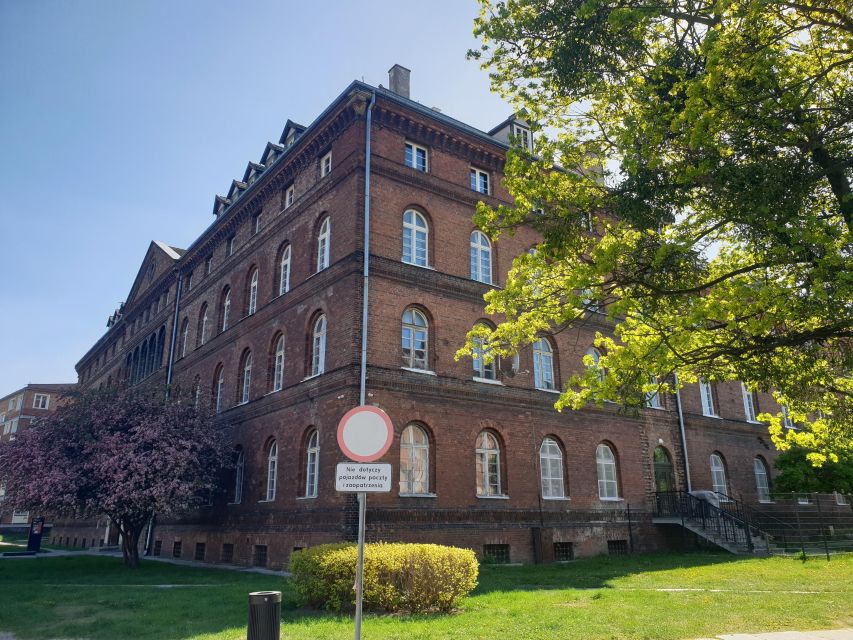
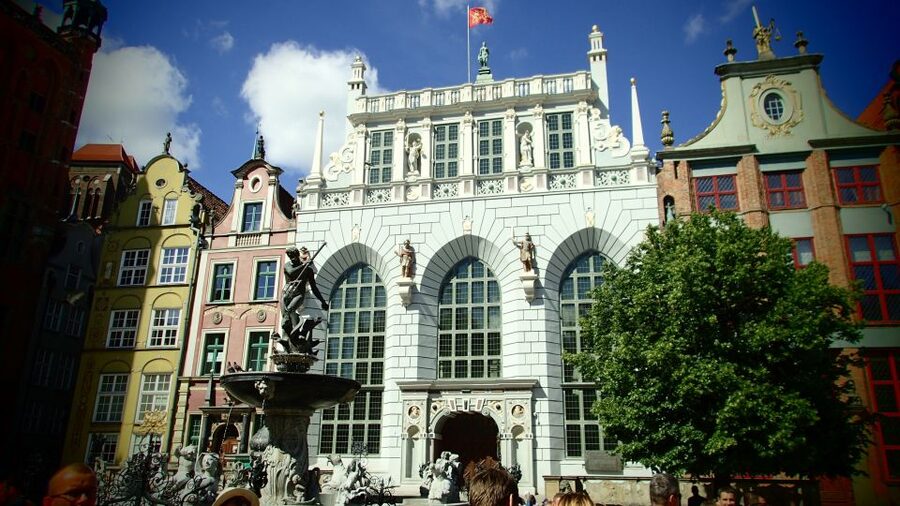
The final major stop is the Main City, with about one hour of guided sightseeing. This is where the tour moves from isolated wartime sites into the urban story of Gdańsk.
The Main City lets you consider what was lost and what had to be rebuilt. The tour presents Gdańsk as a place that repeatedly had to fight to recover and recreate itself. That theme gives the old center more weight than a quick walk for photographs.
You will hear about the city’s wartime history and the postwar attack of the Red Army as part of the wider account of 1945. The guide also connects Gdańsk’s physical recovery with the Polish experience of occupation, destruction, and renewal.
The supplied route also refers to Gradowa Mountain as part of the wider journey through the city’s wartime story. The timed itinerary specifically lists the Main City, Westerplatte, and the Polish Post Office, so you should confirm with the provider if Gradowa Mountain is essential to your plans.
An hour in the Main City gives you a useful introduction, but it is not enough for every historic building, museum, and side street. If you want a long architectural walk, schedule separate time before or after this experience.
Same base, a different kind of day:
- Gdansk: City Cruise on Historical Polish Boat
★ 4.8 · 2,913 reviews - Gdańsk: Sunset Cruise on a Historic Polish Boat
★ 4.9 · 977 reviews - Gdańsk City Sights & History Guided Walking Tour in English
★ 4.8 · 876 reviews - Gdansk: Firearm Shooting Experience with Instructor
★ 4.8 · 866 reviews
A private tour with a local point of view
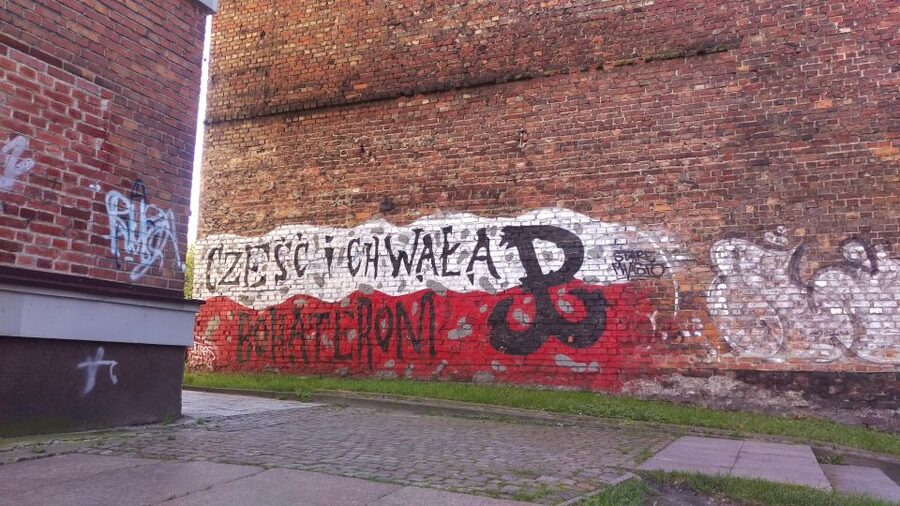
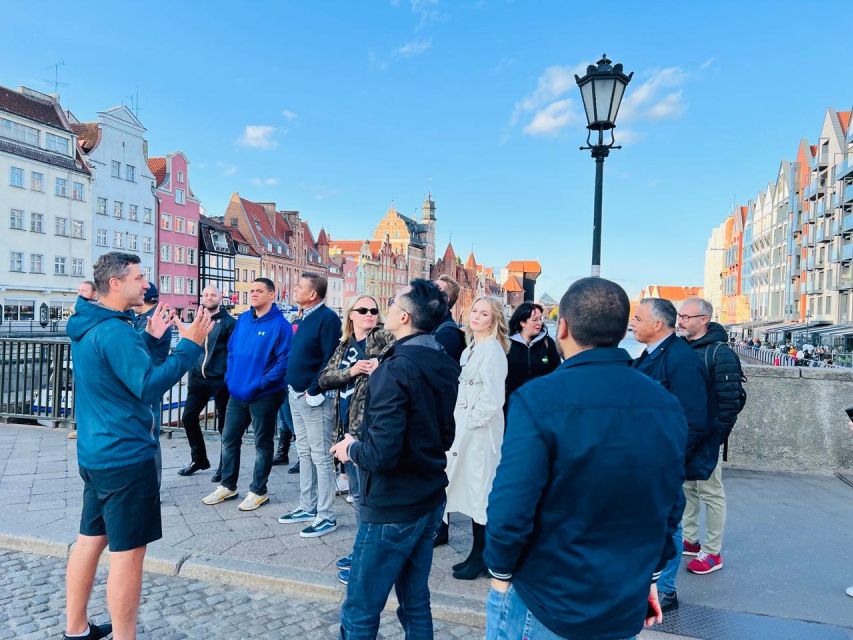
The private-group format is one of the strongest features here. You do not have to match the pace of a large bus group, and the guide can respond to your questions or adjust the emphasis. One past participant specifically valued the guide’s ability to adapt to the group’s needs.
That flexibility also helps explain the high satisfaction attached to this experience. Bożena is praised for arriving on time, making people feel welcome, and showing clear affection for Gdańsk. Another departure with Bożena took place in the evening, showing that the tour can work outside the usual daytime pattern when a suitable starting time is available.
Roxana is described as pleasant and well prepared, while Sebastian Malyszczyk is praised for explaining Gdańsk’s past clearly and with passion. These details suggest that the quality of the guide is a major part of the experience. Since this is a history tour, that matters more than fancy transport or a long list of stops.
English and Polish are the available tour languages. You should select the language you need when checking availability. The provider is Poland By Locals.
Is $195 per person a fair price?
The listed price is $195 per person. That is a serious cost for a three-and-a-half-hour tour, particularly if you are traveling alone. It is easier to justify if two or more people share the private vehicle and guide, since pickup, transportation, guiding, and water are included.
You are paying for more than entry to three places. The cost covers private transport from your accommodation or a central Gdańsk meeting point, a guide for the full route, and the convenience of moving between Westerplatte and the city without arranging taxis or public transport yourself.
For a group interested in World War II, this can be good value because the guide is the main attraction. You receive a connected explanation of the city rather than three unrelated visits. For a solo visitor on a tight budget, public transport and separate sightseeing may cost less, though you would give up the private format and guided context.
The tour is also useful early in a Gdańsk stay. It gives you a framework for understanding the city before you explore on your own. If you already know the wartime story well, the price may feel harder to defend unless you particularly value local interpretation and private transport.
What this tour does not include
The most important omission is the World War II Museum. One past participant specifically wished that even a short visit had been included. That is useful advice when planning your day.
The tour gives you an outdoor military site, a smaller museum visit, and the Main City. It does not replace a full museum program. If you want extensive exhibits, documents, maps, and objects covering the whole war, add the World War II Museum separately.
The 30-minute Polish Post visit also limits how much museum material you can examine. Think of it as one carefully chosen chapter in the tour, not a substitute for a long indoor history session.
Mobility is another consideration. The activity is not suitable for people with mobility impairments, and Westerplatte requires outdoor movement. If walking or uneven surfaces are a concern, ask the provider about the route before booking.
Practical planning for weather and timing
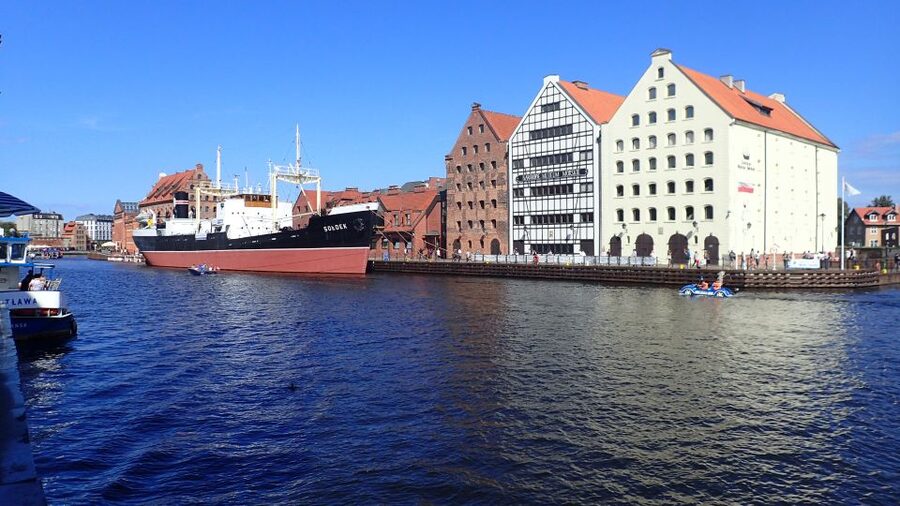
Pickup and drop-off are included at your accommodation or a central location in Gdańsk. That removes one of the tour’s small hassles, since you do not need to find Westerplatte on your own before the guide begins.
Starting times depend on availability. An evening version has operated before, but you should check the actual time offered for your date. A later departure may suit you if you want to keep the morning free, though outdoor conditions at Westerplatte can change as the day goes on.
Wear weather-appropriate clothing. A waterproof layer, comfortable shoes, and something warm are sensible choices. Water is included, but you should bring anything else you need for three and a half hours.
You can cancel up to 24 hours before the activity for a full refund, and you can reserve now and pay later. Those terms are useful if your Gdańsk plans are still shifting.
Who should book this Gdańsk history tour?
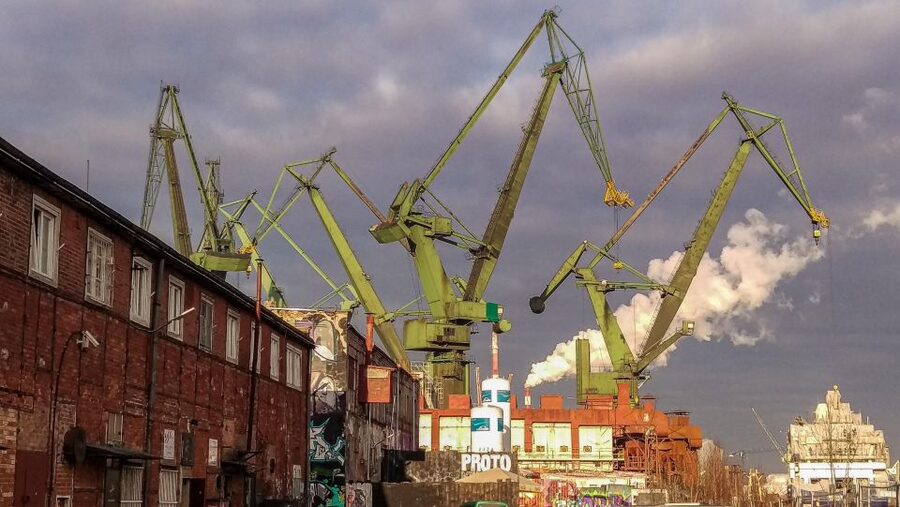
I would recommend it to first-time visitors who want a clear introduction to Gdańsk’s World War II story without arranging several separate visits. It also suits families, couples, and small groups who prefer a private guide and pickup rather than a large scheduled group.
It is a good match if you care about the Polish point of view, local stories, and the connection between wartime destruction and rebuilding. The personal approach from guides such as Bożena can make the history easier to follow and more meaningful.
I would be more cautious if your main goal is a long museum visit. The World War II Museum is not included, and the Polish Post visit lasts only 30 minutes. I would also compare prices carefully if you are traveling alone.
Should you book it?
Book this tour if you want Gdańsk’s World War II story presented as one connected journey, with Westerplatte, the Polish Post, and the Main City tied together by a private local guide. The guide, not the vehicle, is the heart of the experience.
Skip it if you need a low-cost option, have limited mobility, or want several hours inside the World War II Museum. For everyone else, especially a small group sharing the $195 cost, this is a focused and practical way to understand why Gdańsk matters in the story of the war and Poland’s recovery.
FAQ
Where does the tour begin?
Pickup is available at your accommodation or a central location in Gdańsk.
How long does the tour last?
The tour lasts 210 minutes, or three and a half hours.
Which places are visited?
The route includes Westerplatte, the Museum of the Polish Post, and the Main City. The broader description also refers to Gradowa Mountain, so confirm whether it is included on your selected departure.
Is transportation included?
Yes. Transportation by car or minivan is included, along with pickup and drop-off.
Is this a private tour?
Yes. The experience is operated for a private group.
Which languages are available?
The live tour guide is available in English or Polish.
Is the World War II Museum included?
No. The World War II Museum is not included in this tour.
Is the tour suitable for people with mobility impairments?
No. The activity is listed as unsuitable for people with mobility impairments.
What happens if the weather is bad?
The tour can involve outdoor sightseeing at Westerplatte, so bring clothing suitable for bad weather. You can cancel up to 24 hours in advance for a full refund, subject to the stated cancellation terms.
Just added in Gdańsk
- Gdansk, Gdynia, and Sopot: 8-Hour Private Sightseeing Tour★ 4.9 · 13 reviews
- Undercover City Games: Gdynia★ 5.0 · 34 reviews
- Private WW2 Tour of Westerplatte,Gdansk and Stutthof Including Lunch★ 5.0 · 12 reviews
- Whisky Tasting in Gdańsk★ 5.0 · 3 reviews
- Gdansk EVERYDAY Vodka Tasting Tour★ 5.0 · 6 reviews
- Westerplatte private tour led by Expert-Guide (door to door)★ 5.0 · 5 reviews
- Torun – City of Copernicus Private Tour★ 4.5 · 5 reviews
- TriCity Tour (Gdansk, Gdynia, Sopot) – PRIVATE (8h)★ 5.0 · 4 reviews
WWII Memorial & Camp Tours, compared.
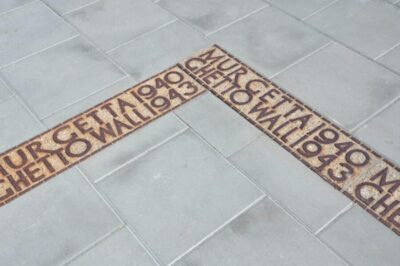
Warsaw for WWII Buffs – private tour with hotel pickup
Read the review →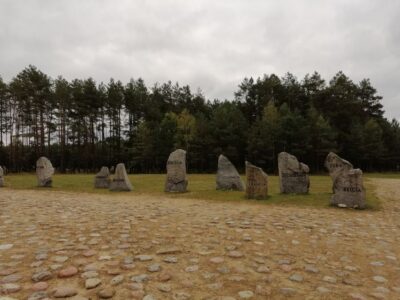
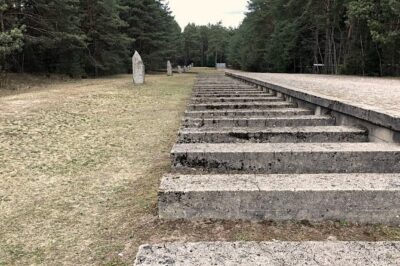
Treblinka Death Camp 6 Hour Private Tour from Warsaw
Read the review →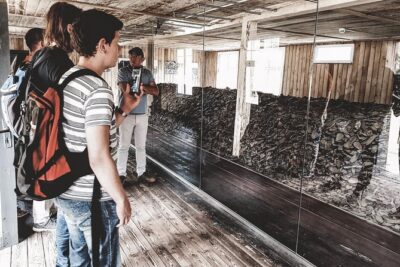
Stutthof Concentration Camp English Tour with Gdansk Hotel pickup
Read the review →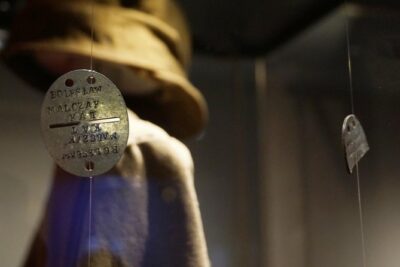
Majdanek Concentration Camp & Lublin Full Day Private Tour from Warsaw
Read the review →Browse the lists this tour appears in