
Reviewed · MUSEUMS
Krakow: Museum of Jan Matejko Entry Card (3-Day Krakow Card)
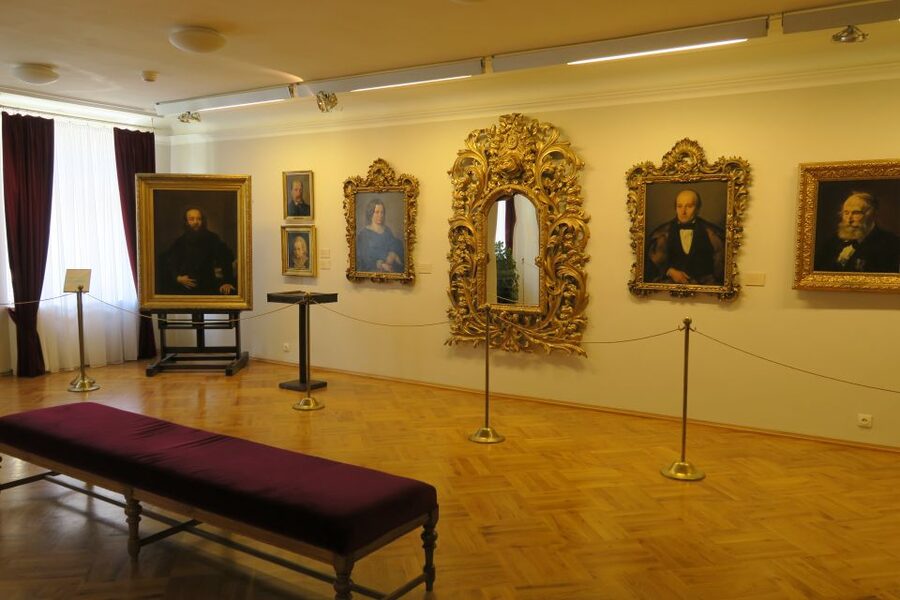
Jan Matejko’s former home gives you something a standard museum cannot: a look at the rooms where Poland’s best-known history painter lived and worked. His furniture, family keepsakes, artistic objects, fabrics, weapons, and ethnographic souvenirs make the visit feel personal rather than merely academic. You see the man behind the national icon.
I like the way this card pairs a compact house museum with major Krakow sights, including Schindler’s Factory and the Czartoryski Museum, home to Leonardo da Vinci’s Lady with an Ermine. I also like the freedom to choose museums at your own pace instead of joining a fixed tour. The main caution is the conflicting validity information: the details describe both two days and three days, so confirm the exact period when booking and collecting your card.
Key points to know
- Jan Matejko’s birthplace: Walk through the family home and first workshop of Poland’s famous history painter.
- Personal collections: See furniture, memorabilia, fabrics, weapons, artistic craft, and ethnographic objects connected with Matejko and his family.
- Large museum choice: The card includes 37 Krakow museums, from underground archaeology to modern art.
- Important timing detail: Validity is counted by calendar days, not by the hour, but the supplied information gives both two-day and three-day descriptions.
- Central collection point: Pick up the card at Krakville Tours, Sienna 17, open daily from 10:00 AM to 7:00 PM.
- Good value for museum-focused trips: At $53 per person, the card makes more sense if you plan several paid museum visits.
Inside Jan Matejko’s family home
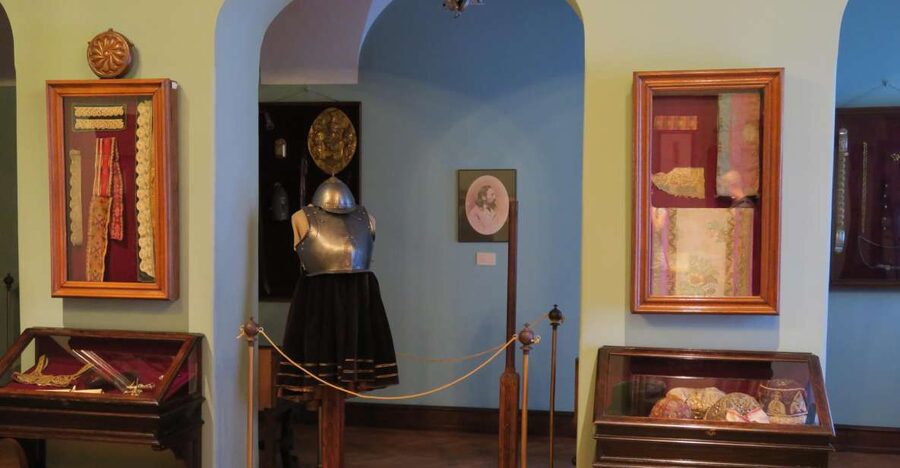
The Jan Matejko House is the heart of this experience. Matejko was Poland’s leading painter of historic scenes, and his work helped shape how many people pictured Poland’s kings, battles, and major political moments.
His paintings did more than decorate grand buildings. They gave historical figures human faces. The house helps you connect those famous images with the everyday life of the artist who created them.
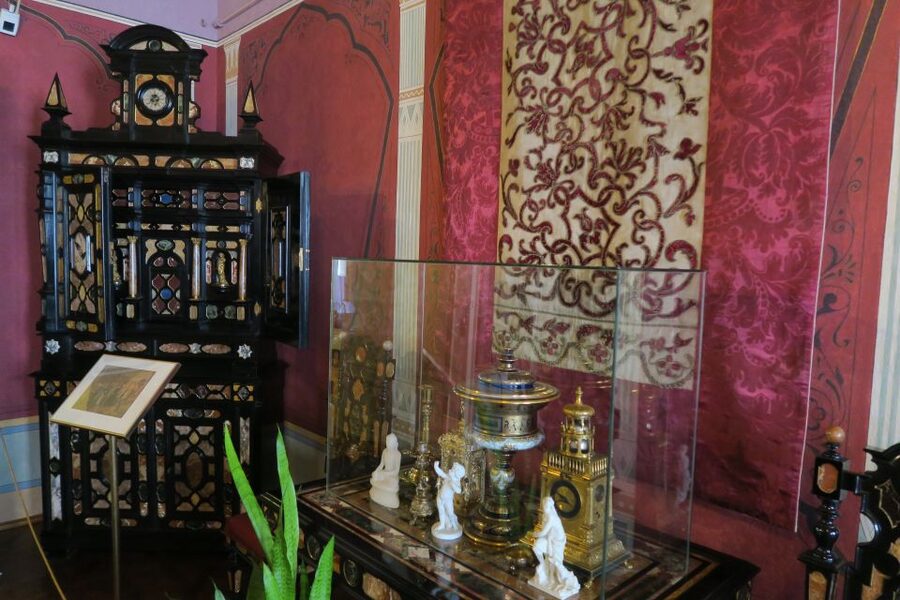
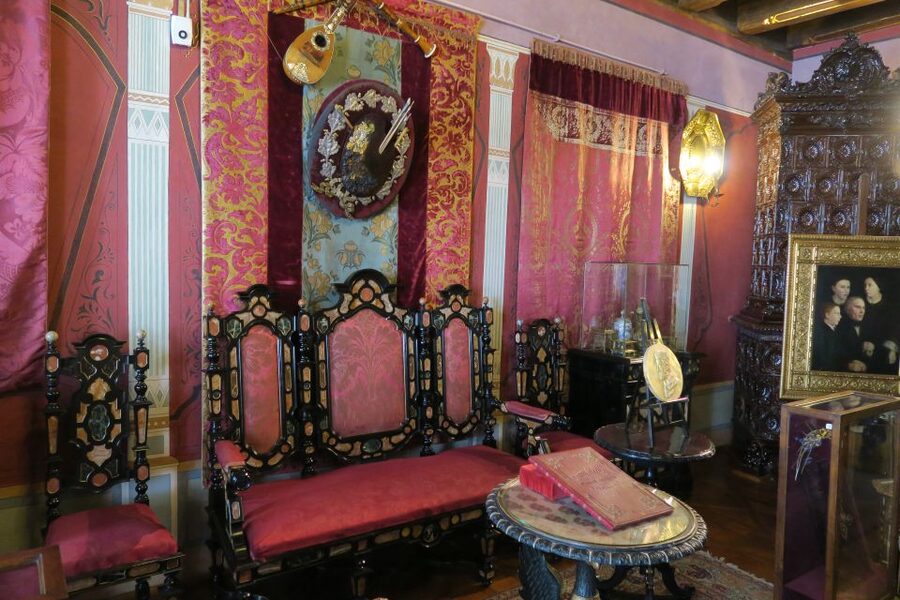
You move through the family home rather than a purpose-built gallery. That difference matters. Furniture, objects used by relatives, and personal memorabilia help you picture the household as a lived-in place. The visit is less about racing from one masterpiece to another and more about seeing the setting around a working artist.
The former home also includes Matejko’s first workshop. This is one of the most appealing parts for anyone interested in how an artist develops. You can think about the contrast between the intimate rooms of family life and the workspace where he built large historical compositions.
The displays include artistic craft, fabrics, weapons, and ethnographic souvenirs. These objects help explain the visual world that fed Matejko’s work. Weapons connect with Poland’s military and political past. Textiles and craft objects show the decorative details that shaped period imagery. Ethnographic items point to the wider culture he collected and studied.
You should allow enough time to look closely. This is not simply a quick stop to check off the painter’s birthplace. The house rewards attention to small objects and room arrangements, especially if you already know Matejko’s paintings or plan to see Polish historical art elsewhere in Krakow.
A few more things to do in Kraków worth a look
- Auschwitz-Birkenau Museum and Memorial Guided Tour from Krakow
★ 4.5 · 1,510 reviews - Krakow: Rynek Underground Museum Guided Tour
★ 4.6 · 1,122 reviews - Krakow Schindler’s Factory Museum Guided Tour in English
★ 4.5 · 650 reviews
What Matejko’s rooms add to Krakow’s art story
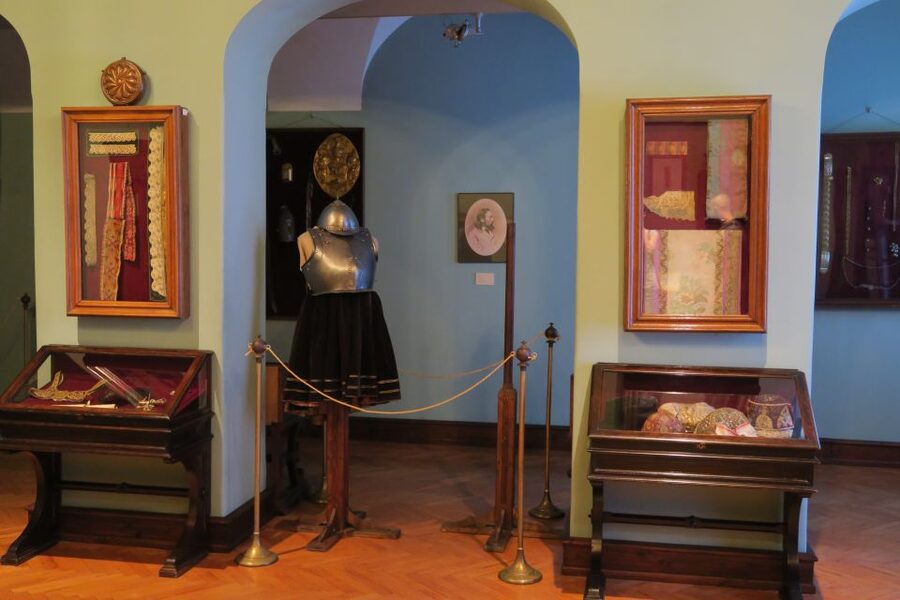
Krakow has major galleries, but the Matejko House gives you a more direct sense of the painter’s private life. You see where family members lived, what objects surrounded them, and how a celebrated artist’s public work grew out of a domestic world.
That personal angle is the feature I value most. A large gallery can explain Matejko’s importance through labels and paintings. His home adds atmosphere and physical context without requiring a guide or a long lecture.
The house also works well early in your Krakow visit. It gives you a useful frame for Polish history before you visit the Gallery of 19th-Century Polish Art in the Sukiennice or the Main Building of the National Museum. If you see Matejko’s work elsewhere, the home can make those paintings feel less distant.
There is a limit, though. The included experience does not provide a guided tour. You will need to read the displays and set your own pace. That is fine for independent visitors, but anyone hoping for a detailed explanation of Matejko’s technique or a personal tour should plan to explore on their own.
Using the card across Krakow
The card opens the door to 37 museums and cultural sites. That gives you a broad menu, but it does not mean you should try to force every stop into one short visit.
The best way to use it is to group museums by area and interest. Plan one or two major stops each day, then add smaller sites when they fit your route. This avoids spending your whole visit rushing between entrances.
Your choices cover several sides of Krakow:
- Polish art: The Main Building of the National Museum, the Gallery of 19th-Century Polish Art in the Sukiennice, the Szołayski House, the Stanisław Wyspiański Museum, the Jozef Mehoffer House, and the Bishop Erazm Ciołek Palace.
- Jewish and wartime history: Schindler’s Factory, the Galicja Jewish Museum, the Old Synagogue, the Eagle Pharmacy, and Pomorska Street.
- Archaeology and medieval Krakow: Rynek Underground Museum, the Archaeological Museum’s Main Building, the Nowa Huta Branice site, and the underground section beneath the Church of Saint Adalbert.
- Military and civic history: The City Defence Walls, Barbican, Arsenal, Town Hall Tower, and the Museum of the Home Army dedicated to General Emil Fieldorf Nil.
- Modern and contemporary culture: MOCAK and Cricoteka, the Centre for Documentation of the Art of Tadeusz Kantor.
- Local life and folklore: The Seweryn Udziela Ethnographic Museum, Esterka’s House, the Hipolit House, the Zwierzyniec House, and Legends of Cracow.
- Memorials and city viewpoints: Kościuszko Mound and the Celestat.
This range is the card’s real strength. You are not limited to one subject or one type of museum. A morning of medieval archaeology can be followed by modern art, Jewish history, or Polish painting.
The strongest museum pairings
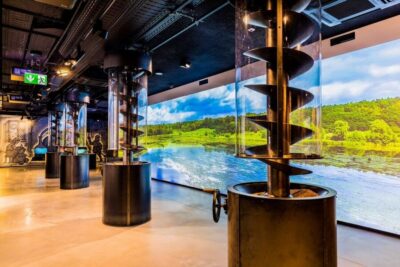
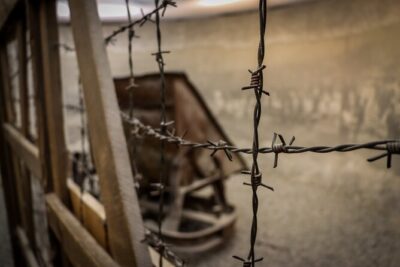
Schindler’s Factory is one of the most valuable larger stops on the card. It gives you a focused look at Krakow during the Second World War and connects with the city’s wartime story. Pair it with the nearby Eagle Pharmacy or the Galicja Jewish Museum if those subjects matter to you.
Rynek Underground Museum offers a different experience. Its focus on Krakow’s market square and archaeological remains gives you a look below the modern city. It pairs naturally with the Town Hall Tower, Barbican, and City Defence Walls, which help you read Krakow’s old center from above and at street level.
The Princes Czartoryski Museum is a major draw because it includes Leonardo da Vinci’s Lady with an Ermine. If that painting is important to you, check the museum’s current opening information before building your day around it. The card provides entry, but museum hours and exhibition arrangements can change.
The Main Building of the National Museum and the Gallery of 19th-Century Polish Art in the Sukiennice are useful choices after the Matejko House. They broaden the picture beyond one painter and let you compare private domestic surroundings with formal gallery collections.
MOCAK gives the card a modern counterpoint. Its presence is useful for anyone who wants more than old buildings, royal stories, and historic art. The Tadeusz Kantor centre, Cricoteka, offers another route into modern Polish culture through documentation, archives, and artistic material.
Same base, a different kind of day:
- From Krakow: Auschwitz-Birkenau Guided Tour & Hotel Pickup
★ 4.5 · 33,358 reviews - From Krakow: Auschwitz-Birkenau Guided Tour & Hotel Pickup
★ 4.5 · 29,340 reviews - Krakow: Auschwitz Guided Tour with Optional Hotel Pickup
★ 4.5 · 15,280 reviews - Krakow–Zakopane: Cable Car, Chocholow Baths, Cheese & Vodka
★ 5.0 · 10,720 reviews
Smaller museums that can improve your route
The card is not only about the best-known attractions. Smaller sites can work well when you are already nearby or want a quieter stop between major museums.
The Hipolit House and the Zwierzyniec House can help you think about domestic life in Krakow. The Szołayski House, Jozef Mehoffer House, and Stanisław Wyspiański Museum add more Polish art and design to your schedule.
The Archaeological Museum sites also vary in character. The Main Building gives you a central museum visit, while the Nowa Huta Branice location and the underground area beneath Saint Adalbert’s Church offer different settings and subjects. Check opening hours carefully, since not every site follows the same schedule.
The Archbishop’s Museum, Arsenal, Celestat, and the Krzysztofory Palace offer more specialized stops. You may not want all of them, but having them available gives you flexibility when weather, energy, or changing interests alter your plan.
Price and the question of value
The listed price is $53 per person. That is not a small add-on, so the card needs to replace several individual admissions before it feels worthwhile.
I would choose it if you plan to visit several museums over the stated validity period, especially the larger attractions. Schindler’s Factory, Rynek Underground, the Czartoryski Museum, the National Museum, and the Gallery of 19th-Century Polish Art could make the pass useful for a museum-heavy Krakow stay.
I would skip it if your visit centers on outdoor sightseeing, restaurants, churches, and only one or two museums. The card does not include transportation, guided tours, or the buildings of Wawel Cathedral. Those costs remain separate.
The card also works best for organized visitors. Make a short plan before activation, note which museums are closed on Mondays, and check official opening times. The last entry to exhibitions is usually 90 minutes before closing, so arriving near closing time can waste one of your available visits.
Calendar days matter more than hours
The validity wording needs special attention. One part of the information describes the card as valid for two days from first activation. Other details call it a three-day Krakow card and say you receive access for three days.
The clear rule is that validity is measured in calendar days, not in hours. If you activate it during a day, that day counts through the end of the day. It is not a rolling period that lasts for a fixed number of hours after activation.
Because the supplied details conflict on two days versus three days, confirm the exact validity at the time of purchase and card collection. This is especially important if you arrive late in the day. Activating at the end of an afternoon could use up a calendar day quickly.
Some museums close on Mondays, and opening hours can change. Check each museum’s official website before setting your schedule. The card does not remove the need to plan.
Collecting the card at Sienna 17
You must collect the Krakow Card before using it. The stated collection point is Krakville Tours at Sienna 17, open daily from 10:00 AM to 7:00 PM.
This is a practical detail to handle early. Do not assume the digital booking confirmation alone will get you into every museum. The physical city card is the item that provides entry.
The activity begins at the card collection point and ends there in the sense that no transport or guided route is provided. You make your own way to Jan Matejko House and the other museums.
Wear comfortable shoes. You could spend a full day walking among central sites, and the card itself does not provide transportation. Large bags, luggage, smoking, and pets are not allowed under the stated rules, so carry only what you need for museum visits.
Who should choose this experience
I would recommend the card to you if you enjoy building your own cultural schedule. It suits independent visitors who want Polish painting, wartime history, Jewish heritage, archaeology, modern art, and local culture in one package.
It is also a good match for anyone already interested in Jan Matejko. The house offers something more intimate than a standard gallery visit, and the surrounding museum choices help place his work in a wider Polish setting.
Families can benefit from the choice of sites, but children under three are not considered suitable for this activity, even though children up to age three receive free admission to museums and public transportation under the stated conditions. You should confirm how that rule applies when booking.
The card is less useful for you if you prefer a guide to explain every room or if your schedule leaves little time for museums. There is no guided tour and no transportation included, so you need to manage the route yourself.
Should you book the Krakow museum card?
Book it if you can name at least several museums you want to visit and can fit them into the confirmed validity period. The strongest reason is the combination of Jan Matejko’s personal home with major Krakow institutions such as Schindler’s Factory, Rynek Underground, and the Czartoryski Museum.
Skip it if you only want the Matejko House or if your trip is too short for multiple museum visits. The card’s value depends on use, not on the long list of included places.
Before paying, verify whether your card is valid for two or three calendar days, confirm opening hours, and collect it at Sienna 17 during the stated hours. With those details settled, this is a flexible way to explore Krakow’s art and history at your own pace.
FAQ
Where do I collect the Krakow Card?
Collect it at Krakville Tours, Sienna 17. The stated collection hours are 10:00 AM to 7:00 PM daily.
What does the card include?
The card includes entry to Jan Matejko House and 36 other Krakow museums, for 37 museums in total.
Is transportation included?
No. Transportation is not included.
Are guided tours included?
No. The card provides admission only, and guided tours are not included.
How long is the card valid?
The supplied information gives two different descriptions: two days from first activation and three days. The card is counted by calendar days rather than hours, so confirm the exact validity before booking or collecting it.
Does the card include Wawel Cathedral?
No. Admission to Wawel Cathedral buildings requires an extra fee.
Can I cancel the booking?
Yes. You can cancel up to 24 hours in advance for a full refund. A reserve now and pay later option is also available.
Just added in Kraków
- Wawel Castle, Old Town with St. Mary’s Church Guided Tour★ 5.0 · 3 reviews
- Wawel Castle, Old Town with St. Mary’s Church Guided Tour★ 5.0 · 5 reviews
- Wawel Castle, Cathedral, Old Town and St. Mary’s Basilica★ 4.8 · 13 reviews
- Wawel Castle, Cathedral, & Rynek Underground Tour with Lunch★ 4.5 · 10 reviews
- Wawel Castle & Cathedral Skip the Line Small Group Tour★ 5.0 · 3 reviews
- Wawel Castle and Cathedral Guided Tour★ 4.6 · 44 reviews
- Wawel Castle, Cathedral, Rynek Underground Tour with Lunch★ 5.0 · 3 reviews
- Wawel Castle and Cathedral Guided Tour★ 5.0 · 8 reviews
Museums, compared.
Auschwitz-Birkenau Museum and Memorial Guided Tour from Krakow
Read the review →
POLIN Museum of the History of Polish Jews Ticket
Read the review →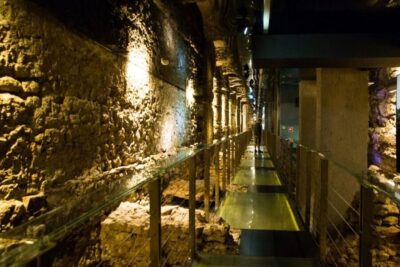

Krakow Schindler’s Factory Museum Guided Tour in English
Read the review →
Auschwitz Birkenau Museum Guided Tour with Pickup
Read the review →
Browse the lists this tour appears in