
Reviewed · WWII MEMORIAL & CAMP TOURS
Krakow World War II Private Tour
Krakow’s World War II story becomes clearest when you follow it through the city itself: from Kazimierz’s surviving Jewish landmarks to the former ghetto, Schindler’s Factory, Plaszow, and the old Gestapo cells on Pomorska Street. This private tour links places that are often visited separately, giving you a solid five-hour account of occupation, persecution, resistance, and survival.
I like the door-to-door pickup, which saves time and makes the day easier, especially in poor weather. I also like the private format: your guide can explain difficult subjects at your pace, and guides such as Ada, Magda, and Zuzanna have been praised for clear English and strong command of Polish wartime history.
The main consideration is emotional weight. This is a serious tour, not a light sightseeing outing, and Plaszow is more an open historical site than a polished museum. At $294.37 per person, it makes the most sense for a small group that values private guiding and convenience.
Key points at a glance
- Five connected wartime sites: Kazimierz, Schindler’s Factory, Plaszow, Pomorska Street, and Eagle Pharmacy form a clear historical sequence.
- Private from start to finish: Your party travels with its own guide and driver, without strangers joining the group.
- Hotel pickup and drop-off included: Give the provider your exact accommodation name and address when booking.
- Strong museum time: The 90-minute visit to Schindler’s Factory is the longest stop and anchors the day.
- English-speaking support: The tour is offered in English, with guides such as Ada, Magda, and Zuzanna assigned according to availability.
- Best for serious history seekers: You will cover Nazi occupation, Jewish persecution, the Krakow ghetto, and Gestapo imprisonment in one compact outing.
Why this five-hour route works
The power of this tour comes from its order. You begin with Jewish life before the war, then see how German occupation changed Krakow, and finally visit places tied to imprisonment and mass death.
That sequence matters. Kazimierz is not presented only as a film location or a cluster of old synagogues. It gives you a sense of the Jewish community that shaped Krakow for more than five centuries before the Nazi destruction. From there, the tour moves toward the wartime museums and sites that explain what happened to that community.
You will spend around five hours on the experience, normally starting at 9:00 am. The start time can change to match museum opening hours, so check the confirmed schedule rather than assuming the morning departure is fixed.
Because this is a private tour, you can ask questions without worrying about slowing down a large group. That is especially useful here. The facts are difficult, and a good guide can explain how each site fits into the wider story instead of leaving you with disconnected exhibits.
Other wartime memorials reachable from Kraków:
- Krakow: Plaszow Concentration Camp Walking Tour
★ 4.8 · 39 reviews - Krakow: Schindler’s Factory & Ghetto & Plaszow Camp Guided Tour
★ 4.5 · 28 reviews - Guided Tour in Kraków-Płaszów Former Concentration Camp
★ 5.0 · 19 reviews
Kazimierz: Jewish Krakow before the war
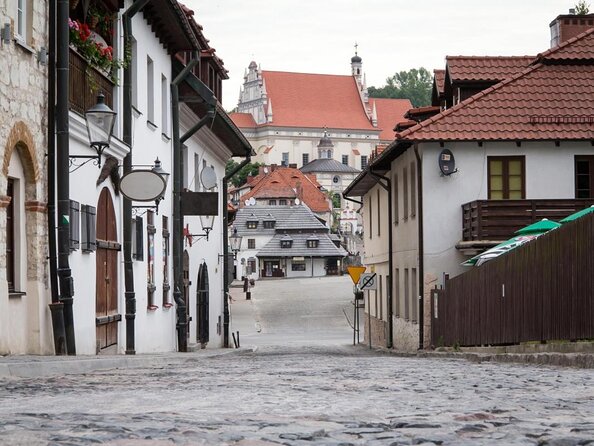
The first stop is Kazimierz, the former Jewish district, for about 40 minutes. This area was the centre of Jewish life in Krakow for more than 500 years, and its synagogues and cemeteries still give the district a strong sense of what existed before World War II.
Your guide can help you read the area as more than an attractive historic quarter. The buildings and religious sites point to a long-established community with its own institutions, traditions, and places of worship. That context makes the later stops more understandable. You are not beginning with Nazi persecution in isolation. You first see the life that was targeted and destroyed.
There is no separate admission charge for this portion. The drawback is time. Forty minutes is enough for orientation and explanation, but not enough for a full exploration of Kazimierz’s synagogues and cemeteries. If you want a detailed visit to every Jewish landmark, plan extra time on another day.
Still, this is a sensible opening. It gives the tour a human starting point rather than beginning with prisons, camp grounds, or grim museum displays.
Schindler’s Factory and Krakow under Nazi occupation
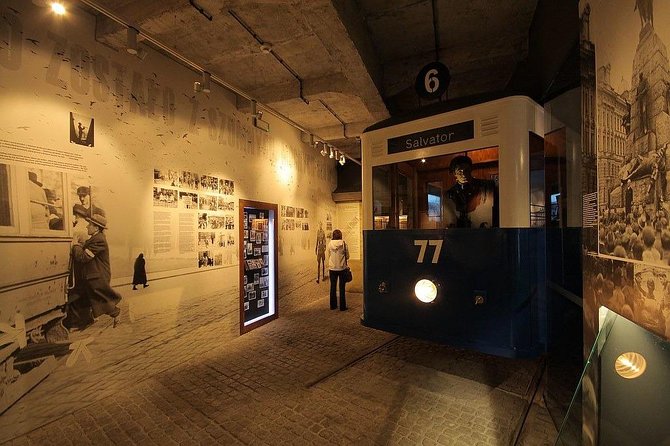
The 90-minute visit to Oskar Schindler’s Enamelled Goods Factory is the central museum stop. The former factory now houses a permanent exhibition called Krakow During Nazi Occupation 1939-1945.
The exhibition places Krakow at the centre of the story. Instead of treating the war as a list of battles and dates, it follows individual lives during occupation. You will encounter the war of 1939, the restrictions of daily life under German rule, and the choices forced on Krakow’s residents.
This is also the place most closely connected with Oskar Schindler, the German industrialist whose wartime actions became widely known through film. The museum, however, is not simply a shrine to one man. Its wider focus on occupied Krakow helps you understand the city’s changing streets, institutions, and communities.
I would give this museum your full attention. Ninety minutes is useful, but the material is dense. A private guide makes a real difference here because you can pause over displays that matter most to you and ask for context when the presentation moves quickly.
The entrance fee is included, so you do not need to budget separately for admission. Museum hours can affect the morning schedule, and the tour may begin at a different time if needed.
Plaszow: an outdoor site with a harder edge
The tour then reaches Plaszow, the former concentration camp, for about 30 minutes. The camp was built in the summer of 1942 on the grounds of two former Jewish cemeteries during the German occupation of Poland. It grew over time and reached its largest size in 1944, when it became a concentration camp.
This stop is different from Schindler’s Factory. You are not entering a single large museum with a carefully arranged indoor route. You are visiting a former camp site connected to cemeteries and the destruction of Jewish life. The setting requires explanation, and the guide’s words help you understand what the ground represents.
Thirty minutes is a short visit, but it fits the route. You will not spend the entire day at one site, and the tour keeps moving through the parts of Krakow that shaped the wartime experience.
Prepare for weather here. The experience operates in all conditions, and the outdoor nature of Plaszow makes practical clothing important. Wear suitable shoes and bring protection from rain or cold. One guide and driver team even supplied umbrellas during sudden snow squalls, a small but useful sign of the practical care you can expect on a well-run day.
Do not book this tour expecting a visit to Auschwitz. Auschwitz is not part of this route. Plaszow is the concentration camp site included, along with Krakow’s museums and former Gestapo headquarters.
A few more things to do in Kraków worth a look
- Krakow Airport Private Transfer
★ 5.0 · 2,227 reviews - Private Departure Transfer: Krakow City To Krakow Airport Balice
★ 4.5 · 367 reviews - Skip-the-Line Wawel Castle Chambers Private Tour
★ 4.7 · 262 reviews - Legendary Private Nowa Huta Communism Tour with Crazy Guides
★ 5.0 · 262 reviews
Pomorska Street and the old Gestapo cells
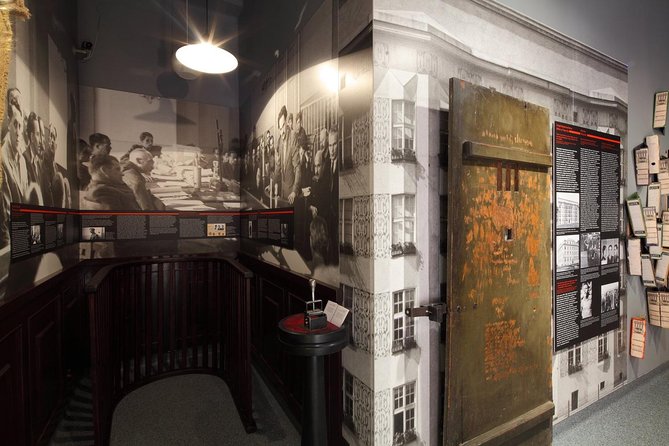
At Pomorska Street, you visit the former headquarters of the Gestapo, the Nazi Secret State Police. The Pomorska Museum uses documents, photographs, archival material, and personal objects to explain how German authorities investigated and tormented their prisoners.
The old interrogation cells are the strongest part of this stop. They make the machinery of occupation feel immediate and physical. You are looking at the rooms where people were held and questioned, not just reading about the Gestapo in a distant exhibition.
The visit lasts about 40 minutes, which gives you enough time to see the main displays without making the day feel stuck indoors. The subject is grim, but it fills an important gap between the broad story told at Schindler’s Factory and the camp history explained at Plaszow.
A private guide is useful here because the museum’s documents and photographs may need explanation. You can ask about the role of the building and how it fits into Krakow’s wartime system of arrests and interrogation.
Eagle Pharmacy and the Krakow ghetto
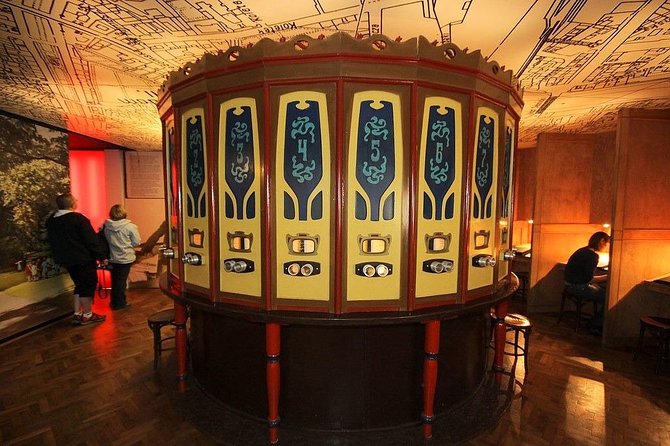
The final stop is Eagle Pharmacy, a branch of the Museum of Krakow, for about 30 minutes. The museum focuses on life in the Podgorze ghetto and on the pharmacist who helped hundreds of Jews.
This smaller museum gives the tour a personal finish. After seeing occupation through city-wide exhibits and former detention sites, you focus on one place and one person connected with aid during the ghetto period.
The photographs and information about ghetto life help explain what daily existence meant for the people confined there. The pharmacy’s story also shows that wartime history is not only about armies and governments. It includes individual decisions, risks, and acts of help.
Thirty minutes is enough for a focused visit, but you should not expect a long, unhurried museum session. The stop works best as the closing piece of the route, tying the larger history back to human choices.
What the private format adds
The private setup is the tour’s biggest practical advantage. Only your party and the guide and driver take part, so you are not waiting for a large group to gather or adjusting every question to someone else’s interests.
You also receive hotel, hostel, or private apartment pickup and drop-off. Enter the accommodation’s name and full address when booking, especially if it is not listed in the booking system. That simple step helps avoid confusion on the morning of the tour.
The driver handles the transport while the guide provides the historical explanation. One past pairing included Magda as the guide and Marcin as the driver, with umbrellas supplied when the weather turned snowy. Other guide names associated with the experience include Ada and Zuzanna. Assignments are subject to availability, so treat those names as examples rather than a promise.
A private tour can also make the pace more comfortable. If you need more time at Schindler’s Factory or have questions about Kazimierz, you can raise them directly. On the other hand, private tours cost more per person than a large group outing, particularly if only one or two people are booking.
Is $294.37 per person a fair price?
At $294.37 per person, this is a premium half-day experience. You are paying for private transport, hotel pickup and drop-off, a private English-speaking guide, and all listed entrance fees.
The value improves when several people share the private vehicle and guide. A couple may find the cost high compared with a standard group tour, while a family or small group may see the convenience as worthwhile. You avoid arranging taxis between Kazimierz, the museums, Plaszow, and the other sites, and you gain one guide who can connect the stops.
The five-hour length also matters. This is not a quick museum visit with one nearby landmark added on. It covers five locations and includes the city’s former Jewish district, two Museum of Krakow branches, Schindler’s Factory, a former concentration camp, and the Gestapo headquarters.
I would not choose it solely because the price includes admission. The stronger reason to book is the combination of transport and personal explanation. If you are comfortable navigating Krakow independently and prefer to visit one museum at a time, you can likely spend less. If you want the wartime sites linked into one guided story, the cost is easier to justify.
Who should book this experience?
You should consider this tour if you want a focused account of Krakow during World War II and prefer to avoid coordinating several visits yourself.
It suits:
- First-time visitors who want the city’s wartime story explained in context
- Small groups who value a private guide and vehicle
- People especially interested in Jewish Krakow and the Nazi occupation
- Visitors who want Schindler’s Factory paired with less commonly visited sites
- Anyone who appreciates hotel pickup and a set route
- History-focused families who may benefit from asking questions at their own pace
It may not suit you if you want a cheerful sightseeing day, a relaxed city walk, or a visit to Auschwitz. The subject is painful, and several stops deal directly with imprisonment, persecution, and the destruction of communities.
The tour is offered in English, operates in all weather, and is suitable for most participants according to the supplied tour information. Dress for the conditions, especially because Plaszow includes time outdoors.
Booking timing and cancellation
This experience is often booked about 172 days in advance, so early planning is sensible if your Krakow dates are fixed. Confirmation normally arrives at booking, unless you book within 12 hours of departure, in which case confirmation is subject to availability.
You can cancel for a full refund up to 24 hours before the start time. Cancellations or changes made less than 24 hours before departure are not accepted for a refund. The cutoff follows local Krakow time.
Should you book the Krakow World War II Private Tour?
Book it if you want a serious, well-connected half-day focused on Jewish Krakow, Nazi occupation, and the city’s places of detention and persecution. The private vehicle, hotel pickup, included admissions, and personal guide make the route easy to manage, while the mix of museums and historic sites gives you more than a single Schindler’s Factory visit.
Skip it if you want Auschwitz, a lower price, or a lighter day. For a small group willing to pay for comfort and context, this is a strong choice, especially if you can secure a guide with the clear English and careful approach associated with Ada, Magda, or Zuzanna.
FAQ
How long does the Krakow World War II Private Tour last?
The tour lasts approximately five hours.
What time does the tour usually begin?
It normally begins at 9:00 am, although the start time can change to match the opening hours of the attractions.
Is hotel pickup included?
Yes. Pickup and drop-off are included from your hotel, hostel, or private apartment in Krakow.
Is this a private tour?
Yes. Only your party takes part, along with the guide and driver.
Is the tour offered in English?
Yes. The experience is offered in English.
Are entrance fees included?
Yes. The listed entrance fees are included in the tour price.
Which places are visited?
The route includes Kazimierz, Schindler’s Factory, Plaszow Concentration Camp, Pomorska Street, and Eagle Pharmacy.
Does the tour visit Auschwitz?
No. Auschwitz is not included. The concentration camp site on this route is Plaszow.
Can I cancel for a full refund?
Yes, if you cancel at least 24 hours before the experience begins. Cancellations made less than 24 hours before the start time are not refunded.
Just added in Kraków
- Wawel Castle, Old Town with St. Mary’s Church Guided Tour★ 5.0 · 3 reviews
- Wawel Castle, Old Town with St. Mary’s Church Guided Tour★ 5.0 · 5 reviews
- Wawel Castle, Cathedral, Old Town and St. Mary’s Basilica★ 4.8 · 13 reviews
- Wawel Castle, Cathedral, & Rynek Underground Tour with Lunch★ 4.5 · 10 reviews
- Wawel Castle & Cathedral Skip the Line Small Group Tour★ 5.0 · 3 reviews
- Wawel Castle and Cathedral Guided Tour★ 4.6 · 44 reviews
- Wawel Castle, Cathedral, Rynek Underground Tour with Lunch★ 5.0 · 3 reviews
- Wawel Castle and Cathedral Guided Tour★ 5.0 · 8 reviews
WWII Memorial & Camp Tours, compared.
Warsaw for WWII Buffs – private tour with hotel pickup
Read the review →
Treblinka Death Camp 6 Hour Private Tour from Warsaw
Read the review →
Stutthof Concentration Camp English Tour with Gdansk Hotel pickup
Read the review →
Majdanek Concentration Camp & Lublin Full Day Private Tour from Warsaw
Read the review →Browse the lists this tour appears in