
Reviewed · VODKA TASTINGS
Warsaw: Praga District Tour with Vodka Museum and Tasting
Praga gives Warsaw a different face: old tenement houses, courtyard shrines, Orthodox domes, Soviet-era blocks, and a post-industrial arts district all sit within one tour. I especially like the private format, which lets your guide adjust the pace, and the way the route finishes at the Polish Vodka Museum rather than ending with a quick photo stop.
I also like the personal touch reported by guests who toured with Paul and Margarita, including clear explanations in German and Spanish and help choosing a traditional place to eat afterward. The main drawback is the four-hour limit. Praga has plenty to absorb, so the walk can feel brisk, and food at Bazaar Różyckiego is not listed among the included costs.
Key points to know before booking
- Praga survived the wartime destruction that erased much of central Warsaw, leaving older streets and buildings to explore.
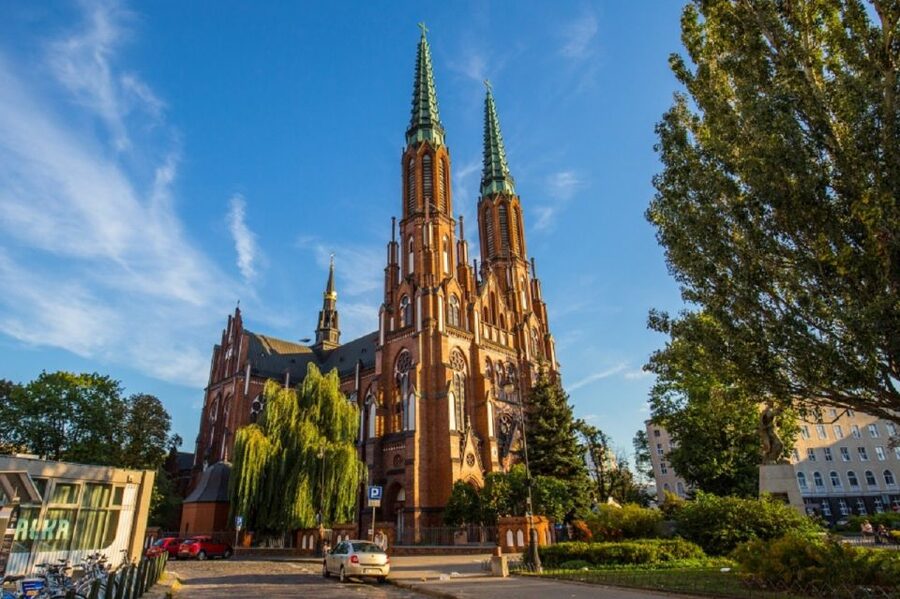
- The route mixes major sights with small details, from St. Florian’s Cathedral to tiny shrines tucked into courtyards.
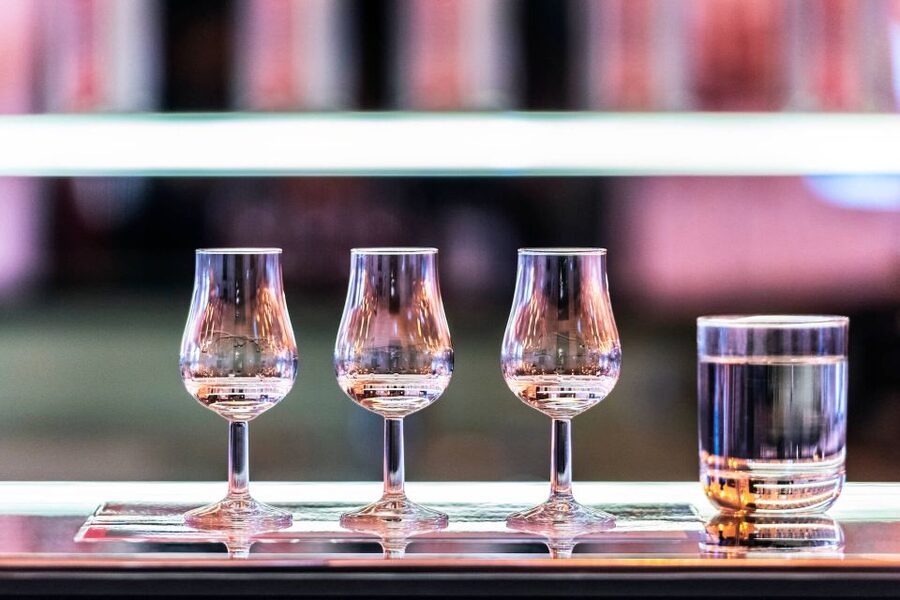
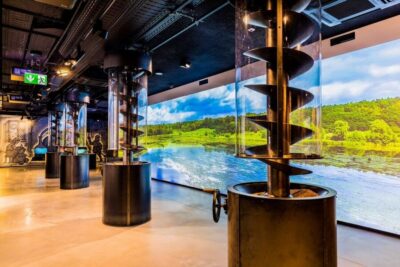
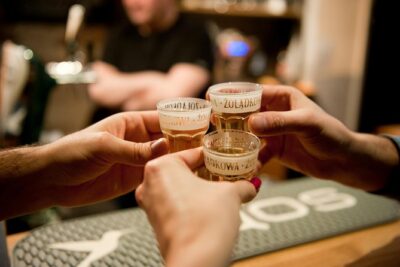
- Koneser ends the tour on a polished note, with an interactive Polish Vodka Museum visit and three vodka tastings.
- The tour is fully private, with hotel pickup, transportation, and a guide in your chosen language.
- Bazaar Różyckiego adds a food angle, with pyzy and flaki mentioned as local specialties to try.
- The price is strongest for a small private group, since the $81 fee includes transport, guiding, admission, and tastings.
Why Praga feels unlike central Warsaw
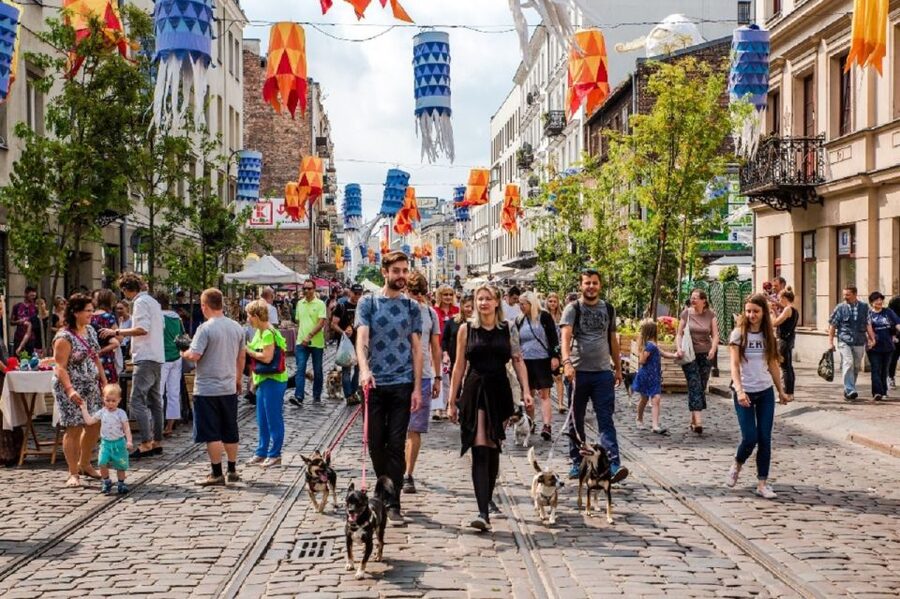
Cross the Vistula River and Warsaw changes character. Praga was shaped by Polish, Jewish, Russian, and other communities for centuries, and its churches, street plan, courtyards, and markets reflect that mix.
Much of central Warsaw was destroyed during World War II. Praga, on the eastern side of the river, escaped the same level of destruction. That does not mean every building is untouched, but it does mean you can see prewar tenement houses, cobbled streets, old shopfronts, and details that are harder to find in the rebuilt center.
I like this setting because the district does not present its past as a polished museum piece. You see worn facades beside fresh murals, renovated buildings near blocks from the communist period, and small religious markers that still belong to the neighborhood.
The guide helps connect those pieces. Without context, Praga can look like a collection of weathered buildings and scattered projects. With a private guide, you can ask why a street looks different from the next one, how the area changed after the war, and what remains from its earlier communities.
More vodka tastings in Warsaw:
- Warsaw: Polish Vodka Museum Tour with Tasting
★ 4.6 · 788 reviews - Warsaw Vodka Night Private Tour by Retro Fiat
★ 5.0 · 27 reviews - Polish Vodka Tasting Warsaw
★ 4.8 · 25 reviews
St. Florian’s Cathedral and St. Mary Magdalene
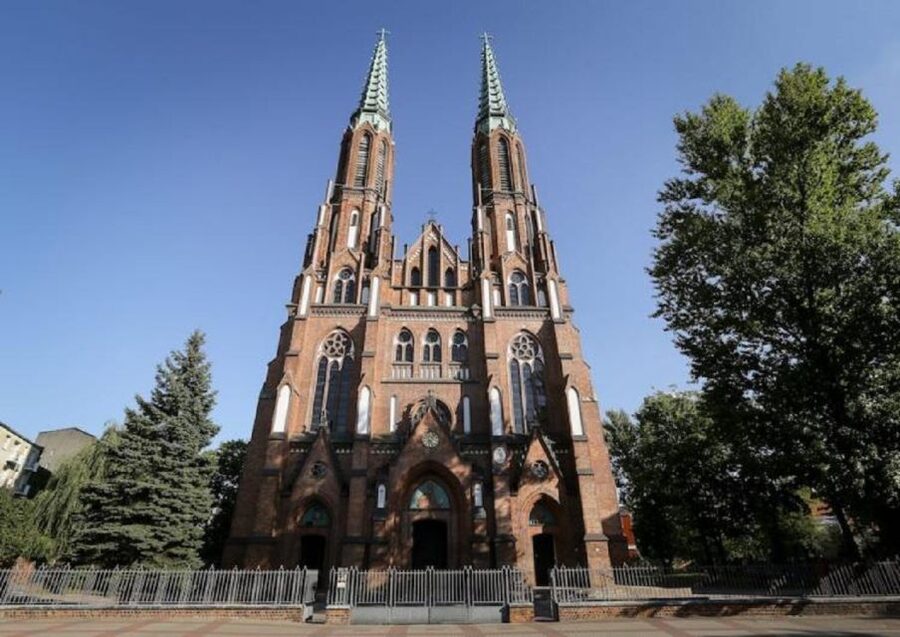
The tour includes two important churches that show Praga’s religious variety. St. Florian’s Cathedral is Catholic, while the Cathedral of St. Mary Magdalene is Orthodox.
The contrast matters. These are not simply two grand buildings to photograph. Together, they point to the different religious communities that shaped eastern Warsaw. Your guide can give the architectural and historical setting as you move between them, which is especially useful if you know little about Polish religious history.
St. Florian’s Cathedral is one of the major visual markers of the district. The Cathedral of St. Mary Magdalene gives you a different style and atmosphere. The itinerary does not promise an extended interior tour of both churches, so think of these stops as part of a broader neighborhood walk rather than a dedicated church pilgrimage.
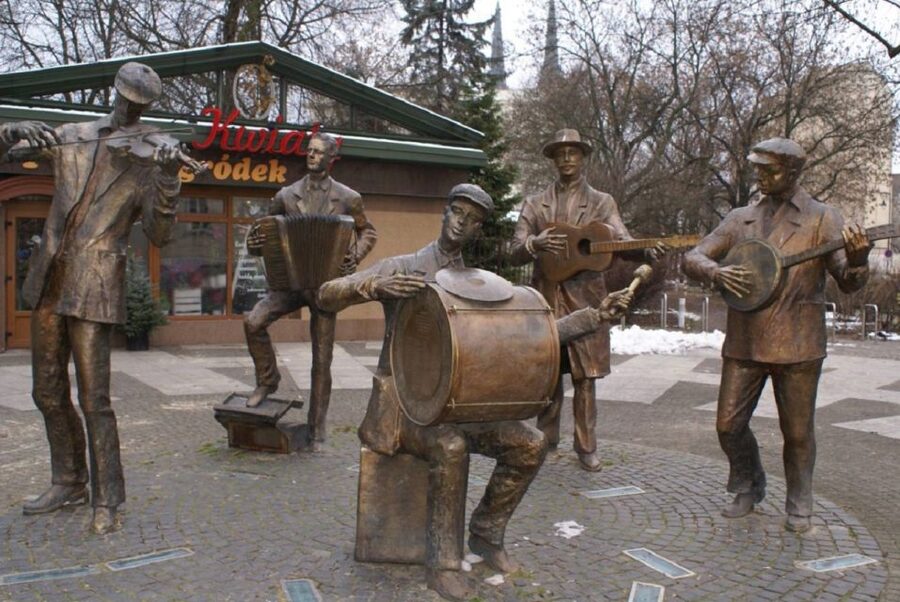
The Monument to the Prague Backyard Band adds a more local note. It reflects the everyday culture of Praga, where music, courtyards, and neighborhood life matter as much as formal monuments.
Courtyards, shrines, and Ząbkowska Street
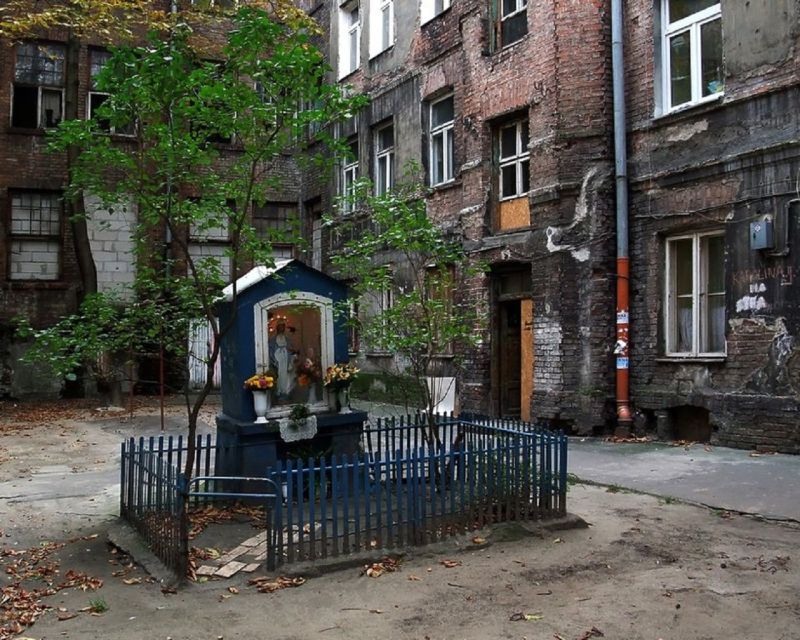
The most rewarding part of the walk may be the small details. Praga is known for little shrines placed in courtyards and along streets. Some are easy to miss if you are walking alone, but a guide who knows the area can point them out and explain their place in neighborhood life.
These shrines are one reason I would not treat this tour as a simple drive around Warsaw. You need to get out and look closely. The route includes old courtyards, original murals, cobbled roads, and prewar tenement houses. You might find yourself paying more attention to doorways and walls than to the large monuments.
Ząbkowska Street is one of the district’s best-known roads and forms part of the visual transition between old Praga and its newer creative side. The walk is not designed as a formal architecture course, but it gives you enough time to notice the layers: prewar buildings, communist-era changes, and later renovation.
Wear comfortable shoes. The tour lasts four hours and includes walking over cobbled surfaces. The activity is listed as wheelchair accessible, but the route includes old streets and courtyards, so you may want to confirm the exact path and access details when booking.
Communist-era blocks and the Soho district
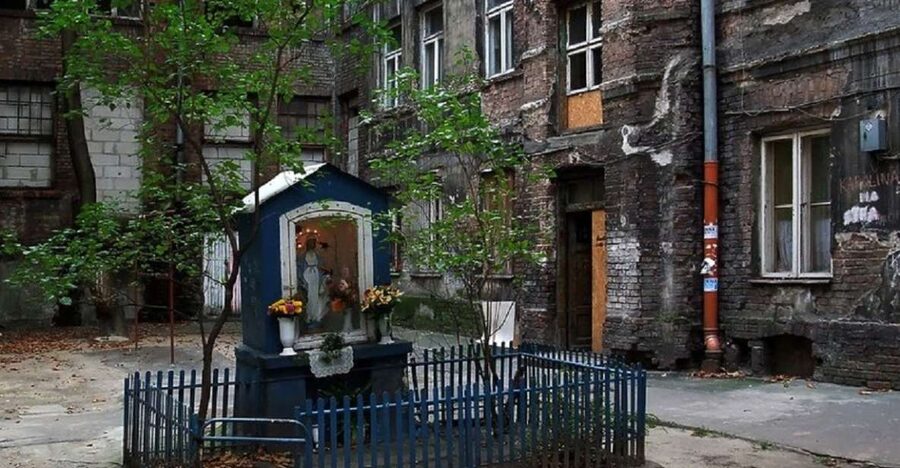
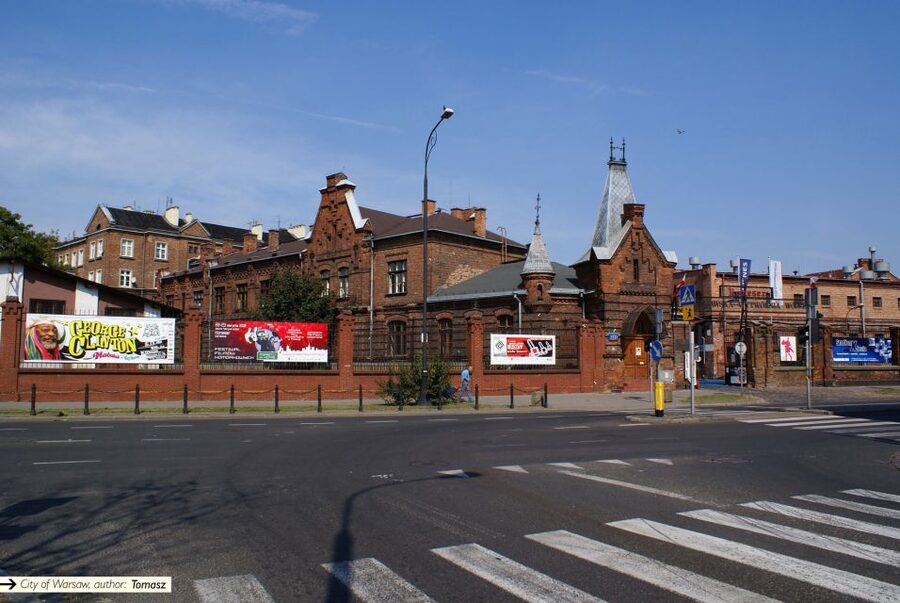
Praga is not frozen in the past. The tour also takes in blocks from the communist period and Soho, a post-industrial zone with a newer cultural identity.
That mix is useful because it keeps the district from becoming a sentimental postcard. You see how Warsaw changed after the war, including the large-scale building style associated with the communist years. Then the route moves toward a former industrial area that has been adapted for modern uses.
Soho gives the tour a second time frame. Old tenements show one side of Praga, while the post-industrial zone shows how later Warsaw has reused older urban spaces. I like this contrast because it makes the district easier to understand as a living part of the capital, not just a preserved corner.
The exact balance between walking and driving can depend on the group and guide. Transportation is included, and the guide meets you at your hotel, so you will not need to arrange your own way across the river or between separate parts of the district.
A few more things to do in Warsaw worth a look
- Warsaw’s No 1 cooking class-Polish dumplings with liqueur tasting
★ 5.0 · 576 reviews - Half-Day Polish Food Walking Tour with Guide and Dinner
★ 4.5 · 381 reviews - Warsaw Food Tasting Tour with Delicious Poland
★ 5.0 · 277 reviews - Warsaw: Polish Food Tour
★ 4.1 · 216 reviews
Bazaar Różyckiego and traditional Polish food
Bazaar Różyckiego is described as Warsaw’s oldest market, and it gives the tour a chance to focus on food as well as buildings. The named specialties are pyzy and flaki.
Pyzy are Polish dumplings, while flaki is a traditional tripe soup. They are not neutral choices for cautious eaters, but that is part of their value. This is the kind of stop that can give you a better sense of everyday Polish cooking than another restaurant serving a familiar tourist menu.
The important practical point is that food is not included in the stated tour inclusions. The description mentions tasting these market foods, but only the museum entry and three vodka shots are specifically included. Ask your guide how the food stop works and bring some Polish zloty or a payment method suitable for small purchases.
If you are vegetarian, dislike offal, or simply want a lighter meal, ask for alternatives before ordering. The tour information does not specify a set tasting menu, so you should not assume that pyzy or flaki are compulsory or covered in the $81 price.
The Żabiński Villa and a difficult wartime story
The route also stops near the Żabiński Villa, connected with the story of Jews hidden from the Warsaw ghetto.
This is a serious part of the tour. It adds a human scale to Warsaw’s wartime history, shifting the focus from damaged buildings and city planning to individual acts of courage and concealment. The itinerary does not describe a long interior visit, so expect the villa to be one stop within the wider Praga program rather than a full museum visit.
I value its inclusion because Praga’s older streets can otherwise seem detached from the events that shaped modern Warsaw. A guide can explain the significance of the villa and place it within the wartime story, giving the neighborhood more emotional weight.
Allow the stop the attention it deserves. This is not a light sightseeing photo opportunity, and the subject may feel quite different from the market and vodka tasting later in the day.
Inside Koneser’s Polish Vodka Museum
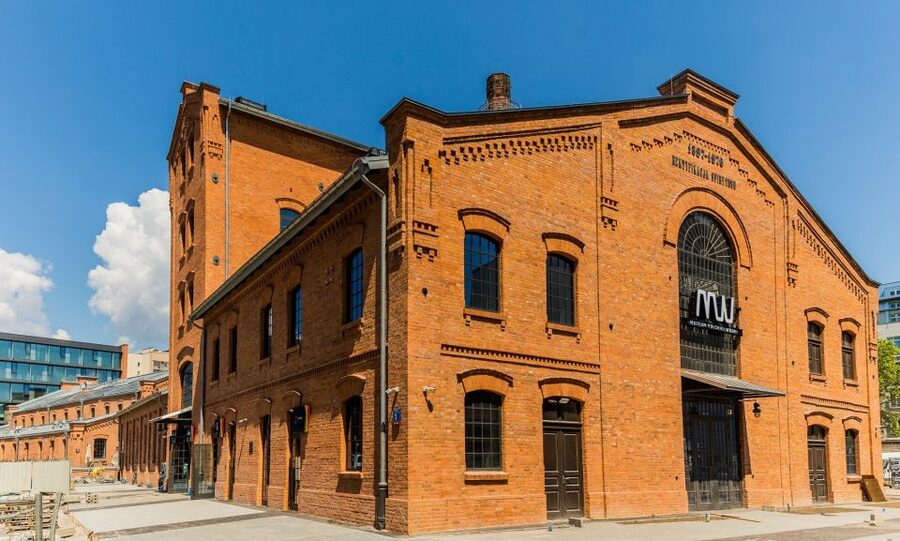
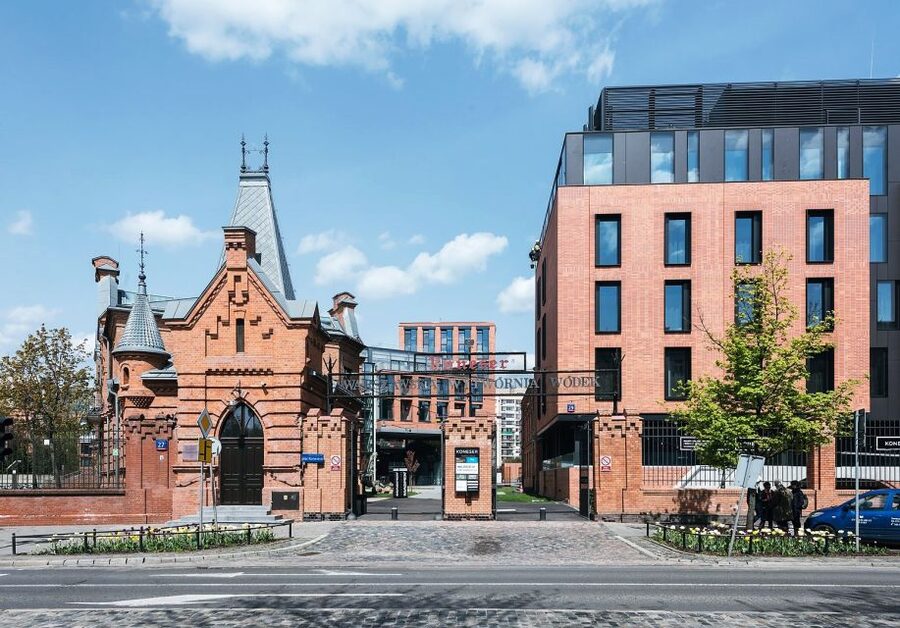
The tour ends at the Polish Vodka Museum in the renovated Koneser centre. The setting itself reflects Praga’s changing identity: an old industrial site given a new life as a cultural and commercial center.
Inside, the museum presents more than 500 years of Polish vodka history and tradition. The exhibition is interactive, which should make it easier to follow than a display of bottles and dates alone. You learn how Polish vodka became known around the world and how the drink fits into national culture.
The museum visit gives the tour a clear final chapter. After seeing old streets, churches, courtyards, communist blocks, and post-industrial buildings, you finish with one of Poland’s best-known national products.
The tasting includes three shots of Polish vodka. You also learn the basics of alcohol tasting, so the final stop is meant to be guided rather than a quick round of drinks. The word degustation can sound grand, but the practical reality is a small tasting, not an open bar. Eat beforehand or at the market, and pace yourself.
If you do not drink alcohol, this part may limit the tour’s appeal. The museum visit could still interest you, but the tasting is a central part of the package and the activity does not list a nonalcoholic replacement.
What the private format adds
Your guide meets you in the hotel lobby, and transportation is included. That saves time and removes the need to work out the route across the river, especially if you are staying in central Warsaw.
The private setup is the main reason to consider this tour over a large group walk. You can ask questions about a particular building, spend longer at a shrine, or move on when a stop does not interest you. The guide can also adjust explanations for your background.
The named guides provide a useful sense of the service style. Paul has led an engaging Praga tour in German, while Margarita has guided in Spanish and helped connect Warsaw’s history with personal stories. One Spanish-language booking also included her husband Mariano handling the car while she guided, though you should not assume that exact arrangement for every departure.
Languages listed include English, Spanish, German, Russian, Polish, French, Italian, and Portuguese. Ask for your preferred language when booking, since guide availability can vary.
Is $81 per person good value?
At $81 per person, this is not the cheapest way to see Praga. The price makes more sense if you value a private guide and hotel transport rather than simply paying for museum admission.
The package includes pickup and drop-off, transportation, guiding, entry to the Polish Vodka Museum, and three vodka tastings. For a couple or small group, those combined services can justify the cost, especially if you want a focused half-day rather than several separate bookings.
The value is weaker if you mainly want to wander independently or if you do not drink alcohol. You would be paying for a private service and a tasting that may not interest you. Food at Bazaar Różyckiego is also not clearly included, so budget extra for anything you choose to eat.
The flexible booking terms help. You can reserve now and pay later, and cancellation is free up to 24 hours before the tour for a full refund. Starting times vary, so check availability before planning lunch or another fixed activity.
Who should book this Praga tour?
I would recommend it to first-time visitors who want Warsaw beyond the reconstructed center. It works especially well if you like local streets, religious architecture, urban history, and food stops more than a list of famous monuments.
It is also a good fit for couples, families, or friends who want a private guide in a specific language. The hotel pickup makes it practical for anyone who prefers not to manage transport, and the four-hour length fits neatly into a morning or afternoon.
You may want another option if you want a slow food tour, a full wartime history program, or a long museum visit. This itinerary covers a lot: churches, shrines, tenements, communist blocks, Soho, the market, the villa, and the vodka museum. That range is its strength, but it also means some stops receive only a short visit.
Should you book it?
Book this tour if you want Praga explained rather than simply photographed. The combination of old courtyards, Orthodox and Catholic landmarks, the Żabiński Villa, Bazaar Różyckiego, and Koneser gives you a broad look at the district in four hours.
I would be most inclined to book it for a small private group that enjoys conversation and is happy to finish with a structured vodka tasting. If you are on a tight budget, do not drink, or prefer unhurried independent exploration, the price may be harder to justify. For everyone else, it is a practical way to see a side of Warsaw that is easy to miss on a standard city tour.
FAQ
How long does the Praga district tour last?
The tour lasts four hours. Starting times depend on availability.
Is the tour private?
Yes. The activity is offered for a private group rather than as a shared group tour.
What languages are available?
Guiding is listed in English, Spanish, German, Russian, Polish, French, Italian, and Portuguese.
Does the tour include hotel pickup and transportation?
Yes. Hotel pickup and drop-off, along with transportation during the tour, are included. Your guide waits in the hotel lobby with your name.
Is the Polish Vodka Museum admission included?
Yes. Museum admission and a tasting of three Polish vodka shots are included.
Can I cancel the booking?
You can cancel up to 24 hours in advance for a full refund. The tour also offers a reserve-now, pay-later option.
More Museums in Warsaw
- Warsaw: POLIN Museum of the History of Polish Jews Ticket
★ 4.7 · 1,142 reviews - Warsaw: Museum World of Illusion Entry Ticket
★ 3.9 · 666 reviews - Warsaw: Ghetto, Jewish Cemetery & POLIN Museum Private Tour
★ 4.8 · 132 reviews - Warsaw: Cold War Museum Entry Ticket
★ 4.6 · 55 reviews
Just added in Warsaw
- Warsaw Zoo Skip-the-Line Entry Ticket with Private Transport★ 4.8 · 3 reviews
- Warsaw Private Wilanow Palace & Garden Tour★ 4.6 · 30 reviews
- Warsaw: Vodka Tour★ 4.4 · 18 reviews
- Warsaw Wolf’s Lair with St. Lipka and Mamerki Private Guided★ 4.2 · 3 reviews
- Warsaw Old Town UNESCO HERITAGE walking tour in English★ 4.5 · 23 reviews
- Warsaw: Private Vodka Tasting Night with Snacks and Pickup★ 5.0 · 7 reviews
- Warsaw Uprising and WWII Old Town Walking Tour with Museum★ 4.7 · 15 reviews
- Warsaw: Skip-the-Line Royal Castle Guided Tour★ 4.9 · 79 reviews
Vodka Tastings, compared.
Zakopane Cable Car, Vodka, Cheese & Hot Springs Tour
Read the review →
Food Tour of 10 Tastings with Pierogi, Vodka & More
Read the review →
Zakopane and Thermal Baths with Cable Car, Vodka, Oscypek
Read the review →

Browse the lists this tour appears in