
Reviewed · WWII MEMORIAL & CAMP TOURS
Krakow: Plaszow Concentration Camp Walking Tour
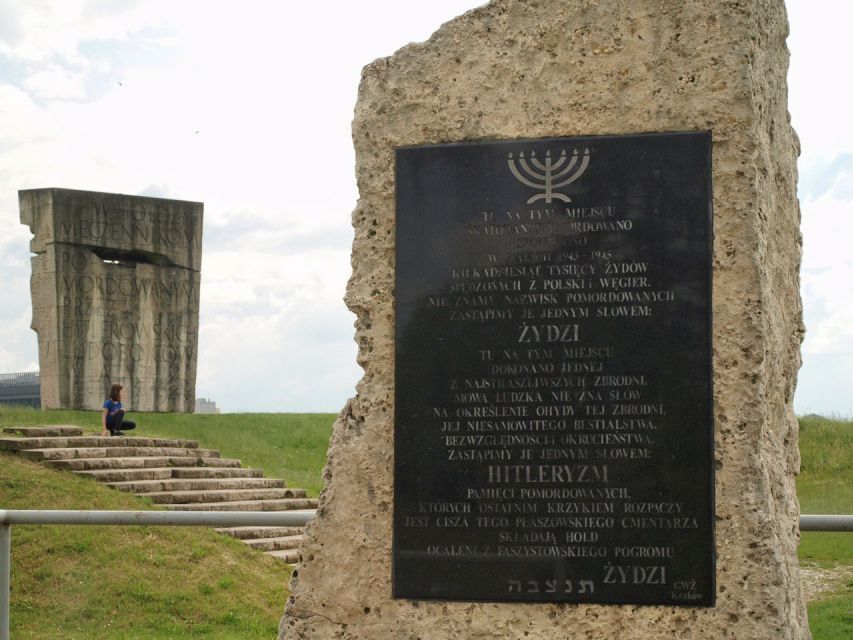
Plaszow is not a preserved museum with barracks and displays. It is an open site where the ground itself carries much of the story, and a guide helps you understand what is no longer visible. You will walk between memorials, former work areas, the quarry, and places tied to the deportation of Krakow’s Jews.
I like two things here. First, the guide gives shape to a site that can otherwise be hard to read. Second, the tour connects camp history with Oskar Schindler and the nearby Liban Quarry replica used in Schindler’s List. The main drawback is simple: everything is outdoors, and little of the original camp remains, so weather and your guide’s skill matter a great deal.
Key points
- Two hours on foot: The tour covers the former camp, memorials, quarry, and nearby film replica.
- A site that needs explanation: Much of Plaszow is open ground, so the guide is central to making sense of it.
- More than a film connection: You learn about forced labor, deportations, military factories, and daily camp life.
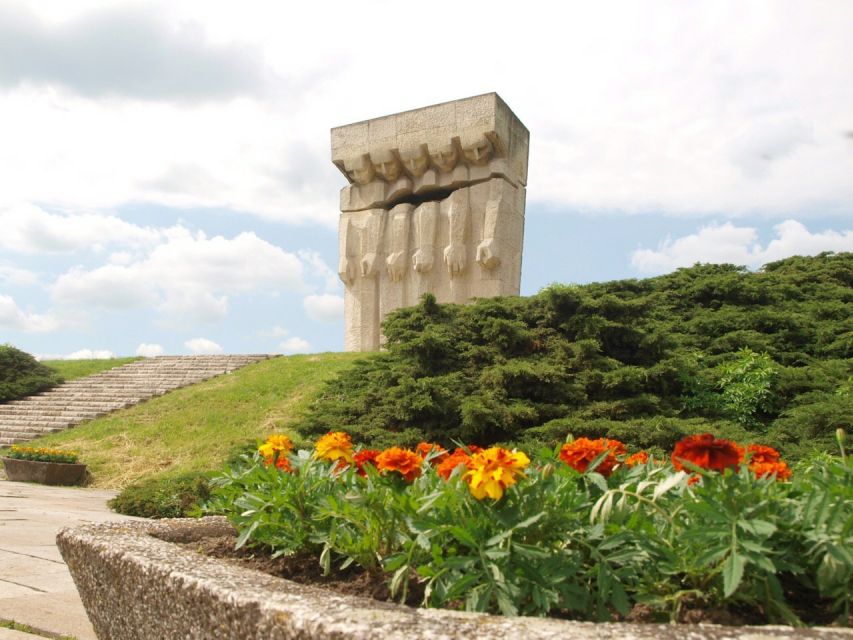
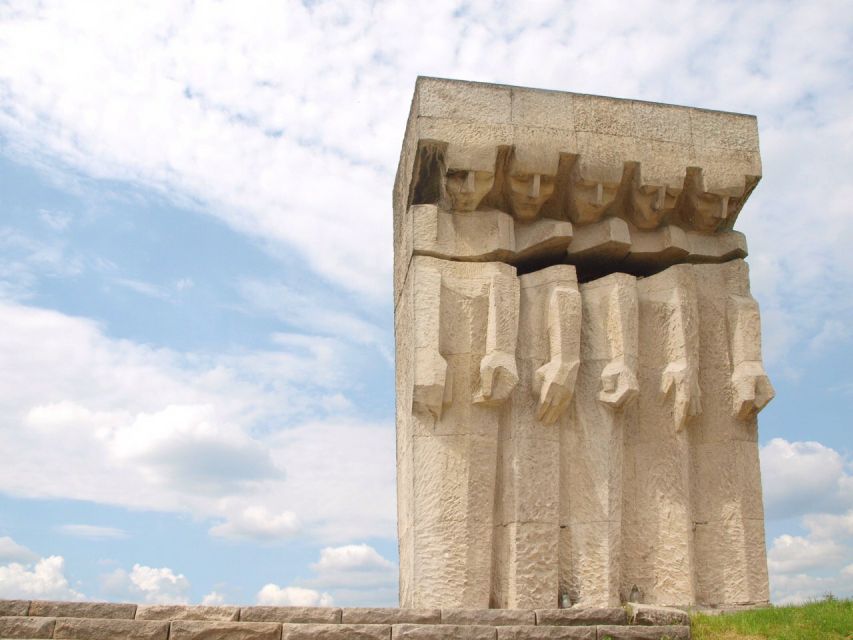
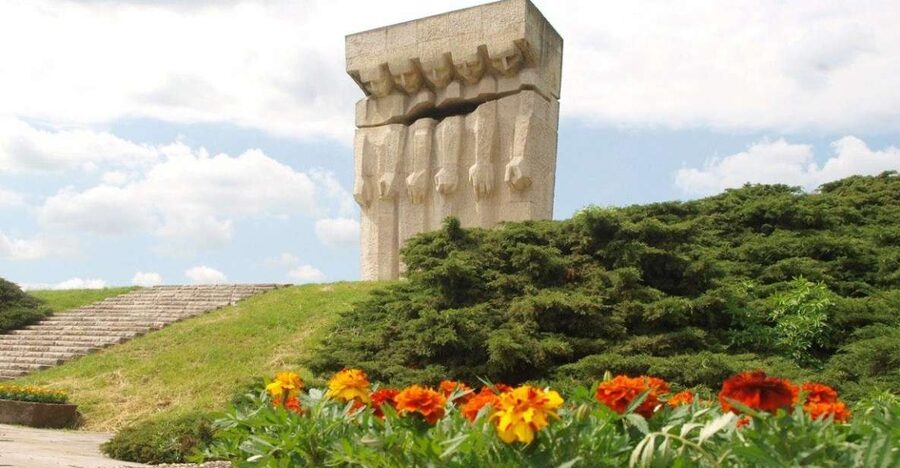
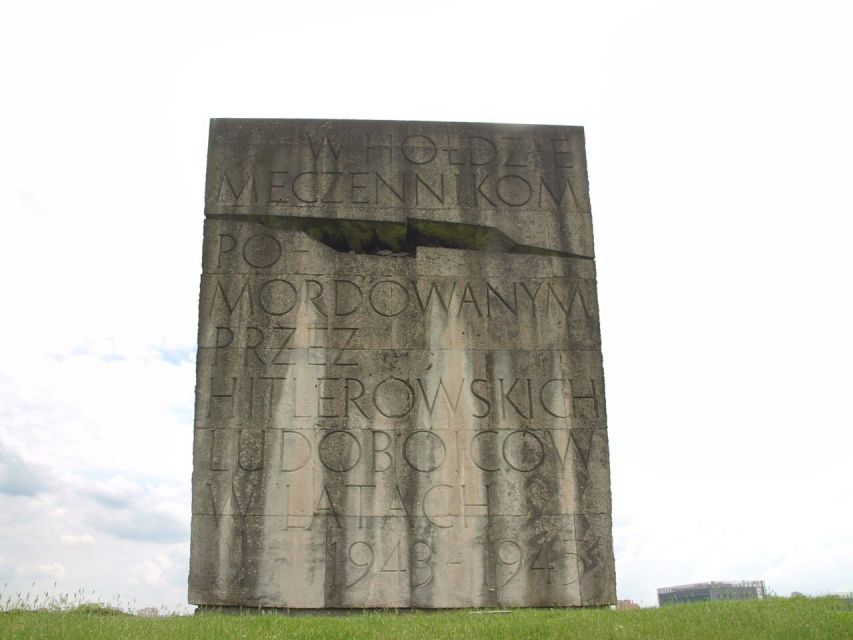
- Several memorial stops: The route gives you time to remember the victims and reflect on what happened here.
- A multilingual tour: English, German, French, Russian, Italian, and Spanish options are available.
- A low-cost history lesson: At $23 per person, the price is reasonable if you want context that signs alone cannot provide.
Why Plaszow Is Different From Auschwitz
Krakow-Plaszow opened in 1940 as a forced labor camp. In 1941, the Nazis converted it into a concentration camp. Beginning in 1942, Jews from the Krakow ghetto were deported here, making Plaszow part of the wider system of persecution that reshaped the city.
You should set your expectations before arriving. This is not a traditional museum visit with intact buildings, indoor galleries, and a fixed sequence of exhibits. The former camp is now experienced largely as an open historical site, with memorials and physical traces that require explanation.
That difference can make Plaszow feel less immediate at first. I find the site more demanding than a preserved camp because you must listen, look carefully, and picture the camp from the evidence around you. A good guide points out what the bare ground does not explain.
The lack of surviving structures is also part of the story. The camp’s destruction and later changes mean that the visit is not about seeing a complete compound. It is about understanding what occupied this place and how Nazi rule affected Krakow’s Jewish population.
More walking tours in Kraków:
- Old Town Krakow & Wawel Castle Walking Tour
★ 5.0 · 1,508 reviews - Creepy Krakow: 2-Hour City Walking Tour
★ 4.7 · 1,131 reviews - Krakow: The Old Town Walking Tour
★ 4.8 · 794 reviews
Starting the Walk and Finding the Camp
The meeting point is marked by a guide holding an excursions.city sign. The activity begins and ends at the same meeting point, which keeps the outing easy to fit into a day in Krakow.
The tour lasts about two hours. That is long enough to cover the key parts of the former camp without turning the visit into an all-day commitment. Since the route is outside, I would choose practical shoes and check the forecast before setting out.
A tram ticket is not included. You need to account for that extra cost when planning the journey to the meeting point. The tour information does not specify a single starting time, so check availability for the date you want.
The setting calls for a different mood from a standard sightseeing walk. You are not moving from one photogenic stop to another. The guide leads you through a place tied to imprisonment, forced labor, deportation, and murder, so give yourself enough mental space for a serious visit.
Memorials That Mark the Victims
One of the main purposes of the walk is to pay respects at the memorials dedicated to the victims. These stops give the tour a clear human focus, rather than treating Plaszow only as a military or architectural site.
You will have the chance to pause and take in the memorials as your guide explains the people and events connected with the camp. The information provided does not name every memorial or describe each monument in detail, so the value comes from the guide’s account and the time allowed for reflection.
I like this part of the route because it prevents the visit from becoming too focused on film history. Schindler’s List may be the reason many people first hear of Plaszow, but the memorials return your attention to the victims and the real events.
Keep your camera use restrained. The site is a place of remembrance, not simply a backdrop linked to a famous movie. Listening carefully and allowing quiet time can matter more than collecting photographs.
Forced Labor, the Quarry, and Military Factories
The walk explains the intensive labor carried out at the quarry and in military factories. These details help you understand how the camp functioned and why prisoners were forced into such punishing work.
The quarry gives the history a physical setting. You can learn how labor was organized and how the camp was connected to industrial production under Nazi rule. The tour does not treat the quarry as scenery. It explains its role in the system that exploited prisoners.
The military factories add another layer. Plaszow was not only a place of imprisonment. It was also tied to forced production, with prisoners made to work under Nazi control. That context helps you see how camps served both persecution and wartime labor needs.
Because much of the original site is no longer intact, you might not immediately recognize where the work areas were. This is exactly where the guide earns the tour price. A person who knows the site can connect visible features, historical records, and the camp’s former functions.
Other wartime memorials reachable from Kraków:
- Krakow: Schindler’s Factory & Ghetto & Plaszow Camp Guided Tour
★ 4.5 · 28 reviews - Guided Tour in Kraków-Płaszów Former Concentration Camp
★ 5.0 · 19 reviews - Krakow World War II Private Tour
★ 5.0 · 16 reviews - Krakow: Former Concentration Camp Plaszow Guided Tour
★ 4.8 · 10 reviews
Deportations From the Krakow Ghetto
The tour places Plaszow within the story of Krakow’s Jewish community. Beginning in 1942, Jews were deported from the Krakow ghetto to the camp, a shift that shows how Nazi persecution moved from control and confinement toward mass deportation and extermination.
This part of the tour is important because it connects the camp to the city beyond its boundaries. Plaszow was not an isolated place with no link to daily life in Krakow. The deportations affected families, neighborhoods, and the wider history of the city.
Your guide also discusses what life in the camp was like. The provided information does not promise a particular set of personal stories or documents, so expect a historical explanation rather than a museum collection. The strength of the visit lies in seeing the site while the guide explains its use.
I would not rush this section. The facts can be difficult, and the open setting may make the scale of the events harder to grasp. Let the guide establish the sequence of the camp’s development, deportations, labor, and eventual changes to the site.
Oskar Schindler and the Film Connection
Oskar Schindler is a major part of the tour. You learn about his life and how his actions connected with Jews from Krakow during the Nazi period. The guide also explains how Plaszow appeared in the 1993 film Schindler’s List.
This connection is useful, but it should remain secondary to the actual history. A film can give a place public recognition, yet it cannot represent every person or event tied to the camp. The guide helps separate the dramatized story from the historical site.
About one hundred meters away, in the Liban Quarry, you visit the replica of the camp built under Steven Spielberg’s direction for the film. That nearby location adds a curious layer to the walk: you see a constructed film setting close to the real place it was meant to represent.
The replica is likely to interest film fans, but it is not the reason to book the tour by itself. The real value comes from understanding why the film used these locations and how the movie’s presentation relates to Plaszow’s history.
How Much the Guide Matters
Plaszow is a guide-dependent site. One person who knows the route and its history can point out connections that would be easy to miss if you walked alone.
The tour’s licensed guides may lead in English, German, French, Russian, Italian, or Spanish. Names associated with successful tours include Krzysztof, Phil, Anna, and Barbara. Their styles may differ, but the important quality is the ability to explain difficult history clearly and respectfully.
A small group can make a real difference. It is easier to hear the guide, ask a question, and pause at memorials when the group is not unwieldy. A private version has also been offered in at least one booking, though you should check the exact format available for your date rather than assume every departure is private.
The strongest guide will not simply recite dates. You want someone who can explain how the camp began, how its role changed, where labor took place, and how the site connects with Krakow’s ghetto and Schindler’s story. The comments associated with this tour repeatedly highlight clear explanations, friendly manner, and strong command of the subject.
What the $23 Price Gets You
At $23 per person, this is a fair price for a two-hour guided visit to a site that can be difficult to interpret alone. You are paying mainly for the guide’s time, historical explanation, and ability to lead you between scattered points.
The price does not include a tram ticket. That is a small but important detail when comparing the total cost with other Krakow activities. There is no indication that food, drinks, or other extras are included, so plan for this as a focused walking tour rather than a full-day package.
The value is strongest if you have already seen Krakow’s main old-town sights and want a more serious historical experience. It can also work as an addition to an Auschwitz visit, since the two places offer different settings and stories. Plaszow gives you a closer connection to Krakow itself, while its open condition requires more imagination.
The value is weaker if you want preserved buildings, indoor exhibits, or a highly visual museum experience. You may leave feeling that the site contains less to see than expected. In that case, the guide’s explanation is not an extra benefit. It is the reason the visit works.
Practical Comfort and Accessibility
The tour is wheelchair accessible, according to the activity information. Still, the experience takes place outdoors and involves walking around a former camp site, so you should confirm that the route and conditions suit your own needs when booking.
Wear shoes that you can walk in for two hours. Bring weather protection, since there is no promise of indoor shelter during the tour. Rain, heat, or cold can change how comfortable the visit feels, and there is no indoor museum sequence to provide a break.
The tour is available with live guidance in six languages: English, German, French, Russian, Italian, and Spanish. Check the departure details carefully so you select the language you need.
You can cancel up to 24 hours before the activity for a full refund. The reserve now and pay later option also helps if you are arranging a Krakow schedule before every detail is fixed.
Who Should Book This Plaszow Walk
I would choose this tour if you want to understand Krakow’s wartime history at the actual site, not just read about it in the city center. It suits visitors who are comfortable with a serious subject and willing to spend two hours outdoors listening and reflecting.
It is especially useful for anyone interested in Schindler’s List, since the walk explains both the historical setting and the nearby film replica. Film interest can draw you in, but the camp’s victims and forced labor system should remain the main focus.
Families with older children may find the visit educational, though the subject is painful and parents should judge what is appropriate. The tour also suits people who have visited Auschwitz and want to understand another part of the Nazi camp system in Poland.
I would skip it if you want a light sightseeing stop, a polished museum, or a short photo opportunity. Plaszow asks more from you than that. The reward is a clearer sense of how Nazi persecution operated in Krakow and how little visible evidence can remain after such immense suffering.
Should You Book the Krakow-Plaszow Tour?
Book it if you want a serious, guide-led look at one of Krakow’s most important wartime sites. At $23, the cost is modest, and the guide is particularly valuable because the former camp is not presented as a fully preserved museum.
Go with realistic expectations. You will spend two hours outside, see memorials and former camp areas, learn about forced labor and deportations, and visit the nearby Liban Quarry film replica. You will not walk through a complete set of original barracks or a large indoor exhibition.
For me, the best reason to book is the chance to connect Krakow’s Jewish history, Plaszow’s camp system, Oskar Schindler, and the film locations in one focused visit. Bring practical shoes, prepare for difficult subject matter, and let the guide provide the structure that the site itself can no longer offer.
FAQ
How long does the Krakow-Plaszow walking tour last?
The tour lasts two hours.
How much does the tour cost?
The listed price is $23 per person.
What languages are available?
Live guided tours are available in English, German, French, Russian, Italian, and Spanish.
Where does the tour start?
Meet at the stated meeting point and look for the guide holding an excursions.city sign.
Where does the tour finish?
The activity ends back at the meeting point.
Is transportation included?
A tram ticket is not included, so you need to arrange and pay for that separately.
Is the tour wheelchair accessible?
Yes, the activity is listed as wheelchair accessible.
What will I learn about at Plaszow?
You will learn about the camp’s opening as a forced labor camp in 1940, its conversion into a concentration camp in 1941, deportations from the Krakow ghetto, forced labor, military factories, memorials, camp life, and Oskar Schindler.
Does the tour include a film location?
Yes. The tour visits the replica of the camp built in the Liban Quarry under Steven Spielberg’s direction for Schindler’s List. The quarry is about one hundred meters from the former camp site.
Can I cancel the tour?
Yes. You can cancel up to 24 hours in advance for a full refund.
Can I reserve now and pay later?
Yes. The reserve now and pay later option lets you hold a place without paying immediately.
Just added in Kraków
- Wawel Castle, Old Town with St. Mary’s Church Guided Tour★ 5.0 · 3 reviews
- Wawel Castle, Old Town with St. Mary’s Church Guided Tour★ 5.0 · 5 reviews
- Wawel Castle, Cathedral, Old Town and St. Mary’s Basilica★ 4.8 · 13 reviews
- Wawel Castle, Cathedral, & Rynek Underground Tour with Lunch★ 4.5 · 10 reviews
- Wawel Castle & Cathedral Skip the Line Small Group Tour★ 5.0 · 3 reviews
- Wawel Castle and Cathedral Guided Tour★ 4.6 · 44 reviews
- Wawel Castle, Cathedral, Rynek Underground Tour with Lunch★ 5.0 · 3 reviews
- Wawel Castle and Cathedral Guided Tour★ 5.0 · 8 reviews
WWII Memorial & Camp Tours, compared.
Warsaw for WWII Buffs – private tour with hotel pickup
Read the review →
Treblinka Death Camp 6 Hour Private Tour from Warsaw
Read the review →
Stutthof Concentration Camp English Tour with Gdansk Hotel pickup
Read the review →
Majdanek Concentration Camp & Lublin Full Day Private Tour from Warsaw
Read the review →Browse the lists this tour appears in