
Reviewed · SCHINDLER'S FACTORY TOURS
Krakow: Jewish Quarter and Schindler’s Factory Guided Tour
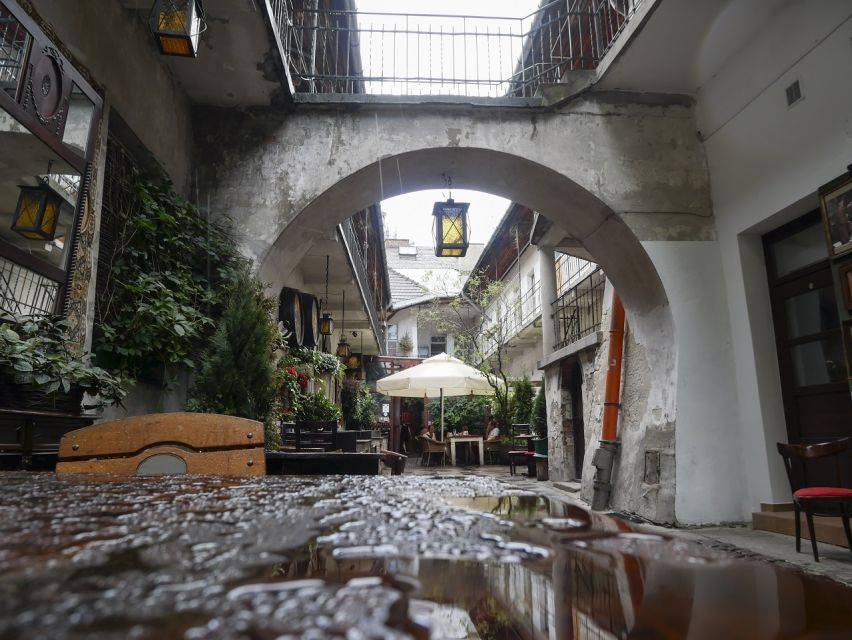
Krakow’s Jewish Quarter and Schindler’s Factory fit together well: first you walk through Kazimierz, where Jewish life took shape over centuries, then you visit the museum that explains what happened during World War II. The route connects streets, synagogues, cemeteries, and wartime history instead of treating them as separate sights.
I like the mix of old and current Krakow, especially the surviving Jewish institutions alongside the district’s cafes, shops, and art scene. I also like that entry to Schindler’s Factory is included, since the museum gives the story a strong visual setting. The main consideration is the walking: one participant measured roughly 5 to 6 kilometers, so good shoes matter.
Key points at a glance
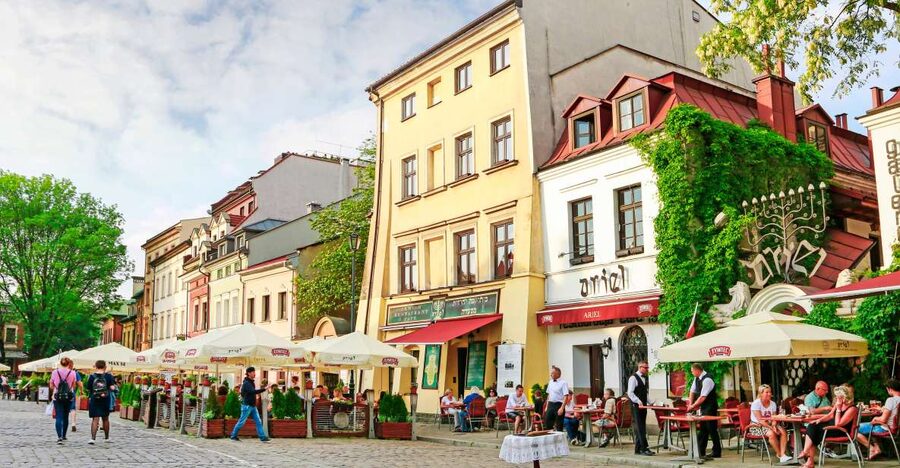
- Kazimierz from the 14th century onward: Follow the district’s story from its first Jewish settlements through 19th-century assimilation and the destruction of World War II.
- Historic synagogues and cemeteries: See the surviving places that once formed the center of Jewish religious and community life.
- Modern Kazimierz: Notice the cafes, fashionable shops, and art spaces that give the area its current character.
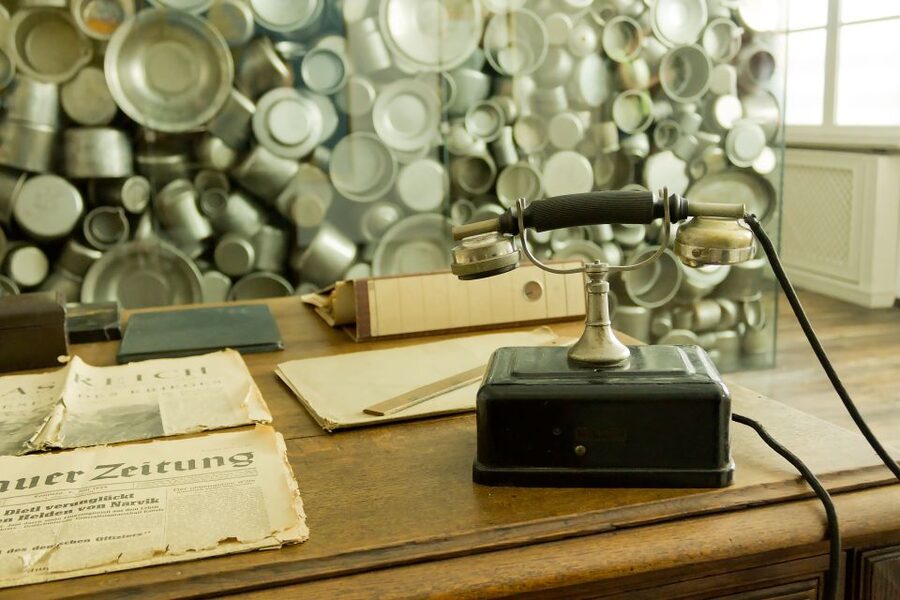
- Schindler’s Factory Museum: Explore a modern exhibition about wartime Krakow and Oskar Schindler’s efforts to save Jewish workers.
- A long, information-heavy walk: Set aside 210 minutes, wear comfortable shoes, and expect the history to receive more attention than casual sightseeing.
- Multilingual guiding: Tours are offered in English, Spanish, French, German, and Italian, with guides including Margaux and Filipe.
Starting at the Old Synagogue in Kazimierz
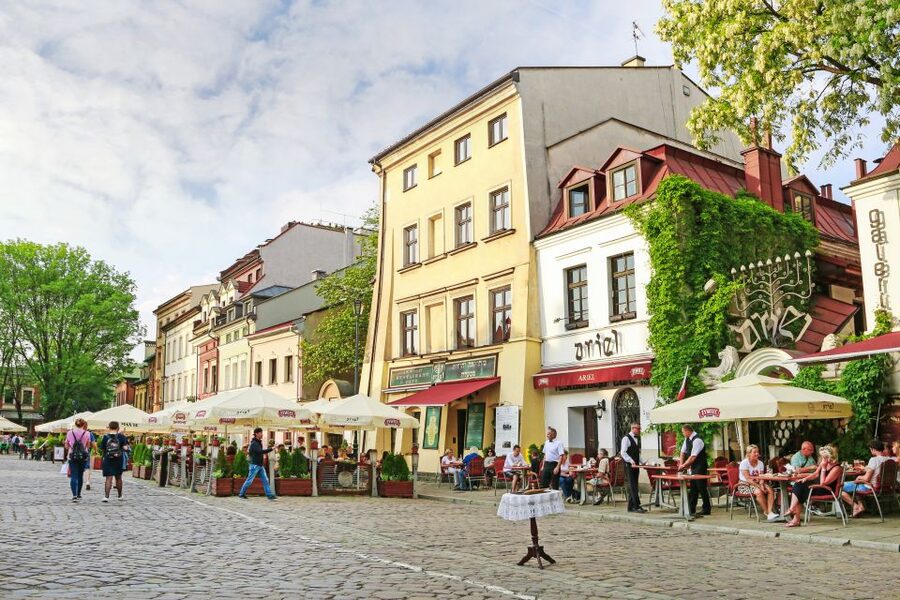
The tour begins on the steps of the Old Synagogue. Look for the guide holding a sign with the local partner’s name. This is a practical meeting point because you begin in the heart of Kazimierz rather than spending the first part of the tour getting there.
Kazimierz was established as a separate town in the 14th century. Over time, it became home to Jewish communities whose religious, family, and commercial life shaped the district. Your guide uses the streets and buildings to explain how that closed community developed, how Jewish residents gradually assimilated during the 19th century, and how the Second World War changed everything.
The Old Synagogue gives the walk an appropriate opening. You are not starting with an abstract lecture in a hotel lobby. You are standing beside one of the district’s key institutions, with the surrounding streets providing the setting for the story.
You should expect a walking tour rather than a quick photo stop. The route covers a lot of ground, and the history requires concentration. The pace may feel slow at moments because the guide is explaining changes that took place over hundreds of years, but that slower pace is useful if you want more than a surface-level look at Kazimierz.
More Schindler's Factory tours from Kraków:
- Krakow: Oskar Schindler’s Factory Entry Ticket & Guided Tour
★ 4.2 · 3,793 reviews - Krakow: Schindler’s Factory Tour with Entrance Ticket
★ 4.5 · 3,182 reviews - Krakow: Schindler’s Factory Skip-the-Line Ticket
★ 4.4 · 3,105 reviews
Synagogues, cemeteries, and the shape of Jewish life
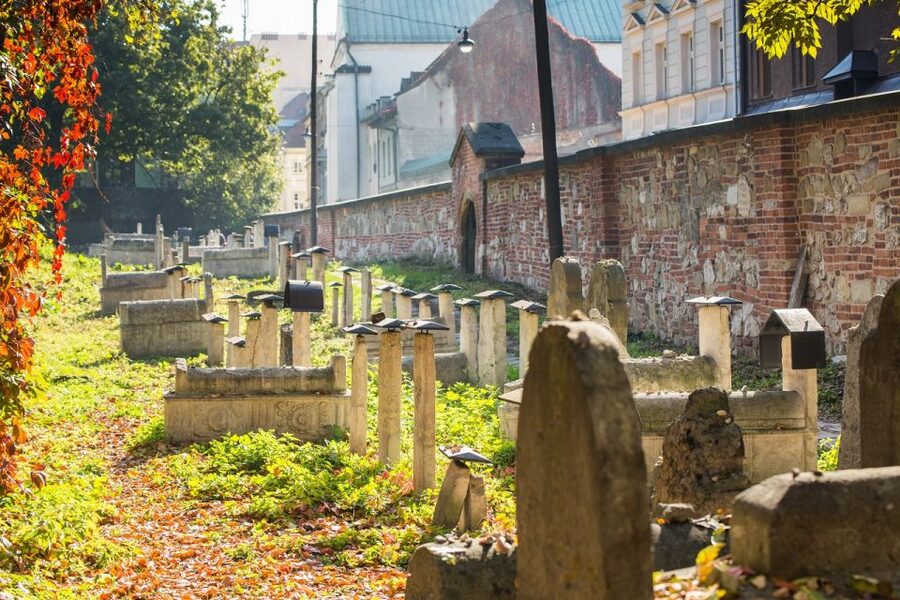
The first section focuses on traditional Jewish institutions. You see synagogues and old cemeteries that remain part of Kazimierz’s physical record. These places help explain how a community organized daily life around worship, family, education, and local ties.
The value here is the connection between buildings and people. A synagogue is not simply an old structure to photograph. It points to the religious life that once filled the district. A cemetery is not just another historic site. It reflects generations of residents and the permanence of a community that was later shattered.
The supplied route description does not promise entry into every synagogue or cemetery, so you should think of this part mainly as a guided look at the district’s historic institutions and their setting. Your guide can provide the context that is hard to pick up on your own, especially when a building’s outside appearance gives little clue to its importance.
This is also where the tour’s length becomes useful. A short neighborhood stroll might show you two or three attractive streets. Three and a half hours gives the guide time to connect the district’s 14th-century beginnings, 19th-century social changes, and wartime tragedy.
Kazimierz today: cafes, shops, and art
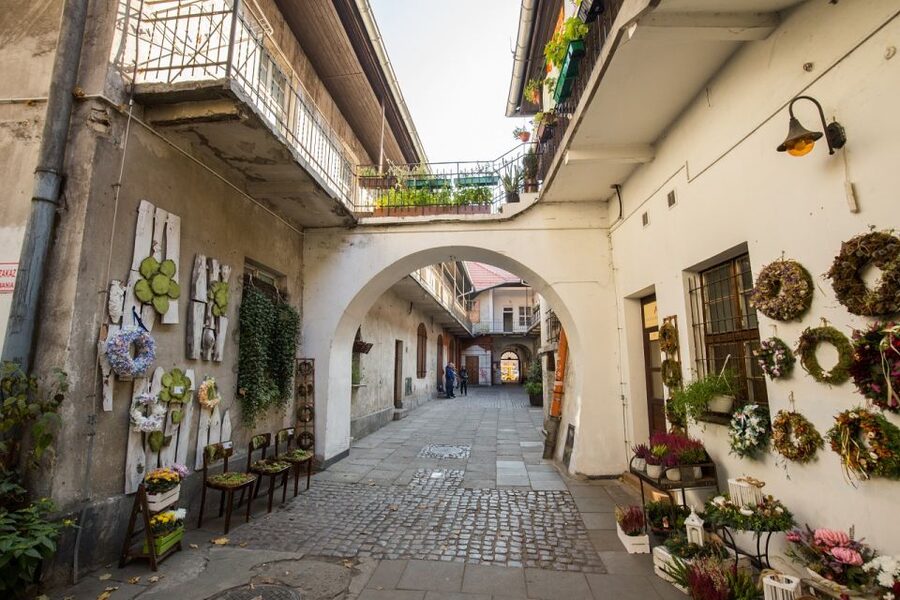
Kazimierz is not preserved as a frozen memorial district. Alongside its older institutions, you find a modern social scene with cafes, fashionable shops, and art spaces. The tour points out this current side of the neighborhood, giving you a better sense of how Krakow uses and reshapes its historic quarters.
I like this contrast. It keeps the district from becoming only a place of mourning, while also making clear that modern atmosphere does not erase the past. You may see people enjoying coffee or browsing shops near buildings tied to difficult events. That mixture is part of the area’s present character.
The guide’s role matters here. Without context, the modern cafes can look like a separate attraction from the synagogues and cemeteries. With explanation, you can see Kazimierz as a neighborhood with several layers: medieval foundations, Jewish community life, wartime destruction, and a present-day creative scene.
Do not expect a food tour or a cafe crawl. Food and drinks are not included, and the focus remains historical. You may have time to note places you want to return to later, but the schedule is built around walking and museum visits.
From Kazimierz to Schindler’s Factory
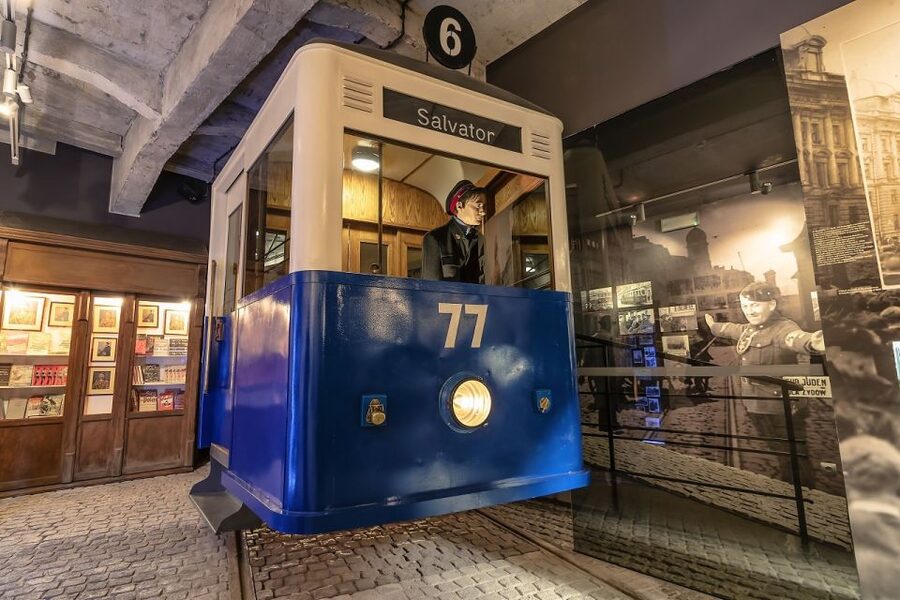
The second major part of the experience is a visit to Schindler’s Factory Museum. Entry is included in the $69 price, and the tour is arranged with skip-the-ticket-line access. That saves you from dealing with a separate museum visit, though the exact timing requires some care.
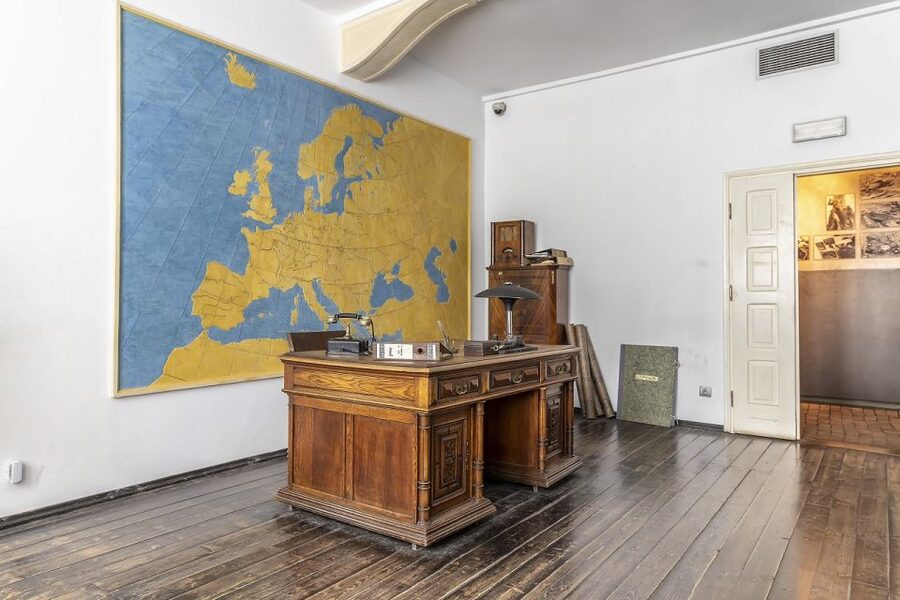
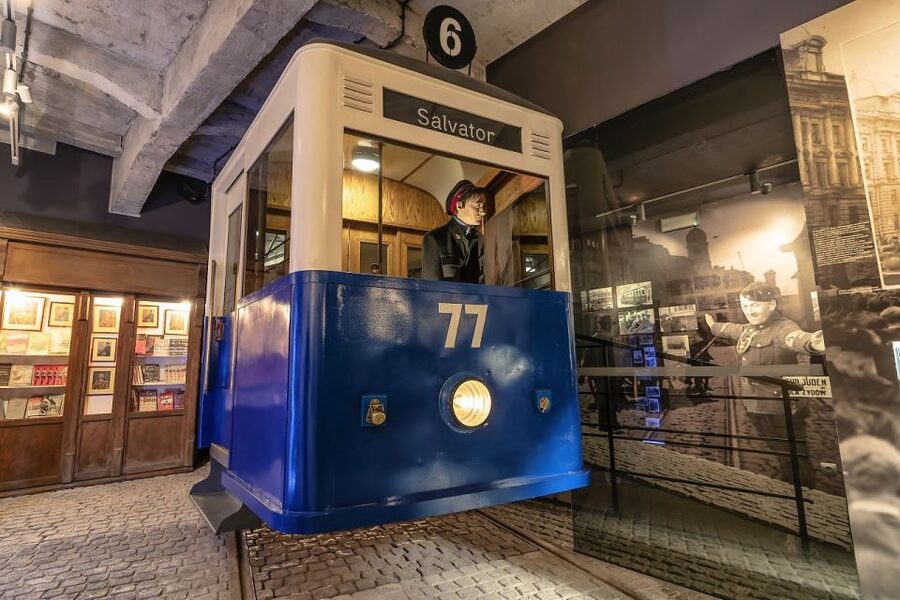
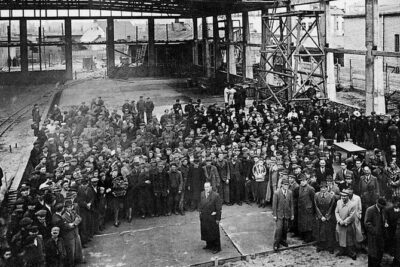
The museum examines Krakow during World War II and explains the fate of the city’s Jewish population. It also tells the story of Oskar Schindler, the German entrepreneur who worked to save many Jewish people. His actions inspired Steven Spielberg’s Academy Award-winning film Schindler’s List.
The museum adds a different kind of understanding than the neighborhood walk. In Kazimierz, you see the places where community life existed. At the factory, you encounter a museum presentation focused on occupation, persecution, and the choices people made during the war.
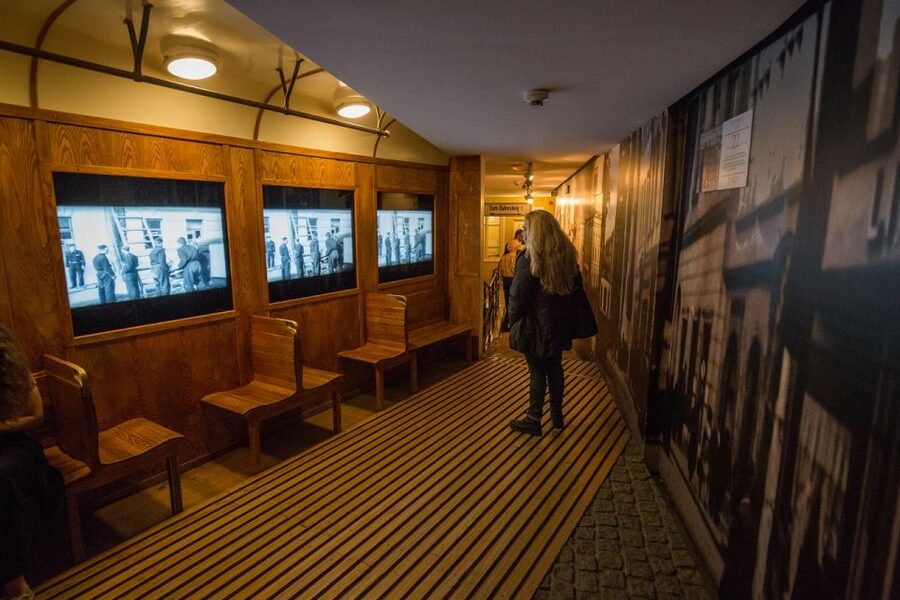
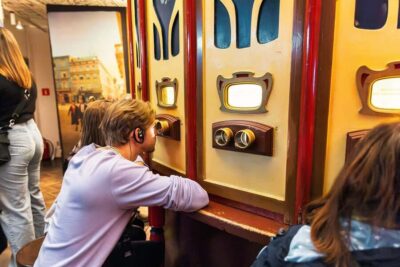
The exhibition is described as modern, so you should expect a designed museum experience rather than a bare historic shell. That can help organize a painful and complicated subject. It also means the visit may feel more structured and less open-ended than the outdoor portion of the tour.
The Schindler connection attracts many people, but the museum is not simply a film-themed stop. The important subject is Krakow under Nazi occupation and the fate of its Jewish population. If you have seen Schindler’s List, the visit can add local context. If you have not, the museum still functions as part of the wider history of Krakow.
Other Jewish-heritage walks around Kraków:
- Krakow: Schindler’s Factory & Ghetto Guided Tour
★ 4.7 · 1,694 reviews - Krakow: Jewish Quarter and Former Ghetto Tour
★ 4.9 · 1,441 reviews - Krakow: Bike Tour of Old Town, Jewish Quarter and the Ghetto
★ 4.9 · 1,155 reviews - Krakow: Kazimierz Jewish Quarter Walking Tour
★ 4.8 · 571 reviews
What makes the guide important
This tour depends heavily on the quality of the live guide. You are covering several centuries, religious institutions, social changes, and the Second World War in 210 minutes. A guide who can answer questions clearly makes a real difference.
Margaux has led the route, and one German-speaking participant specifically praised her patience and broad command of the subject. Filipe has also guided the experience. The available languages are English, Spanish, French, German, and Italian, so you can select the language that lets you handle difficult history most comfortably.
The best use of your guide is to ask questions when the historical sequence feels complicated. Kazimierz’s story includes separation, assimilation, destruction, and renewal. Those terms can become blurry when you meet them all in one walk. Asking for clarification helps you understand how one period led into the next.
The guide also helps you read what is not immediately visible. A synagogue, cemetery, or street corner may not explain its own importance. Your guide supplies the links between the physical district and the people who lived there.
Walking distance, timing, and physical demands
The advertised duration is 210 minutes, or three and a half hours. One participant reported walking about 5 to 6 kilometers in total. That distance is manageable for many people, but it is not a brief orientation stroll.
Wear comfortable walking shoes. This is the clearest practical lesson from the experience. You should also think about the season, since part of the tour takes place outdoors and the route may feel very different in warm, cold, or wet weather.
The walk includes serious subject matter, so the physical length is not the only demand. You are asked to pay attention for several hours, moving from neighborhood history to wartime history and then through a museum exhibition. Families with older children may find it worthwhile, but very young children may struggle with both the distance and the subject.
The museum schedule can affect the exact timing. From January 1, 2026, the listed times are approximate and may change because of Schindler’s Factory scheduling. You can choose a preferred time when booking, but it is not guaranteed to be the final museum entry time.
Is $69 a fair price?
At $69 per person, this is not the cheapest way to see Kazimierz. You can walk through the neighborhood on your own without paying for a guide. You would then need to arrange your own museum entry and build your own explanation of the district’s Jewish history.
The value comes from combining both parts in one guided experience. You receive a live guide, a planned route through Kazimierz, and entry to Schindler’s Factory. For a first visit to Krakow, that package can save time and give you a clearer structure than visiting the sites separately.
The price makes the most sense if you want historical interpretation. If you mainly want to wander, take photos, and stop for coffee, a self-guided visit may suit you better. If you want to understand how Jewish Krakow developed, how it was destroyed, and how the city remembers that past, the guide and museum admission add real value.
Food and drinks are not included. That is easy to manage, since Kazimierz has cafes and shops, but you should not expect a meal break to be part of the tour. Plan to eat before or after, depending on the starting time.
What to bring and check before booking
Bring the same identification you use for your reservation. From January 1, 2026, Schindler’s Factory uses personalized tickets, so you must provide the full names of all participants when booking and bring a passport or ID for museum entry. Without the required identification, entry may be refused.
Check the selected language carefully. English, Spanish, French, German, and Italian are available. A tour about wartime history is much easier to follow in the language you handle best.
Allow flexibility around the museum time, especially for visits from 2026 onward. The preferred time is not guaranteed because of museum scheduling. Avoid placing a tightly timed activity immediately afterward.
You can cancel up to 24 hours in advance for a full refund, and the reserve-now, pay-later option lets you hold a place without paying at the time of booking. Those policies help if your Krakow plans are still shifting, but they do not remove the need to check the final meeting and museum details.
Who should choose this Krakow tour?
I would choose this experience if you want a guided introduction to Kazimierz and do not want to separate the neighborhood walk from Schindler’s Factory. It suits first-time visitors who want the main historical connections explained in one outing.
It is also a good fit if you value the questions-and-answers side of a guided tour. Margaux’s reported patience and Filipe’s experience suggest that the guide can be an important part of the day, though the exact guide depends on the departure.
You may prefer another approach if you want a relaxed afternoon with long cafe stops, if 5 to 6 kilometers is too much walking, or if you want to explore each museum room at your own pace. The 210-minute schedule is focused and fairly full.
FAQ
Where does the tour meet?
Meet on the steps of the Old Synagogue in Krakow’s Kazimierz district. Your guide will hold a sign with the local partner’s name.
How long does the experience last?
The tour lasts 210 minutes, or three and a half hours.
What languages are available?
Live guiding is available in English, Spanish, French, German, and Italian.
Is Schindler’s Factory entry included?
Yes. The tour includes a ticket to Oscar Schindler’s Factory Museum.
Is food included?
No. Food and drinks are not included in the price.
How much walking should I expect?
The route is a substantial walking tour. One participant covered about 5 to 6 kilometers, so comfortable shoes are recommended.
Do I need identification for Schindler’s Factory?
From January 1, 2026, you must provide the full names of all participants when booking and bring a passport or ID for entry. Without them, entry may be denied.
Can I cancel the booking?
Yes. You can cancel up to 24 hours in advance for a full refund. You can also reserve now and pay later.
Should you book it?
Book this tour if you want history first, atmosphere second, with a guide tying Kazimierz’s synagogues and cemeteries to the museum story at Schindler’s Factory. The combination gives you a useful understanding of Jewish Krakow, World War II, and the district’s modern revival in one well-packed outing.
Skip it if you want a short, casual walk or plan to explore the museum entirely alone. For most visitors who have three and a half hours, can manage the walking, and want clear historical context, the $69 price is reasonable because it includes both guiding and museum admission.
Just added in Kraków
- Wawel Castle, Old Town with St. Mary’s Church Guided Tour★ 5.0 · 5 reviews
- Wawel Castle, Old Town with St. Mary’s Church Guided Tour★ 5.0 · 3 reviews
- Wawel Castle, Cathedral, Old Town and St. Mary’s Basilica★ 4.8 · 13 reviews
- Wawel Castle, Cathedral, & Rynek Underground Tour with Lunch★ 4.5 · 10 reviews
- Wawel Castle & Cathedral Skip the Line Small Group Tour★ 5.0 · 3 reviews
- Wawel Castle and Cathedral Guided Tour★ 4.6 · 44 reviews
- Wawel Castle, Cathedral, Rynek Underground Tour with Lunch★ 5.0 · 3 reviews
- Wawel Castle and Cathedral Guided Tour★ 5.0 · 8 reviews
Schindler's Factory Tours, compared.
Oskar Schindler’s Factory Entry Ticket & Guided Tour
Read the review →
Schindler’s Factory Tour with Entrance Ticket
Read the review →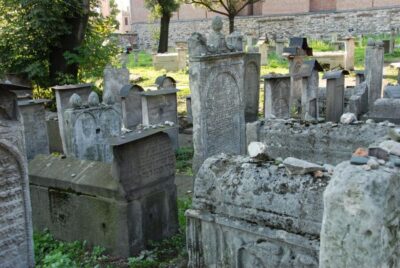
Schindler’s Factory in Krakow: Guided Tour & Skip the Line Ticket
Read the review →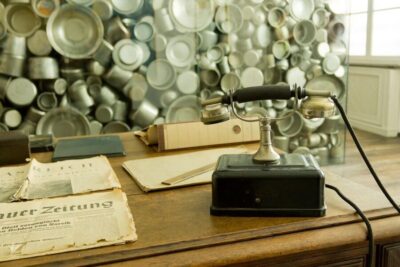
Schindler’s Factory Ticket with Guided Tour Option
Read the review →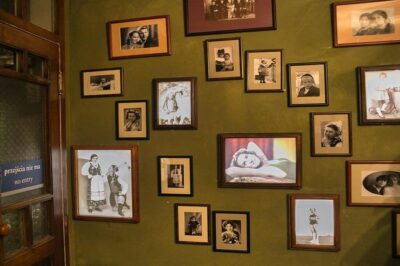
Krakow Schindler’s Factory Guided Tour with Admission Ticket
Read the review →
Krakow Schindler’s Factory Museum Guided Tour in English
Read the review →Browse the lists this tour appears in