
Reviewed · SCHINDLER'S FACTORY TOURS
Schindler’s Factory Museum
Schindler’s Factory Museum is less a tribute to one man than a powerful account of how Krakow changed under Nazi occupation. You move through the former factory offices, following the city from the years before the war through invasion, persecution, the Jewish ghetto, and the lives saved through Oskar Schindler’s work.
I like the small group limit of 15 and the local Spanish-speaking guide, since the displays contain a great deal of text and a guide can explain what matters. I also like the convenient skip-the-line arrangement, especially because ticket confusion and queues can be a serious problem at busy times.
The main consideration is simple: if you expect a full biography of Schindler, this may feel off target. The museum spends more time on Krakow’s people and wartime experience than on Schindler himself, and the 90-minute tour may feel quick in a museum where many visitors spend two hours or more.
Key points to know before booking
- The museum is about Krakow under occupation, not only Oskar Schindler.
- A Spanish-speaking local guide leads the 90-minute visit.
- Groups are limited to 15 people, making explanations easier to follow.
- Advance booking matters, since unticketed visitors can face long queues.
- The factory building is tied to Schindler, but the exhibition occupies the former administrative area, not the entire industrial complex.
- The recommended minimum age is 14, because the subject matter is serious and the displays can be emotionally difficult.
What the Schindler’s Factory Museum actually covers
The name creates a clear expectation. You may picture a museum focused on Oskar Schindler, the German industrialist who saved more than 1,000 Jewish workers during the Second World War. That story is here, but it is only one part of the visit.
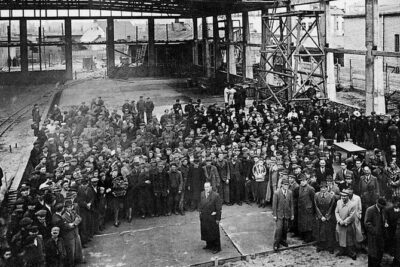
The exhibition places Schindler inside the much larger story of Krakow. You learn how the city functioned before the war, how Nazi Germany invaded Poland, and how occupation changed ordinary life for Jewish and non-Jewish residents. The emphasis is on people, rules, fear, displacement, and survival.
That broader approach is one of the museum’s strengths. It helps you understand that Schindler’s actions did not happen in isolation. His factory operated inside a city being remade by force, with Jewish residents pushed into the ghetto and daily life controlled by Nazi authorities.
It also explains why some visitors leave wishing they had heard more about Schindler himself. His role becomes especially important near the end of the route, rather than serving as the subject of every room.
More Schindler's Factory tours from Kraków:
- Krakow: Oskar Schindler’s Factory Entry Ticket & Guided Tour
★ 4.2 · 3,793 reviews - Krakow: Schindler’s Factory Tour with Entrance Ticket
★ 4.5 · 3,182 reviews - Krakow: Schindler’s Factory Skip-the-Line Ticket
★ 4.4 · 3,105 reviews
Meeting your guide at Lipowa 4F
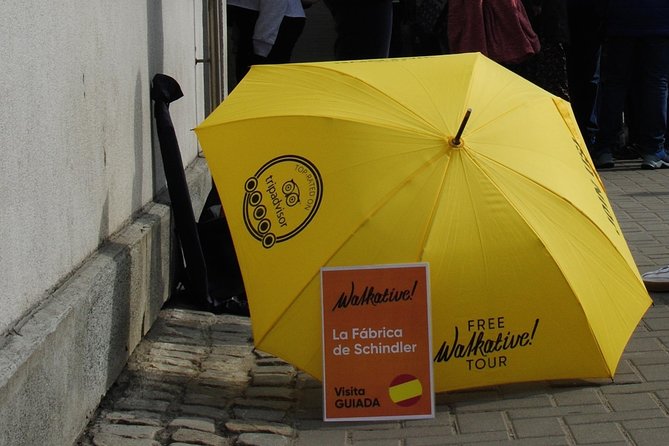
The tour begins at Lipowa 4F, in Krakow’s Zablocie district. You should look for the guide holding a yellow umbrella, the meeting signal given for this activity.
The tour includes museum admission, VAT, and a professional local guide in Spanish. Hotel pickup is not included, and you must make your own way to the meeting point. The location is near public transportation, and it is also possible to walk from the central area, though the exact walking time depends on where you begin.
Arrive with enough time to find the entrance and the guide. This matters here because the museum can have several queues and different groups arriving at once. A pre-booked ticket removes much of the uncertainty, but it does not mean you should arrive at the last second.
The group maximum of 15 is a useful feature. In a museum filled with photographs, documents, signs, and personal objects, a large group can make it hard to hear or stay with the guide. A smaller group gives you a better chance to ask a short question and keep your place in the route.
Following Krakow from peace to occupation
The visit begins with the city before and at the start of the war. This section gives you a frame for what follows. Instead of treating the occupation as a single event, the exhibition shows how quickly normal life was replaced by restrictions and control.
You see photographs, posters, personal belongings, and other objects connected with the period. The presentation follows a timeline, so you move forward through the changing conditions in Krakow. This makes the visit easy to follow, but there is a lot to read.
That combination creates both value and a practical problem. The material is informative, yet the route can feel crowded when many people stop at the same panels. If you try to read every label while keeping up with the guide, you may feel rushed.
I would focus on listening first and then spend extra time on the sections that matter most to you. The guide can explain the basic sequence, leaving you free to study selected photographs or documents rather than attempting to read everything.
The subject is serious throughout. The recommended admission age is 14, which seems sensible given the violence, persecution, and personal suffering presented.
Jewish life, the ghetto, and ordinary people
One of the most important parts of the museum is its attention to Krakow’s residents. The story includes Jewish and non-Jewish citizens, showing how the occupation affected the whole city while making clear that Jewish people faced a targeted campaign of removal and murder.
The exhibition presents the shift from everyday life to forced restrictions. You gain a clearer sense of how persecution was built into daily routines, not limited to a few dramatic moments. Rules, identification, movement, work, and housing all became tools of control.
This is where a guide can add real value. A wall of text can tell you what happened, but a local guide can connect the events and explain why a particular image or object matters. Several guides, including Lucy and Damian, have been praised for explaining Krakow’s wartime experience with personal insight and clear historical context.
The Spanish-language format is especially useful if you prefer to hear history explained rather than read long English or Polish panels. Ask at the start how the guide will handle time inside the exhibition, since a 90-minute tour cannot cover every label in detail.
A few more things to do in Kraków worth a look
- Auschwitz-Birkenau Museum and Memorial Guided Tour from Krakow
★ 4.5 · 1,510 reviews - Krakow: Rynek Underground Museum Guided Tour
★ 4.6 · 1,122 reviews - Krakow Schindler’s Factory Museum Guided Tour in English
★ 4.5 · 650 reviews - Krakow: Auschwitz Birkenau Museum Guided Tour with Pickup
★ 3.6 · 544 reviews
Schindler’s role comes later than expected
Oskar Schindler is central to the museum’s name, but the exhibition does not make him the only subject. You learn about his factory, his relationship with the Nazi system, and the way his workers were protected as the war grew more dangerous.
His story is complicated. The museum does not reduce him to a simple hero figure, and the setting helps you consider the choices and risks involved. The fact that the factory saved more than 1,000 Jewish people gives the visit its emotional center, but the museum also keeps attention on those who were forced to depend on such protection.
If you watched the film Schindler’s List, you will recognize the general story, but the museum gives it a Krakow setting. If you have not seen the film, you can still follow the visit, though the amount of information may feel heavy.
The most important expectation to set is this: Schindler’s personal story is not evenly spread through the museum. It becomes more prominent toward the end. If you mainly want dates, personal details, and a room-by-room account of Schindler, you may prefer a different focused tour or additional reading.
The factory setting and what it does not include
The museum is located in Schindler’s former enamel factory, but the exhibition is in the office building connected with the site. The main factory building still exists but is used for another purpose, so this is not a complete tour of the industrial plant.
That distinction matters. You are visiting an authentic location linked to Schindler, but you should not expect to walk through a working factory floor filled with original machinery. The value is in the setting and the exhibition, not in seeing every part of the former factory operation.
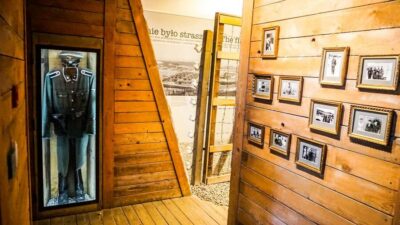
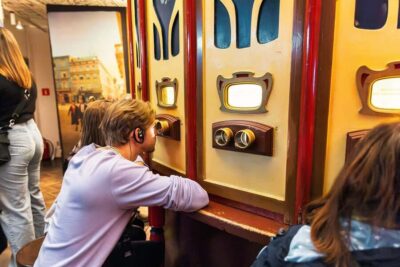
The rooms are arranged as a guided historical route. Posters, photographs, objects, and reconstructed displays help create a sense of the period. Some visitors find the route clever and engaging. Others find it narrow or crowded, especially when several groups arrive together.
The red lights used in parts of the exhibition may bother some people, particularly if you are sensitive to strong visual effects. The design aims to create an emotional atmosphere, but it will not appeal to everyone.
Why booking ahead is worth the $36 price
At $36, this is not the cheapest museum visit in Krakow. The price includes admission and a professional Spanish-speaking guide, so you are paying for more than entry alone.
The value depends on how you like to visit museums. If you prefer to read every panel at your own pace, a standard museum ticket may suit you better. Several visitors spend two hours or more inside, while this guided experience lasts about 90 minutes. A guided tour may therefore feel short if you want to examine every item.
If you want a clear introduction, skip-the-line access, and help making sense of a difficult subject, the price is easier to justify. The guide gives you a route through a large amount of material and prevents the visit from becoming a pile of disconnected photographs and dates.
Advance booking is also part of the value. Unticketed visitors can face a queue of around 45 minutes, and ticket lines may become disorderly when groups, ticket holders, and walk-ins are not clearly separated. Booking ahead does not remove every crowd, but it is much safer than simply arriving and hoping for admission.
I would book this tour if your time in Krakow is limited and you want the history explained in Spanish. I would choose a basic ticket instead if you have several hours and prefer complete control over your pace.
Crowds, queues, and the pace inside
The museum’s popularity is both a benefit and a drawback. A busy museum signals that the subject matters, but crowded rooms make a reflective visit harder.
You may encounter bottlenecks near popular displays. The route is not always spacious, and the volume of text encourages people to stop in the same places. If you are visiting in a busy season, expect more pressure to keep moving.
Going early may help. The museum can be quieter at opening time, while later admission may be limited. Still, the tour time is fixed, so the guide’s pace will shape your visit.
Do not plan this as a quick 30-minute stop before another appointment. Even the guided version needs time to explain the city, occupation, and Schindler’s role. If you want to continue reading after the guide finishes, allow extra time in your Krakow schedule, although the admission does not permit you to leave and return later.
How this tour compares with visiting alone
A self-guided visit gives you more time with the displays. You can pause at personal stories, skip familiar material, and stay longer in sections that interest you. The museum’s timeline makes independent visiting possible, especially if you have read about the occupation before.
The drawback is the amount of information. Without guidance, you may understand the sequence but miss the connections between Krakow’s prewar society, Nazi policies, the ghetto, Schindler’s factory, and the postwar period.
The guided option is strongest for first-time visitors. Guides such as Lucy and Damian have been praised for discussing Krakow and Poland before, during, and after the war, including the years of Soviet communism that followed. That wider context turns the visit into more than a film-related stop.
For someone already familiar with European war museums, the displays may not feel entirely new. You will see familiar themes such as propaganda, forced displacement, personal loss, and Nazi symbols. The local setting is the reason to come, not the expectation that every exhibit will offer a new subject.
Who should book this experience
I would recommend it to you if:
- You want to understand Krakow’s wartime experience, not just Schindler’s biography.
- You prefer spoken explanation in Spanish.
- You have limited time and want a structured visit.
- You are willing to engage with a serious museum about persecution and mass murder.
- You want skip-the-line admission arranged in advance.
- You are 14 or older and comfortable with difficult historical material.
I would be more cautious if you want a quiet, slow museum visit. The route can be crowded, the exhibition contains a great deal of reading, and 90 minutes may not be enough for every display.
I would also set different expectations if your main interest is the film. The museum is connected with the story made famous by Schindler’s List, but its purpose is broader. You are visiting a museum about Krakow’s citizens under occupation, with Schindler as one important part of that story.
Practical details before you go
The tour starts and ends at Lipowa 4F. There is no hotel pickup and no transportation between attractions, so include your own journey to the museum when planning the day.
The activity is near public transportation. You should still allow time to find the meeting point, especially if you are coming from the Old Town or changing trams.
Admission is recommended for young people aged 14 and above. The group maximum is 15 people, and the guide is local and Spanish-speaking. Confirmation is provided when you book.
Free cancellation is available up to 24 hours before the start time. If you cancel within 24 hours, you should expect no refund, and changes made inside that period are not accepted.
Should you book Schindler’s Factory Museum?
Book it if you want a guided, Spanish-language introduction to Krakow during the Second World War, and if avoiding an uncertain ticket queue matters to you. The strongest part is the wider account of ordinary citizens, not a long personal portrait of Schindler.
Skip this particular format if you prefer to spend two or three hours reading at your own pace, or if you want the visit to focus almost entirely on Schindler. For most first-time visitors who want context and a clear route through a difficult museum, $36 is a fair price, provided you accept the 90-minute limit and the possibility of crowds.
FAQ
Where does the tour begin?
The tour begins at Lipowa 4F, 30-702 Krakow, Poland.
Where does the tour end?
The activity ends back at the meeting point.
Is transportation included?
No. Hotel pickup and transportation to the attraction are not included.
Is museum admission included?
Yes. The ticket includes entrance to Schindler’s Factory Museum, VAT, and the professional local guide.
What language is the tour conducted in?
The guide is local and conducts this activity in Spanish.
How large is the group?
The maximum group size is 15 people.
How far in advance can I cancel for a full refund?
You can cancel at least 24 hours before the start time for a full refund. Cancellations or changes made within 24 hours are not refunded or accepted.
Just added in Kraków
- Wawel Castle, Old Town with St. Mary’s Church Guided Tour★ 5.0 · 3 reviews
- Wawel Castle, Old Town with St. Mary’s Church Guided Tour★ 5.0 · 5 reviews
- Wawel Castle, Cathedral, Old Town and St. Mary’s Basilica★ 4.8 · 13 reviews
- Wawel Castle, Cathedral, & Rynek Underground Tour with Lunch★ 4.5 · 10 reviews
- Wawel Castle & Cathedral Skip the Line Small Group Tour★ 5.0 · 3 reviews
- Wawel Castle and Cathedral Guided Tour★ 4.6 · 44 reviews
- Wawel Castle, Cathedral, Rynek Underground Tour with Lunch★ 5.0 · 3 reviews
- Wawel Castle and Cathedral Guided Tour★ 5.0 · 8 reviews
Schindler's Factory Tours, compared.
Oskar Schindler’s Factory Entry Ticket & Guided Tour
Read the review →
Schindler’s Factory Tour with Entrance Ticket
Read the review →
Schindler’s Factory in Krakow: Guided Tour & Skip the Line Ticket
Read the review →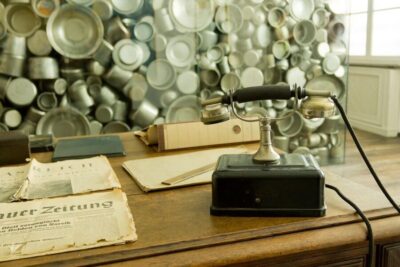
Schindler’s Factory Ticket with Guided Tour Option
Read the review →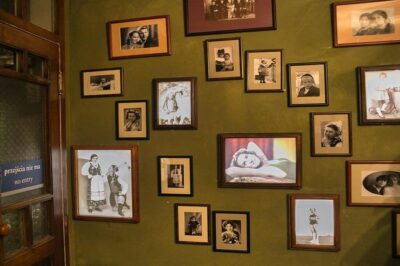
Krakow Schindler’s Factory Guided Tour with Admission Ticket
Read the review →
Krakow Schindler’s Factory Museum Guided Tour in English
Read the review →Browse the lists this tour appears in