
Reviewed · NOWA HUTA & COMMUNISM TOURS
Gdansk: European Solidarity Centre Guided Tour
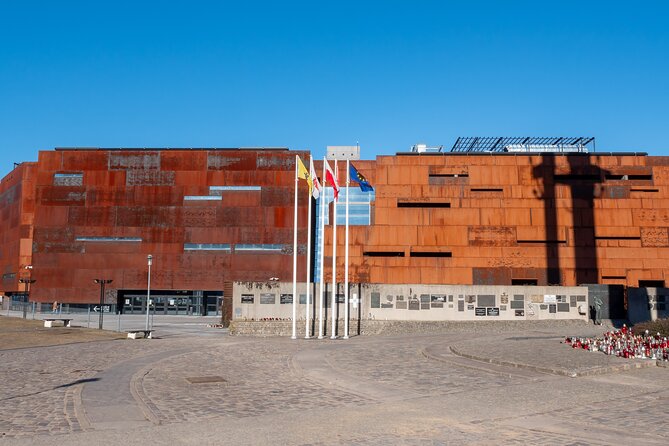
The European Solidarity Centre does more than display old documents. It puts you inside the struggle of Polish workers who challenged communist rule, using recreated strike scenes, film, and interactive displays to show how a mass movement grew from ordinary people. I like the clear link between Gdańsk’s local story and the wider fight for freedom across Eastern Europe. I also like that the tour looks beyond 1980s politics to ask what social justice and human rights mean today.
The main consideration is time. Two and a half hours gives you a useful guided visit, but the centre covers a large and serious subject. You may need to move at the guide’s pace rather than linger over every display. The route also includes staircases, and large bags are not allowed.
Key points to know before booking
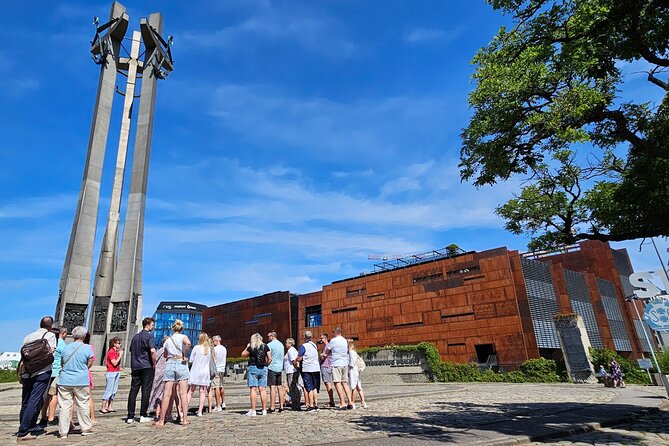
- A guided look at Solidarity: Follow Lech Wałęsa, Polish workers, and the anti-communist movement with a professional English or Polish guide.
- Interactive historical displays: Recreated strikes, multimedia material, and the famous round table negotiations make the story easier to follow than a simple row of cases.
- A wider European story: The centre explains how events in Poland helped inspire movements across Eastern Europe.
- A full 150-minute visit: Plan for a substantial museum experience, not a quick stop between other sights.
- Good access, with one physical catch: The centre is wheelchair accessible, but the tour includes climbing and descending stairs.
- A guide can shape the experience: Marta has received specific praise, while one visitor found the guiding could have been better, so the quality may depend partly on the assigned guide.
Why this centre matters in Gdańsk
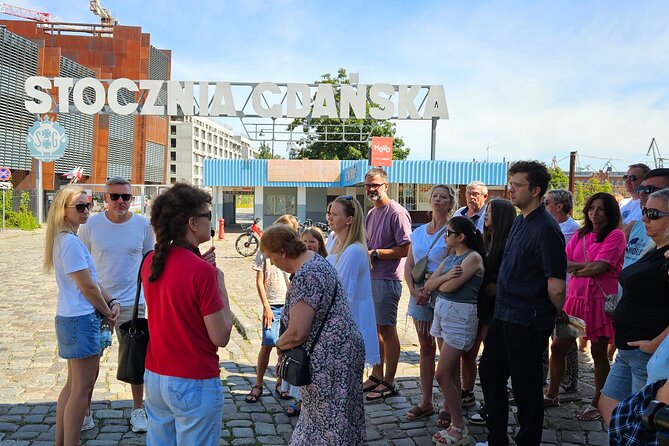
Gdańsk is the right place to examine the Solidarity movement. The story here is not presented as distant political theory. It begins with workers, strikes, pressure from the state, and the hard work of organizing people around a shared demand for freedom.
That focus gives the visit its force. You are not simply memorizing dates or names. You are following the choices made by people who had limited power but found ways to act together.
The centre also gives Lech Wałęsa a central place in the story. His name is closely tied to the Polish workers’ movement, but the experience does not reduce Solidarity to one famous leader. The important point is collective action. Workers, families, organizers, and citizens all helped turn protest into a movement with consequences far beyond one workplace or one city.
I find that especially useful for visitors who know Wałęsa’s name but want to understand what made Solidarity important. The tour connects the public figure to the wider effort around him.
Other communist-era tours around Gdańsk:
- Gdansk: Private Communism Tour with Solidarity Center Museum
★ 5.0 · 28 reviews - Solidarity Tour
★ 5.0 · 25 reviews - Gdansk Private Communism Tour with Solidarity Center Museum
★ 5.0 · 14 reviews
Following the workers’ struggle through the exhibits
The visit is built around the fight against communism. You can expect the guide to lead you through displays that explain the pressures faced by Polish workers and the methods used to resist them.
Recreated strike scenes help turn an abstract political story into something more immediate. Instead of only reading that workers went on strike, you see how the centre uses physical settings and visual material to suggest the atmosphere of a work stoppage and the determination behind it.
The multimedia approach is one of the centre’s strongest features. Film, sound, images, and interactive material can add the human scale that printed text sometimes lacks. If you prefer museums that let you do more than read labels, this format should suit you.
At the same time, multimedia displays can make a visit feel busy. You will be taking in political background, personal stories, and visual material at once. A guide helps by deciding what matters most and placing each display in order. That is one reason the guided format may be more useful than entering alone, particularly if you have limited knowledge of Poland’s twentieth-century history.
The round table negotiations and the move toward change
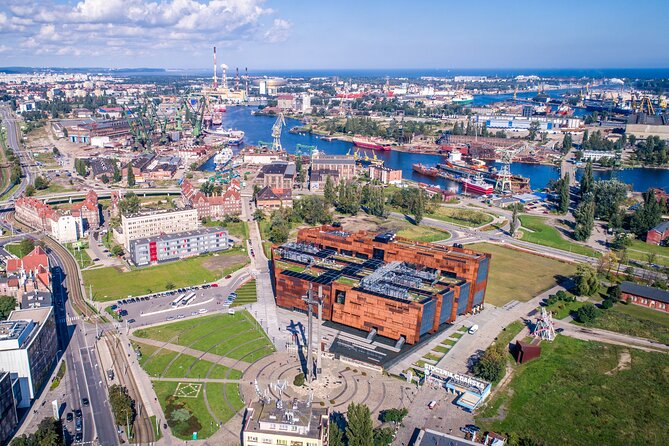
The round table negotiations are among the most important scenes included in the experience. They represent a shift from confrontation toward talks, and they help explain how political change could happen through negotiation as well as protest.
This part of the tour gives the wider story a clear turning point. Strikes show the pressure created from below. The round table shows how that pressure could lead to formal discussions and a new political direction.
You should not expect a light or purely celebratory presentation. The subject involves repression, conflict, uncertainty, and the risks taken by people who opposed the communist system. The centre’s role is to show how change developed, not to turn the past into a simple heroic tale.
I like this balance in principle, though your experience will depend on how much context the guide provides. One booking received a middling assessment because of an organizational complaint, and another noted that the guide could have been better. Those comments do not cancel the centre’s value, but they are a fair reminder that the guide matters in a subject this complex.
From Polish protest to Eastern European change
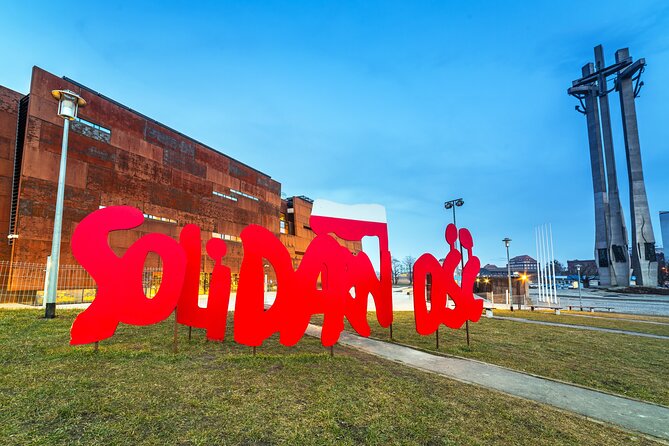
A major strength of this visit is its reach beyond Gdańsk. Solidarity was a Polish movement, but its influence spread across Eastern Europe. The centre presents that wider effect and shows how one country’s push for freedom could encourage people elsewhere.
This broader section helps you avoid seeing the story as an isolated national episode. The struggle in Poland becomes part of a wider chain of political change. For anyone planning a trip through Central or Eastern Europe, that regional context is useful.
You may also find that this part raises more questions than it answers. Political movements rarely follow a clean path, and a 150-minute tour cannot explain every country or consequence in detail. That is not a fault so much as a limit to keep in mind. The guide can give you the main connections, while the displays offer points for further thought.
A few more things to do in Gdańsk worth a look
- Gdańsk City Sights & History Guided Walking Tour in English
★ 4.8 · 876 reviews - Gdansk: Guided Round-Trip Cruise to Westerplatte
★ 4.3 · 865 reviews - Gdansk: City Sightseeing Tour by Golf Cart/Buggy Guided Tour
★ 4.9 · 510 reviews - Gdansk Guided City Cruise on Historical Polish Boat
★ 4.5 · 230 reviews
The centre as a place for present-day questions
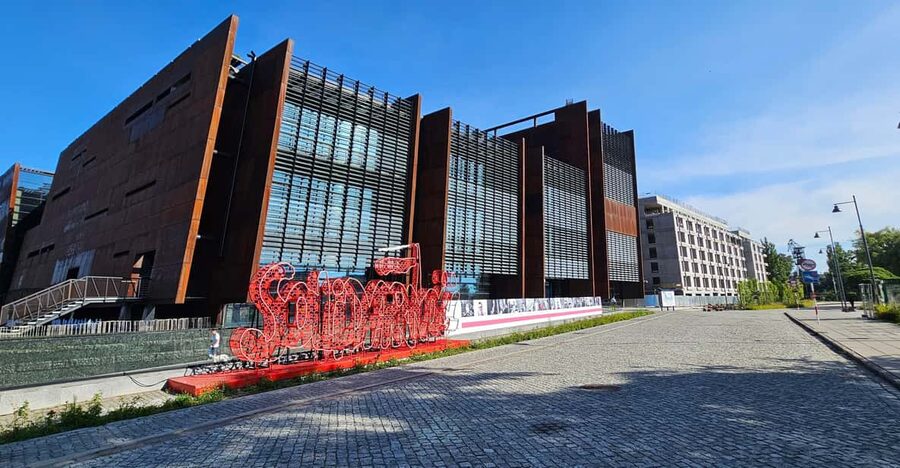
The European Solidarity Centre is not only concerned with the past. Its workshops, films, and thought-provoking displays also consider social justice and human rights as continuing issues.
That makes the visit more relevant than a standard political museum tour. You are encouraged to think about how ordinary people can respond when systems appear too powerful to challenge. The question is not just how Solidarity succeeded, but why its example still matters.
I appreciate that the centre links history to civic life without requiring you to accept a single answer. You can admire the courage of the movement and still consider the difficulties that follow political change. The continuing legacy is part of the experience, not an afterthought.
For some people, this modern connection will be the best part of the visit. Others may prefer a narrower focus on the original strikes and negotiations. If you mainly want old machinery, military objects, or a short introduction to Gdańsk, this may feel more serious and demanding than expected.
What the 150-minute format means for you
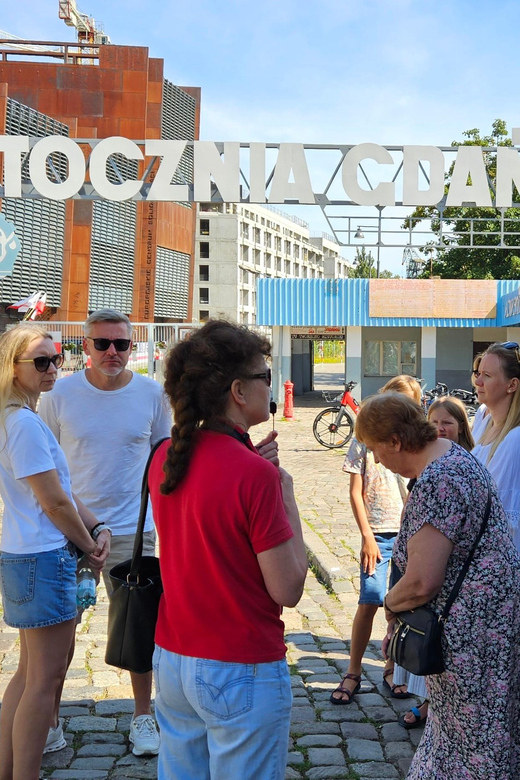
The advertised duration is 150 minutes, or two and a half hours. That is long enough for a guided account with room for several major themes, but short enough to fit into a busy Gdańsk sightseeing plan.
I would avoid scheduling another fixed activity immediately afterward. The start time can change slightly based on guide availability, and the subject deserves some breathing room. Arrive at least 10 minutes before the stated meeting time so you are not trying to find the group at the last moment.
The exact meeting point can vary by the option you book. Check your booking details carefully rather than assuming the group meets at one standard location.
The no-large-bags rule also matters. You cannot bring luggage or large bags, so plan to visit after leaving bulky belongings somewhere suitable. This is a practical issue, not a small technicality, especially if you are arriving in Gdańsk with bags in tow.
Is $83 a fair price?
At $83 per person, this is not the cheapest way to spend a few hours in Gdańsk. The value depends on what you want from the visit.
You are paying for entrance and a professional guide, not transportation, food, or drinks. If you already know the Solidarity story well and are comfortable studying a museum on your own, the added cost of a guided booking may be harder to justify.
I see better value for you if the subject is unfamiliar, if you want a structured account, or if you have limited time in the city. The guide can connect the worker protests, Lech Wałęsa, the round table talks, and the wider Eastern European impact in one sitting. That saves you from piecing together a complicated political story from disconnected displays.
The near-perfect overall score of 4.9 from 14 ratings suggests strong satisfaction, but the small number means you should not treat it as a guarantee. The specific comments point to a useful pattern: the centre itself is viewed very warmly, while guide quality and organization can affect the booking. Marta, in particular, has been praised for making the visit emotional, reflective, and memorable.
That distinction is important. You are choosing both a major museum and a guided service. The museum provides the substance. The guide determines how clearly that substance comes together for you.
Who will get the most from this visit?
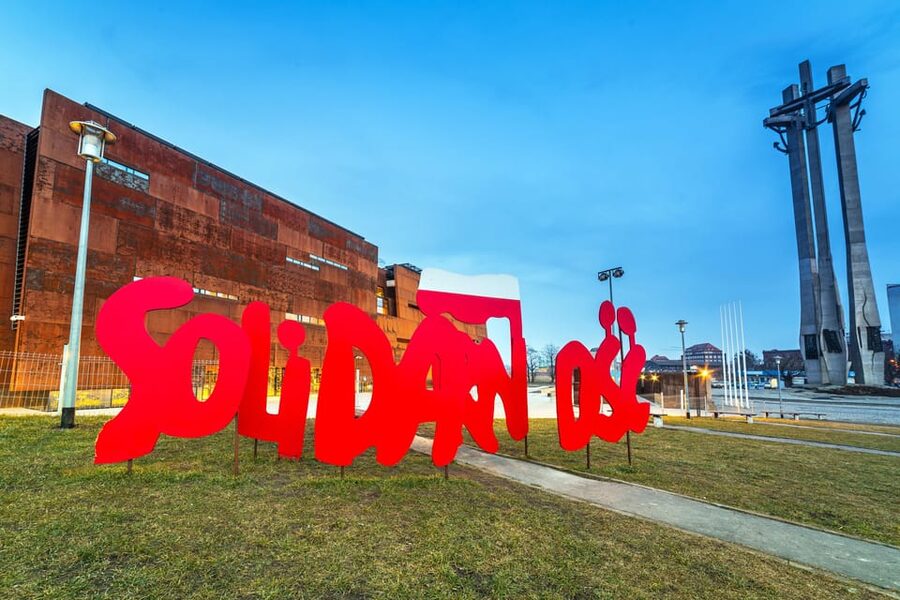
This experience fits you best if you:
- Want to understand the anti-communist movement through people and events, not just dates.
- Enjoy museums with film, interactive material, and reconstructed scenes.
- Are interested in Poland’s role in wider European political change.
- Prefer a guide who can explain the order and meaning of complex events.
- Have enough time for a serious two-and-a-half-hour visit.
- Can manage stairs or arrange your visit around the centre’s accessible facilities.
It may be less suitable if you want a quick museum stop, dislike political subjects, or need to carry large luggage. It may also feel demanding for young children, though the booking rule only says that anyone under 18 must be accompanied by an adult.
The centre’s tone is thoughtful rather than purely entertaining. You will likely leave with questions about resistance, leadership, negotiation, and public responsibility. That is a strength if you want more than a photo stop.
Practical advice for a smoother visit
Read the meeting instructions for your specific booking because the location may vary. Arrive 10 minutes early, and leave extra time if you are unfamiliar with the area.
Wear something comfortable for walking and stairs. The centre is wheelchair accessible, but the guided route includes climbing and descending staircases, so you should check how that affects your needs before booking.
Choose the English or Polish option that suits you best. Both languages are offered with a live guide. If you want to ask questions, an in-person guide is likely more useful than relying only on display text.
Keep your day flexible around the start time. The starting time may shift slightly if guide availability changes. You can cancel up to 24 hours in advance for a full refund, and the reserve-now, pay-later option lets you hold a place without paying at the time of booking.
Should you book the European Solidarity Centre tour?
Book it if you want a serious, well-structured look at how Polish workers challenged communism and how Solidarity influenced freedom movements across Eastern Europe. The combination of a professional guide, entrance ticket, recreated strikes, multimedia material, and round table negotiations gives you a clear framework for a difficult subject.
I would be more cautious if you are mainly seeking a short, self-guided museum visit or if $83 feels high for an attraction you could explore independently. Guide quality may vary, and one comment specifically found the guiding weaker than hoped.
For most history-minded visitors, though, the guided format earns its place in a Gdańsk itinerary. If Marta is leading your group, you may be in particularly good hands. Go prepared to walk, listen, and think. This is a museum visit that asks you to consider not only what happened in Poland, but what ordinary people can do when freedom is restricted.
FAQ
How long does the European Solidarity Centre tour last?
The tour lasts 150 minutes, or two and a half hours.
What is included in the price?
The price includes entrance to the European Solidarity Centre and a professional guide.
Is transportation included?
No. Transportation is not included.
Are food and drinks included?
No. Food and drinks are not included.
Which languages are available?
Live tours are available in English and Polish.
Is the centre wheelchair accessible?
Yes, the activity is listed as wheelchair accessible. However, the tour also involves climbing and descending staircases, so check how the route fits your needs.
Can I bring luggage or a large bag?
No. Luggage and large bags are not allowed.
How early should I arrive?
Arrive at the meeting point at least 10 minutes before the activity begins. The meeting point may vary depending on the option booked.
Just added in Gdańsk
- Gdansk, Gdynia, and Sopot: 8-Hour Private Sightseeing Tour★ 4.9 · 13 reviews
- Undercover City Games: Gdynia★ 5.0 · 34 reviews
- Whisky Tasting in Gdańsk★ 5.0 · 3 reviews
- Private WW2 Tour of Westerplatte,Gdansk and Stutthof Including Lunch★ 5.0 · 12 reviews
- Gdansk EVERYDAY Vodka Tasting Tour★ 5.0 · 6 reviews
- Westerplatte private tour led by Expert-Guide (door to door)★ 5.0 · 5 reviews
- Torun – City of Copernicus Private Tour★ 4.5 · 5 reviews
- TriCity Tour (Gdansk, Gdynia, Sopot) – PRIVATE (8h)★ 5.0 · 4 reviews
Nowa Huta & Communism Tours, compared.
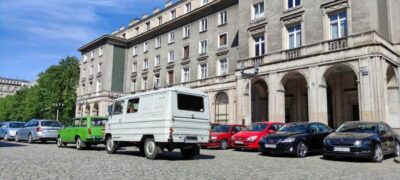
Legendary Private Nowa Huta Communism Tour with Crazy Guides
Read the review →
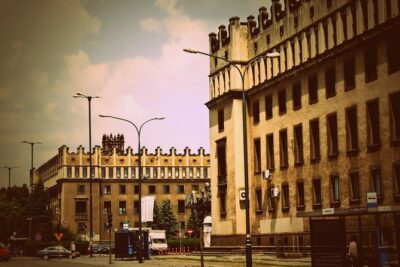
Nowa Huta: Steelworks Administration Buildings/Shelters Tour
Read the review →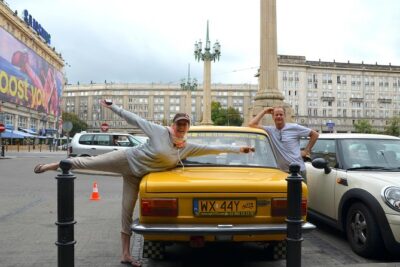
Private Tour: Warsaw’s Communist History by Retro Fiat
Read the review →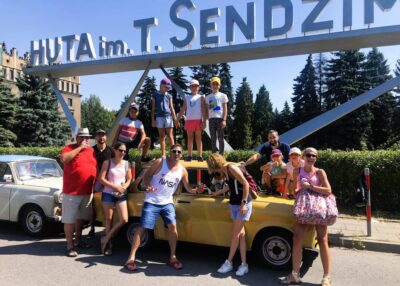
Private Nowa Huta Adventure Tour in Communist Cars
Read the review →

Browse the lists this tour appears in